


-
 Brazil
EU – Mercosur and the Wine Trade: What Lawyers Need to Understand Before It Comes into Force
9 July 2026
- Distribution
- Tax
After more than twenty years of negotiations, the EU/Mercosur agreement remains in a legally incomplete but commercially relevant stage. For lawyers advising clients in the wine industry, the key issue is no longer whether the agreement will reshape trade, but how and when its provisions will begin to affect market access, regulatory compliance, and competitive positioning.
A negotiated agreement, yet without full legal effect
The trade pillar of the agreement was politically concluded in 2019, followed by ongoing revisions and additional negotiations, particularly on environmental commitments. Even though the full agreement is pending ratification processes on both sides, at this stage, the temporary agreement is already in force, producing its effects.
From a legal standpoint, this creates a hybrid scenario: (i) the text is sufficiently defined to anticipate obligations and opportunities, (ii) but not yet fully binding, (iii) with temporary measures already applicable.
This distinction is critical for legal advisors. The full agreement cannot yet be invoked as applicable law, but it already serves as a reliable roadmap for future regulatory and commercial conditions.
Why wine matters in this agreement
The wine sector sits at the intersection of several key chapters of the agreement:
- tariff liberalisation;
- sanitary and phytosanitary (SPS) measures;
- technical barriers to trade (TBT);
- intellectual property, particularly geographical indications (GIs).
This makes wine a multi-layered case study of how the agreement will operate in practice.
At the same time, the economic context reinforces its relevance. The European Union is Mercosur’s second-largest trading partner, with strong complementarities in trade flows. Mercosur’s exports are concentrated in agricultural goods, while EU exports are concentrated in higher value-added categories, where wine is positioned.
Tariffs: gradual but meaningful impact
Today, wine exports to Mercosur, especially to Brazil, face import duties combined with complex internal taxation. While the agreement does not eliminate all barriers immediately, it provides for progressive tariff reductions and improved quota conditions.
Meanwhile, the Brazilian tax system is under complete reform, which reinforces the importance of specialised legal assistance.
For legal practitioners, this raises practical issues:
- interpretation of tariff schedules and staging periods;
- interaction with domestic tax regimes;
- structuring of distribution agreements to capture tariff advantages over time.
The key point is that tariff benefits will not be uniform or immediate. They will require active legal planning to be effectively utilised.
Beyond tariffs: regulatory friction is the real battlefield
More significant than tariffs are the provisions addressing regulatory barriers.
Wine exports are heavily affected by labelling requirements, certification procedures, sanitary controls, product registration rules and geographical protections.
The agreement introduces commitments to increase transparency and reduce unnecessary barriers, particularly under the “Sanitary and Phytosanitary Measures” (SPS) and “Technical Barriers to Trade” (TBT) chapters. However, it does not create full harmonisation.
This means that regulatory compliance will remain jurisdiction-specific, but procedures should become more predictable and less discretionary.
For lawyers, this translates into a shift from navigating opaque systems to advising within a more structured, but still fragmented, regulatory framework.
Geographical indications: protection and tension
One of the most legally sensitive aspects of the agreement is the protection of geographical indications.
The EU seeks recognition and protection of a wide range of European GIs in Mercosur countries, including wine denominations. This implies stronger protection for European producers against the misuse of names and potential restrictions on local producers’ use of certain terms.
From a legal perspective, the new framework raises issues such as:
- coexistence with pre-existing trademarks;
- transition periods for local operators;
- enforcement mechanisms and litigation risks.
This is an area where disputes are likely to arise, particularly in markets with established local practices.
Services, distribution, and market structure
Although often overlooked, service provisions are highly relevant for the wine sector.
Each year, the EU exports nearly €30 billion in services to Mercosur, double the amount in the opposite direction.
The agreement aims to improve conditions for:
- logistics providers
- distribution networks
- commercial representation
- marketing and advertising agencies
For wine exporters, market access is not only about tariffs but also about how products reach consumers.
Legal advisors will need to consider:
- distribution agreements and exclusivity clauses
- regulatory requirements for importers and distributors
- compliance with competition rules
The implementation gap: where risk lies
Even after ratification, the agreement will not produce immediate uniform effects.
Its implementation will depend on phased tariff reductions, domestic regulatory adjustments and administrative practices.
This creates a gap between formal commitments and practical outcomes.
For lawyers, this is where advisory work becomes most valuable:
- managing client expectations
- identifying timing mismatches between legal changes and market reality
- mitigating risks linked to partial or inconsistent implementation
What should lawyers be doing now?
Treating the agreement as a distant political project is a mistake. The ratification is not around the corner, but it will happen.
Instead of just waiting, legal advisors should:
- analyze the relevant chapters (tariffs, SPS, TBT, GIs) from a sector-specific perspective;
- anticipate how domestic law will interact with the agreement;
- prepare contractual structures that can adapt to phased changes;
- monitor closely ratification and implementation developments.
In practical terms, the agreement should already be part of strategic legal advice, even before its formal entry into force.
Final sip
The EU/Mercosur agreement will not revolutionise the wine trade overnight. Its impact will be gradual, technical, and often subtle, but for those advising in the sector, it introduces a clear shift. We are moving from a fragmented and often opaque regulatory environment to a more structured, rule-based framework that is complex, but more predictable.
Understanding the agreement in theory is just the first step. The real challenge is to translate its provisions into practical legal strategies before competitors do.
At major events such as the 2026 FIFA World Cup, some companies attempt to “wildly” associate their brand or image with the event through a practice known as “ambush marketing” , defined by French courts as “an advertising strategy implemented by a company in order to associate its commercial image with that of an event and thereby benefit from the media impact of that event without paying the relevant fees and without having obtained the prior authorisation of the event organiser” (Paris Court of Appeal, 2nd chamber, 8 June 2018, No. 17/12912). A risky and unlawful practice, but one that is sometimes conceivable.
Key points
- Ambush marketing is a practice that may give rise to sanctions but is not prohibited as such.
- In return for their investments in the competition, FIFA’s official sponsors and partners enjoy very strong legal protection, through various general instruments (infringement, free-riding/parasitism, intellectual property) and more specific ones (sports law), against all forms of ambush marketing.
- The FIFA World Cup benefits from enhanced protection based on an extensive portfolio of trademarks registered worldwide and on FIFA’s Intellectual Property Guidelines, in the absence of specific French legislation comparable to that enacted for the Olympic Games.
- However, these rights are not absolute, and there remain narrow opportunities for a (clever) form of ambush marketing.
Protection of official World Cup sponsors and partners against ambush marketing
Reaching nearly 5 billion people across all platforms during its last edition in Qatar in 2022, including more than 1.5 billion viewers for the final alone, the 2026 FIFA World Cup is the most-watched sporting event on the planet. Hosted for the first time by three countries (Canada, Mexico and the United States), it brings together 48 teams and more than 1,200 players for 104 matches across 16 stadiums. Its organisation is largely financed by various official partners, sponsors and rights holders, who in return receive the exclusive right to use FIFA’s official trademarks and intellectual property so as to associate their own image and distinctive signs with the competition.
Ambush marketing is not sanctioned as such under French law, but a range of statutory provisions allow for broad protection of sponsors and partners of world-class sporting events against ambush marketing. They are indeed entitled to peacefully enjoy the rights offered to them in exchange for the significant investments they make in connection with events such as, for example, the football or rugby World Cups, or the Olympic Games.
The following legal instruments may in particular be invoked by official sponsors and by the organisers of such events:
- the “classic” protections offered by intellectual property law (trademark law and copyright) by way of an infringement action under the French Intellectual Property Code,
- civil liability law (parasitism/free-riding and unfair competition based on article 1240 of the French Civil Code),
- consumer law (misleading commercial practices),
- but also more specific provisions, such as the protection of the exploitation rights of sports federations and organisers of sporting events under article L.333-1 of the French Sports Code, which grants organisers of sporting events a monopoly over the exploitation of those events.
On these grounds, the following ambush marketing practices have notably been sanctioned:
The exploitation of a tennis competition and the use, during the sporting event, of the brand associated with it: An online betting operator organised bets on Roland Garros matches using the protected sign and Roland Garros trademark to identify the matches on which bets were offered. The unlawful exploitation of the sporting competition was sanctioned at EUR 400,000 under article L.333-1 of the French Sports Code, the French Tennis Federation being the sole owner of the right to exploit Roland Garros. The use of the trademark was also sanctioned for infringement (EUR 300,000) and free-riding/parasitism (EUR 500,000) (Paris Court of Appeal, 14 Oct. 2009, No. 08/19179; Paris Judicial Court, 8 Aug. 2024, No 08/19179).
An advertising campaign carried out during a film festival reproducing the event’s registered trademark: During the Cannes Film Festival, a cosmetics brand published videos on its social media showing its brand ambassadors being styled, with the official Cannes Film Festival poster visible in certain shots, one of which reproduced the registered Palme d’Or trademark. Sanctioned on the grounds of copyright infringement and parasitism at EUR 50,000 (Paris Judicial Court, 11 Dec. 2020, No. 19/08543).
An advertising campaign falsely claiming the status of official event partner: During the Cannes Film Festival, the use of the slogan “official hairdresser of women” alongside the expressions “Cannes” and “Festival de Cannes”, and other publications that falsely led the public to believe the company was an official festival partner, to the detriment of the sole official festival hairdresser. Sanctioned on the grounds of unfair competition and parasitism at EUR 50,000 (Paris Court of Appeal, 8 June 2018, No. 17/12912).
These financial sanctions may be combined with injunctions to cease the practices and/or orders for press publication, subject to periodic penalty payments.
FIFA’s specific trademark protection
Unlike the Paris 2024 Olympic Games, which benefited from specific French legislation as a host country (Law No. 2018-202 of 26 March 2018 on the organisation of the 2024 Olympic and Paralympic Games) reserving in particular advertising spaces in the vicinity of competition venues exclusively for official partners, the 2026 FIFA World Cup does not take place on French territory, and therefore no equivalent French legal framework applies. The protection of official partners and sponsors thus relies on general law , but is nonetheless robust.
FIFA has built an extensive portfolio of trademarks registered worldwide, protected in France by the provisions of the French Intellectual Property Code. These trademarks include in particular the verbal and figurative trademark FIFA®, the marks FIFA World Cup™, FIFA World Cup 26™, Coupe du Monde de la FIFA™, Coupe du Monde de la FIFA 2026™, World Cup™, Copa Mundial™, as well as the official competition emblem (combining the trophy with the figure 26), the official slogan “We Are 26™” / “Nous Sommes 26™”, the logos of the sixteen host cities, and the official typeface “FWC 26”, protected by copyright. Only FIFA’s rights holders, namely the FIFA Partners (led by Adidas, Aramco, Coca-Cola, Hyundai/Kia, Qatar Airways and Visa), the Plus Sponsors, the Official Sponsors and Regional Supporters, are authorised to use this official intellectual property for commercial purposes.
FIFA has published Intellectual Property Guidelines (version 2.0, June 2024) detailing the authorised and prohibited uses of the trademarks and logos associated with the 2026 World Cup. According to these guidelines, the following are prohibited without authorisation: any use of official trademarks in commercial advertising; the incorporation of official intellectual property into a trade name or domain name; the organisation of competitions, games or prize draws creating an association with the competition; the use of official trademarks to decorate a retail store; and the use of official hashtags by a corporate account for commercial purposes. The guidelines further specify that protection extends not only to identical reproduction of official trademarks but also to confusingly similar variants. This protection, recalled in the guidelines, is consistent with the enhanced protection afforded to well-known trademarks under French law by article L.713-5 of the French Intellectual Property Code.
Lessons from the Paris 2024 Olympic Games: what risks do brands face?
The Paris 2024 Olympic Games gave rise to significant litigation that clearly illustrates the risks faced by companies tempted by ambush marketing at a major sporting event. Although these decisions were rendered in the specific context of the Olympic Games, which benefited from specific, reinforced legal protections, they nevertheless constitute a direct warning for brands that might consider similar strategies during the World Cup, on the basis of general law.
The use of official symbols on travelling physical media: During the Paris 2024 Olympic Games, a Chinese dairy company had buses displaying the Olympic rings alongside its own brands circulating throughout Paris, while presenting itself as “the only Chinese dairy company present in Paris 2024”. The Paris Court of Appeal upheld both free-riding/parasitism and trademark infringement, and ordered the companies concerned, in summary proceedings, to pay EUR 20,000 per defendant, subject to a periodic penalty of EUR 20,000 per day per proven infringement, aimed at stopping the diffusion of the advertising (Paris Court of Appeal, pole 5, chamber 2, 21 Nov. 2025, No. 24/15283; Paris Court, interim order of 8 Aug. 2024, No. 24/55463). This judgment illustrates the vigilance of French courts with regard to strategies of visual association with an event, even without an explicit claim of official partnership, and confirms the possibility of combining infringement and parasitism claims for substantial awards.
The unauthorised broadcast of competitions: The Paris Court, sitting in summary proceedings during the Olympic Games, ordered the immediate cessation of the broadcast of Olympic competitions by a streaming platform that did not hold the corresponding media rights, subject to a periodic penalty of EUR 1,500 per identified infringement, EUR 3,000 per day for ongoing distributions and EUR 5,000 per day for failure to withdraw the content (Paris Court, summary proceedings, 18 Sept. 2024, No. 24/53019). Thus, any platform broadcasting World Cup matches without holding the rights licensed by FIFA faces immediate emergency measures under article L.333-1 of the French Sports Code.
The enhanced protection of well-known trademarks: The French Court of Cassation confirmed that protection of Olympic trademarks extends beyond strict reproduction: it is sufficient for the trademark to be evoked or suggested, without the need to demonstrate a likelihood of confusion in the mind of the public. This solution, based on article L.713-5 of the French Intellectual Property Code, was applied to a bar that had used the Olympic rings on its coasters to promote its broadcast evenings (Court of Cassation, Criminal chamber, 17 Jan. 2017, No. 15-86.363). FIFA’s trademarks being equally well-known worldwide, the same protective regime applies to them: a mere evocation of official trademarks, even without literal reproduction, may constitute an actionable infringement.
Certain marketing operations may escape sanction
Analysis of case law and promotional practices nonetheless reveals the contours of certain advertising practices that could be permitted (not sanctioned by the provisions described above), provided they are carefully prepared and presented. Here are some examples.
Creative or humorous communication
- A tongue-in-cheek, even humorous approach may allow companies to avoid the sanctions described above. For example, Intersnack’s Vico crisps brand launched a promotional campaign in 2016 around the slogan “Vico, partner of supporters at home”.
- Irish bookmaker Paddy Power sponsored an egg-and-spoon race in “London”, a village in Burgundy, France, in order to display the following slogan in London during the 2012 Olympic Games: “Official Sponsor of the largest athletics event in London this year! There you go, we said it. (Ahem, London France that is)”. The Olympic organising committee failed to stop this campaign. British humour …
- Meanwhile, Heineken, a rival of official Euro 2016 sponsor Carlsberg, marketed a range of beer bottles in the colours of the flags of 21 countries that had “marked its history”, the majority of which were participating in the tournament.
Using factual information as advertising
It was held lawful to use the results of a rugby match and the announcement of an upcoming match in a newspaper to promote a car brand, with the advertisement reading: “France 13 England 24 , the Fiat 500 congratulates England on its victory and looks forward to seeing the French team on 9 March for France-Italy”. The judges considered that this publication “merely reproduces a current sporting result, obtained and made public on the front page of the sports newspaper, and refers to a future fixture also known to have been announced in the newspaper’s editorial content” (Court of Cassation, Commercial chamber, 20 May 2014, No. 13-12.102).
Sponsoring players participating in the World Cup
Any company may enter into partnerships with players participating in the FIFA World Cup, for example by supplying them with equipment or clothing bearing its logo. FIFA’s Intellectual Property Guidelines expressly state that they “contain no affirmations regarding rights held by third parties such as players, clubs, member associations [or] confederations”. FIFA’s guidelines also explicitly confirm that generic images related to football, national teams or national flags do not fall within the official intellectual property. Caution is nonetheless warranted: the partnership must not create the impression of a commercial association with FIFA or the competition, nor use FIFA’s official trademarks.
A combined legal and marketing approach in designing and preparing the message of any such communication campaign is essential to avoid legal proceedings, particularly on the grounds of free-riding/parasitism. Certain advertising campaigns can therefore legitimately be considered, particularly when they are clever.
Foreign franchisors entering into franchise agreements in Spain should take careful note of the content of the judgment issued by the Provincial Court of Córdoba on November 20, 2025, and require that the partner(s) and the directors of the franchisee company expressly guarantee and indemnify the payment of any debts arising from the franchise agreement.
Spanish corporate law establishes the principle of liability for the directors of corporations or limited liability companies when the company is subject to dissolution (for example, due to losses that reduce equity to less than 50% of the share capital) and, despite this, they fail to convene a meeting to adopt corrective measures (dissolution or capital increase).
In the case of the aforementioned ruling, the franchisor was unable to collect the debt arising from the franchise agreement from the franchisee due to the latter’s insolvency; so it decided to claim that debt from the company’s administrator based on the provision mentioned above, that is, due to the fact that the franchisee company was facing dissolution due to losses and the administrator had not convened a shareholders’ meeting, as was his obligation, so that the shareholders could decide how to resolve the situation.
The ruling we are discussing from the Court of Appeal of Córdoba upholds the lower court’s decision and dismisses the franchisor’s claim against the sole administrator of the franchisee company, stating that:
With regard to liability for corporate debts under Article 367 of the Capital Companies Act, the court recognised the existence of the corporate debts, the presence of grounds for dissolution, the breach of the legal obligations by the corporate administrator, and his liability, but found that a ground for exoneration from liability existed in accordance with the doctrine of “known risk.” Thus, it was noted that the plaintiff is a franchisor and X. S.L. was the franchisee, and it was evident from the electronic communications that the franchisee was under constant monitoring and the franchisor was aware of the risk involved in the operations, halting the shipment of goods (clothing) as soon as the limits of the guarantees granted were exceeded, meaning the plaintiff voluntarily assumed the risk. For all these reasons, the claim was dismissed.
In conclusion, and in light of the foregoing, the present franchise relationship and its conduct allow us to consider that it has been established that the franchisor (creditor) had greater knowledge of the franchisee’s (debtor’s) financial situation, beyond the information appearing in the annual accounts filed with the Commercial Registry, as it was the franchisee’s primary supplier. And this knowledge and control of the debt by the franchisor (through the increase in orders) justifies the exoneration of the corporate director’s liability for corporate debts under Article 367 of the Capital Companies Act, which leads to the dismissal of the appeal
The legal theory or principle of Known/Accepted Risk, to which the judgment refers, holds that harm caused to a third party, with or without a contractual relationship in place, is not considered unlawful if the victim was aware of the risk and voluntarily assumed it.
This doctrine was initially developed within the framework of tort liability: whoever engages in a risky activity and reaps its benefits must bear its negative consequences, that is, the risk—(cuius commodum, eius incommodum).
However, case law has extended the application of this theory to the field of contractual liability, as demonstrated in the judgment under discussion.
Therefore, since the plaintiff was aware of the defendant’s financial situation and solvency—having “monitored” its activity as a franchisor—and despite this, decided to maintain the contract’s validity, thereby increasing the debt, the ruling holds that the franchisor assumed the risk, which constituted grounds for exonerating the administrator from liability. However, more concerning than the above is that this “known risk” theory could be considered applicable to the liability of the franchisee company itself, which could be exonerated from liability based on the franchisor’s monitoring of its activities.
The conclusion of all the above is that, based on this application of the known risk theory, franchisors may face difficulties in claiming debts owed by the franchisee company from its directors in the event of the company’s insolvency; therefore, it is highly advisable that, when signing the franchise agreement, a joint and several guarantee for the franchise’s potential future debts be required from its directors and partners, which, moreover, is a fairly standard practice.
In this way, the objection based on the theory of known risk would not come into play.
Vietnam has been added to the EU list of non‑cooperative jurisdictions for tax purposes (Annex I), following the Council’s update of 17 February 2026.
For EU companies buying goods and services from Vietnam, this is not an outright ban on trade, but rather a signal that substantially heightened tax governance scrutiny, documentation expectations, and (in some cases) more demanding payment execution will follow in the months ahead. The EU listing process is designed less to “name and shame” and more to encourage positive change through cooperation and dialogue, but once a jurisdiction is placed on Annex I, EU Member States implement “defensive measures” that can materially affect tax treatment, withholding obligations, and audit intensity for Vietnam-linked transactions.
What the EU decision does (and does not) do
The EU blacklist is a tax‑governance instrument: it does not prohibit EU businesses from importing goods from Vietnam or procuring Vietnamese services, and it does not alter Vietnam’s domestic tax regime, corporate income tax rules, withholding tax framework, or investment policies.
At the same time, the EU can deepen cooperation with Vietnam on the political and economic track while still applying tax‑governance pressure through listing mechanisms, so businesses should be prepared for a “partnership plus scrutiny” environment rather than expecting the two to be perfectly aligned.
In January 2026, the EU and Vietnam upgraded their relations to a Comprehensive Strategic Partnership, framed as a platform to strengthen cooperation across areas such as trade and investment, climate/energy, sustainable development and digital transformation-a signal that the blacklisting is a technical compliance tool, not a diplomatic rupture.
The ideological paradox: a Socialist Republic on a tax-haven list
Vietnam’s presence on the blacklist is striking when viewed in its broader political context. The EU blacklist was conceived after major tax-transparency scandals (the Panama Papers and LuxLeaks) to address jurisdictions that facilitate offshore structures or fail to meet information-exchange standards. In the Western imagination, “tax haven” connotes liberal microstates or offshore centres, yet Vietnam, governed by a Communist Party, now sits on the same list. This reflects the reality of Vietnam’s hybrid economic model: politically socialist, but economically pragmatic since the Đổi Mới reforms of the late 1980s, with selective tax incentives for special economic zones, high-tech investments and priority sectors that, in certain cases, can significantly reduce the effective tax burden for foreign investors. The EU’s concern is not Vietnam’s headline corporate tax rate but rather-at this stage-the absence of adequate exchange-of-information infrastructure, though the architecture of its preferential regimes has also attracted scrutiny in the past. The listing is a technical compliance issue, not an ideological one.
Why Vietnam was added: the listing criteria and timeline
Vietnam has been subject to EU scrutiny since the very first iteration of the EU list in December 2017, when it was placed in Annex II (the “grey list”) alongside jurisdictions that have committed to reform but are not yet fully compliant. In October 2025, Vietnam was removed from Annex II after fulfilling its commitments on country-by-country reporting (CbCR), and appeared, at that point, to be on the path to full compliance. However, shortly afterwards-in November 2025-the OECD Global Forum published its peer review and rated Vietnam “Non-Compliant” with respect to the standard on Exchange of Information on Request (EOIR), a separate compliance area from CbCR, finding that further reforms remained outstanding and that improvements in the CbCR exchange framework were not expected before 2027. This OECD finding directly triggered the February 2026 move to Annex I-an escalation from the grey list to the blacklist, bypassing any intervening period of full compliance.
The three core listing criteria against which Vietnam was assessed are: Criterion 1 (Tax transparency), The three core listing criteria against which Vietnam was assessed are: Criterion 1 (Tax transparency), requiring compliance with AEOI and EOIR standards and membership of the Multilateral Convention on Mutual Administrative Assistance in Tax Matters; Criterion 2 (Fair taxation), requiring no harmful preferential tax regimes and adequate economic substance rules; and Criterion 3 (Anti-BEPS measures), requiring implementation of OECD anti-BEPS minimum standards including country-by-country reporting. Vietnam’s shortfall was concentrated in Criterion 1, specifically the EOIR standard, which concerns the country’s practical capacity and procedural framework for responding to foreign tax authorities’ requests for information.; Criterion 2 (Fair taxation), requiring no harmful preferential tax regimes and adequate economic substance rules; and Criterion 3 (Anti-BEPS measures), requiring implementation of OECD anti-BEPS minimum standards including country-by-country reporting. Vietnam’s shortfall was concentrated in Criterion 1, specifically the EOIR standard, which concerns the country’s practical capacity and procedural framework for responding to foreign tax authorities’ requests for information.
Vietnam’s response and the path to delisting
Vietnam’s Ministry of Foreign Affairs responded publicly within days of the listing, defending the country’s tax transparency record and stating that the government is implementing a national action plan to follow OECD recommendations and expand tax cooperation with partners including the EU. Vietnam expressed readiness to engage with European authorities to ensure more objective and comprehensive assessments, and to promote cooperation for shared development and prosperity. Practitioner commentary suggests a concrete roadmap is achievable: with legislative amendments (decrees and circulars on EOIR procedures), the establishment of a dedicated EOIR unit, publication of enforcement statistics, and active technical engagement with the EU Code of Conduct Group from now through September 2026, Vietnam could realistically target removal from Annex I at the next EU review cycle in October 2026, although this timeline is ambitious and delisting is by no means guaranteed. The key point for EU businesses is that, while the listing may be relatively short-lived if Vietnam acts decisively, companies should not delay compliance preparations in reliance on early delisting-a proportionate, risk-based response is more appropriate than a wholesale restructuring of Vietnam-linked supply chains.
How different payment types are affected in practice
Goods (imports) are often the most straightforward in substance terms because there is usually a clear chain of documents: purchase orders, shipping documents, customs import paperwork, delivery notes, inspection/acceptance records and matching invoices.
The risk uplift for goods is typically not about whether the purchase is real, but whether the overall supply chain and pricing remain coherent under scrutiny-for example, whether margins and intercompany arrangements around the import flow make commercial sense and are consistently documented.
Services (outsourcing, consulting, IT development, marketing, support) tend to attract more questions because “what was delivered” is harder to evidence than a shipped product.
If your EU entity pays a Vietnamese provider for services, expect to need a well‑organised evidence pack: a clear scope of work, time records or milestones, deliverables (reports, code repositories, tickets), acceptance sign‑offs, and a pricing rationale that matches the level of skill and effort involved.
Royalties and IP-related payments (software licences, trademarks, know‑how, technology access) are particularly sensitive because they combine valuation complexity with cross‑border tax characterisation questions.
Expect pressure-testing of (i) who truly owns and controls the IP, (ii) the contract chain and sublicensing rights, (iii) how the royalty rate was set using benchmarking or comparable arrangements, and (iv) whether the payment is genuinely for IP rather than a disguised service fee.
Intragroup charges (management fees, shared services, cost recharges) are commonly the first area where tax authorities and counterparties ask for “benefit” evidence and allocation logic.
Where Vietnam sits inside a group value chain, be ready to show why a charge exists, how it was calculated, how the recipient benefited, plus consistent intercompany agreements and transfer pricing support.
Financing and treasury flows (interest, guarantees, cash pooling, factoring, trade finance) trigger the most intensive technical review because they involve both tax outcomes and financial crime/compliance sensitivities.
Even where the structure is legitimate, these flows are more likely to be escalated internally for enhanced review and may require more supporting documentation before execution.
How European banks may respond (and what that looks like in practice)
Banks in the EU operate under a risk‑based approach to financial crime and compliance, and they may apply de-risking decisions, meaning they can choose to restrict or exit relationships or transaction types they view as exceeding their risk appetite or being operationally too costly to monitor. EU supervisory frameworks acknowledge that de-risking exists and call for proportionate, evidence-based risk assessments rather than indiscriminate blanket exclusions, but in practice banks have significant discretion.
For an EU company initiating a bank transfer to a Vietnamese counterparty, the following discretionary measures can arise in practice, even where the payment is entirely lawful and commercially routine.
A bank can pause execution and request additional documents before releasing funds, seeking comfort on the purpose and legitimacy of the transaction under its internal controls.
Typical requests include the underlying contract or statement of work, invoices, proof of delivery or performance, an explanation of business purpose, and information on the beneficiary’s beneficial ownership or corporate structure.
A bank can route the payment through manual review queues rather than straight-through processing, particularly for first-time beneficiaries, unusually large amounts, or payments with vague narratives that do not clearly describe the purpose.
This creates operational knock-ons: late supplier settlement, goods held pending payment confirmation, or service suspension where the vendor operates on strict payment triggers.
A bank can impose internal conditions as part of its customer-specific risk controls-for example requiring richer payment details, stricter invoice descriptors, or pre-approval workflows for Vietnam-corridor payments.
A bank can decline to process specific transactions or decide to exit certain corridors, client types, or business models entirely as a risk-management choice. German financial institutions are described as applying enhanced due diligence, requiring full transparency of transaction purpose and ownership for Vietnam-linked payments.
Where a payment is declined, the practical solution is often to adjust the execution setup-alternative banking channel, revised documentation pack, or modified payment mechanics-while keeping the underlying commercial relationship intact.
EU companies are advised to develop a “Banking Compliance Pack” for Vietnam-corridor payments: a pre-assembled set of documents (contract, invoice, proof of delivery/performance, business rationale memo, and beneficial ownership information) that can be submitted proactively or in response to bank queries within hours rather than days.
Non-tax defensive measures and EU funding implications
Beyond tax measures, being on the EU blacklist triggers non-tax consequences that affect Vietnam’s economic relationship with the EU more broadly. EU investment programmes cannot channel funding through entities located in Vietnam, because using such an entity contradicts the core legal purpose of these funds, which are designed to promote good governance, transparency, and the fight against illicit financial flows. Affected funds include the European Fund for Sustainable Development (EFSD/NDICI), which de-risks major investments in areas like energy and digital; the InvestEU programme (which replaced the former EFSI); and the External Lending Mandate (ELM), which provides EIB loans for major infrastructure outside the EU. In addition, the General Framework for STS securitisation imposes separate restrictions on the use of entities in blacklisted jurisdictions within securitisation structures. For Vietnamese entities and their EU partners working on donor-funded or ESG-driven projects, this can be a significant constraint, as subsidiaries and other businesses in Vietnam may be cut off from these sources of EU financing.
DAC6 reporting and public country-by-country reporting
Cross-border arrangements involving Vietnam are now subject to heightened DAC6 scrutiny. In particular, Hallmark C.1(b)(ii) may be triggered where a deductible cross-border payment is made by an EU-based associated enterprise to a tax resident in Vietnam, subject to Member State-specific implementation of the main benefit test and other conditions. Large multinationals (consolidated revenue of EUR 750 million or more in each of the last two fiscal years) must also prepare and publicly disclose a Public Country-by-Country Report. Under the EU Public CbCR Directive, Vietnam activities must be reported separately-not aggregated as “Rest of the World”-disclosing a list of all consolidated subsidiaries, description of activities, number of full-time equivalent employees, revenues (including related-party revenue), profit or loss before tax, income tax accrued and paid, and accumulated earnings. For FY 2025 and FY 2026, Vietnam information is already reportable separately by affected multinationals.
Country notes (alphabetical)
Belgium: Belgium applies non-deductibility of costs, CFC rules, and participation exemption limitations linked to both the EU list and certain domestic criteria. A critical Belgian-specific rule is the reporting obligation for payments made to entities in blacklisted jurisdictions where the aggregate of such payments exceeds EUR 100,000 in the taxable period; once this threshold is met, each such payment must be reported in the annual tax return, and any payment that is not reported, or that cannot be justified on specific grounds, is not deductible. Belgium follows a dynamic approach to the EU list, meaning EU list updates take effect automatically without a further domestic step. For Belgian payers, immediate practical priorities are: (i) identifying all Vietnam-linked payment streams above EUR 100,000, (ii) ensuring the reporting mechanism in the annual tax return is in place, and (iii) building the justification file for each reported payment.
France: France applies all four defensive measures-non-deductibility of costs, CFC rules, withholding tax, and participation exemption limitation-but via a national decree-based list that refers to the EU list while also applying additional French domestic criteria. France follows a static approach, updating its domestic non-cooperative state list through an annual Decree in the Official Journal, with tax consequences applying from the first day of the third month following publication. The last French update took place in April 2025, and at the time of writing (May 2026) no subsequent decree incorporating Vietnam has been published. A further update is expected imminently and will likely include Vietnam. Once Vietnam appears on the French list, key measures include: a 75% withholding tax on interest, royalties, dividends and service fees (counterevidence possible); denial of the participation exemption (counterevidence possible for jurisdictions meeting certain criteria); denial of deductibility of interest, royalties and service fees (counterevidence possible); and a stricter CFC rule under which the burden of proof is reversed and foreign withholding taxes cannot be credited against French CFC income. French payers should monitor the next French decree closely and prepare counterevidence files now so they are ready the moment the decree is published.
Germany: Germany applies all four defensive measures through the Tax Haven Defence Act (Steueroasen-Abwehrgesetz, StAbwG), linked to the EU list via a Tax Haven Defence Ordinance that is updated once per year, typically at year-end taking into account the October EU list update. The expected sequence for Vietnam is: December 2026-amendment to the Tax Haven Defence Ordinance to incorporate Vietnam; from 2027 (Year 1)-stricter CFC rules and extended withholding tax of 15% (plus a 5.5% solidarity surcharge) apply to income from financing relationships, insurance or reinsurance services, legal and advisory services, and trading of goods and services; from 2029 (Year 3)-denial of the participation exemption activates; from 2030 (Year 4)-denial of deductible business expenses activates. Importantly, Germany’s extended withholding tax can override double tax treaties. The multi-year ramp-up means that immediate German impacts are CFC scrutiny and withholding tax friction on specific payment types, while the broader expense deduction denial will only bite from 2030 onwards-giving German payers time to prepare, but making early documentation investment worthwhile.
Italy: Italy uses the EU list for monitoring and deductibility purposes under Article 110 TUIR: costs connected with counterparties in Annex I jurisdictions are generally deductible up to “normal value,” while amounts above normal value require evidence of an effective economic interest, and all such costs must be separately indicated in the annual income tax return (Modello REDDITI). Italy’s framework is directly triggered by the EU list, meaning Vietnam’s Annex I status is effective for Italian purposes from the publication of the Council conclusions in the EU Official Journal, without any further domestic implementing step being required.
For Italian payers, service costs, royalties, and intragroup charges to Vietnam are the most sensitive categories: robust documentation of deliverables, pricing and economic rationale is essential, and accounting teams need to ensure they can cleanly isolate Vietnam-linked costs in the year-end reporting workflow.
Malta: Malta follows a dynamic approach to the EU list, meaning Vietnam’s Annex I status takes effect automatically in Malta’s tax framework. Malta applies a limitation of the participation exemption on dividend income derived from a participating holding in a body of persons that has been resident in a jurisdiction on the EU list for a minimum period of three months during the year immediately preceding the year of assessment, subject to a counter-evidence exception based on “people functions.” Malta does not apply non-deductibility, CFC, or withholding tax defensive measures against EU-listed jurisdictions as primary tools, so the main Malta-specific concern for holding and investment structures is participation exemption eligibility and substance evidence. For Malta-based groups, the practical response is to keep board materials, contracts, and commercial rationale tightly aligned, and to prepare for more intensive counterparty due diligence (beneficial ownership, substance, and tax residency) from EU customers and financial institutions.
Netherlands: The Netherlands applies a 25.8% conditional withholding tax on interest, royalties, and (since 1 January 2024) dividends paid to related entities in EU-listed jurisdictions or low-tax jurisdictions, as well as CFC rules with counterevidence possible. The Netherlands follows a static approach: the list applicable for a tax year is based on the EU list as it stood at the end of the preceding year, using the October update as the reference. This means the Dutch 2027 Regulation will include Vietnam only if Vietnam remains on the EU list after the October 2026 review cycle. No withholding tax consequences arise for Dutch payers immediately in 2026 as a direct result of Vietnam’s February 2026 listing, but the October 2026 review date is critical: if Vietnam remains listed, Dutch conditional withholding tax obligations will activate from 1 January 2027. Dutch payers with intragroup dividend, interest, and royalty flows to Vietnam should use the current window to restructure documentation and pricing support and to assess whether existing double tax treaty protections remain effective in light of the conditional WHT mechanics.
Spain: Spain does not mechanically mirror the EU list, but operates its own domestic list of non-cooperative jurisdictions, which is updated separately and can include or exclude jurisdictions differently from Annex I. Spain applies a static approach, with the list specified in law. The practical implication is that the Spanish domestic tax consequences of Vietnam’s listing depend on whether and when Spain updates its domestic list to include Vietnam, rather than arising automatically from the EU Council’s February 2026 decision. For Spain-based procurement and finance teams, do not assume a one-to-one mapping between EU-list status and Spanish domestic tax outcomes, but do treat Vietnam-linked transactions as higher-scrutiny items from an audit and counterparty due diligence perspective, and invest in cleaner contracting, invoice narratives, and performance evidence for services, royalties, and intragroup charges.
Practical next steps for EU companies
- Map exposures: Identify and quantify all payment streams relating to Vietnamese entities, broken down by payment type (goods, services, royalties, intragroup charges, financing).
- Understand your Member State’s rules: Confirm which defensive measures apply in the relevant EU payer jurisdiction, when they take effect (immediately or staged), whether the jurisdiction follows the EU list dynamically or statically, what relief conditions exist, and what documentation is required.
- DAC6 readiness: Assess whether Vietnam-linked arrangements trigger DAC6 reporting obligations (particularly deductible cross-border payments between associated enterprises) and ensure reporting infrastructure is in place.
- Transfer pricing and substance: Validate intercompany services, royalties and financing arrangements by reassessing pricing, benefit tests and contractual terms; strengthen contemporaneous documentation before year-end.
- Public CbCR messaging: If within scope, assess public CbCR disclosure implications for Vietnam operations and align tax, legal, ESG and investor-relations communications accordingly.
- Vendor due diligence: Implement or strengthen due diligence on Vietnamese counterparties, including tax residence evidence, beneficial ownership documentation, and substance and economic activity confirmation.
- Banking compliance pack: Build a pre-assembled documentation pack for Vietnam-corridor payments (contract, invoice, proof of delivery/performance, business rationale, beneficial ownership information) to address bank queries within hours rather than days.
- Monitor the October 2026 review: Track Vietnam’s progress on EOIR reforms and the EU Code of Conduct Group’s October 2026 review cycle. If Vietnam is removed from Annex I in October 2026, Member States that follow a static approach (Germany, Netherlands) will not apply defensive measures to Vietnam in their 2027 rules; France, which also follows a static approach but applies additional domestic criteria, may nonetheless retain Vietnam on its own non-cooperative state list even after EU delisting. The October 2026 outcome is therefore commercially significant for medium-term planning.
- Embed internal governance: Install jurisdiction-risk gateways in approval workflows for new entities, contracts, loans, and IP arrangements involving Vietnam, to ensure proper sign-off and documentation from inception.
Under French Law, franchisors and distributors are subject to two kinds of pre-contractual information obligations: each party must spontaneously inform their future partner of any information they know is decisive to their consent. In addition, for certain contracts – i.e a franchise agreement – there is a duty to disclose a limited amount of information in a document. These pre-contractual obligations are mandatory rules of public policy. Thus, these two obligations apply simultaneously to the franchisor, distributor or dealer when negotiating a contract with a partner.
Takeaways
- The information required by the DIP must be fully completed and updated ;
- The information not required by the DIP but provided by the franchisor must be carefully selected and sincere;
- Franchisee must be given the opportunity to request additional information from the franchisor;
- Franchisee’s experience in the economic sector enables the franchisor to considerably limit its exposure to the risk of contract cancellation due to a defect in the franchisee’s consent;
- Franchisor must keep the proof of the actual disclosure of pre-contractual information (whether mandatory or not).
- The general information obligation under common law (Article 1112-1 of the French Civil Code) may apply concurrently with the special disclosure obligation provided for under Article L. 330-3 of the French Commercial Code.
General duty of disclosure for all contractors
What is the scope of this pre-contractual information?
This obligation is imposed on all counterparties, for any kind of contract. Indeed, article 1112-1 of the Civil Code states that:
(§. 1) The party who knows information of decisive importance for the consent of the other party must inform the other party if the latter legitimately ignores this information or trusts its counterparty.
(§. 3) Of decisive importance is the information that is directly and necessarily related to the content of the contract or the quality of the parties. »
This obligation applies to all contracting parties for any type of contract.
French courts have ruled that this general information obligation may apply concurrently with the special disclosure obligation under Article L. 330-3 of the French Commercial Code (see below), answering the question in the affirmative (Paris Court of Appeal, 27 March 2024, no. 22/12665). The scope of the latter has however, been defined by the French Supreme Court (« Cour de cassation ») : only information bearing a direct and necessary link with the subject matter of the contract or the qualities of the parties is subject to the disclosure obligation (Cass. com., 14 May 2025, no. 23-17.948).
Who bears the burden of proof?
The burden of proof rests on the person who claims that the information was due to him. He must then prove (i) that the other party owed him the information but (ii) did not provide it (Article 1112-1 (§. 4) of the Civil Code)
Special duty of disclosure for franchise and distribution agreements
Which contracts are subject to this special rule?
French law requires (art. L.330-3 French Commercial Code) the provision of a pre-contractual information document (in French “DIP”) and the draft contract, by any person:
- which grants another person the right to use a trade mark, trade name or sign,
- while requiring an exclusive or quasi-exclusive commitment for the exercise of its activity (e.g. exclusive purchase obligation). The quasi-exclusive nature of the commitment is assessed on a case-by-case basis by French courts, independently of the 80% purchase threshold provided for under EU Regulation 2022/720, which is treated merely as an indicative reference.
Concretely, DIP must be provided, for example, to the franchisee, distributor, dealer or licensee of a brand, by its franchisor, supplier or licensor as soon as the two above conditions are met. French courts have moreover recently had occasion to confirm that the scope of the DIP obligation is not limited to franchise agreements but extends, in particular, to dealership agreements, provided the above-mentioned conditions are met (Paris Court of Appeal, 22 May 2024, no. 22/08672).
When the DIP must be provided?
DIP and draft contract must be provided at least 20 days before signing the contract, and, where applicable, before the payment of the sum required to be paid prior to the signature of the contract (for a reservation).
What information must be disclosed in the DIP?
Article R. 330-1 of the French Commercial Code requires that DIP mentions the following information (non-detailed list) concerning:
- Franchisor (identity and experience of the managers, career path, etc.);
- Franchisor’s business (in particular creation date, head office, bank accounts, history of the development of the business, annual accounts, etc.);
- Operating network (members list with indication of signing date of contracts, establishments list offering the same products/services in the area of the planned activity, number of members having ceased to be part of the network during the year preceding the issue of the DIP with indication of the reasons for leaving, etc.);
- Trademark licensed (date of registration, ownership and use);
- General state of the market (about products or services covered by the contract) and local state of the market (about the planned area) and information relating to factors of competition and development perspective. With respect to the local market, the French Supreme Court (« Cour de cassation ») has held that the franchisor is not required to conduct a market study, but that if one is provided, it must be accurate and verifiable (Cass. com., 18 Oct. 2023, no. 22-19.329).;
- Essential element of the draft contract and at least: its duration, contract renewal conditions, termination and assignment conditions and scope of exclusivities;
- Financial obligations weighing in on contracting party: nature and amount of the expenses and investments that will have to be incurred before starting operations (up-front entry fee, installation costs, etc.).
Beyond the exhaustiveness of the information required under the aforementioned provision, the DIP is subject to a qualitative standard. All information provided — including information provided spontaneously — must be accurate and truthful to ensure that the prospective network member’s consent is fully informed and free from any defect.
How to prove the disclosure of information?
The burden of proof for the delivery of the DIP rests on the debtor of this obligation: the franchisor (Cass. Com., 7 July 2004, n°02-15.950). The ideal for the franchisor is to have the franchisee sign and date his DIP on the day it is delivered and to keep the proof thereof.
The clause of contract indicating that the franchisee acknowledges having received a complete DIP does not provide proof of the delivery of a complete DIP (Cass. com, 10 January 2018, n° 15-25.287).
The franchisor is subject to a duty to update the DIP until the contract is signed
In a ruling dated 26 June 2024 (no. 23-14.085 PB), the French Supreme Court held that formal compliance of the DIP at the time of its delivery is not sufficient to exonerate the franchisor from all pre-contractual liability. This position was confirmed by a subsequent ruling of 4 December 2024 (no. 23-16.684).
These two decisions appear to establish a duty of ongoing updates incumbent upon the network head throughout the entire period between the delivery of the DIP and the execution of the contract. Where significant events occur during that interval — insolvency proceedings affecting network members, major litigation, or structural changes to the network — the network head is required to proactively inform the prospective member. The court then examines whether the failure to disclose such information was liable to distort the candidate’s assessment of the network and, consequently, to vitiate his consent (Cass. com., 26 June 2024, op. cit.).
A franchisor may therefore not shelter behind the initial regularity of the DIP to discharge its disclosure duty where the network’s situation has materially changed prior to the signing of the contract.
Sanction for breach of pre-contractual information duties
Criminal sanction
Failing to comply with the obligations relating to the DIP, franchisor or supplier can be sentenced to a criminal fine of up to 1,500 euros and up to 3,000 euros in the event of a repeat offence, the fine being multiplied by five for legal entities (article R.330-2 French commercial Code).
Cancellation of the contract for deceit
The contract may be declared null and void in case of breach of either article 1112-1 of the French Code civil or article L. 330-3 of the French Code de commerce. In both cases, failure to comply with the obligation to provide information is sanctioned if the applicant demonstrates that his or her consent has been vitiated by error, deceit or violence. In this respect, courts conduct a concrete, case-by-case assessment, taking into account in particular the professional experience and personal due diligence of the distributor: a sophisticated candidate will face greater difficulty in establishing deceit, and his experience in the relevant sector may be sufficient to exonerate the franchisor (Paris Court of Appeal, div. 5 – ch. 11, 26 Apr. 2024, no. 21/13205), even where the information provided was incomplete or inaccurate (Paris Court of Appeal, 20 Jan. 2021, no. 19/03382).
The path is therefore narrow for the franchisee: he cannot invoke error concerning profitability when it is he who draws up his plan, and even when this plan is drawn up by the franchisor or based on information drawn up and transmitted by the franchisor, the experience of the franchisee who knew the local market may exonerate the franchisor.
Regarding deceit, Courts strictly assess its two conditions which are:
- (a material element) the existence of a lie or deceptive reticence (article 1137 French Civil Code), and
- (an intentional element) the intention to deceive his counterparty (article 1130 French Civil Code).
Where applicable, the parties must return to the state they were in before the contract.
Damages
Although the claims for contract cancellation are subject to very strict conditions, it remains that franchisees/distributors may alternatively obtain damages on the basis of tort liability for non-compliance with the pre-contractual information obligation, subject to proof of fault (incomplete or incorrect information), damage (loss of opportunity of not contracting or contracting on more advantageous terms) and the causal link between the two.
Summary
Phil Knight, the founder of Nike, imported the Japanese brand Onitsuka Tiger into the US market in 1964 and quickly gained a 70% share. When Knight learned Onitsuka was looking for another distributor, he created the Nike brand. This led to two lawsuits between the two companies, but Nike eventually won and became the most successful sportswear brand in the world. This article looks at the lessons to be learned from the dispute, such as how to negotiate an international distribution agreement, contractual exclusivity, minimum turnover clauses, duration of the contract, ownership of trademarks, dispute resolution clauses, and more.
What I talk about in this article
- The Blue Ribbon vs. Onitsuka Tiger dispute and the birth of Nike
- How to negotiate an international distribution agreement
- Contractual exclusivity in a commercial distribution agreement
- Minimum Turnover clauses in distribution contracts
- Duration of the contract and the notice period for termination
- Ownership of trademarks in commercial distribution contracts
- The importance of mediation in international commercial distribution agreements
- Dispute resolution clauses in international contracts
- How we can help you
The Blue Ribbon vs Onitsuka Tiger dispute and the birth of Nike
Why is the most famous sportswear brand in the world Nike and not Onitsuka Tiger?
Shoe Dog is the biography of the creator of Nike, Phil Knight: for lovers of the genre, but not only, the book is really very good and I recommend reading it.
Moved by his passion for running and intuition that there was a space in the American athletic shoe market, at the time dominated by Adidas, Knight was the first, in 1964, to import into the U.S. a brand of Japanese athletic shoes, Onitsuka Tiger, coming to conquer in 6 years a 70% share of the market.
The company founded by Knight and his former college track coach, Bill Bowerman, was called Blue Ribbon Sports.
The business relationship between Blue Ribbon-Nike and the Japanese manufacturer Onitsuka Tiger was, from the beginning, very turbulent, despite the fact that sales of the shoes in the U.S. were going very well and the prospects for growth were positive.
When, shortly after having renewed the contract with the Japanese manufacturer, Knight learned that Onitsuka was looking for another distributor in the U.S., fearing to be cut out of the market, he decided to look for another supplier in Japan and create his own brand, Nike.
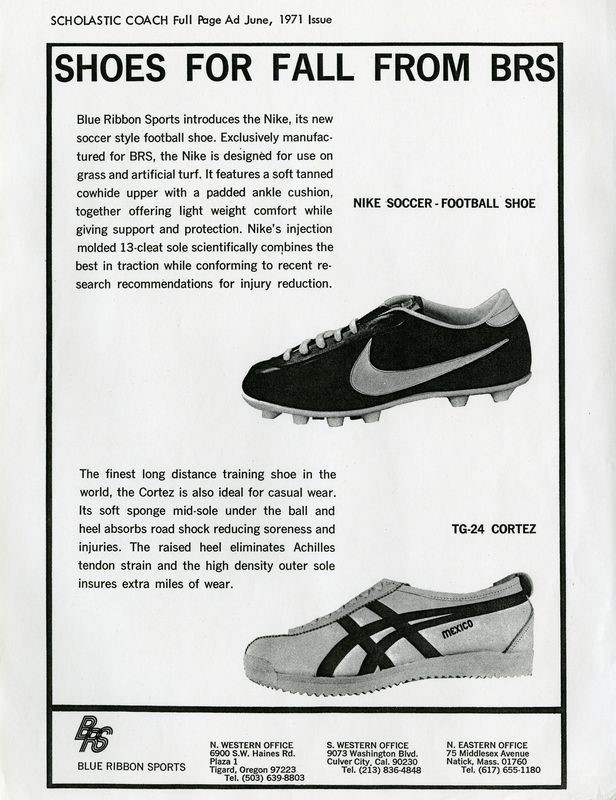
Upon learning of the Nike project, the Japanese manufacturer challenged Blue Ribbon for violation of the non-competition agreement, which prohibited the distributor from importing other products manufactured in Japan, declaring the immediate termination of the agreement.
In turn, Blue Ribbon argued that the breach would be Onitsuka Tiger’s, which had started meeting other potential distributors when the contract was still in force and the business was very positive.
This resulted in two lawsuits, one in Japan and one in the U.S., which could have put a premature end to Nike’s history.
Fortunately (for Nike) the American judge ruled in favor of the distributor and the dispute was closed with a settlement: Nike thus began the journey that would lead it 15 years later to become the most important sporting goods brand in the world.
Let’s see what Nike’s history teaches us and what mistakes should be avoided in an international distribution contract.
How to negotiate an international commercial distribution agreement
In his biography, Knight writes that he soon regretted tying the future of his company to a hastily written, few-line commercial agreement at the end of a meeting to negotiate the renewal of the distribution contract.
What did this agreement contain?
The agreement only provided for the renewal of Blue Ribbon’s right to distribute products exclusively in the USA for another three years.
It often happens that international distribution contracts are entrusted to verbal agreements or very simple contracts of short duration: the explanation that is usually given is that in this way it is possible to test the commercial relationship, without binding too much to the counterpart.
This way of doing business, though, is wrong and dangerous: the contract should not be seen as a burden or a constraint, but as a guarantee of the rights of both parties. Not concluding a written contract, or doing so in a very hasty way, means leaving without clear agreements fundamental elements of the future relationship, such as those that led to the dispute between Blue Ribbon and Onitsuka Tiger: commercial targets, investments, ownership of brands.
If the contract is also international, the need to draw up a complete and balanced agreement is even stronger, given that in the absence of agreements between the parties, or as a supplement to these agreements, a law with which one of the parties is unfamiliar is applied, which is generally the law of the country where the distributor is based.
Even if you are not in the Blue Ribbon situation, where it was an agreement on which the very existence of the company depended, international contracts should be discussed and negotiated with the help of an expert lawyer who knows the law applicable to the agreement and can help the entrepreneur to identify and negotiate the important clauses of the contract.
Territorial exclusivity, commercial objectives and minimum turnover targets
The first reason for conflict between Blue Ribbon and Onitsuka Tiger was the evaluation of sales trends in the US market.
Onitsuka argued that the turnover was lower than the potential of the U.S. market, while according to Blue Ribbon the sales trend was very positive, since up to that moment it had doubled every year the turnover, conquering an important share of the market sector.
When Blue Ribbon learned that Onituska was evaluating other candidates for the distribution of its products in the USA and fearing to be soon out of the market, Blue Ribbon prepared the Nike brand as Plan B: when this was discovered by the Japanese manufacturer, the situation precipitated and led to a legal dispute between the parties.
The dispute could perhaps have been avoided if the parties had agreed upon commercial targets and the contract had included a fairly standard clause in exclusive distribution agreements, i.e. a minimum sales target on the part of the distributor.
In an exclusive distribution agreement, the manufacturer grants the distributor strong territorial protection against the investments the distributor makes to develop the assigned market.
In order to balance the concession of exclusivity, it is normal for the producer to ask the distributor for the so-called Guaranteed Minimum Turnover or Minimum Target, which must be reached by the distributor every year in order to maintain the privileged status granted to him.
If the Minimum Target is not reached, the contract generally provides that the manufacturer has the right to withdraw from the contract (in the case of an open-ended agreement) or not to renew the agreement (if the contract is for a fixed term) or to revoke or restrict the territorial exclusivity.
In the contract between Blue Ribbon and Onitsuka Tiger, the agreement did not foresee any targets (and in fact the parties disagreed when evaluating the distributor’s results) and had just been renewed for three years: how can minimum turnover targets be foreseen in a multi-year contract?
In the absence of reliable data, the parties often rely on predetermined percentage increase mechanisms: +10% the second year, + 30% the third, + 50% the fourth, and so on.
The problem with this automatism is that the targets are agreed without having available the real data on the future trend of product sales, competitors’ sales and the market in general, and can therefore be very distant from the distributor’s current sales possibilities.
For example, challenging the distributor for not meeting the second or third year’s target in a recessionary economy would certainly be a questionable decision and a likely source of disagreement.
It would be better to have a clause for consensually setting targets from year to year, stipulating that targets will be agreed between the parties in the light of sales performance in the preceding months, with some advance notice before the end of the current year. In the event of failure to agree on the new target, the contract may provide for the previous year’s target to be applied, or for the parties to have the right to withdraw, subject to a certain period of notice.
It should be remembered, on the other hand, that the target can also be used as an incentive for the distributor: it can be provided, for example, that if a certain turnover is achieved, this will enable the agreement to be renewed, or territorial exclusivity to be extended, or certain commercial compensation to be obtained for the following year.
A final recommendation is to correctly manage the minimum target clause, if present in the contract: it often happens that the manufacturer disputes the failure to reach the target for a certain year, after a long period in which the annual targets had not been reached, or had not been updated, without any consequences.
In such cases, it is possible that the distributor claims that there has been an implicit waiver of this contractual protection and therefore that the withdrawal is not valid: to avoid disputes on this subject, it is advisable to expressly provide in the Minimum Target clause that the failure to challenge the failure to reach the target for a certain period does not mean that the right to activate the clause in the future is waived.
The notice period for terminating an international distribution contract
The other dispute between the parties was the violation of a non-compete agreement: the sale of the Nike brand by Blue Ribbon, when the contract prohibited the sale of other shoes manufactured in Japan.
Onitsuka Tiger claimed that Blue Ribbon had breached the non-compete agreement, while the distributor believed it had no other option, given the manufacturer’s imminent decision to terminate the agreement.
This type of dispute can be avoided by clearly setting a notice period for termination (or non-renewal): this period has the fundamental function of allowing the parties to prepare for the termination of the relationship and to organize their activities after the termination.
In particular, in order to avoid misunderstandings such as the one that arose between Blue Ribbon and Onitsuka Tiger, it can be foreseen that during this period the parties will be able to make contact with other potential distributors and producers, and that this does not violate the obligations of exclusivity and non-competition.
In the case of Blue Ribbon, in fact, the distributor had gone a step beyond the mere search for another supplier, since it had started to sell Nike products while the contract with Onitsuka was still valid: this behavior represents a serious breach of an exclusivity agreement.
A particular aspect to consider regarding the notice period is the duration: how long does the notice period have to be to be considered fair? In the case of long-standing business relationships, it is important to give the other party sufficient time to reposition themselves in the marketplace, looking for alternative distributors or suppliers, or (as in the case of Blue Ribbon/Nike) to create and launch their own brand.
The other element to be taken into account, when communicating the termination, is that the notice must be such as to allow the distributor to amortize the investments made to meet its obligations during the contract; in the case of Blue Ribbon, the distributor, at the express request of the manufacturer, had opened a series of mono-brand stores both on the West and East Coast of the U.S.A..
A closure of the contract shortly after its renewal and with too short a notice would not have allowed the distributor to reorganize the sales network with a replacement product, forcing the closure of the stores that had sold the Japanese shoes up to that moment.
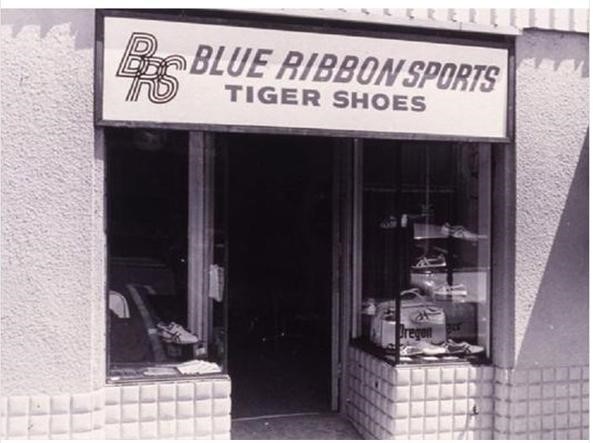
Generally, it is advisable to provide for a notice period for withdrawal of at least 6 months, but in international distribution contracts, attention should be paid, in addition to the investments made by the parties, to any specific provisions of the law applicable to the contract (here, for example, an in-depth analysis for sudden termination of contracts in France) or to case law on the subject of withdrawal from commercial relations (in some cases, the term considered appropriate for a long-term sales concession contract can reach 24 months).
Finally, it is normal that at the time of closing the contract, the distributor is still in possession of stocks of products: this can be problematic, for example because the distributor usually wishes to liquidate the stock (flash sales or sales through web channels with strong discounts) and this can go against the commercial policies of the manufacturer and new distributors.
In order to avoid this type of situation, a clause that can be included in the distribution contract is that relating to the producer’s right to repurchase existing stock at the end of the contract, already setting the repurchase price (for example, equal to the sale price to the distributor for products of the current season, with a 30% discount for products of the previous season and with a higher discount for products sold more than 24 months previously).
Trademark Ownership in an International Distribution Agreement
During the course of the distribution relationship, Blue Ribbon had created a new type of sole for running shoes and coined the trademarks Cortez and Boston for the top models of the collection, which had been very successful among the public, gaining great popularity: at the end of the contract, both parties claimed ownership of the trademarks.
Situations of this kind frequently occur in international distribution relationships: the distributor registers the manufacturer’s trademark in the country in which it operates, in order to prevent competitors from doing so and to be able to protect the trademark in the case of the sale of counterfeit products; or it happens that the distributor, as in the dispute we are discussing, collaborates in the creation of new trademarks intended for its market.
At the end of the relationship, in the absence of a clear agreement between the parties, a dispute can arise like the one in the Nike case: who is the owner, producer or distributor?

In order to avoid misunderstandings, the first advice is to register the trademark in all the countries in which the products are distributed, and not only: in the case of China, for example, it is advisable to register it anyway, in order to prevent third parties in bad faith from taking the trademark (for further information see this post on Legalmondo).
It is also advisable to include in the distribution contract a clause prohibiting the distributor from registering the trademark (or similar trademarks) in the country in which it operates, with express provision for the manufacturer’s right to ask for its transfer should this occur.
Such a clause would have prevented the dispute between Blue Ribbon and Onitsuka Tiger from arising.
The facts we are recounting are dated 1976: today, in addition to clarifying the ownership of the trademark and the methods of use by the distributor and its sales network, it is advisable that the contract also regulates the use of the trademark and the distinctive signs of the manufacturer on communication channels, in particular social media.
It is advisable to clearly stipulate that the manufacturer is the owner of the social media profiles, of the content that is created, and of the data generated by the sales, marketing and communication activity in the country in which the distributor operates, who only has the license to use them, in accordance with the owner’s instructions.
In addition, it is a good idea for the agreement to establish how the brand will be used and the communication and sales promotion policies in the market, to avoid initiatives that may have negative or counterproductive effects.
The clause can also be reinforced with the provision of contractual penalties in the event that, at the end of the agreement, the distributor refuses to transfer control of the digital channels and data generated in the course of business.
Mediation in international commercial distribution contracts
Another interesting point offered by the Blue Ribbon vs. Onitsuka Tiger case is linked to the management of conflicts in international distribution relationships: situations such as the one we have seen can be effectively resolved through the use of mediation.
This is an attempt to reconcile the dispute, entrusted to a specialized body or mediator, with the aim of finding an amicable agreement that avoids judicial action.
Mediation can be provided for in the contract as a first step, before the eventual lawsuit or arbitration, or it can be initiated voluntarily within a judicial or arbitration procedure already in progress.
The advantages are many: the main one is the possibility to find a commercial solution that allows the continuation of the relationship, instead of just looking for ways for the termination of the commercial relationship between the parties.
Another interesting aspect of mediation is that of overcoming personal conflicts: in the case of Blue Ribbon vs. Onitsuka, for example, a decisive element in the escalation of problems between the parties was the difficult personal relationship between the CEO of Blue Ribbon and the Export manager of the Japanese manufacturer, aggravated by strong cultural differences.
The process of mediation introduces a third figure, able to dialogue with the parts and to guide them to look for solutions of mutual interest, that can be decisive to overcome the communication problems or the personal hostilities.
For those interested in the topic, we refer to this post on Legalmondo and to the replay of a recent webinar on mediation of international conflicts.
Dispute resolution clauses in international distribution agreements
The dispute between Blue Ribbon and Onitsuka Tiger led the parties to initiate two parallel lawsuits, one in the US (initiated by the distributor) and one in Japan (rooted by the manufacturer).
This was possible because the contract did not expressly foresee how any future disputes would be resolved, thus generating a very complicated situation, moreover on two judicial fronts in different countries.
The clauses that establish which law applies to a contract and how disputes are to be resolved are known as “midnight clauses“, because they are often the last clauses in the contract, negotiated late at night.
They are, in fact, very important clauses, which must be defined in a conscious way, to avoid solutions that are ineffective or counterproductive.
How we can help you
The construction of an international commercial distribution agreement is an important investment, because it sets the rules of the relationship between the parties for the future and provides them with the tools to manage all the situations that will be created in the future collaboration.
It is essential not only to negotiate and conclude a correct, complete and balanced agreement, but also to know how to manage it over the years, especially when situations of conflict arise.
Legalmondo offers the possibility to work with lawyers experienced in international commercial distribution in more than 60 countries: write us your needs.
From Reporting to Governance and Risk Allocation
Environmental, Social and Governance (ESG) considerations are playing an increasingly influential role in how businesses operate, invest, and manage risk, especially within the European Union, where corporate sustainability and responsibility regulation have been on the agenda in recent years.
With the adoption of the Corporate Sustainability Reporting Directive (CSRD) and the Corporate Sustainability Due Diligence Directive (CSDDD), many companies anticipated a significant shift in compliance. Since then, the EU has introduced simplification measures to streamline reporting and due diligence obligations, reduce the administrative burden, and improve proportionality, particularly for small and medium-sized enterprises (SMEs), while maintaining the core sustainability objectives.
While opinions may differ regarding the evolution of environmental, social, and governance (ESG) in EU regulation and the subsequent postponements of reporting obligations, regulatory developments appear to have, in practice, supported a shift in perspective. Sustainability is no longer viewed solely as a reporting requirement, but increasingly as a matter of governance, strategy, and risk allocation. This development is welcome, as the regulatory framework’s underlying objective is to advance the green transition, which in turn requires a change in how companies integrate sustainability into their decision-making and operations.
This focus on sustainability influences businesses of all sizes, including SMEs. Even companies not directly subject to the CSRD or CSDDD anticipate that ESG requirements will be passed down through the supply chain. Many non-reporting SMEs are already embedding sustainability practices, and this trend is likely to continue. In other words, sustainability policies are already affecting companies well before any formal reporting obligations kick in.
Environmental, Social, and Governance in Contract Architecture
One of the key means of implementing environmental, social, and governance obligations and objectives in day-to-day business operations is through commercial contracts and the requirements and commitments embedded in them.
Even where a company itself is not directly subject to extensive reporting or due diligence obligations, corporate sustainability and responsibility expectations flow through the market via contractual relationships. Larger undertakings within the scope of CSRD and, in due course, the CSDDD require contractual assurances, information rights, and cooperation from their business partners, including SMEs operating within their supply chains. As a result, corporate sustainability and responsibility become a question of contractual architecture. Companies must consider not only price mechanisms, liability caps and termination triggers, but also how environmental, social and governance risks and obligations are addressed and allocated between the parties through legally enforceable contractual terms.
Translating Policies into Binding Obligations
A typical starting point is the incorporation of a code of conduct or sustainability policies into commercial contracts, often by reference and through an express obligation on the contracting party to comply with them. From a legal standpoint, this raises important drafting questions. Many codes are drafted as high-level public statements. When such policies are converted into contractual commitments, their wording, scope, and hierarchy relative to the main agreement require careful consideration. The obligations must be sufficiently clear to define the parties’ expectations, coherent with other contractual provisions, and proportionate to the commercial relationship. The obligations must also be capable of practical implementation and effective monitoring in the context of the agreement.
In practical terms, this may mean requiring the supplier to comply with specific labour standards, maintain documented environmental management procedures, report on emissions data, ensure traceability of key raw materials, or allow reasonable access for audits. Clearly defining what is expected, how compliance is demonstrated, and what consequences follow from non-compliance is essential for the clause to function effectively. Otherwise, clauses that appear comprehensive in theory and ambitious in scope may offer limited enforceability in practice, and their impact may remain marginal if compliance cannot be effectively monitored and verified. If policies are not properly translated into binding and operational obligations, the company risks a mismatch between what it promises publicly and what is actually required under its contracts. This may undermine consistency, weaken risk management, and expose the company to reputational and governance risks if its own stated principles cannot be enforced within its supply or distribution chain.
As part of this process, companies must also consider the protection of trade secrets and confidential information. For example, broad audit or data-reporting obligations may raise concerns about sensitive business information. Contractual terms should balance transparency with the need to protect legitimately proprietary data. Clauses such as confidentiality agreements or carve-outs for trade secrets can be used to ensure that sharing ESG-related information does not compromise confidential business information or competitive advantages.
Environmental, Social and Governance Clauses Across Different Contract Types
Besides codes of conduct and sustainability policies, environmental, social and governance-related clauses increasingly take more tailored and transaction-specific forms. In shareholder agreements, sustainability objectives may be reflected in governance structures or even linked to financial outcomes, for example by aligning dividend policies or incentive mechanisms with agreed climate targets. In employment contracts, obligations may extend beyond general compliance and include participation in corporate sustainability training programmes or adherence to internal sustainability guidelines as part of performance expectations.
In supply and manufacturing agreements, environmental, social and governance provisions may address traceability of raw materials, emissions reporting, waste management, energy efficiency standards or the right to replace a supplier if its environmental practices materially conflict with the contracting party’s sustainability commitments. Such contractual mechanisms increasingly affect SMEs operating as suppliers, as ESG expectations pass through the supply chain.
Construction contracts often include detailed requirements regarding material selection, lifecycle impacts, carbon footprint calculations and recycling or waste reduction procedures. For example, in Finland, legislation imposes low-carbon and energy efficiency requirements for new buildings, and a party undertaking a construction project is subject to mandatory reporting obligations relating to construction and demolition waste. These statutory requirements are typically reflected and implemented in the relevant project and construction contracts.
Across these different contract types, the practical significance is consistent. Environmental, social and governance considerations move from the level of general policy into legally enforceable obligations tailored to each specific legal relationship. Contracts function as a mechanism for allocating responsibility, managing compliance risk and aligning commercial incentives with sustainability objectives.
Proportionate Monitoring and Audit Rights
In the contractual implementation and monitoring of environmental, social and governance obligations, audit and information rights play a central role. They are closely linked to effective oversight and form an integral part of a coherent contractual framework. In practice, companies typically seek access to relevant data from their business partners and, where appropriate, establish inspection or audit rights to enable meaningful monitoring and verification, whether conducted directly by the company or, commonly, by an independent expert appointed for that purpose.
However, such arrangements must remain balanced. Overly burdensome provisions may needlessly disrupt day-to-day operations and reduce the willingness to cooperate, particularly for SMEs with limited administrative capacity. By contrast, well-designed mechanisms that balance transparency with confidentiality and operational feasibility are more defensible and more likely to function effectively in practice.
Contractual Remedies
As a general principle, the consequences of a breach are determined by the terms agreed between the parties. In practice, the parties will typically first seek to resolve the matter through discussion and good faith negotiations, allowing the non-compliant party an opportunity to clarify the situation and implement corrective actions within a reasonable timeframe. If negotiations do not lead to a resolution, it may be appropriate to proceed to stronger measures, such as contractual penalties, indemnification obligations, price adjustments, temporary suspension rights or other agreed sanctions, applied in light of the nature and severity of the breach.
The contract should clearly define what constitutes a breach, how it is assessed and what remedies are available in each scenario. Clear and proportionate step-by-step remedy structures enhance legal certainty, reduce the risk of disputes and ensure that material or repeated breaches may trigger more significant consequences, including termination where justified.
Strategic and Voluntary Environmental, Social and Governance Commitments
In the current EU landscape, implementing ESG considerations in commercial contracts is no longer simply a matter of reacting to directives. It is a broader exercise in risk management and corporate governance. Even as the implementation details of the directives may continue to evolve, market expectations, financing conditions and reputational considerations remain key drivers of sustainability integration.
In addition, some companies choose to position themselves as frontrunners in sustainability for strategic and reputational reasons. They may therefore incorporate voluntary environmental, social and governance mechanisms and requirements into their contracts that go beyond, or are not directly derived from, binding directives. By doing so, they signal to investors, customers and other stakeholders that sustainability is treated as a core business priority rather than merely a compliance obligation.
At the same time, it is important to recognise the practical limits of such commitments. Ambitious sustainability requirements may be more challenging for SMEs with limited financial and administrative resources. Meeting extensive reporting, certification or traceability standards can require investments in systems, personnel and external expertise. If contractual expectations are not calibrated to the size and capacity of the counterparty, they may limit the ability of SMEs to participate in certain supply chains. A balanced and proportionate approach helps ensure that sustainability objectives remain achievable and commercially workable across the contractual chain.
Conclusion
For legal practitioners, the central task is not to increase the number of environmental, social and governance clauses as such, but to ensure their quality, coherence and practical relevance. The objective is to design contractual mechanisms that are proportionate, enforceable and aligned with the company’s actual risk profile, industry context and sustainability priorities. Commercial contracts remain one of the most concrete tools for translating sustainability strategy into operational practice. Moreover, every contract lawyer should understand and apply key sustainability principles in their work, ensuring that ESG commitments become integral to legal advice and contract drafting.
The Strait of Hormuz is likely the most strategically important point for the global oil trade. In fact, approximately 20% of the world’s oil and gas passes through this narrow passage between the Gulf of Oman and the Persian Gulf every day.
Following the outbreak of war in the region, the impact on energy markets was almost immediate: oil prices quickly rose above $100 per barrel, and it is unclear how high they may climb in the coming weeks and months. As a result, transportation, production, and procurement costs are rising across industrial supply chains in many sectors.
For many companies engaged in international trade, this phenomenon creates a very real problem. Contracts signed months (or years) earlier—perhaps at a fixed price—must be fulfilled in a completely different economic context.
A manufacturer that sells goods for delivery in six or twelve months may find itself producing and shipping at much higher energy costs, while the price agreed upon with the customer remains unchanged.
This is a situation that recurs cyclically, for various reasons: from the COVID-19 pandemic to the subsequent raw materials crisis, and on to current geopolitical tensions.
When the increase in costs is so sudden and significant, a question inevitably arises: must the contract still be performed under the original terms, or is it possible to suspend or renegotiate the agreement to adapt it to the new circumstances?
The answer depends on several factors: first and foremost, on what the parties have (or have not) provided for in the contract, but also on the law applicable to the relationship and on the interpretation that judges or arbitrators may give to the rules in the event of a dispute.
Force Majeure and Hardship: Two Different Concepts
When extraordinary events occur—such as a war, an energy crisis, or the disruption of a trade route—many operators immediately invoke force majeure. However, in most cases, these situations fall instead under the category of hardship.
It is therefore essential to distinguish between these two situations.
When an Event Constitutes Force Majeure
Force majeure applies to cases where an extraordinary and unforeseeable event makes it impossible to perform the contract.
The characteristics of the grounds for exemption from liability depend on the law applicable to the commercial relationship, but generally require:
- unpredictability of the event;
- the event being beyond the affected party’s control;
- the impossibility of avoiding or overcoming the event through reasonable efforts.
Typical examples include:
- orders from authorities requiring the suspension of production
- embargoes or export bans
- logistical disruptions caused by war
In these situations, performance is not merely more costly: it becomes objectively impossible. The consequence is that the party unable to perform is generally exempt from liability for the duration of the event.
Hardship
The situation is different when performance of the contract remains possible but becomes economically much more burdensome.
The concept of hardship is generally based on four prerequisites:
- an event occurring after the conclusion of the contract
- unpredictability and extraordinary nature of the event
- a substantial alteration of the economic balance of the contract
- excessive burden of performance, but not impossibility
A sharp increase in the price of oil, gas, or other raw materials often falls into this category.
Goods can be produced and delivered, but doing so may entail costs far higher than those anticipated when the contract was signed.
The ripple effect along the international supply chain
In global industrial supply chains, the same goods are often the subject of a series of consecutive contracts.
The manufacturer sells to a trader, who sells to a processing company, which resells to an importer in another country, who in turn distributes the product to the end market.
When a hardship event occurs—such as a sharp rise in energy prices—the effect tends to ripple throughout the entire supply chain.
The first party affected by the cost increase will try to pass the increase on to its contractual counterpart, who, in turn, will find themselves in the same situation with the next link in the chain.
The risk is clear: one of the operators in the middle of the chain may face increased upstream costs without being able to pass them on downstream.
This is one of the most common problems in international supply chains.
What happens if there is no clause regarding price fluctuations
In commercial practice, it often happens that parties operate on the basis of orders and order confirmations without a formal written contract, or that a contract exists but contains no provisions regarding price fluctuations or hardship.
In such cases, when costs increase sharply, it is necessary to determine which law applies to individual sales contracts across the supply chain.
This can lead to very different situations:
- one law may allow for price revision or termination of the contract
- another law aplicable to a second contract may not provide for equivalent remedies
- a third contract may contain much more restrictive contractual clauses
The practical result is that an operator in the middle of the chain may face a price increase from their supplier without being able to pass it on to the customer.
A Common Legal Framework: The Vienna Convention on the International Sale of Goods (CISG)
Fortunately, many international sales contracts are governed by the 1980 Vienna Convention on the International Sale of Goods (CISG).
The convention has been ratified by 97 countries, including Italy and most major trading partners, such as the U.S., Canada, China, Germany, France, Spain, etc.
The central provision is Article 79, according to which a party is not liable for non-performance if it proves that the non-performance is due to an impediment:
- beyond its control
- unforeseeable at the time of the conclusion of the contract
- unavoidable or insurmountable
Traditionally, this provision has been applied to cases of force majeure.
In recent years, there has been debate over whether it can also be applied to cases of hardship, but international case law tends to be very cautious.
International case law on Hardship
Court decisions reflect a rather strict approach.
In some cases, even very significant increases in raw material costs have not been considered sufficient to modify or suspend the contract.
The reasoning is simple: those who operate professionally in international trade must take into account a certain degree of market volatility.
Only when the increase in costs exceeds an exceptional and unforeseeable level such as to radically alter the balance of the contract can hardship be invoked.
One of the most frequently cited cases is the Belgian Supreme Court’s decision in the Scafom case, which recognized the right to renegotiate the contract following a 70% increase in the price of steel.
However, such cases are relatively rare.
Generic clauses that serve no purpose
Many contracts contain hardship clauses copied from standard templates (boilerplate).
The problem is that these clauses often:
- list the effects of hardship
- but do not define when hardship actually occurs
The result is that, when prices rise, the parties may have very different opinions on what constitutes an “exceptional” increase and whether the event in question was “unforeseeable” or not.
The clause, therefore, does not resolve the issue, but defers it to discussion between the parties and, in the event of a failure to reach an agreement, to the courts or arbitrators.
What criteria can define a hardship situation
To make the clause truly effective, it is useful to establish objective parameters.
Among the most commonly used in international contracts:
- an increase or decrease in the price of a raw material beyond a certain threshold (±20% or ±30%)
- an increase in transportation or logistics costs within certain limits;
- significant fluctuations in the exchange rate beyond a specified range;
- the introduction of tariffs or trade restrictions
These parameters, linked to tolerance ranges, allow the parties to quickly and unambiguously identify a hardship event.
Remedies in the Event of Hardship
An effective clause should also address how to handle the situation.
The most common solutions are:
- renegotiation of the contract in good faith
- apply an automatic price adjustment
- appointment of an independent third-party expert to determine the new price
- temporary suspension of the contract
- right of withdrawal if no agreement is reached
These tools allow the parties to manage the crisis without resorting to litigation.
Audit of existing contracts: what to do now
At this point, the practical question becomes: how should we manage the issue in existing business relationships?
The first step is to conduct an audit of existing contracts with suppliers and customers.
1. Introduce comprehensive contracts in new relationships
If the relationships are governed solely by purchase orders and order confirmations, it is advisable to take this opportunity to draft comprehensive international sales contracts that include:
- a hardship clause
- warranty provisions
- remedies for breach
- limitations of liability
2. Update existing contracts
If the relationship is already governed by a contract, you should check whether a hardship clause exists.
If not, it may be useful to propose to the other party:
- a new contract, or
- a contract addendum dedicated to managing price fluctuations.
This helps prevent future conflicts and provides both parties with an effective tool to manage potential price shocks along the supply chain.
Conclusion
Commodity and energy crises demonstrate how exposed international contracts are to sudden changes in economic conditions. When a contract does not clearly address hardship management, the risk does not disappear; it simply shifts along the supply chain until it settles on the weakest link.
For this reason, companies operating within international supply chains should view the hardship clause as a strategic tool for managing contractual risk. A well-drafted contract does not eliminate market volatility, but it allows the parties to address it with clear rules, reducing uncertainty and preventing disputes.


 Canada
 Poland
 Portugal
Cartels, Compliance, and Data Privacy: The New “Brazil Risk”
- Compliance
- Privacy - Data Protection
-
Brazil





Brazil’s New Digital Child Protection Law: Practical Implications for Foreign Tech Companies
- Privacy - Data Protection
-
Brazil

The USA vs. Brazil Trade War | How to Lose a Trade Partner in 10 Tweets
- Distribution
- International trade
-
Brazil
-
 USA
USA

When Life Gives You Tariffs… Make New Allies: Brazil, Europe and a New Trade Chapter
- Distribution
- Tax
-
Brazil

The Milestone EU-Mercosur Trade Deal
- Distribution
- Foreign investments
-
 Argentina
 -
Brazil
-
 Italy
Italy -
 Uruguay


Contact Geraldo
Ambush Marketing and the 2026 FIFA World Cup
11 June 2026
-
 France
- Contracts
- Distribution
After more than twenty years of negotiations, the EU/Mercosur agreement remains in a legally incomplete but commercially relevant stage. For lawyers advising clients in the wine industry, the key issue is no longer whether the agreement will reshape trade, but how and when its provisions will begin to affect market access, regulatory compliance, and competitive positioning.
A negotiated agreement, yet without full legal effect
The trade pillar of the agreement was politically concluded in 2019, followed by ongoing revisions and additional negotiations, particularly on environmental commitments. Even though the full agreement is pending ratification processes on both sides, at this stage, the temporary agreement is already in force, producing its effects.
From a legal standpoint, this creates a hybrid scenario: (i) the text is sufficiently defined to anticipate obligations and opportunities, (ii) but not yet fully binding, (iii) with temporary measures already applicable.
This distinction is critical for legal advisors. The full agreement cannot yet be invoked as applicable law, but it already serves as a reliable roadmap for future regulatory and commercial conditions.
Why wine matters in this agreement
The wine sector sits at the intersection of several key chapters of the agreement:
- tariff liberalisation;
- sanitary and phytosanitary (SPS) measures;
- technical barriers to trade (TBT);
- intellectual property, particularly geographical indications (GIs).
This makes wine a multi-layered case study of how the agreement will operate in practice.
At the same time, the economic context reinforces its relevance. The European Union is Mercosur’s second-largest trading partner, with strong complementarities in trade flows. Mercosur’s exports are concentrated in agricultural goods, while EU exports are concentrated in higher value-added categories, where wine is positioned.
Tariffs: gradual but meaningful impact
Today, wine exports to Mercosur, especially to Brazil, face import duties combined with complex internal taxation. While the agreement does not eliminate all barriers immediately, it provides for progressive tariff reductions and improved quota conditions.
Meanwhile, the Brazilian tax system is under complete reform, which reinforces the importance of specialised legal assistance.
For legal practitioners, this raises practical issues:
- interpretation of tariff schedules and staging periods;
- interaction with domestic tax regimes;
- structuring of distribution agreements to capture tariff advantages over time.
The key point is that tariff benefits will not be uniform or immediate. They will require active legal planning to be effectively utilised.
Beyond tariffs: regulatory friction is the real battlefield
More significant than tariffs are the provisions addressing regulatory barriers.
Wine exports are heavily affected by labelling requirements, certification procedures, sanitary controls, product registration rules and geographical protections.
The agreement introduces commitments to increase transparency and reduce unnecessary barriers, particularly under the “Sanitary and Phytosanitary Measures” (SPS) and “Technical Barriers to Trade” (TBT) chapters. However, it does not create full harmonisation.
This means that regulatory compliance will remain jurisdiction-specific, but procedures should become more predictable and less discretionary.
For lawyers, this translates into a shift from navigating opaque systems to advising within a more structured, but still fragmented, regulatory framework.
Geographical indications: protection and tension
One of the most legally sensitive aspects of the agreement is the protection of geographical indications.
The EU seeks recognition and protection of a wide range of European GIs in Mercosur countries, including wine denominations. This implies stronger protection for European producers against the misuse of names and potential restrictions on local producers’ use of certain terms.
From a legal perspective, the new framework raises issues such as:
- coexistence with pre-existing trademarks;
- transition periods for local operators;
- enforcement mechanisms and litigation risks.
This is an area where disputes are likely to arise, particularly in markets with established local practices.
Services, distribution, and market structure
Although often overlooked, service provisions are highly relevant for the wine sector.
Each year, the EU exports nearly €30 billion in services to Mercosur, double the amount in the opposite direction.
The agreement aims to improve conditions for:
- logistics providers
- distribution networks
- commercial representation
- marketing and advertising agencies
For wine exporters, market access is not only about tariffs but also about how products reach consumers.
Legal advisors will need to consider:
- distribution agreements and exclusivity clauses
- regulatory requirements for importers and distributors
- compliance with competition rules
The implementation gap: where risk lies
Even after ratification, the agreement will not produce immediate uniform effects.
Its implementation will depend on phased tariff reductions, domestic regulatory adjustments and administrative practices.
This creates a gap between formal commitments and practical outcomes.
For lawyers, this is where advisory work becomes most valuable:
- managing client expectations
- identifying timing mismatches between legal changes and market reality
- mitigating risks linked to partial or inconsistent implementation
What should lawyers be doing now?
Treating the agreement as a distant political project is a mistake. The ratification is not around the corner, but it will happen.
Instead of just waiting, legal advisors should:
- analyze the relevant chapters (tariffs, SPS, TBT, GIs) from a sector-specific perspective;
- anticipate how domestic law will interact with the agreement;
- prepare contractual structures that can adapt to phased changes;
- monitor closely ratification and implementation developments.
In practical terms, the agreement should already be part of strategic legal advice, even before its formal entry into force.
Final sip
The EU/Mercosur agreement will not revolutionise the wine trade overnight. Its impact will be gradual, technical, and often subtle, but for those advising in the sector, it introduces a clear shift. We are moving from a fragmented and often opaque regulatory environment to a more structured, rule-based framework that is complex, but more predictable.
Understanding the agreement in theory is just the first step. The real challenge is to translate its provisions into practical legal strategies before competitors do.
At major events such as the 2026 FIFA World Cup, some companies attempt to “wildly” associate their brand or image with the event through a practice known as “ambush marketing” , defined by French courts as “an advertising strategy implemented by a company in order to associate its commercial image with that of an event and thereby benefit from the media impact of that event without paying the relevant fees and without having obtained the prior authorisation of the event organiser” (Paris Court of Appeal, 2nd chamber, 8 June 2018, No. 17/12912). A risky and unlawful practice, but one that is sometimes conceivable.
Key points
- Ambush marketing is a practice that may give rise to sanctions but is not prohibited as such.
- In return for their investments in the competition, FIFA’s official sponsors and partners enjoy very strong legal protection, through various general instruments (infringement, free-riding/parasitism, intellectual property) and more specific ones (sports law), against all forms of ambush marketing.
- The FIFA World Cup benefits from enhanced protection based on an extensive portfolio of trademarks registered worldwide and on FIFA’s Intellectual Property Guidelines, in the absence of specific French legislation comparable to that enacted for the Olympic Games.
- However, these rights are not absolute, and there remain narrow opportunities for a (clever) form of ambush marketing.
Protection of official World Cup sponsors and partners against ambush marketing
Reaching nearly 5 billion people across all platforms during its last edition in Qatar in 2022, including more than 1.5 billion viewers for the final alone, the 2026 FIFA World Cup is the most-watched sporting event on the planet. Hosted for the first time by three countries (Canada, Mexico and the United States), it brings together 48 teams and more than 1,200 players for 104 matches across 16 stadiums. Its organisation is largely financed by various official partners, sponsors and rights holders, who in return receive the exclusive right to use FIFA’s official trademarks and intellectual property so as to associate their own image and distinctive signs with the competition.
Ambush marketing is not sanctioned as such under French law, but a range of statutory provisions allow for broad protection of sponsors and partners of world-class sporting events against ambush marketing. They are indeed entitled to peacefully enjoy the rights offered to them in exchange for the significant investments they make in connection with events such as, for example, the football or rugby World Cups, or the Olympic Games.
The following legal instruments may in particular be invoked by official sponsors and by the organisers of such events:
- the “classic” protections offered by intellectual property law (trademark law and copyright) by way of an infringement action under the French Intellectual Property Code,
- civil liability law (parasitism/free-riding and unfair competition based on article 1240 of the French Civil Code),
- consumer law (misleading commercial practices),
- but also more specific provisions, such as the protection of the exploitation rights of sports federations and organisers of sporting events under article L.333-1 of the French Sports Code, which grants organisers of sporting events a monopoly over the exploitation of those events.
On these grounds, the following ambush marketing practices have notably been sanctioned:
The exploitation of a tennis competition and the use, during the sporting event, of the brand associated with it: An online betting operator organised bets on Roland Garros matches using the protected sign and Roland Garros trademark to identify the matches on which bets were offered. The unlawful exploitation of the sporting competition was sanctioned at EUR 400,000 under article L.333-1 of the French Sports Code, the French Tennis Federation being the sole owner of the right to exploit Roland Garros. The use of the trademark was also sanctioned for infringement (EUR 300,000) and free-riding/parasitism (EUR 500,000) (Paris Court of Appeal, 14 Oct. 2009, No. 08/19179; Paris Judicial Court, 8 Aug. 2024, No 08/19179).
An advertising campaign carried out during a film festival reproducing the event’s registered trademark: During the Cannes Film Festival, a cosmetics brand published videos on its social media showing its brand ambassadors being styled, with the official Cannes Film Festival poster visible in certain shots, one of which reproduced the registered Palme d’Or trademark. Sanctioned on the grounds of copyright infringement and parasitism at EUR 50,000 (Paris Judicial Court, 11 Dec. 2020, No. 19/08543).
An advertising campaign falsely claiming the status of official event partner: During the Cannes Film Festival, the use of the slogan “official hairdresser of women” alongside the expressions “Cannes” and “Festival de Cannes”, and other publications that falsely led the public to believe the company was an official festival partner, to the detriment of the sole official festival hairdresser. Sanctioned on the grounds of unfair competition and parasitism at EUR 50,000 (Paris Court of Appeal, 8 June 2018, No. 17/12912).
These financial sanctions may be combined with injunctions to cease the practices and/or orders for press publication, subject to periodic penalty payments.
FIFA’s specific trademark protection
Unlike the Paris 2024 Olympic Games, which benefited from specific French legislation as a host country (Law No. 2018-202 of 26 March 2018 on the organisation of the 2024 Olympic and Paralympic Games) reserving in particular advertising spaces in the vicinity of competition venues exclusively for official partners, the 2026 FIFA World Cup does not take place on French territory, and therefore no equivalent French legal framework applies. The protection of official partners and sponsors thus relies on general law , but is nonetheless robust.
FIFA has built an extensive portfolio of trademarks registered worldwide, protected in France by the provisions of the French Intellectual Property Code. These trademarks include in particular the verbal and figurative trademark FIFA®, the marks FIFA World Cup™, FIFA World Cup 26™, Coupe du Monde de la FIFA™, Coupe du Monde de la FIFA 2026™, World Cup™, Copa Mundial™, as well as the official competition emblem (combining the trophy with the figure 26), the official slogan “We Are 26™” / “Nous Sommes 26™”, the logos of the sixteen host cities, and the official typeface “FWC 26”, protected by copyright. Only FIFA’s rights holders, namely the FIFA Partners (led by Adidas, Aramco, Coca-Cola, Hyundai/Kia, Qatar Airways and Visa), the Plus Sponsors, the Official Sponsors and Regional Supporters, are authorised to use this official intellectual property for commercial purposes.
FIFA has published Intellectual Property Guidelines (version 2.0, June 2024) detailing the authorised and prohibited uses of the trademarks and logos associated with the 2026 World Cup. According to these guidelines, the following are prohibited without authorisation: any use of official trademarks in commercial advertising; the incorporation of official intellectual property into a trade name or domain name; the organisation of competitions, games or prize draws creating an association with the competition; the use of official trademarks to decorate a retail store; and the use of official hashtags by a corporate account for commercial purposes. The guidelines further specify that protection extends not only to identical reproduction of official trademarks but also to confusingly similar variants. This protection, recalled in the guidelines, is consistent with the enhanced protection afforded to well-known trademarks under French law by article L.713-5 of the French Intellectual Property Code.
Lessons from the Paris 2024 Olympic Games: what risks do brands face?
The Paris 2024 Olympic Games gave rise to significant litigation that clearly illustrates the risks faced by companies tempted by ambush marketing at a major sporting event. Although these decisions were rendered in the specific context of the Olympic Games, which benefited from specific, reinforced legal protections, they nevertheless constitute a direct warning for brands that might consider similar strategies during the World Cup, on the basis of general law.
The use of official symbols on travelling physical media: During the Paris 2024 Olympic Games, a Chinese dairy company had buses displaying the Olympic rings alongside its own brands circulating throughout Paris, while presenting itself as “the only Chinese dairy company present in Paris 2024”. The Paris Court of Appeal upheld both free-riding/parasitism and trademark infringement, and ordered the companies concerned, in summary proceedings, to pay EUR 20,000 per defendant, subject to a periodic penalty of EUR 20,000 per day per proven infringement, aimed at stopping the diffusion of the advertising (Paris Court of Appeal, pole 5, chamber 2, 21 Nov. 2025, No. 24/15283; Paris Court, interim order of 8 Aug. 2024, No. 24/55463). This judgment illustrates the vigilance of French courts with regard to strategies of visual association with an event, even without an explicit claim of official partnership, and confirms the possibility of combining infringement and parasitism claims for substantial awards.
The unauthorised broadcast of competitions: The Paris Court, sitting in summary proceedings during the Olympic Games, ordered the immediate cessation of the broadcast of Olympic competitions by a streaming platform that did not hold the corresponding media rights, subject to a periodic penalty of EUR 1,500 per identified infringement, EUR 3,000 per day for ongoing distributions and EUR 5,000 per day for failure to withdraw the content (Paris Court, summary proceedings, 18 Sept. 2024, No. 24/53019). Thus, any platform broadcasting World Cup matches without holding the rights licensed by FIFA faces immediate emergency measures under article L.333-1 of the French Sports Code.
The enhanced protection of well-known trademarks: The French Court of Cassation confirmed that protection of Olympic trademarks extends beyond strict reproduction: it is sufficient for the trademark to be evoked or suggested, without the need to demonstrate a likelihood of confusion in the mind of the public. This solution, based on article L.713-5 of the French Intellectual Property Code, was applied to a bar that had used the Olympic rings on its coasters to promote its broadcast evenings (Court of Cassation, Criminal chamber, 17 Jan. 2017, No. 15-86.363). FIFA’s trademarks being equally well-known worldwide, the same protective regime applies to them: a mere evocation of official trademarks, even without literal reproduction, may constitute an actionable infringement.
Certain marketing operations may escape sanction
Analysis of case law and promotional practices nonetheless reveals the contours of certain advertising practices that could be permitted (not sanctioned by the provisions described above), provided they are carefully prepared and presented. Here are some examples.
Creative or humorous communication
- A tongue-in-cheek, even humorous approach may allow companies to avoid the sanctions described above. For example, Intersnack’s Vico crisps brand launched a promotional campaign in 2016 around the slogan “Vico, partner of supporters at home”.
- Irish bookmaker Paddy Power sponsored an egg-and-spoon race in “London”, a village in Burgundy, France, in order to display the following slogan in London during the 2012 Olympic Games: “Official Sponsor of the largest athletics event in London this year! There you go, we said it. (Ahem, London France that is)”. The Olympic organising committee failed to stop this campaign. British humour …
- Meanwhile, Heineken, a rival of official Euro 2016 sponsor Carlsberg, marketed a range of beer bottles in the colours of the flags of 21 countries that had “marked its history”, the majority of which were participating in the tournament.
Using factual information as advertising
It was held lawful to use the results of a rugby match and the announcement of an upcoming match in a newspaper to promote a car brand, with the advertisement reading: “France 13 England 24 , the Fiat 500 congratulates England on its victory and looks forward to seeing the French team on 9 March for France-Italy”. The judges considered that this publication “merely reproduces a current sporting result, obtained and made public on the front page of the sports newspaper, and refers to a future fixture also known to have been announced in the newspaper’s editorial content” (Court of Cassation, Commercial chamber, 20 May 2014, No. 13-12.102).
Sponsoring players participating in the World Cup
Any company may enter into partnerships with players participating in the FIFA World Cup, for example by supplying them with equipment or clothing bearing its logo. FIFA’s Intellectual Property Guidelines expressly state that they “contain no affirmations regarding rights held by third parties such as players, clubs, member associations [or] confederations”. FIFA’s guidelines also explicitly confirm that generic images related to football, national teams or national flags do not fall within the official intellectual property. Caution is nonetheless warranted: the partnership must not create the impression of a commercial association with FIFA or the competition, nor use FIFA’s official trademarks.
A combined legal and marketing approach in designing and preparing the message of any such communication campaign is essential to avoid legal proceedings, particularly on the grounds of free-riding/parasitism. Certain advertising campaigns can therefore legitimately be considered, particularly when they are clever.
Foreign franchisors entering into franchise agreements in Spain should take careful note of the content of the judgment issued by the Provincial Court of Córdoba on November 20, 2025, and require that the partner(s) and the directors of the franchisee company expressly guarantee and indemnify the payment of any debts arising from the franchise agreement.
Spanish corporate law establishes the principle of liability for the directors of corporations or limited liability companies when the company is subject to dissolution (for example, due to losses that reduce equity to less than 50% of the share capital) and, despite this, they fail to convene a meeting to adopt corrective measures (dissolution or capital increase).
In the case of the aforementioned ruling, the franchisor was unable to collect the debt arising from the franchise agreement from the franchisee due to the latter’s insolvency; so it decided to claim that debt from the company’s administrator based on the provision mentioned above, that is, due to the fact that the franchisee company was facing dissolution due to losses and the administrator had not convened a shareholders’ meeting, as was his obligation, so that the shareholders could decide how to resolve the situation.
The ruling we are discussing from the Court of Appeal of Córdoba upholds the lower court’s decision and dismisses the franchisor’s claim against the sole administrator of the franchisee company, stating that:
With regard to liability for corporate debts under Article 367 of the Capital Companies Act, the court recognised the existence of the corporate debts, the presence of grounds for dissolution, the breach of the legal obligations by the corporate administrator, and his liability, but found that a ground for exoneration from liability existed in accordance with the doctrine of “known risk.” Thus, it was noted that the plaintiff is a franchisor and X. S.L. was the franchisee, and it was evident from the electronic communications that the franchisee was under constant monitoring and the franchisor was aware of the risk involved in the operations, halting the shipment of goods (clothing) as soon as the limits of the guarantees granted were exceeded, meaning the plaintiff voluntarily assumed the risk. For all these reasons, the claim was dismissed.
In conclusion, and in light of the foregoing, the present franchise relationship and its conduct allow us to consider that it has been established that the franchisor (creditor) had greater knowledge of the franchisee’s (debtor’s) financial situation, beyond the information appearing in the annual accounts filed with the Commercial Registry, as it was the franchisee’s primary supplier. And this knowledge and control of the debt by the franchisor (through the increase in orders) justifies the exoneration of the corporate director’s liability for corporate debts under Article 367 of the Capital Companies Act, which leads to the dismissal of the appeal
The legal theory or principle of Known/Accepted Risk, to which the judgment refers, holds that harm caused to a third party, with or without a contractual relationship in place, is not considered unlawful if the victim was aware of the risk and voluntarily assumed it.
This doctrine was initially developed within the framework of tort liability: whoever engages in a risky activity and reaps its benefits must bear its negative consequences, that is, the risk—(cuius commodum, eius incommodum).
However, case law has extended the application of this theory to the field of contractual liability, as demonstrated in the judgment under discussion.
Therefore, since the plaintiff was aware of the defendant’s financial situation and solvency—having “monitored” its activity as a franchisor—and despite this, decided to maintain the contract’s validity, thereby increasing the debt, the ruling holds that the franchisor assumed the risk, which constituted grounds for exonerating the administrator from liability. However, more concerning than the above is that this “known risk” theory could be considered applicable to the liability of the franchisee company itself, which could be exonerated from liability based on the franchisor’s monitoring of its activities.
The conclusion of all the above is that, based on this application of the known risk theory, franchisors may face difficulties in claiming debts owed by the franchisee company from its directors in the event of the company’s insolvency; therefore, it is highly advisable that, when signing the franchise agreement, a joint and several guarantee for the franchise’s potential future debts be required from its directors and partners, which, moreover, is a fairly standard practice.
In this way, the objection based on the theory of known risk would not come into play.
Vietnam has been added to the EU list of non‑cooperative jurisdictions for tax purposes (Annex I), following the Council’s update of 17 February 2026.
For EU companies buying goods and services from Vietnam, this is not an outright ban on trade, but rather a signal that substantially heightened tax governance scrutiny, documentation expectations, and (in some cases) more demanding payment execution will follow in the months ahead. The EU listing process is designed less to “name and shame” and more to encourage positive change through cooperation and dialogue, but once a jurisdiction is placed on Annex I, EU Member States implement “defensive measures” that can materially affect tax treatment, withholding obligations, and audit intensity for Vietnam-linked transactions.
What the EU decision does (and does not) do
The EU blacklist is a tax‑governance instrument: it does not prohibit EU businesses from importing goods from Vietnam or procuring Vietnamese services, and it does not alter Vietnam’s domestic tax regime, corporate income tax rules, withholding tax framework, or investment policies.
At the same time, the EU can deepen cooperation with Vietnam on the political and economic track while still applying tax‑governance pressure through listing mechanisms, so businesses should be prepared for a “partnership plus scrutiny” environment rather than expecting the two to be perfectly aligned.
In January 2026, the EU and Vietnam upgraded their relations to a Comprehensive Strategic Partnership, framed as a platform to strengthen cooperation across areas such as trade and investment, climate/energy, sustainable development and digital transformation-a signal that the blacklisting is a technical compliance tool, not a diplomatic rupture.
The ideological paradox: a Socialist Republic on a tax-haven list
Vietnam’s presence on the blacklist is striking when viewed in its broader political context. The EU blacklist was conceived after major tax-transparency scandals (the Panama Papers and LuxLeaks) to address jurisdictions that facilitate offshore structures or fail to meet information-exchange standards. In the Western imagination, “tax haven” connotes liberal microstates or offshore centres, yet Vietnam, governed by a Communist Party, now sits on the same list. This reflects the reality of Vietnam’s hybrid economic model: politically socialist, but economically pragmatic since the Đổi Mới reforms of the late 1980s, with selective tax incentives for special economic zones, high-tech investments and priority sectors that, in certain cases, can significantly reduce the effective tax burden for foreign investors. The EU’s concern is not Vietnam’s headline corporate tax rate but rather-at this stage-the absence of adequate exchange-of-information infrastructure, though the architecture of its preferential regimes has also attracted scrutiny in the past. The listing is a technical compliance issue, not an ideological one.
Why Vietnam was added: the listing criteria and timeline
Vietnam has been subject to EU scrutiny since the very first iteration of the EU list in December 2017, when it was placed in Annex II (the “grey list”) alongside jurisdictions that have committed to reform but are not yet fully compliant. In October 2025, Vietnam was removed from Annex II after fulfilling its commitments on country-by-country reporting (CbCR), and appeared, at that point, to be on the path to full compliance. However, shortly afterwards-in November 2025-the OECD Global Forum published its peer review and rated Vietnam “Non-Compliant” with respect to the standard on Exchange of Information on Request (EOIR), a separate compliance area from CbCR, finding that further reforms remained outstanding and that improvements in the CbCR exchange framework were not expected before 2027. This OECD finding directly triggered the February 2026 move to Annex I-an escalation from the grey list to the blacklist, bypassing any intervening period of full compliance.
The three core listing criteria against which Vietnam was assessed are: Criterion 1 (Tax transparency), The three core listing criteria against which Vietnam was assessed are: Criterion 1 (Tax transparency), requiring compliance with AEOI and EOIR standards and membership of the Multilateral Convention on Mutual Administrative Assistance in Tax Matters; Criterion 2 (Fair taxation), requiring no harmful preferential tax regimes and adequate economic substance rules; and Criterion 3 (Anti-BEPS measures), requiring implementation of OECD anti-BEPS minimum standards including country-by-country reporting. Vietnam’s shortfall was concentrated in Criterion 1, specifically the EOIR standard, which concerns the country’s practical capacity and procedural framework for responding to foreign tax authorities’ requests for information.; Criterion 2 (Fair taxation), requiring no harmful preferential tax regimes and adequate economic substance rules; and Criterion 3 (Anti-BEPS measures), requiring implementation of OECD anti-BEPS minimum standards including country-by-country reporting. Vietnam’s shortfall was concentrated in Criterion 1, specifically the EOIR standard, which concerns the country’s practical capacity and procedural framework for responding to foreign tax authorities’ requests for information.
Vietnam’s response and the path to delisting
Vietnam’s Ministry of Foreign Affairs responded publicly within days of the listing, defending the country’s tax transparency record and stating that the government is implementing a national action plan to follow OECD recommendations and expand tax cooperation with partners including the EU. Vietnam expressed readiness to engage with European authorities to ensure more objective and comprehensive assessments, and to promote cooperation for shared development and prosperity. Practitioner commentary suggests a concrete roadmap is achievable: with legislative amendments (decrees and circulars on EOIR procedures), the establishment of a dedicated EOIR unit, publication of enforcement statistics, and active technical engagement with the EU Code of Conduct Group from now through September 2026, Vietnam could realistically target removal from Annex I at the next EU review cycle in October 2026, although this timeline is ambitious and delisting is by no means guaranteed. The key point for EU businesses is that, while the listing may be relatively short-lived if Vietnam acts decisively, companies should not delay compliance preparations in reliance on early delisting-a proportionate, risk-based response is more appropriate than a wholesale restructuring of Vietnam-linked supply chains.
How different payment types are affected in practice
Goods (imports) are often the most straightforward in substance terms because there is usually a clear chain of documents: purchase orders, shipping documents, customs import paperwork, delivery notes, inspection/acceptance records and matching invoices.
The risk uplift for goods is typically not about whether the purchase is real, but whether the overall supply chain and pricing remain coherent under scrutiny-for example, whether margins and intercompany arrangements around the import flow make commercial sense and are consistently documented.
Services (outsourcing, consulting, IT development, marketing, support) tend to attract more questions because “what was delivered” is harder to evidence than a shipped product.
If your EU entity pays a Vietnamese provider for services, expect to need a well‑organised evidence pack: a clear scope of work, time records or milestones, deliverables (reports, code repositories, tickets), acceptance sign‑offs, and a pricing rationale that matches the level of skill and effort involved.
Royalties and IP-related payments (software licences, trademarks, know‑how, technology access) are particularly sensitive because they combine valuation complexity with cross‑border tax characterisation questions.
Expect pressure-testing of (i) who truly owns and controls the IP, (ii) the contract chain and sublicensing rights, (iii) how the royalty rate was set using benchmarking or comparable arrangements, and (iv) whether the payment is genuinely for IP rather than a disguised service fee.
Intragroup charges (management fees, shared services, cost recharges) are commonly the first area where tax authorities and counterparties ask for “benefit” evidence and allocation logic.
Where Vietnam sits inside a group value chain, be ready to show why a charge exists, how it was calculated, how the recipient benefited, plus consistent intercompany agreements and transfer pricing support.
Financing and treasury flows (interest, guarantees, cash pooling, factoring, trade finance) trigger the most intensive technical review because they involve both tax outcomes and financial crime/compliance sensitivities.
Even where the structure is legitimate, these flows are more likely to be escalated internally for enhanced review and may require more supporting documentation before execution.
How European banks may respond (and what that looks like in practice)
Banks in the EU operate under a risk‑based approach to financial crime and compliance, and they may apply de-risking decisions, meaning they can choose to restrict or exit relationships or transaction types they view as exceeding their risk appetite or being operationally too costly to monitor. EU supervisory frameworks acknowledge that de-risking exists and call for proportionate, evidence-based risk assessments rather than indiscriminate blanket exclusions, but in practice banks have significant discretion.
For an EU company initiating a bank transfer to a Vietnamese counterparty, the following discretionary measures can arise in practice, even where the payment is entirely lawful and commercially routine.
A bank can pause execution and request additional documents before releasing funds, seeking comfort on the purpose and legitimacy of the transaction under its internal controls.
Typical requests include the underlying contract or statement of work, invoices, proof of delivery or performance, an explanation of business purpose, and information on the beneficiary’s beneficial ownership or corporate structure.
A bank can route the payment through manual review queues rather than straight-through processing, particularly for first-time beneficiaries, unusually large amounts, or payments with vague narratives that do not clearly describe the purpose.
This creates operational knock-ons: late supplier settlement, goods held pending payment confirmation, or service suspension where the vendor operates on strict payment triggers.
A bank can impose internal conditions as part of its customer-specific risk controls-for example requiring richer payment details, stricter invoice descriptors, or pre-approval workflows for Vietnam-corridor payments.
A bank can decline to process specific transactions or decide to exit certain corridors, client types, or business models entirely as a risk-management choice. German financial institutions are described as applying enhanced due diligence, requiring full transparency of transaction purpose and ownership for Vietnam-linked payments.
Where a payment is declined, the practical solution is often to adjust the execution setup-alternative banking channel, revised documentation pack, or modified payment mechanics-while keeping the underlying commercial relationship intact.
EU companies are advised to develop a “Banking Compliance Pack” for Vietnam-corridor payments: a pre-assembled set of documents (contract, invoice, proof of delivery/performance, business rationale memo, and beneficial ownership information) that can be submitted proactively or in response to bank queries within hours rather than days.
Non-tax defensive measures and EU funding implications
Beyond tax measures, being on the EU blacklist triggers non-tax consequences that affect Vietnam’s economic relationship with the EU more broadly. EU investment programmes cannot channel funding through entities located in Vietnam, because using such an entity contradicts the core legal purpose of these funds, which are designed to promote good governance, transparency, and the fight against illicit financial flows. Affected funds include the European Fund for Sustainable Development (EFSD/NDICI), which de-risks major investments in areas like energy and digital; the InvestEU programme (which replaced the former EFSI); and the External Lending Mandate (ELM), which provides EIB loans for major infrastructure outside the EU. In addition, the General Framework for STS securitisation imposes separate restrictions on the use of entities in blacklisted jurisdictions within securitisation structures. For Vietnamese entities and their EU partners working on donor-funded or ESG-driven projects, this can be a significant constraint, as subsidiaries and other businesses in Vietnam may be cut off from these sources of EU financing.
DAC6 reporting and public country-by-country reporting
Cross-border arrangements involving Vietnam are now subject to heightened DAC6 scrutiny. In particular, Hallmark C.1(b)(ii) may be triggered where a deductible cross-border payment is made by an EU-based associated enterprise to a tax resident in Vietnam, subject to Member State-specific implementation of the main benefit test and other conditions. Large multinationals (consolidated revenue of EUR 750 million or more in each of the last two fiscal years) must also prepare and publicly disclose a Public Country-by-Country Report. Under the EU Public CbCR Directive, Vietnam activities must be reported separately-not aggregated as “Rest of the World”-disclosing a list of all consolidated subsidiaries, description of activities, number of full-time equivalent employees, revenues (including related-party revenue), profit or loss before tax, income tax accrued and paid, and accumulated earnings. For FY 2025 and FY 2026, Vietnam information is already reportable separately by affected multinationals.
Country notes (alphabetical)
Belgium: Belgium applies non-deductibility of costs, CFC rules, and participation exemption limitations linked to both the EU list and certain domestic criteria. A critical Belgian-specific rule is the reporting obligation for payments made to entities in blacklisted jurisdictions where the aggregate of such payments exceeds EUR 100,000 in the taxable period; once this threshold is met, each such payment must be reported in the annual tax return, and any payment that is not reported, or that cannot be justified on specific grounds, is not deductible. Belgium follows a dynamic approach to the EU list, meaning EU list updates take effect automatically without a further domestic step. For Belgian payers, immediate practical priorities are: (i) identifying all Vietnam-linked payment streams above EUR 100,000, (ii) ensuring the reporting mechanism in the annual tax return is in place, and (iii) building the justification file for each reported payment.
France: France applies all four defensive measures-non-deductibility of costs, CFC rules, withholding tax, and participation exemption limitation-but via a national decree-based list that refers to the EU list while also applying additional French domestic criteria. France follows a static approach, updating its domestic non-cooperative state list through an annual Decree in the Official Journal, with tax consequences applying from the first day of the third month following publication. The last French update took place in April 2025, and at the time of writing (May 2026) no subsequent decree incorporating Vietnam has been published. A further update is expected imminently and will likely include Vietnam. Once Vietnam appears on the French list, key measures include: a 75% withholding tax on interest, royalties, dividends and service fees (counterevidence possible); denial of the participation exemption (counterevidence possible for jurisdictions meeting certain criteria); denial of deductibility of interest, royalties and service fees (counterevidence possible); and a stricter CFC rule under which the burden of proof is reversed and foreign withholding taxes cannot be credited against French CFC income. French payers should monitor the next French decree closely and prepare counterevidence files now so they are ready the moment the decree is published.
Germany: Germany applies all four defensive measures through the Tax Haven Defence Act (Steueroasen-Abwehrgesetz, StAbwG), linked to the EU list via a Tax Haven Defence Ordinance that is updated once per year, typically at year-end taking into account the October EU list update. The expected sequence for Vietnam is: December 2026-amendment to the Tax Haven Defence Ordinance to incorporate Vietnam; from 2027 (Year 1)-stricter CFC rules and extended withholding tax of 15% (plus a 5.5% solidarity surcharge) apply to income from financing relationships, insurance or reinsurance services, legal and advisory services, and trading of goods and services; from 2029 (Year 3)-denial of the participation exemption activates; from 2030 (Year 4)-denial of deductible business expenses activates. Importantly, Germany’s extended withholding tax can override double tax treaties. The multi-year ramp-up means that immediate German impacts are CFC scrutiny and withholding tax friction on specific payment types, while the broader expense deduction denial will only bite from 2030 onwards-giving German payers time to prepare, but making early documentation investment worthwhile.
Italy: Italy uses the EU list for monitoring and deductibility purposes under Article 110 TUIR: costs connected with counterparties in Annex I jurisdictions are generally deductible up to “normal value,” while amounts above normal value require evidence of an effective economic interest, and all such costs must be separately indicated in the annual income tax return (Modello REDDITI). Italy’s framework is directly triggered by the EU list, meaning Vietnam’s Annex I status is effective for Italian purposes from the publication of the Council conclusions in the EU Official Journal, without any further domestic implementing step being required.
For Italian payers, service costs, royalties, and intragroup charges to Vietnam are the most sensitive categories: robust documentation of deliverables, pricing and economic rationale is essential, and accounting teams need to ensure they can cleanly isolate Vietnam-linked costs in the year-end reporting workflow.
Malta: Malta follows a dynamic approach to the EU list, meaning Vietnam’s Annex I status takes effect automatically in Malta’s tax framework. Malta applies a limitation of the participation exemption on dividend income derived from a participating holding in a body of persons that has been resident in a jurisdiction on the EU list for a minimum period of three months during the year immediately preceding the year of assessment, subject to a counter-evidence exception based on “people functions.” Malta does not apply non-deductibility, CFC, or withholding tax defensive measures against EU-listed jurisdictions as primary tools, so the main Malta-specific concern for holding and investment structures is participation exemption eligibility and substance evidence. For Malta-based groups, the practical response is to keep board materials, contracts, and commercial rationale tightly aligned, and to prepare for more intensive counterparty due diligence (beneficial ownership, substance, and tax residency) from EU customers and financial institutions.
Netherlands: The Netherlands applies a 25.8% conditional withholding tax on interest, royalties, and (since 1 January 2024) dividends paid to related entities in EU-listed jurisdictions or low-tax jurisdictions, as well as CFC rules with counterevidence possible. The Netherlands follows a static approach: the list applicable for a tax year is based on the EU list as it stood at the end of the preceding year, using the October update as the reference. This means the Dutch 2027 Regulation will include Vietnam only if Vietnam remains on the EU list after the October 2026 review cycle. No withholding tax consequences arise for Dutch payers immediately in 2026 as a direct result of Vietnam’s February 2026 listing, but the October 2026 review date is critical: if Vietnam remains listed, Dutch conditional withholding tax obligations will activate from 1 January 2027. Dutch payers with intragroup dividend, interest, and royalty flows to Vietnam should use the current window to restructure documentation and pricing support and to assess whether existing double tax treaty protections remain effective in light of the conditional WHT mechanics.
Spain: Spain does not mechanically mirror the EU list, but operates its own domestic list of non-cooperative jurisdictions, which is updated separately and can include or exclude jurisdictions differently from Annex I. Spain applies a static approach, with the list specified in law. The practical implication is that the Spanish domestic tax consequences of Vietnam’s listing depend on whether and when Spain updates its domestic list to include Vietnam, rather than arising automatically from the EU Council’s February 2026 decision. For Spain-based procurement and finance teams, do not assume a one-to-one mapping between EU-list status and Spanish domestic tax outcomes, but do treat Vietnam-linked transactions as higher-scrutiny items from an audit and counterparty due diligence perspective, and invest in cleaner contracting, invoice narratives, and performance evidence for services, royalties, and intragroup charges.
Practical next steps for EU companies
- Map exposures: Identify and quantify all payment streams relating to Vietnamese entities, broken down by payment type (goods, services, royalties, intragroup charges, financing).
- Understand your Member State’s rules: Confirm which defensive measures apply in the relevant EU payer jurisdiction, when they take effect (immediately or staged), whether the jurisdiction follows the EU list dynamically or statically, what relief conditions exist, and what documentation is required.
- DAC6 readiness: Assess whether Vietnam-linked arrangements trigger DAC6 reporting obligations (particularly deductible cross-border payments between associated enterprises) and ensure reporting infrastructure is in place.
- Transfer pricing and substance: Validate intercompany services, royalties and financing arrangements by reassessing pricing, benefit tests and contractual terms; strengthen contemporaneous documentation before year-end.
- Public CbCR messaging: If within scope, assess public CbCR disclosure implications for Vietnam operations and align tax, legal, ESG and investor-relations communications accordingly.
- Vendor due diligence: Implement or strengthen due diligence on Vietnamese counterparties, including tax residence evidence, beneficial ownership documentation, and substance and economic activity confirmation.
- Banking compliance pack: Build a pre-assembled documentation pack for Vietnam-corridor payments (contract, invoice, proof of delivery/performance, business rationale, beneficial ownership information) to address bank queries within hours rather than days.
- Monitor the October 2026 review: Track Vietnam’s progress on EOIR reforms and the EU Code of Conduct Group’s October 2026 review cycle. If Vietnam is removed from Annex I in October 2026, Member States that follow a static approach (Germany, Netherlands) will not apply defensive measures to Vietnam in their 2027 rules; France, which also follows a static approach but applies additional domestic criteria, may nonetheless retain Vietnam on its own non-cooperative state list even after EU delisting. The October 2026 outcome is therefore commercially significant for medium-term planning.
- Embed internal governance: Install jurisdiction-risk gateways in approval workflows for new entities, contracts, loans, and IP arrangements involving Vietnam, to ensure proper sign-off and documentation from inception.
Under French Law, franchisors and distributors are subject to two kinds of pre-contractual information obligations: each party must spontaneously inform their future partner of any information they know is decisive to their consent. In addition, for certain contracts – i.e a franchise agreement – there is a duty to disclose a limited amount of information in a document. These pre-contractual obligations are mandatory rules of public policy. Thus, these two obligations apply simultaneously to the franchisor, distributor or dealer when negotiating a contract with a partner.
Takeaways
- The information required by the DIP must be fully completed and updated ;
- The information not required by the DIP but provided by the franchisor must be carefully selected and sincere;
- Franchisee must be given the opportunity to request additional information from the franchisor;
- Franchisee’s experience in the economic sector enables the franchisor to considerably limit its exposure to the risk of contract cancellation due to a defect in the franchisee’s consent;
- Franchisor must keep the proof of the actual disclosure of pre-contractual information (whether mandatory or not).
- The general information obligation under common law (Article 1112-1 of the French Civil Code) may apply concurrently with the special disclosure obligation provided for under Article L. 330-3 of the French Commercial Code.
General duty of disclosure for all contractors
What is the scope of this pre-contractual information?
This obligation is imposed on all counterparties, for any kind of contract. Indeed, article 1112-1 of the Civil Code states that:
(§. 1) The party who knows information of decisive importance for the consent of the other party must inform the other party if the latter legitimately ignores this information or trusts its counterparty.
(§. 3) Of decisive importance is the information that is directly and necessarily related to the content of the contract or the quality of the parties. »
This obligation applies to all contracting parties for any type of contract.
French courts have ruled that this general information obligation may apply concurrently with the special disclosure obligation under Article L. 330-3 of the French Commercial Code (see below), answering the question in the affirmative (Paris Court of Appeal, 27 March 2024, no. 22/12665). The scope of the latter has however, been defined by the French Supreme Court (« Cour de cassation ») : only information bearing a direct and necessary link with the subject matter of the contract or the qualities of the parties is subject to the disclosure obligation (Cass. com., 14 May 2025, no. 23-17.948).
Who bears the burden of proof?
The burden of proof rests on the person who claims that the information was due to him. He must then prove (i) that the other party owed him the information but (ii) did not provide it (Article 1112-1 (§. 4) of the Civil Code)
Special duty of disclosure for franchise and distribution agreements
Which contracts are subject to this special rule?
French law requires (art. L.330-3 French Commercial Code) the provision of a pre-contractual information document (in French “DIP”) and the draft contract, by any person:
- which grants another person the right to use a trade mark, trade name or sign,
- while requiring an exclusive or quasi-exclusive commitment for the exercise of its activity (e.g. exclusive purchase obligation). The quasi-exclusive nature of the commitment is assessed on a case-by-case basis by French courts, independently of the 80% purchase threshold provided for under EU Regulation 2022/720, which is treated merely as an indicative reference.
Concretely, DIP must be provided, for example, to the franchisee, distributor, dealer or licensee of a brand, by its franchisor, supplier or licensor as soon as the two above conditions are met. French courts have moreover recently had occasion to confirm that the scope of the DIP obligation is not limited to franchise agreements but extends, in particular, to dealership agreements, provided the above-mentioned conditions are met (Paris Court of Appeal, 22 May 2024, no. 22/08672).
When the DIP must be provided?
DIP and draft contract must be provided at least 20 days before signing the contract, and, where applicable, before the payment of the sum required to be paid prior to the signature of the contract (for a reservation).
What information must be disclosed in the DIP?
Article R. 330-1 of the French Commercial Code requires that DIP mentions the following information (non-detailed list) concerning:
- Franchisor (identity and experience of the managers, career path, etc.);
- Franchisor’s business (in particular creation date, head office, bank accounts, history of the development of the business, annual accounts, etc.);
- Operating network (members list with indication of signing date of contracts, establishments list offering the same products/services in the area of the planned activity, number of members having ceased to be part of the network during the year preceding the issue of the DIP with indication of the reasons for leaving, etc.);
- Trademark licensed (date of registration, ownership and use);
- General state of the market (about products or services covered by the contract) and local state of the market (about the planned area) and information relating to factors of competition and development perspective. With respect to the local market, the French Supreme Court (« Cour de cassation ») has held that the franchisor is not required to conduct a market study, but that if one is provided, it must be accurate and verifiable (Cass. com., 18 Oct. 2023, no. 22-19.329).;
- Essential element of the draft contract and at least: its duration, contract renewal conditions, termination and assignment conditions and scope of exclusivities;
- Financial obligations weighing in on contracting party: nature and amount of the expenses and investments that will have to be incurred before starting operations (up-front entry fee, installation costs, etc.).
Beyond the exhaustiveness of the information required under the aforementioned provision, the DIP is subject to a qualitative standard. All information provided — including information provided spontaneously — must be accurate and truthful to ensure that the prospective network member’s consent is fully informed and free from any defect.
How to prove the disclosure of information?
The burden of proof for the delivery of the DIP rests on the debtor of this obligation: the franchisor (Cass. Com., 7 July 2004, n°02-15.950). The ideal for the franchisor is to have the franchisee sign and date his DIP on the day it is delivered and to keep the proof thereof.
The clause of contract indicating that the franchisee acknowledges having received a complete DIP does not provide proof of the delivery of a complete DIP (Cass. com, 10 January 2018, n° 15-25.287).
The franchisor is subject to a duty to update the DIP until the contract is signed
In a ruling dated 26 June 2024 (no. 23-14.085 PB), the French Supreme Court held that formal compliance of the DIP at the time of its delivery is not sufficient to exonerate the franchisor from all pre-contractual liability. This position was confirmed by a subsequent ruling of 4 December 2024 (no. 23-16.684).
These two decisions appear to establish a duty of ongoing updates incumbent upon the network head throughout the entire period between the delivery of the DIP and the execution of the contract. Where significant events occur during that interval — insolvency proceedings affecting network members, major litigation, or structural changes to the network — the network head is required to proactively inform the prospective member. The court then examines whether the failure to disclose such information was liable to distort the candidate’s assessment of the network and, consequently, to vitiate his consent (Cass. com., 26 June 2024, op. cit.).
A franchisor may therefore not shelter behind the initial regularity of the DIP to discharge its disclosure duty where the network’s situation has materially changed prior to the signing of the contract.
Sanction for breach of pre-contractual information duties
Criminal sanction
Failing to comply with the obligations relating to the DIP, franchisor or supplier can be sentenced to a criminal fine of up to 1,500 euros and up to 3,000 euros in the event of a repeat offence, the fine being multiplied by five for legal entities (article R.330-2 French commercial Code).
Cancellation of the contract for deceit
The contract may be declared null and void in case of breach of either article 1112-1 of the French Code civil or article L. 330-3 of the French Code de commerce. In both cases, failure to comply with the obligation to provide information is sanctioned if the applicant demonstrates that his or her consent has been vitiated by error, deceit or violence. In this respect, courts conduct a concrete, case-by-case assessment, taking into account in particular the professional experience and personal due diligence of the distributor: a sophisticated candidate will face greater difficulty in establishing deceit, and his experience in the relevant sector may be sufficient to exonerate the franchisor (Paris Court of Appeal, div. 5 – ch. 11, 26 Apr. 2024, no. 21/13205), even where the information provided was incomplete or inaccurate (Paris Court of Appeal, 20 Jan. 2021, no. 19/03382).
The path is therefore narrow for the franchisee: he cannot invoke error concerning profitability when it is he who draws up his plan, and even when this plan is drawn up by the franchisor or based on information drawn up and transmitted by the franchisor, the experience of the franchisee who knew the local market may exonerate the franchisor.
Regarding deceit, Courts strictly assess its two conditions which are:
- (a material element) the existence of a lie or deceptive reticence (article 1137 French Civil Code), and
- (an intentional element) the intention to deceive his counterparty (article 1130 French Civil Code).
Where applicable, the parties must return to the state they were in before the contract.
Damages
Although the claims for contract cancellation are subject to very strict conditions, it remains that franchisees/distributors may alternatively obtain damages on the basis of tort liability for non-compliance with the pre-contractual information obligation, subject to proof of fault (incomplete or incorrect information), damage (loss of opportunity of not contracting or contracting on more advantageous terms) and the causal link between the two.
Summary
Phil Knight, the founder of Nike, imported the Japanese brand Onitsuka Tiger into the US market in 1964 and quickly gained a 70% share. When Knight learned Onitsuka was looking for another distributor, he created the Nike brand. This led to two lawsuits between the two companies, but Nike eventually won and became the most successful sportswear brand in the world. This article looks at the lessons to be learned from the dispute, such as how to negotiate an international distribution agreement, contractual exclusivity, minimum turnover clauses, duration of the contract, ownership of trademarks, dispute resolution clauses, and more.
What I talk about in this article
- The Blue Ribbon vs. Onitsuka Tiger dispute and the birth of Nike
- How to negotiate an international distribution agreement
- Contractual exclusivity in a commercial distribution agreement
- Minimum Turnover clauses in distribution contracts
- Duration of the contract and the notice period for termination
- Ownership of trademarks in commercial distribution contracts
- The importance of mediation in international commercial distribution agreements
- Dispute resolution clauses in international contracts
- How we can help you
The Blue Ribbon vs Onitsuka Tiger dispute and the birth of Nike
Why is the most famous sportswear brand in the world Nike and not Onitsuka Tiger?
Shoe Dog is the biography of the creator of Nike, Phil Knight: for lovers of the genre, but not only, the book is really very good and I recommend reading it.
Moved by his passion for running and intuition that there was a space in the American athletic shoe market, at the time dominated by Adidas, Knight was the first, in 1964, to import into the U.S. a brand of Japanese athletic shoes, Onitsuka Tiger, coming to conquer in 6 years a 70% share of the market.
The company founded by Knight and his former college track coach, Bill Bowerman, was called Blue Ribbon Sports.
The business relationship between Blue Ribbon-Nike and the Japanese manufacturer Onitsuka Tiger was, from the beginning, very turbulent, despite the fact that sales of the shoes in the U.S. were going very well and the prospects for growth were positive.
When, shortly after having renewed the contract with the Japanese manufacturer, Knight learned that Onitsuka was looking for another distributor in the U.S., fearing to be cut out of the market, he decided to look for another supplier in Japan and create his own brand, Nike.
Upon learning of the Nike project, the Japanese manufacturer challenged Blue Ribbon for violation of the non-competition agreement, which prohibited the distributor from importing other products manufactured in Japan, declaring the immediate termination of the agreement.
In turn, Blue Ribbon argued that the breach would be Onitsuka Tiger’s, which had started meeting other potential distributors when the contract was still in force and the business was very positive.
This resulted in two lawsuits, one in Japan and one in the U.S., which could have put a premature end to Nike’s history.
Fortunately (for Nike) the American judge ruled in favor of the distributor and the dispute was closed with a settlement: Nike thus began the journey that would lead it 15 years later to become the most important sporting goods brand in the world.
Let’s see what Nike’s history teaches us and what mistakes should be avoided in an international distribution contract.
How to negotiate an international commercial distribution agreement
In his biography, Knight writes that he soon regretted tying the future of his company to a hastily written, few-line commercial agreement at the end of a meeting to negotiate the renewal of the distribution contract.
What did this agreement contain?
The agreement only provided for the renewal of Blue Ribbon’s right to distribute products exclusively in the USA for another three years.
It often happens that international distribution contracts are entrusted to verbal agreements or very simple contracts of short duration: the explanation that is usually given is that in this way it is possible to test the commercial relationship, without binding too much to the counterpart.
This way of doing business, though, is wrong and dangerous: the contract should not be seen as a burden or a constraint, but as a guarantee of the rights of both parties. Not concluding a written contract, or doing so in a very hasty way, means leaving without clear agreements fundamental elements of the future relationship, such as those that led to the dispute between Blue Ribbon and Onitsuka Tiger: commercial targets, investments, ownership of brands.
If the contract is also international, the need to draw up a complete and balanced agreement is even stronger, given that in the absence of agreements between the parties, or as a supplement to these agreements, a law with which one of the parties is unfamiliar is applied, which is generally the law of the country where the distributor is based.
Even if you are not in the Blue Ribbon situation, where it was an agreement on which the very existence of the company depended, international contracts should be discussed and negotiated with the help of an expert lawyer who knows the law applicable to the agreement and can help the entrepreneur to identify and negotiate the important clauses of the contract.
Territorial exclusivity, commercial objectives and minimum turnover targets
The first reason for conflict between Blue Ribbon and Onitsuka Tiger was the evaluation of sales trends in the US market.
Onitsuka argued that the turnover was lower than the potential of the U.S. market, while according to Blue Ribbon the sales trend was very positive, since up to that moment it had doubled every year the turnover, conquering an important share of the market sector.
When Blue Ribbon learned that Onituska was evaluating other candidates for the distribution of its products in the USA and fearing to be soon out of the market, Blue Ribbon prepared the Nike brand as Plan B: when this was discovered by the Japanese manufacturer, the situation precipitated and led to a legal dispute between the parties.
The dispute could perhaps have been avoided if the parties had agreed upon commercial targets and the contract had included a fairly standard clause in exclusive distribution agreements, i.e. a minimum sales target on the part of the distributor.
In an exclusive distribution agreement, the manufacturer grants the distributor strong territorial protection against the investments the distributor makes to develop the assigned market.
In order to balance the concession of exclusivity, it is normal for the producer to ask the distributor for the so-called Guaranteed Minimum Turnover or Minimum Target, which must be reached by the distributor every year in order to maintain the privileged status granted to him.
If the Minimum Target is not reached, the contract generally provides that the manufacturer has the right to withdraw from the contract (in the case of an open-ended agreement) or not to renew the agreement (if the contract is for a fixed term) or to revoke or restrict the territorial exclusivity.
In the contract between Blue Ribbon and Onitsuka Tiger, the agreement did not foresee any targets (and in fact the parties disagreed when evaluating the distributor’s results) and had just been renewed for three years: how can minimum turnover targets be foreseen in a multi-year contract?
In the absence of reliable data, the parties often rely on predetermined percentage increase mechanisms: +10% the second year, + 30% the third, + 50% the fourth, and so on.
The problem with this automatism is that the targets are agreed without having available the real data on the future trend of product sales, competitors’ sales and the market in general, and can therefore be very distant from the distributor’s current sales possibilities.
For example, challenging the distributor for not meeting the second or third year’s target in a recessionary economy would certainly be a questionable decision and a likely source of disagreement.
It would be better to have a clause for consensually setting targets from year to year, stipulating that targets will be agreed between the parties in the light of sales performance in the preceding months, with some advance notice before the end of the current year. In the event of failure to agree on the new target, the contract may provide for the previous year’s target to be applied, or for the parties to have the right to withdraw, subject to a certain period of notice.
It should be remembered, on the other hand, that the target can also be used as an incentive for the distributor: it can be provided, for example, that if a certain turnover is achieved, this will enable the agreement to be renewed, or territorial exclusivity to be extended, or certain commercial compensation to be obtained for the following year.
A final recommendation is to correctly manage the minimum target clause, if present in the contract: it often happens that the manufacturer disputes the failure to reach the target for a certain year, after a long period in which the annual targets had not been reached, or had not been updated, without any consequences.
In such cases, it is possible that the distributor claims that there has been an implicit waiver of this contractual protection and therefore that the withdrawal is not valid: to avoid disputes on this subject, it is advisable to expressly provide in the Minimum Target clause that the failure to challenge the failure to reach the target for a certain period does not mean that the right to activate the clause in the future is waived.
The notice period for terminating an international distribution contract
The other dispute between the parties was the violation of a non-compete agreement: the sale of the Nike brand by Blue Ribbon, when the contract prohibited the sale of other shoes manufactured in Japan.
Onitsuka Tiger claimed that Blue Ribbon had breached the non-compete agreement, while the distributor believed it had no other option, given the manufacturer’s imminent decision to terminate the agreement.
This type of dispute can be avoided by clearly setting a notice period for termination (or non-renewal): this period has the fundamental function of allowing the parties to prepare for the termination of the relationship and to organize their activities after the termination.
In particular, in order to avoid misunderstandings such as the one that arose between Blue Ribbon and Onitsuka Tiger, it can be foreseen that during this period the parties will be able to make contact with other potential distributors and producers, and that this does not violate the obligations of exclusivity and non-competition.
In the case of Blue Ribbon, in fact, the distributor had gone a step beyond the mere search for another supplier, since it had started to sell Nike products while the contract with Onitsuka was still valid: this behavior represents a serious breach of an exclusivity agreement.
A particular aspect to consider regarding the notice period is the duration: how long does the notice period have to be to be considered fair? In the case of long-standing business relationships, it is important to give the other party sufficient time to reposition themselves in the marketplace, looking for alternative distributors or suppliers, or (as in the case of Blue Ribbon/Nike) to create and launch their own brand.
The other element to be taken into account, when communicating the termination, is that the notice must be such as to allow the distributor to amortize the investments made to meet its obligations during the contract; in the case of Blue Ribbon, the distributor, at the express request of the manufacturer, had opened a series of mono-brand stores both on the West and East Coast of the U.S.A..
A closure of the contract shortly after its renewal and with too short a notice would not have allowed the distributor to reorganize the sales network with a replacement product, forcing the closure of the stores that had sold the Japanese shoes up to that moment.
Generally, it is advisable to provide for a notice period for withdrawal of at least 6 months, but in international distribution contracts, attention should be paid, in addition to the investments made by the parties, to any specific provisions of the law applicable to the contract (here, for example, an in-depth analysis for sudden termination of contracts in France) or to case law on the subject of withdrawal from commercial relations (in some cases, the term considered appropriate for a long-term sales concession contract can reach 24 months).
Finally, it is normal that at the time of closing the contract, the distributor is still in possession of stocks of products: this can be problematic, for example because the distributor usually wishes to liquidate the stock (flash sales or sales through web channels with strong discounts) and this can go against the commercial policies of the manufacturer and new distributors.
In order to avoid this type of situation, a clause that can be included in the distribution contract is that relating to the producer’s right to repurchase existing stock at the end of the contract, already setting the repurchase price (for example, equal to the sale price to the distributor for products of the current season, with a 30% discount for products of the previous season and with a higher discount for products sold more than 24 months previously).
Trademark Ownership in an International Distribution Agreement
During the course of the distribution relationship, Blue Ribbon had created a new type of sole for running shoes and coined the trademarks Cortez and Boston for the top models of the collection, which had been very successful among the public, gaining great popularity: at the end of the contract, both parties claimed ownership of the trademarks.
Situations of this kind frequently occur in international distribution relationships: the distributor registers the manufacturer’s trademark in the country in which it operates, in order to prevent competitors from doing so and to be able to protect the trademark in the case of the sale of counterfeit products; or it happens that the distributor, as in the dispute we are discussing, collaborates in the creation of new trademarks intended for its market.
At the end of the relationship, in the absence of a clear agreement between the parties, a dispute can arise like the one in the Nike case: who is the owner, producer or distributor?
In order to avoid misunderstandings, the first advice is to register the trademark in all the countries in which the products are distributed, and not only: in the case of China, for example, it is advisable to register it anyway, in order to prevent third parties in bad faith from taking the trademark (for further information see this post on Legalmondo).
It is also advisable to include in the distribution contract a clause prohibiting the distributor from registering the trademark (or similar trademarks) in the country in which it operates, with express provision for the manufacturer’s right to ask for its transfer should this occur.
Such a clause would have prevented the dispute between Blue Ribbon and Onitsuka Tiger from arising.
The facts we are recounting are dated 1976: today, in addition to clarifying the ownership of the trademark and the methods of use by the distributor and its sales network, it is advisable that the contract also regulates the use of the trademark and the distinctive signs of the manufacturer on communication channels, in particular social media.
It is advisable to clearly stipulate that the manufacturer is the owner of the social media profiles, of the content that is created, and of the data generated by the sales, marketing and communication activity in the country in which the distributor operates, who only has the license to use them, in accordance with the owner’s instructions.
In addition, it is a good idea for the agreement to establish how the brand will be used and the communication and sales promotion policies in the market, to avoid initiatives that may have negative or counterproductive effects.
The clause can also be reinforced with the provision of contractual penalties in the event that, at the end of the agreement, the distributor refuses to transfer control of the digital channels and data generated in the course of business.
Mediation in international commercial distribution contracts
Another interesting point offered by the Blue Ribbon vs. Onitsuka Tiger case is linked to the management of conflicts in international distribution relationships: situations such as the one we have seen can be effectively resolved through the use of mediation.
This is an attempt to reconcile the dispute, entrusted to a specialized body or mediator, with the aim of finding an amicable agreement that avoids judicial action.
Mediation can be provided for in the contract as a first step, before the eventual lawsuit or arbitration, or it can be initiated voluntarily within a judicial or arbitration procedure already in progress.
The advantages are many: the main one is the possibility to find a commercial solution that allows the continuation of the relationship, instead of just looking for ways for the termination of the commercial relationship between the parties.
Another interesting aspect of mediation is that of overcoming personal conflicts: in the case of Blue Ribbon vs. Onitsuka, for example, a decisive element in the escalation of problems between the parties was the difficult personal relationship between the CEO of Blue Ribbon and the Export manager of the Japanese manufacturer, aggravated by strong cultural differences.
The process of mediation introduces a third figure, able to dialogue with the parts and to guide them to look for solutions of mutual interest, that can be decisive to overcome the communication problems or the personal hostilities.
For those interested in the topic, we refer to this post on Legalmondo and to the replay of a recent webinar on mediation of international conflicts.
Dispute resolution clauses in international distribution agreements
The dispute between Blue Ribbon and Onitsuka Tiger led the parties to initiate two parallel lawsuits, one in the US (initiated by the distributor) and one in Japan (rooted by the manufacturer).
This was possible because the contract did not expressly foresee how any future disputes would be resolved, thus generating a very complicated situation, moreover on two judicial fronts in different countries.
The clauses that establish which law applies to a contract and how disputes are to be resolved are known as “midnight clauses“, because they are often the last clauses in the contract, negotiated late at night.
They are, in fact, very important clauses, which must be defined in a conscious way, to avoid solutions that are ineffective or counterproductive.
How we can help you
The construction of an international commercial distribution agreement is an important investment, because it sets the rules of the relationship between the parties for the future and provides them with the tools to manage all the situations that will be created in the future collaboration.
It is essential not only to negotiate and conclude a correct, complete and balanced agreement, but also to know how to manage it over the years, especially when situations of conflict arise.
Legalmondo offers the possibility to work with lawyers experienced in international commercial distribution in more than 60 countries: write us your needs.
From Reporting to Governance and Risk Allocation
Environmental, Social and Governance (ESG) considerations are playing an increasingly influential role in how businesses operate, invest, and manage risk, especially within the European Union, where corporate sustainability and responsibility regulation have been on the agenda in recent years.
With the adoption of the Corporate Sustainability Reporting Directive (CSRD) and the Corporate Sustainability Due Diligence Directive (CSDDD), many companies anticipated a significant shift in compliance. Since then, the EU has introduced simplification measures to streamline reporting and due diligence obligations, reduce the administrative burden, and improve proportionality, particularly for small and medium-sized enterprises (SMEs), while maintaining the core sustainability objectives.
While opinions may differ regarding the evolution of environmental, social, and governance (ESG) in EU regulation and the subsequent postponements of reporting obligations, regulatory developments appear to have, in practice, supported a shift in perspective. Sustainability is no longer viewed solely as a reporting requirement, but increasingly as a matter of governance, strategy, and risk allocation. This development is welcome, as the regulatory framework’s underlying objective is to advance the green transition, which in turn requires a change in how companies integrate sustainability into their decision-making and operations.
This focus on sustainability influences businesses of all sizes, including SMEs. Even companies not directly subject to the CSRD or CSDDD anticipate that ESG requirements will be passed down through the supply chain. Many non-reporting SMEs are already embedding sustainability practices, and this trend is likely to continue. In other words, sustainability policies are already affecting companies well before any formal reporting obligations kick in.
Environmental, Social, and Governance in Contract Architecture
One of the key means of implementing environmental, social, and governance obligations and objectives in day-to-day business operations is through commercial contracts and the requirements and commitments embedded in them.
Even where a company itself is not directly subject to extensive reporting or due diligence obligations, corporate sustainability and responsibility expectations flow through the market via contractual relationships. Larger undertakings within the scope of CSRD and, in due course, the CSDDD require contractual assurances, information rights, and cooperation from their business partners, including SMEs operating within their supply chains. As a result, corporate sustainability and responsibility become a question of contractual architecture. Companies must consider not only price mechanisms, liability caps and termination triggers, but also how environmental, social and governance risks and obligations are addressed and allocated between the parties through legally enforceable contractual terms.
Translating Policies into Binding Obligations
A typical starting point is the incorporation of a code of conduct or sustainability policies into commercial contracts, often by reference and through an express obligation on the contracting party to comply with them. From a legal standpoint, this raises important drafting questions. Many codes are drafted as high-level public statements. When such policies are converted into contractual commitments, their wording, scope, and hierarchy relative to the main agreement require careful consideration. The obligations must be sufficiently clear to define the parties’ expectations, coherent with other contractual provisions, and proportionate to the commercial relationship. The obligations must also be capable of practical implementation and effective monitoring in the context of the agreement.
In practical terms, this may mean requiring the supplier to comply with specific labour standards, maintain documented environmental management procedures, report on emissions data, ensure traceability of key raw materials, or allow reasonable access for audits. Clearly defining what is expected, how compliance is demonstrated, and what consequences follow from non-compliance is essential for the clause to function effectively. Otherwise, clauses that appear comprehensive in theory and ambitious in scope may offer limited enforceability in practice, and their impact may remain marginal if compliance cannot be effectively monitored and verified. If policies are not properly translated into binding and operational obligations, the company risks a mismatch between what it promises publicly and what is actually required under its contracts. This may undermine consistency, weaken risk management, and expose the company to reputational and governance risks if its own stated principles cannot be enforced within its supply or distribution chain.
As part of this process, companies must also consider the protection of trade secrets and confidential information. For example, broad audit or data-reporting obligations may raise concerns about sensitive business information. Contractual terms should balance transparency with the need to protect legitimately proprietary data. Clauses such as confidentiality agreements or carve-outs for trade secrets can be used to ensure that sharing ESG-related information does not compromise confidential business information or competitive advantages.
Environmental, Social and Governance Clauses Across Different Contract Types
Besides codes of conduct and sustainability policies, environmental, social and governance-related clauses increasingly take more tailored and transaction-specific forms. In shareholder agreements, sustainability objectives may be reflected in governance structures or even linked to financial outcomes, for example by aligning dividend policies or incentive mechanisms with agreed climate targets. In employment contracts, obligations may extend beyond general compliance and include participation in corporate sustainability training programmes or adherence to internal sustainability guidelines as part of performance expectations.
In supply and manufacturing agreements, environmental, social and governance provisions may address traceability of raw materials, emissions reporting, waste management, energy efficiency standards or the right to replace a supplier if its environmental practices materially conflict with the contracting party’s sustainability commitments. Such contractual mechanisms increasingly affect SMEs operating as suppliers, as ESG expectations pass through the supply chain.
Construction contracts often include detailed requirements regarding material selection, lifecycle impacts, carbon footprint calculations and recycling or waste reduction procedures. For example, in Finland, legislation imposes low-carbon and energy efficiency requirements for new buildings, and a party undertaking a construction project is subject to mandatory reporting obligations relating to construction and demolition waste. These statutory requirements are typically reflected and implemented in the relevant project and construction contracts.
Across these different contract types, the practical significance is consistent. Environmental, social and governance considerations move from the level of general policy into legally enforceable obligations tailored to each specific legal relationship. Contracts function as a mechanism for allocating responsibility, managing compliance risk and aligning commercial incentives with sustainability objectives.
Proportionate Monitoring and Audit Rights
In the contractual implementation and monitoring of environmental, social and governance obligations, audit and information rights play a central role. They are closely linked to effective oversight and form an integral part of a coherent contractual framework. In practice, companies typically seek access to relevant data from their business partners and, where appropriate, establish inspection or audit rights to enable meaningful monitoring and verification, whether conducted directly by the company or, commonly, by an independent expert appointed for that purpose.
However, such arrangements must remain balanced. Overly burdensome provisions may needlessly disrupt day-to-day operations and reduce the willingness to cooperate, particularly for SMEs with limited administrative capacity. By contrast, well-designed mechanisms that balance transparency with confidentiality and operational feasibility are more defensible and more likely to function effectively in practice.
Contractual Remedies
As a general principle, the consequences of a breach are determined by the terms agreed between the parties. In practice, the parties will typically first seek to resolve the matter through discussion and good faith negotiations, allowing the non-compliant party an opportunity to clarify the situation and implement corrective actions within a reasonable timeframe. If negotiations do not lead to a resolution, it may be appropriate to proceed to stronger measures, such as contractual penalties, indemnification obligations, price adjustments, temporary suspension rights or other agreed sanctions, applied in light of the nature and severity of the breach.
The contract should clearly define what constitutes a breach, how it is assessed and what remedies are available in each scenario. Clear and proportionate step-by-step remedy structures enhance legal certainty, reduce the risk of disputes and ensure that material or repeated breaches may trigger more significant consequences, including termination where justified.
Strategic and Voluntary Environmental, Social and Governance Commitments
In the current EU landscape, implementing ESG considerations in commercial contracts is no longer simply a matter of reacting to directives. It is a broader exercise in risk management and corporate governance. Even as the implementation details of the directives may continue to evolve, market expectations, financing conditions and reputational considerations remain key drivers of sustainability integration.
In addition, some companies choose to position themselves as frontrunners in sustainability for strategic and reputational reasons. They may therefore incorporate voluntary environmental, social and governance mechanisms and requirements into their contracts that go beyond, or are not directly derived from, binding directives. By doing so, they signal to investors, customers and other stakeholders that sustainability is treated as a core business priority rather than merely a compliance obligation.
At the same time, it is important to recognise the practical limits of such commitments. Ambitious sustainability requirements may be more challenging for SMEs with limited financial and administrative resources. Meeting extensive reporting, certification or traceability standards can require investments in systems, personnel and external expertise. If contractual expectations are not calibrated to the size and capacity of the counterparty, they may limit the ability of SMEs to participate in certain supply chains. A balanced and proportionate approach helps ensure that sustainability objectives remain achievable and commercially workable across the contractual chain.
Conclusion
For legal practitioners, the central task is not to increase the number of environmental, social and governance clauses as such, but to ensure their quality, coherence and practical relevance. The objective is to design contractual mechanisms that are proportionate, enforceable and aligned with the company’s actual risk profile, industry context and sustainability priorities. Commercial contracts remain one of the most concrete tools for translating sustainability strategy into operational practice. Moreover, every contract lawyer should understand and apply key sustainability principles in their work, ensuring that ESG commitments become integral to legal advice and contract drafting.
The Strait of Hormuz is likely the most strategically important point for the global oil trade. In fact, approximately 20% of the world’s oil and gas passes through this narrow passage between the Gulf of Oman and the Persian Gulf every day.
Following the outbreak of war in the region, the impact on energy markets was almost immediate: oil prices quickly rose above $100 per barrel, and it is unclear how high they may climb in the coming weeks and months. As a result, transportation, production, and procurement costs are rising across industrial supply chains in many sectors.
For many companies engaged in international trade, this phenomenon creates a very real problem. Contracts signed months (or years) earlier—perhaps at a fixed price—must be fulfilled in a completely different economic context.
A manufacturer that sells goods for delivery in six or twelve months may find itself producing and shipping at much higher energy costs, while the price agreed upon with the customer remains unchanged.
This is a situation that recurs cyclically, for various reasons: from the COVID-19 pandemic to the subsequent raw materials crisis, and on to current geopolitical tensions.
When the increase in costs is so sudden and significant, a question inevitably arises: must the contract still be performed under the original terms, or is it possible to suspend or renegotiate the agreement to adapt it to the new circumstances?
The answer depends on several factors: first and foremost, on what the parties have (or have not) provided for in the contract, but also on the law applicable to the relationship and on the interpretation that judges or arbitrators may give to the rules in the event of a dispute.
Force Majeure and Hardship: Two Different Concepts
When extraordinary events occur—such as a war, an energy crisis, or the disruption of a trade route—many operators immediately invoke force majeure. However, in most cases, these situations fall instead under the category of hardship.
It is therefore essential to distinguish between these two situations.
When an Event Constitutes Force Majeure
Force majeure applies to cases where an extraordinary and unforeseeable event makes it impossible to perform the contract.
The characteristics of the grounds for exemption from liability depend on the law applicable to the commercial relationship, but generally require:
- unpredictability of the event;
- the event being beyond the affected party’s control;
- the impossibility of avoiding or overcoming the event through reasonable efforts.
Typical examples include:
- orders from authorities requiring the suspension of production
- embargoes or export bans
- logistical disruptions caused by war
In these situations, performance is not merely more costly: it becomes objectively impossible. The consequence is that the party unable to perform is generally exempt from liability for the duration of the event.
Hardship
The situation is different when performance of the contract remains possible but becomes economically much more burdensome.
The concept of hardship is generally based on four prerequisites:
- an event occurring after the conclusion of the contract
- unpredictability and extraordinary nature of the event
- a substantial alteration of the economic balance of the contract
- excessive burden of performance, but not impossibility
A sharp increase in the price of oil, gas, or other raw materials often falls into this category.
Goods can be produced and delivered, but doing so may entail costs far higher than those anticipated when the contract was signed.
The ripple effect along the international supply chain
In global industrial supply chains, the same goods are often the subject of a series of consecutive contracts.
The manufacturer sells to a trader, who sells to a processing company, which resells to an importer in another country, who in turn distributes the product to the end market.
When a hardship event occurs—such as a sharp rise in energy prices—the effect tends to ripple throughout the entire supply chain.
The first party affected by the cost increase will try to pass the increase on to its contractual counterpart, who, in turn, will find themselves in the same situation with the next link in the chain.
The risk is clear: one of the operators in the middle of the chain may face increased upstream costs without being able to pass them on downstream.
This is one of the most common problems in international supply chains.
What happens if there is no clause regarding price fluctuations
In commercial practice, it often happens that parties operate on the basis of orders and order confirmations without a formal written contract, or that a contract exists but contains no provisions regarding price fluctuations or hardship.
In such cases, when costs increase sharply, it is necessary to determine which law applies to individual sales contracts across the supply chain.
This can lead to very different situations:
- one law may allow for price revision or termination of the contract
- another law aplicable to a second contract may not provide for equivalent remedies
- a third contract may contain much more restrictive contractual clauses
The practical result is that an operator in the middle of the chain may face a price increase from their supplier without being able to pass it on to the customer.
A Common Legal Framework: The Vienna Convention on the International Sale of Goods (CISG)
Fortunately, many international sales contracts are governed by the 1980 Vienna Convention on the International Sale of Goods (CISG).
The convention has been ratified by 97 countries, including Italy and most major trading partners, such as the U.S., Canada, China, Germany, France, Spain, etc.
The central provision is Article 79, according to which a party is not liable for non-performance if it proves that the non-performance is due to an impediment:
- beyond its control
- unforeseeable at the time of the conclusion of the contract
- unavoidable or insurmountable
Traditionally, this provision has been applied to cases of force majeure.
In recent years, there has been debate over whether it can also be applied to cases of hardship, but international case law tends to be very cautious.
International case law on Hardship
Court decisions reflect a rather strict approach.
In some cases, even very significant increases in raw material costs have not been considered sufficient to modify or suspend the contract.
The reasoning is simple: those who operate professionally in international trade must take into account a certain degree of market volatility.
Only when the increase in costs exceeds an exceptional and unforeseeable level such as to radically alter the balance of the contract can hardship be invoked.
One of the most frequently cited cases is the Belgian Supreme Court’s decision in the Scafom case, which recognized the right to renegotiate the contract following a 70% increase in the price of steel.
However, such cases are relatively rare.
Generic clauses that serve no purpose
Many contracts contain hardship clauses copied from standard templates (boilerplate).
The problem is that these clauses often:
- list the effects of hardship
- but do not define when hardship actually occurs
The result is that, when prices rise, the parties may have very different opinions on what constitutes an “exceptional” increase and whether the event in question was “unforeseeable” or not.
The clause, therefore, does not resolve the issue, but defers it to discussion between the parties and, in the event of a failure to reach an agreement, to the courts or arbitrators.
What criteria can define a hardship situation
To make the clause truly effective, it is useful to establish objective parameters.
Among the most commonly used in international contracts:
- an increase or decrease in the price of a raw material beyond a certain threshold (±20% or ±30%)
- an increase in transportation or logistics costs within certain limits;
- significant fluctuations in the exchange rate beyond a specified range;
- the introduction of tariffs or trade restrictions
These parameters, linked to tolerance ranges, allow the parties to quickly and unambiguously identify a hardship event.
Remedies in the Event of Hardship
An effective clause should also address how to handle the situation.
The most common solutions are:
- renegotiation of the contract in good faith
- apply an automatic price adjustment
- appointment of an independent third-party expert to determine the new price
- temporary suspension of the contract
- right of withdrawal if no agreement is reached
These tools allow the parties to manage the crisis without resorting to litigation.
Audit of existing contracts: what to do now
At this point, the practical question becomes: how should we manage the issue in existing business relationships?
The first step is to conduct an audit of existing contracts with suppliers and customers.
1. Introduce comprehensive contracts in new relationships
If the relationships are governed solely by purchase orders and order confirmations, it is advisable to take this opportunity to draft comprehensive international sales contracts that include:
- a hardship clause
- warranty provisions
- remedies for breach
- limitations of liability
2. Update existing contracts
If the relationship is already governed by a contract, you should check whether a hardship clause exists.
If not, it may be useful to propose to the other party:
- a new contract, or
- a contract addendum dedicated to managing price fluctuations.
This helps prevent future conflicts and provides both parties with an effective tool to manage potential price shocks along the supply chain.
Conclusion
Commodity and energy crises demonstrate how exposed international contracts are to sudden changes in economic conditions. When a contract does not clearly address hardship management, the risk does not disappear; it simply shifts along the supply chain until it settles on the weakest link.
For this reason, companies operating within international supply chains should view the hardship clause as a strategic tool for managing contractual risk. A well-drafted contract does not eliminate market volatility, but it allows the parties to address it with clear rules, reducing uncertainty and preventing disputes.

Cartels, Compliance, and Data Privacy: The New “Brazil Risk”
- Compliance
- Privacy - Data Protection
-
Brazil
Brazil’s New Digital Child Protection Law: Practical Implications for Foreign Tech Companies
- Privacy - Data Protection
-
Brazil
The USA vs. Brazil Trade War | How to Lose a Trade Partner in 10 Tweets
- Distribution
- International trade
-
Brazil
-
USA
When Life Gives You Tariffs… Make New Allies: Brazil, Europe and a New Trade Chapter
- Distribution
- Tax
-
Brazil
The Milestone EU-Mercosur Trade Deal
- Distribution
- Foreign investments
-
Argentina
-
Brazil
-
Italy
-
Uruguay
Contact Christophe
Spain | Franchising, Theory Of Risk and Guarantees By Franchisee
15 May 2026
-
 Spain
Spain
- Distribution
- Litigation
After more than twenty years of negotiations, the EU/Mercosur agreement remains in a legally incomplete but commercially relevant stage. For lawyers advising clients in the wine industry, the key issue is no longer whether the agreement will reshape trade, but how and when its provisions will begin to affect market access, regulatory compliance, and competitive positioning.
A negotiated agreement, yet without full legal effect
The trade pillar of the agreement was politically concluded in 2019, followed by ongoing revisions and additional negotiations, particularly on environmental commitments. Even though the full agreement is pending ratification processes on both sides, at this stage, the temporary agreement is already in force, producing its effects.
From a legal standpoint, this creates a hybrid scenario: (i) the text is sufficiently defined to anticipate obligations and opportunities, (ii) but not yet fully binding, (iii) with temporary measures already applicable.
This distinction is critical for legal advisors. The full agreement cannot yet be invoked as applicable law, but it already serves as a reliable roadmap for future regulatory and commercial conditions.
Why wine matters in this agreement
The wine sector sits at the intersection of several key chapters of the agreement:
- tariff liberalisation;
- sanitary and phytosanitary (SPS) measures;
- technical barriers to trade (TBT);
- intellectual property, particularly geographical indications (GIs).
This makes wine a multi-layered case study of how the agreement will operate in practice.
At the same time, the economic context reinforces its relevance. The European Union is Mercosur’s second-largest trading partner, with strong complementarities in trade flows. Mercosur’s exports are concentrated in agricultural goods, while EU exports are concentrated in higher value-added categories, where wine is positioned.
Tariffs: gradual but meaningful impact
Today, wine exports to Mercosur, especially to Brazil, face import duties combined with complex internal taxation. While the agreement does not eliminate all barriers immediately, it provides for progressive tariff reductions and improved quota conditions.
Meanwhile, the Brazilian tax system is under complete reform, which reinforces the importance of specialised legal assistance.
For legal practitioners, this raises practical issues:
- interpretation of tariff schedules and staging periods;
- interaction with domestic tax regimes;
- structuring of distribution agreements to capture tariff advantages over time.
The key point is that tariff benefits will not be uniform or immediate. They will require active legal planning to be effectively utilised.
Beyond tariffs: regulatory friction is the real battlefield
More significant than tariffs are the provisions addressing regulatory barriers.
Wine exports are heavily affected by labelling requirements, certification procedures, sanitary controls, product registration rules and geographical protections.
The agreement introduces commitments to increase transparency and reduce unnecessary barriers, particularly under the “Sanitary and Phytosanitary Measures” (SPS) and “Technical Barriers to Trade” (TBT) chapters. However, it does not create full harmonisation.
This means that regulatory compliance will remain jurisdiction-specific, but procedures should become more predictable and less discretionary.
For lawyers, this translates into a shift from navigating opaque systems to advising within a more structured, but still fragmented, regulatory framework.
Geographical indications: protection and tension
One of the most legally sensitive aspects of the agreement is the protection of geographical indications.
The EU seeks recognition and protection of a wide range of European GIs in Mercosur countries, including wine denominations. This implies stronger protection for European producers against the misuse of names and potential restrictions on local producers’ use of certain terms.
From a legal perspective, the new framework raises issues such as:
- coexistence with pre-existing trademarks;
- transition periods for local operators;
- enforcement mechanisms and litigation risks.
This is an area where disputes are likely to arise, particularly in markets with established local practices.
Services, distribution, and market structure
Although often overlooked, service provisions are highly relevant for the wine sector.
Each year, the EU exports nearly €30 billion in services to Mercosur, double the amount in the opposite direction.
The agreement aims to improve conditions for:
- logistics providers
- distribution networks
- commercial representation
- marketing and advertising agencies
For wine exporters, market access is not only about tariffs but also about how products reach consumers.
Legal advisors will need to consider:
- distribution agreements and exclusivity clauses
- regulatory requirements for importers and distributors
- compliance with competition rules
The implementation gap: where risk lies
Even after ratification, the agreement will not produce immediate uniform effects.
Its implementation will depend on phased tariff reductions, domestic regulatory adjustments and administrative practices.
This creates a gap between formal commitments and practical outcomes.
For lawyers, this is where advisory work becomes most valuable:
- managing client expectations
- identifying timing mismatches between legal changes and market reality
- mitigating risks linked to partial or inconsistent implementation
What should lawyers be doing now?
Treating the agreement as a distant political project is a mistake. The ratification is not around the corner, but it will happen.
Instead of just waiting, legal advisors should:
- analyze the relevant chapters (tariffs, SPS, TBT, GIs) from a sector-specific perspective;
- anticipate how domestic law will interact with the agreement;
- prepare contractual structures that can adapt to phased changes;
- monitor closely ratification and implementation developments.
In practical terms, the agreement should already be part of strategic legal advice, even before its formal entry into force.
Final sip
The EU/Mercosur agreement will not revolutionise the wine trade overnight. Its impact will be gradual, technical, and often subtle, but for those advising in the sector, it introduces a clear shift. We are moving from a fragmented and often opaque regulatory environment to a more structured, rule-based framework that is complex, but more predictable.
Understanding the agreement in theory is just the first step. The real challenge is to translate its provisions into practical legal strategies before competitors do.
At major events such as the 2026 FIFA World Cup, some companies attempt to “wildly” associate their brand or image with the event through a practice known as “ambush marketing” , defined by French courts as “an advertising strategy implemented by a company in order to associate its commercial image with that of an event and thereby benefit from the media impact of that event without paying the relevant fees and without having obtained the prior authorisation of the event organiser” (Paris Court of Appeal, 2nd chamber, 8 June 2018, No. 17/12912). A risky and unlawful practice, but one that is sometimes conceivable.
Key points
- Ambush marketing is a practice that may give rise to sanctions but is not prohibited as such.
- In return for their investments in the competition, FIFA’s official sponsors and partners enjoy very strong legal protection, through various general instruments (infringement, free-riding/parasitism, intellectual property) and more specific ones (sports law), against all forms of ambush marketing.
- The FIFA World Cup benefits from enhanced protection based on an extensive portfolio of trademarks registered worldwide and on FIFA’s Intellectual Property Guidelines, in the absence of specific French legislation comparable to that enacted for the Olympic Games.
- However, these rights are not absolute, and there remain narrow opportunities for a (clever) form of ambush marketing.
Protection of official World Cup sponsors and partners against ambush marketing
Reaching nearly 5 billion people across all platforms during its last edition in Qatar in 2022, including more than 1.5 billion viewers for the final alone, the 2026 FIFA World Cup is the most-watched sporting event on the planet. Hosted for the first time by three countries (Canada, Mexico and the United States), it brings together 48 teams and more than 1,200 players for 104 matches across 16 stadiums. Its organisation is largely financed by various official partners, sponsors and rights holders, who in return receive the exclusive right to use FIFA’s official trademarks and intellectual property so as to associate their own image and distinctive signs with the competition.
Ambush marketing is not sanctioned as such under French law, but a range of statutory provisions allow for broad protection of sponsors and partners of world-class sporting events against ambush marketing. They are indeed entitled to peacefully enjoy the rights offered to them in exchange for the significant investments they make in connection with events such as, for example, the football or rugby World Cups, or the Olympic Games.
The following legal instruments may in particular be invoked by official sponsors and by the organisers of such events:
- the “classic” protections offered by intellectual property law (trademark law and copyright) by way of an infringement action under the French Intellectual Property Code,
- civil liability law (parasitism/free-riding and unfair competition based on article 1240 of the French Civil Code),
- consumer law (misleading commercial practices),
- but also more specific provisions, such as the protection of the exploitation rights of sports federations and organisers of sporting events under article L.333-1 of the French Sports Code, which grants organisers of sporting events a monopoly over the exploitation of those events.
On these grounds, the following ambush marketing practices have notably been sanctioned:
The exploitation of a tennis competition and the use, during the sporting event, of the brand associated with it: An online betting operator organised bets on Roland Garros matches using the protected sign and Roland Garros trademark to identify the matches on which bets were offered. The unlawful exploitation of the sporting competition was sanctioned at EUR 400,000 under article L.333-1 of the French Sports Code, the French Tennis Federation being the sole owner of the right to exploit Roland Garros. The use of the trademark was also sanctioned for infringement (EUR 300,000) and free-riding/parasitism (EUR 500,000) (Paris Court of Appeal, 14 Oct. 2009, No. 08/19179; Paris Judicial Court, 8 Aug. 2024, No 08/19179).
An advertising campaign carried out during a film festival reproducing the event’s registered trademark: During the Cannes Film Festival, a cosmetics brand published videos on its social media showing its brand ambassadors being styled, with the official Cannes Film Festival poster visible in certain shots, one of which reproduced the registered Palme d’Or trademark. Sanctioned on the grounds of copyright infringement and parasitism at EUR 50,000 (Paris Judicial Court, 11 Dec. 2020, No. 19/08543).
An advertising campaign falsely claiming the status of official event partner: During the Cannes Film Festival, the use of the slogan “official hairdresser of women” alongside the expressions “Cannes” and “Festival de Cannes”, and other publications that falsely led the public to believe the company was an official festival partner, to the detriment of the sole official festival hairdresser. Sanctioned on the grounds of unfair competition and parasitism at EUR 50,000 (Paris Court of Appeal, 8 June 2018, No. 17/12912).
These financial sanctions may be combined with injunctions to cease the practices and/or orders for press publication, subject to periodic penalty payments.
FIFA’s specific trademark protection
Unlike the Paris 2024 Olympic Games, which benefited from specific French legislation as a host country (Law No. 2018-202 of 26 March 2018 on the organisation of the 2024 Olympic and Paralympic Games) reserving in particular advertising spaces in the vicinity of competition venues exclusively for official partners, the 2026 FIFA World Cup does not take place on French territory, and therefore no equivalent French legal framework applies. The protection of official partners and sponsors thus relies on general law , but is nonetheless robust.
FIFA has built an extensive portfolio of trademarks registered worldwide, protected in France by the provisions of the French Intellectual Property Code. These trademarks include in particular the verbal and figurative trademark FIFA®, the marks FIFA World Cup™, FIFA World Cup 26™, Coupe du Monde de la FIFA™, Coupe du Monde de la FIFA 2026™, World Cup™, Copa Mundial™, as well as the official competition emblem (combining the trophy with the figure 26), the official slogan “We Are 26™” / “Nous Sommes 26™”, the logos of the sixteen host cities, and the official typeface “FWC 26”, protected by copyright. Only FIFA’s rights holders, namely the FIFA Partners (led by Adidas, Aramco, Coca-Cola, Hyundai/Kia, Qatar Airways and Visa), the Plus Sponsors, the Official Sponsors and Regional Supporters, are authorised to use this official intellectual property for commercial purposes.
FIFA has published Intellectual Property Guidelines (version 2.0, June 2024) detailing the authorised and prohibited uses of the trademarks and logos associated with the 2026 World Cup. According to these guidelines, the following are prohibited without authorisation: any use of official trademarks in commercial advertising; the incorporation of official intellectual property into a trade name or domain name; the organisation of competitions, games or prize draws creating an association with the competition; the use of official trademarks to decorate a retail store; and the use of official hashtags by a corporate account for commercial purposes. The guidelines further specify that protection extends not only to identical reproduction of official trademarks but also to confusingly similar variants. This protection, recalled in the guidelines, is consistent with the enhanced protection afforded to well-known trademarks under French law by article L.713-5 of the French Intellectual Property Code.
Lessons from the Paris 2024 Olympic Games: what risks do brands face?
The Paris 2024 Olympic Games gave rise to significant litigation that clearly illustrates the risks faced by companies tempted by ambush marketing at a major sporting event. Although these decisions were rendered in the specific context of the Olympic Games, which benefited from specific, reinforced legal protections, they nevertheless constitute a direct warning for brands that might consider similar strategies during the World Cup, on the basis of general law.
The use of official symbols on travelling physical media: During the Paris 2024 Olympic Games, a Chinese dairy company had buses displaying the Olympic rings alongside its own brands circulating throughout Paris, while presenting itself as “the only Chinese dairy company present in Paris 2024”. The Paris Court of Appeal upheld both free-riding/parasitism and trademark infringement, and ordered the companies concerned, in summary proceedings, to pay EUR 20,000 per defendant, subject to a periodic penalty of EUR 20,000 per day per proven infringement, aimed at stopping the diffusion of the advertising (Paris Court of Appeal, pole 5, chamber 2, 21 Nov. 2025, No. 24/15283; Paris Court, interim order of 8 Aug. 2024, No. 24/55463). This judgment illustrates the vigilance of French courts with regard to strategies of visual association with an event, even without an explicit claim of official partnership, and confirms the possibility of combining infringement and parasitism claims for substantial awards.
The unauthorised broadcast of competitions: The Paris Court, sitting in summary proceedings during the Olympic Games, ordered the immediate cessation of the broadcast of Olympic competitions by a streaming platform that did not hold the corresponding media rights, subject to a periodic penalty of EUR 1,500 per identified infringement, EUR 3,000 per day for ongoing distributions and EUR 5,000 per day for failure to withdraw the content (Paris Court, summary proceedings, 18 Sept. 2024, No. 24/53019). Thus, any platform broadcasting World Cup matches without holding the rights licensed by FIFA faces immediate emergency measures under article L.333-1 of the French Sports Code.
The enhanced protection of well-known trademarks: The French Court of Cassation confirmed that protection of Olympic trademarks extends beyond strict reproduction: it is sufficient for the trademark to be evoked or suggested, without the need to demonstrate a likelihood of confusion in the mind of the public. This solution, based on article L.713-5 of the French Intellectual Property Code, was applied to a bar that had used the Olympic rings on its coasters to promote its broadcast evenings (Court of Cassation, Criminal chamber, 17 Jan. 2017, No. 15-86.363). FIFA’s trademarks being equally well-known worldwide, the same protective regime applies to them: a mere evocation of official trademarks, even without literal reproduction, may constitute an actionable infringement.
Certain marketing operations may escape sanction
Analysis of case law and promotional practices nonetheless reveals the contours of certain advertising practices that could be permitted (not sanctioned by the provisions described above), provided they are carefully prepared and presented. Here are some examples.
Creative or humorous communication
- A tongue-in-cheek, even humorous approach may allow companies to avoid the sanctions described above. For example, Intersnack’s Vico crisps brand launched a promotional campaign in 2016 around the slogan “Vico, partner of supporters at home”.
- Irish bookmaker Paddy Power sponsored an egg-and-spoon race in “London”, a village in Burgundy, France, in order to display the following slogan in London during the 2012 Olympic Games: “Official Sponsor of the largest athletics event in London this year! There you go, we said it. (Ahem, London France that is)”. The Olympic organising committee failed to stop this campaign. British humour …
- Meanwhile, Heineken, a rival of official Euro 2016 sponsor Carlsberg, marketed a range of beer bottles in the colours of the flags of 21 countries that had “marked its history”, the majority of which were participating in the tournament.
Using factual information as advertising
It was held lawful to use the results of a rugby match and the announcement of an upcoming match in a newspaper to promote a car brand, with the advertisement reading: “France 13 England 24 , the Fiat 500 congratulates England on its victory and looks forward to seeing the French team on 9 March for France-Italy”. The judges considered that this publication “merely reproduces a current sporting result, obtained and made public on the front page of the sports newspaper, and refers to a future fixture also known to have been announced in the newspaper’s editorial content” (Court of Cassation, Commercial chamber, 20 May 2014, No. 13-12.102).
Sponsoring players participating in the World Cup
Any company may enter into partnerships with players participating in the FIFA World Cup, for example by supplying them with equipment or clothing bearing its logo. FIFA’s Intellectual Property Guidelines expressly state that they “contain no affirmations regarding rights held by third parties such as players, clubs, member associations [or] confederations”. FIFA’s guidelines also explicitly confirm that generic images related to football, national teams or national flags do not fall within the official intellectual property. Caution is nonetheless warranted: the partnership must not create the impression of a commercial association with FIFA or the competition, nor use FIFA’s official trademarks.
A combined legal and marketing approach in designing and preparing the message of any such communication campaign is essential to avoid legal proceedings, particularly on the grounds of free-riding/parasitism. Certain advertising campaigns can therefore legitimately be considered, particularly when they are clever.
Foreign franchisors entering into franchise agreements in Spain should take careful note of the content of the judgment issued by the Provincial Court of Córdoba on November 20, 2025, and require that the partner(s) and the directors of the franchisee company expressly guarantee and indemnify the payment of any debts arising from the franchise agreement.
Spanish corporate law establishes the principle of liability for the directors of corporations or limited liability companies when the company is subject to dissolution (for example, due to losses that reduce equity to less than 50% of the share capital) and, despite this, they fail to convene a meeting to adopt corrective measures (dissolution or capital increase).
In the case of the aforementioned ruling, the franchisor was unable to collect the debt arising from the franchise agreement from the franchisee due to the latter’s insolvency; so it decided to claim that debt from the company’s administrator based on the provision mentioned above, that is, due to the fact that the franchisee company was facing dissolution due to losses and the administrator had not convened a shareholders’ meeting, as was his obligation, so that the shareholders could decide how to resolve the situation.
The ruling we are discussing from the Court of Appeal of Córdoba upholds the lower court’s decision and dismisses the franchisor’s claim against the sole administrator of the franchisee company, stating that:
With regard to liability for corporate debts under Article 367 of the Capital Companies Act, the court recognised the existence of the corporate debts, the presence of grounds for dissolution, the breach of the legal obligations by the corporate administrator, and his liability, but found that a ground for exoneration from liability existed in accordance with the doctrine of “known risk.” Thus, it was noted that the plaintiff is a franchisor and X. S.L. was the franchisee, and it was evident from the electronic communications that the franchisee was under constant monitoring and the franchisor was aware of the risk involved in the operations, halting the shipment of goods (clothing) as soon as the limits of the guarantees granted were exceeded, meaning the plaintiff voluntarily assumed the risk. For all these reasons, the claim was dismissed.
In conclusion, and in light of the foregoing, the present franchise relationship and its conduct allow us to consider that it has been established that the franchisor (creditor) had greater knowledge of the franchisee’s (debtor’s) financial situation, beyond the information appearing in the annual accounts filed with the Commercial Registry, as it was the franchisee’s primary supplier. And this knowledge and control of the debt by the franchisor (through the increase in orders) justifies the exoneration of the corporate director’s liability for corporate debts under Article 367 of the Capital Companies Act, which leads to the dismissal of the appeal
The legal theory or principle of Known/Accepted Risk, to which the judgment refers, holds that harm caused to a third party, with or without a contractual relationship in place, is not considered unlawful if the victim was aware of the risk and voluntarily assumed it.
This doctrine was initially developed within the framework of tort liability: whoever engages in a risky activity and reaps its benefits must bear its negative consequences, that is, the risk—(cuius commodum, eius incommodum).
However, case law has extended the application of this theory to the field of contractual liability, as demonstrated in the judgment under discussion.
Therefore, since the plaintiff was aware of the defendant’s financial situation and solvency—having “monitored” its activity as a franchisor—and despite this, decided to maintain the contract’s validity, thereby increasing the debt, the ruling holds that the franchisor assumed the risk, which constituted grounds for exonerating the administrator from liability. However, more concerning than the above is that this “known risk” theory could be considered applicable to the liability of the franchisee company itself, which could be exonerated from liability based on the franchisor’s monitoring of its activities.
The conclusion of all the above is that, based on this application of the known risk theory, franchisors may face difficulties in claiming debts owed by the franchisee company from its directors in the event of the company’s insolvency; therefore, it is highly advisable that, when signing the franchise agreement, a joint and several guarantee for the franchise’s potential future debts be required from its directors and partners, which, moreover, is a fairly standard practice.
In this way, the objection based on the theory of known risk would not come into play.
Vietnam has been added to the EU list of non‑cooperative jurisdictions for tax purposes (Annex I), following the Council’s update of 17 February 2026.
For EU companies buying goods and services from Vietnam, this is not an outright ban on trade, but rather a signal that substantially heightened tax governance scrutiny, documentation expectations, and (in some cases) more demanding payment execution will follow in the months ahead. The EU listing process is designed less to “name and shame” and more to encourage positive change through cooperation and dialogue, but once a jurisdiction is placed on Annex I, EU Member States implement “defensive measures” that can materially affect tax treatment, withholding obligations, and audit intensity for Vietnam-linked transactions.
What the EU decision does (and does not) do
The EU blacklist is a tax‑governance instrument: it does not prohibit EU businesses from importing goods from Vietnam or procuring Vietnamese services, and it does not alter Vietnam’s domestic tax regime, corporate income tax rules, withholding tax framework, or investment policies.
At the same time, the EU can deepen cooperation with Vietnam on the political and economic track while still applying tax‑governance pressure through listing mechanisms, so businesses should be prepared for a “partnership plus scrutiny” environment rather than expecting the two to be perfectly aligned.
In January 2026, the EU and Vietnam upgraded their relations to a Comprehensive Strategic Partnership, framed as a platform to strengthen cooperation across areas such as trade and investment, climate/energy, sustainable development and digital transformation-a signal that the blacklisting is a technical compliance tool, not a diplomatic rupture.
The ideological paradox: a Socialist Republic on a tax-haven list
Vietnam’s presence on the blacklist is striking when viewed in its broader political context. The EU blacklist was conceived after major tax-transparency scandals (the Panama Papers and LuxLeaks) to address jurisdictions that facilitate offshore structures or fail to meet information-exchange standards. In the Western imagination, “tax haven” connotes liberal microstates or offshore centres, yet Vietnam, governed by a Communist Party, now sits on the same list. This reflects the reality of Vietnam’s hybrid economic model: politically socialist, but economically pragmatic since the Đổi Mới reforms of the late 1980s, with selective tax incentives for special economic zones, high-tech investments and priority sectors that, in certain cases, can significantly reduce the effective tax burden for foreign investors. The EU’s concern is not Vietnam’s headline corporate tax rate but rather-at this stage-the absence of adequate exchange-of-information infrastructure, though the architecture of its preferential regimes has also attracted scrutiny in the past. The listing is a technical compliance issue, not an ideological one.
Why Vietnam was added: the listing criteria and timeline
Vietnam has been subject to EU scrutiny since the very first iteration of the EU list in December 2017, when it was placed in Annex II (the “grey list”) alongside jurisdictions that have committed to reform but are not yet fully compliant. In October 2025, Vietnam was removed from Annex II after fulfilling its commitments on country-by-country reporting (CbCR), and appeared, at that point, to be on the path to full compliance. However, shortly afterwards-in November 2025-the OECD Global Forum published its peer review and rated Vietnam “Non-Compliant” with respect to the standard on Exchange of Information on Request (EOIR), a separate compliance area from CbCR, finding that further reforms remained outstanding and that improvements in the CbCR exchange framework were not expected before 2027. This OECD finding directly triggered the February 2026 move to Annex I-an escalation from the grey list to the blacklist, bypassing any intervening period of full compliance.
The three core listing criteria against which Vietnam was assessed are: Criterion 1 (Tax transparency), The three core listing criteria against which Vietnam was assessed are: Criterion 1 (Tax transparency), requiring compliance with AEOI and EOIR standards and membership of the Multilateral Convention on Mutual Administrative Assistance in Tax Matters; Criterion 2 (Fair taxation), requiring no harmful preferential tax regimes and adequate economic substance rules; and Criterion 3 (Anti-BEPS measures), requiring implementation of OECD anti-BEPS minimum standards including country-by-country reporting. Vietnam’s shortfall was concentrated in Criterion 1, specifically the EOIR standard, which concerns the country’s practical capacity and procedural framework for responding to foreign tax authorities’ requests for information.; Criterion 2 (Fair taxation), requiring no harmful preferential tax regimes and adequate economic substance rules; and Criterion 3 (Anti-BEPS measures), requiring implementation of OECD anti-BEPS minimum standards including country-by-country reporting. Vietnam’s shortfall was concentrated in Criterion 1, specifically the EOIR standard, which concerns the country’s practical capacity and procedural framework for responding to foreign tax authorities’ requests for information.
Vietnam’s response and the path to delisting
Vietnam’s Ministry of Foreign Affairs responded publicly within days of the listing, defending the country’s tax transparency record and stating that the government is implementing a national action plan to follow OECD recommendations and expand tax cooperation with partners including the EU. Vietnam expressed readiness to engage with European authorities to ensure more objective and comprehensive assessments, and to promote cooperation for shared development and prosperity. Practitioner commentary suggests a concrete roadmap is achievable: with legislative amendments (decrees and circulars on EOIR procedures), the establishment of a dedicated EOIR unit, publication of enforcement statistics, and active technical engagement with the EU Code of Conduct Group from now through September 2026, Vietnam could realistically target removal from Annex I at the next EU review cycle in October 2026, although this timeline is ambitious and delisting is by no means guaranteed. The key point for EU businesses is that, while the listing may be relatively short-lived if Vietnam acts decisively, companies should not delay compliance preparations in reliance on early delisting-a proportionate, risk-based response is more appropriate than a wholesale restructuring of Vietnam-linked supply chains.
How different payment types are affected in practice
Goods (imports) are often the most straightforward in substance terms because there is usually a clear chain of documents: purchase orders, shipping documents, customs import paperwork, delivery notes, inspection/acceptance records and matching invoices.
The risk uplift for goods is typically not about whether the purchase is real, but whether the overall supply chain and pricing remain coherent under scrutiny-for example, whether margins and intercompany arrangements around the import flow make commercial sense and are consistently documented.
Services (outsourcing, consulting, IT development, marketing, support) tend to attract more questions because “what was delivered” is harder to evidence than a shipped product.
If your EU entity pays a Vietnamese provider for services, expect to need a well‑organised evidence pack: a clear scope of work, time records or milestones, deliverables (reports, code repositories, tickets), acceptance sign‑offs, and a pricing rationale that matches the level of skill and effort involved.
Royalties and IP-related payments (software licences, trademarks, know‑how, technology access) are particularly sensitive because they combine valuation complexity with cross‑border tax characterisation questions.
Expect pressure-testing of (i) who truly owns and controls the IP, (ii) the contract chain and sublicensing rights, (iii) how the royalty rate was set using benchmarking or comparable arrangements, and (iv) whether the payment is genuinely for IP rather than a disguised service fee.
Intragroup charges (management fees, shared services, cost recharges) are commonly the first area where tax authorities and counterparties ask for “benefit” evidence and allocation logic.
Where Vietnam sits inside a group value chain, be ready to show why a charge exists, how it was calculated, how the recipient benefited, plus consistent intercompany agreements and transfer pricing support.
Financing and treasury flows (interest, guarantees, cash pooling, factoring, trade finance) trigger the most intensive technical review because they involve both tax outcomes and financial crime/compliance sensitivities.
Even where the structure is legitimate, these flows are more likely to be escalated internally for enhanced review and may require more supporting documentation before execution.
How European banks may respond (and what that looks like in practice)
Banks in the EU operate under a risk‑based approach to financial crime and compliance, and they may apply de-risking decisions, meaning they can choose to restrict or exit relationships or transaction types they view as exceeding their risk appetite or being operationally too costly to monitor. EU supervisory frameworks acknowledge that de-risking exists and call for proportionate, evidence-based risk assessments rather than indiscriminate blanket exclusions, but in practice banks have significant discretion.
For an EU company initiating a bank transfer to a Vietnamese counterparty, the following discretionary measures can arise in practice, even where the payment is entirely lawful and commercially routine.
A bank can pause execution and request additional documents before releasing funds, seeking comfort on the purpose and legitimacy of the transaction under its internal controls.
Typical requests include the underlying contract or statement of work, invoices, proof of delivery or performance, an explanation of business purpose, and information on the beneficiary’s beneficial ownership or corporate structure.
A bank can route the payment through manual review queues rather than straight-through processing, particularly for first-time beneficiaries, unusually large amounts, or payments with vague narratives that do not clearly describe the purpose.
This creates operational knock-ons: late supplier settlement, goods held pending payment confirmation, or service suspension where the vendor operates on strict payment triggers.
A bank can impose internal conditions as part of its customer-specific risk controls-for example requiring richer payment details, stricter invoice descriptors, or pre-approval workflows for Vietnam-corridor payments.
A bank can decline to process specific transactions or decide to exit certain corridors, client types, or business models entirely as a risk-management choice. German financial institutions are described as applying enhanced due diligence, requiring full transparency of transaction purpose and ownership for Vietnam-linked payments.
Where a payment is declined, the practical solution is often to adjust the execution setup-alternative banking channel, revised documentation pack, or modified payment mechanics-while keeping the underlying commercial relationship intact.
EU companies are advised to develop a “Banking Compliance Pack” for Vietnam-corridor payments: a pre-assembled set of documents (contract, invoice, proof of delivery/performance, business rationale memo, and beneficial ownership information) that can be submitted proactively or in response to bank queries within hours rather than days.
Non-tax defensive measures and EU funding implications
Beyond tax measures, being on the EU blacklist triggers non-tax consequences that affect Vietnam’s economic relationship with the EU more broadly. EU investment programmes cannot channel funding through entities located in Vietnam, because using such an entity contradicts the core legal purpose of these funds, which are designed to promote good governance, transparency, and the fight against illicit financial flows. Affected funds include the European Fund for Sustainable Development (EFSD/NDICI), which de-risks major investments in areas like energy and digital; the InvestEU programme (which replaced the former EFSI); and the External Lending Mandate (ELM), which provides EIB loans for major infrastructure outside the EU. In addition, the General Framework for STS securitisation imposes separate restrictions on the use of entities in blacklisted jurisdictions within securitisation structures. For Vietnamese entities and their EU partners working on donor-funded or ESG-driven projects, this can be a significant constraint, as subsidiaries and other businesses in Vietnam may be cut off from these sources of EU financing.
DAC6 reporting and public country-by-country reporting
Cross-border arrangements involving Vietnam are now subject to heightened DAC6 scrutiny. In particular, Hallmark C.1(b)(ii) may be triggered where a deductible cross-border payment is made by an EU-based associated enterprise to a tax resident in Vietnam, subject to Member State-specific implementation of the main benefit test and other conditions. Large multinationals (consolidated revenue of EUR 750 million or more in each of the last two fiscal years) must also prepare and publicly disclose a Public Country-by-Country Report. Under the EU Public CbCR Directive, Vietnam activities must be reported separately-not aggregated as “Rest of the World”-disclosing a list of all consolidated subsidiaries, description of activities, number of full-time equivalent employees, revenues (including related-party revenue), profit or loss before tax, income tax accrued and paid, and accumulated earnings. For FY 2025 and FY 2026, Vietnam information is already reportable separately by affected multinationals.
Country notes (alphabetical)
Belgium: Belgium applies non-deductibility of costs, CFC rules, and participation exemption limitations linked to both the EU list and certain domestic criteria. A critical Belgian-specific rule is the reporting obligation for payments made to entities in blacklisted jurisdictions where the aggregate of such payments exceeds EUR 100,000 in the taxable period; once this threshold is met, each such payment must be reported in the annual tax return, and any payment that is not reported, or that cannot be justified on specific grounds, is not deductible. Belgium follows a dynamic approach to the EU list, meaning EU list updates take effect automatically without a further domestic step. For Belgian payers, immediate practical priorities are: (i) identifying all Vietnam-linked payment streams above EUR 100,000, (ii) ensuring the reporting mechanism in the annual tax return is in place, and (iii) building the justification file for each reported payment.
France: France applies all four defensive measures-non-deductibility of costs, CFC rules, withholding tax, and participation exemption limitation-but via a national decree-based list that refers to the EU list while also applying additional French domestic criteria. France follows a static approach, updating its domestic non-cooperative state list through an annual Decree in the Official Journal, with tax consequences applying from the first day of the third month following publication. The last French update took place in April 2025, and at the time of writing (May 2026) no subsequent decree incorporating Vietnam has been published. A further update is expected imminently and will likely include Vietnam. Once Vietnam appears on the French list, key measures include: a 75% withholding tax on interest, royalties, dividends and service fees (counterevidence possible); denial of the participation exemption (counterevidence possible for jurisdictions meeting certain criteria); denial of deductibility of interest, royalties and service fees (counterevidence possible); and a stricter CFC rule under which the burden of proof is reversed and foreign withholding taxes cannot be credited against French CFC income. French payers should monitor the next French decree closely and prepare counterevidence files now so they are ready the moment the decree is published.
Germany: Germany applies all four defensive measures through the Tax Haven Defence Act (Steueroasen-Abwehrgesetz, StAbwG), linked to the EU list via a Tax Haven Defence Ordinance that is updated once per year, typically at year-end taking into account the October EU list update. The expected sequence for Vietnam is: December 2026-amendment to the Tax Haven Defence Ordinance to incorporate Vietnam; from 2027 (Year 1)-stricter CFC rules and extended withholding tax of 15% (plus a 5.5% solidarity surcharge) apply to income from financing relationships, insurance or reinsurance services, legal and advisory services, and trading of goods and services; from 2029 (Year 3)-denial of the participation exemption activates; from 2030 (Year 4)-denial of deductible business expenses activates. Importantly, Germany’s extended withholding tax can override double tax treaties. The multi-year ramp-up means that immediate German impacts are CFC scrutiny and withholding tax friction on specific payment types, while the broader expense deduction denial will only bite from 2030 onwards-giving German payers time to prepare, but making early documentation investment worthwhile.
Italy: Italy uses the EU list for monitoring and deductibility purposes under Article 110 TUIR: costs connected with counterparties in Annex I jurisdictions are generally deductible up to “normal value,” while amounts above normal value require evidence of an effective economic interest, and all such costs must be separately indicated in the annual income tax return (Modello REDDITI). Italy’s framework is directly triggered by the EU list, meaning Vietnam’s Annex I status is effective for Italian purposes from the publication of the Council conclusions in the EU Official Journal, without any further domestic implementing step being required.
For Italian payers, service costs, royalties, and intragroup charges to Vietnam are the most sensitive categories: robust documentation of deliverables, pricing and economic rationale is essential, and accounting teams need to ensure they can cleanly isolate Vietnam-linked costs in the year-end reporting workflow.
Malta: Malta follows a dynamic approach to the EU list, meaning Vietnam’s Annex I status takes effect automatically in Malta’s tax framework. Malta applies a limitation of the participation exemption on dividend income derived from a participating holding in a body of persons that has been resident in a jurisdiction on the EU list for a minimum period of three months during the year immediately preceding the year of assessment, subject to a counter-evidence exception based on “people functions.” Malta does not apply non-deductibility, CFC, or withholding tax defensive measures against EU-listed jurisdictions as primary tools, so the main Malta-specific concern for holding and investment structures is participation exemption eligibility and substance evidence. For Malta-based groups, the practical response is to keep board materials, contracts, and commercial rationale tightly aligned, and to prepare for more intensive counterparty due diligence (beneficial ownership, substance, and tax residency) from EU customers and financial institutions.
Netherlands: The Netherlands applies a 25.8% conditional withholding tax on interest, royalties, and (since 1 January 2024) dividends paid to related entities in EU-listed jurisdictions or low-tax jurisdictions, as well as CFC rules with counterevidence possible. The Netherlands follows a static approach: the list applicable for a tax year is based on the EU list as it stood at the end of the preceding year, using the October update as the reference. This means the Dutch 2027 Regulation will include Vietnam only if Vietnam remains on the EU list after the October 2026 review cycle. No withholding tax consequences arise for Dutch payers immediately in 2026 as a direct result of Vietnam’s February 2026 listing, but the October 2026 review date is critical: if Vietnam remains listed, Dutch conditional withholding tax obligations will activate from 1 January 2027. Dutch payers with intragroup dividend, interest, and royalty flows to Vietnam should use the current window to restructure documentation and pricing support and to assess whether existing double tax treaty protections remain effective in light of the conditional WHT mechanics.
Spain: Spain does not mechanically mirror the EU list, but operates its own domestic list of non-cooperative jurisdictions, which is updated separately and can include or exclude jurisdictions differently from Annex I. Spain applies a static approach, with the list specified in law. The practical implication is that the Spanish domestic tax consequences of Vietnam’s listing depend on whether and when Spain updates its domestic list to include Vietnam, rather than arising automatically from the EU Council’s February 2026 decision. For Spain-based procurement and finance teams, do not assume a one-to-one mapping between EU-list status and Spanish domestic tax outcomes, but do treat Vietnam-linked transactions as higher-scrutiny items from an audit and counterparty due diligence perspective, and invest in cleaner contracting, invoice narratives, and performance evidence for services, royalties, and intragroup charges.
Practical next steps for EU companies
- Map exposures: Identify and quantify all payment streams relating to Vietnamese entities, broken down by payment type (goods, services, royalties, intragroup charges, financing).
- Understand your Member State’s rules: Confirm which defensive measures apply in the relevant EU payer jurisdiction, when they take effect (immediately or staged), whether the jurisdiction follows the EU list dynamically or statically, what relief conditions exist, and what documentation is required.
- DAC6 readiness: Assess whether Vietnam-linked arrangements trigger DAC6 reporting obligations (particularly deductible cross-border payments between associated enterprises) and ensure reporting infrastructure is in place.
- Transfer pricing and substance: Validate intercompany services, royalties and financing arrangements by reassessing pricing, benefit tests and contractual terms; strengthen contemporaneous documentation before year-end.
- Public CbCR messaging: If within scope, assess public CbCR disclosure implications for Vietnam operations and align tax, legal, ESG and investor-relations communications accordingly.
- Vendor due diligence: Implement or strengthen due diligence on Vietnamese counterparties, including tax residence evidence, beneficial ownership documentation, and substance and economic activity confirmation.
- Banking compliance pack: Build a pre-assembled documentation pack for Vietnam-corridor payments (contract, invoice, proof of delivery/performance, business rationale, beneficial ownership information) to address bank queries within hours rather than days.
- Monitor the October 2026 review: Track Vietnam’s progress on EOIR reforms and the EU Code of Conduct Group’s October 2026 review cycle. If Vietnam is removed from Annex I in October 2026, Member States that follow a static approach (Germany, Netherlands) will not apply defensive measures to Vietnam in their 2027 rules; France, which also follows a static approach but applies additional domestic criteria, may nonetheless retain Vietnam on its own non-cooperative state list even after EU delisting. The October 2026 outcome is therefore commercially significant for medium-term planning.
- Embed internal governance: Install jurisdiction-risk gateways in approval workflows for new entities, contracts, loans, and IP arrangements involving Vietnam, to ensure proper sign-off and documentation from inception.
Under French Law, franchisors and distributors are subject to two kinds of pre-contractual information obligations: each party must spontaneously inform their future partner of any information they know is decisive to their consent. In addition, for certain contracts – i.e a franchise agreement – there is a duty to disclose a limited amount of information in a document. These pre-contractual obligations are mandatory rules of public policy. Thus, these two obligations apply simultaneously to the franchisor, distributor or dealer when negotiating a contract with a partner.
Takeaways
- The information required by the DIP must be fully completed and updated ;
- The information not required by the DIP but provided by the franchisor must be carefully selected and sincere;
- Franchisee must be given the opportunity to request additional information from the franchisor;
- Franchisee’s experience in the economic sector enables the franchisor to considerably limit its exposure to the risk of contract cancellation due to a defect in the franchisee’s consent;
- Franchisor must keep the proof of the actual disclosure of pre-contractual information (whether mandatory or not).
- The general information obligation under common law (Article 1112-1 of the French Civil Code) may apply concurrently with the special disclosure obligation provided for under Article L. 330-3 of the French Commercial Code.
General duty of disclosure for all contractors
What is the scope of this pre-contractual information?
This obligation is imposed on all counterparties, for any kind of contract. Indeed, article 1112-1 of the Civil Code states that:
(§. 1) The party who knows information of decisive importance for the consent of the other party must inform the other party if the latter legitimately ignores this information or trusts its counterparty.
(§. 3) Of decisive importance is the information that is directly and necessarily related to the content of the contract or the quality of the parties. »
This obligation applies to all contracting parties for any type of contract.
French courts have ruled that this general information obligation may apply concurrently with the special disclosure obligation under Article L. 330-3 of the French Commercial Code (see below), answering the question in the affirmative (Paris Court of Appeal, 27 March 2024, no. 22/12665). The scope of the latter has however, been defined by the French Supreme Court (« Cour de cassation ») : only information bearing a direct and necessary link with the subject matter of the contract or the qualities of the parties is subject to the disclosure obligation (Cass. com., 14 May 2025, no. 23-17.948).
Who bears the burden of proof?
The burden of proof rests on the person who claims that the information was due to him. He must then prove (i) that the other party owed him the information but (ii) did not provide it (Article 1112-1 (§. 4) of the Civil Code)
Special duty of disclosure for franchise and distribution agreements
Which contracts are subject to this special rule?
French law requires (art. L.330-3 French Commercial Code) the provision of a pre-contractual information document (in French “DIP”) and the draft contract, by any person:
- which grants another person the right to use a trade mark, trade name or sign,
- while requiring an exclusive or quasi-exclusive commitment for the exercise of its activity (e.g. exclusive purchase obligation). The quasi-exclusive nature of the commitment is assessed on a case-by-case basis by French courts, independently of the 80% purchase threshold provided for under EU Regulation 2022/720, which is treated merely as an indicative reference.
Concretely, DIP must be provided, for example, to the franchisee, distributor, dealer or licensee of a brand, by its franchisor, supplier or licensor as soon as the two above conditions are met. French courts have moreover recently had occasion to confirm that the scope of the DIP obligation is not limited to franchise agreements but extends, in particular, to dealership agreements, provided the above-mentioned conditions are met (Paris Court of Appeal, 22 May 2024, no. 22/08672).
When the DIP must be provided?
DIP and draft contract must be provided at least 20 days before signing the contract, and, where applicable, before the payment of the sum required to be paid prior to the signature of the contract (for a reservation).
What information must be disclosed in the DIP?
Article R. 330-1 of the French Commercial Code requires that DIP mentions the following information (non-detailed list) concerning:
- Franchisor (identity and experience of the managers, career path, etc.);
- Franchisor’s business (in particular creation date, head office, bank accounts, history of the development of the business, annual accounts, etc.);
- Operating network (members list with indication of signing date of contracts, establishments list offering the same products/services in the area of the planned activity, number of members having ceased to be part of the network during the year preceding the issue of the DIP with indication of the reasons for leaving, etc.);
- Trademark licensed (date of registration, ownership and use);
- General state of the market (about products or services covered by the contract) and local state of the market (about the planned area) and information relating to factors of competition and development perspective. With respect to the local market, the French Supreme Court (« Cour de cassation ») has held that the franchisor is not required to conduct a market study, but that if one is provided, it must be accurate and verifiable (Cass. com., 18 Oct. 2023, no. 22-19.329).;
- Essential element of the draft contract and at least: its duration, contract renewal conditions, termination and assignment conditions and scope of exclusivities;
- Financial obligations weighing in on contracting party: nature and amount of the expenses and investments that will have to be incurred before starting operations (up-front entry fee, installation costs, etc.).
Beyond the exhaustiveness of the information required under the aforementioned provision, the DIP is subject to a qualitative standard. All information provided — including information provided spontaneously — must be accurate and truthful to ensure that the prospective network member’s consent is fully informed and free from any defect.
How to prove the disclosure of information?
The burden of proof for the delivery of the DIP rests on the debtor of this obligation: the franchisor (Cass. Com., 7 July 2004, n°02-15.950). The ideal for the franchisor is to have the franchisee sign and date his DIP on the day it is delivered and to keep the proof thereof.
The clause of contract indicating that the franchisee acknowledges having received a complete DIP does not provide proof of the delivery of a complete DIP (Cass. com, 10 January 2018, n° 15-25.287).
The franchisor is subject to a duty to update the DIP until the contract is signed
In a ruling dated 26 June 2024 (no. 23-14.085 PB), the French Supreme Court held that formal compliance of the DIP at the time of its delivery is not sufficient to exonerate the franchisor from all pre-contractual liability. This position was confirmed by a subsequent ruling of 4 December 2024 (no. 23-16.684).
These two decisions appear to establish a duty of ongoing updates incumbent upon the network head throughout the entire period between the delivery of the DIP and the execution of the contract. Where significant events occur during that interval — insolvency proceedings affecting network members, major litigation, or structural changes to the network — the network head is required to proactively inform the prospective member. The court then examines whether the failure to disclose such information was liable to distort the candidate’s assessment of the network and, consequently, to vitiate his consent (Cass. com., 26 June 2024, op. cit.).
A franchisor may therefore not shelter behind the initial regularity of the DIP to discharge its disclosure duty where the network’s situation has materially changed prior to the signing of the contract.
Sanction for breach of pre-contractual information duties
Criminal sanction
Failing to comply with the obligations relating to the DIP, franchisor or supplier can be sentenced to a criminal fine of up to 1,500 euros and up to 3,000 euros in the event of a repeat offence, the fine being multiplied by five for legal entities (article R.330-2 French commercial Code).
Cancellation of the contract for deceit
The contract may be declared null and void in case of breach of either article 1112-1 of the French Code civil or article L. 330-3 of the French Code de commerce. In both cases, failure to comply with the obligation to provide information is sanctioned if the applicant demonstrates that his or her consent has been vitiated by error, deceit or violence. In this respect, courts conduct a concrete, case-by-case assessment, taking into account in particular the professional experience and personal due diligence of the distributor: a sophisticated candidate will face greater difficulty in establishing deceit, and his experience in the relevant sector may be sufficient to exonerate the franchisor (Paris Court of Appeal, div. 5 – ch. 11, 26 Apr. 2024, no. 21/13205), even where the information provided was incomplete or inaccurate (Paris Court of Appeal, 20 Jan. 2021, no. 19/03382).
The path is therefore narrow for the franchisee: he cannot invoke error concerning profitability when it is he who draws up his plan, and even when this plan is drawn up by the franchisor or based on information drawn up and transmitted by the franchisor, the experience of the franchisee who knew the local market may exonerate the franchisor.
Regarding deceit, Courts strictly assess its two conditions which are:
- (a material element) the existence of a lie or deceptive reticence (article 1137 French Civil Code), and
- (an intentional element) the intention to deceive his counterparty (article 1130 French Civil Code).
Where applicable, the parties must return to the state they were in before the contract.
Damages
Although the claims for contract cancellation are subject to very strict conditions, it remains that franchisees/distributors may alternatively obtain damages on the basis of tort liability for non-compliance with the pre-contractual information obligation, subject to proof of fault (incomplete or incorrect information), damage (loss of opportunity of not contracting or contracting on more advantageous terms) and the causal link between the two.
Summary
Phil Knight, the founder of Nike, imported the Japanese brand Onitsuka Tiger into the US market in 1964 and quickly gained a 70% share. When Knight learned Onitsuka was looking for another distributor, he created the Nike brand. This led to two lawsuits between the two companies, but Nike eventually won and became the most successful sportswear brand in the world. This article looks at the lessons to be learned from the dispute, such as how to negotiate an international distribution agreement, contractual exclusivity, minimum turnover clauses, duration of the contract, ownership of trademarks, dispute resolution clauses, and more.
What I talk about in this article
- The Blue Ribbon vs. Onitsuka Tiger dispute and the birth of Nike
- How to negotiate an international distribution agreement
- Contractual exclusivity in a commercial distribution agreement
- Minimum Turnover clauses in distribution contracts
- Duration of the contract and the notice period for termination
- Ownership of trademarks in commercial distribution contracts
- The importance of mediation in international commercial distribution agreements
- Dispute resolution clauses in international contracts
- How we can help you
The Blue Ribbon vs Onitsuka Tiger dispute and the birth of Nike
Why is the most famous sportswear brand in the world Nike and not Onitsuka Tiger?
Shoe Dog is the biography of the creator of Nike, Phil Knight: for lovers of the genre, but not only, the book is really very good and I recommend reading it.
Moved by his passion for running and intuition that there was a space in the American athletic shoe market, at the time dominated by Adidas, Knight was the first, in 1964, to import into the U.S. a brand of Japanese athletic shoes, Onitsuka Tiger, coming to conquer in 6 years a 70% share of the market.
The company founded by Knight and his former college track coach, Bill Bowerman, was called Blue Ribbon Sports.
The business relationship between Blue Ribbon-Nike and the Japanese manufacturer Onitsuka Tiger was, from the beginning, very turbulent, despite the fact that sales of the shoes in the U.S. were going very well and the prospects for growth were positive.
When, shortly after having renewed the contract with the Japanese manufacturer, Knight learned that Onitsuka was looking for another distributor in the U.S., fearing to be cut out of the market, he decided to look for another supplier in Japan and create his own brand, Nike.
Upon learning of the Nike project, the Japanese manufacturer challenged Blue Ribbon for violation of the non-competition agreement, which prohibited the distributor from importing other products manufactured in Japan, declaring the immediate termination of the agreement.
In turn, Blue Ribbon argued that the breach would be Onitsuka Tiger’s, which had started meeting other potential distributors when the contract was still in force and the business was very positive.
This resulted in two lawsuits, one in Japan and one in the U.S., which could have put a premature end to Nike’s history.
Fortunately (for Nike) the American judge ruled in favor of the distributor and the dispute was closed with a settlement: Nike thus began the journey that would lead it 15 years later to become the most important sporting goods brand in the world.
Let’s see what Nike’s history teaches us and what mistakes should be avoided in an international distribution contract.
How to negotiate an international commercial distribution agreement
In his biography, Knight writes that he soon regretted tying the future of his company to a hastily written, few-line commercial agreement at the end of a meeting to negotiate the renewal of the distribution contract.
What did this agreement contain?
The agreement only provided for the renewal of Blue Ribbon’s right to distribute products exclusively in the USA for another three years.
It often happens that international distribution contracts are entrusted to verbal agreements or very simple contracts of short duration: the explanation that is usually given is that in this way it is possible to test the commercial relationship, without binding too much to the counterpart.
This way of doing business, though, is wrong and dangerous: the contract should not be seen as a burden or a constraint, but as a guarantee of the rights of both parties. Not concluding a written contract, or doing so in a very hasty way, means leaving without clear agreements fundamental elements of the future relationship, such as those that led to the dispute between Blue Ribbon and Onitsuka Tiger: commercial targets, investments, ownership of brands.
If the contract is also international, the need to draw up a complete and balanced agreement is even stronger, given that in the absence of agreements between the parties, or as a supplement to these agreements, a law with which one of the parties is unfamiliar is applied, which is generally the law of the country where the distributor is based.
Even if you are not in the Blue Ribbon situation, where it was an agreement on which the very existence of the company depended, international contracts should be discussed and negotiated with the help of an expert lawyer who knows the law applicable to the agreement and can help the entrepreneur to identify and negotiate the important clauses of the contract.
Territorial exclusivity, commercial objectives and minimum turnover targets
The first reason for conflict between Blue Ribbon and Onitsuka Tiger was the evaluation of sales trends in the US market.
Onitsuka argued that the turnover was lower than the potential of the U.S. market, while according to Blue Ribbon the sales trend was very positive, since up to that moment it had doubled every year the turnover, conquering an important share of the market sector.
When Blue Ribbon learned that Onituska was evaluating other candidates for the distribution of its products in the USA and fearing to be soon out of the market, Blue Ribbon prepared the Nike brand as Plan B: when this was discovered by the Japanese manufacturer, the situation precipitated and led to a legal dispute between the parties.
The dispute could perhaps have been avoided if the parties had agreed upon commercial targets and the contract had included a fairly standard clause in exclusive distribution agreements, i.e. a minimum sales target on the part of the distributor.
In an exclusive distribution agreement, the manufacturer grants the distributor strong territorial protection against the investments the distributor makes to develop the assigned market.
In order to balance the concession of exclusivity, it is normal for the producer to ask the distributor for the so-called Guaranteed Minimum Turnover or Minimum Target, which must be reached by the distributor every year in order to maintain the privileged status granted to him.
If the Minimum Target is not reached, the contract generally provides that the manufacturer has the right to withdraw from the contract (in the case of an open-ended agreement) or not to renew the agreement (if the contract is for a fixed term) or to revoke or restrict the territorial exclusivity.
In the contract between Blue Ribbon and Onitsuka Tiger, the agreement did not foresee any targets (and in fact the parties disagreed when evaluating the distributor’s results) and had just been renewed for three years: how can minimum turnover targets be foreseen in a multi-year contract?
In the absence of reliable data, the parties often rely on predetermined percentage increase mechanisms: +10% the second year, + 30% the third, + 50% the fourth, and so on.
The problem with this automatism is that the targets are agreed without having available the real data on the future trend of product sales, competitors’ sales and the market in general, and can therefore be very distant from the distributor’s current sales possibilities.
For example, challenging the distributor for not meeting the second or third year’s target in a recessionary economy would certainly be a questionable decision and a likely source of disagreement.
It would be better to have a clause for consensually setting targets from year to year, stipulating that targets will be agreed between the parties in the light of sales performance in the preceding months, with some advance notice before the end of the current year. In the event of failure to agree on the new target, the contract may provide for the previous year’s target to be applied, or for the parties to have the right to withdraw, subject to a certain period of notice.
It should be remembered, on the other hand, that the target can also be used as an incentive for the distributor: it can be provided, for example, that if a certain turnover is achieved, this will enable the agreement to be renewed, or territorial exclusivity to be extended, or certain commercial compensation to be obtained for the following year.
A final recommendation is to correctly manage the minimum target clause, if present in the contract: it often happens that the manufacturer disputes the failure to reach the target for a certain year, after a long period in which the annual targets had not been reached, or had not been updated, without any consequences.
In such cases, it is possible that the distributor claims that there has been an implicit waiver of this contractual protection and therefore that the withdrawal is not valid: to avoid disputes on this subject, it is advisable to expressly provide in the Minimum Target clause that the failure to challenge the failure to reach the target for a certain period does not mean that the right to activate the clause in the future is waived.
The notice period for terminating an international distribution contract
The other dispute between the parties was the violation of a non-compete agreement: the sale of the Nike brand by Blue Ribbon, when the contract prohibited the sale of other shoes manufactured in Japan.
Onitsuka Tiger claimed that Blue Ribbon had breached the non-compete agreement, while the distributor believed it had no other option, given the manufacturer’s imminent decision to terminate the agreement.
This type of dispute can be avoided by clearly setting a notice period for termination (or non-renewal): this period has the fundamental function of allowing the parties to prepare for the termination of the relationship and to organize their activities after the termination.
In particular, in order to avoid misunderstandings such as the one that arose between Blue Ribbon and Onitsuka Tiger, it can be foreseen that during this period the parties will be able to make contact with other potential distributors and producers, and that this does not violate the obligations of exclusivity and non-competition.
In the case of Blue Ribbon, in fact, the distributor had gone a step beyond the mere search for another supplier, since it had started to sell Nike products while the contract with Onitsuka was still valid: this behavior represents a serious breach of an exclusivity agreement.
A particular aspect to consider regarding the notice period is the duration: how long does the notice period have to be to be considered fair? In the case of long-standing business relationships, it is important to give the other party sufficient time to reposition themselves in the marketplace, looking for alternative distributors or suppliers, or (as in the case of Blue Ribbon/Nike) to create and launch their own brand.
The other element to be taken into account, when communicating the termination, is that the notice must be such as to allow the distributor to amortize the investments made to meet its obligations during the contract; in the case of Blue Ribbon, the distributor, at the express request of the manufacturer, had opened a series of mono-brand stores both on the West and East Coast of the U.S.A..
A closure of the contract shortly after its renewal and with too short a notice would not have allowed the distributor to reorganize the sales network with a replacement product, forcing the closure of the stores that had sold the Japanese shoes up to that moment.
Generally, it is advisable to provide for a notice period for withdrawal of at least 6 months, but in international distribution contracts, attention should be paid, in addition to the investments made by the parties, to any specific provisions of the law applicable to the contract (here, for example, an in-depth analysis for sudden termination of contracts in France) or to case law on the subject of withdrawal from commercial relations (in some cases, the term considered appropriate for a long-term sales concession contract can reach 24 months).
Finally, it is normal that at the time of closing the contract, the distributor is still in possession of stocks of products: this can be problematic, for example because the distributor usually wishes to liquidate the stock (flash sales or sales through web channels with strong discounts) and this can go against the commercial policies of the manufacturer and new distributors.
In order to avoid this type of situation, a clause that can be included in the distribution contract is that relating to the producer’s right to repurchase existing stock at the end of the contract, already setting the repurchase price (for example, equal to the sale price to the distributor for products of the current season, with a 30% discount for products of the previous season and with a higher discount for products sold more than 24 months previously).
Trademark Ownership in an International Distribution Agreement
During the course of the distribution relationship, Blue Ribbon had created a new type of sole for running shoes and coined the trademarks Cortez and Boston for the top models of the collection, which had been very successful among the public, gaining great popularity: at the end of the contract, both parties claimed ownership of the trademarks.
Situations of this kind frequently occur in international distribution relationships: the distributor registers the manufacturer’s trademark in the country in which it operates, in order to prevent competitors from doing so and to be able to protect the trademark in the case of the sale of counterfeit products; or it happens that the distributor, as in the dispute we are discussing, collaborates in the creation of new trademarks intended for its market.
At the end of the relationship, in the absence of a clear agreement between the parties, a dispute can arise like the one in the Nike case: who is the owner, producer or distributor?
In order to avoid misunderstandings, the first advice is to register the trademark in all the countries in which the products are distributed, and not only: in the case of China, for example, it is advisable to register it anyway, in order to prevent third parties in bad faith from taking the trademark (for further information see this post on Legalmondo).
It is also advisable to include in the distribution contract a clause prohibiting the distributor from registering the trademark (or similar trademarks) in the country in which it operates, with express provision for the manufacturer’s right to ask for its transfer should this occur.
Such a clause would have prevented the dispute between Blue Ribbon and Onitsuka Tiger from arising.
The facts we are recounting are dated 1976: today, in addition to clarifying the ownership of the trademark and the methods of use by the distributor and its sales network, it is advisable that the contract also regulates the use of the trademark and the distinctive signs of the manufacturer on communication channels, in particular social media.
It is advisable to clearly stipulate that the manufacturer is the owner of the social media profiles, of the content that is created, and of the data generated by the sales, marketing and communication activity in the country in which the distributor operates, who only has the license to use them, in accordance with the owner’s instructions.
In addition, it is a good idea for the agreement to establish how the brand will be used and the communication and sales promotion policies in the market, to avoid initiatives that may have negative or counterproductive effects.
The clause can also be reinforced with the provision of contractual penalties in the event that, at the end of the agreement, the distributor refuses to transfer control of the digital channels and data generated in the course of business.
Mediation in international commercial distribution contracts
Another interesting point offered by the Blue Ribbon vs. Onitsuka Tiger case is linked to the management of conflicts in international distribution relationships: situations such as the one we have seen can be effectively resolved through the use of mediation.
This is an attempt to reconcile the dispute, entrusted to a specialized body or mediator, with the aim of finding an amicable agreement that avoids judicial action.
Mediation can be provided for in the contract as a first step, before the eventual lawsuit or arbitration, or it can be initiated voluntarily within a judicial or arbitration procedure already in progress.
The advantages are many: the main one is the possibility to find a commercial solution that allows the continuation of the relationship, instead of just looking for ways for the termination of the commercial relationship between the parties.
Another interesting aspect of mediation is that of overcoming personal conflicts: in the case of Blue Ribbon vs. Onitsuka, for example, a decisive element in the escalation of problems between the parties was the difficult personal relationship between the CEO of Blue Ribbon and the Export manager of the Japanese manufacturer, aggravated by strong cultural differences.
The process of mediation introduces a third figure, able to dialogue with the parts and to guide them to look for solutions of mutual interest, that can be decisive to overcome the communication problems or the personal hostilities.
For those interested in the topic, we refer to this post on Legalmondo and to the replay of a recent webinar on mediation of international conflicts.
Dispute resolution clauses in international distribution agreements
The dispute between Blue Ribbon and Onitsuka Tiger led the parties to initiate two parallel lawsuits, one in the US (initiated by the distributor) and one in Japan (rooted by the manufacturer).
This was possible because the contract did not expressly foresee how any future disputes would be resolved, thus generating a very complicated situation, moreover on two judicial fronts in different countries.
The clauses that establish which law applies to a contract and how disputes are to be resolved are known as “midnight clauses“, because they are often the last clauses in the contract, negotiated late at night.
They are, in fact, very important clauses, which must be defined in a conscious way, to avoid solutions that are ineffective or counterproductive.
How we can help you
The construction of an international commercial distribution agreement is an important investment, because it sets the rules of the relationship between the parties for the future and provides them with the tools to manage all the situations that will be created in the future collaboration.
It is essential not only to negotiate and conclude a correct, complete and balanced agreement, but also to know how to manage it over the years, especially when situations of conflict arise.
Legalmondo offers the possibility to work with lawyers experienced in international commercial distribution in more than 60 countries: write us your needs.
From Reporting to Governance and Risk Allocation
Environmental, Social and Governance (ESG) considerations are playing an increasingly influential role in how businesses operate, invest, and manage risk, especially within the European Union, where corporate sustainability and responsibility regulation have been on the agenda in recent years.
With the adoption of the Corporate Sustainability Reporting Directive (CSRD) and the Corporate Sustainability Due Diligence Directive (CSDDD), many companies anticipated a significant shift in compliance. Since then, the EU has introduced simplification measures to streamline reporting and due diligence obligations, reduce the administrative burden, and improve proportionality, particularly for small and medium-sized enterprises (SMEs), while maintaining the core sustainability objectives.
While opinions may differ regarding the evolution of environmental, social, and governance (ESG) in EU regulation and the subsequent postponements of reporting obligations, regulatory developments appear to have, in practice, supported a shift in perspective. Sustainability is no longer viewed solely as a reporting requirement, but increasingly as a matter of governance, strategy, and risk allocation. This development is welcome, as the regulatory framework’s underlying objective is to advance the green transition, which in turn requires a change in how companies integrate sustainability into their decision-making and operations.
This focus on sustainability influences businesses of all sizes, including SMEs. Even companies not directly subject to the CSRD or CSDDD anticipate that ESG requirements will be passed down through the supply chain. Many non-reporting SMEs are already embedding sustainability practices, and this trend is likely to continue. In other words, sustainability policies are already affecting companies well before any formal reporting obligations kick in.
Environmental, Social, and Governance in Contract Architecture
One of the key means of implementing environmental, social, and governance obligations and objectives in day-to-day business operations is through commercial contracts and the requirements and commitments embedded in them.
Even where a company itself is not directly subject to extensive reporting or due diligence obligations, corporate sustainability and responsibility expectations flow through the market via contractual relationships. Larger undertakings within the scope of CSRD and, in due course, the CSDDD require contractual assurances, information rights, and cooperation from their business partners, including SMEs operating within their supply chains. As a result, corporate sustainability and responsibility become a question of contractual architecture. Companies must consider not only price mechanisms, liability caps and termination triggers, but also how environmental, social and governance risks and obligations are addressed and allocated between the parties through legally enforceable contractual terms.
Translating Policies into Binding Obligations
A typical starting point is the incorporation of a code of conduct or sustainability policies into commercial contracts, often by reference and through an express obligation on the contracting party to comply with them. From a legal standpoint, this raises important drafting questions. Many codes are drafted as high-level public statements. When such policies are converted into contractual commitments, their wording, scope, and hierarchy relative to the main agreement require careful consideration. The obligations must be sufficiently clear to define the parties’ expectations, coherent with other contractual provisions, and proportionate to the commercial relationship. The obligations must also be capable of practical implementation and effective monitoring in the context of the agreement.
In practical terms, this may mean requiring the supplier to comply with specific labour standards, maintain documented environmental management procedures, report on emissions data, ensure traceability of key raw materials, or allow reasonable access for audits. Clearly defining what is expected, how compliance is demonstrated, and what consequences follow from non-compliance is essential for the clause to function effectively. Otherwise, clauses that appear comprehensive in theory and ambitious in scope may offer limited enforceability in practice, and their impact may remain marginal if compliance cannot be effectively monitored and verified. If policies are not properly translated into binding and operational obligations, the company risks a mismatch between what it promises publicly and what is actually required under its contracts. This may undermine consistency, weaken risk management, and expose the company to reputational and governance risks if its own stated principles cannot be enforced within its supply or distribution chain.
As part of this process, companies must also consider the protection of trade secrets and confidential information. For example, broad audit or data-reporting obligations may raise concerns about sensitive business information. Contractual terms should balance transparency with the need to protect legitimately proprietary data. Clauses such as confidentiality agreements or carve-outs for trade secrets can be used to ensure that sharing ESG-related information does not compromise confidential business information or competitive advantages.
Environmental, Social and Governance Clauses Across Different Contract Types
Besides codes of conduct and sustainability policies, environmental, social and governance-related clauses increasingly take more tailored and transaction-specific forms. In shareholder agreements, sustainability objectives may be reflected in governance structures or even linked to financial outcomes, for example by aligning dividend policies or incentive mechanisms with agreed climate targets. In employment contracts, obligations may extend beyond general compliance and include participation in corporate sustainability training programmes or adherence to internal sustainability guidelines as part of performance expectations.
In supply and manufacturing agreements, environmental, social and governance provisions may address traceability of raw materials, emissions reporting, waste management, energy efficiency standards or the right to replace a supplier if its environmental practices materially conflict with the contracting party’s sustainability commitments. Such contractual mechanisms increasingly affect SMEs operating as suppliers, as ESG expectations pass through the supply chain.
Construction contracts often include detailed requirements regarding material selection, lifecycle impacts, carbon footprint calculations and recycling or waste reduction procedures. For example, in Finland, legislation imposes low-carbon and energy efficiency requirements for new buildings, and a party undertaking a construction project is subject to mandatory reporting obligations relating to construction and demolition waste. These statutory requirements are typically reflected and implemented in the relevant project and construction contracts.
Across these different contract types, the practical significance is consistent. Environmental, social and governance considerations move from the level of general policy into legally enforceable obligations tailored to each specific legal relationship. Contracts function as a mechanism for allocating responsibility, managing compliance risk and aligning commercial incentives with sustainability objectives.
Proportionate Monitoring and Audit Rights
In the contractual implementation and monitoring of environmental, social and governance obligations, audit and information rights play a central role. They are closely linked to effective oversight and form an integral part of a coherent contractual framework. In practice, companies typically seek access to relevant data from their business partners and, where appropriate, establish inspection or audit rights to enable meaningful monitoring and verification, whether conducted directly by the company or, commonly, by an independent expert appointed for that purpose.
However, such arrangements must remain balanced. Overly burdensome provisions may needlessly disrupt day-to-day operations and reduce the willingness to cooperate, particularly for SMEs with limited administrative capacity. By contrast, well-designed mechanisms that balance transparency with confidentiality and operational feasibility are more defensible and more likely to function effectively in practice.
Contractual Remedies
As a general principle, the consequences of a breach are determined by the terms agreed between the parties. In practice, the parties will typically first seek to resolve the matter through discussion and good faith negotiations, allowing the non-compliant party an opportunity to clarify the situation and implement corrective actions within a reasonable timeframe. If negotiations do not lead to a resolution, it may be appropriate to proceed to stronger measures, such as contractual penalties, indemnification obligations, price adjustments, temporary suspension rights or other agreed sanctions, applied in light of the nature and severity of the breach.
The contract should clearly define what constitutes a breach, how it is assessed and what remedies are available in each scenario. Clear and proportionate step-by-step remedy structures enhance legal certainty, reduce the risk of disputes and ensure that material or repeated breaches may trigger more significant consequences, including termination where justified.
Strategic and Voluntary Environmental, Social and Governance Commitments
In the current EU landscape, implementing ESG considerations in commercial contracts is no longer simply a matter of reacting to directives. It is a broader exercise in risk management and corporate governance. Even as the implementation details of the directives may continue to evolve, market expectations, financing conditions and reputational considerations remain key drivers of sustainability integration.
In addition, some companies choose to position themselves as frontrunners in sustainability for strategic and reputational reasons. They may therefore incorporate voluntary environmental, social and governance mechanisms and requirements into their contracts that go beyond, or are not directly derived from, binding directives. By doing so, they signal to investors, customers and other stakeholders that sustainability is treated as a core business priority rather than merely a compliance obligation.
At the same time, it is important to recognise the practical limits of such commitments. Ambitious sustainability requirements may be more challenging for SMEs with limited financial and administrative resources. Meeting extensive reporting, certification or traceability standards can require investments in systems, personnel and external expertise. If contractual expectations are not calibrated to the size and capacity of the counterparty, they may limit the ability of SMEs to participate in certain supply chains. A balanced and proportionate approach helps ensure that sustainability objectives remain achievable and commercially workable across the contractual chain.
Conclusion
For legal practitioners, the central task is not to increase the number of environmental, social and governance clauses as such, but to ensure their quality, coherence and practical relevance. The objective is to design contractual mechanisms that are proportionate, enforceable and aligned with the company’s actual risk profile, industry context and sustainability priorities. Commercial contracts remain one of the most concrete tools for translating sustainability strategy into operational practice. Moreover, every contract lawyer should understand and apply key sustainability principles in their work, ensuring that ESG commitments become integral to legal advice and contract drafting.
The Strait of Hormuz is likely the most strategically important point for the global oil trade. In fact, approximately 20% of the world’s oil and gas passes through this narrow passage between the Gulf of Oman and the Persian Gulf every day.
Following the outbreak of war in the region, the impact on energy markets was almost immediate: oil prices quickly rose above $100 per barrel, and it is unclear how high they may climb in the coming weeks and months. As a result, transportation, production, and procurement costs are rising across industrial supply chains in many sectors.
For many companies engaged in international trade, this phenomenon creates a very real problem. Contracts signed months (or years) earlier—perhaps at a fixed price—must be fulfilled in a completely different economic context.
A manufacturer that sells goods for delivery in six or twelve months may find itself producing and shipping at much higher energy costs, while the price agreed upon with the customer remains unchanged.
This is a situation that recurs cyclically, for various reasons: from the COVID-19 pandemic to the subsequent raw materials crisis, and on to current geopolitical tensions.
When the increase in costs is so sudden and significant, a question inevitably arises: must the contract still be performed under the original terms, or is it possible to suspend or renegotiate the agreement to adapt it to the new circumstances?
The answer depends on several factors: first and foremost, on what the parties have (or have not) provided for in the contract, but also on the law applicable to the relationship and on the interpretation that judges or arbitrators may give to the rules in the event of a dispute.
Force Majeure and Hardship: Two Different Concepts
When extraordinary events occur—such as a war, an energy crisis, or the disruption of a trade route—many operators immediately invoke force majeure. However, in most cases, these situations fall instead under the category of hardship.
It is therefore essential to distinguish between these two situations.
When an Event Constitutes Force Majeure
Force majeure applies to cases where an extraordinary and unforeseeable event makes it impossible to perform the contract.
The characteristics of the grounds for exemption from liability depend on the law applicable to the commercial relationship, but generally require:
- unpredictability of the event;
- the event being beyond the affected party’s control;
- the impossibility of avoiding or overcoming the event through reasonable efforts.
Typical examples include:
- orders from authorities requiring the suspension of production
- embargoes or export bans
- logistical disruptions caused by war
In these situations, performance is not merely more costly: it becomes objectively impossible. The consequence is that the party unable to perform is generally exempt from liability for the duration of the event.
Hardship
The situation is different when performance of the contract remains possible but becomes economically much more burdensome.
The concept of hardship is generally based on four prerequisites:
- an event occurring after the conclusion of the contract
- unpredictability and extraordinary nature of the event
- a substantial alteration of the economic balance of the contract
- excessive burden of performance, but not impossibility
A sharp increase in the price of oil, gas, or other raw materials often falls into this category.
Goods can be produced and delivered, but doing so may entail costs far higher than those anticipated when the contract was signed.
The ripple effect along the international supply chain
In global industrial supply chains, the same goods are often the subject of a series of consecutive contracts.
The manufacturer sells to a trader, who sells to a processing company, which resells to an importer in another country, who in turn distributes the product to the end market.
When a hardship event occurs—such as a sharp rise in energy prices—the effect tends to ripple throughout the entire supply chain.
The first party affected by the cost increase will try to pass the increase on to its contractual counterpart, who, in turn, will find themselves in the same situation with the next link in the chain.
The risk is clear: one of the operators in the middle of the chain may face increased upstream costs without being able to pass them on downstream.
This is one of the most common problems in international supply chains.
What happens if there is no clause regarding price fluctuations
In commercial practice, it often happens that parties operate on the basis of orders and order confirmations without a formal written contract, or that a contract exists but contains no provisions regarding price fluctuations or hardship.
In such cases, when costs increase sharply, it is necessary to determine which law applies to individual sales contracts across the supply chain.
This can lead to very different situations:
- one law may allow for price revision or termination of the contract
- another law aplicable to a second contract may not provide for equivalent remedies
- a third contract may contain much more restrictive contractual clauses
The practical result is that an operator in the middle of the chain may face a price increase from their supplier without being able to pass it on to the customer.
A Common Legal Framework: The Vienna Convention on the International Sale of Goods (CISG)
Fortunately, many international sales contracts are governed by the 1980 Vienna Convention on the International Sale of Goods (CISG).
The convention has been ratified by 97 countries, including Italy and most major trading partners, such as the U.S., Canada, China, Germany, France, Spain, etc.
The central provision is Article 79, according to which a party is not liable for non-performance if it proves that the non-performance is due to an impediment:
- beyond its control
- unforeseeable at the time of the conclusion of the contract
- unavoidable or insurmountable
Traditionally, this provision has been applied to cases of force majeure.
In recent years, there has been debate over whether it can also be applied to cases of hardship, but international case law tends to be very cautious.
International case law on Hardship
Court decisions reflect a rather strict approach.
In some cases, even very significant increases in raw material costs have not been considered sufficient to modify or suspend the contract.
The reasoning is simple: those who operate professionally in international trade must take into account a certain degree of market volatility.
Only when the increase in costs exceeds an exceptional and unforeseeable level such as to radically alter the balance of the contract can hardship be invoked.
One of the most frequently cited cases is the Belgian Supreme Court’s decision in the Scafom case, which recognized the right to renegotiate the contract following a 70% increase in the price of steel.
However, such cases are relatively rare.
Generic clauses that serve no purpose
Many contracts contain hardship clauses copied from standard templates (boilerplate).
The problem is that these clauses often:
- list the effects of hardship
- but do not define when hardship actually occurs
The result is that, when prices rise, the parties may have very different opinions on what constitutes an “exceptional” increase and whether the event in question was “unforeseeable” or not.
The clause, therefore, does not resolve the issue, but defers it to discussion between the parties and, in the event of a failure to reach an agreement, to the courts or arbitrators.
What criteria can define a hardship situation
To make the clause truly effective, it is useful to establish objective parameters.
Among the most commonly used in international contracts:
- an increase or decrease in the price of a raw material beyond a certain threshold (±20% or ±30%)
- an increase in transportation or logistics costs within certain limits;
- significant fluctuations in the exchange rate beyond a specified range;
- the introduction of tariffs or trade restrictions
These parameters, linked to tolerance ranges, allow the parties to quickly and unambiguously identify a hardship event.
Remedies in the Event of Hardship
An effective clause should also address how to handle the situation.
The most common solutions are:
- renegotiation of the contract in good faith
- apply an automatic price adjustment
- appointment of an independent third-party expert to determine the new price
- temporary suspension of the contract
- right of withdrawal if no agreement is reached
These tools allow the parties to manage the crisis without resorting to litigation.
Audit of existing contracts: what to do now
At this point, the practical question becomes: how should we manage the issue in existing business relationships?
The first step is to conduct an audit of existing contracts with suppliers and customers.
1. Introduce comprehensive contracts in new relationships
If the relationships are governed solely by purchase orders and order confirmations, it is advisable to take this opportunity to draft comprehensive international sales contracts that include:
- a hardship clause
- warranty provisions
- remedies for breach
- limitations of liability
2. Update existing contracts
If the relationship is already governed by a contract, you should check whether a hardship clause exists.
If not, it may be useful to propose to the other party:
- a new contract, or
- a contract addendum dedicated to managing price fluctuations.
This helps prevent future conflicts and provides both parties with an effective tool to manage potential price shocks along the supply chain.
Conclusion
Commodity and energy crises demonstrate how exposed international contracts are to sudden changes in economic conditions. When a contract does not clearly address hardship management, the risk does not disappear; it simply shifts along the supply chain until it settles on the weakest link.
For this reason, companies operating within international supply chains should view the hardship clause as a strategic tool for managing contractual risk. A well-drafted contract does not eliminate market volatility, but it allows the parties to address it with clear rules, reducing uncertainty and preventing disputes.

Cartels, Compliance, and Data Privacy: The New “Brazil Risk”
- Compliance
- Privacy - Data Protection
-
Brazil
Brazil’s New Digital Child Protection Law: Practical Implications for Foreign Tech Companies
- Privacy - Data Protection
-
Brazil
The USA vs. Brazil Trade War | How to Lose a Trade Partner in 10 Tweets
- Distribution
- International trade
-
Brazil
-
USA
When Life Gives You Tariffs… Make New Allies: Brazil, Europe and a New Trade Chapter
- Distribution
- Tax
-
Brazil
The Milestone EU-Mercosur Trade Deal
- Distribution
- Foreign investments
-
Argentina
-
Brazil
-
Italy
-
Uruguay
Contact Javier
Vietnam on the EU Tax Blacklist: A Guide for EU Buyers
12 May 2026
-
 Vietnam
- Corporate
- Distribution
- Tax
After more than twenty years of negotiations, the EU/Mercosur agreement remains in a legally incomplete but commercially relevant stage. For lawyers advising clients in the wine industry, the key issue is no longer whether the agreement will reshape trade, but how and when its provisions will begin to affect market access, regulatory compliance, and competitive positioning.
A negotiated agreement, yet without full legal effect
The trade pillar of the agreement was politically concluded in 2019, followed by ongoing revisions and additional negotiations, particularly on environmental commitments. Even though the full agreement is pending ratification processes on both sides, at this stage, the temporary agreement is already in force, producing its effects.
From a legal standpoint, this creates a hybrid scenario: (i) the text is sufficiently defined to anticipate obligations and opportunities, (ii) but not yet fully binding, (iii) with temporary measures already applicable.
This distinction is critical for legal advisors. The full agreement cannot yet be invoked as applicable law, but it already serves as a reliable roadmap for future regulatory and commercial conditions.
Why wine matters in this agreement
The wine sector sits at the intersection of several key chapters of the agreement:
- tariff liberalisation;
- sanitary and phytosanitary (SPS) measures;
- technical barriers to trade (TBT);
- intellectual property, particularly geographical indications (GIs).
This makes wine a multi-layered case study of how the agreement will operate in practice.
At the same time, the economic context reinforces its relevance. The European Union is Mercosur’s second-largest trading partner, with strong complementarities in trade flows. Mercosur’s exports are concentrated in agricultural goods, while EU exports are concentrated in higher value-added categories, where wine is positioned.
Tariffs: gradual but meaningful impact
Today, wine exports to Mercosur, especially to Brazil, face import duties combined with complex internal taxation. While the agreement does not eliminate all barriers immediately, it provides for progressive tariff reductions and improved quota conditions.
Meanwhile, the Brazilian tax system is under complete reform, which reinforces the importance of specialised legal assistance.
For legal practitioners, this raises practical issues:
- interpretation of tariff schedules and staging periods;
- interaction with domestic tax regimes;
- structuring of distribution agreements to capture tariff advantages over time.
The key point is that tariff benefits will not be uniform or immediate. They will require active legal planning to be effectively utilised.
Beyond tariffs: regulatory friction is the real battlefield
More significant than tariffs are the provisions addressing regulatory barriers.
Wine exports are heavily affected by labelling requirements, certification procedures, sanitary controls, product registration rules and geographical protections.
The agreement introduces commitments to increase transparency and reduce unnecessary barriers, particularly under the “Sanitary and Phytosanitary Measures” (SPS) and “Technical Barriers to Trade” (TBT) chapters. However, it does not create full harmonisation.
This means that regulatory compliance will remain jurisdiction-specific, but procedures should become more predictable and less discretionary.
For lawyers, this translates into a shift from navigating opaque systems to advising within a more structured, but still fragmented, regulatory framework.
Geographical indications: protection and tension
One of the most legally sensitive aspects of the agreement is the protection of geographical indications.
The EU seeks recognition and protection of a wide range of European GIs in Mercosur countries, including wine denominations. This implies stronger protection for European producers against the misuse of names and potential restrictions on local producers’ use of certain terms.
From a legal perspective, the new framework raises issues such as:
- coexistence with pre-existing trademarks;
- transition periods for local operators;
- enforcement mechanisms and litigation risks.
This is an area where disputes are likely to arise, particularly in markets with established local practices.
Services, distribution, and market structure
Although often overlooked, service provisions are highly relevant for the wine sector.
Each year, the EU exports nearly €30 billion in services to Mercosur, double the amount in the opposite direction.
The agreement aims to improve conditions for:
- logistics providers
- distribution networks
- commercial representation
- marketing and advertising agencies
For wine exporters, market access is not only about tariffs but also about how products reach consumers.
Legal advisors will need to consider:
- distribution agreements and exclusivity clauses
- regulatory requirements for importers and distributors
- compliance with competition rules
The implementation gap: where risk lies
Even after ratification, the agreement will not produce immediate uniform effects.
Its implementation will depend on phased tariff reductions, domestic regulatory adjustments and administrative practices.
This creates a gap between formal commitments and practical outcomes.
For lawyers, this is where advisory work becomes most valuable:
- managing client expectations
- identifying timing mismatches between legal changes and market reality
- mitigating risks linked to partial or inconsistent implementation
What should lawyers be doing now?
Treating the agreement as a distant political project is a mistake. The ratification is not around the corner, but it will happen.
Instead of just waiting, legal advisors should:
- analyze the relevant chapters (tariffs, SPS, TBT, GIs) from a sector-specific perspective;
- anticipate how domestic law will interact with the agreement;
- prepare contractual structures that can adapt to phased changes;
- monitor closely ratification and implementation developments.
In practical terms, the agreement should already be part of strategic legal advice, even before its formal entry into force.
Final sip
The EU/Mercosur agreement will not revolutionise the wine trade overnight. Its impact will be gradual, technical, and often subtle, but for those advising in the sector, it introduces a clear shift. We are moving from a fragmented and often opaque regulatory environment to a more structured, rule-based framework that is complex, but more predictable.
Understanding the agreement in theory is just the first step. The real challenge is to translate its provisions into practical legal strategies before competitors do.
At major events such as the 2026 FIFA World Cup, some companies attempt to “wildly” associate their brand or image with the event through a practice known as “ambush marketing” , defined by French courts as “an advertising strategy implemented by a company in order to associate its commercial image with that of an event and thereby benefit from the media impact of that event without paying the relevant fees and without having obtained the prior authorisation of the event organiser” (Paris Court of Appeal, 2nd chamber, 8 June 2018, No. 17/12912). A risky and unlawful practice, but one that is sometimes conceivable.
Key points
- Ambush marketing is a practice that may give rise to sanctions but is not prohibited as such.
- In return for their investments in the competition, FIFA’s official sponsors and partners enjoy very strong legal protection, through various general instruments (infringement, free-riding/parasitism, intellectual property) and more specific ones (sports law), against all forms of ambush marketing.
- The FIFA World Cup benefits from enhanced protection based on an extensive portfolio of trademarks registered worldwide and on FIFA’s Intellectual Property Guidelines, in the absence of specific French legislation comparable to that enacted for the Olympic Games.
- However, these rights are not absolute, and there remain narrow opportunities for a (clever) form of ambush marketing.
Protection of official World Cup sponsors and partners against ambush marketing
Reaching nearly 5 billion people across all platforms during its last edition in Qatar in 2022, including more than 1.5 billion viewers for the final alone, the 2026 FIFA World Cup is the most-watched sporting event on the planet. Hosted for the first time by three countries (Canada, Mexico and the United States), it brings together 48 teams and more than 1,200 players for 104 matches across 16 stadiums. Its organisation is largely financed by various official partners, sponsors and rights holders, who in return receive the exclusive right to use FIFA’s official trademarks and intellectual property so as to associate their own image and distinctive signs with the competition.
Ambush marketing is not sanctioned as such under French law, but a range of statutory provisions allow for broad protection of sponsors and partners of world-class sporting events against ambush marketing. They are indeed entitled to peacefully enjoy the rights offered to them in exchange for the significant investments they make in connection with events such as, for example, the football or rugby World Cups, or the Olympic Games.
The following legal instruments may in particular be invoked by official sponsors and by the organisers of such events:
- the “classic” protections offered by intellectual property law (trademark law and copyright) by way of an infringement action under the French Intellectual Property Code,
- civil liability law (parasitism/free-riding and unfair competition based on article 1240 of the French Civil Code),
- consumer law (misleading commercial practices),
- but also more specific provisions, such as the protection of the exploitation rights of sports federations and organisers of sporting events under article L.333-1 of the French Sports Code, which grants organisers of sporting events a monopoly over the exploitation of those events.
On these grounds, the following ambush marketing practices have notably been sanctioned:
The exploitation of a tennis competition and the use, during the sporting event, of the brand associated with it: An online betting operator organised bets on Roland Garros matches using the protected sign and Roland Garros trademark to identify the matches on which bets were offered. The unlawful exploitation of the sporting competition was sanctioned at EUR 400,000 under article L.333-1 of the French Sports Code, the French Tennis Federation being the sole owner of the right to exploit Roland Garros. The use of the trademark was also sanctioned for infringement (EUR 300,000) and free-riding/parasitism (EUR 500,000) (Paris Court of Appeal, 14 Oct. 2009, No. 08/19179; Paris Judicial Court, 8 Aug. 2024, No 08/19179).
An advertising campaign carried out during a film festival reproducing the event’s registered trademark: During the Cannes Film Festival, a cosmetics brand published videos on its social media showing its brand ambassadors being styled, with the official Cannes Film Festival poster visible in certain shots, one of which reproduced the registered Palme d’Or trademark. Sanctioned on the grounds of copyright infringement and parasitism at EUR 50,000 (Paris Judicial Court, 11 Dec. 2020, No. 19/08543).
An advertising campaign falsely claiming the status of official event partner: During the Cannes Film Festival, the use of the slogan “official hairdresser of women” alongside the expressions “Cannes” and “Festival de Cannes”, and other publications that falsely led the public to believe the company was an official festival partner, to the detriment of the sole official festival hairdresser. Sanctioned on the grounds of unfair competition and parasitism at EUR 50,000 (Paris Court of Appeal, 8 June 2018, No. 17/12912).
These financial sanctions may be combined with injunctions to cease the practices and/or orders for press publication, subject to periodic penalty payments.
FIFA’s specific trademark protection
Unlike the Paris 2024 Olympic Games, which benefited from specific French legislation as a host country (Law No. 2018-202 of 26 March 2018 on the organisation of the 2024 Olympic and Paralympic Games) reserving in particular advertising spaces in the vicinity of competition venues exclusively for official partners, the 2026 FIFA World Cup does not take place on French territory, and therefore no equivalent French legal framework applies. The protection of official partners and sponsors thus relies on general law , but is nonetheless robust.
FIFA has built an extensive portfolio of trademarks registered worldwide, protected in France by the provisions of the French Intellectual Property Code. These trademarks include in particular the verbal and figurative trademark FIFA®, the marks FIFA World Cup™, FIFA World Cup 26™, Coupe du Monde de la FIFA™, Coupe du Monde de la FIFA 2026™, World Cup™, Copa Mundial™, as well as the official competition emblem (combining the trophy with the figure 26), the official slogan “We Are 26™” / “Nous Sommes 26™”, the logos of the sixteen host cities, and the official typeface “FWC 26”, protected by copyright. Only FIFA’s rights holders, namely the FIFA Partners (led by Adidas, Aramco, Coca-Cola, Hyundai/Kia, Qatar Airways and Visa), the Plus Sponsors, the Official Sponsors and Regional Supporters, are authorised to use this official intellectual property for commercial purposes.
FIFA has published Intellectual Property Guidelines (version 2.0, June 2024) detailing the authorised and prohibited uses of the trademarks and logos associated with the 2026 World Cup. According to these guidelines, the following are prohibited without authorisation: any use of official trademarks in commercial advertising; the incorporation of official intellectual property into a trade name or domain name; the organisation of competitions, games or prize draws creating an association with the competition; the use of official trademarks to decorate a retail store; and the use of official hashtags by a corporate account for commercial purposes. The guidelines further specify that protection extends not only to identical reproduction of official trademarks but also to confusingly similar variants. This protection, recalled in the guidelines, is consistent with the enhanced protection afforded to well-known trademarks under French law by article L.713-5 of the French Intellectual Property Code.
Lessons from the Paris 2024 Olympic Games: what risks do brands face?
The Paris 2024 Olympic Games gave rise to significant litigation that clearly illustrates the risks faced by companies tempted by ambush marketing at a major sporting event. Although these decisions were rendered in the specific context of the Olympic Games, which benefited from specific, reinforced legal protections, they nevertheless constitute a direct warning for brands that might consider similar strategies during the World Cup, on the basis of general law.
The use of official symbols on travelling physical media: During the Paris 2024 Olympic Games, a Chinese dairy company had buses displaying the Olympic rings alongside its own brands circulating throughout Paris, while presenting itself as “the only Chinese dairy company present in Paris 2024”. The Paris Court of Appeal upheld both free-riding/parasitism and trademark infringement, and ordered the companies concerned, in summary proceedings, to pay EUR 20,000 per defendant, subject to a periodic penalty of EUR 20,000 per day per proven infringement, aimed at stopping the diffusion of the advertising (Paris Court of Appeal, pole 5, chamber 2, 21 Nov. 2025, No. 24/15283; Paris Court, interim order of 8 Aug. 2024, No. 24/55463). This judgment illustrates the vigilance of French courts with regard to strategies of visual association with an event, even without an explicit claim of official partnership, and confirms the possibility of combining infringement and parasitism claims for substantial awards.
The unauthorised broadcast of competitions: The Paris Court, sitting in summary proceedings during the Olympic Games, ordered the immediate cessation of the broadcast of Olympic competitions by a streaming platform that did not hold the corresponding media rights, subject to a periodic penalty of EUR 1,500 per identified infringement, EUR 3,000 per day for ongoing distributions and EUR 5,000 per day for failure to withdraw the content (Paris Court, summary proceedings, 18 Sept. 2024, No. 24/53019). Thus, any platform broadcasting World Cup matches without holding the rights licensed by FIFA faces immediate emergency measures under article L.333-1 of the French Sports Code.
The enhanced protection of well-known trademarks: The French Court of Cassation confirmed that protection of Olympic trademarks extends beyond strict reproduction: it is sufficient for the trademark to be evoked or suggested, without the need to demonstrate a likelihood of confusion in the mind of the public. This solution, based on article L.713-5 of the French Intellectual Property Code, was applied to a bar that had used the Olympic rings on its coasters to promote its broadcast evenings (Court of Cassation, Criminal chamber, 17 Jan. 2017, No. 15-86.363). FIFA’s trademarks being equally well-known worldwide, the same protective regime applies to them: a mere evocation of official trademarks, even without literal reproduction, may constitute an actionable infringement.
Certain marketing operations may escape sanction
Analysis of case law and promotional practices nonetheless reveals the contours of certain advertising practices that could be permitted (not sanctioned by the provisions described above), provided they are carefully prepared and presented. Here are some examples.
Creative or humorous communication
- A tongue-in-cheek, even humorous approach may allow companies to avoid the sanctions described above. For example, Intersnack’s Vico crisps brand launched a promotional campaign in 2016 around the slogan “Vico, partner of supporters at home”.
- Irish bookmaker Paddy Power sponsored an egg-and-spoon race in “London”, a village in Burgundy, France, in order to display the following slogan in London during the 2012 Olympic Games: “Official Sponsor of the largest athletics event in London this year! There you go, we said it. (Ahem, London France that is)”. The Olympic organising committee failed to stop this campaign. British humour …
- Meanwhile, Heineken, a rival of official Euro 2016 sponsor Carlsberg, marketed a range of beer bottles in the colours of the flags of 21 countries that had “marked its history”, the majority of which were participating in the tournament.
Using factual information as advertising
It was held lawful to use the results of a rugby match and the announcement of an upcoming match in a newspaper to promote a car brand, with the advertisement reading: “France 13 England 24 , the Fiat 500 congratulates England on its victory and looks forward to seeing the French team on 9 March for France-Italy”. The judges considered that this publication “merely reproduces a current sporting result, obtained and made public on the front page of the sports newspaper, and refers to a future fixture also known to have been announced in the newspaper’s editorial content” (Court of Cassation, Commercial chamber, 20 May 2014, No. 13-12.102).
Sponsoring players participating in the World Cup
Any company may enter into partnerships with players participating in the FIFA World Cup, for example by supplying them with equipment or clothing bearing its logo. FIFA’s Intellectual Property Guidelines expressly state that they “contain no affirmations regarding rights held by third parties such as players, clubs, member associations [or] confederations”. FIFA’s guidelines also explicitly confirm that generic images related to football, national teams or national flags do not fall within the official intellectual property. Caution is nonetheless warranted: the partnership must not create the impression of a commercial association with FIFA or the competition, nor use FIFA’s official trademarks.
A combined legal and marketing approach in designing and preparing the message of any such communication campaign is essential to avoid legal proceedings, particularly on the grounds of free-riding/parasitism. Certain advertising campaigns can therefore legitimately be considered, particularly when they are clever.
Foreign franchisors entering into franchise agreements in Spain should take careful note of the content of the judgment issued by the Provincial Court of Córdoba on November 20, 2025, and require that the partner(s) and the directors of the franchisee company expressly guarantee and indemnify the payment of any debts arising from the franchise agreement.
Spanish corporate law establishes the principle of liability for the directors of corporations or limited liability companies when the company is subject to dissolution (for example, due to losses that reduce equity to less than 50% of the share capital) and, despite this, they fail to convene a meeting to adopt corrective measures (dissolution or capital increase).
In the case of the aforementioned ruling, the franchisor was unable to collect the debt arising from the franchise agreement from the franchisee due to the latter’s insolvency; so it decided to claim that debt from the company’s administrator based on the provision mentioned above, that is, due to the fact that the franchisee company was facing dissolution due to losses and the administrator had not convened a shareholders’ meeting, as was his obligation, so that the shareholders could decide how to resolve the situation.
The ruling we are discussing from the Court of Appeal of Córdoba upholds the lower court’s decision and dismisses the franchisor’s claim against the sole administrator of the franchisee company, stating that:
With regard to liability for corporate debts under Article 367 of the Capital Companies Act, the court recognised the existence of the corporate debts, the presence of grounds for dissolution, the breach of the legal obligations by the corporate administrator, and his liability, but found that a ground for exoneration from liability existed in accordance with the doctrine of “known risk.” Thus, it was noted that the plaintiff is a franchisor and X. S.L. was the franchisee, and it was evident from the electronic communications that the franchisee was under constant monitoring and the franchisor was aware of the risk involved in the operations, halting the shipment of goods (clothing) as soon as the limits of the guarantees granted were exceeded, meaning the plaintiff voluntarily assumed the risk. For all these reasons, the claim was dismissed.
In conclusion, and in light of the foregoing, the present franchise relationship and its conduct allow us to consider that it has been established that the franchisor (creditor) had greater knowledge of the franchisee’s (debtor’s) financial situation, beyond the information appearing in the annual accounts filed with the Commercial Registry, as it was the franchisee’s primary supplier. And this knowledge and control of the debt by the franchisor (through the increase in orders) justifies the exoneration of the corporate director’s liability for corporate debts under Article 367 of the Capital Companies Act, which leads to the dismissal of the appeal
The legal theory or principle of Known/Accepted Risk, to which the judgment refers, holds that harm caused to a third party, with or without a contractual relationship in place, is not considered unlawful if the victim was aware of the risk and voluntarily assumed it.
This doctrine was initially developed within the framework of tort liability: whoever engages in a risky activity and reaps its benefits must bear its negative consequences, that is, the risk—(cuius commodum, eius incommodum).
However, case law has extended the application of this theory to the field of contractual liability, as demonstrated in the judgment under discussion.
Therefore, since the plaintiff was aware of the defendant’s financial situation and solvency—having “monitored” its activity as a franchisor—and despite this, decided to maintain the contract’s validity, thereby increasing the debt, the ruling holds that the franchisor assumed the risk, which constituted grounds for exonerating the administrator from liability. However, more concerning than the above is that this “known risk” theory could be considered applicable to the liability of the franchisee company itself, which could be exonerated from liability based on the franchisor’s monitoring of its activities.
The conclusion of all the above is that, based on this application of the known risk theory, franchisors may face difficulties in claiming debts owed by the franchisee company from its directors in the event of the company’s insolvency; therefore, it is highly advisable that, when signing the franchise agreement, a joint and several guarantee for the franchise’s potential future debts be required from its directors and partners, which, moreover, is a fairly standard practice.
In this way, the objection based on the theory of known risk would not come into play.
Vietnam has been added to the EU list of non‑cooperative jurisdictions for tax purposes (Annex I), following the Council’s update of 17 February 2026.
For EU companies buying goods and services from Vietnam, this is not an outright ban on trade, but rather a signal that substantially heightened tax governance scrutiny, documentation expectations, and (in some cases) more demanding payment execution will follow in the months ahead. The EU listing process is designed less to “name and shame” and more to encourage positive change through cooperation and dialogue, but once a jurisdiction is placed on Annex I, EU Member States implement “defensive measures” that can materially affect tax treatment, withholding obligations, and audit intensity for Vietnam-linked transactions.
What the EU decision does (and does not) do
The EU blacklist is a tax‑governance instrument: it does not prohibit EU businesses from importing goods from Vietnam or procuring Vietnamese services, and it does not alter Vietnam’s domestic tax regime, corporate income tax rules, withholding tax framework, or investment policies.
At the same time, the EU can deepen cooperation with Vietnam on the political and economic track while still applying tax‑governance pressure through listing mechanisms, so businesses should be prepared for a “partnership plus scrutiny” environment rather than expecting the two to be perfectly aligned.
In January 2026, the EU and Vietnam upgraded their relations to a Comprehensive Strategic Partnership, framed as a platform to strengthen cooperation across areas such as trade and investment, climate/energy, sustainable development and digital transformation-a signal that the blacklisting is a technical compliance tool, not a diplomatic rupture.
The ideological paradox: a Socialist Republic on a tax-haven list
Vietnam’s presence on the blacklist is striking when viewed in its broader political context. The EU blacklist was conceived after major tax-transparency scandals (the Panama Papers and LuxLeaks) to address jurisdictions that facilitate offshore structures or fail to meet information-exchange standards. In the Western imagination, “tax haven” connotes liberal microstates or offshore centres, yet Vietnam, governed by a Communist Party, now sits on the same list. This reflects the reality of Vietnam’s hybrid economic model: politically socialist, but economically pragmatic since the Đổi Mới reforms of the late 1980s, with selective tax incentives for special economic zones, high-tech investments and priority sectors that, in certain cases, can significantly reduce the effective tax burden for foreign investors. The EU’s concern is not Vietnam’s headline corporate tax rate but rather-at this stage-the absence of adequate exchange-of-information infrastructure, though the architecture of its preferential regimes has also attracted scrutiny in the past. The listing is a technical compliance issue, not an ideological one.
Why Vietnam was added: the listing criteria and timeline
Vietnam has been subject to EU scrutiny since the very first iteration of the EU list in December 2017, when it was placed in Annex II (the “grey list”) alongside jurisdictions that have committed to reform but are not yet fully compliant. In October 2025, Vietnam was removed from Annex II after fulfilling its commitments on country-by-country reporting (CbCR), and appeared, at that point, to be on the path to full compliance. However, shortly afterwards-in November 2025-the OECD Global Forum published its peer review and rated Vietnam “Non-Compliant” with respect to the standard on Exchange of Information on Request (EOIR), a separate compliance area from CbCR, finding that further reforms remained outstanding and that improvements in the CbCR exchange framework were not expected before 2027. This OECD finding directly triggered the February 2026 move to Annex I-an escalation from the grey list to the blacklist, bypassing any intervening period of full compliance.
The three core listing criteria against which Vietnam was assessed are: Criterion 1 (Tax transparency), The three core listing criteria against which Vietnam was assessed are: Criterion 1 (Tax transparency), requiring compliance with AEOI and EOIR standards and membership of the Multilateral Convention on Mutual Administrative Assistance in Tax Matters; Criterion 2 (Fair taxation), requiring no harmful preferential tax regimes and adequate economic substance rules; and Criterion 3 (Anti-BEPS measures), requiring implementation of OECD anti-BEPS minimum standards including country-by-country reporting. Vietnam’s shortfall was concentrated in Criterion 1, specifically the EOIR standard, which concerns the country’s practical capacity and procedural framework for responding to foreign tax authorities’ requests for information.; Criterion 2 (Fair taxation), requiring no harmful preferential tax regimes and adequate economic substance rules; and Criterion 3 (Anti-BEPS measures), requiring implementation of OECD anti-BEPS minimum standards including country-by-country reporting. Vietnam’s shortfall was concentrated in Criterion 1, specifically the EOIR standard, which concerns the country’s practical capacity and procedural framework for responding to foreign tax authorities’ requests for information.
Vietnam’s response and the path to delisting
Vietnam’s Ministry of Foreign Affairs responded publicly within days of the listing, defending the country’s tax transparency record and stating that the government is implementing a national action plan to follow OECD recommendations and expand tax cooperation with partners including the EU. Vietnam expressed readiness to engage with European authorities to ensure more objective and comprehensive assessments, and to promote cooperation for shared development and prosperity. Practitioner commentary suggests a concrete roadmap is achievable: with legislative amendments (decrees and circulars on EOIR procedures), the establishment of a dedicated EOIR unit, publication of enforcement statistics, and active technical engagement with the EU Code of Conduct Group from now through September 2026, Vietnam could realistically target removal from Annex I at the next EU review cycle in October 2026, although this timeline is ambitious and delisting is by no means guaranteed. The key point for EU businesses is that, while the listing may be relatively short-lived if Vietnam acts decisively, companies should not delay compliance preparations in reliance on early delisting-a proportionate, risk-based response is more appropriate than a wholesale restructuring of Vietnam-linked supply chains.
How different payment types are affected in practice
Goods (imports) are often the most straightforward in substance terms because there is usually a clear chain of documents: purchase orders, shipping documents, customs import paperwork, delivery notes, inspection/acceptance records and matching invoices.
The risk uplift for goods is typically not about whether the purchase is real, but whether the overall supply chain and pricing remain coherent under scrutiny-for example, whether margins and intercompany arrangements around the import flow make commercial sense and are consistently documented.
Services (outsourcing, consulting, IT development, marketing, support) tend to attract more questions because “what was delivered” is harder to evidence than a shipped product.
If your EU entity pays a Vietnamese provider for services, expect to need a well‑organised evidence pack: a clear scope of work, time records or milestones, deliverables (reports, code repositories, tickets), acceptance sign‑offs, and a pricing rationale that matches the level of skill and effort involved.
Royalties and IP-related payments (software licences, trademarks, know‑how, technology access) are particularly sensitive because they combine valuation complexity with cross‑border tax characterisation questions.
Expect pressure-testing of (i) who truly owns and controls the IP, (ii) the contract chain and sublicensing rights, (iii) how the royalty rate was set using benchmarking or comparable arrangements, and (iv) whether the payment is genuinely for IP rather than a disguised service fee.
Intragroup charges (management fees, shared services, cost recharges) are commonly the first area where tax authorities and counterparties ask for “benefit” evidence and allocation logic.
Where Vietnam sits inside a group value chain, be ready to show why a charge exists, how it was calculated, how the recipient benefited, plus consistent intercompany agreements and transfer pricing support.
Financing and treasury flows (interest, guarantees, cash pooling, factoring, trade finance) trigger the most intensive technical review because they involve both tax outcomes and financial crime/compliance sensitivities.
Even where the structure is legitimate, these flows are more likely to be escalated internally for enhanced review and may require more supporting documentation before execution.
How European banks may respond (and what that looks like in practice)
Banks in the EU operate under a risk‑based approach to financial crime and compliance, and they may apply de-risking decisions, meaning they can choose to restrict or exit relationships or transaction types they view as exceeding their risk appetite or being operationally too costly to monitor. EU supervisory frameworks acknowledge that de-risking exists and call for proportionate, evidence-based risk assessments rather than indiscriminate blanket exclusions, but in practice banks have significant discretion.
For an EU company initiating a bank transfer to a Vietnamese counterparty, the following discretionary measures can arise in practice, even where the payment is entirely lawful and commercially routine.
A bank can pause execution and request additional documents before releasing funds, seeking comfort on the purpose and legitimacy of the transaction under its internal controls.
Typical requests include the underlying contract or statement of work, invoices, proof of delivery or performance, an explanation of business purpose, and information on the beneficiary’s beneficial ownership or corporate structure.
A bank can route the payment through manual review queues rather than straight-through processing, particularly for first-time beneficiaries, unusually large amounts, or payments with vague narratives that do not clearly describe the purpose.
This creates operational knock-ons: late supplier settlement, goods held pending payment confirmation, or service suspension where the vendor operates on strict payment triggers.
A bank can impose internal conditions as part of its customer-specific risk controls-for example requiring richer payment details, stricter invoice descriptors, or pre-approval workflows for Vietnam-corridor payments.
A bank can decline to process specific transactions or decide to exit certain corridors, client types, or business models entirely as a risk-management choice. German financial institutions are described as applying enhanced due diligence, requiring full transparency of transaction purpose and ownership for Vietnam-linked payments.
Where a payment is declined, the practical solution is often to adjust the execution setup-alternative banking channel, revised documentation pack, or modified payment mechanics-while keeping the underlying commercial relationship intact.
EU companies are advised to develop a “Banking Compliance Pack” for Vietnam-corridor payments: a pre-assembled set of documents (contract, invoice, proof of delivery/performance, business rationale memo, and beneficial ownership information) that can be submitted proactively or in response to bank queries within hours rather than days.
Non-tax defensive measures and EU funding implications
Beyond tax measures, being on the EU blacklist triggers non-tax consequences that affect Vietnam’s economic relationship with the EU more broadly. EU investment programmes cannot channel funding through entities located in Vietnam, because using such an entity contradicts the core legal purpose of these funds, which are designed to promote good governance, transparency, and the fight against illicit financial flows. Affected funds include the European Fund for Sustainable Development (EFSD/NDICI), which de-risks major investments in areas like energy and digital; the InvestEU programme (which replaced the former EFSI); and the External Lending Mandate (ELM), which provides EIB loans for major infrastructure outside the EU. In addition, the General Framework for STS securitisation imposes separate restrictions on the use of entities in blacklisted jurisdictions within securitisation structures. For Vietnamese entities and their EU partners working on donor-funded or ESG-driven projects, this can be a significant constraint, as subsidiaries and other businesses in Vietnam may be cut off from these sources of EU financing.
DAC6 reporting and public country-by-country reporting
Cross-border arrangements involving Vietnam are now subject to heightened DAC6 scrutiny. In particular, Hallmark C.1(b)(ii) may be triggered where a deductible cross-border payment is made by an EU-based associated enterprise to a tax resident in Vietnam, subject to Member State-specific implementation of the main benefit test and other conditions. Large multinationals (consolidated revenue of EUR 750 million or more in each of the last two fiscal years) must also prepare and publicly disclose a Public Country-by-Country Report. Under the EU Public CbCR Directive, Vietnam activities must be reported separately-not aggregated as “Rest of the World”-disclosing a list of all consolidated subsidiaries, description of activities, number of full-time equivalent employees, revenues (including related-party revenue), profit or loss before tax, income tax accrued and paid, and accumulated earnings. For FY 2025 and FY 2026, Vietnam information is already reportable separately by affected multinationals.
Country notes (alphabetical)
Belgium: Belgium applies non-deductibility of costs, CFC rules, and participation exemption limitations linked to both the EU list and certain domestic criteria. A critical Belgian-specific rule is the reporting obligation for payments made to entities in blacklisted jurisdictions where the aggregate of such payments exceeds EUR 100,000 in the taxable period; once this threshold is met, each such payment must be reported in the annual tax return, and any payment that is not reported, or that cannot be justified on specific grounds, is not deductible. Belgium follows a dynamic approach to the EU list, meaning EU list updates take effect automatically without a further domestic step. For Belgian payers, immediate practical priorities are: (i) identifying all Vietnam-linked payment streams above EUR 100,000, (ii) ensuring the reporting mechanism in the annual tax return is in place, and (iii) building the justification file for each reported payment.
France: France applies all four defensive measures-non-deductibility of costs, CFC rules, withholding tax, and participation exemption limitation-but via a national decree-based list that refers to the EU list while also applying additional French domestic criteria. France follows a static approach, updating its domestic non-cooperative state list through an annual Decree in the Official Journal, with tax consequences applying from the first day of the third month following publication. The last French update took place in April 2025, and at the time of writing (May 2026) no subsequent decree incorporating Vietnam has been published. A further update is expected imminently and will likely include Vietnam. Once Vietnam appears on the French list, key measures include: a 75% withholding tax on interest, royalties, dividends and service fees (counterevidence possible); denial of the participation exemption (counterevidence possible for jurisdictions meeting certain criteria); denial of deductibility of interest, royalties and service fees (counterevidence possible); and a stricter CFC rule under which the burden of proof is reversed and foreign withholding taxes cannot be credited against French CFC income. French payers should monitor the next French decree closely and prepare counterevidence files now so they are ready the moment the decree is published.
Germany: Germany applies all four defensive measures through the Tax Haven Defence Act (Steueroasen-Abwehrgesetz, StAbwG), linked to the EU list via a Tax Haven Defence Ordinance that is updated once per year, typically at year-end taking into account the October EU list update. The expected sequence for Vietnam is: December 2026-amendment to the Tax Haven Defence Ordinance to incorporate Vietnam; from 2027 (Year 1)-stricter CFC rules and extended withholding tax of 15% (plus a 5.5% solidarity surcharge) apply to income from financing relationships, insurance or reinsurance services, legal and advisory services, and trading of goods and services; from 2029 (Year 3)-denial of the participation exemption activates; from 2030 (Year 4)-denial of deductible business expenses activates. Importantly, Germany’s extended withholding tax can override double tax treaties. The multi-year ramp-up means that immediate German impacts are CFC scrutiny and withholding tax friction on specific payment types, while the broader expense deduction denial will only bite from 2030 onwards-giving German payers time to prepare, but making early documentation investment worthwhile.
Italy: Italy uses the EU list for monitoring and deductibility purposes under Article 110 TUIR: costs connected with counterparties in Annex I jurisdictions are generally deductible up to “normal value,” while amounts above normal value require evidence of an effective economic interest, and all such costs must be separately indicated in the annual income tax return (Modello REDDITI). Italy’s framework is directly triggered by the EU list, meaning Vietnam’s Annex I status is effective for Italian purposes from the publication of the Council conclusions in the EU Official Journal, without any further domestic implementing step being required.
For Italian payers, service costs, royalties, and intragroup charges to Vietnam are the most sensitive categories: robust documentation of deliverables, pricing and economic rationale is essential, and accounting teams need to ensure they can cleanly isolate Vietnam-linked costs in the year-end reporting workflow.
Malta: Malta follows a dynamic approach to the EU list, meaning Vietnam’s Annex I status takes effect automatically in Malta’s tax framework. Malta applies a limitation of the participation exemption on dividend income derived from a participating holding in a body of persons that has been resident in a jurisdiction on the EU list for a minimum period of three months during the year immediately preceding the year of assessment, subject to a counter-evidence exception based on “people functions.” Malta does not apply non-deductibility, CFC, or withholding tax defensive measures against EU-listed jurisdictions as primary tools, so the main Malta-specific concern for holding and investment structures is participation exemption eligibility and substance evidence. For Malta-based groups, the practical response is to keep board materials, contracts, and commercial rationale tightly aligned, and to prepare for more intensive counterparty due diligence (beneficial ownership, substance, and tax residency) from EU customers and financial institutions.
Netherlands: The Netherlands applies a 25.8% conditional withholding tax on interest, royalties, and (since 1 January 2024) dividends paid to related entities in EU-listed jurisdictions or low-tax jurisdictions, as well as CFC rules with counterevidence possible. The Netherlands follows a static approach: the list applicable for a tax year is based on the EU list as it stood at the end of the preceding year, using the October update as the reference. This means the Dutch 2027 Regulation will include Vietnam only if Vietnam remains on the EU list after the October 2026 review cycle. No withholding tax consequences arise for Dutch payers immediately in 2026 as a direct result of Vietnam’s February 2026 listing, but the October 2026 review date is critical: if Vietnam remains listed, Dutch conditional withholding tax obligations will activate from 1 January 2027. Dutch payers with intragroup dividend, interest, and royalty flows to Vietnam should use the current window to restructure documentation and pricing support and to assess whether existing double tax treaty protections remain effective in light of the conditional WHT mechanics.
Spain: Spain does not mechanically mirror the EU list, but operates its own domestic list of non-cooperative jurisdictions, which is updated separately and can include or exclude jurisdictions differently from Annex I. Spain applies a static approach, with the list specified in law. The practical implication is that the Spanish domestic tax consequences of Vietnam’s listing depend on whether and when Spain updates its domestic list to include Vietnam, rather than arising automatically from the EU Council’s February 2026 decision. For Spain-based procurement and finance teams, do not assume a one-to-one mapping between EU-list status and Spanish domestic tax outcomes, but do treat Vietnam-linked transactions as higher-scrutiny items from an audit and counterparty due diligence perspective, and invest in cleaner contracting, invoice narratives, and performance evidence for services, royalties, and intragroup charges.
Practical next steps for EU companies
- Map exposures: Identify and quantify all payment streams relating to Vietnamese entities, broken down by payment type (goods, services, royalties, intragroup charges, financing).
- Understand your Member State’s rules: Confirm which defensive measures apply in the relevant EU payer jurisdiction, when they take effect (immediately or staged), whether the jurisdiction follows the EU list dynamically or statically, what relief conditions exist, and what documentation is required.
- DAC6 readiness: Assess whether Vietnam-linked arrangements trigger DAC6 reporting obligations (particularly deductible cross-border payments between associated enterprises) and ensure reporting infrastructure is in place.
- Transfer pricing and substance: Validate intercompany services, royalties and financing arrangements by reassessing pricing, benefit tests and contractual terms; strengthen contemporaneous documentation before year-end.
- Public CbCR messaging: If within scope, assess public CbCR disclosure implications for Vietnam operations and align tax, legal, ESG and investor-relations communications accordingly.
- Vendor due diligence: Implement or strengthen due diligence on Vietnamese counterparties, including tax residence evidence, beneficial ownership documentation, and substance and economic activity confirmation.
- Banking compliance pack: Build a pre-assembled documentation pack for Vietnam-corridor payments (contract, invoice, proof of delivery/performance, business rationale, beneficial ownership information) to address bank queries within hours rather than days.
- Monitor the October 2026 review: Track Vietnam’s progress on EOIR reforms and the EU Code of Conduct Group’s October 2026 review cycle. If Vietnam is removed from Annex I in October 2026, Member States that follow a static approach (Germany, Netherlands) will not apply defensive measures to Vietnam in their 2027 rules; France, which also follows a static approach but applies additional domestic criteria, may nonetheless retain Vietnam on its own non-cooperative state list even after EU delisting. The October 2026 outcome is therefore commercially significant for medium-term planning.
- Embed internal governance: Install jurisdiction-risk gateways in approval workflows for new entities, contracts, loans, and IP arrangements involving Vietnam, to ensure proper sign-off and documentation from inception.
Under French Law, franchisors and distributors are subject to two kinds of pre-contractual information obligations: each party must spontaneously inform their future partner of any information they know is decisive to their consent. In addition, for certain contracts – i.e a franchise agreement – there is a duty to disclose a limited amount of information in a document. These pre-contractual obligations are mandatory rules of public policy. Thus, these two obligations apply simultaneously to the franchisor, distributor or dealer when negotiating a contract with a partner.
Takeaways
- The information required by the DIP must be fully completed and updated ;
- The information not required by the DIP but provided by the franchisor must be carefully selected and sincere;
- Franchisee must be given the opportunity to request additional information from the franchisor;
- Franchisee’s experience in the economic sector enables the franchisor to considerably limit its exposure to the risk of contract cancellation due to a defect in the franchisee’s consent;
- Franchisor must keep the proof of the actual disclosure of pre-contractual information (whether mandatory or not).
- The general information obligation under common law (Article 1112-1 of the French Civil Code) may apply concurrently with the special disclosure obligation provided for under Article L. 330-3 of the French Commercial Code.
General duty of disclosure for all contractors
What is the scope of this pre-contractual information?
This obligation is imposed on all counterparties, for any kind of contract. Indeed, article 1112-1 of the Civil Code states that:
(§. 1) The party who knows information of decisive importance for the consent of the other party must inform the other party if the latter legitimately ignores this information or trusts its counterparty.
(§. 3) Of decisive importance is the information that is directly and necessarily related to the content of the contract or the quality of the parties. »
This obligation applies to all contracting parties for any type of contract.
French courts have ruled that this general information obligation may apply concurrently with the special disclosure obligation under Article L. 330-3 of the French Commercial Code (see below), answering the question in the affirmative (Paris Court of Appeal, 27 March 2024, no. 22/12665). The scope of the latter has however, been defined by the French Supreme Court (« Cour de cassation ») : only information bearing a direct and necessary link with the subject matter of the contract or the qualities of the parties is subject to the disclosure obligation (Cass. com., 14 May 2025, no. 23-17.948).
Who bears the burden of proof?
The burden of proof rests on the person who claims that the information was due to him. He must then prove (i) that the other party owed him the information but (ii) did not provide it (Article 1112-1 (§. 4) of the Civil Code)
Special duty of disclosure for franchise and distribution agreements
Which contracts are subject to this special rule?
French law requires (art. L.330-3 French Commercial Code) the provision of a pre-contractual information document (in French “DIP”) and the draft contract, by any person:
- which grants another person the right to use a trade mark, trade name or sign,
- while requiring an exclusive or quasi-exclusive commitment for the exercise of its activity (e.g. exclusive purchase obligation). The quasi-exclusive nature of the commitment is assessed on a case-by-case basis by French courts, independently of the 80% purchase threshold provided for under EU Regulation 2022/720, which is treated merely as an indicative reference.
Concretely, DIP must be provided, for example, to the franchisee, distributor, dealer or licensee of a brand, by its franchisor, supplier or licensor as soon as the two above conditions are met. French courts have moreover recently had occasion to confirm that the scope of the DIP obligation is not limited to franchise agreements but extends, in particular, to dealership agreements, provided the above-mentioned conditions are met (Paris Court of Appeal, 22 May 2024, no. 22/08672).
When the DIP must be provided?
DIP and draft contract must be provided at least 20 days before signing the contract, and, where applicable, before the payment of the sum required to be paid prior to the signature of the contract (for a reservation).
What information must be disclosed in the DIP?
Article R. 330-1 of the French Commercial Code requires that DIP mentions the following information (non-detailed list) concerning:
- Franchisor (identity and experience of the managers, career path, etc.);
- Franchisor’s business (in particular creation date, head office, bank accounts, history of the development of the business, annual accounts, etc.);
- Operating network (members list with indication of signing date of contracts, establishments list offering the same products/services in the area of the planned activity, number of members having ceased to be part of the network during the year preceding the issue of the DIP with indication of the reasons for leaving, etc.);
- Trademark licensed (date of registration, ownership and use);
- General state of the market (about products or services covered by the contract) and local state of the market (about the planned area) and information relating to factors of competition and development perspective. With respect to the local market, the French Supreme Court (« Cour de cassation ») has held that the franchisor is not required to conduct a market study, but that if one is provided, it must be accurate and verifiable (Cass. com., 18 Oct. 2023, no. 22-19.329).;
- Essential element of the draft contract and at least: its duration, contract renewal conditions, termination and assignment conditions and scope of exclusivities;
- Financial obligations weighing in on contracting party: nature and amount of the expenses and investments that will have to be incurred before starting operations (up-front entry fee, installation costs, etc.).
Beyond the exhaustiveness of the information required under the aforementioned provision, the DIP is subject to a qualitative standard. All information provided — including information provided spontaneously — must be accurate and truthful to ensure that the prospective network member’s consent is fully informed and free from any defect.
How to prove the disclosure of information?
The burden of proof for the delivery of the DIP rests on the debtor of this obligation: the franchisor (Cass. Com., 7 July 2004, n°02-15.950). The ideal for the franchisor is to have the franchisee sign and date his DIP on the day it is delivered and to keep the proof thereof.
The clause of contract indicating that the franchisee acknowledges having received a complete DIP does not provide proof of the delivery of a complete DIP (Cass. com, 10 January 2018, n° 15-25.287).
The franchisor is subject to a duty to update the DIP until the contract is signed
In a ruling dated 26 June 2024 (no. 23-14.085 PB), the French Supreme Court held that formal compliance of the DIP at the time of its delivery is not sufficient to exonerate the franchisor from all pre-contractual liability. This position was confirmed by a subsequent ruling of 4 December 2024 (no. 23-16.684).
These two decisions appear to establish a duty of ongoing updates incumbent upon the network head throughout the entire period between the delivery of the DIP and the execution of the contract. Where significant events occur during that interval — insolvency proceedings affecting network members, major litigation, or structural changes to the network — the network head is required to proactively inform the prospective member. The court then examines whether the failure to disclose such information was liable to distort the candidate’s assessment of the network and, consequently, to vitiate his consent (Cass. com., 26 June 2024, op. cit.).
A franchisor may therefore not shelter behind the initial regularity of the DIP to discharge its disclosure duty where the network’s situation has materially changed prior to the signing of the contract.
Sanction for breach of pre-contractual information duties
Criminal sanction
Failing to comply with the obligations relating to the DIP, franchisor or supplier can be sentenced to a criminal fine of up to 1,500 euros and up to 3,000 euros in the event of a repeat offence, the fine being multiplied by five for legal entities (article R.330-2 French commercial Code).
Cancellation of the contract for deceit
The contract may be declared null and void in case of breach of either article 1112-1 of the French Code civil or article L. 330-3 of the French Code de commerce. In both cases, failure to comply with the obligation to provide information is sanctioned if the applicant demonstrates that his or her consent has been vitiated by error, deceit or violence. In this respect, courts conduct a concrete, case-by-case assessment, taking into account in particular the professional experience and personal due diligence of the distributor: a sophisticated candidate will face greater difficulty in establishing deceit, and his experience in the relevant sector may be sufficient to exonerate the franchisor (Paris Court of Appeal, div. 5 – ch. 11, 26 Apr. 2024, no. 21/13205), even where the information provided was incomplete or inaccurate (Paris Court of Appeal, 20 Jan. 2021, no. 19/03382).
The path is therefore narrow for the franchisee: he cannot invoke error concerning profitability when it is he who draws up his plan, and even when this plan is drawn up by the franchisor or based on information drawn up and transmitted by the franchisor, the experience of the franchisee who knew the local market may exonerate the franchisor.
Regarding deceit, Courts strictly assess its two conditions which are:
- (a material element) the existence of a lie or deceptive reticence (article 1137 French Civil Code), and
- (an intentional element) the intention to deceive his counterparty (article 1130 French Civil Code).
Where applicable, the parties must return to the state they were in before the contract.
Damages
Although the claims for contract cancellation are subject to very strict conditions, it remains that franchisees/distributors may alternatively obtain damages on the basis of tort liability for non-compliance with the pre-contractual information obligation, subject to proof of fault (incomplete or incorrect information), damage (loss of opportunity of not contracting or contracting on more advantageous terms) and the causal link between the two.
Summary
Phil Knight, the founder of Nike, imported the Japanese brand Onitsuka Tiger into the US market in 1964 and quickly gained a 70% share. When Knight learned Onitsuka was looking for another distributor, he created the Nike brand. This led to two lawsuits between the two companies, but Nike eventually won and became the most successful sportswear brand in the world. This article looks at the lessons to be learned from the dispute, such as how to negotiate an international distribution agreement, contractual exclusivity, minimum turnover clauses, duration of the contract, ownership of trademarks, dispute resolution clauses, and more.
What I talk about in this article
- The Blue Ribbon vs. Onitsuka Tiger dispute and the birth of Nike
- How to negotiate an international distribution agreement
- Contractual exclusivity in a commercial distribution agreement
- Minimum Turnover clauses in distribution contracts
- Duration of the contract and the notice period for termination
- Ownership of trademarks in commercial distribution contracts
- The importance of mediation in international commercial distribution agreements
- Dispute resolution clauses in international contracts
- How we can help you
The Blue Ribbon vs Onitsuka Tiger dispute and the birth of Nike
Why is the most famous sportswear brand in the world Nike and not Onitsuka Tiger?
Shoe Dog is the biography of the creator of Nike, Phil Knight: for lovers of the genre, but not only, the book is really very good and I recommend reading it.
Moved by his passion for running and intuition that there was a space in the American athletic shoe market, at the time dominated by Adidas, Knight was the first, in 1964, to import into the U.S. a brand of Japanese athletic shoes, Onitsuka Tiger, coming to conquer in 6 years a 70% share of the market.
The company founded by Knight and his former college track coach, Bill Bowerman, was called Blue Ribbon Sports.
The business relationship between Blue Ribbon-Nike and the Japanese manufacturer Onitsuka Tiger was, from the beginning, very turbulent, despite the fact that sales of the shoes in the U.S. were going very well and the prospects for growth were positive.
When, shortly after having renewed the contract with the Japanese manufacturer, Knight learned that Onitsuka was looking for another distributor in the U.S., fearing to be cut out of the market, he decided to look for another supplier in Japan and create his own brand, Nike.
Upon learning of the Nike project, the Japanese manufacturer challenged Blue Ribbon for violation of the non-competition agreement, which prohibited the distributor from importing other products manufactured in Japan, declaring the immediate termination of the agreement.
In turn, Blue Ribbon argued that the breach would be Onitsuka Tiger’s, which had started meeting other potential distributors when the contract was still in force and the business was very positive.
This resulted in two lawsuits, one in Japan and one in the U.S., which could have put a premature end to Nike’s history.
Fortunately (for Nike) the American judge ruled in favor of the distributor and the dispute was closed with a settlement: Nike thus began the journey that would lead it 15 years later to become the most important sporting goods brand in the world.
Let’s see what Nike’s history teaches us and what mistakes should be avoided in an international distribution contract.
How to negotiate an international commercial distribution agreement
In his biography, Knight writes that he soon regretted tying the future of his company to a hastily written, few-line commercial agreement at the end of a meeting to negotiate the renewal of the distribution contract.
What did this agreement contain?
The agreement only provided for the renewal of Blue Ribbon’s right to distribute products exclusively in the USA for another three years.
It often happens that international distribution contracts are entrusted to verbal agreements or very simple contracts of short duration: the explanation that is usually given is that in this way it is possible to test the commercial relationship, without binding too much to the counterpart.
This way of doing business, though, is wrong and dangerous: the contract should not be seen as a burden or a constraint, but as a guarantee of the rights of both parties. Not concluding a written contract, or doing so in a very hasty way, means leaving without clear agreements fundamental elements of the future relationship, such as those that led to the dispute between Blue Ribbon and Onitsuka Tiger: commercial targets, investments, ownership of brands.
If the contract is also international, the need to draw up a complete and balanced agreement is even stronger, given that in the absence of agreements between the parties, or as a supplement to these agreements, a law with which one of the parties is unfamiliar is applied, which is generally the law of the country where the distributor is based.
Even if you are not in the Blue Ribbon situation, where it was an agreement on which the very existence of the company depended, international contracts should be discussed and negotiated with the help of an expert lawyer who knows the law applicable to the agreement and can help the entrepreneur to identify and negotiate the important clauses of the contract.
Territorial exclusivity, commercial objectives and minimum turnover targets
The first reason for conflict between Blue Ribbon and Onitsuka Tiger was the evaluation of sales trends in the US market.
Onitsuka argued that the turnover was lower than the potential of the U.S. market, while according to Blue Ribbon the sales trend was very positive, since up to that moment it had doubled every year the turnover, conquering an important share of the market sector.
When Blue Ribbon learned that Onituska was evaluating other candidates for the distribution of its products in the USA and fearing to be soon out of the market, Blue Ribbon prepared the Nike brand as Plan B: when this was discovered by the Japanese manufacturer, the situation precipitated and led to a legal dispute between the parties.
The dispute could perhaps have been avoided if the parties had agreed upon commercial targets and the contract had included a fairly standard clause in exclusive distribution agreements, i.e. a minimum sales target on the part of the distributor.
In an exclusive distribution agreement, the manufacturer grants the distributor strong territorial protection against the investments the distributor makes to develop the assigned market.
In order to balance the concession of exclusivity, it is normal for the producer to ask the distributor for the so-called Guaranteed Minimum Turnover or Minimum Target, which must be reached by the distributor every year in order to maintain the privileged status granted to him.
If the Minimum Target is not reached, the contract generally provides that the manufacturer has the right to withdraw from the contract (in the case of an open-ended agreement) or not to renew the agreement (if the contract is for a fixed term) or to revoke or restrict the territorial exclusivity.
In the contract between Blue Ribbon and Onitsuka Tiger, the agreement did not foresee any targets (and in fact the parties disagreed when evaluating the distributor’s results) and had just been renewed for three years: how can minimum turnover targets be foreseen in a multi-year contract?
In the absence of reliable data, the parties often rely on predetermined percentage increase mechanisms: +10% the second year, + 30% the third, + 50% the fourth, and so on.
The problem with this automatism is that the targets are agreed without having available the real data on the future trend of product sales, competitors’ sales and the market in general, and can therefore be very distant from the distributor’s current sales possibilities.
For example, challenging the distributor for not meeting the second or third year’s target in a recessionary economy would certainly be a questionable decision and a likely source of disagreement.
It would be better to have a clause for consensually setting targets from year to year, stipulating that targets will be agreed between the parties in the light of sales performance in the preceding months, with some advance notice before the end of the current year. In the event of failure to agree on the new target, the contract may provide for the previous year’s target to be applied, or for the parties to have the right to withdraw, subject to a certain period of notice.
It should be remembered, on the other hand, that the target can also be used as an incentive for the distributor: it can be provided, for example, that if a certain turnover is achieved, this will enable the agreement to be renewed, or territorial exclusivity to be extended, or certain commercial compensation to be obtained for the following year.
A final recommendation is to correctly manage the minimum target clause, if present in the contract: it often happens that the manufacturer disputes the failure to reach the target for a certain year, after a long period in which the annual targets had not been reached, or had not been updated, without any consequences.
In such cases, it is possible that the distributor claims that there has been an implicit waiver of this contractual protection and therefore that the withdrawal is not valid: to avoid disputes on this subject, it is advisable to expressly provide in the Minimum Target clause that the failure to challenge the failure to reach the target for a certain period does not mean that the right to activate the clause in the future is waived.
The notice period for terminating an international distribution contract
The other dispute between the parties was the violation of a non-compete agreement: the sale of the Nike brand by Blue Ribbon, when the contract prohibited the sale of other shoes manufactured in Japan.
Onitsuka Tiger claimed that Blue Ribbon had breached the non-compete agreement, while the distributor believed it had no other option, given the manufacturer’s imminent decision to terminate the agreement.
This type of dispute can be avoided by clearly setting a notice period for termination (or non-renewal): this period has the fundamental function of allowing the parties to prepare for the termination of the relationship and to organize their activities after the termination.
In particular, in order to avoid misunderstandings such as the one that arose between Blue Ribbon and Onitsuka Tiger, it can be foreseen that during this period the parties will be able to make contact with other potential distributors and producers, and that this does not violate the obligations of exclusivity and non-competition.
In the case of Blue Ribbon, in fact, the distributor had gone a step beyond the mere search for another supplier, since it had started to sell Nike products while the contract with Onitsuka was still valid: this behavior represents a serious breach of an exclusivity agreement.
A particular aspect to consider regarding the notice period is the duration: how long does the notice period have to be to be considered fair? In the case of long-standing business relationships, it is important to give the other party sufficient time to reposition themselves in the marketplace, looking for alternative distributors or suppliers, or (as in the case of Blue Ribbon/Nike) to create and launch their own brand.
The other element to be taken into account, when communicating the termination, is that the notice must be such as to allow the distributor to amortize the investments made to meet its obligations during the contract; in the case of Blue Ribbon, the distributor, at the express request of the manufacturer, had opened a series of mono-brand stores both on the West and East Coast of the U.S.A..
A closure of the contract shortly after its renewal and with too short a notice would not have allowed the distributor to reorganize the sales network with a replacement product, forcing the closure of the stores that had sold the Japanese shoes up to that moment.
Generally, it is advisable to provide for a notice period for withdrawal of at least 6 months, but in international distribution contracts, attention should be paid, in addition to the investments made by the parties, to any specific provisions of the law applicable to the contract (here, for example, an in-depth analysis for sudden termination of contracts in France) or to case law on the subject of withdrawal from commercial relations (in some cases, the term considered appropriate for a long-term sales concession contract can reach 24 months).
Finally, it is normal that at the time of closing the contract, the distributor is still in possession of stocks of products: this can be problematic, for example because the distributor usually wishes to liquidate the stock (flash sales or sales through web channels with strong discounts) and this can go against the commercial policies of the manufacturer and new distributors.
In order to avoid this type of situation, a clause that can be included in the distribution contract is that relating to the producer’s right to repurchase existing stock at the end of the contract, already setting the repurchase price (for example, equal to the sale price to the distributor for products of the current season, with a 30% discount for products of the previous season and with a higher discount for products sold more than 24 months previously).
Trademark Ownership in an International Distribution Agreement
During the course of the distribution relationship, Blue Ribbon had created a new type of sole for running shoes and coined the trademarks Cortez and Boston for the top models of the collection, which had been very successful among the public, gaining great popularity: at the end of the contract, both parties claimed ownership of the trademarks.
Situations of this kind frequently occur in international distribution relationships: the distributor registers the manufacturer’s trademark in the country in which it operates, in order to prevent competitors from doing so and to be able to protect the trademark in the case of the sale of counterfeit products; or it happens that the distributor, as in the dispute we are discussing, collaborates in the creation of new trademarks intended for its market.
At the end of the relationship, in the absence of a clear agreement between the parties, a dispute can arise like the one in the Nike case: who is the owner, producer or distributor?
In order to avoid misunderstandings, the first advice is to register the trademark in all the countries in which the products are distributed, and not only: in the case of China, for example, it is advisable to register it anyway, in order to prevent third parties in bad faith from taking the trademark (for further information see this post on Legalmondo).
It is also advisable to include in the distribution contract a clause prohibiting the distributor from registering the trademark (or similar trademarks) in the country in which it operates, with express provision for the manufacturer’s right to ask for its transfer should this occur.
Such a clause would have prevented the dispute between Blue Ribbon and Onitsuka Tiger from arising.
The facts we are recounting are dated 1976: today, in addition to clarifying the ownership of the trademark and the methods of use by the distributor and its sales network, it is advisable that the contract also regulates the use of the trademark and the distinctive signs of the manufacturer on communication channels, in particular social media.
It is advisable to clearly stipulate that the manufacturer is the owner of the social media profiles, of the content that is created, and of the data generated by the sales, marketing and communication activity in the country in which the distributor operates, who only has the license to use them, in accordance with the owner’s instructions.
In addition, it is a good idea for the agreement to establish how the brand will be used and the communication and sales promotion policies in the market, to avoid initiatives that may have negative or counterproductive effects.
The clause can also be reinforced with the provision of contractual penalties in the event that, at the end of the agreement, the distributor refuses to transfer control of the digital channels and data generated in the course of business.
Mediation in international commercial distribution contracts
Another interesting point offered by the Blue Ribbon vs. Onitsuka Tiger case is linked to the management of conflicts in international distribution relationships: situations such as the one we have seen can be effectively resolved through the use of mediation.
This is an attempt to reconcile the dispute, entrusted to a specialized body or mediator, with the aim of finding an amicable agreement that avoids judicial action.
Mediation can be provided for in the contract as a first step, before the eventual lawsuit or arbitration, or it can be initiated voluntarily within a judicial or arbitration procedure already in progress.
The advantages are many: the main one is the possibility to find a commercial solution that allows the continuation of the relationship, instead of just looking for ways for the termination of the commercial relationship between the parties.
Another interesting aspect of mediation is that of overcoming personal conflicts: in the case of Blue Ribbon vs. Onitsuka, for example, a decisive element in the escalation of problems between the parties was the difficult personal relationship between the CEO of Blue Ribbon and the Export manager of the Japanese manufacturer, aggravated by strong cultural differences.
The process of mediation introduces a third figure, able to dialogue with the parts and to guide them to look for solutions of mutual interest, that can be decisive to overcome the communication problems or the personal hostilities.
For those interested in the topic, we refer to this post on Legalmondo and to the replay of a recent webinar on mediation of international conflicts.
Dispute resolution clauses in international distribution agreements
The dispute between Blue Ribbon and Onitsuka Tiger led the parties to initiate two parallel lawsuits, one in the US (initiated by the distributor) and one in Japan (rooted by the manufacturer).
This was possible because the contract did not expressly foresee how any future disputes would be resolved, thus generating a very complicated situation, moreover on two judicial fronts in different countries.
The clauses that establish which law applies to a contract and how disputes are to be resolved are known as “midnight clauses“, because they are often the last clauses in the contract, negotiated late at night.
They are, in fact, very important clauses, which must be defined in a conscious way, to avoid solutions that are ineffective or counterproductive.
How we can help you
The construction of an international commercial distribution agreement is an important investment, because it sets the rules of the relationship between the parties for the future and provides them with the tools to manage all the situations that will be created in the future collaboration.
It is essential not only to negotiate and conclude a correct, complete and balanced agreement, but also to know how to manage it over the years, especially when situations of conflict arise.
Legalmondo offers the possibility to work with lawyers experienced in international commercial distribution in more than 60 countries: write us your needs.
From Reporting to Governance and Risk Allocation
Environmental, Social and Governance (ESG) considerations are playing an increasingly influential role in how businesses operate, invest, and manage risk, especially within the European Union, where corporate sustainability and responsibility regulation have been on the agenda in recent years.
With the adoption of the Corporate Sustainability Reporting Directive (CSRD) and the Corporate Sustainability Due Diligence Directive (CSDDD), many companies anticipated a significant shift in compliance. Since then, the EU has introduced simplification measures to streamline reporting and due diligence obligations, reduce the administrative burden, and improve proportionality, particularly for small and medium-sized enterprises (SMEs), while maintaining the core sustainability objectives.
While opinions may differ regarding the evolution of environmental, social, and governance (ESG) in EU regulation and the subsequent postponements of reporting obligations, regulatory developments appear to have, in practice, supported a shift in perspective. Sustainability is no longer viewed solely as a reporting requirement, but increasingly as a matter of governance, strategy, and risk allocation. This development is welcome, as the regulatory framework’s underlying objective is to advance the green transition, which in turn requires a change in how companies integrate sustainability into their decision-making and operations.
This focus on sustainability influences businesses of all sizes, including SMEs. Even companies not directly subject to the CSRD or CSDDD anticipate that ESG requirements will be passed down through the supply chain. Many non-reporting SMEs are already embedding sustainability practices, and this trend is likely to continue. In other words, sustainability policies are already affecting companies well before any formal reporting obligations kick in.
Environmental, Social, and Governance in Contract Architecture
One of the key means of implementing environmental, social, and governance obligations and objectives in day-to-day business operations is through commercial contracts and the requirements and commitments embedded in them.
Even where a company itself is not directly subject to extensive reporting or due diligence obligations, corporate sustainability and responsibility expectations flow through the market via contractual relationships. Larger undertakings within the scope of CSRD and, in due course, the CSDDD require contractual assurances, information rights, and cooperation from their business partners, including SMEs operating within their supply chains. As a result, corporate sustainability and responsibility become a question of contractual architecture. Companies must consider not only price mechanisms, liability caps and termination triggers, but also how environmental, social and governance risks and obligations are addressed and allocated between the parties through legally enforceable contractual terms.
Translating Policies into Binding Obligations
A typical starting point is the incorporation of a code of conduct or sustainability policies into commercial contracts, often by reference and through an express obligation on the contracting party to comply with them. From a legal standpoint, this raises important drafting questions. Many codes are drafted as high-level public statements. When such policies are converted into contractual commitments, their wording, scope, and hierarchy relative to the main agreement require careful consideration. The obligations must be sufficiently clear to define the parties’ expectations, coherent with other contractual provisions, and proportionate to the commercial relationship. The obligations must also be capable of practical implementation and effective monitoring in the context of the agreement.
In practical terms, this may mean requiring the supplier to comply with specific labour standards, maintain documented environmental management procedures, report on emissions data, ensure traceability of key raw materials, or allow reasonable access for audits. Clearly defining what is expected, how compliance is demonstrated, and what consequences follow from non-compliance is essential for the clause to function effectively. Otherwise, clauses that appear comprehensive in theory and ambitious in scope may offer limited enforceability in practice, and their impact may remain marginal if compliance cannot be effectively monitored and verified. If policies are not properly translated into binding and operational obligations, the company risks a mismatch between what it promises publicly and what is actually required under its contracts. This may undermine consistency, weaken risk management, and expose the company to reputational and governance risks if its own stated principles cannot be enforced within its supply or distribution chain.
As part of this process, companies must also consider the protection of trade secrets and confidential information. For example, broad audit or data-reporting obligations may raise concerns about sensitive business information. Contractual terms should balance transparency with the need to protect legitimately proprietary data. Clauses such as confidentiality agreements or carve-outs for trade secrets can be used to ensure that sharing ESG-related information does not compromise confidential business information or competitive advantages.
Environmental, Social and Governance Clauses Across Different Contract Types
Besides codes of conduct and sustainability policies, environmental, social and governance-related clauses increasingly take more tailored and transaction-specific forms. In shareholder agreements, sustainability objectives may be reflected in governance structures or even linked to financial outcomes, for example by aligning dividend policies or incentive mechanisms with agreed climate targets. In employment contracts, obligations may extend beyond general compliance and include participation in corporate sustainability training programmes or adherence to internal sustainability guidelines as part of performance expectations.
In supply and manufacturing agreements, environmental, social and governance provisions may address traceability of raw materials, emissions reporting, waste management, energy efficiency standards or the right to replace a supplier if its environmental practices materially conflict with the contracting party’s sustainability commitments. Such contractual mechanisms increasingly affect SMEs operating as suppliers, as ESG expectations pass through the supply chain.
Construction contracts often include detailed requirements regarding material selection, lifecycle impacts, carbon footprint calculations and recycling or waste reduction procedures. For example, in Finland, legislation imposes low-carbon and energy efficiency requirements for new buildings, and a party undertaking a construction project is subject to mandatory reporting obligations relating to construction and demolition waste. These statutory requirements are typically reflected and implemented in the relevant project and construction contracts.
Across these different contract types, the practical significance is consistent. Environmental, social and governance considerations move from the level of general policy into legally enforceable obligations tailored to each specific legal relationship. Contracts function as a mechanism for allocating responsibility, managing compliance risk and aligning commercial incentives with sustainability objectives.
Proportionate Monitoring and Audit Rights
In the contractual implementation and monitoring of environmental, social and governance obligations, audit and information rights play a central role. They are closely linked to effective oversight and form an integral part of a coherent contractual framework. In practice, companies typically seek access to relevant data from their business partners and, where appropriate, establish inspection or audit rights to enable meaningful monitoring and verification, whether conducted directly by the company or, commonly, by an independent expert appointed for that purpose.
However, such arrangements must remain balanced. Overly burdensome provisions may needlessly disrupt day-to-day operations and reduce the willingness to cooperate, particularly for SMEs with limited administrative capacity. By contrast, well-designed mechanisms that balance transparency with confidentiality and operational feasibility are more defensible and more likely to function effectively in practice.
Contractual Remedies
As a general principle, the consequences of a breach are determined by the terms agreed between the parties. In practice, the parties will typically first seek to resolve the matter through discussion and good faith negotiations, allowing the non-compliant party an opportunity to clarify the situation and implement corrective actions within a reasonable timeframe. If negotiations do not lead to a resolution, it may be appropriate to proceed to stronger measures, such as contractual penalties, indemnification obligations, price adjustments, temporary suspension rights or other agreed sanctions, applied in light of the nature and severity of the breach.
The contract should clearly define what constitutes a breach, how it is assessed and what remedies are available in each scenario. Clear and proportionate step-by-step remedy structures enhance legal certainty, reduce the risk of disputes and ensure that material or repeated breaches may trigger more significant consequences, including termination where justified.
Strategic and Voluntary Environmental, Social and Governance Commitments
In the current EU landscape, implementing ESG considerations in commercial contracts is no longer simply a matter of reacting to directives. It is a broader exercise in risk management and corporate governance. Even as the implementation details of the directives may continue to evolve, market expectations, financing conditions and reputational considerations remain key drivers of sustainability integration.
In addition, some companies choose to position themselves as frontrunners in sustainability for strategic and reputational reasons. They may therefore incorporate voluntary environmental, social and governance mechanisms and requirements into their contracts that go beyond, or are not directly derived from, binding directives. By doing so, they signal to investors, customers and other stakeholders that sustainability is treated as a core business priority rather than merely a compliance obligation.
At the same time, it is important to recognise the practical limits of such commitments. Ambitious sustainability requirements may be more challenging for SMEs with limited financial and administrative resources. Meeting extensive reporting, certification or traceability standards can require investments in systems, personnel and external expertise. If contractual expectations are not calibrated to the size and capacity of the counterparty, they may limit the ability of SMEs to participate in certain supply chains. A balanced and proportionate approach helps ensure that sustainability objectives remain achievable and commercially workable across the contractual chain.
Conclusion
For legal practitioners, the central task is not to increase the number of environmental, social and governance clauses as such, but to ensure their quality, coherence and practical relevance. The objective is to design contractual mechanisms that are proportionate, enforceable and aligned with the company’s actual risk profile, industry context and sustainability priorities. Commercial contracts remain one of the most concrete tools for translating sustainability strategy into operational practice. Moreover, every contract lawyer should understand and apply key sustainability principles in their work, ensuring that ESG commitments become integral to legal advice and contract drafting.
The Strait of Hormuz is likely the most strategically important point for the global oil trade. In fact, approximately 20% of the world’s oil and gas passes through this narrow passage between the Gulf of Oman and the Persian Gulf every day.
Following the outbreak of war in the region, the impact on energy markets was almost immediate: oil prices quickly rose above $100 per barrel, and it is unclear how high they may climb in the coming weeks and months. As a result, transportation, production, and procurement costs are rising across industrial supply chains in many sectors.
For many companies engaged in international trade, this phenomenon creates a very real problem. Contracts signed months (or years) earlier—perhaps at a fixed price—must be fulfilled in a completely different economic context.
A manufacturer that sells goods for delivery in six or twelve months may find itself producing and shipping at much higher energy costs, while the price agreed upon with the customer remains unchanged.
This is a situation that recurs cyclically, for various reasons: from the COVID-19 pandemic to the subsequent raw materials crisis, and on to current geopolitical tensions.
When the increase in costs is so sudden and significant, a question inevitably arises: must the contract still be performed under the original terms, or is it possible to suspend or renegotiate the agreement to adapt it to the new circumstances?
The answer depends on several factors: first and foremost, on what the parties have (or have not) provided for in the contract, but also on the law applicable to the relationship and on the interpretation that judges or arbitrators may give to the rules in the event of a dispute.
Force Majeure and Hardship: Two Different Concepts
When extraordinary events occur—such as a war, an energy crisis, or the disruption of a trade route—many operators immediately invoke force majeure. However, in most cases, these situations fall instead under the category of hardship.
It is therefore essential to distinguish between these two situations.
When an Event Constitutes Force Majeure
Force majeure applies to cases where an extraordinary and unforeseeable event makes it impossible to perform the contract.
The characteristics of the grounds for exemption from liability depend on the law applicable to the commercial relationship, but generally require:
- unpredictability of the event;
- the event being beyond the affected party’s control;
- the impossibility of avoiding or overcoming the event through reasonable efforts.
Typical examples include:
- orders from authorities requiring the suspension of production
- embargoes or export bans
- logistical disruptions caused by war
In these situations, performance is not merely more costly: it becomes objectively impossible. The consequence is that the party unable to perform is generally exempt from liability for the duration of the event.
Hardship
The situation is different when performance of the contract remains possible but becomes economically much more burdensome.
The concept of hardship is generally based on four prerequisites:
- an event occurring after the conclusion of the contract
- unpredictability and extraordinary nature of the event
- a substantial alteration of the economic balance of the contract
- excessive burden of performance, but not impossibility
A sharp increase in the price of oil, gas, or other raw materials often falls into this category.
Goods can be produced and delivered, but doing so may entail costs far higher than those anticipated when the contract was signed.
The ripple effect along the international supply chain
In global industrial supply chains, the same goods are often the subject of a series of consecutive contracts.
The manufacturer sells to a trader, who sells to a processing company, which resells to an importer in another country, who in turn distributes the product to the end market.
When a hardship event occurs—such as a sharp rise in energy prices—the effect tends to ripple throughout the entire supply chain.
The first party affected by the cost increase will try to pass the increase on to its contractual counterpart, who, in turn, will find themselves in the same situation with the next link in the chain.
The risk is clear: one of the operators in the middle of the chain may face increased upstream costs without being able to pass them on downstream.
This is one of the most common problems in international supply chains.
What happens if there is no clause regarding price fluctuations
In commercial practice, it often happens that parties operate on the basis of orders and order confirmations without a formal written contract, or that a contract exists but contains no provisions regarding price fluctuations or hardship.
In such cases, when costs increase sharply, it is necessary to determine which law applies to individual sales contracts across the supply chain.
This can lead to very different situations:
- one law may allow for price revision or termination of the contract
- another law aplicable to a second contract may not provide for equivalent remedies
- a third contract may contain much more restrictive contractual clauses
The practical result is that an operator in the middle of the chain may face a price increase from their supplier without being able to pass it on to the customer.
A Common Legal Framework: The Vienna Convention on the International Sale of Goods (CISG)
Fortunately, many international sales contracts are governed by the 1980 Vienna Convention on the International Sale of Goods (CISG).
The convention has been ratified by 97 countries, including Italy and most major trading partners, such as the U.S., Canada, China, Germany, France, Spain, etc.
The central provision is Article 79, according to which a party is not liable for non-performance if it proves that the non-performance is due to an impediment:
- beyond its control
- unforeseeable at the time of the conclusion of the contract
- unavoidable or insurmountable
Traditionally, this provision has been applied to cases of force majeure.
In recent years, there has been debate over whether it can also be applied to cases of hardship, but international case law tends to be very cautious.
International case law on Hardship
Court decisions reflect a rather strict approach.
In some cases, even very significant increases in raw material costs have not been considered sufficient to modify or suspend the contract.
The reasoning is simple: those who operate professionally in international trade must take into account a certain degree of market volatility.
Only when the increase in costs exceeds an exceptional and unforeseeable level such as to radically alter the balance of the contract can hardship be invoked.
One of the most frequently cited cases is the Belgian Supreme Court’s decision in the Scafom case, which recognized the right to renegotiate the contract following a 70% increase in the price of steel.
However, such cases are relatively rare.
Generic clauses that serve no purpose
Many contracts contain hardship clauses copied from standard templates (boilerplate).
The problem is that these clauses often:
- list the effects of hardship
- but do not define when hardship actually occurs
The result is that, when prices rise, the parties may have very different opinions on what constitutes an “exceptional” increase and whether the event in question was “unforeseeable” or not.
The clause, therefore, does not resolve the issue, but defers it to discussion between the parties and, in the event of a failure to reach an agreement, to the courts or arbitrators.
What criteria can define a hardship situation
To make the clause truly effective, it is useful to establish objective parameters.
Among the most commonly used in international contracts:
- an increase or decrease in the price of a raw material beyond a certain threshold (±20% or ±30%)
- an increase in transportation or logistics costs within certain limits;
- significant fluctuations in the exchange rate beyond a specified range;
- the introduction of tariffs or trade restrictions
These parameters, linked to tolerance ranges, allow the parties to quickly and unambiguously identify a hardship event.
Remedies in the Event of Hardship
An effective clause should also address how to handle the situation.
The most common solutions are:
- renegotiation of the contract in good faith
- apply an automatic price adjustment
- appointment of an independent third-party expert to determine the new price
- temporary suspension of the contract
- right of withdrawal if no agreement is reached
These tools allow the parties to manage the crisis without resorting to litigation.
Audit of existing contracts: what to do now
At this point, the practical question becomes: how should we manage the issue in existing business relationships?
The first step is to conduct an audit of existing contracts with suppliers and customers.
1. Introduce comprehensive contracts in new relationships
If the relationships are governed solely by purchase orders and order confirmations, it is advisable to take this opportunity to draft comprehensive international sales contracts that include:
- a hardship clause
- warranty provisions
- remedies for breach
- limitations of liability
2. Update existing contracts
If the relationship is already governed by a contract, you should check whether a hardship clause exists.
If not, it may be useful to propose to the other party:
- a new contract, or
- a contract addendum dedicated to managing price fluctuations.
This helps prevent future conflicts and provides both parties with an effective tool to manage potential price shocks along the supply chain.
Conclusion
Commodity and energy crises demonstrate how exposed international contracts are to sudden changes in economic conditions. When a contract does not clearly address hardship management, the risk does not disappear; it simply shifts along the supply chain until it settles on the weakest link.
For this reason, companies operating within international supply chains should view the hardship clause as a strategic tool for managing contractual risk. A well-drafted contract does not eliminate market volatility, but it allows the parties to address it with clear rules, reducing uncertainty and preventing disputes.

Cartels, Compliance, and Data Privacy: The New “Brazil Risk”
- Compliance
- Privacy - Data Protection
-
Brazil
Brazil’s New Digital Child Protection Law: Practical Implications for Foreign Tech Companies
- Privacy - Data Protection
-
Brazil
The USA vs. Brazil Trade War | How to Lose a Trade Partner in 10 Tweets
- Distribution
- International trade
-
Brazil
-
USA
When Life Gives You Tariffs… Make New Allies: Brazil, Europe and a New Trade Chapter
- Distribution
- Tax
-
Brazil
The Milestone EU-Mercosur Trade Deal
- Distribution
- Foreign investments
-
Argentina
-
Brazil
-
Italy
-
Uruguay
Contact Federico
France | Pre-contractual disclosure in distribution and franchise agreements
6 May 2026
-
France
- Franchising
- Distribution
After more than twenty years of negotiations, the EU/Mercosur agreement remains in a legally incomplete but commercially relevant stage. For lawyers advising clients in the wine industry, the key issue is no longer whether the agreement will reshape trade, but how and when its provisions will begin to affect market access, regulatory compliance, and competitive positioning.
A negotiated agreement, yet without full legal effect
The trade pillar of the agreement was politically concluded in 2019, followed by ongoing revisions and additional negotiations, particularly on environmental commitments. Even though the full agreement is pending ratification processes on both sides, at this stage, the temporary agreement is already in force, producing its effects.
From a legal standpoint, this creates a hybrid scenario: (i) the text is sufficiently defined to anticipate obligations and opportunities, (ii) but not yet fully binding, (iii) with temporary measures already applicable.
This distinction is critical for legal advisors. The full agreement cannot yet be invoked as applicable law, but it already serves as a reliable roadmap for future regulatory and commercial conditions.
Why wine matters in this agreement
The wine sector sits at the intersection of several key chapters of the agreement:
- tariff liberalisation;
- sanitary and phytosanitary (SPS) measures;
- technical barriers to trade (TBT);
- intellectual property, particularly geographical indications (GIs).
This makes wine a multi-layered case study of how the agreement will operate in practice.
At the same time, the economic context reinforces its relevance. The European Union is Mercosur’s second-largest trading partner, with strong complementarities in trade flows. Mercosur’s exports are concentrated in agricultural goods, while EU exports are concentrated in higher value-added categories, where wine is positioned.
Tariffs: gradual but meaningful impact
Today, wine exports to Mercosur, especially to Brazil, face import duties combined with complex internal taxation. While the agreement does not eliminate all barriers immediately, it provides for progressive tariff reductions and improved quota conditions.
Meanwhile, the Brazilian tax system is under complete reform, which reinforces the importance of specialised legal assistance.
For legal practitioners, this raises practical issues:
- interpretation of tariff schedules and staging periods;
- interaction with domestic tax regimes;
- structuring of distribution agreements to capture tariff advantages over time.
The key point is that tariff benefits will not be uniform or immediate. They will require active legal planning to be effectively utilised.
Beyond tariffs: regulatory friction is the real battlefield
More significant than tariffs are the provisions addressing regulatory barriers.
Wine exports are heavily affected by labelling requirements, certification procedures, sanitary controls, product registration rules and geographical protections.
The agreement introduces commitments to increase transparency and reduce unnecessary barriers, particularly under the “Sanitary and Phytosanitary Measures” (SPS) and “Technical Barriers to Trade” (TBT) chapters. However, it does not create full harmonisation.
This means that regulatory compliance will remain jurisdiction-specific, but procedures should become more predictable and less discretionary.
For lawyers, this translates into a shift from navigating opaque systems to advising within a more structured, but still fragmented, regulatory framework.
Geographical indications: protection and tension
One of the most legally sensitive aspects of the agreement is the protection of geographical indications.
The EU seeks recognition and protection of a wide range of European GIs in Mercosur countries, including wine denominations. This implies stronger protection for European producers against the misuse of names and potential restrictions on local producers’ use of certain terms.
From a legal perspective, the new framework raises issues such as:
- coexistence with pre-existing trademarks;
- transition periods for local operators;
- enforcement mechanisms and litigation risks.
This is an area where disputes are likely to arise, particularly in markets with established local practices.
Services, distribution, and market structure
Although often overlooked, service provisions are highly relevant for the wine sector.
Each year, the EU exports nearly €30 billion in services to Mercosur, double the amount in the opposite direction.
The agreement aims to improve conditions for:
- logistics providers
- distribution networks
- commercial representation
- marketing and advertising agencies
For wine exporters, market access is not only about tariffs but also about how products reach consumers.
Legal advisors will need to consider:
- distribution agreements and exclusivity clauses
- regulatory requirements for importers and distributors
- compliance with competition rules
The implementation gap: where risk lies
Even after ratification, the agreement will not produce immediate uniform effects.
Its implementation will depend on phased tariff reductions, domestic regulatory adjustments and administrative practices.
This creates a gap between formal commitments and practical outcomes.
For lawyers, this is where advisory work becomes most valuable:
- managing client expectations
- identifying timing mismatches between legal changes and market reality
- mitigating risks linked to partial or inconsistent implementation
What should lawyers be doing now?
Treating the agreement as a distant political project is a mistake. The ratification is not around the corner, but it will happen.
Instead of just waiting, legal advisors should:
- analyze the relevant chapters (tariffs, SPS, TBT, GIs) from a sector-specific perspective;
- anticipate how domestic law will interact with the agreement;
- prepare contractual structures that can adapt to phased changes;
- monitor closely ratification and implementation developments.
In practical terms, the agreement should already be part of strategic legal advice, even before its formal entry into force.
Final sip
The EU/Mercosur agreement will not revolutionise the wine trade overnight. Its impact will be gradual, technical, and often subtle, but for those advising in the sector, it introduces a clear shift. We are moving from a fragmented and often opaque regulatory environment to a more structured, rule-based framework that is complex, but more predictable.
Understanding the agreement in theory is just the first step. The real challenge is to translate its provisions into practical legal strategies before competitors do.
At major events such as the 2026 FIFA World Cup, some companies attempt to “wildly” associate their brand or image with the event through a practice known as “ambush marketing” , defined by French courts as “an advertising strategy implemented by a company in order to associate its commercial image with that of an event and thereby benefit from the media impact of that event without paying the relevant fees and without having obtained the prior authorisation of the event organiser” (Paris Court of Appeal, 2nd chamber, 8 June 2018, No. 17/12912). A risky and unlawful practice, but one that is sometimes conceivable.
Key points
- Ambush marketing is a practice that may give rise to sanctions but is not prohibited as such.
- In return for their investments in the competition, FIFA’s official sponsors and partners enjoy very strong legal protection, through various general instruments (infringement, free-riding/parasitism, intellectual property) and more specific ones (sports law), against all forms of ambush marketing.
- The FIFA World Cup benefits from enhanced protection based on an extensive portfolio of trademarks registered worldwide and on FIFA’s Intellectual Property Guidelines, in the absence of specific French legislation comparable to that enacted for the Olympic Games.
- However, these rights are not absolute, and there remain narrow opportunities for a (clever) form of ambush marketing.
Protection of official World Cup sponsors and partners against ambush marketing
Reaching nearly 5 billion people across all platforms during its last edition in Qatar in 2022, including more than 1.5 billion viewers for the final alone, the 2026 FIFA World Cup is the most-watched sporting event on the planet. Hosted for the first time by three countries (Canada, Mexico and the United States), it brings together 48 teams and more than 1,200 players for 104 matches across 16 stadiums. Its organisation is largely financed by various official partners, sponsors and rights holders, who in return receive the exclusive right to use FIFA’s official trademarks and intellectual property so as to associate their own image and distinctive signs with the competition.
Ambush marketing is not sanctioned as such under French law, but a range of statutory provisions allow for broad protection of sponsors and partners of world-class sporting events against ambush marketing. They are indeed entitled to peacefully enjoy the rights offered to them in exchange for the significant investments they make in connection with events such as, for example, the football or rugby World Cups, or the Olympic Games.
The following legal instruments may in particular be invoked by official sponsors and by the organisers of such events:
- the “classic” protections offered by intellectual property law (trademark law and copyright) by way of an infringement action under the French Intellectual Property Code,
- civil liability law (parasitism/free-riding and unfair competition based on article 1240 of the French Civil Code),
- consumer law (misleading commercial practices),
- but also more specific provisions, such as the protection of the exploitation rights of sports federations and organisers of sporting events under article L.333-1 of the French Sports Code, which grants organisers of sporting events a monopoly over the exploitation of those events.
On these grounds, the following ambush marketing practices have notably been sanctioned:
The exploitation of a tennis competition and the use, during the sporting event, of the brand associated with it: An online betting operator organised bets on Roland Garros matches using the protected sign and Roland Garros trademark to identify the matches on which bets were offered. The unlawful exploitation of the sporting competition was sanctioned at EUR 400,000 under article L.333-1 of the French Sports Code, the French Tennis Federation being the sole owner of the right to exploit Roland Garros. The use of the trademark was also sanctioned for infringement (EUR 300,000) and free-riding/parasitism (EUR 500,000) (Paris Court of Appeal, 14 Oct. 2009, No. 08/19179; Paris Judicial Court, 8 Aug. 2024, No 08/19179).
An advertising campaign carried out during a film festival reproducing the event’s registered trademark: During the Cannes Film Festival, a cosmetics brand published videos on its social media showing its brand ambassadors being styled, with the official Cannes Film Festival poster visible in certain shots, one of which reproduced the registered Palme d’Or trademark. Sanctioned on the grounds of copyright infringement and parasitism at EUR 50,000 (Paris Judicial Court, 11 Dec. 2020, No. 19/08543).
An advertising campaign falsely claiming the status of official event partner: During the Cannes Film Festival, the use of the slogan “official hairdresser of women” alongside the expressions “Cannes” and “Festival de Cannes”, and other publications that falsely led the public to believe the company was an official festival partner, to the detriment of the sole official festival hairdresser. Sanctioned on the grounds of unfair competition and parasitism at EUR 50,000 (Paris Court of Appeal, 8 June 2018, No. 17/12912).
These financial sanctions may be combined with injunctions to cease the practices and/or orders for press publication, subject to periodic penalty payments.
FIFA’s specific trademark protection
Unlike the Paris 2024 Olympic Games, which benefited from specific French legislation as a host country (Law No. 2018-202 of 26 March 2018 on the organisation of the 2024 Olympic and Paralympic Games) reserving in particular advertising spaces in the vicinity of competition venues exclusively for official partners, the 2026 FIFA World Cup does not take place on French territory, and therefore no equivalent French legal framework applies. The protection of official partners and sponsors thus relies on general law , but is nonetheless robust.
FIFA has built an extensive portfolio of trademarks registered worldwide, protected in France by the provisions of the French Intellectual Property Code. These trademarks include in particular the verbal and figurative trademark FIFA®, the marks FIFA World Cup™, FIFA World Cup 26™, Coupe du Monde de la FIFA™, Coupe du Monde de la FIFA 2026™, World Cup™, Copa Mundial™, as well as the official competition emblem (combining the trophy with the figure 26), the official slogan “We Are 26™” / “Nous Sommes 26™”, the logos of the sixteen host cities, and the official typeface “FWC 26”, protected by copyright. Only FIFA’s rights holders, namely the FIFA Partners (led by Adidas, Aramco, Coca-Cola, Hyundai/Kia, Qatar Airways and Visa), the Plus Sponsors, the Official Sponsors and Regional Supporters, are authorised to use this official intellectual property for commercial purposes.
FIFA has published Intellectual Property Guidelines (version 2.0, June 2024) detailing the authorised and prohibited uses of the trademarks and logos associated with the 2026 World Cup. According to these guidelines, the following are prohibited without authorisation: any use of official trademarks in commercial advertising; the incorporation of official intellectual property into a trade name or domain name; the organisation of competitions, games or prize draws creating an association with the competition; the use of official trademarks to decorate a retail store; and the use of official hashtags by a corporate account for commercial purposes. The guidelines further specify that protection extends not only to identical reproduction of official trademarks but also to confusingly similar variants. This protection, recalled in the guidelines, is consistent with the enhanced protection afforded to well-known trademarks under French law by article L.713-5 of the French Intellectual Property Code.
Lessons from the Paris 2024 Olympic Games: what risks do brands face?
The Paris 2024 Olympic Games gave rise to significant litigation that clearly illustrates the risks faced by companies tempted by ambush marketing at a major sporting event. Although these decisions were rendered in the specific context of the Olympic Games, which benefited from specific, reinforced legal protections, they nevertheless constitute a direct warning for brands that might consider similar strategies during the World Cup, on the basis of general law.
The use of official symbols on travelling physical media: During the Paris 2024 Olympic Games, a Chinese dairy company had buses displaying the Olympic rings alongside its own brands circulating throughout Paris, while presenting itself as “the only Chinese dairy company present in Paris 2024”. The Paris Court of Appeal upheld both free-riding/parasitism and trademark infringement, and ordered the companies concerned, in summary proceedings, to pay EUR 20,000 per defendant, subject to a periodic penalty of EUR 20,000 per day per proven infringement, aimed at stopping the diffusion of the advertising (Paris Court of Appeal, pole 5, chamber 2, 21 Nov. 2025, No. 24/15283; Paris Court, interim order of 8 Aug. 2024, No. 24/55463). This judgment illustrates the vigilance of French courts with regard to strategies of visual association with an event, even without an explicit claim of official partnership, and confirms the possibility of combining infringement and parasitism claims for substantial awards.
The unauthorised broadcast of competitions: The Paris Court, sitting in summary proceedings during the Olympic Games, ordered the immediate cessation of the broadcast of Olympic competitions by a streaming platform that did not hold the corresponding media rights, subject to a periodic penalty of EUR 1,500 per identified infringement, EUR 3,000 per day for ongoing distributions and EUR 5,000 per day for failure to withdraw the content (Paris Court, summary proceedings, 18 Sept. 2024, No. 24/53019). Thus, any platform broadcasting World Cup matches without holding the rights licensed by FIFA faces immediate emergency measures under article L.333-1 of the French Sports Code.
The enhanced protection of well-known trademarks: The French Court of Cassation confirmed that protection of Olympic trademarks extends beyond strict reproduction: it is sufficient for the trademark to be evoked or suggested, without the need to demonstrate a likelihood of confusion in the mind of the public. This solution, based on article L.713-5 of the French Intellectual Property Code, was applied to a bar that had used the Olympic rings on its coasters to promote its broadcast evenings (Court of Cassation, Criminal chamber, 17 Jan. 2017, No. 15-86.363). FIFA’s trademarks being equally well-known worldwide, the same protective regime applies to them: a mere evocation of official trademarks, even without literal reproduction, may constitute an actionable infringement.
Certain marketing operations may escape sanction
Analysis of case law and promotional practices nonetheless reveals the contours of certain advertising practices that could be permitted (not sanctioned by the provisions described above), provided they are carefully prepared and presented. Here are some examples.
Creative or humorous communication
- A tongue-in-cheek, even humorous approach may allow companies to avoid the sanctions described above. For example, Intersnack’s Vico crisps brand launched a promotional campaign in 2016 around the slogan “Vico, partner of supporters at home”.
- Irish bookmaker Paddy Power sponsored an egg-and-spoon race in “London”, a village in Burgundy, France, in order to display the following slogan in London during the 2012 Olympic Games: “Official Sponsor of the largest athletics event in London this year! There you go, we said it. (Ahem, London France that is)”. The Olympic organising committee failed to stop this campaign. British humour …
- Meanwhile, Heineken, a rival of official Euro 2016 sponsor Carlsberg, marketed a range of beer bottles in the colours of the flags of 21 countries that had “marked its history”, the majority of which were participating in the tournament.
Using factual information as advertising
It was held lawful to use the results of a rugby match and the announcement of an upcoming match in a newspaper to promote a car brand, with the advertisement reading: “France 13 England 24 , the Fiat 500 congratulates England on its victory and looks forward to seeing the French team on 9 March for France-Italy”. The judges considered that this publication “merely reproduces a current sporting result, obtained and made public on the front page of the sports newspaper, and refers to a future fixture also known to have been announced in the newspaper’s editorial content” (Court of Cassation, Commercial chamber, 20 May 2014, No. 13-12.102).
Sponsoring players participating in the World Cup
Any company may enter into partnerships with players participating in the FIFA World Cup, for example by supplying them with equipment or clothing bearing its logo. FIFA’s Intellectual Property Guidelines expressly state that they “contain no affirmations regarding rights held by third parties such as players, clubs, member associations [or] confederations”. FIFA’s guidelines also explicitly confirm that generic images related to football, national teams or national flags do not fall within the official intellectual property. Caution is nonetheless warranted: the partnership must not create the impression of a commercial association with FIFA or the competition, nor use FIFA’s official trademarks.
A combined legal and marketing approach in designing and preparing the message of any such communication campaign is essential to avoid legal proceedings, particularly on the grounds of free-riding/parasitism. Certain advertising campaigns can therefore legitimately be considered, particularly when they are clever.
Foreign franchisors entering into franchise agreements in Spain should take careful note of the content of the judgment issued by the Provincial Court of Córdoba on November 20, 2025, and require that the partner(s) and the directors of the franchisee company expressly guarantee and indemnify the payment of any debts arising from the franchise agreement.
Spanish corporate law establishes the principle of liability for the directors of corporations or limited liability companies when the company is subject to dissolution (for example, due to losses that reduce equity to less than 50% of the share capital) and, despite this, they fail to convene a meeting to adopt corrective measures (dissolution or capital increase).
In the case of the aforementioned ruling, the franchisor was unable to collect the debt arising from the franchise agreement from the franchisee due to the latter’s insolvency; so it decided to claim that debt from the company’s administrator based on the provision mentioned above, that is, due to the fact that the franchisee company was facing dissolution due to losses and the administrator had not convened a shareholders’ meeting, as was his obligation, so that the shareholders could decide how to resolve the situation.
The ruling we are discussing from the Court of Appeal of Córdoba upholds the lower court’s decision and dismisses the franchisor’s claim against the sole administrator of the franchisee company, stating that:
With regard to liability for corporate debts under Article 367 of the Capital Companies Act, the court recognised the existence of the corporate debts, the presence of grounds for dissolution, the breach of the legal obligations by the corporate administrator, and his liability, but found that a ground for exoneration from liability existed in accordance with the doctrine of “known risk.” Thus, it was noted that the plaintiff is a franchisor and X. S.L. was the franchisee, and it was evident from the electronic communications that the franchisee was under constant monitoring and the franchisor was aware of the risk involved in the operations, halting the shipment of goods (clothing) as soon as the limits of the guarantees granted were exceeded, meaning the plaintiff voluntarily assumed the risk. For all these reasons, the claim was dismissed.
In conclusion, and in light of the foregoing, the present franchise relationship and its conduct allow us to consider that it has been established that the franchisor (creditor) had greater knowledge of the franchisee’s (debtor’s) financial situation, beyond the information appearing in the annual accounts filed with the Commercial Registry, as it was the franchisee’s primary supplier. And this knowledge and control of the debt by the franchisor (through the increase in orders) justifies the exoneration of the corporate director’s liability for corporate debts under Article 367 of the Capital Companies Act, which leads to the dismissal of the appeal
The legal theory or principle of Known/Accepted Risk, to which the judgment refers, holds that harm caused to a third party, with or without a contractual relationship in place, is not considered unlawful if the victim was aware of the risk and voluntarily assumed it.
This doctrine was initially developed within the framework of tort liability: whoever engages in a risky activity and reaps its benefits must bear its negative consequences, that is, the risk—(cuius commodum, eius incommodum).
However, case law has extended the application of this theory to the field of contractual liability, as demonstrated in the judgment under discussion.
Therefore, since the plaintiff was aware of the defendant’s financial situation and solvency—having “monitored” its activity as a franchisor—and despite this, decided to maintain the contract’s validity, thereby increasing the debt, the ruling holds that the franchisor assumed the risk, which constituted grounds for exonerating the administrator from liability. However, more concerning than the above is that this “known risk” theory could be considered applicable to the liability of the franchisee company itself, which could be exonerated from liability based on the franchisor’s monitoring of its activities.
The conclusion of all the above is that, based on this application of the known risk theory, franchisors may face difficulties in claiming debts owed by the franchisee company from its directors in the event of the company’s insolvency; therefore, it is highly advisable that, when signing the franchise agreement, a joint and several guarantee for the franchise’s potential future debts be required from its directors and partners, which, moreover, is a fairly standard practice.
In this way, the objection based on the theory of known risk would not come into play.
Vietnam has been added to the EU list of non‑cooperative jurisdictions for tax purposes (Annex I), following the Council’s update of 17 February 2026.
For EU companies buying goods and services from Vietnam, this is not an outright ban on trade, but rather a signal that substantially heightened tax governance scrutiny, documentation expectations, and (in some cases) more demanding payment execution will follow in the months ahead. The EU listing process is designed less to “name and shame” and more to encourage positive change through cooperation and dialogue, but once a jurisdiction is placed on Annex I, EU Member States implement “defensive measures” that can materially affect tax treatment, withholding obligations, and audit intensity for Vietnam-linked transactions.
What the EU decision does (and does not) do
The EU blacklist is a tax‑governance instrument: it does not prohibit EU businesses from importing goods from Vietnam or procuring Vietnamese services, and it does not alter Vietnam’s domestic tax regime, corporate income tax rules, withholding tax framework, or investment policies.
At the same time, the EU can deepen cooperation with Vietnam on the political and economic track while still applying tax‑governance pressure through listing mechanisms, so businesses should be prepared for a “partnership plus scrutiny” environment rather than expecting the two to be perfectly aligned.
In January 2026, the EU and Vietnam upgraded their relations to a Comprehensive Strategic Partnership, framed as a platform to strengthen cooperation across areas such as trade and investment, climate/energy, sustainable development and digital transformation-a signal that the blacklisting is a technical compliance tool, not a diplomatic rupture.
The ideological paradox: a Socialist Republic on a tax-haven list
Vietnam’s presence on the blacklist is striking when viewed in its broader political context. The EU blacklist was conceived after major tax-transparency scandals (the Panama Papers and LuxLeaks) to address jurisdictions that facilitate offshore structures or fail to meet information-exchange standards. In the Western imagination, “tax haven” connotes liberal microstates or offshore centres, yet Vietnam, governed by a Communist Party, now sits on the same list. This reflects the reality of Vietnam’s hybrid economic model: politically socialist, but economically pragmatic since the Đổi Mới reforms of the late 1980s, with selective tax incentives for special economic zones, high-tech investments and priority sectors that, in certain cases, can significantly reduce the effective tax burden for foreign investors. The EU’s concern is not Vietnam’s headline corporate tax rate but rather-at this stage-the absence of adequate exchange-of-information infrastructure, though the architecture of its preferential regimes has also attracted scrutiny in the past. The listing is a technical compliance issue, not an ideological one.
Why Vietnam was added: the listing criteria and timeline
Vietnam has been subject to EU scrutiny since the very first iteration of the EU list in December 2017, when it was placed in Annex II (the “grey list”) alongside jurisdictions that have committed to reform but are not yet fully compliant. In October 2025, Vietnam was removed from Annex II after fulfilling its commitments on country-by-country reporting (CbCR), and appeared, at that point, to be on the path to full compliance. However, shortly afterwards-in November 2025-the OECD Global Forum published its peer review and rated Vietnam “Non-Compliant” with respect to the standard on Exchange of Information on Request (EOIR), a separate compliance area from CbCR, finding that further reforms remained outstanding and that improvements in the CbCR exchange framework were not expected before 2027. This OECD finding directly triggered the February 2026 move to Annex I-an escalation from the grey list to the blacklist, bypassing any intervening period of full compliance.
The three core listing criteria against which Vietnam was assessed are: Criterion 1 (Tax transparency), The three core listing criteria against which Vietnam was assessed are: Criterion 1 (Tax transparency), requiring compliance with AEOI and EOIR standards and membership of the Multilateral Convention on Mutual Administrative Assistance in Tax Matters; Criterion 2 (Fair taxation), requiring no harmful preferential tax regimes and adequate economic substance rules; and Criterion 3 (Anti-BEPS measures), requiring implementation of OECD anti-BEPS minimum standards including country-by-country reporting. Vietnam’s shortfall was concentrated in Criterion 1, specifically the EOIR standard, which concerns the country’s practical capacity and procedural framework for responding to foreign tax authorities’ requests for information.; Criterion 2 (Fair taxation), requiring no harmful preferential tax regimes and adequate economic substance rules; and Criterion 3 (Anti-BEPS measures), requiring implementation of OECD anti-BEPS minimum standards including country-by-country reporting. Vietnam’s shortfall was concentrated in Criterion 1, specifically the EOIR standard, which concerns the country’s practical capacity and procedural framework for responding to foreign tax authorities’ requests for information.
Vietnam’s response and the path to delisting
Vietnam’s Ministry of Foreign Affairs responded publicly within days of the listing, defending the country’s tax transparency record and stating that the government is implementing a national action plan to follow OECD recommendations and expand tax cooperation with partners including the EU. Vietnam expressed readiness to engage with European authorities to ensure more objective and comprehensive assessments, and to promote cooperation for shared development and prosperity. Practitioner commentary suggests a concrete roadmap is achievable: with legislative amendments (decrees and circulars on EOIR procedures), the establishment of a dedicated EOIR unit, publication of enforcement statistics, and active technical engagement with the EU Code of Conduct Group from now through September 2026, Vietnam could realistically target removal from Annex I at the next EU review cycle in October 2026, although this timeline is ambitious and delisting is by no means guaranteed. The key point for EU businesses is that, while the listing may be relatively short-lived if Vietnam acts decisively, companies should not delay compliance preparations in reliance on early delisting-a proportionate, risk-based response is more appropriate than a wholesale restructuring of Vietnam-linked supply chains.
How different payment types are affected in practice
Goods (imports) are often the most straightforward in substance terms because there is usually a clear chain of documents: purchase orders, shipping documents, customs import paperwork, delivery notes, inspection/acceptance records and matching invoices.
The risk uplift for goods is typically not about whether the purchase is real, but whether the overall supply chain and pricing remain coherent under scrutiny-for example, whether margins and intercompany arrangements around the import flow make commercial sense and are consistently documented.
Services (outsourcing, consulting, IT development, marketing, support) tend to attract more questions because “what was delivered” is harder to evidence than a shipped product.
If your EU entity pays a Vietnamese provider for services, expect to need a well‑organised evidence pack: a clear scope of work, time records or milestones, deliverables (reports, code repositories, tickets), acceptance sign‑offs, and a pricing rationale that matches the level of skill and effort involved.
Royalties and IP-related payments (software licences, trademarks, know‑how, technology access) are particularly sensitive because they combine valuation complexity with cross‑border tax characterisation questions.
Expect pressure-testing of (i) who truly owns and controls the IP, (ii) the contract chain and sublicensing rights, (iii) how the royalty rate was set using benchmarking or comparable arrangements, and (iv) whether the payment is genuinely for IP rather than a disguised service fee.
Intragroup charges (management fees, shared services, cost recharges) are commonly the first area where tax authorities and counterparties ask for “benefit” evidence and allocation logic.
Where Vietnam sits inside a group value chain, be ready to show why a charge exists, how it was calculated, how the recipient benefited, plus consistent intercompany agreements and transfer pricing support.
Financing and treasury flows (interest, guarantees, cash pooling, factoring, trade finance) trigger the most intensive technical review because they involve both tax outcomes and financial crime/compliance sensitivities.
Even where the structure is legitimate, these flows are more likely to be escalated internally for enhanced review and may require more supporting documentation before execution.
How European banks may respond (and what that looks like in practice)
Banks in the EU operate under a risk‑based approach to financial crime and compliance, and they may apply de-risking decisions, meaning they can choose to restrict or exit relationships or transaction types they view as exceeding their risk appetite or being operationally too costly to monitor. EU supervisory frameworks acknowledge that de-risking exists and call for proportionate, evidence-based risk assessments rather than indiscriminate blanket exclusions, but in practice banks have significant discretion.
For an EU company initiating a bank transfer to a Vietnamese counterparty, the following discretionary measures can arise in practice, even where the payment is entirely lawful and commercially routine.
A bank can pause execution and request additional documents before releasing funds, seeking comfort on the purpose and legitimacy of the transaction under its internal controls.
Typical requests include the underlying contract or statement of work, invoices, proof of delivery or performance, an explanation of business purpose, and information on the beneficiary’s beneficial ownership or corporate structure.
A bank can route the payment through manual review queues rather than straight-through processing, particularly for first-time beneficiaries, unusually large amounts, or payments with vague narratives that do not clearly describe the purpose.
This creates operational knock-ons: late supplier settlement, goods held pending payment confirmation, or service suspension where the vendor operates on strict payment triggers.
A bank can impose internal conditions as part of its customer-specific risk controls-for example requiring richer payment details, stricter invoice descriptors, or pre-approval workflows for Vietnam-corridor payments.
A bank can decline to process specific transactions or decide to exit certain corridors, client types, or business models entirely as a risk-management choice. German financial institutions are described as applying enhanced due diligence, requiring full transparency of transaction purpose and ownership for Vietnam-linked payments.
Where a payment is declined, the practical solution is often to adjust the execution setup-alternative banking channel, revised documentation pack, or modified payment mechanics-while keeping the underlying commercial relationship intact.
EU companies are advised to develop a “Banking Compliance Pack” for Vietnam-corridor payments: a pre-assembled set of documents (contract, invoice, proof of delivery/performance, business rationale memo, and beneficial ownership information) that can be submitted proactively or in response to bank queries within hours rather than days.
Non-tax defensive measures and EU funding implications
Beyond tax measures, being on the EU blacklist triggers non-tax consequences that affect Vietnam’s economic relationship with the EU more broadly. EU investment programmes cannot channel funding through entities located in Vietnam, because using such an entity contradicts the core legal purpose of these funds, which are designed to promote good governance, transparency, and the fight against illicit financial flows. Affected funds include the European Fund for Sustainable Development (EFSD/NDICI), which de-risks major investments in areas like energy and digital; the InvestEU programme (which replaced the former EFSI); and the External Lending Mandate (ELM), which provides EIB loans for major infrastructure outside the EU. In addition, the General Framework for STS securitisation imposes separate restrictions on the use of entities in blacklisted jurisdictions within securitisation structures. For Vietnamese entities and their EU partners working on donor-funded or ESG-driven projects, this can be a significant constraint, as subsidiaries and other businesses in Vietnam may be cut off from these sources of EU financing.
DAC6 reporting and public country-by-country reporting
Cross-border arrangements involving Vietnam are now subject to heightened DAC6 scrutiny. In particular, Hallmark C.1(b)(ii) may be triggered where a deductible cross-border payment is made by an EU-based associated enterprise to a tax resident in Vietnam, subject to Member State-specific implementation of the main benefit test and other conditions. Large multinationals (consolidated revenue of EUR 750 million or more in each of the last two fiscal years) must also prepare and publicly disclose a Public Country-by-Country Report. Under the EU Public CbCR Directive, Vietnam activities must be reported separately-not aggregated as “Rest of the World”-disclosing a list of all consolidated subsidiaries, description of activities, number of full-time equivalent employees, revenues (including related-party revenue), profit or loss before tax, income tax accrued and paid, and accumulated earnings. For FY 2025 and FY 2026, Vietnam information is already reportable separately by affected multinationals.
Country notes (alphabetical)
Belgium: Belgium applies non-deductibility of costs, CFC rules, and participation exemption limitations linked to both the EU list and certain domestic criteria. A critical Belgian-specific rule is the reporting obligation for payments made to entities in blacklisted jurisdictions where the aggregate of such payments exceeds EUR 100,000 in the taxable period; once this threshold is met, each such payment must be reported in the annual tax return, and any payment that is not reported, or that cannot be justified on specific grounds, is not deductible. Belgium follows a dynamic approach to the EU list, meaning EU list updates take effect automatically without a further domestic step. For Belgian payers, immediate practical priorities are: (i) identifying all Vietnam-linked payment streams above EUR 100,000, (ii) ensuring the reporting mechanism in the annual tax return is in place, and (iii) building the justification file for each reported payment.
France: France applies all four defensive measures-non-deductibility of costs, CFC rules, withholding tax, and participation exemption limitation-but via a national decree-based list that refers to the EU list while also applying additional French domestic criteria. France follows a static approach, updating its domestic non-cooperative state list through an annual Decree in the Official Journal, with tax consequences applying from the first day of the third month following publication. The last French update took place in April 2025, and at the time of writing (May 2026) no subsequent decree incorporating Vietnam has been published. A further update is expected imminently and will likely include Vietnam. Once Vietnam appears on the French list, key measures include: a 75% withholding tax on interest, royalties, dividends and service fees (counterevidence possible); denial of the participation exemption (counterevidence possible for jurisdictions meeting certain criteria); denial of deductibility of interest, royalties and service fees (counterevidence possible); and a stricter CFC rule under which the burden of proof is reversed and foreign withholding taxes cannot be credited against French CFC income. French payers should monitor the next French decree closely and prepare counterevidence files now so they are ready the moment the decree is published.
Germany: Germany applies all four defensive measures through the Tax Haven Defence Act (Steueroasen-Abwehrgesetz, StAbwG), linked to the EU list via a Tax Haven Defence Ordinance that is updated once per year, typically at year-end taking into account the October EU list update. The expected sequence for Vietnam is: December 2026-amendment to the Tax Haven Defence Ordinance to incorporate Vietnam; from 2027 (Year 1)-stricter CFC rules and extended withholding tax of 15% (plus a 5.5% solidarity surcharge) apply to income from financing relationships, insurance or reinsurance services, legal and advisory services, and trading of goods and services; from 2029 (Year 3)-denial of the participation exemption activates; from 2030 (Year 4)-denial of deductible business expenses activates. Importantly, Germany’s extended withholding tax can override double tax treaties. The multi-year ramp-up means that immediate German impacts are CFC scrutiny and withholding tax friction on specific payment types, while the broader expense deduction denial will only bite from 2030 onwards-giving German payers time to prepare, but making early documentation investment worthwhile.
Italy: Italy uses the EU list for monitoring and deductibility purposes under Article 110 TUIR: costs connected with counterparties in Annex I jurisdictions are generally deductible up to “normal value,” while amounts above normal value require evidence of an effective economic interest, and all such costs must be separately indicated in the annual income tax return (Modello REDDITI). Italy’s framework is directly triggered by the EU list, meaning Vietnam’s Annex I status is effective for Italian purposes from the publication of the Council conclusions in the EU Official Journal, without any further domestic implementing step being required.
For Italian payers, service costs, royalties, and intragroup charges to Vietnam are the most sensitive categories: robust documentation of deliverables, pricing and economic rationale is essential, and accounting teams need to ensure they can cleanly isolate Vietnam-linked costs in the year-end reporting workflow.
Malta: Malta follows a dynamic approach to the EU list, meaning Vietnam’s Annex I status takes effect automatically in Malta’s tax framework. Malta applies a limitation of the participation exemption on dividend income derived from a participating holding in a body of persons that has been resident in a jurisdiction on the EU list for a minimum period of three months during the year immediately preceding the year of assessment, subject to a counter-evidence exception based on “people functions.” Malta does not apply non-deductibility, CFC, or withholding tax defensive measures against EU-listed jurisdictions as primary tools, so the main Malta-specific concern for holding and investment structures is participation exemption eligibility and substance evidence. For Malta-based groups, the practical response is to keep board materials, contracts, and commercial rationale tightly aligned, and to prepare for more intensive counterparty due diligence (beneficial ownership, substance, and tax residency) from EU customers and financial institutions.
Netherlands: The Netherlands applies a 25.8% conditional withholding tax on interest, royalties, and (since 1 January 2024) dividends paid to related entities in EU-listed jurisdictions or low-tax jurisdictions, as well as CFC rules with counterevidence possible. The Netherlands follows a static approach: the list applicable for a tax year is based on the EU list as it stood at the end of the preceding year, using the October update as the reference. This means the Dutch 2027 Regulation will include Vietnam only if Vietnam remains on the EU list after the October 2026 review cycle. No withholding tax consequences arise for Dutch payers immediately in 2026 as a direct result of Vietnam’s February 2026 listing, but the October 2026 review date is critical: if Vietnam remains listed, Dutch conditional withholding tax obligations will activate from 1 January 2027. Dutch payers with intragroup dividend, interest, and royalty flows to Vietnam should use the current window to restructure documentation and pricing support and to assess whether existing double tax treaty protections remain effective in light of the conditional WHT mechanics.
Spain: Spain does not mechanically mirror the EU list, but operates its own domestic list of non-cooperative jurisdictions, which is updated separately and can include or exclude jurisdictions differently from Annex I. Spain applies a static approach, with the list specified in law. The practical implication is that the Spanish domestic tax consequences of Vietnam’s listing depend on whether and when Spain updates its domestic list to include Vietnam, rather than arising automatically from the EU Council’s February 2026 decision. For Spain-based procurement and finance teams, do not assume a one-to-one mapping between EU-list status and Spanish domestic tax outcomes, but do treat Vietnam-linked transactions as higher-scrutiny items from an audit and counterparty due diligence perspective, and invest in cleaner contracting, invoice narratives, and performance evidence for services, royalties, and intragroup charges.
Practical next steps for EU companies
- Map exposures: Identify and quantify all payment streams relating to Vietnamese entities, broken down by payment type (goods, services, royalties, intragroup charges, financing).
- Understand your Member State’s rules: Confirm which defensive measures apply in the relevant EU payer jurisdiction, when they take effect (immediately or staged), whether the jurisdiction follows the EU list dynamically or statically, what relief conditions exist, and what documentation is required.
- DAC6 readiness: Assess whether Vietnam-linked arrangements trigger DAC6 reporting obligations (particularly deductible cross-border payments between associated enterprises) and ensure reporting infrastructure is in place.
- Transfer pricing and substance: Validate intercompany services, royalties and financing arrangements by reassessing pricing, benefit tests and contractual terms; strengthen contemporaneous documentation before year-end.
- Public CbCR messaging: If within scope, assess public CbCR disclosure implications for Vietnam operations and align tax, legal, ESG and investor-relations communications accordingly.
- Vendor due diligence: Implement or strengthen due diligence on Vietnamese counterparties, including tax residence evidence, beneficial ownership documentation, and substance and economic activity confirmation.
- Banking compliance pack: Build a pre-assembled documentation pack for Vietnam-corridor payments (contract, invoice, proof of delivery/performance, business rationale, beneficial ownership information) to address bank queries within hours rather than days.
- Monitor the October 2026 review: Track Vietnam’s progress on EOIR reforms and the EU Code of Conduct Group’s October 2026 review cycle. If Vietnam is removed from Annex I in October 2026, Member States that follow a static approach (Germany, Netherlands) will not apply defensive measures to Vietnam in their 2027 rules; France, which also follows a static approach but applies additional domestic criteria, may nonetheless retain Vietnam on its own non-cooperative state list even after EU delisting. The October 2026 outcome is therefore commercially significant for medium-term planning.
- Embed internal governance: Install jurisdiction-risk gateways in approval workflows for new entities, contracts, loans, and IP arrangements involving Vietnam, to ensure proper sign-off and documentation from inception.
Under French Law, franchisors and distributors are subject to two kinds of pre-contractual information obligations: each party must spontaneously inform their future partner of any information they know is decisive to their consent. In addition, for certain contracts – i.e a franchise agreement – there is a duty to disclose a limited amount of information in a document. These pre-contractual obligations are mandatory rules of public policy. Thus, these two obligations apply simultaneously to the franchisor, distributor or dealer when negotiating a contract with a partner.
Takeaways
- The information required by the DIP must be fully completed and updated ;
- The information not required by the DIP but provided by the franchisor must be carefully selected and sincere;
- Franchisee must be given the opportunity to request additional information from the franchisor;
- Franchisee’s experience in the economic sector enables the franchisor to considerably limit its exposure to the risk of contract cancellation due to a defect in the franchisee’s consent;
- Franchisor must keep the proof of the actual disclosure of pre-contractual information (whether mandatory or not).
- The general information obligation under common law (Article 1112-1 of the French Civil Code) may apply concurrently with the special disclosure obligation provided for under Article L. 330-3 of the French Commercial Code.
General duty of disclosure for all contractors
What is the scope of this pre-contractual information?
This obligation is imposed on all counterparties, for any kind of contract. Indeed, article 1112-1 of the Civil Code states that:
(§. 1) The party who knows information of decisive importance for the consent of the other party must inform the other party if the latter legitimately ignores this information or trusts its counterparty.
(§. 3) Of decisive importance is the information that is directly and necessarily related to the content of the contract or the quality of the parties. »
This obligation applies to all contracting parties for any type of contract.
French courts have ruled that this general information obligation may apply concurrently with the special disclosure obligation under Article L. 330-3 of the French Commercial Code (see below), answering the question in the affirmative (Paris Court of Appeal, 27 March 2024, no. 22/12665). The scope of the latter has however, been defined by the French Supreme Court (« Cour de cassation ») : only information bearing a direct and necessary link with the subject matter of the contract or the qualities of the parties is subject to the disclosure obligation (Cass. com., 14 May 2025, no. 23-17.948).
Who bears the burden of proof?
The burden of proof rests on the person who claims that the information was due to him. He must then prove (i) that the other party owed him the information but (ii) did not provide it (Article 1112-1 (§. 4) of the Civil Code)
Special duty of disclosure for franchise and distribution agreements
Which contracts are subject to this special rule?
French law requires (art. L.330-3 French Commercial Code) the provision of a pre-contractual information document (in French “DIP”) and the draft contract, by any person:
- which grants another person the right to use a trade mark, trade name or sign,
- while requiring an exclusive or quasi-exclusive commitment for the exercise of its activity (e.g. exclusive purchase obligation). The quasi-exclusive nature of the commitment is assessed on a case-by-case basis by French courts, independently of the 80% purchase threshold provided for under EU Regulation 2022/720, which is treated merely as an indicative reference.
Concretely, DIP must be provided, for example, to the franchisee, distributor, dealer or licensee of a brand, by its franchisor, supplier or licensor as soon as the two above conditions are met. French courts have moreover recently had occasion to confirm that the scope of the DIP obligation is not limited to franchise agreements but extends, in particular, to dealership agreements, provided the above-mentioned conditions are met (Paris Court of Appeal, 22 May 2024, no. 22/08672).
When the DIP must be provided?
DIP and draft contract must be provided at least 20 days before signing the contract, and, where applicable, before the payment of the sum required to be paid prior to the signature of the contract (for a reservation).
What information must be disclosed in the DIP?
Article R. 330-1 of the French Commercial Code requires that DIP mentions the following information (non-detailed list) concerning:
- Franchisor (identity and experience of the managers, career path, etc.);
- Franchisor’s business (in particular creation date, head office, bank accounts, history of the development of the business, annual accounts, etc.);
- Operating network (members list with indication of signing date of contracts, establishments list offering the same products/services in the area of the planned activity, number of members having ceased to be part of the network during the year preceding the issue of the DIP with indication of the reasons for leaving, etc.);
- Trademark licensed (date of registration, ownership and use);
- General state of the market (about products or services covered by the contract) and local state of the market (about the planned area) and information relating to factors of competition and development perspective. With respect to the local market, the French Supreme Court (« Cour de cassation ») has held that the franchisor is not required to conduct a market study, but that if one is provided, it must be accurate and verifiable (Cass. com., 18 Oct. 2023, no. 22-19.329).;
- Essential element of the draft contract and at least: its duration, contract renewal conditions, termination and assignment conditions and scope of exclusivities;
- Financial obligations weighing in on contracting party: nature and amount of the expenses and investments that will have to be incurred before starting operations (up-front entry fee, installation costs, etc.).
Beyond the exhaustiveness of the information required under the aforementioned provision, the DIP is subject to a qualitative standard. All information provided — including information provided spontaneously — must be accurate and truthful to ensure that the prospective network member’s consent is fully informed and free from any defect.
How to prove the disclosure of information?
The burden of proof for the delivery of the DIP rests on the debtor of this obligation: the franchisor (Cass. Com., 7 July 2004, n°02-15.950). The ideal for the franchisor is to have the franchisee sign and date his DIP on the day it is delivered and to keep the proof thereof.
The clause of contract indicating that the franchisee acknowledges having received a complete DIP does not provide proof of the delivery of a complete DIP (Cass. com, 10 January 2018, n° 15-25.287).
The franchisor is subject to a duty to update the DIP until the contract is signed
In a ruling dated 26 June 2024 (no. 23-14.085 PB), the French Supreme Court held that formal compliance of the DIP at the time of its delivery is not sufficient to exonerate the franchisor from all pre-contractual liability. This position was confirmed by a subsequent ruling of 4 December 2024 (no. 23-16.684).
These two decisions appear to establish a duty of ongoing updates incumbent upon the network head throughout the entire period between the delivery of the DIP and the execution of the contract. Where significant events occur during that interval — insolvency proceedings affecting network members, major litigation, or structural changes to the network — the network head is required to proactively inform the prospective member. The court then examines whether the failure to disclose such information was liable to distort the candidate’s assessment of the network and, consequently, to vitiate his consent (Cass. com., 26 June 2024, op. cit.).
A franchisor may therefore not shelter behind the initial regularity of the DIP to discharge its disclosure duty where the network’s situation has materially changed prior to the signing of the contract.
Sanction for breach of pre-contractual information duties
Criminal sanction
Failing to comply with the obligations relating to the DIP, franchisor or supplier can be sentenced to a criminal fine of up to 1,500 euros and up to 3,000 euros in the event of a repeat offence, the fine being multiplied by five for legal entities (article R.330-2 French commercial Code).
Cancellation of the contract for deceit
The contract may be declared null and void in case of breach of either article 1112-1 of the French Code civil or article L. 330-3 of the French Code de commerce. In both cases, failure to comply with the obligation to provide information is sanctioned if the applicant demonstrates that his or her consent has been vitiated by error, deceit or violence. In this respect, courts conduct a concrete, case-by-case assessment, taking into account in particular the professional experience and personal due diligence of the distributor: a sophisticated candidate will face greater difficulty in establishing deceit, and his experience in the relevant sector may be sufficient to exonerate the franchisor (Paris Court of Appeal, div. 5 – ch. 11, 26 Apr. 2024, no. 21/13205), even where the information provided was incomplete or inaccurate (Paris Court of Appeal, 20 Jan. 2021, no. 19/03382).
The path is therefore narrow for the franchisee: he cannot invoke error concerning profitability when it is he who draws up his plan, and even when this plan is drawn up by the franchisor or based on information drawn up and transmitted by the franchisor, the experience of the franchisee who knew the local market may exonerate the franchisor.
Regarding deceit, Courts strictly assess its two conditions which are:
- (a material element) the existence of a lie or deceptive reticence (article 1137 French Civil Code), and
- (an intentional element) the intention to deceive his counterparty (article 1130 French Civil Code).
Where applicable, the parties must return to the state they were in before the contract.
Damages
Although the claims for contract cancellation are subject to very strict conditions, it remains that franchisees/distributors may alternatively obtain damages on the basis of tort liability for non-compliance with the pre-contractual information obligation, subject to proof of fault (incomplete or incorrect information), damage (loss of opportunity of not contracting or contracting on more advantageous terms) and the causal link between the two.
Summary
Phil Knight, the founder of Nike, imported the Japanese brand Onitsuka Tiger into the US market in 1964 and quickly gained a 70% share. When Knight learned Onitsuka was looking for another distributor, he created the Nike brand. This led to two lawsuits between the two companies, but Nike eventually won and became the most successful sportswear brand in the world. This article looks at the lessons to be learned from the dispute, such as how to negotiate an international distribution agreement, contractual exclusivity, minimum turnover clauses, duration of the contract, ownership of trademarks, dispute resolution clauses, and more.
What I talk about in this article
- The Blue Ribbon vs. Onitsuka Tiger dispute and the birth of Nike
- How to negotiate an international distribution agreement
- Contractual exclusivity in a commercial distribution agreement
- Minimum Turnover clauses in distribution contracts
- Duration of the contract and the notice period for termination
- Ownership of trademarks in commercial distribution contracts
- The importance of mediation in international commercial distribution agreements
- Dispute resolution clauses in international contracts
- How we can help you
The Blue Ribbon vs Onitsuka Tiger dispute and the birth of Nike
Why is the most famous sportswear brand in the world Nike and not Onitsuka Tiger?
Shoe Dog is the biography of the creator of Nike, Phil Knight: for lovers of the genre, but not only, the book is really very good and I recommend reading it.
Moved by his passion for running and intuition that there was a space in the American athletic shoe market, at the time dominated by Adidas, Knight was the first, in 1964, to import into the U.S. a brand of Japanese athletic shoes, Onitsuka Tiger, coming to conquer in 6 years a 70% share of the market.
The company founded by Knight and his former college track coach, Bill Bowerman, was called Blue Ribbon Sports.
The business relationship between Blue Ribbon-Nike and the Japanese manufacturer Onitsuka Tiger was, from the beginning, very turbulent, despite the fact that sales of the shoes in the U.S. were going very well and the prospects for growth were positive.
When, shortly after having renewed the contract with the Japanese manufacturer, Knight learned that Onitsuka was looking for another distributor in the U.S., fearing to be cut out of the market, he decided to look for another supplier in Japan and create his own brand, Nike.
Upon learning of the Nike project, the Japanese manufacturer challenged Blue Ribbon for violation of the non-competition agreement, which prohibited the distributor from importing other products manufactured in Japan, declaring the immediate termination of the agreement.
In turn, Blue Ribbon argued that the breach would be Onitsuka Tiger’s, which had started meeting other potential distributors when the contract was still in force and the business was very positive.
This resulted in two lawsuits, one in Japan and one in the U.S., which could have put a premature end to Nike’s history.
Fortunately (for Nike) the American judge ruled in favor of the distributor and the dispute was closed with a settlement: Nike thus began the journey that would lead it 15 years later to become the most important sporting goods brand in the world.
Let’s see what Nike’s history teaches us and what mistakes should be avoided in an international distribution contract.
How to negotiate an international commercial distribution agreement
In his biography, Knight writes that he soon regretted tying the future of his company to a hastily written, few-line commercial agreement at the end of a meeting to negotiate the renewal of the distribution contract.
What did this agreement contain?
The agreement only provided for the renewal of Blue Ribbon’s right to distribute products exclusively in the USA for another three years.
It often happens that international distribution contracts are entrusted to verbal agreements or very simple contracts of short duration: the explanation that is usually given is that in this way it is possible to test the commercial relationship, without binding too much to the counterpart.
This way of doing business, though, is wrong and dangerous: the contract should not be seen as a burden or a constraint, but as a guarantee of the rights of both parties. Not concluding a written contract, or doing so in a very hasty way, means leaving without clear agreements fundamental elements of the future relationship, such as those that led to the dispute between Blue Ribbon and Onitsuka Tiger: commercial targets, investments, ownership of brands.
If the contract is also international, the need to draw up a complete and balanced agreement is even stronger, given that in the absence of agreements between the parties, or as a supplement to these agreements, a law with which one of the parties is unfamiliar is applied, which is generally the law of the country where the distributor is based.
Even if you are not in the Blue Ribbon situation, where it was an agreement on which the very existence of the company depended, international contracts should be discussed and negotiated with the help of an expert lawyer who knows the law applicable to the agreement and can help the entrepreneur to identify and negotiate the important clauses of the contract.
Territorial exclusivity, commercial objectives and minimum turnover targets
The first reason for conflict between Blue Ribbon and Onitsuka Tiger was the evaluation of sales trends in the US market.
Onitsuka argued that the turnover was lower than the potential of the U.S. market, while according to Blue Ribbon the sales trend was very positive, since up to that moment it had doubled every year the turnover, conquering an important share of the market sector.
When Blue Ribbon learned that Onituska was evaluating other candidates for the distribution of its products in the USA and fearing to be soon out of the market, Blue Ribbon prepared the Nike brand as Plan B: when this was discovered by the Japanese manufacturer, the situation precipitated and led to a legal dispute between the parties.
The dispute could perhaps have been avoided if the parties had agreed upon commercial targets and the contract had included a fairly standard clause in exclusive distribution agreements, i.e. a minimum sales target on the part of the distributor.
In an exclusive distribution agreement, the manufacturer grants the distributor strong territorial protection against the investments the distributor makes to develop the assigned market.
In order to balance the concession of exclusivity, it is normal for the producer to ask the distributor for the so-called Guaranteed Minimum Turnover or Minimum Target, which must be reached by the distributor every year in order to maintain the privileged status granted to him.
If the Minimum Target is not reached, the contract generally provides that the manufacturer has the right to withdraw from the contract (in the case of an open-ended agreement) or not to renew the agreement (if the contract is for a fixed term) or to revoke or restrict the territorial exclusivity.
In the contract between Blue Ribbon and Onitsuka Tiger, the agreement did not foresee any targets (and in fact the parties disagreed when evaluating the distributor’s results) and had just been renewed for three years: how can minimum turnover targets be foreseen in a multi-year contract?
In the absence of reliable data, the parties often rely on predetermined percentage increase mechanisms: +10% the second year, + 30% the third, + 50% the fourth, and so on.
The problem with this automatism is that the targets are agreed without having available the real data on the future trend of product sales, competitors’ sales and the market in general, and can therefore be very distant from the distributor’s current sales possibilities.
For example, challenging the distributor for not meeting the second or third year’s target in a recessionary economy would certainly be a questionable decision and a likely source of disagreement.
It would be better to have a clause for consensually setting targets from year to year, stipulating that targets will be agreed between the parties in the light of sales performance in the preceding months, with some advance notice before the end of the current year. In the event of failure to agree on the new target, the contract may provide for the previous year’s target to be applied, or for the parties to have the right to withdraw, subject to a certain period of notice.
It should be remembered, on the other hand, that the target can also be used as an incentive for the distributor: it can be provided, for example, that if a certain turnover is achieved, this will enable the agreement to be renewed, or territorial exclusivity to be extended, or certain commercial compensation to be obtained for the following year.
A final recommendation is to correctly manage the minimum target clause, if present in the contract: it often happens that the manufacturer disputes the failure to reach the target for a certain year, after a long period in which the annual targets had not been reached, or had not been updated, without any consequences.
In such cases, it is possible that the distributor claims that there has been an implicit waiver of this contractual protection and therefore that the withdrawal is not valid: to avoid disputes on this subject, it is advisable to expressly provide in the Minimum Target clause that the failure to challenge the failure to reach the target for a certain period does not mean that the right to activate the clause in the future is waived.
The notice period for terminating an international distribution contract
The other dispute between the parties was the violation of a non-compete agreement: the sale of the Nike brand by Blue Ribbon, when the contract prohibited the sale of other shoes manufactured in Japan.
Onitsuka Tiger claimed that Blue Ribbon had breached the non-compete agreement, while the distributor believed it had no other option, given the manufacturer’s imminent decision to terminate the agreement.
This type of dispute can be avoided by clearly setting a notice period for termination (or non-renewal): this period has the fundamental function of allowing the parties to prepare for the termination of the relationship and to organize their activities after the termination.
In particular, in order to avoid misunderstandings such as the one that arose between Blue Ribbon and Onitsuka Tiger, it can be foreseen that during this period the parties will be able to make contact with other potential distributors and producers, and that this does not violate the obligations of exclusivity and non-competition.
In the case of Blue Ribbon, in fact, the distributor had gone a step beyond the mere search for another supplier, since it had started to sell Nike products while the contract with Onitsuka was still valid: this behavior represents a serious breach of an exclusivity agreement.
A particular aspect to consider regarding the notice period is the duration: how long does the notice period have to be to be considered fair? In the case of long-standing business relationships, it is important to give the other party sufficient time to reposition themselves in the marketplace, looking for alternative distributors or suppliers, or (as in the case of Blue Ribbon/Nike) to create and launch their own brand.
The other element to be taken into account, when communicating the termination, is that the notice must be such as to allow the distributor to amortize the investments made to meet its obligations during the contract; in the case of Blue Ribbon, the distributor, at the express request of the manufacturer, had opened a series of mono-brand stores both on the West and East Coast of the U.S.A..
A closure of the contract shortly after its renewal and with too short a notice would not have allowed the distributor to reorganize the sales network with a replacement product, forcing the closure of the stores that had sold the Japanese shoes up to that moment.
Generally, it is advisable to provide for a notice period for withdrawal of at least 6 months, but in international distribution contracts, attention should be paid, in addition to the investments made by the parties, to any specific provisions of the law applicable to the contract (here, for example, an in-depth analysis for sudden termination of contracts in France) or to case law on the subject of withdrawal from commercial relations (in some cases, the term considered appropriate for a long-term sales concession contract can reach 24 months).
Finally, it is normal that at the time of closing the contract, the distributor is still in possession of stocks of products: this can be problematic, for example because the distributor usually wishes to liquidate the stock (flash sales or sales through web channels with strong discounts) and this can go against the commercial policies of the manufacturer and new distributors.
In order to avoid this type of situation, a clause that can be included in the distribution contract is that relating to the producer’s right to repurchase existing stock at the end of the contract, already setting the repurchase price (for example, equal to the sale price to the distributor for products of the current season, with a 30% discount for products of the previous season and with a higher discount for products sold more than 24 months previously).
Trademark Ownership in an International Distribution Agreement
During the course of the distribution relationship, Blue Ribbon had created a new type of sole for running shoes and coined the trademarks Cortez and Boston for the top models of the collection, which had been very successful among the public, gaining great popularity: at the end of the contract, both parties claimed ownership of the trademarks.
Situations of this kind frequently occur in international distribution relationships: the distributor registers the manufacturer’s trademark in the country in which it operates, in order to prevent competitors from doing so and to be able to protect the trademark in the case of the sale of counterfeit products; or it happens that the distributor, as in the dispute we are discussing, collaborates in the creation of new trademarks intended for its market.
At the end of the relationship, in the absence of a clear agreement between the parties, a dispute can arise like the one in the Nike case: who is the owner, producer or distributor?
In order to avoid misunderstandings, the first advice is to register the trademark in all the countries in which the products are distributed, and not only: in the case of China, for example, it is advisable to register it anyway, in order to prevent third parties in bad faith from taking the trademark (for further information see this post on Legalmondo).
It is also advisable to include in the distribution contract a clause prohibiting the distributor from registering the trademark (or similar trademarks) in the country in which it operates, with express provision for the manufacturer’s right to ask for its transfer should this occur.
Such a clause would have prevented the dispute between Blue Ribbon and Onitsuka Tiger from arising.
The facts we are recounting are dated 1976: today, in addition to clarifying the ownership of the trademark and the methods of use by the distributor and its sales network, it is advisable that the contract also regulates the use of the trademark and the distinctive signs of the manufacturer on communication channels, in particular social media.
It is advisable to clearly stipulate that the manufacturer is the owner of the social media profiles, of the content that is created, and of the data generated by the sales, marketing and communication activity in the country in which the distributor operates, who only has the license to use them, in accordance with the owner’s instructions.
In addition, it is a good idea for the agreement to establish how the brand will be used and the communication and sales promotion policies in the market, to avoid initiatives that may have negative or counterproductive effects.
The clause can also be reinforced with the provision of contractual penalties in the event that, at the end of the agreement, the distributor refuses to transfer control of the digital channels and data generated in the course of business.
Mediation in international commercial distribution contracts
Another interesting point offered by the Blue Ribbon vs. Onitsuka Tiger case is linked to the management of conflicts in international distribution relationships: situations such as the one we have seen can be effectively resolved through the use of mediation.
This is an attempt to reconcile the dispute, entrusted to a specialized body or mediator, with the aim of finding an amicable agreement that avoids judicial action.
Mediation can be provided for in the contract as a first step, before the eventual lawsuit or arbitration, or it can be initiated voluntarily within a judicial or arbitration procedure already in progress.
The advantages are many: the main one is the possibility to find a commercial solution that allows the continuation of the relationship, instead of just looking for ways for the termination of the commercial relationship between the parties.
Another interesting aspect of mediation is that of overcoming personal conflicts: in the case of Blue Ribbon vs. Onitsuka, for example, a decisive element in the escalation of problems between the parties was the difficult personal relationship between the CEO of Blue Ribbon and the Export manager of the Japanese manufacturer, aggravated by strong cultural differences.
The process of mediation introduces a third figure, able to dialogue with the parts and to guide them to look for solutions of mutual interest, that can be decisive to overcome the communication problems or the personal hostilities.
For those interested in the topic, we refer to this post on Legalmondo and to the replay of a recent webinar on mediation of international conflicts.
Dispute resolution clauses in international distribution agreements
The dispute between Blue Ribbon and Onitsuka Tiger led the parties to initiate two parallel lawsuits, one in the US (initiated by the distributor) and one in Japan (rooted by the manufacturer).
This was possible because the contract did not expressly foresee how any future disputes would be resolved, thus generating a very complicated situation, moreover on two judicial fronts in different countries.
The clauses that establish which law applies to a contract and how disputes are to be resolved are known as “midnight clauses“, because they are often the last clauses in the contract, negotiated late at night.
They are, in fact, very important clauses, which must be defined in a conscious way, to avoid solutions that are ineffective or counterproductive.
How we can help you
The construction of an international commercial distribution agreement is an important investment, because it sets the rules of the relationship between the parties for the future and provides them with the tools to manage all the situations that will be created in the future collaboration.
It is essential not only to negotiate and conclude a correct, complete and balanced agreement, but also to know how to manage it over the years, especially when situations of conflict arise.
Legalmondo offers the possibility to work with lawyers experienced in international commercial distribution in more than 60 countries: write us your needs.
From Reporting to Governance and Risk Allocation
Environmental, Social and Governance (ESG) considerations are playing an increasingly influential role in how businesses operate, invest, and manage risk, especially within the European Union, where corporate sustainability and responsibility regulation have been on the agenda in recent years.
With the adoption of the Corporate Sustainability Reporting Directive (CSRD) and the Corporate Sustainability Due Diligence Directive (CSDDD), many companies anticipated a significant shift in compliance. Since then, the EU has introduced simplification measures to streamline reporting and due diligence obligations, reduce the administrative burden, and improve proportionality, particularly for small and medium-sized enterprises (SMEs), while maintaining the core sustainability objectives.
While opinions may differ regarding the evolution of environmental, social, and governance (ESG) in EU regulation and the subsequent postponements of reporting obligations, regulatory developments appear to have, in practice, supported a shift in perspective. Sustainability is no longer viewed solely as a reporting requirement, but increasingly as a matter of governance, strategy, and risk allocation. This development is welcome, as the regulatory framework’s underlying objective is to advance the green transition, which in turn requires a change in how companies integrate sustainability into their decision-making and operations.
This focus on sustainability influences businesses of all sizes, including SMEs. Even companies not directly subject to the CSRD or CSDDD anticipate that ESG requirements will be passed down through the supply chain. Many non-reporting SMEs are already embedding sustainability practices, and this trend is likely to continue. In other words, sustainability policies are already affecting companies well before any formal reporting obligations kick in.
Environmental, Social, and Governance in Contract Architecture
One of the key means of implementing environmental, social, and governance obligations and objectives in day-to-day business operations is through commercial contracts and the requirements and commitments embedded in them.
Even where a company itself is not directly subject to extensive reporting or due diligence obligations, corporate sustainability and responsibility expectations flow through the market via contractual relationships. Larger undertakings within the scope of CSRD and, in due course, the CSDDD require contractual assurances, information rights, and cooperation from their business partners, including SMEs operating within their supply chains. As a result, corporate sustainability and responsibility become a question of contractual architecture. Companies must consider not only price mechanisms, liability caps and termination triggers, but also how environmental, social and governance risks and obligations are addressed and allocated between the parties through legally enforceable contractual terms.
Translating Policies into Binding Obligations
A typical starting point is the incorporation of a code of conduct or sustainability policies into commercial contracts, often by reference and through an express obligation on the contracting party to comply with them. From a legal standpoint, this raises important drafting questions. Many codes are drafted as high-level public statements. When such policies are converted into contractual commitments, their wording, scope, and hierarchy relative to the main agreement require careful consideration. The obligations must be sufficiently clear to define the parties’ expectations, coherent with other contractual provisions, and proportionate to the commercial relationship. The obligations must also be capable of practical implementation and effective monitoring in the context of the agreement.
In practical terms, this may mean requiring the supplier to comply with specific labour standards, maintain documented environmental management procedures, report on emissions data, ensure traceability of key raw materials, or allow reasonable access for audits. Clearly defining what is expected, how compliance is demonstrated, and what consequences follow from non-compliance is essential for the clause to function effectively. Otherwise, clauses that appear comprehensive in theory and ambitious in scope may offer limited enforceability in practice, and their impact may remain marginal if compliance cannot be effectively monitored and verified. If policies are not properly translated into binding and operational obligations, the company risks a mismatch between what it promises publicly and what is actually required under its contracts. This may undermine consistency, weaken risk management, and expose the company to reputational and governance risks if its own stated principles cannot be enforced within its supply or distribution chain.
As part of this process, companies must also consider the protection of trade secrets and confidential information. For example, broad audit or data-reporting obligations may raise concerns about sensitive business information. Contractual terms should balance transparency with the need to protect legitimately proprietary data. Clauses such as confidentiality agreements or carve-outs for trade secrets can be used to ensure that sharing ESG-related information does not compromise confidential business information or competitive advantages.
Environmental, Social and Governance Clauses Across Different Contract Types
Besides codes of conduct and sustainability policies, environmental, social and governance-related clauses increasingly take more tailored and transaction-specific forms. In shareholder agreements, sustainability objectives may be reflected in governance structures or even linked to financial outcomes, for example by aligning dividend policies or incentive mechanisms with agreed climate targets. In employment contracts, obligations may extend beyond general compliance and include participation in corporate sustainability training programmes or adherence to internal sustainability guidelines as part of performance expectations.
In supply and manufacturing agreements, environmental, social and governance provisions may address traceability of raw materials, emissions reporting, waste management, energy efficiency standards or the right to replace a supplier if its environmental practices materially conflict with the contracting party’s sustainability commitments. Such contractual mechanisms increasingly affect SMEs operating as suppliers, as ESG expectations pass through the supply chain.
Construction contracts often include detailed requirements regarding material selection, lifecycle impacts, carbon footprint calculations and recycling or waste reduction procedures. For example, in Finland, legislation imposes low-carbon and energy efficiency requirements for new buildings, and a party undertaking a construction project is subject to mandatory reporting obligations relating to construction and demolition waste. These statutory requirements are typically reflected and implemented in the relevant project and construction contracts.
Across these different contract types, the practical significance is consistent. Environmental, social and governance considerations move from the level of general policy into legally enforceable obligations tailored to each specific legal relationship. Contracts function as a mechanism for allocating responsibility, managing compliance risk and aligning commercial incentives with sustainability objectives.
Proportionate Monitoring and Audit Rights
In the contractual implementation and monitoring of environmental, social and governance obligations, audit and information rights play a central role. They are closely linked to effective oversight and form an integral part of a coherent contractual framework. In practice, companies typically seek access to relevant data from their business partners and, where appropriate, establish inspection or audit rights to enable meaningful monitoring and verification, whether conducted directly by the company or, commonly, by an independent expert appointed for that purpose.
However, such arrangements must remain balanced. Overly burdensome provisions may needlessly disrupt day-to-day operations and reduce the willingness to cooperate, particularly for SMEs with limited administrative capacity. By contrast, well-designed mechanisms that balance transparency with confidentiality and operational feasibility are more defensible and more likely to function effectively in practice.
Contractual Remedies
As a general principle, the consequences of a breach are determined by the terms agreed between the parties. In practice, the parties will typically first seek to resolve the matter through discussion and good faith negotiations, allowing the non-compliant party an opportunity to clarify the situation and implement corrective actions within a reasonable timeframe. If negotiations do not lead to a resolution, it may be appropriate to proceed to stronger measures, such as contractual penalties, indemnification obligations, price adjustments, temporary suspension rights or other agreed sanctions, applied in light of the nature and severity of the breach.
The contract should clearly define what constitutes a breach, how it is assessed and what remedies are available in each scenario. Clear and proportionate step-by-step remedy structures enhance legal certainty, reduce the risk of disputes and ensure that material or repeated breaches may trigger more significant consequences, including termination where justified.
Strategic and Voluntary Environmental, Social and Governance Commitments
In the current EU landscape, implementing ESG considerations in commercial contracts is no longer simply a matter of reacting to directives. It is a broader exercise in risk management and corporate governance. Even as the implementation details of the directives may continue to evolve, market expectations, financing conditions and reputational considerations remain key drivers of sustainability integration.
In addition, some companies choose to position themselves as frontrunners in sustainability for strategic and reputational reasons. They may therefore incorporate voluntary environmental, social and governance mechanisms and requirements into their contracts that go beyond, or are not directly derived from, binding directives. By doing so, they signal to investors, customers and other stakeholders that sustainability is treated as a core business priority rather than merely a compliance obligation.
At the same time, it is important to recognise the practical limits of such commitments. Ambitious sustainability requirements may be more challenging for SMEs with limited financial and administrative resources. Meeting extensive reporting, certification or traceability standards can require investments in systems, personnel and external expertise. If contractual expectations are not calibrated to the size and capacity of the counterparty, they may limit the ability of SMEs to participate in certain supply chains. A balanced and proportionate approach helps ensure that sustainability objectives remain achievable and commercially workable across the contractual chain.
Conclusion
For legal practitioners, the central task is not to increase the number of environmental, social and governance clauses as such, but to ensure their quality, coherence and practical relevance. The objective is to design contractual mechanisms that are proportionate, enforceable and aligned with the company’s actual risk profile, industry context and sustainability priorities. Commercial contracts remain one of the most concrete tools for translating sustainability strategy into operational practice. Moreover, every contract lawyer should understand and apply key sustainability principles in their work, ensuring that ESG commitments become integral to legal advice and contract drafting.
The Strait of Hormuz is likely the most strategically important point for the global oil trade. In fact, approximately 20% of the world’s oil and gas passes through this narrow passage between the Gulf of Oman and the Persian Gulf every day.
Following the outbreak of war in the region, the impact on energy markets was almost immediate: oil prices quickly rose above $100 per barrel, and it is unclear how high they may climb in the coming weeks and months. As a result, transportation, production, and procurement costs are rising across industrial supply chains in many sectors.
For many companies engaged in international trade, this phenomenon creates a very real problem. Contracts signed months (or years) earlier—perhaps at a fixed price—must be fulfilled in a completely different economic context.
A manufacturer that sells goods for delivery in six or twelve months may find itself producing and shipping at much higher energy costs, while the price agreed upon with the customer remains unchanged.
This is a situation that recurs cyclically, for various reasons: from the COVID-19 pandemic to the subsequent raw materials crisis, and on to current geopolitical tensions.
When the increase in costs is so sudden and significant, a question inevitably arises: must the contract still be performed under the original terms, or is it possible to suspend or renegotiate the agreement to adapt it to the new circumstances?
The answer depends on several factors: first and foremost, on what the parties have (or have not) provided for in the contract, but also on the law applicable to the relationship and on the interpretation that judges or arbitrators may give to the rules in the event of a dispute.
Force Majeure and Hardship: Two Different Concepts
When extraordinary events occur—such as a war, an energy crisis, or the disruption of a trade route—many operators immediately invoke force majeure. However, in most cases, these situations fall instead under the category of hardship.
It is therefore essential to distinguish between these two situations.
When an Event Constitutes Force Majeure
Force majeure applies to cases where an extraordinary and unforeseeable event makes it impossible to perform the contract.
The characteristics of the grounds for exemption from liability depend on the law applicable to the commercial relationship, but generally require:
- unpredictability of the event;
- the event being beyond the affected party’s control;
- the impossibility of avoiding or overcoming the event through reasonable efforts.
Typical examples include:
- orders from authorities requiring the suspension of production
- embargoes or export bans
- logistical disruptions caused by war
In these situations, performance is not merely more costly: it becomes objectively impossible. The consequence is that the party unable to perform is generally exempt from liability for the duration of the event.
Hardship
The situation is different when performance of the contract remains possible but becomes economically much more burdensome.
The concept of hardship is generally based on four prerequisites:
- an event occurring after the conclusion of the contract
- unpredictability and extraordinary nature of the event
- a substantial alteration of the economic balance of the contract
- excessive burden of performance, but not impossibility
A sharp increase in the price of oil, gas, or other raw materials often falls into this category.
Goods can be produced and delivered, but doing so may entail costs far higher than those anticipated when the contract was signed.
The ripple effect along the international supply chain
In global industrial supply chains, the same goods are often the subject of a series of consecutive contracts.
The manufacturer sells to a trader, who sells to a processing company, which resells to an importer in another country, who in turn distributes the product to the end market.
When a hardship event occurs—such as a sharp rise in energy prices—the effect tends to ripple throughout the entire supply chain.
The first party affected by the cost increase will try to pass the increase on to its contractual counterpart, who, in turn, will find themselves in the same situation with the next link in the chain.
The risk is clear: one of the operators in the middle of the chain may face increased upstream costs without being able to pass them on downstream.
This is one of the most common problems in international supply chains.
What happens if there is no clause regarding price fluctuations
In commercial practice, it often happens that parties operate on the basis of orders and order confirmations without a formal written contract, or that a contract exists but contains no provisions regarding price fluctuations or hardship.
In such cases, when costs increase sharply, it is necessary to determine which law applies to individual sales contracts across the supply chain.
This can lead to very different situations:
- one law may allow for price revision or termination of the contract
- another law aplicable to a second contract may not provide for equivalent remedies
- a third contract may contain much more restrictive contractual clauses
The practical result is that an operator in the middle of the chain may face a price increase from their supplier without being able to pass it on to the customer.
A Common Legal Framework: The Vienna Convention on the International Sale of Goods (CISG)
Fortunately, many international sales contracts are governed by the 1980 Vienna Convention on the International Sale of Goods (CISG).
The convention has been ratified by 97 countries, including Italy and most major trading partners, such as the U.S., Canada, China, Germany, France, Spain, etc.
The central provision is Article 79, according to which a party is not liable for non-performance if it proves that the non-performance is due to an impediment:
- beyond its control
- unforeseeable at the time of the conclusion of the contract
- unavoidable or insurmountable
Traditionally, this provision has been applied to cases of force majeure.
In recent years, there has been debate over whether it can also be applied to cases of hardship, but international case law tends to be very cautious.
International case law on Hardship
Court decisions reflect a rather strict approach.
In some cases, even very significant increases in raw material costs have not been considered sufficient to modify or suspend the contract.
The reasoning is simple: those who operate professionally in international trade must take into account a certain degree of market volatility.
Only when the increase in costs exceeds an exceptional and unforeseeable level such as to radically alter the balance of the contract can hardship be invoked.
One of the most frequently cited cases is the Belgian Supreme Court’s decision in the Scafom case, which recognized the right to renegotiate the contract following a 70% increase in the price of steel.
However, such cases are relatively rare.
Generic clauses that serve no purpose
Many contracts contain hardship clauses copied from standard templates (boilerplate).
The problem is that these clauses often:
- list the effects of hardship
- but do not define when hardship actually occurs
The result is that, when prices rise, the parties may have very different opinions on what constitutes an “exceptional” increase and whether the event in question was “unforeseeable” or not.
The clause, therefore, does not resolve the issue, but defers it to discussion between the parties and, in the event of a failure to reach an agreement, to the courts or arbitrators.
What criteria can define a hardship situation
To make the clause truly effective, it is useful to establish objective parameters.
Among the most commonly used in international contracts:
- an increase or decrease in the price of a raw material beyond a certain threshold (±20% or ±30%)
- an increase in transportation or logistics costs within certain limits;
- significant fluctuations in the exchange rate beyond a specified range;
- the introduction of tariffs or trade restrictions
These parameters, linked to tolerance ranges, allow the parties to quickly and unambiguously identify a hardship event.
Remedies in the Event of Hardship
An effective clause should also address how to handle the situation.
The most common solutions are:
- renegotiation of the contract in good faith
- apply an automatic price adjustment
- appointment of an independent third-party expert to determine the new price
- temporary suspension of the contract
- right of withdrawal if no agreement is reached
These tools allow the parties to manage the crisis without resorting to litigation.
Audit of existing contracts: what to do now
At this point, the practical question becomes: how should we manage the issue in existing business relationships?
The first step is to conduct an audit of existing contracts with suppliers and customers.
1. Introduce comprehensive contracts in new relationships
If the relationships are governed solely by purchase orders and order confirmations, it is advisable to take this opportunity to draft comprehensive international sales contracts that include:
- a hardship clause
- warranty provisions
- remedies for breach
- limitations of liability
2. Update existing contracts
If the relationship is already governed by a contract, you should check whether a hardship clause exists.
If not, it may be useful to propose to the other party:
- a new contract, or
- a contract addendum dedicated to managing price fluctuations.
This helps prevent future conflicts and provides both parties with an effective tool to manage potential price shocks along the supply chain.
Conclusion
Commodity and energy crises demonstrate how exposed international contracts are to sudden changes in economic conditions. When a contract does not clearly address hardship management, the risk does not disappear; it simply shifts along the supply chain until it settles on the weakest link.
For this reason, companies operating within international supply chains should view the hardship clause as a strategic tool for managing contractual risk. A well-drafted contract does not eliminate market volatility, but it allows the parties to address it with clear rules, reducing uncertainty and preventing disputes.
Cartels, Compliance, and Data Privacy: The New “Brazil Risk”
- Compliance
- Privacy - Data Protection
-
Brazil
Brazil’s New Digital Child Protection Law: Practical Implications for Foreign Tech Companies
- Privacy - Data Protection
-
Brazil
The USA vs. Brazil Trade War | How to Lose a Trade Partner in 10 Tweets
- Distribution
- International trade
-
Brazil
-
USA
When Life Gives You Tariffs… Make New Allies: Brazil, Europe and a New Trade Chapter
- Distribution
- Tax
-
Brazil
The Milestone EU-Mercosur Trade Deal
- Distribution
- Foreign investments
-
Argentina
-
Brazil
-
Italy
-
Uruguay
Contact Christophe
International distribution agreements | Key Clauses and Lessons learned from the history of Nike
30 March 2026
-
Italy
- Contracts
- Distribution
- Intellectual property
- Trademark and Patents
After more than twenty years of negotiations, the EU/Mercosur agreement remains in a legally incomplete but commercially relevant stage. For lawyers advising clients in the wine industry, the key issue is no longer whether the agreement will reshape trade, but how and when its provisions will begin to affect market access, regulatory compliance, and competitive positioning.
A negotiated agreement, yet without full legal effect
The trade pillar of the agreement was politically concluded in 2019, followed by ongoing revisions and additional negotiations, particularly on environmental commitments. Even though the full agreement is pending ratification processes on both sides, at this stage, the temporary agreement is already in force, producing its effects.
From a legal standpoint, this creates a hybrid scenario: (i) the text is sufficiently defined to anticipate obligations and opportunities, (ii) but not yet fully binding, (iii) with temporary measures already applicable.
This distinction is critical for legal advisors. The full agreement cannot yet be invoked as applicable law, but it already serves as a reliable roadmap for future regulatory and commercial conditions.
Why wine matters in this agreement
The wine sector sits at the intersection of several key chapters of the agreement:
- tariff liberalisation;
- sanitary and phytosanitary (SPS) measures;
- technical barriers to trade (TBT);
- intellectual property, particularly geographical indications (GIs).
This makes wine a multi-layered case study of how the agreement will operate in practice.
At the same time, the economic context reinforces its relevance. The European Union is Mercosur’s second-largest trading partner, with strong complementarities in trade flows. Mercosur’s exports are concentrated in agricultural goods, while EU exports are concentrated in higher value-added categories, where wine is positioned.
Tariffs: gradual but meaningful impact
Today, wine exports to Mercosur, especially to Brazil, face import duties combined with complex internal taxation. While the agreement does not eliminate all barriers immediately, it provides for progressive tariff reductions and improved quota conditions.
Meanwhile, the Brazilian tax system is under complete reform, which reinforces the importance of specialised legal assistance.
For legal practitioners, this raises practical issues:
- interpretation of tariff schedules and staging periods;
- interaction with domestic tax regimes;
- structuring of distribution agreements to capture tariff advantages over time.
The key point is that tariff benefits will not be uniform or immediate. They will require active legal planning to be effectively utilised.
Beyond tariffs: regulatory friction is the real battlefield
More significant than tariffs are the provisions addressing regulatory barriers.
Wine exports are heavily affected by labelling requirements, certification procedures, sanitary controls, product registration rules and geographical protections.
The agreement introduces commitments to increase transparency and reduce unnecessary barriers, particularly under the “Sanitary and Phytosanitary Measures” (SPS) and “Technical Barriers to Trade” (TBT) chapters. However, it does not create full harmonisation.
This means that regulatory compliance will remain jurisdiction-specific, but procedures should become more predictable and less discretionary.
For lawyers, this translates into a shift from navigating opaque systems to advising within a more structured, but still fragmented, regulatory framework.
Geographical indications: protection and tension
One of the most legally sensitive aspects of the agreement is the protection of geographical indications.
The EU seeks recognition and protection of a wide range of European GIs in Mercosur countries, including wine denominations. This implies stronger protection for European producers against the misuse of names and potential restrictions on local producers’ use of certain terms.
From a legal perspective, the new framework raises issues such as:
- coexistence with pre-existing trademarks;
- transition periods for local operators;
- enforcement mechanisms and litigation risks.
This is an area where disputes are likely to arise, particularly in markets with established local practices.
Services, distribution, and market structure
Although often overlooked, service provisions are highly relevant for the wine sector.
Each year, the EU exports nearly €30 billion in services to Mercosur, double the amount in the opposite direction.
The agreement aims to improve conditions for:
- logistics providers
- distribution networks
- commercial representation
- marketing and advertising agencies
For wine exporters, market access is not only about tariffs but also about how products reach consumers.
Legal advisors will need to consider:
- distribution agreements and exclusivity clauses
- regulatory requirements for importers and distributors
- compliance with competition rules
The implementation gap: where risk lies
Even after ratification, the agreement will not produce immediate uniform effects.
Its implementation will depend on phased tariff reductions, domestic regulatory adjustments and administrative practices.
This creates a gap between formal commitments and practical outcomes.
For lawyers, this is where advisory work becomes most valuable:
- managing client expectations
- identifying timing mismatches between legal changes and market reality
- mitigating risks linked to partial or inconsistent implementation
What should lawyers be doing now?
Treating the agreement as a distant political project is a mistake. The ratification is not around the corner, but it will happen.
Instead of just waiting, legal advisors should:
- analyze the relevant chapters (tariffs, SPS, TBT, GIs) from a sector-specific perspective;
- anticipate how domestic law will interact with the agreement;
- prepare contractual structures that can adapt to phased changes;
- monitor closely ratification and implementation developments.
In practical terms, the agreement should already be part of strategic legal advice, even before its formal entry into force.
Final sip
The EU/Mercosur agreement will not revolutionise the wine trade overnight. Its impact will be gradual, technical, and often subtle, but for those advising in the sector, it introduces a clear shift. We are moving from a fragmented and often opaque regulatory environment to a more structured, rule-based framework that is complex, but more predictable.
Understanding the agreement in theory is just the first step. The real challenge is to translate its provisions into practical legal strategies before competitors do.
At major events such as the 2026 FIFA World Cup, some companies attempt to “wildly” associate their brand or image with the event through a practice known as “ambush marketing” , defined by French courts as “an advertising strategy implemented by a company in order to associate its commercial image with that of an event and thereby benefit from the media impact of that event without paying the relevant fees and without having obtained the prior authorisation of the event organiser” (Paris Court of Appeal, 2nd chamber, 8 June 2018, No. 17/12912). A risky and unlawful practice, but one that is sometimes conceivable.
Key points
- Ambush marketing is a practice that may give rise to sanctions but is not prohibited as such.
- In return for their investments in the competition, FIFA’s official sponsors and partners enjoy very strong legal protection, through various general instruments (infringement, free-riding/parasitism, intellectual property) and more specific ones (sports law), against all forms of ambush marketing.
- The FIFA World Cup benefits from enhanced protection based on an extensive portfolio of trademarks registered worldwide and on FIFA’s Intellectual Property Guidelines, in the absence of specific French legislation comparable to that enacted for the Olympic Games.
- However, these rights are not absolute, and there remain narrow opportunities for a (clever) form of ambush marketing.
Protection of official World Cup sponsors and partners against ambush marketing
Reaching nearly 5 billion people across all platforms during its last edition in Qatar in 2022, including more than 1.5 billion viewers for the final alone, the 2026 FIFA World Cup is the most-watched sporting event on the planet. Hosted for the first time by three countries (Canada, Mexico and the United States), it brings together 48 teams and more than 1,200 players for 104 matches across 16 stadiums. Its organisation is largely financed by various official partners, sponsors and rights holders, who in return receive the exclusive right to use FIFA’s official trademarks and intellectual property so as to associate their own image and distinctive signs with the competition.
Ambush marketing is not sanctioned as such under French law, but a range of statutory provisions allow for broad protection of sponsors and partners of world-class sporting events against ambush marketing. They are indeed entitled to peacefully enjoy the rights offered to them in exchange for the significant investments they make in connection with events such as, for example, the football or rugby World Cups, or the Olympic Games.
The following legal instruments may in particular be invoked by official sponsors and by the organisers of such events:
- the “classic” protections offered by intellectual property law (trademark law and copyright) by way of an infringement action under the French Intellectual Property Code,
- civil liability law (parasitism/free-riding and unfair competition based on article 1240 of the French Civil Code),
- consumer law (misleading commercial practices),
- but also more specific provisions, such as the protection of the exploitation rights of sports federations and organisers of sporting events under article L.333-1 of the French Sports Code, which grants organisers of sporting events a monopoly over the exploitation of those events.
On these grounds, the following ambush marketing practices have notably been sanctioned:
The exploitation of a tennis competition and the use, during the sporting event, of the brand associated with it: An online betting operator organised bets on Roland Garros matches using the protected sign and Roland Garros trademark to identify the matches on which bets were offered. The unlawful exploitation of the sporting competition was sanctioned at EUR 400,000 under article L.333-1 of the French Sports Code, the French Tennis Federation being the sole owner of the right to exploit Roland Garros. The use of the trademark was also sanctioned for infringement (EUR 300,000) and free-riding/parasitism (EUR 500,000) (Paris Court of Appeal, 14 Oct. 2009, No. 08/19179; Paris Judicial Court, 8 Aug. 2024, No 08/19179).
An advertising campaign carried out during a film festival reproducing the event’s registered trademark: During the Cannes Film Festival, a cosmetics brand published videos on its social media showing its brand ambassadors being styled, with the official Cannes Film Festival poster visible in certain shots, one of which reproduced the registered Palme d’Or trademark. Sanctioned on the grounds of copyright infringement and parasitism at EUR 50,000 (Paris Judicial Court, 11 Dec. 2020, No. 19/08543).
An advertising campaign falsely claiming the status of official event partner: During the Cannes Film Festival, the use of the slogan “official hairdresser of women” alongside the expressions “Cannes” and “Festival de Cannes”, and other publications that falsely led the public to believe the company was an official festival partner, to the detriment of the sole official festival hairdresser. Sanctioned on the grounds of unfair competition and parasitism at EUR 50,000 (Paris Court of Appeal, 8 June 2018, No. 17/12912).
These financial sanctions may be combined with injunctions to cease the practices and/or orders for press publication, subject to periodic penalty payments.
FIFA’s specific trademark protection
Unlike the Paris 2024 Olympic Games, which benefited from specific French legislation as a host country (Law No. 2018-202 of 26 March 2018 on the organisation of the 2024 Olympic and Paralympic Games) reserving in particular advertising spaces in the vicinity of competition venues exclusively for official partners, the 2026 FIFA World Cup does not take place on French territory, and therefore no equivalent French legal framework applies. The protection of official partners and sponsors thus relies on general law , but is nonetheless robust.
FIFA has built an extensive portfolio of trademarks registered worldwide, protected in France by the provisions of the French Intellectual Property Code. These trademarks include in particular the verbal and figurative trademark FIFA®, the marks FIFA World Cup™, FIFA World Cup 26™, Coupe du Monde de la FIFA™, Coupe du Monde de la FIFA 2026™, World Cup™, Copa Mundial™, as well as the official competition emblem (combining the trophy with the figure 26), the official slogan “We Are 26™” / “Nous Sommes 26™”, the logos of the sixteen host cities, and the official typeface “FWC 26”, protected by copyright. Only FIFA’s rights holders, namely the FIFA Partners (led by Adidas, Aramco, Coca-Cola, Hyundai/Kia, Qatar Airways and Visa), the Plus Sponsors, the Official Sponsors and Regional Supporters, are authorised to use this official intellectual property for commercial purposes.
FIFA has published Intellectual Property Guidelines (version 2.0, June 2024) detailing the authorised and prohibited uses of the trademarks and logos associated with the 2026 World Cup. According to these guidelines, the following are prohibited without authorisation: any use of official trademarks in commercial advertising; the incorporation of official intellectual property into a trade name or domain name; the organisation of competitions, games or prize draws creating an association with the competition; the use of official trademarks to decorate a retail store; and the use of official hashtags by a corporate account for commercial purposes. The guidelines further specify that protection extends not only to identical reproduction of official trademarks but also to confusingly similar variants. This protection, recalled in the guidelines, is consistent with the enhanced protection afforded to well-known trademarks under French law by article L.713-5 of the French Intellectual Property Code.
Lessons from the Paris 2024 Olympic Games: what risks do brands face?
The Paris 2024 Olympic Games gave rise to significant litigation that clearly illustrates the risks faced by companies tempted by ambush marketing at a major sporting event. Although these decisions were rendered in the specific context of the Olympic Games, which benefited from specific, reinforced legal protections, they nevertheless constitute a direct warning for brands that might consider similar strategies during the World Cup, on the basis of general law.
The use of official symbols on travelling physical media: During the Paris 2024 Olympic Games, a Chinese dairy company had buses displaying the Olympic rings alongside its own brands circulating throughout Paris, while presenting itself as “the only Chinese dairy company present in Paris 2024”. The Paris Court of Appeal upheld both free-riding/parasitism and trademark infringement, and ordered the companies concerned, in summary proceedings, to pay EUR 20,000 per defendant, subject to a periodic penalty of EUR 20,000 per day per proven infringement, aimed at stopping the diffusion of the advertising (Paris Court of Appeal, pole 5, chamber 2, 21 Nov. 2025, No. 24/15283; Paris Court, interim order of 8 Aug. 2024, No. 24/55463). This judgment illustrates the vigilance of French courts with regard to strategies of visual association with an event, even without an explicit claim of official partnership, and confirms the possibility of combining infringement and parasitism claims for substantial awards.
The unauthorised broadcast of competitions: The Paris Court, sitting in summary proceedings during the Olympic Games, ordered the immediate cessation of the broadcast of Olympic competitions by a streaming platform that did not hold the corresponding media rights, subject to a periodic penalty of EUR 1,500 per identified infringement, EUR 3,000 per day for ongoing distributions and EUR 5,000 per day for failure to withdraw the content (Paris Court, summary proceedings, 18 Sept. 2024, No. 24/53019). Thus, any platform broadcasting World Cup matches without holding the rights licensed by FIFA faces immediate emergency measures under article L.333-1 of the French Sports Code.
The enhanced protection of well-known trademarks: The French Court of Cassation confirmed that protection of Olympic trademarks extends beyond strict reproduction: it is sufficient for the trademark to be evoked or suggested, without the need to demonstrate a likelihood of confusion in the mind of the public. This solution, based on article L.713-5 of the French Intellectual Property Code, was applied to a bar that had used the Olympic rings on its coasters to promote its broadcast evenings (Court of Cassation, Criminal chamber, 17 Jan. 2017, No. 15-86.363). FIFA’s trademarks being equally well-known worldwide, the same protective regime applies to them: a mere evocation of official trademarks, even without literal reproduction, may constitute an actionable infringement.
Certain marketing operations may escape sanction
Analysis of case law and promotional practices nonetheless reveals the contours of certain advertising practices that could be permitted (not sanctioned by the provisions described above), provided they are carefully prepared and presented. Here are some examples.
Creative or humorous communication
- A tongue-in-cheek, even humorous approach may allow companies to avoid the sanctions described above. For example, Intersnack’s Vico crisps brand launched a promotional campaign in 2016 around the slogan “Vico, partner of supporters at home”.
- Irish bookmaker Paddy Power sponsored an egg-and-spoon race in “London”, a village in Burgundy, France, in order to display the following slogan in London during the 2012 Olympic Games: “Official Sponsor of the largest athletics event in London this year! There you go, we said it. (Ahem, London France that is)”. The Olympic organising committee failed to stop this campaign. British humour …
- Meanwhile, Heineken, a rival of official Euro 2016 sponsor Carlsberg, marketed a range of beer bottles in the colours of the flags of 21 countries that had “marked its history”, the majority of which were participating in the tournament.
Using factual information as advertising
It was held lawful to use the results of a rugby match and the announcement of an upcoming match in a newspaper to promote a car brand, with the advertisement reading: “France 13 England 24 , the Fiat 500 congratulates England on its victory and looks forward to seeing the French team on 9 March for France-Italy”. The judges considered that this publication “merely reproduces a current sporting result, obtained and made public on the front page of the sports newspaper, and refers to a future fixture also known to have been announced in the newspaper’s editorial content” (Court of Cassation, Commercial chamber, 20 May 2014, No. 13-12.102).
Sponsoring players participating in the World Cup
Any company may enter into partnerships with players participating in the FIFA World Cup, for example by supplying them with equipment or clothing bearing its logo. FIFA’s Intellectual Property Guidelines expressly state that they “contain no affirmations regarding rights held by third parties such as players, clubs, member associations [or] confederations”. FIFA’s guidelines also explicitly confirm that generic images related to football, national teams or national flags do not fall within the official intellectual property. Caution is nonetheless warranted: the partnership must not create the impression of a commercial association with FIFA or the competition, nor use FIFA’s official trademarks.
A combined legal and marketing approach in designing and preparing the message of any such communication campaign is essential to avoid legal proceedings, particularly on the grounds of free-riding/parasitism. Certain advertising campaigns can therefore legitimately be considered, particularly when they are clever.
Foreign franchisors entering into franchise agreements in Spain should take careful note of the content of the judgment issued by the Provincial Court of Córdoba on November 20, 2025, and require that the partner(s) and the directors of the franchisee company expressly guarantee and indemnify the payment of any debts arising from the franchise agreement.
Spanish corporate law establishes the principle of liability for the directors of corporations or limited liability companies when the company is subject to dissolution (for example, due to losses that reduce equity to less than 50% of the share capital) and, despite this, they fail to convene a meeting to adopt corrective measures (dissolution or capital increase).
In the case of the aforementioned ruling, the franchisor was unable to collect the debt arising from the franchise agreement from the franchisee due to the latter’s insolvency; so it decided to claim that debt from the company’s administrator based on the provision mentioned above, that is, due to the fact that the franchisee company was facing dissolution due to losses and the administrator had not convened a shareholders’ meeting, as was his obligation, so that the shareholders could decide how to resolve the situation.
The ruling we are discussing from the Court of Appeal of Córdoba upholds the lower court’s decision and dismisses the franchisor’s claim against the sole administrator of the franchisee company, stating that:
With regard to liability for corporate debts under Article 367 of the Capital Companies Act, the court recognised the existence of the corporate debts, the presence of grounds for dissolution, the breach of the legal obligations by the corporate administrator, and his liability, but found that a ground for exoneration from liability existed in accordance with the doctrine of “known risk.” Thus, it was noted that the plaintiff is a franchisor and X. S.L. was the franchisee, and it was evident from the electronic communications that the franchisee was under constant monitoring and the franchisor was aware of the risk involved in the operations, halting the shipment of goods (clothing) as soon as the limits of the guarantees granted were exceeded, meaning the plaintiff voluntarily assumed the risk. For all these reasons, the claim was dismissed.
In conclusion, and in light of the foregoing, the present franchise relationship and its conduct allow us to consider that it has been established that the franchisor (creditor) had greater knowledge of the franchisee’s (debtor’s) financial situation, beyond the information appearing in the annual accounts filed with the Commercial Registry, as it was the franchisee’s primary supplier. And this knowledge and control of the debt by the franchisor (through the increase in orders) justifies the exoneration of the corporate director’s liability for corporate debts under Article 367 of the Capital Companies Act, which leads to the dismissal of the appeal
The legal theory or principle of Known/Accepted Risk, to which the judgment refers, holds that harm caused to a third party, with or without a contractual relationship in place, is not considered unlawful if the victim was aware of the risk and voluntarily assumed it.
This doctrine was initially developed within the framework of tort liability: whoever engages in a risky activity and reaps its benefits must bear its negative consequences, that is, the risk—(cuius commodum, eius incommodum).
However, case law has extended the application of this theory to the field of contractual liability, as demonstrated in the judgment under discussion.
Therefore, since the plaintiff was aware of the defendant’s financial situation and solvency—having “monitored” its activity as a franchisor—and despite this, decided to maintain the contract’s validity, thereby increasing the debt, the ruling holds that the franchisor assumed the risk, which constituted grounds for exonerating the administrator from liability. However, more concerning than the above is that this “known risk” theory could be considered applicable to the liability of the franchisee company itself, which could be exonerated from liability based on the franchisor’s monitoring of its activities.
The conclusion of all the above is that, based on this application of the known risk theory, franchisors may face difficulties in claiming debts owed by the franchisee company from its directors in the event of the company’s insolvency; therefore, it is highly advisable that, when signing the franchise agreement, a joint and several guarantee for the franchise’s potential future debts be required from its directors and partners, which, moreover, is a fairly standard practice.
In this way, the objection based on the theory of known risk would not come into play.
Vietnam has been added to the EU list of non‑cooperative jurisdictions for tax purposes (Annex I), following the Council’s update of 17 February 2026.
For EU companies buying goods and services from Vietnam, this is not an outright ban on trade, but rather a signal that substantially heightened tax governance scrutiny, documentation expectations, and (in some cases) more demanding payment execution will follow in the months ahead. The EU listing process is designed less to “name and shame” and more to encourage positive change through cooperation and dialogue, but once a jurisdiction is placed on Annex I, EU Member States implement “defensive measures” that can materially affect tax treatment, withholding obligations, and audit intensity for Vietnam-linked transactions.
What the EU decision does (and does not) do
The EU blacklist is a tax‑governance instrument: it does not prohibit EU businesses from importing goods from Vietnam or procuring Vietnamese services, and it does not alter Vietnam’s domestic tax regime, corporate income tax rules, withholding tax framework, or investment policies.
At the same time, the EU can deepen cooperation with Vietnam on the political and economic track while still applying tax‑governance pressure through listing mechanisms, so businesses should be prepared for a “partnership plus scrutiny” environment rather than expecting the two to be perfectly aligned.
In January 2026, the EU and Vietnam upgraded their relations to a Comprehensive Strategic Partnership, framed as a platform to strengthen cooperation across areas such as trade and investment, climate/energy, sustainable development and digital transformation-a signal that the blacklisting is a technical compliance tool, not a diplomatic rupture.
The ideological paradox: a Socialist Republic on a tax-haven list
Vietnam’s presence on the blacklist is striking when viewed in its broader political context. The EU blacklist was conceived after major tax-transparency scandals (the Panama Papers and LuxLeaks) to address jurisdictions that facilitate offshore structures or fail to meet information-exchange standards. In the Western imagination, “tax haven” connotes liberal microstates or offshore centres, yet Vietnam, governed by a Communist Party, now sits on the same list. This reflects the reality of Vietnam’s hybrid economic model: politically socialist, but economically pragmatic since the Đổi Mới reforms of the late 1980s, with selective tax incentives for special economic zones, high-tech investments and priority sectors that, in certain cases, can significantly reduce the effective tax burden for foreign investors. The EU’s concern is not Vietnam’s headline corporate tax rate but rather-at this stage-the absence of adequate exchange-of-information infrastructure, though the architecture of its preferential regimes has also attracted scrutiny in the past. The listing is a technical compliance issue, not an ideological one.
Why Vietnam was added: the listing criteria and timeline
Vietnam has been subject to EU scrutiny since the very first iteration of the EU list in December 2017, when it was placed in Annex II (the “grey list”) alongside jurisdictions that have committed to reform but are not yet fully compliant. In October 2025, Vietnam was removed from Annex II after fulfilling its commitments on country-by-country reporting (CbCR), and appeared, at that point, to be on the path to full compliance. However, shortly afterwards-in November 2025-the OECD Global Forum published its peer review and rated Vietnam “Non-Compliant” with respect to the standard on Exchange of Information on Request (EOIR), a separate compliance area from CbCR, finding that further reforms remained outstanding and that improvements in the CbCR exchange framework were not expected before 2027. This OECD finding directly triggered the February 2026 move to Annex I-an escalation from the grey list to the blacklist, bypassing any intervening period of full compliance.
The three core listing criteria against which Vietnam was assessed are: Criterion 1 (Tax transparency), The three core listing criteria against which Vietnam was assessed are: Criterion 1 (Tax transparency), requiring compliance with AEOI and EOIR standards and membership of the Multilateral Convention on Mutual Administrative Assistance in Tax Matters; Criterion 2 (Fair taxation), requiring no harmful preferential tax regimes and adequate economic substance rules; and Criterion 3 (Anti-BEPS measures), requiring implementation of OECD anti-BEPS minimum standards including country-by-country reporting. Vietnam’s shortfall was concentrated in Criterion 1, specifically the EOIR standard, which concerns the country’s practical capacity and procedural framework for responding to foreign tax authorities’ requests for information.; Criterion 2 (Fair taxation), requiring no harmful preferential tax regimes and adequate economic substance rules; and Criterion 3 (Anti-BEPS measures), requiring implementation of OECD anti-BEPS minimum standards including country-by-country reporting. Vietnam’s shortfall was concentrated in Criterion 1, specifically the EOIR standard, which concerns the country’s practical capacity and procedural framework for responding to foreign tax authorities’ requests for information.
Vietnam’s response and the path to delisting
Vietnam’s Ministry of Foreign Affairs responded publicly within days of the listing, defending the country’s tax transparency record and stating that the government is implementing a national action plan to follow OECD recommendations and expand tax cooperation with partners including the EU. Vietnam expressed readiness to engage with European authorities to ensure more objective and comprehensive assessments, and to promote cooperation for shared development and prosperity. Practitioner commentary suggests a concrete roadmap is achievable: with legislative amendments (decrees and circulars on EOIR procedures), the establishment of a dedicated EOIR unit, publication of enforcement statistics, and active technical engagement with the EU Code of Conduct Group from now through September 2026, Vietnam could realistically target removal from Annex I at the next EU review cycle in October 2026, although this timeline is ambitious and delisting is by no means guaranteed. The key point for EU businesses is that, while the listing may be relatively short-lived if Vietnam acts decisively, companies should not delay compliance preparations in reliance on early delisting-a proportionate, risk-based response is more appropriate than a wholesale restructuring of Vietnam-linked supply chains.
How different payment types are affected in practice
Goods (imports) are often the most straightforward in substance terms because there is usually a clear chain of documents: purchase orders, shipping documents, customs import paperwork, delivery notes, inspection/acceptance records and matching invoices.
The risk uplift for goods is typically not about whether the purchase is real, but whether the overall supply chain and pricing remain coherent under scrutiny-for example, whether margins and intercompany arrangements around the import flow make commercial sense and are consistently documented.
Services (outsourcing, consulting, IT development, marketing, support) tend to attract more questions because “what was delivered” is harder to evidence than a shipped product.
If your EU entity pays a Vietnamese provider for services, expect to need a well‑organised evidence pack: a clear scope of work, time records or milestones, deliverables (reports, code repositories, tickets), acceptance sign‑offs, and a pricing rationale that matches the level of skill and effort involved.
Royalties and IP-related payments (software licences, trademarks, know‑how, technology access) are particularly sensitive because they combine valuation complexity with cross‑border tax characterisation questions.
Expect pressure-testing of (i) who truly owns and controls the IP, (ii) the contract chain and sublicensing rights, (iii) how the royalty rate was set using benchmarking or comparable arrangements, and (iv) whether the payment is genuinely for IP rather than a disguised service fee.
Intragroup charges (management fees, shared services, cost recharges) are commonly the first area where tax authorities and counterparties ask for “benefit” evidence and allocation logic.
Where Vietnam sits inside a group value chain, be ready to show why a charge exists, how it was calculated, how the recipient benefited, plus consistent intercompany agreements and transfer pricing support.
Financing and treasury flows (interest, guarantees, cash pooling, factoring, trade finance) trigger the most intensive technical review because they involve both tax outcomes and financial crime/compliance sensitivities.
Even where the structure is legitimate, these flows are more likely to be escalated internally for enhanced review and may require more supporting documentation before execution.
How European banks may respond (and what that looks like in practice)
Banks in the EU operate under a risk‑based approach to financial crime and compliance, and they may apply de-risking decisions, meaning they can choose to restrict or exit relationships or transaction types they view as exceeding their risk appetite or being operationally too costly to monitor. EU supervisory frameworks acknowledge that de-risking exists and call for proportionate, evidence-based risk assessments rather than indiscriminate blanket exclusions, but in practice banks have significant discretion.
For an EU company initiating a bank transfer to a Vietnamese counterparty, the following discretionary measures can arise in practice, even where the payment is entirely lawful and commercially routine.
A bank can pause execution and request additional documents before releasing funds, seeking comfort on the purpose and legitimacy of the transaction under its internal controls.
Typical requests include the underlying contract or statement of work, invoices, proof of delivery or performance, an explanation of business purpose, and information on the beneficiary’s beneficial ownership or corporate structure.
A bank can route the payment through manual review queues rather than straight-through processing, particularly for first-time beneficiaries, unusually large amounts, or payments with vague narratives that do not clearly describe the purpose.
This creates operational knock-ons: late supplier settlement, goods held pending payment confirmation, or service suspension where the vendor operates on strict payment triggers.
A bank can impose internal conditions as part of its customer-specific risk controls-for example requiring richer payment details, stricter invoice descriptors, or pre-approval workflows for Vietnam-corridor payments.
A bank can decline to process specific transactions or decide to exit certain corridors, client types, or business models entirely as a risk-management choice. German financial institutions are described as applying enhanced due diligence, requiring full transparency of transaction purpose and ownership for Vietnam-linked payments.
Where a payment is declined, the practical solution is often to adjust the execution setup-alternative banking channel, revised documentation pack, or modified payment mechanics-while keeping the underlying commercial relationship intact.
EU companies are advised to develop a “Banking Compliance Pack” for Vietnam-corridor payments: a pre-assembled set of documents (contract, invoice, proof of delivery/performance, business rationale memo, and beneficial ownership information) that can be submitted proactively or in response to bank queries within hours rather than days.
Non-tax defensive measures and EU funding implications
Beyond tax measures, being on the EU blacklist triggers non-tax consequences that affect Vietnam’s economic relationship with the EU more broadly. EU investment programmes cannot channel funding through entities located in Vietnam, because using such an entity contradicts the core legal purpose of these funds, which are designed to promote good governance, transparency, and the fight against illicit financial flows. Affected funds include the European Fund for Sustainable Development (EFSD/NDICI), which de-risks major investments in areas like energy and digital; the InvestEU programme (which replaced the former EFSI); and the External Lending Mandate (ELM), which provides EIB loans for major infrastructure outside the EU. In addition, the General Framework for STS securitisation imposes separate restrictions on the use of entities in blacklisted jurisdictions within securitisation structures. For Vietnamese entities and their EU partners working on donor-funded or ESG-driven projects, this can be a significant constraint, as subsidiaries and other businesses in Vietnam may be cut off from these sources of EU financing.
DAC6 reporting and public country-by-country reporting
Cross-border arrangements involving Vietnam are now subject to heightened DAC6 scrutiny. In particular, Hallmark C.1(b)(ii) may be triggered where a deductible cross-border payment is made by an EU-based associated enterprise to a tax resident in Vietnam, subject to Member State-specific implementation of the main benefit test and other conditions. Large multinationals (consolidated revenue of EUR 750 million or more in each of the last two fiscal years) must also prepare and publicly disclose a Public Country-by-Country Report. Under the EU Public CbCR Directive, Vietnam activities must be reported separately-not aggregated as “Rest of the World”-disclosing a list of all consolidated subsidiaries, description of activities, number of full-time equivalent employees, revenues (including related-party revenue), profit or loss before tax, income tax accrued and paid, and accumulated earnings. For FY 2025 and FY 2026, Vietnam information is already reportable separately by affected multinationals.
Country notes (alphabetical)
Belgium: Belgium applies non-deductibility of costs, CFC rules, and participation exemption limitations linked to both the EU list and certain domestic criteria. A critical Belgian-specific rule is the reporting obligation for payments made to entities in blacklisted jurisdictions where the aggregate of such payments exceeds EUR 100,000 in the taxable period; once this threshold is met, each such payment must be reported in the annual tax return, and any payment that is not reported, or that cannot be justified on specific grounds, is not deductible. Belgium follows a dynamic approach to the EU list, meaning EU list updates take effect automatically without a further domestic step. For Belgian payers, immediate practical priorities are: (i) identifying all Vietnam-linked payment streams above EUR 100,000, (ii) ensuring the reporting mechanism in the annual tax return is in place, and (iii) building the justification file for each reported payment.
France: France applies all four defensive measures-non-deductibility of costs, CFC rules, withholding tax, and participation exemption limitation-but via a national decree-based list that refers to the EU list while also applying additional French domestic criteria. France follows a static approach, updating its domestic non-cooperative state list through an annual Decree in the Official Journal, with tax consequences applying from the first day of the third month following publication. The last French update took place in April 2025, and at the time of writing (May 2026) no subsequent decree incorporating Vietnam has been published. A further update is expected imminently and will likely include Vietnam. Once Vietnam appears on the French list, key measures include: a 75% withholding tax on interest, royalties, dividends and service fees (counterevidence possible); denial of the participation exemption (counterevidence possible for jurisdictions meeting certain criteria); denial of deductibility of interest, royalties and service fees (counterevidence possible); and a stricter CFC rule under which the burden of proof is reversed and foreign withholding taxes cannot be credited against French CFC income. French payers should monitor the next French decree closely and prepare counterevidence files now so they are ready the moment the decree is published.
Germany: Germany applies all four defensive measures through the Tax Haven Defence Act (Steueroasen-Abwehrgesetz, StAbwG), linked to the EU list via a Tax Haven Defence Ordinance that is updated once per year, typically at year-end taking into account the October EU list update. The expected sequence for Vietnam is: December 2026-amendment to the Tax Haven Defence Ordinance to incorporate Vietnam; from 2027 (Year 1)-stricter CFC rules and extended withholding tax of 15% (plus a 5.5% solidarity surcharge) apply to income from financing relationships, insurance or reinsurance services, legal and advisory services, and trading of goods and services; from 2029 (Year 3)-denial of the participation exemption activates; from 2030 (Year 4)-denial of deductible business expenses activates. Importantly, Germany’s extended withholding tax can override double tax treaties. The multi-year ramp-up means that immediate German impacts are CFC scrutiny and withholding tax friction on specific payment types, while the broader expense deduction denial will only bite from 2030 onwards-giving German payers time to prepare, but making early documentation investment worthwhile.
Italy: Italy uses the EU list for monitoring and deductibility purposes under Article 110 TUIR: costs connected with counterparties in Annex I jurisdictions are generally deductible up to “normal value,” while amounts above normal value require evidence of an effective economic interest, and all such costs must be separately indicated in the annual income tax return (Modello REDDITI). Italy’s framework is directly triggered by the EU list, meaning Vietnam’s Annex I status is effective for Italian purposes from the publication of the Council conclusions in the EU Official Journal, without any further domestic implementing step being required.
For Italian payers, service costs, royalties, and intragroup charges to Vietnam are the most sensitive categories: robust documentation of deliverables, pricing and economic rationale is essential, and accounting teams need to ensure they can cleanly isolate Vietnam-linked costs in the year-end reporting workflow.
Malta: Malta follows a dynamic approach to the EU list, meaning Vietnam’s Annex I status takes effect automatically in Malta’s tax framework. Malta applies a limitation of the participation exemption on dividend income derived from a participating holding in a body of persons that has been resident in a jurisdiction on the EU list for a minimum period of three months during the year immediately preceding the year of assessment, subject to a counter-evidence exception based on “people functions.” Malta does not apply non-deductibility, CFC, or withholding tax defensive measures against EU-listed jurisdictions as primary tools, so the main Malta-specific concern for holding and investment structures is participation exemption eligibility and substance evidence. For Malta-based groups, the practical response is to keep board materials, contracts, and commercial rationale tightly aligned, and to prepare for more intensive counterparty due diligence (beneficial ownership, substance, and tax residency) from EU customers and financial institutions.
Netherlands: The Netherlands applies a 25.8% conditional withholding tax on interest, royalties, and (since 1 January 2024) dividends paid to related entities in EU-listed jurisdictions or low-tax jurisdictions, as well as CFC rules with counterevidence possible. The Netherlands follows a static approach: the list applicable for a tax year is based on the EU list as it stood at the end of the preceding year, using the October update as the reference. This means the Dutch 2027 Regulation will include Vietnam only if Vietnam remains on the EU list after the October 2026 review cycle. No withholding tax consequences arise for Dutch payers immediately in 2026 as a direct result of Vietnam’s February 2026 listing, but the October 2026 review date is critical: if Vietnam remains listed, Dutch conditional withholding tax obligations will activate from 1 January 2027. Dutch payers with intragroup dividend, interest, and royalty flows to Vietnam should use the current window to restructure documentation and pricing support and to assess whether existing double tax treaty protections remain effective in light of the conditional WHT mechanics.
Spain: Spain does not mechanically mirror the EU list, but operates its own domestic list of non-cooperative jurisdictions, which is updated separately and can include or exclude jurisdictions differently from Annex I. Spain applies a static approach, with the list specified in law. The practical implication is that the Spanish domestic tax consequences of Vietnam’s listing depend on whether and when Spain updates its domestic list to include Vietnam, rather than arising automatically from the EU Council’s February 2026 decision. For Spain-based procurement and finance teams, do not assume a one-to-one mapping between EU-list status and Spanish domestic tax outcomes, but do treat Vietnam-linked transactions as higher-scrutiny items from an audit and counterparty due diligence perspective, and invest in cleaner contracting, invoice narratives, and performance evidence for services, royalties, and intragroup charges.
Practical next steps for EU companies
- Map exposures: Identify and quantify all payment streams relating to Vietnamese entities, broken down by payment type (goods, services, royalties, intragroup charges, financing).
- Understand your Member State’s rules: Confirm which defensive measures apply in the relevant EU payer jurisdiction, when they take effect (immediately or staged), whether the jurisdiction follows the EU list dynamically or statically, what relief conditions exist, and what documentation is required.
- DAC6 readiness: Assess whether Vietnam-linked arrangements trigger DAC6 reporting obligations (particularly deductible cross-border payments between associated enterprises) and ensure reporting infrastructure is in place.
- Transfer pricing and substance: Validate intercompany services, royalties and financing arrangements by reassessing pricing, benefit tests and contractual terms; strengthen contemporaneous documentation before year-end.
- Public CbCR messaging: If within scope, assess public CbCR disclosure implications for Vietnam operations and align tax, legal, ESG and investor-relations communications accordingly.
- Vendor due diligence: Implement or strengthen due diligence on Vietnamese counterparties, including tax residence evidence, beneficial ownership documentation, and substance and economic activity confirmation.
- Banking compliance pack: Build a pre-assembled documentation pack for Vietnam-corridor payments (contract, invoice, proof of delivery/performance, business rationale, beneficial ownership information) to address bank queries within hours rather than days.
- Monitor the October 2026 review: Track Vietnam’s progress on EOIR reforms and the EU Code of Conduct Group’s October 2026 review cycle. If Vietnam is removed from Annex I in October 2026, Member States that follow a static approach (Germany, Netherlands) will not apply defensive measures to Vietnam in their 2027 rules; France, which also follows a static approach but applies additional domestic criteria, may nonetheless retain Vietnam on its own non-cooperative state list even after EU delisting. The October 2026 outcome is therefore commercially significant for medium-term planning.
- Embed internal governance: Install jurisdiction-risk gateways in approval workflows for new entities, contracts, loans, and IP arrangements involving Vietnam, to ensure proper sign-off and documentation from inception.
Under French Law, franchisors and distributors are subject to two kinds of pre-contractual information obligations: each party must spontaneously inform their future partner of any information they know is decisive to their consent. In addition, for certain contracts – i.e a franchise agreement – there is a duty to disclose a limited amount of information in a document. These pre-contractual obligations are mandatory rules of public policy. Thus, these two obligations apply simultaneously to the franchisor, distributor or dealer when negotiating a contract with a partner.
Takeaways
- The information required by the DIP must be fully completed and updated ;
- The information not required by the DIP but provided by the franchisor must be carefully selected and sincere;
- Franchisee must be given the opportunity to request additional information from the franchisor;
- Franchisee’s experience in the economic sector enables the franchisor to considerably limit its exposure to the risk of contract cancellation due to a defect in the franchisee’s consent;
- Franchisor must keep the proof of the actual disclosure of pre-contractual information (whether mandatory or not).
- The general information obligation under common law (Article 1112-1 of the French Civil Code) may apply concurrently with the special disclosure obligation provided for under Article L. 330-3 of the French Commercial Code.
General duty of disclosure for all contractors
What is the scope of this pre-contractual information?
This obligation is imposed on all counterparties, for any kind of contract. Indeed, article 1112-1 of the Civil Code states that:
(§. 1) The party who knows information of decisive importance for the consent of the other party must inform the other party if the latter legitimately ignores this information or trusts its counterparty.
(§. 3) Of decisive importance is the information that is directly and necessarily related to the content of the contract or the quality of the parties. »
This obligation applies to all contracting parties for any type of contract.
French courts have ruled that this general information obligation may apply concurrently with the special disclosure obligation under Article L. 330-3 of the French Commercial Code (see below), answering the question in the affirmative (Paris Court of Appeal, 27 March 2024, no. 22/12665). The scope of the latter has however, been defined by the French Supreme Court (« Cour de cassation ») : only information bearing a direct and necessary link with the subject matter of the contract or the qualities of the parties is subject to the disclosure obligation (Cass. com., 14 May 2025, no. 23-17.948).
Who bears the burden of proof?
The burden of proof rests on the person who claims that the information was due to him. He must then prove (i) that the other party owed him the information but (ii) did not provide it (Article 1112-1 (§. 4) of the Civil Code)
Special duty of disclosure for franchise and distribution agreements
Which contracts are subject to this special rule?
French law requires (art. L.330-3 French Commercial Code) the provision of a pre-contractual information document (in French “DIP”) and the draft contract, by any person:
- which grants another person the right to use a trade mark, trade name or sign,
- while requiring an exclusive or quasi-exclusive commitment for the exercise of its activity (e.g. exclusive purchase obligation). The quasi-exclusive nature of the commitment is assessed on a case-by-case basis by French courts, independently of the 80% purchase threshold provided for under EU Regulation 2022/720, which is treated merely as an indicative reference.
Concretely, DIP must be provided, for example, to the franchisee, distributor, dealer or licensee of a brand, by its franchisor, supplier or licensor as soon as the two above conditions are met. French courts have moreover recently had occasion to confirm that the scope of the DIP obligation is not limited to franchise agreements but extends, in particular, to dealership agreements, provided the above-mentioned conditions are met (Paris Court of Appeal, 22 May 2024, no. 22/08672).
When the DIP must be provided?
DIP and draft contract must be provided at least 20 days before signing the contract, and, where applicable, before the payment of the sum required to be paid prior to the signature of the contract (for a reservation).
What information must be disclosed in the DIP?
Article R. 330-1 of the French Commercial Code requires that DIP mentions the following information (non-detailed list) concerning:
- Franchisor (identity and experience of the managers, career path, etc.);
- Franchisor’s business (in particular creation date, head office, bank accounts, history of the development of the business, annual accounts, etc.);
- Operating network (members list with indication of signing date of contracts, establishments list offering the same products/services in the area of the planned activity, number of members having ceased to be part of the network during the year preceding the issue of the DIP with indication of the reasons for leaving, etc.);
- Trademark licensed (date of registration, ownership and use);
- General state of the market (about products or services covered by the contract) and local state of the market (about the planned area) and information relating to factors of competition and development perspective. With respect to the local market, the French Supreme Court (« Cour de cassation ») has held that the franchisor is not required to conduct a market study, but that if one is provided, it must be accurate and verifiable (Cass. com., 18 Oct. 2023, no. 22-19.329).;
- Essential element of the draft contract and at least: its duration, contract renewal conditions, termination and assignment conditions and scope of exclusivities;
- Financial obligations weighing in on contracting party: nature and amount of the expenses and investments that will have to be incurred before starting operations (up-front entry fee, installation costs, etc.).
Beyond the exhaustiveness of the information required under the aforementioned provision, the DIP is subject to a qualitative standard. All information provided — including information provided spontaneously — must be accurate and truthful to ensure that the prospective network member’s consent is fully informed and free from any defect.
How to prove the disclosure of information?
The burden of proof for the delivery of the DIP rests on the debtor of this obligation: the franchisor (Cass. Com., 7 July 2004, n°02-15.950). The ideal for the franchisor is to have the franchisee sign and date his DIP on the day it is delivered and to keep the proof thereof.
The clause of contract indicating that the franchisee acknowledges having received a complete DIP does not provide proof of the delivery of a complete DIP (Cass. com, 10 January 2018, n° 15-25.287).
The franchisor is subject to a duty to update the DIP until the contract is signed
In a ruling dated 26 June 2024 (no. 23-14.085 PB), the French Supreme Court held that formal compliance of the DIP at the time of its delivery is not sufficient to exonerate the franchisor from all pre-contractual liability. This position was confirmed by a subsequent ruling of 4 December 2024 (no. 23-16.684).
These two decisions appear to establish a duty of ongoing updates incumbent upon the network head throughout the entire period between the delivery of the DIP and the execution of the contract. Where significant events occur during that interval — insolvency proceedings affecting network members, major litigation, or structural changes to the network — the network head is required to proactively inform the prospective member. The court then examines whether the failure to disclose such information was liable to distort the candidate’s assessment of the network and, consequently, to vitiate his consent (Cass. com., 26 June 2024, op. cit.).
A franchisor may therefore not shelter behind the initial regularity of the DIP to discharge its disclosure duty where the network’s situation has materially changed prior to the signing of the contract.
Sanction for breach of pre-contractual information duties
Criminal sanction
Failing to comply with the obligations relating to the DIP, franchisor or supplier can be sentenced to a criminal fine of up to 1,500 euros and up to 3,000 euros in the event of a repeat offence, the fine being multiplied by five for legal entities (article R.330-2 French commercial Code).
Cancellation of the contract for deceit
The contract may be declared null and void in case of breach of either article 1112-1 of the French Code civil or article L. 330-3 of the French Code de commerce. In both cases, failure to comply with the obligation to provide information is sanctioned if the applicant demonstrates that his or her consent has been vitiated by error, deceit or violence. In this respect, courts conduct a concrete, case-by-case assessment, taking into account in particular the professional experience and personal due diligence of the distributor: a sophisticated candidate will face greater difficulty in establishing deceit, and his experience in the relevant sector may be sufficient to exonerate the franchisor (Paris Court of Appeal, div. 5 – ch. 11, 26 Apr. 2024, no. 21/13205), even where the information provided was incomplete or inaccurate (Paris Court of Appeal, 20 Jan. 2021, no. 19/03382).
The path is therefore narrow for the franchisee: he cannot invoke error concerning profitability when it is he who draws up his plan, and even when this plan is drawn up by the franchisor or based on information drawn up and transmitted by the franchisor, the experience of the franchisee who knew the local market may exonerate the franchisor.
Regarding deceit, Courts strictly assess its two conditions which are:
- (a material element) the existence of a lie or deceptive reticence (article 1137 French Civil Code), and
- (an intentional element) the intention to deceive his counterparty (article 1130 French Civil Code).
Where applicable, the parties must return to the state they were in before the contract.
Damages
Although the claims for contract cancellation are subject to very strict conditions, it remains that franchisees/distributors may alternatively obtain damages on the basis of tort liability for non-compliance with the pre-contractual information obligation, subject to proof of fault (incomplete or incorrect information), damage (loss of opportunity of not contracting or contracting on more advantageous terms) and the causal link between the two.
Summary
Phil Knight, the founder of Nike, imported the Japanese brand Onitsuka Tiger into the US market in 1964 and quickly gained a 70% share. When Knight learned Onitsuka was looking for another distributor, he created the Nike brand. This led to two lawsuits between the two companies, but Nike eventually won and became the most successful sportswear brand in the world. This article looks at the lessons to be learned from the dispute, such as how to negotiate an international distribution agreement, contractual exclusivity, minimum turnover clauses, duration of the contract, ownership of trademarks, dispute resolution clauses, and more.
What I talk about in this article
- The Blue Ribbon vs. Onitsuka Tiger dispute and the birth of Nike
- How to negotiate an international distribution agreement
- Contractual exclusivity in a commercial distribution agreement
- Minimum Turnover clauses in distribution contracts
- Duration of the contract and the notice period for termination
- Ownership of trademarks in commercial distribution contracts
- The importance of mediation in international commercial distribution agreements
- Dispute resolution clauses in international contracts
- How we can help you
The Blue Ribbon vs Onitsuka Tiger dispute and the birth of Nike
Why is the most famous sportswear brand in the world Nike and not Onitsuka Tiger?
Shoe Dog is the biography of the creator of Nike, Phil Knight: for lovers of the genre, but not only, the book is really very good and I recommend reading it.
Moved by his passion for running and intuition that there was a space in the American athletic shoe market, at the time dominated by Adidas, Knight was the first, in 1964, to import into the U.S. a brand of Japanese athletic shoes, Onitsuka Tiger, coming to conquer in 6 years a 70% share of the market.
The company founded by Knight and his former college track coach, Bill Bowerman, was called Blue Ribbon Sports.
The business relationship between Blue Ribbon-Nike and the Japanese manufacturer Onitsuka Tiger was, from the beginning, very turbulent, despite the fact that sales of the shoes in the U.S. were going very well and the prospects for growth were positive.
When, shortly after having renewed the contract with the Japanese manufacturer, Knight learned that Onitsuka was looking for another distributor in the U.S., fearing to be cut out of the market, he decided to look for another supplier in Japan and create his own brand, Nike.
Upon learning of the Nike project, the Japanese manufacturer challenged Blue Ribbon for violation of the non-competition agreement, which prohibited the distributor from importing other products manufactured in Japan, declaring the immediate termination of the agreement.
In turn, Blue Ribbon argued that the breach would be Onitsuka Tiger’s, which had started meeting other potential distributors when the contract was still in force and the business was very positive.
This resulted in two lawsuits, one in Japan and one in the U.S., which could have put a premature end to Nike’s history.
Fortunately (for Nike) the American judge ruled in favor of the distributor and the dispute was closed with a settlement: Nike thus began the journey that would lead it 15 years later to become the most important sporting goods brand in the world.
Let’s see what Nike’s history teaches us and what mistakes should be avoided in an international distribution contract.
How to negotiate an international commercial distribution agreement
In his biography, Knight writes that he soon regretted tying the future of his company to a hastily written, few-line commercial agreement at the end of a meeting to negotiate the renewal of the distribution contract.
What did this agreement contain?
The agreement only provided for the renewal of Blue Ribbon’s right to distribute products exclusively in the USA for another three years.
It often happens that international distribution contracts are entrusted to verbal agreements or very simple contracts of short duration: the explanation that is usually given is that in this way it is possible to test the commercial relationship, without binding too much to the counterpart.
This way of doing business, though, is wrong and dangerous: the contract should not be seen as a burden or a constraint, but as a guarantee of the rights of both parties. Not concluding a written contract, or doing so in a very hasty way, means leaving without clear agreements fundamental elements of the future relationship, such as those that led to the dispute between Blue Ribbon and Onitsuka Tiger: commercial targets, investments, ownership of brands.
If the contract is also international, the need to draw up a complete and balanced agreement is even stronger, given that in the absence of agreements between the parties, or as a supplement to these agreements, a law with which one of the parties is unfamiliar is applied, which is generally the law of the country where the distributor is based.
Even if you are not in the Blue Ribbon situation, where it was an agreement on which the very existence of the company depended, international contracts should be discussed and negotiated with the help of an expert lawyer who knows the law applicable to the agreement and can help the entrepreneur to identify and negotiate the important clauses of the contract.
Territorial exclusivity, commercial objectives and minimum turnover targets
The first reason for conflict between Blue Ribbon and Onitsuka Tiger was the evaluation of sales trends in the US market.
Onitsuka argued that the turnover was lower than the potential of the U.S. market, while according to Blue Ribbon the sales trend was very positive, since up to that moment it had doubled every year the turnover, conquering an important share of the market sector.
When Blue Ribbon learned that Onituska was evaluating other candidates for the distribution of its products in the USA and fearing to be soon out of the market, Blue Ribbon prepared the Nike brand as Plan B: when this was discovered by the Japanese manufacturer, the situation precipitated and led to a legal dispute between the parties.
The dispute could perhaps have been avoided if the parties had agreed upon commercial targets and the contract had included a fairly standard clause in exclusive distribution agreements, i.e. a minimum sales target on the part of the distributor.
In an exclusive distribution agreement, the manufacturer grants the distributor strong territorial protection against the investments the distributor makes to develop the assigned market.
In order to balance the concession of exclusivity, it is normal for the producer to ask the distributor for the so-called Guaranteed Minimum Turnover or Minimum Target, which must be reached by the distributor every year in order to maintain the privileged status granted to him.
If the Minimum Target is not reached, the contract generally provides that the manufacturer has the right to withdraw from the contract (in the case of an open-ended agreement) or not to renew the agreement (if the contract is for a fixed term) or to revoke or restrict the territorial exclusivity.
In the contract between Blue Ribbon and Onitsuka Tiger, the agreement did not foresee any targets (and in fact the parties disagreed when evaluating the distributor’s results) and had just been renewed for three years: how can minimum turnover targets be foreseen in a multi-year contract?
In the absence of reliable data, the parties often rely on predetermined percentage increase mechanisms: +10% the second year, + 30% the third, + 50% the fourth, and so on.
The problem with this automatism is that the targets are agreed without having available the real data on the future trend of product sales, competitors’ sales and the market in general, and can therefore be very distant from the distributor’s current sales possibilities.
For example, challenging the distributor for not meeting the second or third year’s target in a recessionary economy would certainly be a questionable decision and a likely source of disagreement.
It would be better to have a clause for consensually setting targets from year to year, stipulating that targets will be agreed between the parties in the light of sales performance in the preceding months, with some advance notice before the end of the current year. In the event of failure to agree on the new target, the contract may provide for the previous year’s target to be applied, or for the parties to have the right to withdraw, subject to a certain period of notice.
It should be remembered, on the other hand, that the target can also be used as an incentive for the distributor: it can be provided, for example, that if a certain turnover is achieved, this will enable the agreement to be renewed, or territorial exclusivity to be extended, or certain commercial compensation to be obtained for the following year.
A final recommendation is to correctly manage the minimum target clause, if present in the contract: it often happens that the manufacturer disputes the failure to reach the target for a certain year, after a long period in which the annual targets had not been reached, or had not been updated, without any consequences.
In such cases, it is possible that the distributor claims that there has been an implicit waiver of this contractual protection and therefore that the withdrawal is not valid: to avoid disputes on this subject, it is advisable to expressly provide in the Minimum Target clause that the failure to challenge the failure to reach the target for a certain period does not mean that the right to activate the clause in the future is waived.
The notice period for terminating an international distribution contract
The other dispute between the parties was the violation of a non-compete agreement: the sale of the Nike brand by Blue Ribbon, when the contract prohibited the sale of other shoes manufactured in Japan.
Onitsuka Tiger claimed that Blue Ribbon had breached the non-compete agreement, while the distributor believed it had no other option, given the manufacturer’s imminent decision to terminate the agreement.
This type of dispute can be avoided by clearly setting a notice period for termination (or non-renewal): this period has the fundamental function of allowing the parties to prepare for the termination of the relationship and to organize their activities after the termination.
In particular, in order to avoid misunderstandings such as the one that arose between Blue Ribbon and Onitsuka Tiger, it can be foreseen that during this period the parties will be able to make contact with other potential distributors and producers, and that this does not violate the obligations of exclusivity and non-competition.
In the case of Blue Ribbon, in fact, the distributor had gone a step beyond the mere search for another supplier, since it had started to sell Nike products while the contract with Onitsuka was still valid: this behavior represents a serious breach of an exclusivity agreement.
A particular aspect to consider regarding the notice period is the duration: how long does the notice period have to be to be considered fair? In the case of long-standing business relationships, it is important to give the other party sufficient time to reposition themselves in the marketplace, looking for alternative distributors or suppliers, or (as in the case of Blue Ribbon/Nike) to create and launch their own brand.
The other element to be taken into account, when communicating the termination, is that the notice must be such as to allow the distributor to amortize the investments made to meet its obligations during the contract; in the case of Blue Ribbon, the distributor, at the express request of the manufacturer, had opened a series of mono-brand stores both on the West and East Coast of the U.S.A..
A closure of the contract shortly after its renewal and with too short a notice would not have allowed the distributor to reorganize the sales network with a replacement product, forcing the closure of the stores that had sold the Japanese shoes up to that moment.
Generally, it is advisable to provide for a notice period for withdrawal of at least 6 months, but in international distribution contracts, attention should be paid, in addition to the investments made by the parties, to any specific provisions of the law applicable to the contract (here, for example, an in-depth analysis for sudden termination of contracts in France) or to case law on the subject of withdrawal from commercial relations (in some cases, the term considered appropriate for a long-term sales concession contract can reach 24 months).
Finally, it is normal that at the time of closing the contract, the distributor is still in possession of stocks of products: this can be problematic, for example because the distributor usually wishes to liquidate the stock (flash sales or sales through web channels with strong discounts) and this can go against the commercial policies of the manufacturer and new distributors.
In order to avoid this type of situation, a clause that can be included in the distribution contract is that relating to the producer’s right to repurchase existing stock at the end of the contract, already setting the repurchase price (for example, equal to the sale price to the distributor for products of the current season, with a 30% discount for products of the previous season and with a higher discount for products sold more than 24 months previously).
Trademark Ownership in an International Distribution Agreement
During the course of the distribution relationship, Blue Ribbon had created a new type of sole for running shoes and coined the trademarks Cortez and Boston for the top models of the collection, which had been very successful among the public, gaining great popularity: at the end of the contract, both parties claimed ownership of the trademarks.
Situations of this kind frequently occur in international distribution relationships: the distributor registers the manufacturer’s trademark in the country in which it operates, in order to prevent competitors from doing so and to be able to protect the trademark in the case of the sale of counterfeit products; or it happens that the distributor, as in the dispute we are discussing, collaborates in the creation of new trademarks intended for its market.
At the end of the relationship, in the absence of a clear agreement between the parties, a dispute can arise like the one in the Nike case: who is the owner, producer or distributor?
In order to avoid misunderstandings, the first advice is to register the trademark in all the countries in which the products are distributed, and not only: in the case of China, for example, it is advisable to register it anyway, in order to prevent third parties in bad faith from taking the trademark (for further information see this post on Legalmondo).
It is also advisable to include in the distribution contract a clause prohibiting the distributor from registering the trademark (or similar trademarks) in the country in which it operates, with express provision for the manufacturer’s right to ask for its transfer should this occur.
Such a clause would have prevented the dispute between Blue Ribbon and Onitsuka Tiger from arising.
The facts we are recounting are dated 1976: today, in addition to clarifying the ownership of the trademark and the methods of use by the distributor and its sales network, it is advisable that the contract also regulates the use of the trademark and the distinctive signs of the manufacturer on communication channels, in particular social media.
It is advisable to clearly stipulate that the manufacturer is the owner of the social media profiles, of the content that is created, and of the data generated by the sales, marketing and communication activity in the country in which the distributor operates, who only has the license to use them, in accordance with the owner’s instructions.
In addition, it is a good idea for the agreement to establish how the brand will be used and the communication and sales promotion policies in the market, to avoid initiatives that may have negative or counterproductive effects.
The clause can also be reinforced with the provision of contractual penalties in the event that, at the end of the agreement, the distributor refuses to transfer control of the digital channels and data generated in the course of business.
Mediation in international commercial distribution contracts
Another interesting point offered by the Blue Ribbon vs. Onitsuka Tiger case is linked to the management of conflicts in international distribution relationships: situations such as the one we have seen can be effectively resolved through the use of mediation.
This is an attempt to reconcile the dispute, entrusted to a specialized body or mediator, with the aim of finding an amicable agreement that avoids judicial action.
Mediation can be provided for in the contract as a first step, before the eventual lawsuit or arbitration, or it can be initiated voluntarily within a judicial or arbitration procedure already in progress.
The advantages are many: the main one is the possibility to find a commercial solution that allows the continuation of the relationship, instead of just looking for ways for the termination of the commercial relationship between the parties.
Another interesting aspect of mediation is that of overcoming personal conflicts: in the case of Blue Ribbon vs. Onitsuka, for example, a decisive element in the escalation of problems between the parties was the difficult personal relationship between the CEO of Blue Ribbon and the Export manager of the Japanese manufacturer, aggravated by strong cultural differences.
The process of mediation introduces a third figure, able to dialogue with the parts and to guide them to look for solutions of mutual interest, that can be decisive to overcome the communication problems or the personal hostilities.
For those interested in the topic, we refer to this post on Legalmondo and to the replay of a recent webinar on mediation of international conflicts.
Dispute resolution clauses in international distribution agreements
The dispute between Blue Ribbon and Onitsuka Tiger led the parties to initiate two parallel lawsuits, one in the US (initiated by the distributor) and one in Japan (rooted by the manufacturer).
This was possible because the contract did not expressly foresee how any future disputes would be resolved, thus generating a very complicated situation, moreover on two judicial fronts in different countries.
The clauses that establish which law applies to a contract and how disputes are to be resolved are known as “midnight clauses“, because they are often the last clauses in the contract, negotiated late at night.
They are, in fact, very important clauses, which must be defined in a conscious way, to avoid solutions that are ineffective or counterproductive.
How we can help you
The construction of an international commercial distribution agreement is an important investment, because it sets the rules of the relationship between the parties for the future and provides them with the tools to manage all the situations that will be created in the future collaboration.
It is essential not only to negotiate and conclude a correct, complete and balanced agreement, but also to know how to manage it over the years, especially when situations of conflict arise.
Legalmondo offers the possibility to work with lawyers experienced in international commercial distribution in more than 60 countries: write us your needs.
From Reporting to Governance and Risk Allocation
Environmental, Social and Governance (ESG) considerations are playing an increasingly influential role in how businesses operate, invest, and manage risk, especially within the European Union, where corporate sustainability and responsibility regulation have been on the agenda in recent years.
With the adoption of the Corporate Sustainability Reporting Directive (CSRD) and the Corporate Sustainability Due Diligence Directive (CSDDD), many companies anticipated a significant shift in compliance. Since then, the EU has introduced simplification measures to streamline reporting and due diligence obligations, reduce the administrative burden, and improve proportionality, particularly for small and medium-sized enterprises (SMEs), while maintaining the core sustainability objectives.
While opinions may differ regarding the evolution of environmental, social, and governance (ESG) in EU regulation and the subsequent postponements of reporting obligations, regulatory developments appear to have, in practice, supported a shift in perspective. Sustainability is no longer viewed solely as a reporting requirement, but increasingly as a matter of governance, strategy, and risk allocation. This development is welcome, as the regulatory framework’s underlying objective is to advance the green transition, which in turn requires a change in how companies integrate sustainability into their decision-making and operations.
This focus on sustainability influences businesses of all sizes, including SMEs. Even companies not directly subject to the CSRD or CSDDD anticipate that ESG requirements will be passed down through the supply chain. Many non-reporting SMEs are already embedding sustainability practices, and this trend is likely to continue. In other words, sustainability policies are already affecting companies well before any formal reporting obligations kick in.
Environmental, Social, and Governance in Contract Architecture
One of the key means of implementing environmental, social, and governance obligations and objectives in day-to-day business operations is through commercial contracts and the requirements and commitments embedded in them.
Even where a company itself is not directly subject to extensive reporting or due diligence obligations, corporate sustainability and responsibility expectations flow through the market via contractual relationships. Larger undertakings within the scope of CSRD and, in due course, the CSDDD require contractual assurances, information rights, and cooperation from their business partners, including SMEs operating within their supply chains. As a result, corporate sustainability and responsibility become a question of contractual architecture. Companies must consider not only price mechanisms, liability caps and termination triggers, but also how environmental, social and governance risks and obligations are addressed and allocated between the parties through legally enforceable contractual terms.
Translating Policies into Binding Obligations
A typical starting point is the incorporation of a code of conduct or sustainability policies into commercial contracts, often by reference and through an express obligation on the contracting party to comply with them. From a legal standpoint, this raises important drafting questions. Many codes are drafted as high-level public statements. When such policies are converted into contractual commitments, their wording, scope, and hierarchy relative to the main agreement require careful consideration. The obligations must be sufficiently clear to define the parties’ expectations, coherent with other contractual provisions, and proportionate to the commercial relationship. The obligations must also be capable of practical implementation and effective monitoring in the context of the agreement.
In practical terms, this may mean requiring the supplier to comply with specific labour standards, maintain documented environmental management procedures, report on emissions data, ensure traceability of key raw materials, or allow reasonable access for audits. Clearly defining what is expected, how compliance is demonstrated, and what consequences follow from non-compliance is essential for the clause to function effectively. Otherwise, clauses that appear comprehensive in theory and ambitious in scope may offer limited enforceability in practice, and their impact may remain marginal if compliance cannot be effectively monitored and verified. If policies are not properly translated into binding and operational obligations, the company risks a mismatch between what it promises publicly and what is actually required under its contracts. This may undermine consistency, weaken risk management, and expose the company to reputational and governance risks if its own stated principles cannot be enforced within its supply or distribution chain.
As part of this process, companies must also consider the protection of trade secrets and confidential information. For example, broad audit or data-reporting obligations may raise concerns about sensitive business information. Contractual terms should balance transparency with the need to protect legitimately proprietary data. Clauses such as confidentiality agreements or carve-outs for trade secrets can be used to ensure that sharing ESG-related information does not compromise confidential business information or competitive advantages.
Environmental, Social and Governance Clauses Across Different Contract Types
Besides codes of conduct and sustainability policies, environmental, social and governance-related clauses increasingly take more tailored and transaction-specific forms. In shareholder agreements, sustainability objectives may be reflected in governance structures or even linked to financial outcomes, for example by aligning dividend policies or incentive mechanisms with agreed climate targets. In employment contracts, obligations may extend beyond general compliance and include participation in corporate sustainability training programmes or adherence to internal sustainability guidelines as part of performance expectations.
In supply and manufacturing agreements, environmental, social and governance provisions may address traceability of raw materials, emissions reporting, waste management, energy efficiency standards or the right to replace a supplier if its environmental practices materially conflict with the contracting party’s sustainability commitments. Such contractual mechanisms increasingly affect SMEs operating as suppliers, as ESG expectations pass through the supply chain.
Construction contracts often include detailed requirements regarding material selection, lifecycle impacts, carbon footprint calculations and recycling or waste reduction procedures. For example, in Finland, legislation imposes low-carbon and energy efficiency requirements for new buildings, and a party undertaking a construction project is subject to mandatory reporting obligations relating to construction and demolition waste. These statutory requirements are typically reflected and implemented in the relevant project and construction contracts.
Across these different contract types, the practical significance is consistent. Environmental, social and governance considerations move from the level of general policy into legally enforceable obligations tailored to each specific legal relationship. Contracts function as a mechanism for allocating responsibility, managing compliance risk and aligning commercial incentives with sustainability objectives.
Proportionate Monitoring and Audit Rights
In the contractual implementation and monitoring of environmental, social and governance obligations, audit and information rights play a central role. They are closely linked to effective oversight and form an integral part of a coherent contractual framework. In practice, companies typically seek access to relevant data from their business partners and, where appropriate, establish inspection or audit rights to enable meaningful monitoring and verification, whether conducted directly by the company or, commonly, by an independent expert appointed for that purpose.
However, such arrangements must remain balanced. Overly burdensome provisions may needlessly disrupt day-to-day operations and reduce the willingness to cooperate, particularly for SMEs with limited administrative capacity. By contrast, well-designed mechanisms that balance transparency with confidentiality and operational feasibility are more defensible and more likely to function effectively in practice.
Contractual Remedies
As a general principle, the consequences of a breach are determined by the terms agreed between the parties. In practice, the parties will typically first seek to resolve the matter through discussion and good faith negotiations, allowing the non-compliant party an opportunity to clarify the situation and implement corrective actions within a reasonable timeframe. If negotiations do not lead to a resolution, it may be appropriate to proceed to stronger measures, such as contractual penalties, indemnification obligations, price adjustments, temporary suspension rights or other agreed sanctions, applied in light of the nature and severity of the breach.
The contract should clearly define what constitutes a breach, how it is assessed and what remedies are available in each scenario. Clear and proportionate step-by-step remedy structures enhance legal certainty, reduce the risk of disputes and ensure that material or repeated breaches may trigger more significant consequences, including termination where justified.
Strategic and Voluntary Environmental, Social and Governance Commitments
In the current EU landscape, implementing ESG considerations in commercial contracts is no longer simply a matter of reacting to directives. It is a broader exercise in risk management and corporate governance. Even as the implementation details of the directives may continue to evolve, market expectations, financing conditions and reputational considerations remain key drivers of sustainability integration.
In addition, some companies choose to position themselves as frontrunners in sustainability for strategic and reputational reasons. They may therefore incorporate voluntary environmental, social and governance mechanisms and requirements into their contracts that go beyond, or are not directly derived from, binding directives. By doing so, they signal to investors, customers and other stakeholders that sustainability is treated as a core business priority rather than merely a compliance obligation.
At the same time, it is important to recognise the practical limits of such commitments. Ambitious sustainability requirements may be more challenging for SMEs with limited financial and administrative resources. Meeting extensive reporting, certification or traceability standards can require investments in systems, personnel and external expertise. If contractual expectations are not calibrated to the size and capacity of the counterparty, they may limit the ability of SMEs to participate in certain supply chains. A balanced and proportionate approach helps ensure that sustainability objectives remain achievable and commercially workable across the contractual chain.
Conclusion
For legal practitioners, the central task is not to increase the number of environmental, social and governance clauses as such, but to ensure their quality, coherence and practical relevance. The objective is to design contractual mechanisms that are proportionate, enforceable and aligned with the company’s actual risk profile, industry context and sustainability priorities. Commercial contracts remain one of the most concrete tools for translating sustainability strategy into operational practice. Moreover, every contract lawyer should understand and apply key sustainability principles in their work, ensuring that ESG commitments become integral to legal advice and contract drafting.
The Strait of Hormuz is likely the most strategically important point for the global oil trade. In fact, approximately 20% of the world’s oil and gas passes through this narrow passage between the Gulf of Oman and the Persian Gulf every day.
Following the outbreak of war in the region, the impact on energy markets was almost immediate: oil prices quickly rose above $100 per barrel, and it is unclear how high they may climb in the coming weeks and months. As a result, transportation, production, and procurement costs are rising across industrial supply chains in many sectors.
For many companies engaged in international trade, this phenomenon creates a very real problem. Contracts signed months (or years) earlier—perhaps at a fixed price—must be fulfilled in a completely different economic context.
A manufacturer that sells goods for delivery in six or twelve months may find itself producing and shipping at much higher energy costs, while the price agreed upon with the customer remains unchanged.
This is a situation that recurs cyclically, for various reasons: from the COVID-19 pandemic to the subsequent raw materials crisis, and on to current geopolitical tensions.
When the increase in costs is so sudden and significant, a question inevitably arises: must the contract still be performed under the original terms, or is it possible to suspend or renegotiate the agreement to adapt it to the new circumstances?
The answer depends on several factors: first and foremost, on what the parties have (or have not) provided for in the contract, but also on the law applicable to the relationship and on the interpretation that judges or arbitrators may give to the rules in the event of a dispute.
Force Majeure and Hardship: Two Different Concepts
When extraordinary events occur—such as a war, an energy crisis, or the disruption of a trade route—many operators immediately invoke force majeure. However, in most cases, these situations fall instead under the category of hardship.
It is therefore essential to distinguish between these two situations.
When an Event Constitutes Force Majeure
Force majeure applies to cases where an extraordinary and unforeseeable event makes it impossible to perform the contract.
The characteristics of the grounds for exemption from liability depend on the law applicable to the commercial relationship, but generally require:
- unpredictability of the event;
- the event being beyond the affected party’s control;
- the impossibility of avoiding or overcoming the event through reasonable efforts.
Typical examples include:
- orders from authorities requiring the suspension of production
- embargoes or export bans
- logistical disruptions caused by war
In these situations, performance is not merely more costly: it becomes objectively impossible. The consequence is that the party unable to perform is generally exempt from liability for the duration of the event.
Hardship
The situation is different when performance of the contract remains possible but becomes economically much more burdensome.
The concept of hardship is generally based on four prerequisites:
- an event occurring after the conclusion of the contract
- unpredictability and extraordinary nature of the event
- a substantial alteration of the economic balance of the contract
- excessive burden of performance, but not impossibility
A sharp increase in the price of oil, gas, or other raw materials often falls into this category.
Goods can be produced and delivered, but doing so may entail costs far higher than those anticipated when the contract was signed.
The ripple effect along the international supply chain
In global industrial supply chains, the same goods are often the subject of a series of consecutive contracts.
The manufacturer sells to a trader, who sells to a processing company, which resells to an importer in another country, who in turn distributes the product to the end market.
When a hardship event occurs—such as a sharp rise in energy prices—the effect tends to ripple throughout the entire supply chain.
The first party affected by the cost increase will try to pass the increase on to its contractual counterpart, who, in turn, will find themselves in the same situation with the next link in the chain.
The risk is clear: one of the operators in the middle of the chain may face increased upstream costs without being able to pass them on downstream.
This is one of the most common problems in international supply chains.
What happens if there is no clause regarding price fluctuations
In commercial practice, it often happens that parties operate on the basis of orders and order confirmations without a formal written contract, or that a contract exists but contains no provisions regarding price fluctuations or hardship.
In such cases, when costs increase sharply, it is necessary to determine which law applies to individual sales contracts across the supply chain.
This can lead to very different situations:
- one law may allow for price revision or termination of the contract
- another law aplicable to a second contract may not provide for equivalent remedies
- a third contract may contain much more restrictive contractual clauses
The practical result is that an operator in the middle of the chain may face a price increase from their supplier without being able to pass it on to the customer.
A Common Legal Framework: The Vienna Convention on the International Sale of Goods (CISG)
Fortunately, many international sales contracts are governed by the 1980 Vienna Convention on the International Sale of Goods (CISG).
The convention has been ratified by 97 countries, including Italy and most major trading partners, such as the U.S., Canada, China, Germany, France, Spain, etc.
The central provision is Article 79, according to which a party is not liable for non-performance if it proves that the non-performance is due to an impediment:
- beyond its control
- unforeseeable at the time of the conclusion of the contract
- unavoidable or insurmountable
Traditionally, this provision has been applied to cases of force majeure.
In recent years, there has been debate over whether it can also be applied to cases of hardship, but international case law tends to be very cautious.
International case law on Hardship
Court decisions reflect a rather strict approach.
In some cases, even very significant increases in raw material costs have not been considered sufficient to modify or suspend the contract.
The reasoning is simple: those who operate professionally in international trade must take into account a certain degree of market volatility.
Only when the increase in costs exceeds an exceptional and unforeseeable level such as to radically alter the balance of the contract can hardship be invoked.
One of the most frequently cited cases is the Belgian Supreme Court’s decision in the Scafom case, which recognized the right to renegotiate the contract following a 70% increase in the price of steel.
However, such cases are relatively rare.
Generic clauses that serve no purpose
Many contracts contain hardship clauses copied from standard templates (boilerplate).
The problem is that these clauses often:
- list the effects of hardship
- but do not define when hardship actually occurs
The result is that, when prices rise, the parties may have very different opinions on what constitutes an “exceptional” increase and whether the event in question was “unforeseeable” or not.
The clause, therefore, does not resolve the issue, but defers it to discussion between the parties and, in the event of a failure to reach an agreement, to the courts or arbitrators.
What criteria can define a hardship situation
To make the clause truly effective, it is useful to establish objective parameters.
Among the most commonly used in international contracts:
- an increase or decrease in the price of a raw material beyond a certain threshold (±20% or ±30%)
- an increase in transportation or logistics costs within certain limits;
- significant fluctuations in the exchange rate beyond a specified range;
- the introduction of tariffs or trade restrictions
These parameters, linked to tolerance ranges, allow the parties to quickly and unambiguously identify a hardship event.
Remedies in the Event of Hardship
An effective clause should also address how to handle the situation.
The most common solutions are:
- renegotiation of the contract in good faith
- apply an automatic price adjustment
- appointment of an independent third-party expert to determine the new price
- temporary suspension of the contract
- right of withdrawal if no agreement is reached
These tools allow the parties to manage the crisis without resorting to litigation.
Audit of existing contracts: what to do now
At this point, the practical question becomes: how should we manage the issue in existing business relationships?
The first step is to conduct an audit of existing contracts with suppliers and customers.
1. Introduce comprehensive contracts in new relationships
If the relationships are governed solely by purchase orders and order confirmations, it is advisable to take this opportunity to draft comprehensive international sales contracts that include:
- a hardship clause
- warranty provisions
- remedies for breach
- limitations of liability
2. Update existing contracts
If the relationship is already governed by a contract, you should check whether a hardship clause exists.
If not, it may be useful to propose to the other party:
- a new contract, or
- a contract addendum dedicated to managing price fluctuations.
This helps prevent future conflicts and provides both parties with an effective tool to manage potential price shocks along the supply chain.
Conclusion
Commodity and energy crises demonstrate how exposed international contracts are to sudden changes in economic conditions. When a contract does not clearly address hardship management, the risk does not disappear; it simply shifts along the supply chain until it settles on the weakest link.
For this reason, companies operating within international supply chains should view the hardship clause as a strategic tool for managing contractual risk. A well-drafted contract does not eliminate market volatility, but it allows the parties to address it with clear rules, reducing uncertainty and preventing disputes.

Cartels, Compliance, and Data Privacy: The New “Brazil Risk”
- Compliance
- Privacy - Data Protection
-
Brazil
Brazil’s New Digital Child Protection Law: Practical Implications for Foreign Tech Companies
- Privacy - Data Protection
-
Brazil
The USA vs. Brazil Trade War | How to Lose a Trade Partner in 10 Tweets
- Distribution
- International trade
-
Brazil
-
USA
When Life Gives You Tariffs… Make New Allies: Brazil, Europe and a New Trade Chapter
- Distribution
- Tax
-
Brazil
The Milestone EU-Mercosur Trade Deal
- Distribution
- Foreign investments
-
Argentina
-
Brazil
-
Italy
-
Uruguay
Contact Roberto
Corporate Sustainability in Practice – How Contracts Shape Responsibility
23 March 2026
-
 Finland
- Contracts
- Distribution
- Environmental Social Governance
After more than twenty years of negotiations, the EU/Mercosur agreement remains in a legally incomplete but commercially relevant stage. For lawyers advising clients in the wine industry, the key issue is no longer whether the agreement will reshape trade, but how and when its provisions will begin to affect market access, regulatory compliance, and competitive positioning.
A negotiated agreement, yet without full legal effect
The trade pillar of the agreement was politically concluded in 2019, followed by ongoing revisions and additional negotiations, particularly on environmental commitments. Even though the full agreement is pending ratification processes on both sides, at this stage, the temporary agreement is already in force, producing its effects.
From a legal standpoint, this creates a hybrid scenario: (i) the text is sufficiently defined to anticipate obligations and opportunities, (ii) but not yet fully binding, (iii) with temporary measures already applicable.
This distinction is critical for legal advisors. The full agreement cannot yet be invoked as applicable law, but it already serves as a reliable roadmap for future regulatory and commercial conditions.
Why wine matters in this agreement
The wine sector sits at the intersection of several key chapters of the agreement:
- tariff liberalisation;
- sanitary and phytosanitary (SPS) measures;
- technical barriers to trade (TBT);
- intellectual property, particularly geographical indications (GIs).
This makes wine a multi-layered case study of how the agreement will operate in practice.
At the same time, the economic context reinforces its relevance. The European Union is Mercosur’s second-largest trading partner, with strong complementarities in trade flows. Mercosur’s exports are concentrated in agricultural goods, while EU exports are concentrated in higher value-added categories, where wine is positioned.
Tariffs: gradual but meaningful impact
Today, wine exports to Mercosur, especially to Brazil, face import duties combined with complex internal taxation. While the agreement does not eliminate all barriers immediately, it provides for progressive tariff reductions and improved quota conditions.
Meanwhile, the Brazilian tax system is under complete reform, which reinforces the importance of specialised legal assistance.
For legal practitioners, this raises practical issues:
- interpretation of tariff schedules and staging periods;
- interaction with domestic tax regimes;
- structuring of distribution agreements to capture tariff advantages over time.
The key point is that tariff benefits will not be uniform or immediate. They will require active legal planning to be effectively utilised.
Beyond tariffs: regulatory friction is the real battlefield
More significant than tariffs are the provisions addressing regulatory barriers.
Wine exports are heavily affected by labelling requirements, certification procedures, sanitary controls, product registration rules and geographical protections.
The agreement introduces commitments to increase transparency and reduce unnecessary barriers, particularly under the “Sanitary and Phytosanitary Measures” (SPS) and “Technical Barriers to Trade” (TBT) chapters. However, it does not create full harmonisation.
This means that regulatory compliance will remain jurisdiction-specific, but procedures should become more predictable and less discretionary.
For lawyers, this translates into a shift from navigating opaque systems to advising within a more structured, but still fragmented, regulatory framework.
Geographical indications: protection and tension
One of the most legally sensitive aspects of the agreement is the protection of geographical indications.
The EU seeks recognition and protection of a wide range of European GIs in Mercosur countries, including wine denominations. This implies stronger protection for European producers against the misuse of names and potential restrictions on local producers’ use of certain terms.
From a legal perspective, the new framework raises issues such as:
- coexistence with pre-existing trademarks;
- transition periods for local operators;
- enforcement mechanisms and litigation risks.
This is an area where disputes are likely to arise, particularly in markets with established local practices.
Services, distribution, and market structure
Although often overlooked, service provisions are highly relevant for the wine sector.
Each year, the EU exports nearly €30 billion in services to Mercosur, double the amount in the opposite direction.
The agreement aims to improve conditions for:
- logistics providers
- distribution networks
- commercial representation
- marketing and advertising agencies
For wine exporters, market access is not only about tariffs but also about how products reach consumers.
Legal advisors will need to consider:
- distribution agreements and exclusivity clauses
- regulatory requirements for importers and distributors
- compliance with competition rules
The implementation gap: where risk lies
Even after ratification, the agreement will not produce immediate uniform effects.
Its implementation will depend on phased tariff reductions, domestic regulatory adjustments and administrative practices.
This creates a gap between formal commitments and practical outcomes.
For lawyers, this is where advisory work becomes most valuable:
- managing client expectations
- identifying timing mismatches between legal changes and market reality
- mitigating risks linked to partial or inconsistent implementation
What should lawyers be doing now?
Treating the agreement as a distant political project is a mistake. The ratification is not around the corner, but it will happen.
Instead of just waiting, legal advisors should:
- analyze the relevant chapters (tariffs, SPS, TBT, GIs) from a sector-specific perspective;
- anticipate how domestic law will interact with the agreement;
- prepare contractual structures that can adapt to phased changes;
- monitor closely ratification and implementation developments.
In practical terms, the agreement should already be part of strategic legal advice, even before its formal entry into force.
Final sip
The EU/Mercosur agreement will not revolutionise the wine trade overnight. Its impact will be gradual, technical, and often subtle, but for those advising in the sector, it introduces a clear shift. We are moving from a fragmented and often opaque regulatory environment to a more structured, rule-based framework that is complex, but more predictable.
Understanding the agreement in theory is just the first step. The real challenge is to translate its provisions into practical legal strategies before competitors do.
At major events such as the 2026 FIFA World Cup, some companies attempt to “wildly” associate their brand or image with the event through a practice known as “ambush marketing” , defined by French courts as “an advertising strategy implemented by a company in order to associate its commercial image with that of an event and thereby benefit from the media impact of that event without paying the relevant fees and without having obtained the prior authorisation of the event organiser” (Paris Court of Appeal, 2nd chamber, 8 June 2018, No. 17/12912). A risky and unlawful practice, but one that is sometimes conceivable.
Key points
- Ambush marketing is a practice that may give rise to sanctions but is not prohibited as such.
- In return for their investments in the competition, FIFA’s official sponsors and partners enjoy very strong legal protection, through various general instruments (infringement, free-riding/parasitism, intellectual property) and more specific ones (sports law), against all forms of ambush marketing.
- The FIFA World Cup benefits from enhanced protection based on an extensive portfolio of trademarks registered worldwide and on FIFA’s Intellectual Property Guidelines, in the absence of specific French legislation comparable to that enacted for the Olympic Games.
- However, these rights are not absolute, and there remain narrow opportunities for a (clever) form of ambush marketing.
Protection of official World Cup sponsors and partners against ambush marketing
Reaching nearly 5 billion people across all platforms during its last edition in Qatar in 2022, including more than 1.5 billion viewers for the final alone, the 2026 FIFA World Cup is the most-watched sporting event on the planet. Hosted for the first time by three countries (Canada, Mexico and the United States), it brings together 48 teams and more than 1,200 players for 104 matches across 16 stadiums. Its organisation is largely financed by various official partners, sponsors and rights holders, who in return receive the exclusive right to use FIFA’s official trademarks and intellectual property so as to associate their own image and distinctive signs with the competition.
Ambush marketing is not sanctioned as such under French law, but a range of statutory provisions allow for broad protection of sponsors and partners of world-class sporting events against ambush marketing. They are indeed entitled to peacefully enjoy the rights offered to them in exchange for the significant investments they make in connection with events such as, for example, the football or rugby World Cups, or the Olympic Games.
The following legal instruments may in particular be invoked by official sponsors and by the organisers of such events:
- the “classic” protections offered by intellectual property law (trademark law and copyright) by way of an infringement action under the French Intellectual Property Code,
- civil liability law (parasitism/free-riding and unfair competition based on article 1240 of the French Civil Code),
- consumer law (misleading commercial practices),
- but also more specific provisions, such as the protection of the exploitation rights of sports federations and organisers of sporting events under article L.333-1 of the French Sports Code, which grants organisers of sporting events a monopoly over the exploitation of those events.
On these grounds, the following ambush marketing practices have notably been sanctioned:
The exploitation of a tennis competition and the use, during the sporting event, of the brand associated with it: An online betting operator organised bets on Roland Garros matches using the protected sign and Roland Garros trademark to identify the matches on which bets were offered. The unlawful exploitation of the sporting competition was sanctioned at EUR 400,000 under article L.333-1 of the French Sports Code, the French Tennis Federation being the sole owner of the right to exploit Roland Garros. The use of the trademark was also sanctioned for infringement (EUR 300,000) and free-riding/parasitism (EUR 500,000) (Paris Court of Appeal, 14 Oct. 2009, No. 08/19179; Paris Judicial Court, 8 Aug. 2024, No 08/19179).
An advertising campaign carried out during a film festival reproducing the event’s registered trademark: During the Cannes Film Festival, a cosmetics brand published videos on its social media showing its brand ambassadors being styled, with the official Cannes Film Festival poster visible in certain shots, one of which reproduced the registered Palme d’Or trademark. Sanctioned on the grounds of copyright infringement and parasitism at EUR 50,000 (Paris Judicial Court, 11 Dec. 2020, No. 19/08543).
An advertising campaign falsely claiming the status of official event partner: During the Cannes Film Festival, the use of the slogan “official hairdresser of women” alongside the expressions “Cannes” and “Festival de Cannes”, and other publications that falsely led the public to believe the company was an official festival partner, to the detriment of the sole official festival hairdresser. Sanctioned on the grounds of unfair competition and parasitism at EUR 50,000 (Paris Court of Appeal, 8 June 2018, No. 17/12912).
These financial sanctions may be combined with injunctions to cease the practices and/or orders for press publication, subject to periodic penalty payments.
FIFA’s specific trademark protection
Unlike the Paris 2024 Olympic Games, which benefited from specific French legislation as a host country (Law No. 2018-202 of 26 March 2018 on the organisation of the 2024 Olympic and Paralympic Games) reserving in particular advertising spaces in the vicinity of competition venues exclusively for official partners, the 2026 FIFA World Cup does not take place on French territory, and therefore no equivalent French legal framework applies. The protection of official partners and sponsors thus relies on general law , but is nonetheless robust.
FIFA has built an extensive portfolio of trademarks registered worldwide, protected in France by the provisions of the French Intellectual Property Code. These trademarks include in particular the verbal and figurative trademark FIFA®, the marks FIFA World Cup™, FIFA World Cup 26™, Coupe du Monde de la FIFA™, Coupe du Monde de la FIFA 2026™, World Cup™, Copa Mundial™, as well as the official competition emblem (combining the trophy with the figure 26), the official slogan “We Are 26™” / “Nous Sommes 26™”, the logos of the sixteen host cities, and the official typeface “FWC 26”, protected by copyright. Only FIFA’s rights holders, namely the FIFA Partners (led by Adidas, Aramco, Coca-Cola, Hyundai/Kia, Qatar Airways and Visa), the Plus Sponsors, the Official Sponsors and Regional Supporters, are authorised to use this official intellectual property for commercial purposes.
FIFA has published Intellectual Property Guidelines (version 2.0, June 2024) detailing the authorised and prohibited uses of the trademarks and logos associated with the 2026 World Cup. According to these guidelines, the following are prohibited without authorisation: any use of official trademarks in commercial advertising; the incorporation of official intellectual property into a trade name or domain name; the organisation of competitions, games or prize draws creating an association with the competition; the use of official trademarks to decorate a retail store; and the use of official hashtags by a corporate account for commercial purposes. The guidelines further specify that protection extends not only to identical reproduction of official trademarks but also to confusingly similar variants. This protection, recalled in the guidelines, is consistent with the enhanced protection afforded to well-known trademarks under French law by article L.713-5 of the French Intellectual Property Code.
Lessons from the Paris 2024 Olympic Games: what risks do brands face?
The Paris 2024 Olympic Games gave rise to significant litigation that clearly illustrates the risks faced by companies tempted by ambush marketing at a major sporting event. Although these decisions were rendered in the specific context of the Olympic Games, which benefited from specific, reinforced legal protections, they nevertheless constitute a direct warning for brands that might consider similar strategies during the World Cup, on the basis of general law.
The use of official symbols on travelling physical media: During the Paris 2024 Olympic Games, a Chinese dairy company had buses displaying the Olympic rings alongside its own brands circulating throughout Paris, while presenting itself as “the only Chinese dairy company present in Paris 2024”. The Paris Court of Appeal upheld both free-riding/parasitism and trademark infringement, and ordered the companies concerned, in summary proceedings, to pay EUR 20,000 per defendant, subject to a periodic penalty of EUR 20,000 per day per proven infringement, aimed at stopping the diffusion of the advertising (Paris Court of Appeal, pole 5, chamber 2, 21 Nov. 2025, No. 24/15283; Paris Court, interim order of 8 Aug. 2024, No. 24/55463). This judgment illustrates the vigilance of French courts with regard to strategies of visual association with an event, even without an explicit claim of official partnership, and confirms the possibility of combining infringement and parasitism claims for substantial awards.
The unauthorised broadcast of competitions: The Paris Court, sitting in summary proceedings during the Olympic Games, ordered the immediate cessation of the broadcast of Olympic competitions by a streaming platform that did not hold the corresponding media rights, subject to a periodic penalty of EUR 1,500 per identified infringement, EUR 3,000 per day for ongoing distributions and EUR 5,000 per day for failure to withdraw the content (Paris Court, summary proceedings, 18 Sept. 2024, No. 24/53019). Thus, any platform broadcasting World Cup matches without holding the rights licensed by FIFA faces immediate emergency measures under article L.333-1 of the French Sports Code.
The enhanced protection of well-known trademarks: The French Court of Cassation confirmed that protection of Olympic trademarks extends beyond strict reproduction: it is sufficient for the trademark to be evoked or suggested, without the need to demonstrate a likelihood of confusion in the mind of the public. This solution, based on article L.713-5 of the French Intellectual Property Code, was applied to a bar that had used the Olympic rings on its coasters to promote its broadcast evenings (Court of Cassation, Criminal chamber, 17 Jan. 2017, No. 15-86.363). FIFA’s trademarks being equally well-known worldwide, the same protective regime applies to them: a mere evocation of official trademarks, even without literal reproduction, may constitute an actionable infringement.
Certain marketing operations may escape sanction
Analysis of case law and promotional practices nonetheless reveals the contours of certain advertising practices that could be permitted (not sanctioned by the provisions described above), provided they are carefully prepared and presented. Here are some examples.
Creative or humorous communication
- A tongue-in-cheek, even humorous approach may allow companies to avoid the sanctions described above. For example, Intersnack’s Vico crisps brand launched a promotional campaign in 2016 around the slogan “Vico, partner of supporters at home”.
- Irish bookmaker Paddy Power sponsored an egg-and-spoon race in “London”, a village in Burgundy, France, in order to display the following slogan in London during the 2012 Olympic Games: “Official Sponsor of the largest athletics event in London this year! There you go, we said it. (Ahem, London France that is)”. The Olympic organising committee failed to stop this campaign. British humour …
- Meanwhile, Heineken, a rival of official Euro 2016 sponsor Carlsberg, marketed a range of beer bottles in the colours of the flags of 21 countries that had “marked its history”, the majority of which were participating in the tournament.
Using factual information as advertising
It was held lawful to use the results of a rugby match and the announcement of an upcoming match in a newspaper to promote a car brand, with the advertisement reading: “France 13 England 24 , the Fiat 500 congratulates England on its victory and looks forward to seeing the French team on 9 March for France-Italy”. The judges considered that this publication “merely reproduces a current sporting result, obtained and made public on the front page of the sports newspaper, and refers to a future fixture also known to have been announced in the newspaper’s editorial content” (Court of Cassation, Commercial chamber, 20 May 2014, No. 13-12.102).
Sponsoring players participating in the World Cup
Any company may enter into partnerships with players participating in the FIFA World Cup, for example by supplying them with equipment or clothing bearing its logo. FIFA’s Intellectual Property Guidelines expressly state that they “contain no affirmations regarding rights held by third parties such as players, clubs, member associations [or] confederations”. FIFA’s guidelines also explicitly confirm that generic images related to football, national teams or national flags do not fall within the official intellectual property. Caution is nonetheless warranted: the partnership must not create the impression of a commercial association with FIFA or the competition, nor use FIFA’s official trademarks.
A combined legal and marketing approach in designing and preparing the message of any such communication campaign is essential to avoid legal proceedings, particularly on the grounds of free-riding/parasitism. Certain advertising campaigns can therefore legitimately be considered, particularly when they are clever.
Foreign franchisors entering into franchise agreements in Spain should take careful note of the content of the judgment issued by the Provincial Court of Córdoba on November 20, 2025, and require that the partner(s) and the directors of the franchisee company expressly guarantee and indemnify the payment of any debts arising from the franchise agreement.
Spanish corporate law establishes the principle of liability for the directors of corporations or limited liability companies when the company is subject to dissolution (for example, due to losses that reduce equity to less than 50% of the share capital) and, despite this, they fail to convene a meeting to adopt corrective measures (dissolution or capital increase).
In the case of the aforementioned ruling, the franchisor was unable to collect the debt arising from the franchise agreement from the franchisee due to the latter’s insolvency; so it decided to claim that debt from the company’s administrator based on the provision mentioned above, that is, due to the fact that the franchisee company was facing dissolution due to losses and the administrator had not convened a shareholders’ meeting, as was his obligation, so that the shareholders could decide how to resolve the situation.
The ruling we are discussing from the Court of Appeal of Córdoba upholds the lower court’s decision and dismisses the franchisor’s claim against the sole administrator of the franchisee company, stating that:
With regard to liability for corporate debts under Article 367 of the Capital Companies Act, the court recognised the existence of the corporate debts, the presence of grounds for dissolution, the breach of the legal obligations by the corporate administrator, and his liability, but found that a ground for exoneration from liability existed in accordance with the doctrine of “known risk.” Thus, it was noted that the plaintiff is a franchisor and X. S.L. was the franchisee, and it was evident from the electronic communications that the franchisee was under constant monitoring and the franchisor was aware of the risk involved in the operations, halting the shipment of goods (clothing) as soon as the limits of the guarantees granted were exceeded, meaning the plaintiff voluntarily assumed the risk. For all these reasons, the claim was dismissed.
In conclusion, and in light of the foregoing, the present franchise relationship and its conduct allow us to consider that it has been established that the franchisor (creditor) had greater knowledge of the franchisee’s (debtor’s) financial situation, beyond the information appearing in the annual accounts filed with the Commercial Registry, as it was the franchisee’s primary supplier. And this knowledge and control of the debt by the franchisor (through the increase in orders) justifies the exoneration of the corporate director’s liability for corporate debts under Article 367 of the Capital Companies Act, which leads to the dismissal of the appeal
The legal theory or principle of Known/Accepted Risk, to which the judgment refers, holds that harm caused to a third party, with or without a contractual relationship in place, is not considered unlawful if the victim was aware of the risk and voluntarily assumed it.
This doctrine was initially developed within the framework of tort liability: whoever engages in a risky activity and reaps its benefits must bear its negative consequences, that is, the risk—(cuius commodum, eius incommodum).
However, case law has extended the application of this theory to the field of contractual liability, as demonstrated in the judgment under discussion.
Therefore, since the plaintiff was aware of the defendant’s financial situation and solvency—having “monitored” its activity as a franchisor—and despite this, decided to maintain the contract’s validity, thereby increasing the debt, the ruling holds that the franchisor assumed the risk, which constituted grounds for exonerating the administrator from liability. However, more concerning than the above is that this “known risk” theory could be considered applicable to the liability of the franchisee company itself, which could be exonerated from liability based on the franchisor’s monitoring of its activities.
The conclusion of all the above is that, based on this application of the known risk theory, franchisors may face difficulties in claiming debts owed by the franchisee company from its directors in the event of the company’s insolvency; therefore, it is highly advisable that, when signing the franchise agreement, a joint and several guarantee for the franchise’s potential future debts be required from its directors and partners, which, moreover, is a fairly standard practice.
In this way, the objection based on the theory of known risk would not come into play.
Vietnam has been added to the EU list of non‑cooperative jurisdictions for tax purposes (Annex I), following the Council’s update of 17 February 2026.
For EU companies buying goods and services from Vietnam, this is not an outright ban on trade, but rather a signal that substantially heightened tax governance scrutiny, documentation expectations, and (in some cases) more demanding payment execution will follow in the months ahead. The EU listing process is designed less to “name and shame” and more to encourage positive change through cooperation and dialogue, but once a jurisdiction is placed on Annex I, EU Member States implement “defensive measures” that can materially affect tax treatment, withholding obligations, and audit intensity for Vietnam-linked transactions.
What the EU decision does (and does not) do
The EU blacklist is a tax‑governance instrument: it does not prohibit EU businesses from importing goods from Vietnam or procuring Vietnamese services, and it does not alter Vietnam’s domestic tax regime, corporate income tax rules, withholding tax framework, or investment policies.
At the same time, the EU can deepen cooperation with Vietnam on the political and economic track while still applying tax‑governance pressure through listing mechanisms, so businesses should be prepared for a “partnership plus scrutiny” environment rather than expecting the two to be perfectly aligned.
In January 2026, the EU and Vietnam upgraded their relations to a Comprehensive Strategic Partnership, framed as a platform to strengthen cooperation across areas such as trade and investment, climate/energy, sustainable development and digital transformation-a signal that the blacklisting is a technical compliance tool, not a diplomatic rupture.
The ideological paradox: a Socialist Republic on a tax-haven list
Vietnam’s presence on the blacklist is striking when viewed in its broader political context. The EU blacklist was conceived after major tax-transparency scandals (the Panama Papers and LuxLeaks) to address jurisdictions that facilitate offshore structures or fail to meet information-exchange standards. In the Western imagination, “tax haven” connotes liberal microstates or offshore centres, yet Vietnam, governed by a Communist Party, now sits on the same list. This reflects the reality of Vietnam’s hybrid economic model: politically socialist, but economically pragmatic since the Đổi Mới reforms of the late 1980s, with selective tax incentives for special economic zones, high-tech investments and priority sectors that, in certain cases, can significantly reduce the effective tax burden for foreign investors. The EU’s concern is not Vietnam’s headline corporate tax rate but rather-at this stage-the absence of adequate exchange-of-information infrastructure, though the architecture of its preferential regimes has also attracted scrutiny in the past. The listing is a technical compliance issue, not an ideological one.
Why Vietnam was added: the listing criteria and timeline
Vietnam has been subject to EU scrutiny since the very first iteration of the EU list in December 2017, when it was placed in Annex II (the “grey list”) alongside jurisdictions that have committed to reform but are not yet fully compliant. In October 2025, Vietnam was removed from Annex II after fulfilling its commitments on country-by-country reporting (CbCR), and appeared, at that point, to be on the path to full compliance. However, shortly afterwards-in November 2025-the OECD Global Forum published its peer review and rated Vietnam “Non-Compliant” with respect to the standard on Exchange of Information on Request (EOIR), a separate compliance area from CbCR, finding that further reforms remained outstanding and that improvements in the CbCR exchange framework were not expected before 2027. This OECD finding directly triggered the February 2026 move to Annex I-an escalation from the grey list to the blacklist, bypassing any intervening period of full compliance.
The three core listing criteria against which Vietnam was assessed are: Criterion 1 (Tax transparency), The three core listing criteria against which Vietnam was assessed are: Criterion 1 (Tax transparency), requiring compliance with AEOI and EOIR standards and membership of the Multilateral Convention on Mutual Administrative Assistance in Tax Matters; Criterion 2 (Fair taxation), requiring no harmful preferential tax regimes and adequate economic substance rules; and Criterion 3 (Anti-BEPS measures), requiring implementation of OECD anti-BEPS minimum standards including country-by-country reporting. Vietnam’s shortfall was concentrated in Criterion 1, specifically the EOIR standard, which concerns the country’s practical capacity and procedural framework for responding to foreign tax authorities’ requests for information.; Criterion 2 (Fair taxation), requiring no harmful preferential tax regimes and adequate economic substance rules; and Criterion 3 (Anti-BEPS measures), requiring implementation of OECD anti-BEPS minimum standards including country-by-country reporting. Vietnam’s shortfall was concentrated in Criterion 1, specifically the EOIR standard, which concerns the country’s practical capacity and procedural framework for responding to foreign tax authorities’ requests for information.
Vietnam’s response and the path to delisting
Vietnam’s Ministry of Foreign Affairs responded publicly within days of the listing, defending the country’s tax transparency record and stating that the government is implementing a national action plan to follow OECD recommendations and expand tax cooperation with partners including the EU. Vietnam expressed readiness to engage with European authorities to ensure more objective and comprehensive assessments, and to promote cooperation for shared development and prosperity. Practitioner commentary suggests a concrete roadmap is achievable: with legislative amendments (decrees and circulars on EOIR procedures), the establishment of a dedicated EOIR unit, publication of enforcement statistics, and active technical engagement with the EU Code of Conduct Group from now through September 2026, Vietnam could realistically target removal from Annex I at the next EU review cycle in October 2026, although this timeline is ambitious and delisting is by no means guaranteed. The key point for EU businesses is that, while the listing may be relatively short-lived if Vietnam acts decisively, companies should not delay compliance preparations in reliance on early delisting-a proportionate, risk-based response is more appropriate than a wholesale restructuring of Vietnam-linked supply chains.
How different payment types are affected in practice
Goods (imports) are often the most straightforward in substance terms because there is usually a clear chain of documents: purchase orders, shipping documents, customs import paperwork, delivery notes, inspection/acceptance records and matching invoices.
The risk uplift for goods is typically not about whether the purchase is real, but whether the overall supply chain and pricing remain coherent under scrutiny-for example, whether margins and intercompany arrangements around the import flow make commercial sense and are consistently documented.
Services (outsourcing, consulting, IT development, marketing, support) tend to attract more questions because “what was delivered” is harder to evidence than a shipped product.
If your EU entity pays a Vietnamese provider for services, expect to need a well‑organised evidence pack: a clear scope of work, time records or milestones, deliverables (reports, code repositories, tickets), acceptance sign‑offs, and a pricing rationale that matches the level of skill and effort involved.
Royalties and IP-related payments (software licences, trademarks, know‑how, technology access) are particularly sensitive because they combine valuation complexity with cross‑border tax characterisation questions.
Expect pressure-testing of (i) who truly owns and controls the IP, (ii) the contract chain and sublicensing rights, (iii) how the royalty rate was set using benchmarking or comparable arrangements, and (iv) whether the payment is genuinely for IP rather than a disguised service fee.
Intragroup charges (management fees, shared services, cost recharges) are commonly the first area where tax authorities and counterparties ask for “benefit” evidence and allocation logic.
Where Vietnam sits inside a group value chain, be ready to show why a charge exists, how it was calculated, how the recipient benefited, plus consistent intercompany agreements and transfer pricing support.
Financing and treasury flows (interest, guarantees, cash pooling, factoring, trade finance) trigger the most intensive technical review because they involve both tax outcomes and financial crime/compliance sensitivities.
Even where the structure is legitimate, these flows are more likely to be escalated internally for enhanced review and may require more supporting documentation before execution.
How European banks may respond (and what that looks like in practice)
Banks in the EU operate under a risk‑based approach to financial crime and compliance, and they may apply de-risking decisions, meaning they can choose to restrict or exit relationships or transaction types they view as exceeding their risk appetite or being operationally too costly to monitor. EU supervisory frameworks acknowledge that de-risking exists and call for proportionate, evidence-based risk assessments rather than indiscriminate blanket exclusions, but in practice banks have significant discretion.
For an EU company initiating a bank transfer to a Vietnamese counterparty, the following discretionary measures can arise in practice, even where the payment is entirely lawful and commercially routine.
A bank can pause execution and request additional documents before releasing funds, seeking comfort on the purpose and legitimacy of the transaction under its internal controls.
Typical requests include the underlying contract or statement of work, invoices, proof of delivery or performance, an explanation of business purpose, and information on the beneficiary’s beneficial ownership or corporate structure.
A bank can route the payment through manual review queues rather than straight-through processing, particularly for first-time beneficiaries, unusually large amounts, or payments with vague narratives that do not clearly describe the purpose.
This creates operational knock-ons: late supplier settlement, goods held pending payment confirmation, or service suspension where the vendor operates on strict payment triggers.
A bank can impose internal conditions as part of its customer-specific risk controls-for example requiring richer payment details, stricter invoice descriptors, or pre-approval workflows for Vietnam-corridor payments.
A bank can decline to process specific transactions or decide to exit certain corridors, client types, or business models entirely as a risk-management choice. German financial institutions are described as applying enhanced due diligence, requiring full transparency of transaction purpose and ownership for Vietnam-linked payments.
Where a payment is declined, the practical solution is often to adjust the execution setup-alternative banking channel, revised documentation pack, or modified payment mechanics-while keeping the underlying commercial relationship intact.
EU companies are advised to develop a “Banking Compliance Pack” for Vietnam-corridor payments: a pre-assembled set of documents (contract, invoice, proof of delivery/performance, business rationale memo, and beneficial ownership information) that can be submitted proactively or in response to bank queries within hours rather than days.
Non-tax defensive measures and EU funding implications
Beyond tax measures, being on the EU blacklist triggers non-tax consequences that affect Vietnam’s economic relationship with the EU more broadly. EU investment programmes cannot channel funding through entities located in Vietnam, because using such an entity contradicts the core legal purpose of these funds, which are designed to promote good governance, transparency, and the fight against illicit financial flows. Affected funds include the European Fund for Sustainable Development (EFSD/NDICI), which de-risks major investments in areas like energy and digital; the InvestEU programme (which replaced the former EFSI); and the External Lending Mandate (ELM), which provides EIB loans for major infrastructure outside the EU. In addition, the General Framework for STS securitisation imposes separate restrictions on the use of entities in blacklisted jurisdictions within securitisation structures. For Vietnamese entities and their EU partners working on donor-funded or ESG-driven projects, this can be a significant constraint, as subsidiaries and other businesses in Vietnam may be cut off from these sources of EU financing.
DAC6 reporting and public country-by-country reporting
Cross-border arrangements involving Vietnam are now subject to heightened DAC6 scrutiny. In particular, Hallmark C.1(b)(ii) may be triggered where a deductible cross-border payment is made by an EU-based associated enterprise to a tax resident in Vietnam, subject to Member State-specific implementation of the main benefit test and other conditions. Large multinationals (consolidated revenue of EUR 750 million or more in each of the last two fiscal years) must also prepare and publicly disclose a Public Country-by-Country Report. Under the EU Public CbCR Directive, Vietnam activities must be reported separately-not aggregated as “Rest of the World”-disclosing a list of all consolidated subsidiaries, description of activities, number of full-time equivalent employees, revenues (including related-party revenue), profit or loss before tax, income tax accrued and paid, and accumulated earnings. For FY 2025 and FY 2026, Vietnam information is already reportable separately by affected multinationals.
Country notes (alphabetical)
Belgium: Belgium applies non-deductibility of costs, CFC rules, and participation exemption limitations linked to both the EU list and certain domestic criteria. A critical Belgian-specific rule is the reporting obligation for payments made to entities in blacklisted jurisdictions where the aggregate of such payments exceeds EUR 100,000 in the taxable period; once this threshold is met, each such payment must be reported in the annual tax return, and any payment that is not reported, or that cannot be justified on specific grounds, is not deductible. Belgium follows a dynamic approach to the EU list, meaning EU list updates take effect automatically without a further domestic step. For Belgian payers, immediate practical priorities are: (i) identifying all Vietnam-linked payment streams above EUR 100,000, (ii) ensuring the reporting mechanism in the annual tax return is in place, and (iii) building the justification file for each reported payment.
France: France applies all four defensive measures-non-deductibility of costs, CFC rules, withholding tax, and participation exemption limitation-but via a national decree-based list that refers to the EU list while also applying additional French domestic criteria. France follows a static approach, updating its domestic non-cooperative state list through an annual Decree in the Official Journal, with tax consequences applying from the first day of the third month following publication. The last French update took place in April 2025, and at the time of writing (May 2026) no subsequent decree incorporating Vietnam has been published. A further update is expected imminently and will likely include Vietnam. Once Vietnam appears on the French list, key measures include: a 75% withholding tax on interest, royalties, dividends and service fees (counterevidence possible); denial of the participation exemption (counterevidence possible for jurisdictions meeting certain criteria); denial of deductibility of interest, royalties and service fees (counterevidence possible); and a stricter CFC rule under which the burden of proof is reversed and foreign withholding taxes cannot be credited against French CFC income. French payers should monitor the next French decree closely and prepare counterevidence files now so they are ready the moment the decree is published.
Germany: Germany applies all four defensive measures through the Tax Haven Defence Act (Steueroasen-Abwehrgesetz, StAbwG), linked to the EU list via a Tax Haven Defence Ordinance that is updated once per year, typically at year-end taking into account the October EU list update. The expected sequence for Vietnam is: December 2026-amendment to the Tax Haven Defence Ordinance to incorporate Vietnam; from 2027 (Year 1)-stricter CFC rules and extended withholding tax of 15% (plus a 5.5% solidarity surcharge) apply to income from financing relationships, insurance or reinsurance services, legal and advisory services, and trading of goods and services; from 2029 (Year 3)-denial of the participation exemption activates; from 2030 (Year 4)-denial of deductible business expenses activates. Importantly, Germany’s extended withholding tax can override double tax treaties. The multi-year ramp-up means that immediate German impacts are CFC scrutiny and withholding tax friction on specific payment types, while the broader expense deduction denial will only bite from 2030 onwards-giving German payers time to prepare, but making early documentation investment worthwhile.
Italy: Italy uses the EU list for monitoring and deductibility purposes under Article 110 TUIR: costs connected with counterparties in Annex I jurisdictions are generally deductible up to “normal value,” while amounts above normal value require evidence of an effective economic interest, and all such costs must be separately indicated in the annual income tax return (Modello REDDITI). Italy’s framework is directly triggered by the EU list, meaning Vietnam’s Annex I status is effective for Italian purposes from the publication of the Council conclusions in the EU Official Journal, without any further domestic implementing step being required.
For Italian payers, service costs, royalties, and intragroup charges to Vietnam are the most sensitive categories: robust documentation of deliverables, pricing and economic rationale is essential, and accounting teams need to ensure they can cleanly isolate Vietnam-linked costs in the year-end reporting workflow.
Malta: Malta follows a dynamic approach to the EU list, meaning Vietnam’s Annex I status takes effect automatically in Malta’s tax framework. Malta applies a limitation of the participation exemption on dividend income derived from a participating holding in a body of persons that has been resident in a jurisdiction on the EU list for a minimum period of three months during the year immediately preceding the year of assessment, subject to a counter-evidence exception based on “people functions.” Malta does not apply non-deductibility, CFC, or withholding tax defensive measures against EU-listed jurisdictions as primary tools, so the main Malta-specific concern for holding and investment structures is participation exemption eligibility and substance evidence. For Malta-based groups, the practical response is to keep board materials, contracts, and commercial rationale tightly aligned, and to prepare for more intensive counterparty due diligence (beneficial ownership, substance, and tax residency) from EU customers and financial institutions.
Netherlands: The Netherlands applies a 25.8% conditional withholding tax on interest, royalties, and (since 1 January 2024) dividends paid to related entities in EU-listed jurisdictions or low-tax jurisdictions, as well as CFC rules with counterevidence possible. The Netherlands follows a static approach: the list applicable for a tax year is based on the EU list as it stood at the end of the preceding year, using the October update as the reference. This means the Dutch 2027 Regulation will include Vietnam only if Vietnam remains on the EU list after the October 2026 review cycle. No withholding tax consequences arise for Dutch payers immediately in 2026 as a direct result of Vietnam’s February 2026 listing, but the October 2026 review date is critical: if Vietnam remains listed, Dutch conditional withholding tax obligations will activate from 1 January 2027. Dutch payers with intragroup dividend, interest, and royalty flows to Vietnam should use the current window to restructure documentation and pricing support and to assess whether existing double tax treaty protections remain effective in light of the conditional WHT mechanics.
Spain: Spain does not mechanically mirror the EU list, but operates its own domestic list of non-cooperative jurisdictions, which is updated separately and can include or exclude jurisdictions differently from Annex I. Spain applies a static approach, with the list specified in law. The practical implication is that the Spanish domestic tax consequences of Vietnam’s listing depend on whether and when Spain updates its domestic list to include Vietnam, rather than arising automatically from the EU Council’s February 2026 decision. For Spain-based procurement and finance teams, do not assume a one-to-one mapping between EU-list status and Spanish domestic tax outcomes, but do treat Vietnam-linked transactions as higher-scrutiny items from an audit and counterparty due diligence perspective, and invest in cleaner contracting, invoice narratives, and performance evidence for services, royalties, and intragroup charges.
Practical next steps for EU companies
- Map exposures: Identify and quantify all payment streams relating to Vietnamese entities, broken down by payment type (goods, services, royalties, intragroup charges, financing).
- Understand your Member State’s rules: Confirm which defensive measures apply in the relevant EU payer jurisdiction, when they take effect (immediately or staged), whether the jurisdiction follows the EU list dynamically or statically, what relief conditions exist, and what documentation is required.
- DAC6 readiness: Assess whether Vietnam-linked arrangements trigger DAC6 reporting obligations (particularly deductible cross-border payments between associated enterprises) and ensure reporting infrastructure is in place.
- Transfer pricing and substance: Validate intercompany services, royalties and financing arrangements by reassessing pricing, benefit tests and contractual terms; strengthen contemporaneous documentation before year-end.
- Public CbCR messaging: If within scope, assess public CbCR disclosure implications for Vietnam operations and align tax, legal, ESG and investor-relations communications accordingly.
- Vendor due diligence: Implement or strengthen due diligence on Vietnamese counterparties, including tax residence evidence, beneficial ownership documentation, and substance and economic activity confirmation.
- Banking compliance pack: Build a pre-assembled documentation pack for Vietnam-corridor payments (contract, invoice, proof of delivery/performance, business rationale, beneficial ownership information) to address bank queries within hours rather than days.
- Monitor the October 2026 review: Track Vietnam’s progress on EOIR reforms and the EU Code of Conduct Group’s October 2026 review cycle. If Vietnam is removed from Annex I in October 2026, Member States that follow a static approach (Germany, Netherlands) will not apply defensive measures to Vietnam in their 2027 rules; France, which also follows a static approach but applies additional domestic criteria, may nonetheless retain Vietnam on its own non-cooperative state list even after EU delisting. The October 2026 outcome is therefore commercially significant for medium-term planning.
- Embed internal governance: Install jurisdiction-risk gateways in approval workflows for new entities, contracts, loans, and IP arrangements involving Vietnam, to ensure proper sign-off and documentation from inception.
Under French Law, franchisors and distributors are subject to two kinds of pre-contractual information obligations: each party must spontaneously inform their future partner of any information they know is decisive to their consent. In addition, for certain contracts – i.e a franchise agreement – there is a duty to disclose a limited amount of information in a document. These pre-contractual obligations are mandatory rules of public policy. Thus, these two obligations apply simultaneously to the franchisor, distributor or dealer when negotiating a contract with a partner.
Takeaways
- The information required by the DIP must be fully completed and updated ;
- The information not required by the DIP but provided by the franchisor must be carefully selected and sincere;
- Franchisee must be given the opportunity to request additional information from the franchisor;
- Franchisee’s experience in the economic sector enables the franchisor to considerably limit its exposure to the risk of contract cancellation due to a defect in the franchisee’s consent;
- Franchisor must keep the proof of the actual disclosure of pre-contractual information (whether mandatory or not).
- The general information obligation under common law (Article 1112-1 of the French Civil Code) may apply concurrently with the special disclosure obligation provided for under Article L. 330-3 of the French Commercial Code.
General duty of disclosure for all contractors
What is the scope of this pre-contractual information?
This obligation is imposed on all counterparties, for any kind of contract. Indeed, article 1112-1 of the Civil Code states that:
(§. 1) The party who knows information of decisive importance for the consent of the other party must inform the other party if the latter legitimately ignores this information or trusts its counterparty.
(§. 3) Of decisive importance is the information that is directly and necessarily related to the content of the contract or the quality of the parties. »
This obligation applies to all contracting parties for any type of contract.
French courts have ruled that this general information obligation may apply concurrently with the special disclosure obligation under Article L. 330-3 of the French Commercial Code (see below), answering the question in the affirmative (Paris Court of Appeal, 27 March 2024, no. 22/12665). The scope of the latter has however, been defined by the French Supreme Court (« Cour de cassation ») : only information bearing a direct and necessary link with the subject matter of the contract or the qualities of the parties is subject to the disclosure obligation (Cass. com., 14 May 2025, no. 23-17.948).
Who bears the burden of proof?
The burden of proof rests on the person who claims that the information was due to him. He must then prove (i) that the other party owed him the information but (ii) did not provide it (Article 1112-1 (§. 4) of the Civil Code)
Special duty of disclosure for franchise and distribution agreements
Which contracts are subject to this special rule?
French law requires (art. L.330-3 French Commercial Code) the provision of a pre-contractual information document (in French “DIP”) and the draft contract, by any person:
- which grants another person the right to use a trade mark, trade name or sign,
- while requiring an exclusive or quasi-exclusive commitment for the exercise of its activity (e.g. exclusive purchase obligation). The quasi-exclusive nature of the commitment is assessed on a case-by-case basis by French courts, independently of the 80% purchase threshold provided for under EU Regulation 2022/720, which is treated merely as an indicative reference.
Concretely, DIP must be provided, for example, to the franchisee, distributor, dealer or licensee of a brand, by its franchisor, supplier or licensor as soon as the two above conditions are met. French courts have moreover recently had occasion to confirm that the scope of the DIP obligation is not limited to franchise agreements but extends, in particular, to dealership agreements, provided the above-mentioned conditions are met (Paris Court of Appeal, 22 May 2024, no. 22/08672).
When the DIP must be provided?
DIP and draft contract must be provided at least 20 days before signing the contract, and, where applicable, before the payment of the sum required to be paid prior to the signature of the contract (for a reservation).
What information must be disclosed in the DIP?
Article R. 330-1 of the French Commercial Code requires that DIP mentions the following information (non-detailed list) concerning:
- Franchisor (identity and experience of the managers, career path, etc.);
- Franchisor’s business (in particular creation date, head office, bank accounts, history of the development of the business, annual accounts, etc.);
- Operating network (members list with indication of signing date of contracts, establishments list offering the same products/services in the area of the planned activity, number of members having ceased to be part of the network during the year preceding the issue of the DIP with indication of the reasons for leaving, etc.);
- Trademark licensed (date of registration, ownership and use);
- General state of the market (about products or services covered by the contract) and local state of the market (about the planned area) and information relating to factors of competition and development perspective. With respect to the local market, the French Supreme Court (« Cour de cassation ») has held that the franchisor is not required to conduct a market study, but that if one is provided, it must be accurate and verifiable (Cass. com., 18 Oct. 2023, no. 22-19.329).;
- Essential element of the draft contract and at least: its duration, contract renewal conditions, termination and assignment conditions and scope of exclusivities;
- Financial obligations weighing in on contracting party: nature and amount of the expenses and investments that will have to be incurred before starting operations (up-front entry fee, installation costs, etc.).
Beyond the exhaustiveness of the information required under the aforementioned provision, the DIP is subject to a qualitative standard. All information provided — including information provided spontaneously — must be accurate and truthful to ensure that the prospective network member’s consent is fully informed and free from any defect.
How to prove the disclosure of information?
The burden of proof for the delivery of the DIP rests on the debtor of this obligation: the franchisor (Cass. Com., 7 July 2004, n°02-15.950). The ideal for the franchisor is to have the franchisee sign and date his DIP on the day it is delivered and to keep the proof thereof.
The clause of contract indicating that the franchisee acknowledges having received a complete DIP does not provide proof of the delivery of a complete DIP (Cass. com, 10 January 2018, n° 15-25.287).
The franchisor is subject to a duty to update the DIP until the contract is signed
In a ruling dated 26 June 2024 (no. 23-14.085 PB), the French Supreme Court held that formal compliance of the DIP at the time of its delivery is not sufficient to exonerate the franchisor from all pre-contractual liability. This position was confirmed by a subsequent ruling of 4 December 2024 (no. 23-16.684).
These two decisions appear to establish a duty of ongoing updates incumbent upon the network head throughout the entire period between the delivery of the DIP and the execution of the contract. Where significant events occur during that interval — insolvency proceedings affecting network members, major litigation, or structural changes to the network — the network head is required to proactively inform the prospective member. The court then examines whether the failure to disclose such information was liable to distort the candidate’s assessment of the network and, consequently, to vitiate his consent (Cass. com., 26 June 2024, op. cit.).
A franchisor may therefore not shelter behind the initial regularity of the DIP to discharge its disclosure duty where the network’s situation has materially changed prior to the signing of the contract.
Sanction for breach of pre-contractual information duties
Criminal sanction
Failing to comply with the obligations relating to the DIP, franchisor or supplier can be sentenced to a criminal fine of up to 1,500 euros and up to 3,000 euros in the event of a repeat offence, the fine being multiplied by five for legal entities (article R.330-2 French commercial Code).
Cancellation of the contract for deceit
The contract may be declared null and void in case of breach of either article 1112-1 of the French Code civil or article L. 330-3 of the French Code de commerce. In both cases, failure to comply with the obligation to provide information is sanctioned if the applicant demonstrates that his or her consent has been vitiated by error, deceit or violence. In this respect, courts conduct a concrete, case-by-case assessment, taking into account in particular the professional experience and personal due diligence of the distributor: a sophisticated candidate will face greater difficulty in establishing deceit, and his experience in the relevant sector may be sufficient to exonerate the franchisor (Paris Court of Appeal, div. 5 – ch. 11, 26 Apr. 2024, no. 21/13205), even where the information provided was incomplete or inaccurate (Paris Court of Appeal, 20 Jan. 2021, no. 19/03382).
The path is therefore narrow for the franchisee: he cannot invoke error concerning profitability when it is he who draws up his plan, and even when this plan is drawn up by the franchisor or based on information drawn up and transmitted by the franchisor, the experience of the franchisee who knew the local market may exonerate the franchisor.
Regarding deceit, Courts strictly assess its two conditions which are:
- (a material element) the existence of a lie or deceptive reticence (article 1137 French Civil Code), and
- (an intentional element) the intention to deceive his counterparty (article 1130 French Civil Code).
Where applicable, the parties must return to the state they were in before the contract.
Damages
Although the claims for contract cancellation are subject to very strict conditions, it remains that franchisees/distributors may alternatively obtain damages on the basis of tort liability for non-compliance with the pre-contractual information obligation, subject to proof of fault (incomplete or incorrect information), damage (loss of opportunity of not contracting or contracting on more advantageous terms) and the causal link between the two.
Summary
Phil Knight, the founder of Nike, imported the Japanese brand Onitsuka Tiger into the US market in 1964 and quickly gained a 70% share. When Knight learned Onitsuka was looking for another distributor, he created the Nike brand. This led to two lawsuits between the two companies, but Nike eventually won and became the most successful sportswear brand in the world. This article looks at the lessons to be learned from the dispute, such as how to negotiate an international distribution agreement, contractual exclusivity, minimum turnover clauses, duration of the contract, ownership of trademarks, dispute resolution clauses, and more.
What I talk about in this article
- The Blue Ribbon vs. Onitsuka Tiger dispute and the birth of Nike
- How to negotiate an international distribution agreement
- Contractual exclusivity in a commercial distribution agreement
- Minimum Turnover clauses in distribution contracts
- Duration of the contract and the notice period for termination
- Ownership of trademarks in commercial distribution contracts
- The importance of mediation in international commercial distribution agreements
- Dispute resolution clauses in international contracts
- How we can help you
The Blue Ribbon vs Onitsuka Tiger dispute and the birth of Nike
Why is the most famous sportswear brand in the world Nike and not Onitsuka Tiger?
Shoe Dog is the biography of the creator of Nike, Phil Knight: for lovers of the genre, but not only, the book is really very good and I recommend reading it.
Moved by his passion for running and intuition that there was a space in the American athletic shoe market, at the time dominated by Adidas, Knight was the first, in 1964, to import into the U.S. a brand of Japanese athletic shoes, Onitsuka Tiger, coming to conquer in 6 years a 70% share of the market.
The company founded by Knight and his former college track coach, Bill Bowerman, was called Blue Ribbon Sports.
The business relationship between Blue Ribbon-Nike and the Japanese manufacturer Onitsuka Tiger was, from the beginning, very turbulent, despite the fact that sales of the shoes in the U.S. were going very well and the prospects for growth were positive.
When, shortly after having renewed the contract with the Japanese manufacturer, Knight learned that Onitsuka was looking for another distributor in the U.S., fearing to be cut out of the market, he decided to look for another supplier in Japan and create his own brand, Nike.
Upon learning of the Nike project, the Japanese manufacturer challenged Blue Ribbon for violation of the non-competition agreement, which prohibited the distributor from importing other products manufactured in Japan, declaring the immediate termination of the agreement.
In turn, Blue Ribbon argued that the breach would be Onitsuka Tiger’s, which had started meeting other potential distributors when the contract was still in force and the business was very positive.
This resulted in two lawsuits, one in Japan and one in the U.S., which could have put a premature end to Nike’s history.
Fortunately (for Nike) the American judge ruled in favor of the distributor and the dispute was closed with a settlement: Nike thus began the journey that would lead it 15 years later to become the most important sporting goods brand in the world.
Let’s see what Nike’s history teaches us and what mistakes should be avoided in an international distribution contract.
How to negotiate an international commercial distribution agreement
In his biography, Knight writes that he soon regretted tying the future of his company to a hastily written, few-line commercial agreement at the end of a meeting to negotiate the renewal of the distribution contract.
What did this agreement contain?
The agreement only provided for the renewal of Blue Ribbon’s right to distribute products exclusively in the USA for another three years.
It often happens that international distribution contracts are entrusted to verbal agreements or very simple contracts of short duration: the explanation that is usually given is that in this way it is possible to test the commercial relationship, without binding too much to the counterpart.
This way of doing business, though, is wrong and dangerous: the contract should not be seen as a burden or a constraint, but as a guarantee of the rights of both parties. Not concluding a written contract, or doing so in a very hasty way, means leaving without clear agreements fundamental elements of the future relationship, such as those that led to the dispute between Blue Ribbon and Onitsuka Tiger: commercial targets, investments, ownership of brands.
If the contract is also international, the need to draw up a complete and balanced agreement is even stronger, given that in the absence of agreements between the parties, or as a supplement to these agreements, a law with which one of the parties is unfamiliar is applied, which is generally the law of the country where the distributor is based.
Even if you are not in the Blue Ribbon situation, where it was an agreement on which the very existence of the company depended, international contracts should be discussed and negotiated with the help of an expert lawyer who knows the law applicable to the agreement and can help the entrepreneur to identify and negotiate the important clauses of the contract.
Territorial exclusivity, commercial objectives and minimum turnover targets
The first reason for conflict between Blue Ribbon and Onitsuka Tiger was the evaluation of sales trends in the US market.
Onitsuka argued that the turnover was lower than the potential of the U.S. market, while according to Blue Ribbon the sales trend was very positive, since up to that moment it had doubled every year the turnover, conquering an important share of the market sector.
When Blue Ribbon learned that Onituska was evaluating other candidates for the distribution of its products in the USA and fearing to be soon out of the market, Blue Ribbon prepared the Nike brand as Plan B: when this was discovered by the Japanese manufacturer, the situation precipitated and led to a legal dispute between the parties.
The dispute could perhaps have been avoided if the parties had agreed upon commercial targets and the contract had included a fairly standard clause in exclusive distribution agreements, i.e. a minimum sales target on the part of the distributor.
In an exclusive distribution agreement, the manufacturer grants the distributor strong territorial protection against the investments the distributor makes to develop the assigned market.
In order to balance the concession of exclusivity, it is normal for the producer to ask the distributor for the so-called Guaranteed Minimum Turnover or Minimum Target, which must be reached by the distributor every year in order to maintain the privileged status granted to him.
If the Minimum Target is not reached, the contract generally provides that the manufacturer has the right to withdraw from the contract (in the case of an open-ended agreement) or not to renew the agreement (if the contract is for a fixed term) or to revoke or restrict the territorial exclusivity.
In the contract between Blue Ribbon and Onitsuka Tiger, the agreement did not foresee any targets (and in fact the parties disagreed when evaluating the distributor’s results) and had just been renewed for three years: how can minimum turnover targets be foreseen in a multi-year contract?
In the absence of reliable data, the parties often rely on predetermined percentage increase mechanisms: +10% the second year, + 30% the third, + 50% the fourth, and so on.
The problem with this automatism is that the targets are agreed without having available the real data on the future trend of product sales, competitors’ sales and the market in general, and can therefore be very distant from the distributor’s current sales possibilities.
For example, challenging the distributor for not meeting the second or third year’s target in a recessionary economy would certainly be a questionable decision and a likely source of disagreement.
It would be better to have a clause for consensually setting targets from year to year, stipulating that targets will be agreed between the parties in the light of sales performance in the preceding months, with some advance notice before the end of the current year. In the event of failure to agree on the new target, the contract may provide for the previous year’s target to be applied, or for the parties to have the right to withdraw, subject to a certain period of notice.
It should be remembered, on the other hand, that the target can also be used as an incentive for the distributor: it can be provided, for example, that if a certain turnover is achieved, this will enable the agreement to be renewed, or territorial exclusivity to be extended, or certain commercial compensation to be obtained for the following year.
A final recommendation is to correctly manage the minimum target clause, if present in the contract: it often happens that the manufacturer disputes the failure to reach the target for a certain year, after a long period in which the annual targets had not been reached, or had not been updated, without any consequences.
In such cases, it is possible that the distributor claims that there has been an implicit waiver of this contractual protection and therefore that the withdrawal is not valid: to avoid disputes on this subject, it is advisable to expressly provide in the Minimum Target clause that the failure to challenge the failure to reach the target for a certain period does not mean that the right to activate the clause in the future is waived.
The notice period for terminating an international distribution contract
The other dispute between the parties was the violation of a non-compete agreement: the sale of the Nike brand by Blue Ribbon, when the contract prohibited the sale of other shoes manufactured in Japan.
Onitsuka Tiger claimed that Blue Ribbon had breached the non-compete agreement, while the distributor believed it had no other option, given the manufacturer’s imminent decision to terminate the agreement.
This type of dispute can be avoided by clearly setting a notice period for termination (or non-renewal): this period has the fundamental function of allowing the parties to prepare for the termination of the relationship and to organize their activities after the termination.
In particular, in order to avoid misunderstandings such as the one that arose between Blue Ribbon and Onitsuka Tiger, it can be foreseen that during this period the parties will be able to make contact with other potential distributors and producers, and that this does not violate the obligations of exclusivity and non-competition.
In the case of Blue Ribbon, in fact, the distributor had gone a step beyond the mere search for another supplier, since it had started to sell Nike products while the contract with Onitsuka was still valid: this behavior represents a serious breach of an exclusivity agreement.
A particular aspect to consider regarding the notice period is the duration: how long does the notice period have to be to be considered fair? In the case of long-standing business relationships, it is important to give the other party sufficient time to reposition themselves in the marketplace, looking for alternative distributors or suppliers, or (as in the case of Blue Ribbon/Nike) to create and launch their own brand.
The other element to be taken into account, when communicating the termination, is that the notice must be such as to allow the distributor to amortize the investments made to meet its obligations during the contract; in the case of Blue Ribbon, the distributor, at the express request of the manufacturer, had opened a series of mono-brand stores both on the West and East Coast of the U.S.A..
A closure of the contract shortly after its renewal and with too short a notice would not have allowed the distributor to reorganize the sales network with a replacement product, forcing the closure of the stores that had sold the Japanese shoes up to that moment.
Generally, it is advisable to provide for a notice period for withdrawal of at least 6 months, but in international distribution contracts, attention should be paid, in addition to the investments made by the parties, to any specific provisions of the law applicable to the contract (here, for example, an in-depth analysis for sudden termination of contracts in France) or to case law on the subject of withdrawal from commercial relations (in some cases, the term considered appropriate for a long-term sales concession contract can reach 24 months).
Finally, it is normal that at the time of closing the contract, the distributor is still in possession of stocks of products: this can be problematic, for example because the distributor usually wishes to liquidate the stock (flash sales or sales through web channels with strong discounts) and this can go against the commercial policies of the manufacturer and new distributors.
In order to avoid this type of situation, a clause that can be included in the distribution contract is that relating to the producer’s right to repurchase existing stock at the end of the contract, already setting the repurchase price (for example, equal to the sale price to the distributor for products of the current season, with a 30% discount for products of the previous season and with a higher discount for products sold more than 24 months previously).
Trademark Ownership in an International Distribution Agreement
During the course of the distribution relationship, Blue Ribbon had created a new type of sole for running shoes and coined the trademarks Cortez and Boston for the top models of the collection, which had been very successful among the public, gaining great popularity: at the end of the contract, both parties claimed ownership of the trademarks.
Situations of this kind frequently occur in international distribution relationships: the distributor registers the manufacturer’s trademark in the country in which it operates, in order to prevent competitors from doing so and to be able to protect the trademark in the case of the sale of counterfeit products; or it happens that the distributor, as in the dispute we are discussing, collaborates in the creation of new trademarks intended for its market.
At the end of the relationship, in the absence of a clear agreement between the parties, a dispute can arise like the one in the Nike case: who is the owner, producer or distributor?
In order to avoid misunderstandings, the first advice is to register the trademark in all the countries in which the products are distributed, and not only: in the case of China, for example, it is advisable to register it anyway, in order to prevent third parties in bad faith from taking the trademark (for further information see this post on Legalmondo).
It is also advisable to include in the distribution contract a clause prohibiting the distributor from registering the trademark (or similar trademarks) in the country in which it operates, with express provision for the manufacturer’s right to ask for its transfer should this occur.
Such a clause would have prevented the dispute between Blue Ribbon and Onitsuka Tiger from arising.
The facts we are recounting are dated 1976: today, in addition to clarifying the ownership of the trademark and the methods of use by the distributor and its sales network, it is advisable that the contract also regulates the use of the trademark and the distinctive signs of the manufacturer on communication channels, in particular social media.
It is advisable to clearly stipulate that the manufacturer is the owner of the social media profiles, of the content that is created, and of the data generated by the sales, marketing and communication activity in the country in which the distributor operates, who only has the license to use them, in accordance with the owner’s instructions.
In addition, it is a good idea for the agreement to establish how the brand will be used and the communication and sales promotion policies in the market, to avoid initiatives that may have negative or counterproductive effects.
The clause can also be reinforced with the provision of contractual penalties in the event that, at the end of the agreement, the distributor refuses to transfer control of the digital channels and data generated in the course of business.
Mediation in international commercial distribution contracts
Another interesting point offered by the Blue Ribbon vs. Onitsuka Tiger case is linked to the management of conflicts in international distribution relationships: situations such as the one we have seen can be effectively resolved through the use of mediation.
This is an attempt to reconcile the dispute, entrusted to a specialized body or mediator, with the aim of finding an amicable agreement that avoids judicial action.
Mediation can be provided for in the contract as a first step, before the eventual lawsuit or arbitration, or it can be initiated voluntarily within a judicial or arbitration procedure already in progress.
The advantages are many: the main one is the possibility to find a commercial solution that allows the continuation of the relationship, instead of just looking for ways for the termination of the commercial relationship between the parties.
Another interesting aspect of mediation is that of overcoming personal conflicts: in the case of Blue Ribbon vs. Onitsuka, for example, a decisive element in the escalation of problems between the parties was the difficult personal relationship between the CEO of Blue Ribbon and the Export manager of the Japanese manufacturer, aggravated by strong cultural differences.
The process of mediation introduces a third figure, able to dialogue with the parts and to guide them to look for solutions of mutual interest, that can be decisive to overcome the communication problems or the personal hostilities.
For those interested in the topic, we refer to this post on Legalmondo and to the replay of a recent webinar on mediation of international conflicts.
Dispute resolution clauses in international distribution agreements
The dispute between Blue Ribbon and Onitsuka Tiger led the parties to initiate two parallel lawsuits, one in the US (initiated by the distributor) and one in Japan (rooted by the manufacturer).
This was possible because the contract did not expressly foresee how any future disputes would be resolved, thus generating a very complicated situation, moreover on two judicial fronts in different countries.
The clauses that establish which law applies to a contract and how disputes are to be resolved are known as “midnight clauses“, because they are often the last clauses in the contract, negotiated late at night.
They are, in fact, very important clauses, which must be defined in a conscious way, to avoid solutions that are ineffective or counterproductive.
How we can help you
The construction of an international commercial distribution agreement is an important investment, because it sets the rules of the relationship between the parties for the future and provides them with the tools to manage all the situations that will be created in the future collaboration.
It is essential not only to negotiate and conclude a correct, complete and balanced agreement, but also to know how to manage it over the years, especially when situations of conflict arise.
Legalmondo offers the possibility to work with lawyers experienced in international commercial distribution in more than 60 countries: write us your needs.
From Reporting to Governance and Risk Allocation
Environmental, Social and Governance (ESG) considerations are playing an increasingly influential role in how businesses operate, invest, and manage risk, especially within the European Union, where corporate sustainability and responsibility regulation have been on the agenda in recent years.
With the adoption of the Corporate Sustainability Reporting Directive (CSRD) and the Corporate Sustainability Due Diligence Directive (CSDDD), many companies anticipated a significant shift in compliance. Since then, the EU has introduced simplification measures to streamline reporting and due diligence obligations, reduce the administrative burden, and improve proportionality, particularly for small and medium-sized enterprises (SMEs), while maintaining the core sustainability objectives.
While opinions may differ regarding the evolution of environmental, social, and governance (ESG) in EU regulation and the subsequent postponements of reporting obligations, regulatory developments appear to have, in practice, supported a shift in perspective. Sustainability is no longer viewed solely as a reporting requirement, but increasingly as a matter of governance, strategy, and risk allocation. This development is welcome, as the regulatory framework’s underlying objective is to advance the green transition, which in turn requires a change in how companies integrate sustainability into their decision-making and operations.
This focus on sustainability influences businesses of all sizes, including SMEs. Even companies not directly subject to the CSRD or CSDDD anticipate that ESG requirements will be passed down through the supply chain. Many non-reporting SMEs are already embedding sustainability practices, and this trend is likely to continue. In other words, sustainability policies are already affecting companies well before any formal reporting obligations kick in.
Environmental, Social, and Governance in Contract Architecture
One of the key means of implementing environmental, social, and governance obligations and objectives in day-to-day business operations is through commercial contracts and the requirements and commitments embedded in them.
Even where a company itself is not directly subject to extensive reporting or due diligence obligations, corporate sustainability and responsibility expectations flow through the market via contractual relationships. Larger undertakings within the scope of CSRD and, in due course, the CSDDD require contractual assurances, information rights, and cooperation from their business partners, including SMEs operating within their supply chains. As a result, corporate sustainability and responsibility become a question of contractual architecture. Companies must consider not only price mechanisms, liability caps and termination triggers, but also how environmental, social and governance risks and obligations are addressed and allocated between the parties through legally enforceable contractual terms.
Translating Policies into Binding Obligations
A typical starting point is the incorporation of a code of conduct or sustainability policies into commercial contracts, often by reference and through an express obligation on the contracting party to comply with them. From a legal standpoint, this raises important drafting questions. Many codes are drafted as high-level public statements. When such policies are converted into contractual commitments, their wording, scope, and hierarchy relative to the main agreement require careful consideration. The obligations must be sufficiently clear to define the parties’ expectations, coherent with other contractual provisions, and proportionate to the commercial relationship. The obligations must also be capable of practical implementation and effective monitoring in the context of the agreement.
In practical terms, this may mean requiring the supplier to comply with specific labour standards, maintain documented environmental management procedures, report on emissions data, ensure traceability of key raw materials, or allow reasonable access for audits. Clearly defining what is expected, how compliance is demonstrated, and what consequences follow from non-compliance is essential for the clause to function effectively. Otherwise, clauses that appear comprehensive in theory and ambitious in scope may offer limited enforceability in practice, and their impact may remain marginal if compliance cannot be effectively monitored and verified. If policies are not properly translated into binding and operational obligations, the company risks a mismatch between what it promises publicly and what is actually required under its contracts. This may undermine consistency, weaken risk management, and expose the company to reputational and governance risks if its own stated principles cannot be enforced within its supply or distribution chain.
As part of this process, companies must also consider the protection of trade secrets and confidential information. For example, broad audit or data-reporting obligations may raise concerns about sensitive business information. Contractual terms should balance transparency with the need to protect legitimately proprietary data. Clauses such as confidentiality agreements or carve-outs for trade secrets can be used to ensure that sharing ESG-related information does not compromise confidential business information or competitive advantages.
Environmental, Social and Governance Clauses Across Different Contract Types
Besides codes of conduct and sustainability policies, environmental, social and governance-related clauses increasingly take more tailored and transaction-specific forms. In shareholder agreements, sustainability objectives may be reflected in governance structures or even linked to financial outcomes, for example by aligning dividend policies or incentive mechanisms with agreed climate targets. In employment contracts, obligations may extend beyond general compliance and include participation in corporate sustainability training programmes or adherence to internal sustainability guidelines as part of performance expectations.
In supply and manufacturing agreements, environmental, social and governance provisions may address traceability of raw materials, emissions reporting, waste management, energy efficiency standards or the right to replace a supplier if its environmental practices materially conflict with the contracting party’s sustainability commitments. Such contractual mechanisms increasingly affect SMEs operating as suppliers, as ESG expectations pass through the supply chain.
Construction contracts often include detailed requirements regarding material selection, lifecycle impacts, carbon footprint calculations and recycling or waste reduction procedures. For example, in Finland, legislation imposes low-carbon and energy efficiency requirements for new buildings, and a party undertaking a construction project is subject to mandatory reporting obligations relating to construction and demolition waste. These statutory requirements are typically reflected and implemented in the relevant project and construction contracts.
Across these different contract types, the practical significance is consistent. Environmental, social and governance considerations move from the level of general policy into legally enforceable obligations tailored to each specific legal relationship. Contracts function as a mechanism for allocating responsibility, managing compliance risk and aligning commercial incentives with sustainability objectives.
Proportionate Monitoring and Audit Rights
In the contractual implementation and monitoring of environmental, social and governance obligations, audit and information rights play a central role. They are closely linked to effective oversight and form an integral part of a coherent contractual framework. In practice, companies typically seek access to relevant data from their business partners and, where appropriate, establish inspection or audit rights to enable meaningful monitoring and verification, whether conducted directly by the company or, commonly, by an independent expert appointed for that purpose.
However, such arrangements must remain balanced. Overly burdensome provisions may needlessly disrupt day-to-day operations and reduce the willingness to cooperate, particularly for SMEs with limited administrative capacity. By contrast, well-designed mechanisms that balance transparency with confidentiality and operational feasibility are more defensible and more likely to function effectively in practice.
Contractual Remedies
As a general principle, the consequences of a breach are determined by the terms agreed between the parties. In practice, the parties will typically first seek to resolve the matter through discussion and good faith negotiations, allowing the non-compliant party an opportunity to clarify the situation and implement corrective actions within a reasonable timeframe. If negotiations do not lead to a resolution, it may be appropriate to proceed to stronger measures, such as contractual penalties, indemnification obligations, price adjustments, temporary suspension rights or other agreed sanctions, applied in light of the nature and severity of the breach.
The contract should clearly define what constitutes a breach, how it is assessed and what remedies are available in each scenario. Clear and proportionate step-by-step remedy structures enhance legal certainty, reduce the risk of disputes and ensure that material or repeated breaches may trigger more significant consequences, including termination where justified.
Strategic and Voluntary Environmental, Social and Governance Commitments
In the current EU landscape, implementing ESG considerations in commercial contracts is no longer simply a matter of reacting to directives. It is a broader exercise in risk management and corporate governance. Even as the implementation details of the directives may continue to evolve, market expectations, financing conditions and reputational considerations remain key drivers of sustainability integration.
In addition, some companies choose to position themselves as frontrunners in sustainability for strategic and reputational reasons. They may therefore incorporate voluntary environmental, social and governance mechanisms and requirements into their contracts that go beyond, or are not directly derived from, binding directives. By doing so, they signal to investors, customers and other stakeholders that sustainability is treated as a core business priority rather than merely a compliance obligation.
At the same time, it is important to recognise the practical limits of such commitments. Ambitious sustainability requirements may be more challenging for SMEs with limited financial and administrative resources. Meeting extensive reporting, certification or traceability standards can require investments in systems, personnel and external expertise. If contractual expectations are not calibrated to the size and capacity of the counterparty, they may limit the ability of SMEs to participate in certain supply chains. A balanced and proportionate approach helps ensure that sustainability objectives remain achievable and commercially workable across the contractual chain.
Conclusion
For legal practitioners, the central task is not to increase the number of environmental, social and governance clauses as such, but to ensure their quality, coherence and practical relevance. The objective is to design contractual mechanisms that are proportionate, enforceable and aligned with the company’s actual risk profile, industry context and sustainability priorities. Commercial contracts remain one of the most concrete tools for translating sustainability strategy into operational practice. Moreover, every contract lawyer should understand and apply key sustainability principles in their work, ensuring that ESG commitments become integral to legal advice and contract drafting.
The Strait of Hormuz is likely the most strategically important point for the global oil trade. In fact, approximately 20% of the world’s oil and gas passes through this narrow passage between the Gulf of Oman and the Persian Gulf every day.
Following the outbreak of war in the region, the impact on energy markets was almost immediate: oil prices quickly rose above $100 per barrel, and it is unclear how high they may climb in the coming weeks and months. As a result, transportation, production, and procurement costs are rising across industrial supply chains in many sectors.
For many companies engaged in international trade, this phenomenon creates a very real problem. Contracts signed months (or years) earlier—perhaps at a fixed price—must be fulfilled in a completely different economic context.
A manufacturer that sells goods for delivery in six or twelve months may find itself producing and shipping at much higher energy costs, while the price agreed upon with the customer remains unchanged.
This is a situation that recurs cyclically, for various reasons: from the COVID-19 pandemic to the subsequent raw materials crisis, and on to current geopolitical tensions.
When the increase in costs is so sudden and significant, a question inevitably arises: must the contract still be performed under the original terms, or is it possible to suspend or renegotiate the agreement to adapt it to the new circumstances?
The answer depends on several factors: first and foremost, on what the parties have (or have not) provided for in the contract, but also on the law applicable to the relationship and on the interpretation that judges or arbitrators may give to the rules in the event of a dispute.
Force Majeure and Hardship: Two Different Concepts
When extraordinary events occur—such as a war, an energy crisis, or the disruption of a trade route—many operators immediately invoke force majeure. However, in most cases, these situations fall instead under the category of hardship.
It is therefore essential to distinguish between these two situations.
When an Event Constitutes Force Majeure
Force majeure applies to cases where an extraordinary and unforeseeable event makes it impossible to perform the contract.
The characteristics of the grounds for exemption from liability depend on the law applicable to the commercial relationship, but generally require:
- unpredictability of the event;
- the event being beyond the affected party’s control;
- the impossibility of avoiding or overcoming the event through reasonable efforts.
Typical examples include:
- orders from authorities requiring the suspension of production
- embargoes or export bans
- logistical disruptions caused by war
In these situations, performance is not merely more costly: it becomes objectively impossible. The consequence is that the party unable to perform is generally exempt from liability for the duration of the event.
Hardship
The situation is different when performance of the contract remains possible but becomes economically much more burdensome.
The concept of hardship is generally based on four prerequisites:
- an event occurring after the conclusion of the contract
- unpredictability and extraordinary nature of the event
- a substantial alteration of the economic balance of the contract
- excessive burden of performance, but not impossibility
A sharp increase in the price of oil, gas, or other raw materials often falls into this category.
Goods can be produced and delivered, but doing so may entail costs far higher than those anticipated when the contract was signed.
The ripple effect along the international supply chain
In global industrial supply chains, the same goods are often the subject of a series of consecutive contracts.
The manufacturer sells to a trader, who sells to a processing company, which resells to an importer in another country, who in turn distributes the product to the end market.
When a hardship event occurs—such as a sharp rise in energy prices—the effect tends to ripple throughout the entire supply chain.
The first party affected by the cost increase will try to pass the increase on to its contractual counterpart, who, in turn, will find themselves in the same situation with the next link in the chain.
The risk is clear: one of the operators in the middle of the chain may face increased upstream costs without being able to pass them on downstream.
This is one of the most common problems in international supply chains.
What happens if there is no clause regarding price fluctuations
In commercial practice, it often happens that parties operate on the basis of orders and order confirmations without a formal written contract, or that a contract exists but contains no provisions regarding price fluctuations or hardship.
In such cases, when costs increase sharply, it is necessary to determine which law applies to individual sales contracts across the supply chain.
This can lead to very different situations:
- one law may allow for price revision or termination of the contract
- another law aplicable to a second contract may not provide for equivalent remedies
- a third contract may contain much more restrictive contractual clauses
The practical result is that an operator in the middle of the chain may face a price increase from their supplier without being able to pass it on to the customer.
A Common Legal Framework: The Vienna Convention on the International Sale of Goods (CISG)
Fortunately, many international sales contracts are governed by the 1980 Vienna Convention on the International Sale of Goods (CISG).
The convention has been ratified by 97 countries, including Italy and most major trading partners, such as the U.S., Canada, China, Germany, France, Spain, etc.
The central provision is Article 79, according to which a party is not liable for non-performance if it proves that the non-performance is due to an impediment:
- beyond its control
- unforeseeable at the time of the conclusion of the contract
- unavoidable or insurmountable
Traditionally, this provision has been applied to cases of force majeure.
In recent years, there has been debate over whether it can also be applied to cases of hardship, but international case law tends to be very cautious.
International case law on Hardship
Court decisions reflect a rather strict approach.
In some cases, even very significant increases in raw material costs have not been considered sufficient to modify or suspend the contract.
The reasoning is simple: those who operate professionally in international trade must take into account a certain degree of market volatility.
Only when the increase in costs exceeds an exceptional and unforeseeable level such as to radically alter the balance of the contract can hardship be invoked.
One of the most frequently cited cases is the Belgian Supreme Court’s decision in the Scafom case, which recognized the right to renegotiate the contract following a 70% increase in the price of steel.
However, such cases are relatively rare.
Generic clauses that serve no purpose
Many contracts contain hardship clauses copied from standard templates (boilerplate).
The problem is that these clauses often:
- list the effects of hardship
- but do not define when hardship actually occurs
The result is that, when prices rise, the parties may have very different opinions on what constitutes an “exceptional” increase and whether the event in question was “unforeseeable” or not.
The clause, therefore, does not resolve the issue, but defers it to discussion between the parties and, in the event of a failure to reach an agreement, to the courts or arbitrators.
What criteria can define a hardship situation
To make the clause truly effective, it is useful to establish objective parameters.
Among the most commonly used in international contracts:
- an increase or decrease in the price of a raw material beyond a certain threshold (±20% or ±30%)
- an increase in transportation or logistics costs within certain limits;
- significant fluctuations in the exchange rate beyond a specified range;
- the introduction of tariffs or trade restrictions
These parameters, linked to tolerance ranges, allow the parties to quickly and unambiguously identify a hardship event.
Remedies in the Event of Hardship
An effective clause should also address how to handle the situation.
The most common solutions are:
- renegotiation of the contract in good faith
- apply an automatic price adjustment
- appointment of an independent third-party expert to determine the new price
- temporary suspension of the contract
- right of withdrawal if no agreement is reached
These tools allow the parties to manage the crisis without resorting to litigation.
Audit of existing contracts: what to do now
At this point, the practical question becomes: how should we manage the issue in existing business relationships?
The first step is to conduct an audit of existing contracts with suppliers and customers.
1. Introduce comprehensive contracts in new relationships
If the relationships are governed solely by purchase orders and order confirmations, it is advisable to take this opportunity to draft comprehensive international sales contracts that include:
- a hardship clause
- warranty provisions
- remedies for breach
- limitations of liability
2. Update existing contracts
If the relationship is already governed by a contract, you should check whether a hardship clause exists.
If not, it may be useful to propose to the other party:
- a new contract, or
- a contract addendum dedicated to managing price fluctuations.
This helps prevent future conflicts and provides both parties with an effective tool to manage potential price shocks along the supply chain.
Conclusion
Commodity and energy crises demonstrate how exposed international contracts are to sudden changes in economic conditions. When a contract does not clearly address hardship management, the risk does not disappear; it simply shifts along the supply chain until it settles on the weakest link.
For this reason, companies operating within international supply chains should view the hardship clause as a strategic tool for managing contractual risk. A well-drafted contract does not eliminate market volatility, but it allows the parties to address it with clear rules, reducing uncertainty and preventing disputes.
Cartels, Compliance, and Data Privacy: The New “Brazil Risk”
- Compliance
- Privacy - Data Protection
-
Brazil
Brazil’s New Digital Child Protection Law: Practical Implications for Foreign Tech Companies
- Privacy - Data Protection
-
Brazil
The USA vs. Brazil Trade War | How to Lose a Trade Partner in 10 Tweets
- Distribution
- International trade
-
Brazil
-
USA
When Life Gives You Tariffs… Make New Allies: Brazil, Europe and a New Trade Chapter
- Distribution
- Tax
-
Brazil
The Milestone EU-Mercosur Trade Deal
- Distribution
- Foreign investments
-
Argentina
-
Brazil
-
Italy
-
Uruguay
Rising Oil Prices and International Contracts: How to Manage Hardship in Global Supply Chains
14 March 2026
-
Italy
- Contracts
- Distribution
- Supply Chain
After more than twenty years of negotiations, the EU/Mercosur agreement remains in a legally incomplete but commercially relevant stage. For lawyers advising clients in the wine industry, the key issue is no longer whether the agreement will reshape trade, but how and when its provisions will begin to affect market access, regulatory compliance, and competitive positioning.
A negotiated agreement, yet without full legal effect
The trade pillar of the agreement was politically concluded in 2019, followed by ongoing revisions and additional negotiations, particularly on environmental commitments. Even though the full agreement is pending ratification processes on both sides, at this stage, the temporary agreement is already in force, producing its effects.
From a legal standpoint, this creates a hybrid scenario: (i) the text is sufficiently defined to anticipate obligations and opportunities, (ii) but not yet fully binding, (iii) with temporary measures already applicable.
This distinction is critical for legal advisors. The full agreement cannot yet be invoked as applicable law, but it already serves as a reliable roadmap for future regulatory and commercial conditions.
Why wine matters in this agreement
The wine sector sits at the intersection of several key chapters of the agreement:
- tariff liberalisation;
- sanitary and phytosanitary (SPS) measures;
- technical barriers to trade (TBT);
- intellectual property, particularly geographical indications (GIs).
This makes wine a multi-layered case study of how the agreement will operate in practice.
At the same time, the economic context reinforces its relevance. The European Union is Mercosur’s second-largest trading partner, with strong complementarities in trade flows. Mercosur’s exports are concentrated in agricultural goods, while EU exports are concentrated in higher value-added categories, where wine is positioned.
Tariffs: gradual but meaningful impact
Today, wine exports to Mercosur, especially to Brazil, face import duties combined with complex internal taxation. While the agreement does not eliminate all barriers immediately, it provides for progressive tariff reductions and improved quota conditions.
Meanwhile, the Brazilian tax system is under complete reform, which reinforces the importance of specialised legal assistance.
For legal practitioners, this raises practical issues:
- interpretation of tariff schedules and staging periods;
- interaction with domestic tax regimes;
- structuring of distribution agreements to capture tariff advantages over time.
The key point is that tariff benefits will not be uniform or immediate. They will require active legal planning to be effectively utilised.
Beyond tariffs: regulatory friction is the real battlefield
More significant than tariffs are the provisions addressing regulatory barriers.
Wine exports are heavily affected by labelling requirements, certification procedures, sanitary controls, product registration rules and geographical protections.
The agreement introduces commitments to increase transparency and reduce unnecessary barriers, particularly under the “Sanitary and Phytosanitary Measures” (SPS) and “Technical Barriers to Trade” (TBT) chapters. However, it does not create full harmonisation.
This means that regulatory compliance will remain jurisdiction-specific, but procedures should become more predictable and less discretionary.
For lawyers, this translates into a shift from navigating opaque systems to advising within a more structured, but still fragmented, regulatory framework.
Geographical indications: protection and tension
One of the most legally sensitive aspects of the agreement is the protection of geographical indications.
The EU seeks recognition and protection of a wide range of European GIs in Mercosur countries, including wine denominations. This implies stronger protection for European producers against the misuse of names and potential restrictions on local producers’ use of certain terms.
From a legal perspective, the new framework raises issues such as:
- coexistence with pre-existing trademarks;
- transition periods for local operators;
- enforcement mechanisms and litigation risks.
This is an area where disputes are likely to arise, particularly in markets with established local practices.
Services, distribution, and market structure
Although often overlooked, service provisions are highly relevant for the wine sector.
Each year, the EU exports nearly €30 billion in services to Mercosur, double the amount in the opposite direction.
The agreement aims to improve conditions for:
- logistics providers
- distribution networks
- commercial representation
- marketing and advertising agencies
For wine exporters, market access is not only about tariffs but also about how products reach consumers.
Legal advisors will need to consider:
- distribution agreements and exclusivity clauses
- regulatory requirements for importers and distributors
- compliance with competition rules
The implementation gap: where risk lies
Even after ratification, the agreement will not produce immediate uniform effects.
Its implementation will depend on phased tariff reductions, domestic regulatory adjustments and administrative practices.
This creates a gap between formal commitments and practical outcomes.
For lawyers, this is where advisory work becomes most valuable:
- managing client expectations
- identifying timing mismatches between legal changes and market reality
- mitigating risks linked to partial or inconsistent implementation
What should lawyers be doing now?
Treating the agreement as a distant political project is a mistake. The ratification is not around the corner, but it will happen.
Instead of just waiting, legal advisors should:
- analyze the relevant chapters (tariffs, SPS, TBT, GIs) from a sector-specific perspective;
- anticipate how domestic law will interact with the agreement;
- prepare contractual structures that can adapt to phased changes;
- monitor closely ratification and implementation developments.
In practical terms, the agreement should already be part of strategic legal advice, even before its formal entry into force.
Final sip
The EU/Mercosur agreement will not revolutionise the wine trade overnight. Its impact will be gradual, technical, and often subtle, but for those advising in the sector, it introduces a clear shift. We are moving from a fragmented and often opaque regulatory environment to a more structured, rule-based framework that is complex, but more predictable.
Understanding the agreement in theory is just the first step. The real challenge is to translate its provisions into practical legal strategies before competitors do.
At major events such as the 2026 FIFA World Cup, some companies attempt to “wildly” associate their brand or image with the event through a practice known as “ambush marketing” , defined by French courts as “an advertising strategy implemented by a company in order to associate its commercial image with that of an event and thereby benefit from the media impact of that event without paying the relevant fees and without having obtained the prior authorisation of the event organiser” (Paris Court of Appeal, 2nd chamber, 8 June 2018, No. 17/12912). A risky and unlawful practice, but one that is sometimes conceivable.
Key points
- Ambush marketing is a practice that may give rise to sanctions but is not prohibited as such.
- In return for their investments in the competition, FIFA’s official sponsors and partners enjoy very strong legal protection, through various general instruments (infringement, free-riding/parasitism, intellectual property) and more specific ones (sports law), against all forms of ambush marketing.
- The FIFA World Cup benefits from enhanced protection based on an extensive portfolio of trademarks registered worldwide and on FIFA’s Intellectual Property Guidelines, in the absence of specific French legislation comparable to that enacted for the Olympic Games.
- However, these rights are not absolute, and there remain narrow opportunities for a (clever) form of ambush marketing.
Protection of official World Cup sponsors and partners against ambush marketing
Reaching nearly 5 billion people across all platforms during its last edition in Qatar in 2022, including more than 1.5 billion viewers for the final alone, the 2026 FIFA World Cup is the most-watched sporting event on the planet. Hosted for the first time by three countries (Canada, Mexico and the United States), it brings together 48 teams and more than 1,200 players for 104 matches across 16 stadiums. Its organisation is largely financed by various official partners, sponsors and rights holders, who in return receive the exclusive right to use FIFA’s official trademarks and intellectual property so as to associate their own image and distinctive signs with the competition.
Ambush marketing is not sanctioned as such under French law, but a range of statutory provisions allow for broad protection of sponsors and partners of world-class sporting events against ambush marketing. They are indeed entitled to peacefully enjoy the rights offered to them in exchange for the significant investments they make in connection with events such as, for example, the football or rugby World Cups, or the Olympic Games.
The following legal instruments may in particular be invoked by official sponsors and by the organisers of such events:
- the “classic” protections offered by intellectual property law (trademark law and copyright) by way of an infringement action under the French Intellectual Property Code,
- civil liability law (parasitism/free-riding and unfair competition based on article 1240 of the French Civil Code),
- consumer law (misleading commercial practices),
- but also more specific provisions, such as the protection of the exploitation rights of sports federations and organisers of sporting events under article L.333-1 of the French Sports Code, which grants organisers of sporting events a monopoly over the exploitation of those events.
On these grounds, the following ambush marketing practices have notably been sanctioned:
The exploitation of a tennis competition and the use, during the sporting event, of the brand associated with it: An online betting operator organised bets on Roland Garros matches using the protected sign and Roland Garros trademark to identify the matches on which bets were offered. The unlawful exploitation of the sporting competition was sanctioned at EUR 400,000 under article L.333-1 of the French Sports Code, the French Tennis Federation being the sole owner of the right to exploit Roland Garros. The use of the trademark was also sanctioned for infringement (EUR 300,000) and free-riding/parasitism (EUR 500,000) (Paris Court of Appeal, 14 Oct. 2009, No. 08/19179; Paris Judicial Court, 8 Aug. 2024, No 08/19179).
An advertising campaign carried out during a film festival reproducing the event’s registered trademark: During the Cannes Film Festival, a cosmetics brand published videos on its social media showing its brand ambassadors being styled, with the official Cannes Film Festival poster visible in certain shots, one of which reproduced the registered Palme d’Or trademark. Sanctioned on the grounds of copyright infringement and parasitism at EUR 50,000 (Paris Judicial Court, 11 Dec. 2020, No. 19/08543).
An advertising campaign falsely claiming the status of official event partner: During the Cannes Film Festival, the use of the slogan “official hairdresser of women” alongside the expressions “Cannes” and “Festival de Cannes”, and other publications that falsely led the public to believe the company was an official festival partner, to the detriment of the sole official festival hairdresser. Sanctioned on the grounds of unfair competition and parasitism at EUR 50,000 (Paris Court of Appeal, 8 June 2018, No. 17/12912).
These financial sanctions may be combined with injunctions to cease the practices and/or orders for press publication, subject to periodic penalty payments.
FIFA’s specific trademark protection
Unlike the Paris 2024 Olympic Games, which benefited from specific French legislation as a host country (Law No. 2018-202 of 26 March 2018 on the organisation of the 2024 Olympic and Paralympic Games) reserving in particular advertising spaces in the vicinity of competition venues exclusively for official partners, the 2026 FIFA World Cup does not take place on French territory, and therefore no equivalent French legal framework applies. The protection of official partners and sponsors thus relies on general law , but is nonetheless robust.
FIFA has built an extensive portfolio of trademarks registered worldwide, protected in France by the provisions of the French Intellectual Property Code. These trademarks include in particular the verbal and figurative trademark FIFA®, the marks FIFA World Cup™, FIFA World Cup 26™, Coupe du Monde de la FIFA™, Coupe du Monde de la FIFA 2026™, World Cup™, Copa Mundial™, as well as the official competition emblem (combining the trophy with the figure 26), the official slogan “We Are 26™” / “Nous Sommes 26™”, the logos of the sixteen host cities, and the official typeface “FWC 26”, protected by copyright. Only FIFA’s rights holders, namely the FIFA Partners (led by Adidas, Aramco, Coca-Cola, Hyundai/Kia, Qatar Airways and Visa), the Plus Sponsors, the Official Sponsors and Regional Supporters, are authorised to use this official intellectual property for commercial purposes.
FIFA has published Intellectual Property Guidelines (version 2.0, June 2024) detailing the authorised and prohibited uses of the trademarks and logos associated with the 2026 World Cup. According to these guidelines, the following are prohibited without authorisation: any use of official trademarks in commercial advertising; the incorporation of official intellectual property into a trade name or domain name; the organisation of competitions, games or prize draws creating an association with the competition; the use of official trademarks to decorate a retail store; and the use of official hashtags by a corporate account for commercial purposes. The guidelines further specify that protection extends not only to identical reproduction of official trademarks but also to confusingly similar variants. This protection, recalled in the guidelines, is consistent with the enhanced protection afforded to well-known trademarks under French law by article L.713-5 of the French Intellectual Property Code.
Lessons from the Paris 2024 Olympic Games: what risks do brands face?
The Paris 2024 Olympic Games gave rise to significant litigation that clearly illustrates the risks faced by companies tempted by ambush marketing at a major sporting event. Although these decisions were rendered in the specific context of the Olympic Games, which benefited from specific, reinforced legal protections, they nevertheless constitute a direct warning for brands that might consider similar strategies during the World Cup, on the basis of general law.
The use of official symbols on travelling physical media: During the Paris 2024 Olympic Games, a Chinese dairy company had buses displaying the Olympic rings alongside its own brands circulating throughout Paris, while presenting itself as “the only Chinese dairy company present in Paris 2024”. The Paris Court of Appeal upheld both free-riding/parasitism and trademark infringement, and ordered the companies concerned, in summary proceedings, to pay EUR 20,000 per defendant, subject to a periodic penalty of EUR 20,000 per day per proven infringement, aimed at stopping the diffusion of the advertising (Paris Court of Appeal, pole 5, chamber 2, 21 Nov. 2025, No. 24/15283; Paris Court, interim order of 8 Aug. 2024, No. 24/55463). This judgment illustrates the vigilance of French courts with regard to strategies of visual association with an event, even without an explicit claim of official partnership, and confirms the possibility of combining infringement and parasitism claims for substantial awards.
The unauthorised broadcast of competitions: The Paris Court, sitting in summary proceedings during the Olympic Games, ordered the immediate cessation of the broadcast of Olympic competitions by a streaming platform that did not hold the corresponding media rights, subject to a periodic penalty of EUR 1,500 per identified infringement, EUR 3,000 per day for ongoing distributions and EUR 5,000 per day for failure to withdraw the content (Paris Court, summary proceedings, 18 Sept. 2024, No. 24/53019). Thus, any platform broadcasting World Cup matches without holding the rights licensed by FIFA faces immediate emergency measures under article L.333-1 of the French Sports Code.
The enhanced protection of well-known trademarks: The French Court of Cassation confirmed that protection of Olympic trademarks extends beyond strict reproduction: it is sufficient for the trademark to be evoked or suggested, without the need to demonstrate a likelihood of confusion in the mind of the public. This solution, based on article L.713-5 of the French Intellectual Property Code, was applied to a bar that had used the Olympic rings on its coasters to promote its broadcast evenings (Court of Cassation, Criminal chamber, 17 Jan. 2017, No. 15-86.363). FIFA’s trademarks being equally well-known worldwide, the same protective regime applies to them: a mere evocation of official trademarks, even without literal reproduction, may constitute an actionable infringement.
Certain marketing operations may escape sanction
Analysis of case law and promotional practices nonetheless reveals the contours of certain advertising practices that could be permitted (not sanctioned by the provisions described above), provided they are carefully prepared and presented. Here are some examples.
Creative or humorous communication
- A tongue-in-cheek, even humorous approach may allow companies to avoid the sanctions described above. For example, Intersnack’s Vico crisps brand launched a promotional campaign in 2016 around the slogan “Vico, partner of supporters at home”.
- Irish bookmaker Paddy Power sponsored an egg-and-spoon race in “London”, a village in Burgundy, France, in order to display the following slogan in London during the 2012 Olympic Games: “Official Sponsor of the largest athletics event in London this year! There you go, we said it. (Ahem, London France that is)”. The Olympic organising committee failed to stop this campaign. British humour …
- Meanwhile, Heineken, a rival of official Euro 2016 sponsor Carlsberg, marketed a range of beer bottles in the colours of the flags of 21 countries that had “marked its history”, the majority of which were participating in the tournament.
Using factual information as advertising
It was held lawful to use the results of a rugby match and the announcement of an upcoming match in a newspaper to promote a car brand, with the advertisement reading: “France 13 England 24 , the Fiat 500 congratulates England on its victory and looks forward to seeing the French team on 9 March for France-Italy”. The judges considered that this publication “merely reproduces a current sporting result, obtained and made public on the front page of the sports newspaper, and refers to a future fixture also known to have been announced in the newspaper’s editorial content” (Court of Cassation, Commercial chamber, 20 May 2014, No. 13-12.102).
Sponsoring players participating in the World Cup
Any company may enter into partnerships with players participating in the FIFA World Cup, for example by supplying them with equipment or clothing bearing its logo. FIFA’s Intellectual Property Guidelines expressly state that they “contain no affirmations regarding rights held by third parties such as players, clubs, member associations [or] confederations”. FIFA’s guidelines also explicitly confirm that generic images related to football, national teams or national flags do not fall within the official intellectual property. Caution is nonetheless warranted: the partnership must not create the impression of a commercial association with FIFA or the competition, nor use FIFA’s official trademarks.
A combined legal and marketing approach in designing and preparing the message of any such communication campaign is essential to avoid legal proceedings, particularly on the grounds of free-riding/parasitism. Certain advertising campaigns can therefore legitimately be considered, particularly when they are clever.
Foreign franchisors entering into franchise agreements in Spain should take careful note of the content of the judgment issued by the Provincial Court of Córdoba on November 20, 2025, and require that the partner(s) and the directors of the franchisee company expressly guarantee and indemnify the payment of any debts arising from the franchise agreement.
Spanish corporate law establishes the principle of liability for the directors of corporations or limited liability companies when the company is subject to dissolution (for example, due to losses that reduce equity to less than 50% of the share capital) and, despite this, they fail to convene a meeting to adopt corrective measures (dissolution or capital increase).
In the case of the aforementioned ruling, the franchisor was unable to collect the debt arising from the franchise agreement from the franchisee due to the latter’s insolvency; so it decided to claim that debt from the company’s administrator based on the provision mentioned above, that is, due to the fact that the franchisee company was facing dissolution due to losses and the administrator had not convened a shareholders’ meeting, as was his obligation, so that the shareholders could decide how to resolve the situation.
The ruling we are discussing from the Court of Appeal of Córdoba upholds the lower court’s decision and dismisses the franchisor’s claim against the sole administrator of the franchisee company, stating that:
With regard to liability for corporate debts under Article 367 of the Capital Companies Act, the court recognised the existence of the corporate debts, the presence of grounds for dissolution, the breach of the legal obligations by the corporate administrator, and his liability, but found that a ground for exoneration from liability existed in accordance with the doctrine of “known risk.” Thus, it was noted that the plaintiff is a franchisor and X. S.L. was the franchisee, and it was evident from the electronic communications that the franchisee was under constant monitoring and the franchisor was aware of the risk involved in the operations, halting the shipment of goods (clothing) as soon as the limits of the guarantees granted were exceeded, meaning the plaintiff voluntarily assumed the risk. For all these reasons, the claim was dismissed.
In conclusion, and in light of the foregoing, the present franchise relationship and its conduct allow us to consider that it has been established that the franchisor (creditor) had greater knowledge of the franchisee’s (debtor’s) financial situation, beyond the information appearing in the annual accounts filed with the Commercial Registry, as it was the franchisee’s primary supplier. And this knowledge and control of the debt by the franchisor (through the increase in orders) justifies the exoneration of the corporate director’s liability for corporate debts under Article 367 of the Capital Companies Act, which leads to the dismissal of the appeal
The legal theory or principle of Known/Accepted Risk, to which the judgment refers, holds that harm caused to a third party, with or without a contractual relationship in place, is not considered unlawful if the victim was aware of the risk and voluntarily assumed it.
This doctrine was initially developed within the framework of tort liability: whoever engages in a risky activity and reaps its benefits must bear its negative consequences, that is, the risk—(cuius commodum, eius incommodum).
However, case law has extended the application of this theory to the field of contractual liability, as demonstrated in the judgment under discussion.
Therefore, since the plaintiff was aware of the defendant’s financial situation and solvency—having “monitored” its activity as a franchisor—and despite this, decided to maintain the contract’s validity, thereby increasing the debt, the ruling holds that the franchisor assumed the risk, which constituted grounds for exonerating the administrator from liability. However, more concerning than the above is that this “known risk” theory could be considered applicable to the liability of the franchisee company itself, which could be exonerated from liability based on the franchisor’s monitoring of its activities.
The conclusion of all the above is that, based on this application of the known risk theory, franchisors may face difficulties in claiming debts owed by the franchisee company from its directors in the event of the company’s insolvency; therefore, it is highly advisable that, when signing the franchise agreement, a joint and several guarantee for the franchise’s potential future debts be required from its directors and partners, which, moreover, is a fairly standard practice.
In this way, the objection based on the theory of known risk would not come into play.
Vietnam has been added to the EU list of non‑cooperative jurisdictions for tax purposes (Annex I), following the Council’s update of 17 February 2026.
For EU companies buying goods and services from Vietnam, this is not an outright ban on trade, but rather a signal that substantially heightened tax governance scrutiny, documentation expectations, and (in some cases) more demanding payment execution will follow in the months ahead. The EU listing process is designed less to “name and shame” and more to encourage positive change through cooperation and dialogue, but once a jurisdiction is placed on Annex I, EU Member States implement “defensive measures” that can materially affect tax treatment, withholding obligations, and audit intensity for Vietnam-linked transactions.
What the EU decision does (and does not) do
The EU blacklist is a tax‑governance instrument: it does not prohibit EU businesses from importing goods from Vietnam or procuring Vietnamese services, and it does not alter Vietnam’s domestic tax regime, corporate income tax rules, withholding tax framework, or investment policies.
At the same time, the EU can deepen cooperation with Vietnam on the political and economic track while still applying tax‑governance pressure through listing mechanisms, so businesses should be prepared for a “partnership plus scrutiny” environment rather than expecting the two to be perfectly aligned.
In January 2026, the EU and Vietnam upgraded their relations to a Comprehensive Strategic Partnership, framed as a platform to strengthen cooperation across areas such as trade and investment, climate/energy, sustainable development and digital transformation-a signal that the blacklisting is a technical compliance tool, not a diplomatic rupture.
The ideological paradox: a Socialist Republic on a tax-haven list
Vietnam’s presence on the blacklist is striking when viewed in its broader political context. The EU blacklist was conceived after major tax-transparency scandals (the Panama Papers and LuxLeaks) to address jurisdictions that facilitate offshore structures or fail to meet information-exchange standards. In the Western imagination, “tax haven” connotes liberal microstates or offshore centres, yet Vietnam, governed by a Communist Party, now sits on the same list. This reflects the reality of Vietnam’s hybrid economic model: politically socialist, but economically pragmatic since the Đổi Mới reforms of the late 1980s, with selective tax incentives for special economic zones, high-tech investments and priority sectors that, in certain cases, can significantly reduce the effective tax burden for foreign investors. The EU’s concern is not Vietnam’s headline corporate tax rate but rather-at this stage-the absence of adequate exchange-of-information infrastructure, though the architecture of its preferential regimes has also attracted scrutiny in the past. The listing is a technical compliance issue, not an ideological one.
Why Vietnam was added: the listing criteria and timeline
Vietnam has been subject to EU scrutiny since the very first iteration of the EU list in December 2017, when it was placed in Annex II (the “grey list”) alongside jurisdictions that have committed to reform but are not yet fully compliant. In October 2025, Vietnam was removed from Annex II after fulfilling its commitments on country-by-country reporting (CbCR), and appeared, at that point, to be on the path to full compliance. However, shortly afterwards-in November 2025-the OECD Global Forum published its peer review and rated Vietnam “Non-Compliant” with respect to the standard on Exchange of Information on Request (EOIR), a separate compliance area from CbCR, finding that further reforms remained outstanding and that improvements in the CbCR exchange framework were not expected before 2027. This OECD finding directly triggered the February 2026 move to Annex I-an escalation from the grey list to the blacklist, bypassing any intervening period of full compliance.
The three core listing criteria against which Vietnam was assessed are: Criterion 1 (Tax transparency), The three core listing criteria against which Vietnam was assessed are: Criterion 1 (Tax transparency), requiring compliance with AEOI and EOIR standards and membership of the Multilateral Convention on Mutual Administrative Assistance in Tax Matters; Criterion 2 (Fair taxation), requiring no harmful preferential tax regimes and adequate economic substance rules; and Criterion 3 (Anti-BEPS measures), requiring implementation of OECD anti-BEPS minimum standards including country-by-country reporting. Vietnam’s shortfall was concentrated in Criterion 1, specifically the EOIR standard, which concerns the country’s practical capacity and procedural framework for responding to foreign tax authorities’ requests for information.; Criterion 2 (Fair taxation), requiring no harmful preferential tax regimes and adequate economic substance rules; and Criterion 3 (Anti-BEPS measures), requiring implementation of OECD anti-BEPS minimum standards including country-by-country reporting. Vietnam’s shortfall was concentrated in Criterion 1, specifically the EOIR standard, which concerns the country’s practical capacity and procedural framework for responding to foreign tax authorities’ requests for information.
Vietnam’s response and the path to delisting
Vietnam’s Ministry of Foreign Affairs responded publicly within days of the listing, defending the country’s tax transparency record and stating that the government is implementing a national action plan to follow OECD recommendations and expand tax cooperation with partners including the EU. Vietnam expressed readiness to engage with European authorities to ensure more objective and comprehensive assessments, and to promote cooperation for shared development and prosperity. Practitioner commentary suggests a concrete roadmap is achievable: with legislative amendments (decrees and circulars on EOIR procedures), the establishment of a dedicated EOIR unit, publication of enforcement statistics, and active technical engagement with the EU Code of Conduct Group from now through September 2026, Vietnam could realistically target removal from Annex I at the next EU review cycle in October 2026, although this timeline is ambitious and delisting is by no means guaranteed. The key point for EU businesses is that, while the listing may be relatively short-lived if Vietnam acts decisively, companies should not delay compliance preparations in reliance on early delisting-a proportionate, risk-based response is more appropriate than a wholesale restructuring of Vietnam-linked supply chains.
How different payment types are affected in practice
Goods (imports) are often the most straightforward in substance terms because there is usually a clear chain of documents: purchase orders, shipping documents, customs import paperwork, delivery notes, inspection/acceptance records and matching invoices.
The risk uplift for goods is typically not about whether the purchase is real, but whether the overall supply chain and pricing remain coherent under scrutiny-for example, whether margins and intercompany arrangements around the import flow make commercial sense and are consistently documented.
Services (outsourcing, consulting, IT development, marketing, support) tend to attract more questions because “what was delivered” is harder to evidence than a shipped product.
If your EU entity pays a Vietnamese provider for services, expect to need a well‑organised evidence pack: a clear scope of work, time records or milestones, deliverables (reports, code repositories, tickets), acceptance sign‑offs, and a pricing rationale that matches the level of skill and effort involved.
Royalties and IP-related payments (software licences, trademarks, know‑how, technology access) are particularly sensitive because they combine valuation complexity with cross‑border tax characterisation questions.
Expect pressure-testing of (i) who truly owns and controls the IP, (ii) the contract chain and sublicensing rights, (iii) how the royalty rate was set using benchmarking or comparable arrangements, and (iv) whether the payment is genuinely for IP rather than a disguised service fee.
Intragroup charges (management fees, shared services, cost recharges) are commonly the first area where tax authorities and counterparties ask for “benefit” evidence and allocation logic.
Where Vietnam sits inside a group value chain, be ready to show why a charge exists, how it was calculated, how the recipient benefited, plus consistent intercompany agreements and transfer pricing support.
Financing and treasury flows (interest, guarantees, cash pooling, factoring, trade finance) trigger the most intensive technical review because they involve both tax outcomes and financial crime/compliance sensitivities.
Even where the structure is legitimate, these flows are more likely to be escalated internally for enhanced review and may require more supporting documentation before execution.
How European banks may respond (and what that looks like in practice)
Banks in the EU operate under a risk‑based approach to financial crime and compliance, and they may apply de-risking decisions, meaning they can choose to restrict or exit relationships or transaction types they view as exceeding their risk appetite or being operationally too costly to monitor. EU supervisory frameworks acknowledge that de-risking exists and call for proportionate, evidence-based risk assessments rather than indiscriminate blanket exclusions, but in practice banks have significant discretion.
For an EU company initiating a bank transfer to a Vietnamese counterparty, the following discretionary measures can arise in practice, even where the payment is entirely lawful and commercially routine.
A bank can pause execution and request additional documents before releasing funds, seeking comfort on the purpose and legitimacy of the transaction under its internal controls.
Typical requests include the underlying contract or statement of work, invoices, proof of delivery or performance, an explanation of business purpose, and information on the beneficiary’s beneficial ownership or corporate structure.
A bank can route the payment through manual review queues rather than straight-through processing, particularly for first-time beneficiaries, unusually large amounts, or payments with vague narratives that do not clearly describe the purpose.
This creates operational knock-ons: late supplier settlement, goods held pending payment confirmation, or service suspension where the vendor operates on strict payment triggers.
A bank can impose internal conditions as part of its customer-specific risk controls-for example requiring richer payment details, stricter invoice descriptors, or pre-approval workflows for Vietnam-corridor payments.
A bank can decline to process specific transactions or decide to exit certain corridors, client types, or business models entirely as a risk-management choice. German financial institutions are described as applying enhanced due diligence, requiring full transparency of transaction purpose and ownership for Vietnam-linked payments.
Where a payment is declined, the practical solution is often to adjust the execution setup-alternative banking channel, revised documentation pack, or modified payment mechanics-while keeping the underlying commercial relationship intact.
EU companies are advised to develop a “Banking Compliance Pack” for Vietnam-corridor payments: a pre-assembled set of documents (contract, invoice, proof of delivery/performance, business rationale memo, and beneficial ownership information) that can be submitted proactively or in response to bank queries within hours rather than days.
Non-tax defensive measures and EU funding implications
Beyond tax measures, being on the EU blacklist triggers non-tax consequences that affect Vietnam’s economic relationship with the EU more broadly. EU investment programmes cannot channel funding through entities located in Vietnam, because using such an entity contradicts the core legal purpose of these funds, which are designed to promote good governance, transparency, and the fight against illicit financial flows. Affected funds include the European Fund for Sustainable Development (EFSD/NDICI), which de-risks major investments in areas like energy and digital; the InvestEU programme (which replaced the former EFSI); and the External Lending Mandate (ELM), which provides EIB loans for major infrastructure outside the EU. In addition, the General Framework for STS securitisation imposes separate restrictions on the use of entities in blacklisted jurisdictions within securitisation structures. For Vietnamese entities and their EU partners working on donor-funded or ESG-driven projects, this can be a significant constraint, as subsidiaries and other businesses in Vietnam may be cut off from these sources of EU financing.
DAC6 reporting and public country-by-country reporting
Cross-border arrangements involving Vietnam are now subject to heightened DAC6 scrutiny. In particular, Hallmark C.1(b)(ii) may be triggered where a deductible cross-border payment is made by an EU-based associated enterprise to a tax resident in Vietnam, subject to Member State-specific implementation of the main benefit test and other conditions. Large multinationals (consolidated revenue of EUR 750 million or more in each of the last two fiscal years) must also prepare and publicly disclose a Public Country-by-Country Report. Under the EU Public CbCR Directive, Vietnam activities must be reported separately-not aggregated as “Rest of the World”-disclosing a list of all consolidated subsidiaries, description of activities, number of full-time equivalent employees, revenues (including related-party revenue), profit or loss before tax, income tax accrued and paid, and accumulated earnings. For FY 2025 and FY 2026, Vietnam information is already reportable separately by affected multinationals.
Country notes (alphabetical)
Belgium: Belgium applies non-deductibility of costs, CFC rules, and participation exemption limitations linked to both the EU list and certain domestic criteria. A critical Belgian-specific rule is the reporting obligation for payments made to entities in blacklisted jurisdictions where the aggregate of such payments exceeds EUR 100,000 in the taxable period; once this threshold is met, each such payment must be reported in the annual tax return, and any payment that is not reported, or that cannot be justified on specific grounds, is not deductible. Belgium follows a dynamic approach to the EU list, meaning EU list updates take effect automatically without a further domestic step. For Belgian payers, immediate practical priorities are: (i) identifying all Vietnam-linked payment streams above EUR 100,000, (ii) ensuring the reporting mechanism in the annual tax return is in place, and (iii) building the justification file for each reported payment.
France: France applies all four defensive measures-non-deductibility of costs, CFC rules, withholding tax, and participation exemption limitation-but via a national decree-based list that refers to the EU list while also applying additional French domestic criteria. France follows a static approach, updating its domestic non-cooperative state list through an annual Decree in the Official Journal, with tax consequences applying from the first day of the third month following publication. The last French update took place in April 2025, and at the time of writing (May 2026) no subsequent decree incorporating Vietnam has been published. A further update is expected imminently and will likely include Vietnam. Once Vietnam appears on the French list, key measures include: a 75% withholding tax on interest, royalties, dividends and service fees (counterevidence possible); denial of the participation exemption (counterevidence possible for jurisdictions meeting certain criteria); denial of deductibility of interest, royalties and service fees (counterevidence possible); and a stricter CFC rule under which the burden of proof is reversed and foreign withholding taxes cannot be credited against French CFC income. French payers should monitor the next French decree closely and prepare counterevidence files now so they are ready the moment the decree is published.
Germany: Germany applies all four defensive measures through the Tax Haven Defence Act (Steueroasen-Abwehrgesetz, StAbwG), linked to the EU list via a Tax Haven Defence Ordinance that is updated once per year, typically at year-end taking into account the October EU list update. The expected sequence for Vietnam is: December 2026-amendment to the Tax Haven Defence Ordinance to incorporate Vietnam; from 2027 (Year 1)-stricter CFC rules and extended withholding tax of 15% (plus a 5.5% solidarity surcharge) apply to income from financing relationships, insurance or reinsurance services, legal and advisory services, and trading of goods and services; from 2029 (Year 3)-denial of the participation exemption activates; from 2030 (Year 4)-denial of deductible business expenses activates. Importantly, Germany’s extended withholding tax can override double tax treaties. The multi-year ramp-up means that immediate German impacts are CFC scrutiny and withholding tax friction on specific payment types, while the broader expense deduction denial will only bite from 2030 onwards-giving German payers time to prepare, but making early documentation investment worthwhile.
Italy: Italy uses the EU list for monitoring and deductibility purposes under Article 110 TUIR: costs connected with counterparties in Annex I jurisdictions are generally deductible up to “normal value,” while amounts above normal value require evidence of an effective economic interest, and all such costs must be separately indicated in the annual income tax return (Modello REDDITI). Italy’s framework is directly triggered by the EU list, meaning Vietnam’s Annex I status is effective for Italian purposes from the publication of the Council conclusions in the EU Official Journal, without any further domestic implementing step being required.
For Italian payers, service costs, royalties, and intragroup charges to Vietnam are the most sensitive categories: robust documentation of deliverables, pricing and economic rationale is essential, and accounting teams need to ensure they can cleanly isolate Vietnam-linked costs in the year-end reporting workflow.
Malta: Malta follows a dynamic approach to the EU list, meaning Vietnam’s Annex I status takes effect automatically in Malta’s tax framework. Malta applies a limitation of the participation exemption on dividend income derived from a participating holding in a body of persons that has been resident in a jurisdiction on the EU list for a minimum period of three months during the year immediately preceding the year of assessment, subject to a counter-evidence exception based on “people functions.” Malta does not apply non-deductibility, CFC, or withholding tax defensive measures against EU-listed jurisdictions as primary tools, so the main Malta-specific concern for holding and investment structures is participation exemption eligibility and substance evidence. For Malta-based groups, the practical response is to keep board materials, contracts, and commercial rationale tightly aligned, and to prepare for more intensive counterparty due diligence (beneficial ownership, substance, and tax residency) from EU customers and financial institutions.
Netherlands: The Netherlands applies a 25.8% conditional withholding tax on interest, royalties, and (since 1 January 2024) dividends paid to related entities in EU-listed jurisdictions or low-tax jurisdictions, as well as CFC rules with counterevidence possible. The Netherlands follows a static approach: the list applicable for a tax year is based on the EU list as it stood at the end of the preceding year, using the October update as the reference. This means the Dutch 2027 Regulation will include Vietnam only if Vietnam remains on the EU list after the October 2026 review cycle. No withholding tax consequences arise for Dutch payers immediately in 2026 as a direct result of Vietnam’s February 2026 listing, but the October 2026 review date is critical: if Vietnam remains listed, Dutch conditional withholding tax obligations will activate from 1 January 2027. Dutch payers with intragroup dividend, interest, and royalty flows to Vietnam should use the current window to restructure documentation and pricing support and to assess whether existing double tax treaty protections remain effective in light of the conditional WHT mechanics.
Spain: Spain does not mechanically mirror the EU list, but operates its own domestic list of non-cooperative jurisdictions, which is updated separately and can include or exclude jurisdictions differently from Annex I. Spain applies a static approach, with the list specified in law. The practical implication is that the Spanish domestic tax consequences of Vietnam’s listing depend on whether and when Spain updates its domestic list to include Vietnam, rather than arising automatically from the EU Council’s February 2026 decision. For Spain-based procurement and finance teams, do not assume a one-to-one mapping between EU-list status and Spanish domestic tax outcomes, but do treat Vietnam-linked transactions as higher-scrutiny items from an audit and counterparty due diligence perspective, and invest in cleaner contracting, invoice narratives, and performance evidence for services, royalties, and intragroup charges.
Practical next steps for EU companies
- Map exposures: Identify and quantify all payment streams relating to Vietnamese entities, broken down by payment type (goods, services, royalties, intragroup charges, financing).
- Understand your Member State’s rules: Confirm which defensive measures apply in the relevant EU payer jurisdiction, when they take effect (immediately or staged), whether the jurisdiction follows the EU list dynamically or statically, what relief conditions exist, and what documentation is required.
- DAC6 readiness: Assess whether Vietnam-linked arrangements trigger DAC6 reporting obligations (particularly deductible cross-border payments between associated enterprises) and ensure reporting infrastructure is in place.
- Transfer pricing and substance: Validate intercompany services, royalties and financing arrangements by reassessing pricing, benefit tests and contractual terms; strengthen contemporaneous documentation before year-end.
- Public CbCR messaging: If within scope, assess public CbCR disclosure implications for Vietnam operations and align tax, legal, ESG and investor-relations communications accordingly.
- Vendor due diligence: Implement or strengthen due diligence on Vietnamese counterparties, including tax residence evidence, beneficial ownership documentation, and substance and economic activity confirmation.
- Banking compliance pack: Build a pre-assembled documentation pack for Vietnam-corridor payments (contract, invoice, proof of delivery/performance, business rationale, beneficial ownership information) to address bank queries within hours rather than days.
- Monitor the October 2026 review: Track Vietnam’s progress on EOIR reforms and the EU Code of Conduct Group’s October 2026 review cycle. If Vietnam is removed from Annex I in October 2026, Member States that follow a static approach (Germany, Netherlands) will not apply defensive measures to Vietnam in their 2027 rules; France, which also follows a static approach but applies additional domestic criteria, may nonetheless retain Vietnam on its own non-cooperative state list even after EU delisting. The October 2026 outcome is therefore commercially significant for medium-term planning.
- Embed internal governance: Install jurisdiction-risk gateways in approval workflows for new entities, contracts, loans, and IP arrangements involving Vietnam, to ensure proper sign-off and documentation from inception.
Under French Law, franchisors and distributors are subject to two kinds of pre-contractual information obligations: each party must spontaneously inform their future partner of any information they know is decisive to their consent. In addition, for certain contracts – i.e a franchise agreement – there is a duty to disclose a limited amount of information in a document. These pre-contractual obligations are mandatory rules of public policy. Thus, these two obligations apply simultaneously to the franchisor, distributor or dealer when negotiating a contract with a partner.
Takeaways
- The information required by the DIP must be fully completed and updated ;
- The information not required by the DIP but provided by the franchisor must be carefully selected and sincere;
- Franchisee must be given the opportunity to request additional information from the franchisor;
- Franchisee’s experience in the economic sector enables the franchisor to considerably limit its exposure to the risk of contract cancellation due to a defect in the franchisee’s consent;
- Franchisor must keep the proof of the actual disclosure of pre-contractual information (whether mandatory or not).
- The general information obligation under common law (Article 1112-1 of the French Civil Code) may apply concurrently with the special disclosure obligation provided for under Article L. 330-3 of the French Commercial Code.
General duty of disclosure for all contractors
What is the scope of this pre-contractual information?
This obligation is imposed on all counterparties, for any kind of contract. Indeed, article 1112-1 of the Civil Code states that:
(§. 1) The party who knows information of decisive importance for the consent of the other party must inform the other party if the latter legitimately ignores this information or trusts its counterparty.
(§. 3) Of decisive importance is the information that is directly and necessarily related to the content of the contract or the quality of the parties. »
This obligation applies to all contracting parties for any type of contract.
French courts have ruled that this general information obligation may apply concurrently with the special disclosure obligation under Article L. 330-3 of the French Commercial Code (see below), answering the question in the affirmative (Paris Court of Appeal, 27 March 2024, no. 22/12665). The scope of the latter has however, been defined by the French Supreme Court (« Cour de cassation ») : only information bearing a direct and necessary link with the subject matter of the contract or the qualities of the parties is subject to the disclosure obligation (Cass. com., 14 May 2025, no. 23-17.948).
Who bears the burden of proof?
The burden of proof rests on the person who claims that the information was due to him. He must then prove (i) that the other party owed him the information but (ii) did not provide it (Article 1112-1 (§. 4) of the Civil Code)
Special duty of disclosure for franchise and distribution agreements
Which contracts are subject to this special rule?
French law requires (art. L.330-3 French Commercial Code) the provision of a pre-contractual information document (in French “DIP”) and the draft contract, by any person:
- which grants another person the right to use a trade mark, trade name or sign,
- while requiring an exclusive or quasi-exclusive commitment for the exercise of its activity (e.g. exclusive purchase obligation). The quasi-exclusive nature of the commitment is assessed on a case-by-case basis by French courts, independently of the 80% purchase threshold provided for under EU Regulation 2022/720, which is treated merely as an indicative reference.
Concretely, DIP must be provided, for example, to the franchisee, distributor, dealer or licensee of a brand, by its franchisor, supplier or licensor as soon as the two above conditions are met. French courts have moreover recently had occasion to confirm that the scope of the DIP obligation is not limited to franchise agreements but extends, in particular, to dealership agreements, provided the above-mentioned conditions are met (Paris Court of Appeal, 22 May 2024, no. 22/08672).
When the DIP must be provided?
DIP and draft contract must be provided at least 20 days before signing the contract, and, where applicable, before the payment of the sum required to be paid prior to the signature of the contract (for a reservation).
What information must be disclosed in the DIP?
Article R. 330-1 of the French Commercial Code requires that DIP mentions the following information (non-detailed list) concerning:
- Franchisor (identity and experience of the managers, career path, etc.);
- Franchisor’s business (in particular creation date, head office, bank accounts, history of the development of the business, annual accounts, etc.);
- Operating network (members list with indication of signing date of contracts, establishments list offering the same products/services in the area of the planned activity, number of members having ceased to be part of the network during the year preceding the issue of the DIP with indication of the reasons for leaving, etc.);
- Trademark licensed (date of registration, ownership and use);
- General state of the market (about products or services covered by the contract) and local state of the market (about the planned area) and information relating to factors of competition and development perspective. With respect to the local market, the French Supreme Court (« Cour de cassation ») has held that the franchisor is not required to conduct a market study, but that if one is provided, it must be accurate and verifiable (Cass. com., 18 Oct. 2023, no. 22-19.329).;
- Essential element of the draft contract and at least: its duration, contract renewal conditions, termination and assignment conditions and scope of exclusivities;
- Financial obligations weighing in on contracting party: nature and amount of the expenses and investments that will have to be incurred before starting operations (up-front entry fee, installation costs, etc.).
Beyond the exhaustiveness of the information required under the aforementioned provision, the DIP is subject to a qualitative standard. All information provided — including information provided spontaneously — must be accurate and truthful to ensure that the prospective network member’s consent is fully informed and free from any defect.
How to prove the disclosure of information?
The burden of proof for the delivery of the DIP rests on the debtor of this obligation: the franchisor (Cass. Com., 7 July 2004, n°02-15.950). The ideal for the franchisor is to have the franchisee sign and date his DIP on the day it is delivered and to keep the proof thereof.
The clause of contract indicating that the franchisee acknowledges having received a complete DIP does not provide proof of the delivery of a complete DIP (Cass. com, 10 January 2018, n° 15-25.287).
The franchisor is subject to a duty to update the DIP until the contract is signed
In a ruling dated 26 June 2024 (no. 23-14.085 PB), the French Supreme Court held that formal compliance of the DIP at the time of its delivery is not sufficient to exonerate the franchisor from all pre-contractual liability. This position was confirmed by a subsequent ruling of 4 December 2024 (no. 23-16.684).
These two decisions appear to establish a duty of ongoing updates incumbent upon the network head throughout the entire period between the delivery of the DIP and the execution of the contract. Where significant events occur during that interval — insolvency proceedings affecting network members, major litigation, or structural changes to the network — the network head is required to proactively inform the prospective member. The court then examines whether the failure to disclose such information was liable to distort the candidate’s assessment of the network and, consequently, to vitiate his consent (Cass. com., 26 June 2024, op. cit.).
A franchisor may therefore not shelter behind the initial regularity of the DIP to discharge its disclosure duty where the network’s situation has materially changed prior to the signing of the contract.
Sanction for breach of pre-contractual information duties
Criminal sanction
Failing to comply with the obligations relating to the DIP, franchisor or supplier can be sentenced to a criminal fine of up to 1,500 euros and up to 3,000 euros in the event of a repeat offence, the fine being multiplied by five for legal entities (article R.330-2 French commercial Code).
Cancellation of the contract for deceit
The contract may be declared null and void in case of breach of either article 1112-1 of the French Code civil or article L. 330-3 of the French Code de commerce. In both cases, failure to comply with the obligation to provide information is sanctioned if the applicant demonstrates that his or her consent has been vitiated by error, deceit or violence. In this respect, courts conduct a concrete, case-by-case assessment, taking into account in particular the professional experience and personal due diligence of the distributor: a sophisticated candidate will face greater difficulty in establishing deceit, and his experience in the relevant sector may be sufficient to exonerate the franchisor (Paris Court of Appeal, div. 5 – ch. 11, 26 Apr. 2024, no. 21/13205), even where the information provided was incomplete or inaccurate (Paris Court of Appeal, 20 Jan. 2021, no. 19/03382).
The path is therefore narrow for the franchisee: he cannot invoke error concerning profitability when it is he who draws up his plan, and even when this plan is drawn up by the franchisor or based on information drawn up and transmitted by the franchisor, the experience of the franchisee who knew the local market may exonerate the franchisor.
Regarding deceit, Courts strictly assess its two conditions which are:
- (a material element) the existence of a lie or deceptive reticence (article 1137 French Civil Code), and
- (an intentional element) the intention to deceive his counterparty (article 1130 French Civil Code).
Where applicable, the parties must return to the state they were in before the contract.
Damages
Although the claims for contract cancellation are subject to very strict conditions, it remains that franchisees/distributors may alternatively obtain damages on the basis of tort liability for non-compliance with the pre-contractual information obligation, subject to proof of fault (incomplete or incorrect information), damage (loss of opportunity of not contracting or contracting on more advantageous terms) and the causal link between the two.
Summary
Phil Knight, the founder of Nike, imported the Japanese brand Onitsuka Tiger into the US market in 1964 and quickly gained a 70% share. When Knight learned Onitsuka was looking for another distributor, he created the Nike brand. This led to two lawsuits between the two companies, but Nike eventually won and became the most successful sportswear brand in the world. This article looks at the lessons to be learned from the dispute, such as how to negotiate an international distribution agreement, contractual exclusivity, minimum turnover clauses, duration of the contract, ownership of trademarks, dispute resolution clauses, and more.
What I talk about in this article
- The Blue Ribbon vs. Onitsuka Tiger dispute and the birth of Nike
- How to negotiate an international distribution agreement
- Contractual exclusivity in a commercial distribution agreement
- Minimum Turnover clauses in distribution contracts
- Duration of the contract and the notice period for termination
- Ownership of trademarks in commercial distribution contracts
- The importance of mediation in international commercial distribution agreements
- Dispute resolution clauses in international contracts
- How we can help you
The Blue Ribbon vs Onitsuka Tiger dispute and the birth of Nike
Why is the most famous sportswear brand in the world Nike and not Onitsuka Tiger?
Shoe Dog is the biography of the creator of Nike, Phil Knight: for lovers of the genre, but not only, the book is really very good and I recommend reading it.
Moved by his passion for running and intuition that there was a space in the American athletic shoe market, at the time dominated by Adidas, Knight was the first, in 1964, to import into the U.S. a brand of Japanese athletic shoes, Onitsuka Tiger, coming to conquer in 6 years a 70% share of the market.
The company founded by Knight and his former college track coach, Bill Bowerman, was called Blue Ribbon Sports.
The business relationship between Blue Ribbon-Nike and the Japanese manufacturer Onitsuka Tiger was, from the beginning, very turbulent, despite the fact that sales of the shoes in the U.S. were going very well and the prospects for growth were positive.
When, shortly after having renewed the contract with the Japanese manufacturer, Knight learned that Onitsuka was looking for another distributor in the U.S., fearing to be cut out of the market, he decided to look for another supplier in Japan and create his own brand, Nike.
Upon learning of the Nike project, the Japanese manufacturer challenged Blue Ribbon for violation of the non-competition agreement, which prohibited the distributor from importing other products manufactured in Japan, declaring the immediate termination of the agreement.
In turn, Blue Ribbon argued that the breach would be Onitsuka Tiger’s, which had started meeting other potential distributors when the contract was still in force and the business was very positive.
This resulted in two lawsuits, one in Japan and one in the U.S., which could have put a premature end to Nike’s history.
Fortunately (for Nike) the American judge ruled in favor of the distributor and the dispute was closed with a settlement: Nike thus began the journey that would lead it 15 years later to become the most important sporting goods brand in the world.
Let’s see what Nike’s history teaches us and what mistakes should be avoided in an international distribution contract.
How to negotiate an international commercial distribution agreement
In his biography, Knight writes that he soon regretted tying the future of his company to a hastily written, few-line commercial agreement at the end of a meeting to negotiate the renewal of the distribution contract.
What did this agreement contain?
The agreement only provided for the renewal of Blue Ribbon’s right to distribute products exclusively in the USA for another three years.
It often happens that international distribution contracts are entrusted to verbal agreements or very simple contracts of short duration: the explanation that is usually given is that in this way it is possible to test the commercial relationship, without binding too much to the counterpart.
This way of doing business, though, is wrong and dangerous: the contract should not be seen as a burden or a constraint, but as a guarantee of the rights of both parties. Not concluding a written contract, or doing so in a very hasty way, means leaving without clear agreements fundamental elements of the future relationship, such as those that led to the dispute between Blue Ribbon and Onitsuka Tiger: commercial targets, investments, ownership of brands.
If the contract is also international, the need to draw up a complete and balanced agreement is even stronger, given that in the absence of agreements between the parties, or as a supplement to these agreements, a law with which one of the parties is unfamiliar is applied, which is generally the law of the country where the distributor is based.
Even if you are not in the Blue Ribbon situation, where it was an agreement on which the very existence of the company depended, international contracts should be discussed and negotiated with the help of an expert lawyer who knows the law applicable to the agreement and can help the entrepreneur to identify and negotiate the important clauses of the contract.
Territorial exclusivity, commercial objectives and minimum turnover targets
The first reason for conflict between Blue Ribbon and Onitsuka Tiger was the evaluation of sales trends in the US market.
Onitsuka argued that the turnover was lower than the potential of the U.S. market, while according to Blue Ribbon the sales trend was very positive, since up to that moment it had doubled every year the turnover, conquering an important share of the market sector.
When Blue Ribbon learned that Onituska was evaluating other candidates for the distribution of its products in the USA and fearing to be soon out of the market, Blue Ribbon prepared the Nike brand as Plan B: when this was discovered by the Japanese manufacturer, the situation precipitated and led to a legal dispute between the parties.
The dispute could perhaps have been avoided if the parties had agreed upon commercial targets and the contract had included a fairly standard clause in exclusive distribution agreements, i.e. a minimum sales target on the part of the distributor.
In an exclusive distribution agreement, the manufacturer grants the distributor strong territorial protection against the investments the distributor makes to develop the assigned market.
In order to balance the concession of exclusivity, it is normal for the producer to ask the distributor for the so-called Guaranteed Minimum Turnover or Minimum Target, which must be reached by the distributor every year in order to maintain the privileged status granted to him.
If the Minimum Target is not reached, the contract generally provides that the manufacturer has the right to withdraw from the contract (in the case of an open-ended agreement) or not to renew the agreement (if the contract is for a fixed term) or to revoke or restrict the territorial exclusivity.
In the contract between Blue Ribbon and Onitsuka Tiger, the agreement did not foresee any targets (and in fact the parties disagreed when evaluating the distributor’s results) and had just been renewed for three years: how can minimum turnover targets be foreseen in a multi-year contract?
In the absence of reliable data, the parties often rely on predetermined percentage increase mechanisms: +10% the second year, + 30% the third, + 50% the fourth, and so on.
The problem with this automatism is that the targets are agreed without having available the real data on the future trend of product sales, competitors’ sales and the market in general, and can therefore be very distant from the distributor’s current sales possibilities.
For example, challenging the distributor for not meeting the second or third year’s target in a recessionary economy would certainly be a questionable decision and a likely source of disagreement.
It would be better to have a clause for consensually setting targets from year to year, stipulating that targets will be agreed between the parties in the light of sales performance in the preceding months, with some advance notice before the end of the current year. In the event of failure to agree on the new target, the contract may provide for the previous year’s target to be applied, or for the parties to have the right to withdraw, subject to a certain period of notice.
It should be remembered, on the other hand, that the target can also be used as an incentive for the distributor: it can be provided, for example, that if a certain turnover is achieved, this will enable the agreement to be renewed, or territorial exclusivity to be extended, or certain commercial compensation to be obtained for the following year.
A final recommendation is to correctly manage the minimum target clause, if present in the contract: it often happens that the manufacturer disputes the failure to reach the target for a certain year, after a long period in which the annual targets had not been reached, or had not been updated, without any consequences.
In such cases, it is possible that the distributor claims that there has been an implicit waiver of this contractual protection and therefore that the withdrawal is not valid: to avoid disputes on this subject, it is advisable to expressly provide in the Minimum Target clause that the failure to challenge the failure to reach the target for a certain period does not mean that the right to activate the clause in the future is waived.
The notice period for terminating an international distribution contract
The other dispute between the parties was the violation of a non-compete agreement: the sale of the Nike brand by Blue Ribbon, when the contract prohibited the sale of other shoes manufactured in Japan.
Onitsuka Tiger claimed that Blue Ribbon had breached the non-compete agreement, while the distributor believed it had no other option, given the manufacturer’s imminent decision to terminate the agreement.
This type of dispute can be avoided by clearly setting a notice period for termination (or non-renewal): this period has the fundamental function of allowing the parties to prepare for the termination of the relationship and to organize their activities after the termination.
In particular, in order to avoid misunderstandings such as the one that arose between Blue Ribbon and Onitsuka Tiger, it can be foreseen that during this period the parties will be able to make contact with other potential distributors and producers, and that this does not violate the obligations of exclusivity and non-competition.
In the case of Blue Ribbon, in fact, the distributor had gone a step beyond the mere search for another supplier, since it had started to sell Nike products while the contract with Onitsuka was still valid: this behavior represents a serious breach of an exclusivity agreement.
A particular aspect to consider regarding the notice period is the duration: how long does the notice period have to be to be considered fair? In the case of long-standing business relationships, it is important to give the other party sufficient time to reposition themselves in the marketplace, looking for alternative distributors or suppliers, or (as in the case of Blue Ribbon/Nike) to create and launch their own brand.
The other element to be taken into account, when communicating the termination, is that the notice must be such as to allow the distributor to amortize the investments made to meet its obligations during the contract; in the case of Blue Ribbon, the distributor, at the express request of the manufacturer, had opened a series of mono-brand stores both on the West and East Coast of the U.S.A..
A closure of the contract shortly after its renewal and with too short a notice would not have allowed the distributor to reorganize the sales network with a replacement product, forcing the closure of the stores that had sold the Japanese shoes up to that moment.
Generally, it is advisable to provide for a notice period for withdrawal of at least 6 months, but in international distribution contracts, attention should be paid, in addition to the investments made by the parties, to any specific provisions of the law applicable to the contract (here, for example, an in-depth analysis for sudden termination of contracts in France) or to case law on the subject of withdrawal from commercial relations (in some cases, the term considered appropriate for a long-term sales concession contract can reach 24 months).
Finally, it is normal that at the time of closing the contract, the distributor is still in possession of stocks of products: this can be problematic, for example because the distributor usually wishes to liquidate the stock (flash sales or sales through web channels with strong discounts) and this can go against the commercial policies of the manufacturer and new distributors.
In order to avoid this type of situation, a clause that can be included in the distribution contract is that relating to the producer’s right to repurchase existing stock at the end of the contract, already setting the repurchase price (for example, equal to the sale price to the distributor for products of the current season, with a 30% discount for products of the previous season and with a higher discount for products sold more than 24 months previously).
Trademark Ownership in an International Distribution Agreement
During the course of the distribution relationship, Blue Ribbon had created a new type of sole for running shoes and coined the trademarks Cortez and Boston for the top models of the collection, which had been very successful among the public, gaining great popularity: at the end of the contract, both parties claimed ownership of the trademarks.
Situations of this kind frequently occur in international distribution relationships: the distributor registers the manufacturer’s trademark in the country in which it operates, in order to prevent competitors from doing so and to be able to protect the trademark in the case of the sale of counterfeit products; or it happens that the distributor, as in the dispute we are discussing, collaborates in the creation of new trademarks intended for its market.
At the end of the relationship, in the absence of a clear agreement between the parties, a dispute can arise like the one in the Nike case: who is the owner, producer or distributor?
In order to avoid misunderstandings, the first advice is to register the trademark in all the countries in which the products are distributed, and not only: in the case of China, for example, it is advisable to register it anyway, in order to prevent third parties in bad faith from taking the trademark (for further information see this post on Legalmondo).
It is also advisable to include in the distribution contract a clause prohibiting the distributor from registering the trademark (or similar trademarks) in the country in which it operates, with express provision for the manufacturer’s right to ask for its transfer should this occur.
Such a clause would have prevented the dispute between Blue Ribbon and Onitsuka Tiger from arising.
The facts we are recounting are dated 1976: today, in addition to clarifying the ownership of the trademark and the methods of use by the distributor and its sales network, it is advisable that the contract also regulates the use of the trademark and the distinctive signs of the manufacturer on communication channels, in particular social media.
It is advisable to clearly stipulate that the manufacturer is the owner of the social media profiles, of the content that is created, and of the data generated by the sales, marketing and communication activity in the country in which the distributor operates, who only has the license to use them, in accordance with the owner’s instructions.
In addition, it is a good idea for the agreement to establish how the brand will be used and the communication and sales promotion policies in the market, to avoid initiatives that may have negative or counterproductive effects.
The clause can also be reinforced with the provision of contractual penalties in the event that, at the end of the agreement, the distributor refuses to transfer control of the digital channels and data generated in the course of business.
Mediation in international commercial distribution contracts
Another interesting point offered by the Blue Ribbon vs. Onitsuka Tiger case is linked to the management of conflicts in international distribution relationships: situations such as the one we have seen can be effectively resolved through the use of mediation.
This is an attempt to reconcile the dispute, entrusted to a specialized body or mediator, with the aim of finding an amicable agreement that avoids judicial action.
Mediation can be provided for in the contract as a first step, before the eventual lawsuit or arbitration, or it can be initiated voluntarily within a judicial or arbitration procedure already in progress.
The advantages are many: the main one is the possibility to find a commercial solution that allows the continuation of the relationship, instead of just looking for ways for the termination of the commercial relationship between the parties.
Another interesting aspect of mediation is that of overcoming personal conflicts: in the case of Blue Ribbon vs. Onitsuka, for example, a decisive element in the escalation of problems between the parties was the difficult personal relationship between the CEO of Blue Ribbon and the Export manager of the Japanese manufacturer, aggravated by strong cultural differences.
The process of mediation introduces a third figure, able to dialogue with the parts and to guide them to look for solutions of mutual interest, that can be decisive to overcome the communication problems or the personal hostilities.
For those interested in the topic, we refer to this post on Legalmondo and to the replay of a recent webinar on mediation of international conflicts.
Dispute resolution clauses in international distribution agreements
The dispute between Blue Ribbon and Onitsuka Tiger led the parties to initiate two parallel lawsuits, one in the US (initiated by the distributor) and one in Japan (rooted by the manufacturer).
This was possible because the contract did not expressly foresee how any future disputes would be resolved, thus generating a very complicated situation, moreover on two judicial fronts in different countries.
The clauses that establish which law applies to a contract and how disputes are to be resolved are known as “midnight clauses“, because they are often the last clauses in the contract, negotiated late at night.
They are, in fact, very important clauses, which must be defined in a conscious way, to avoid solutions that are ineffective or counterproductive.
How we can help you
The construction of an international commercial distribution agreement is an important investment, because it sets the rules of the relationship between the parties for the future and provides them with the tools to manage all the situations that will be created in the future collaboration.
It is essential not only to negotiate and conclude a correct, complete and balanced agreement, but also to know how to manage it over the years, especially when situations of conflict arise.
Legalmondo offers the possibility to work with lawyers experienced in international commercial distribution in more than 60 countries: write us your needs.
From Reporting to Governance and Risk Allocation
Environmental, Social and Governance (ESG) considerations are playing an increasingly influential role in how businesses operate, invest, and manage risk, especially within the European Union, where corporate sustainability and responsibility regulation have been on the agenda in recent years.
With the adoption of the Corporate Sustainability Reporting Directive (CSRD) and the Corporate Sustainability Due Diligence Directive (CSDDD), many companies anticipated a significant shift in compliance. Since then, the EU has introduced simplification measures to streamline reporting and due diligence obligations, reduce the administrative burden, and improve proportionality, particularly for small and medium-sized enterprises (SMEs), while maintaining the core sustainability objectives.
While opinions may differ regarding the evolution of environmental, social, and governance (ESG) in EU regulation and the subsequent postponements of reporting obligations, regulatory developments appear to have, in practice, supported a shift in perspective. Sustainability is no longer viewed solely as a reporting requirement, but increasingly as a matter of governance, strategy, and risk allocation. This development is welcome, as the regulatory framework’s underlying objective is to advance the green transition, which in turn requires a change in how companies integrate sustainability into their decision-making and operations.
This focus on sustainability influences businesses of all sizes, including SMEs. Even companies not directly subject to the CSRD or CSDDD anticipate that ESG requirements will be passed down through the supply chain. Many non-reporting SMEs are already embedding sustainability practices, and this trend is likely to continue. In other words, sustainability policies are already affecting companies well before any formal reporting obligations kick in.
Environmental, Social, and Governance in Contract Architecture
One of the key means of implementing environmental, social, and governance obligations and objectives in day-to-day business operations is through commercial contracts and the requirements and commitments embedded in them.
Even where a company itself is not directly subject to extensive reporting or due diligence obligations, corporate sustainability and responsibility expectations flow through the market via contractual relationships. Larger undertakings within the scope of CSRD and, in due course, the CSDDD require contractual assurances, information rights, and cooperation from their business partners, including SMEs operating within their supply chains. As a result, corporate sustainability and responsibility become a question of contractual architecture. Companies must consider not only price mechanisms, liability caps and termination triggers, but also how environmental, social and governance risks and obligations are addressed and allocated between the parties through legally enforceable contractual terms.
Translating Policies into Binding Obligations
A typical starting point is the incorporation of a code of conduct or sustainability policies into commercial contracts, often by reference and through an express obligation on the contracting party to comply with them. From a legal standpoint, this raises important drafting questions. Many codes are drafted as high-level public statements. When such policies are converted into contractual commitments, their wording, scope, and hierarchy relative to the main agreement require careful consideration. The obligations must be sufficiently clear to define the parties’ expectations, coherent with other contractual provisions, and proportionate to the commercial relationship. The obligations must also be capable of practical implementation and effective monitoring in the context of the agreement.
In practical terms, this may mean requiring the supplier to comply with specific labour standards, maintain documented environmental management procedures, report on emissions data, ensure traceability of key raw materials, or allow reasonable access for audits. Clearly defining what is expected, how compliance is demonstrated, and what consequences follow from non-compliance is essential for the clause to function effectively. Otherwise, clauses that appear comprehensive in theory and ambitious in scope may offer limited enforceability in practice, and their impact may remain marginal if compliance cannot be effectively monitored and verified. If policies are not properly translated into binding and operational obligations, the company risks a mismatch between what it promises publicly and what is actually required under its contracts. This may undermine consistency, weaken risk management, and expose the company to reputational and governance risks if its own stated principles cannot be enforced within its supply or distribution chain.
As part of this process, companies must also consider the protection of trade secrets and confidential information. For example, broad audit or data-reporting obligations may raise concerns about sensitive business information. Contractual terms should balance transparency with the need to protect legitimately proprietary data. Clauses such as confidentiality agreements or carve-outs for trade secrets can be used to ensure that sharing ESG-related information does not compromise confidential business information or competitive advantages.
Environmental, Social and Governance Clauses Across Different Contract Types
Besides codes of conduct and sustainability policies, environmental, social and governance-related clauses increasingly take more tailored and transaction-specific forms. In shareholder agreements, sustainability objectives may be reflected in governance structures or even linked to financial outcomes, for example by aligning dividend policies or incentive mechanisms with agreed climate targets. In employment contracts, obligations may extend beyond general compliance and include participation in corporate sustainability training programmes or adherence to internal sustainability guidelines as part of performance expectations.
In supply and manufacturing agreements, environmental, social and governance provisions may address traceability of raw materials, emissions reporting, waste management, energy efficiency standards or the right to replace a supplier if its environmental practices materially conflict with the contracting party’s sustainability commitments. Such contractual mechanisms increasingly affect SMEs operating as suppliers, as ESG expectations pass through the supply chain.
Construction contracts often include detailed requirements regarding material selection, lifecycle impacts, carbon footprint calculations and recycling or waste reduction procedures. For example, in Finland, legislation imposes low-carbon and energy efficiency requirements for new buildings, and a party undertaking a construction project is subject to mandatory reporting obligations relating to construction and demolition waste. These statutory requirements are typically reflected and implemented in the relevant project and construction contracts.
Across these different contract types, the practical significance is consistent. Environmental, social and governance considerations move from the level of general policy into legally enforceable obligations tailored to each specific legal relationship. Contracts function as a mechanism for allocating responsibility, managing compliance risk and aligning commercial incentives with sustainability objectives.
Proportionate Monitoring and Audit Rights
In the contractual implementation and monitoring of environmental, social and governance obligations, audit and information rights play a central role. They are closely linked to effective oversight and form an integral part of a coherent contractual framework. In practice, companies typically seek access to relevant data from their business partners and, where appropriate, establish inspection or audit rights to enable meaningful monitoring and verification, whether conducted directly by the company or, commonly, by an independent expert appointed for that purpose.
However, such arrangements must remain balanced. Overly burdensome provisions may needlessly disrupt day-to-day operations and reduce the willingness to cooperate, particularly for SMEs with limited administrative capacity. By contrast, well-designed mechanisms that balance transparency with confidentiality and operational feasibility are more defensible and more likely to function effectively in practice.
Contractual Remedies
As a general principle, the consequences of a breach are determined by the terms agreed between the parties. In practice, the parties will typically first seek to resolve the matter through discussion and good faith negotiations, allowing the non-compliant party an opportunity to clarify the situation and implement corrective actions within a reasonable timeframe. If negotiations do not lead to a resolution, it may be appropriate to proceed to stronger measures, such as contractual penalties, indemnification obligations, price adjustments, temporary suspension rights or other agreed sanctions, applied in light of the nature and severity of the breach.
The contract should clearly define what constitutes a breach, how it is assessed and what remedies are available in each scenario. Clear and proportionate step-by-step remedy structures enhance legal certainty, reduce the risk of disputes and ensure that material or repeated breaches may trigger more significant consequences, including termination where justified.
Strategic and Voluntary Environmental, Social and Governance Commitments
In the current EU landscape, implementing ESG considerations in commercial contracts is no longer simply a matter of reacting to directives. It is a broader exercise in risk management and corporate governance. Even as the implementation details of the directives may continue to evolve, market expectations, financing conditions and reputational considerations remain key drivers of sustainability integration.
In addition, some companies choose to position themselves as frontrunners in sustainability for strategic and reputational reasons. They may therefore incorporate voluntary environmental, social and governance mechanisms and requirements into their contracts that go beyond, or are not directly derived from, binding directives. By doing so, they signal to investors, customers and other stakeholders that sustainability is treated as a core business priority rather than merely a compliance obligation.
At the same time, it is important to recognise the practical limits of such commitments. Ambitious sustainability requirements may be more challenging for SMEs with limited financial and administrative resources. Meeting extensive reporting, certification or traceability standards can require investments in systems, personnel and external expertise. If contractual expectations are not calibrated to the size and capacity of the counterparty, they may limit the ability of SMEs to participate in certain supply chains. A balanced and proportionate approach helps ensure that sustainability objectives remain achievable and commercially workable across the contractual chain.
Conclusion
For legal practitioners, the central task is not to increase the number of environmental, social and governance clauses as such, but to ensure their quality, coherence and practical relevance. The objective is to design contractual mechanisms that are proportionate, enforceable and aligned with the company’s actual risk profile, industry context and sustainability priorities. Commercial contracts remain one of the most concrete tools for translating sustainability strategy into operational practice. Moreover, every contract lawyer should understand and apply key sustainability principles in their work, ensuring that ESG commitments become integral to legal advice and contract drafting.
The Strait of Hormuz is likely the most strategically important point for the global oil trade. In fact, approximately 20% of the world’s oil and gas passes through this narrow passage between the Gulf of Oman and the Persian Gulf every day.
Following the outbreak of war in the region, the impact on energy markets was almost immediate: oil prices quickly rose above $100 per barrel, and it is unclear how high they may climb in the coming weeks and months. As a result, transportation, production, and procurement costs are rising across industrial supply chains in many sectors.
For many companies engaged in international trade, this phenomenon creates a very real problem. Contracts signed months (or years) earlier—perhaps at a fixed price—must be fulfilled in a completely different economic context.
A manufacturer that sells goods for delivery in six or twelve months may find itself producing and shipping at much higher energy costs, while the price agreed upon with the customer remains unchanged.
This is a situation that recurs cyclically, for various reasons: from the COVID-19 pandemic to the subsequent raw materials crisis, and on to current geopolitical tensions.
When the increase in costs is so sudden and significant, a question inevitably arises: must the contract still be performed under the original terms, or is it possible to suspend or renegotiate the agreement to adapt it to the new circumstances?
The answer depends on several factors: first and foremost, on what the parties have (or have not) provided for in the contract, but also on the law applicable to the relationship and on the interpretation that judges or arbitrators may give to the rules in the event of a dispute.
Force Majeure and Hardship: Two Different Concepts
When extraordinary events occur—such as a war, an energy crisis, or the disruption of a trade route—many operators immediately invoke force majeure. However, in most cases, these situations fall instead under the category of hardship.
It is therefore essential to distinguish between these two situations.
When an Event Constitutes Force Majeure
Force majeure applies to cases where an extraordinary and unforeseeable event makes it impossible to perform the contract.
The characteristics of the grounds for exemption from liability depend on the law applicable to the commercial relationship, but generally require:
- unpredictability of the event;
- the event being beyond the affected party’s control;
- the impossibility of avoiding or overcoming the event through reasonable efforts.
Typical examples include:
- orders from authorities requiring the suspension of production
- embargoes or export bans
- logistical disruptions caused by war
In these situations, performance is not merely more costly: it becomes objectively impossible. The consequence is that the party unable to perform is generally exempt from liability for the duration of the event.
Hardship
The situation is different when performance of the contract remains possible but becomes economically much more burdensome.
The concept of hardship is generally based on four prerequisites:
- an event occurring after the conclusion of the contract
- unpredictability and extraordinary nature of the event
- a substantial alteration of the economic balance of the contract
- excessive burden of performance, but not impossibility
A sharp increase in the price of oil, gas, or other raw materials often falls into this category.
Goods can be produced and delivered, but doing so may entail costs far higher than those anticipated when the contract was signed.
The ripple effect along the international supply chain
In global industrial supply chains, the same goods are often the subject of a series of consecutive contracts.
The manufacturer sells to a trader, who sells to a processing company, which resells to an importer in another country, who in turn distributes the product to the end market.
When a hardship event occurs—such as a sharp rise in energy prices—the effect tends to ripple throughout the entire supply chain.
The first party affected by the cost increase will try to pass the increase on to its contractual counterpart, who, in turn, will find themselves in the same situation with the next link in the chain.
The risk is clear: one of the operators in the middle of the chain may face increased upstream costs without being able to pass them on downstream.
This is one of the most common problems in international supply chains.
What happens if there is no clause regarding price fluctuations
In commercial practice, it often happens that parties operate on the basis of orders and order confirmations without a formal written contract, or that a contract exists but contains no provisions regarding price fluctuations or hardship.
In such cases, when costs increase sharply, it is necessary to determine which law applies to individual sales contracts across the supply chain.
This can lead to very different situations:
- one law may allow for price revision or termination of the contract
- another law aplicable to a second contract may not provide for equivalent remedies
- a third contract may contain much more restrictive contractual clauses
The practical result is that an operator in the middle of the chain may face a price increase from their supplier without being able to pass it on to the customer.
A Common Legal Framework: The Vienna Convention on the International Sale of Goods (CISG)
Fortunately, many international sales contracts are governed by the 1980 Vienna Convention on the International Sale of Goods (CISG).
The convention has been ratified by 97 countries, including Italy and most major trading partners, such as the U.S., Canada, China, Germany, France, Spain, etc.
The central provision is Article 79, according to which a party is not liable for non-performance if it proves that the non-performance is due to an impediment:
- beyond its control
- unforeseeable at the time of the conclusion of the contract
- unavoidable or insurmountable
Traditionally, this provision has been applied to cases of force majeure.
In recent years, there has been debate over whether it can also be applied to cases of hardship, but international case law tends to be very cautious.
International case law on Hardship
Court decisions reflect a rather strict approach.
In some cases, even very significant increases in raw material costs have not been considered sufficient to modify or suspend the contract.
The reasoning is simple: those who operate professionally in international trade must take into account a certain degree of market volatility.
Only when the increase in costs exceeds an exceptional and unforeseeable level such as to radically alter the balance of the contract can hardship be invoked.
One of the most frequently cited cases is the Belgian Supreme Court’s decision in the Scafom case, which recognized the right to renegotiate the contract following a 70% increase in the price of steel.
However, such cases are relatively rare.
Generic clauses that serve no purpose
Many contracts contain hardship clauses copied from standard templates (boilerplate).
The problem is that these clauses often:
- list the effects of hardship
- but do not define when hardship actually occurs
The result is that, when prices rise, the parties may have very different opinions on what constitutes an “exceptional” increase and whether the event in question was “unforeseeable” or not.
The clause, therefore, does not resolve the issue, but defers it to discussion between the parties and, in the event of a failure to reach an agreement, to the courts or arbitrators.
What criteria can define a hardship situation
To make the clause truly effective, it is useful to establish objective parameters.
Among the most commonly used in international contracts:
- an increase or decrease in the price of a raw material beyond a certain threshold (±20% or ±30%)
- an increase in transportation or logistics costs within certain limits;
- significant fluctuations in the exchange rate beyond a specified range;
- the introduction of tariffs or trade restrictions
These parameters, linked to tolerance ranges, allow the parties to quickly and unambiguously identify a hardship event.
Remedies in the Event of Hardship
An effective clause should also address how to handle the situation.
The most common solutions are:
- renegotiation of the contract in good faith
- apply an automatic price adjustment
- appointment of an independent third-party expert to determine the new price
- temporary suspension of the contract
- right of withdrawal if no agreement is reached
These tools allow the parties to manage the crisis without resorting to litigation.
Audit of existing contracts: what to do now
At this point, the practical question becomes: how should we manage the issue in existing business relationships?
The first step is to conduct an audit of existing contracts with suppliers and customers.
1. Introduce comprehensive contracts in new relationships
If the relationships are governed solely by purchase orders and order confirmations, it is advisable to take this opportunity to draft comprehensive international sales contracts that include:
- a hardship clause
- warranty provisions
- remedies for breach
- limitations of liability
2. Update existing contracts
If the relationship is already governed by a contract, you should check whether a hardship clause exists.
If not, it may be useful to propose to the other party:
- a new contract, or
- a contract addendum dedicated to managing price fluctuations.
This helps prevent future conflicts and provides both parties with an effective tool to manage potential price shocks along the supply chain.
Conclusion
Commodity and energy crises demonstrate how exposed international contracts are to sudden changes in economic conditions. When a contract does not clearly address hardship management, the risk does not disappear; it simply shifts along the supply chain until it settles on the weakest link.
For this reason, companies operating within international supply chains should view the hardship clause as a strategic tool for managing contractual risk. A well-drafted contract does not eliminate market volatility, but it allows the parties to address it with clear rules, reducing uncertainty and preventing disputes.
Cartels, Compliance, and Data Privacy: The New “Brazil Risk”
- Compliance
- Privacy - Data Protection
-
Brazil
Brazil’s New Digital Child Protection Law: Practical Implications for Foreign Tech Companies
- Privacy - Data Protection
-
Brazil
The USA vs. Brazil Trade War | How to Lose a Trade Partner in 10 Tweets
- Distribution
- International trade
-
Brazil
-
USA
When Life Gives You Tariffs… Make New Allies: Brazil, Europe and a New Trade Chapter
- Distribution
- Tax
-
Brazil
The Milestone EU-Mercosur Trade Deal
- Distribution
- Foreign investments
-
Argentina
-
Brazil
-
Italy
-
Uruguay
Contact Roberto
Why the African Continental Free Trade Agreement has not yet turned into Reality — and What That Means for Egypt
26 February 2026
-
 Egypt
Egypt
- Distribution
- Foreign investments
- Tax
After more than twenty years of negotiations, the EU/Mercosur agreement remains in a legally incomplete but commercially relevant stage. For lawyers advising clients in the wine industry, the key issue is no longer whether the agreement will reshape trade, but how and when its provisions will begin to affect market access, regulatory compliance, and competitive positioning.
A negotiated agreement, yet without full legal effect
The trade pillar of the agreement was politically concluded in 2019, followed by ongoing revisions and additional negotiations, particularly on environmental commitments. Even though the full agreement is pending ratification processes on both sides, at this stage, the temporary agreement is already in force, producing its effects.
From a legal standpoint, this creates a hybrid scenario: (i) the text is sufficiently defined to anticipate obligations and opportunities, (ii) but not yet fully binding, (iii) with temporary measures already applicable.
This distinction is critical for legal advisors. The full agreement cannot yet be invoked as applicable law, but it already serves as a reliable roadmap for future regulatory and commercial conditions.
Why wine matters in this agreement
The wine sector sits at the intersection of several key chapters of the agreement:
- tariff liberalisation;
- sanitary and phytosanitary (SPS) measures;
- technical barriers to trade (TBT);
- intellectual property, particularly geographical indications (GIs).
This makes wine a multi-layered case study of how the agreement will operate in practice.
At the same time, the economic context reinforces its relevance. The European Union is Mercosur’s second-largest trading partner, with strong complementarities in trade flows. Mercosur’s exports are concentrated in agricultural goods, while EU exports are concentrated in higher value-added categories, where wine is positioned.
Tariffs: gradual but meaningful impact
Today, wine exports to Mercosur, especially to Brazil, face import duties combined with complex internal taxation. While the agreement does not eliminate all barriers immediately, it provides for progressive tariff reductions and improved quota conditions.
Meanwhile, the Brazilian tax system is under complete reform, which reinforces the importance of specialised legal assistance.
For legal practitioners, this raises practical issues:
- interpretation of tariff schedules and staging periods;
- interaction with domestic tax regimes;
- structuring of distribution agreements to capture tariff advantages over time.
The key point is that tariff benefits will not be uniform or immediate. They will require active legal planning to be effectively utilised.
Beyond tariffs: regulatory friction is the real battlefield
More significant than tariffs are the provisions addressing regulatory barriers.
Wine exports are heavily affected by labelling requirements, certification procedures, sanitary controls, product registration rules and geographical protections.
The agreement introduces commitments to increase transparency and reduce unnecessary barriers, particularly under the “Sanitary and Phytosanitary Measures” (SPS) and “Technical Barriers to Trade” (TBT) chapters. However, it does not create full harmonisation.
This means that regulatory compliance will remain jurisdiction-specific, but procedures should become more predictable and less discretionary.
For lawyers, this translates into a shift from navigating opaque systems to advising within a more structured, but still fragmented, regulatory framework.
Geographical indications: protection and tension
One of the most legally sensitive aspects of the agreement is the protection of geographical indications.
The EU seeks recognition and protection of a wide range of European GIs in Mercosur countries, including wine denominations. This implies stronger protection for European producers against the misuse of names and potential restrictions on local producers’ use of certain terms.
From a legal perspective, the new framework raises issues such as:
- coexistence with pre-existing trademarks;
- transition periods for local operators;
- enforcement mechanisms and litigation risks.
This is an area where disputes are likely to arise, particularly in markets with established local practices.
Services, distribution, and market structure
Although often overlooked, service provisions are highly relevant for the wine sector.
Each year, the EU exports nearly €30 billion in services to Mercosur, double the amount in the opposite direction.
The agreement aims to improve conditions for:
- logistics providers
- distribution networks
- commercial representation
- marketing and advertising agencies
For wine exporters, market access is not only about tariffs but also about how products reach consumers.
Legal advisors will need to consider:
- distribution agreements and exclusivity clauses
- regulatory requirements for importers and distributors
- compliance with competition rules
The implementation gap: where risk lies
Even after ratification, the agreement will not produce immediate uniform effects.
Its implementation will depend on phased tariff reductions, domestic regulatory adjustments and administrative practices.
This creates a gap between formal commitments and practical outcomes.
For lawyers, this is where advisory work becomes most valuable:
- managing client expectations
- identifying timing mismatches between legal changes and market reality
- mitigating risks linked to partial or inconsistent implementation
What should lawyers be doing now?
Treating the agreement as a distant political project is a mistake. The ratification is not around the corner, but it will happen.
Instead of just waiting, legal advisors should:
- analyze the relevant chapters (tariffs, SPS, TBT, GIs) from a sector-specific perspective;
- anticipate how domestic law will interact with the agreement;
- prepare contractual structures that can adapt to phased changes;
- monitor closely ratification and implementation developments.
In practical terms, the agreement should already be part of strategic legal advice, even before its formal entry into force.
Final sip
The EU/Mercosur agreement will not revolutionise the wine trade overnight. Its impact will be gradual, technical, and often subtle, but for those advising in the sector, it introduces a clear shift. We are moving from a fragmented and often opaque regulatory environment to a more structured, rule-based framework that is complex, but more predictable.
Understanding the agreement in theory is just the first step. The real challenge is to translate its provisions into practical legal strategies before competitors do.
At major events such as the 2026 FIFA World Cup, some companies attempt to “wildly” associate their brand or image with the event through a practice known as “ambush marketing” , defined by French courts as “an advertising strategy implemented by a company in order to associate its commercial image with that of an event and thereby benefit from the media impact of that event without paying the relevant fees and without having obtained the prior authorisation of the event organiser” (Paris Court of Appeal, 2nd chamber, 8 June 2018, No. 17/12912). A risky and unlawful practice, but one that is sometimes conceivable.
Key points
- Ambush marketing is a practice that may give rise to sanctions but is not prohibited as such.
- In return for their investments in the competition, FIFA’s official sponsors and partners enjoy very strong legal protection, through various general instruments (infringement, free-riding/parasitism, intellectual property) and more specific ones (sports law), against all forms of ambush marketing.
- The FIFA World Cup benefits from enhanced protection based on an extensive portfolio of trademarks registered worldwide and on FIFA’s Intellectual Property Guidelines, in the absence of specific French legislation comparable to that enacted for the Olympic Games.
- However, these rights are not absolute, and there remain narrow opportunities for a (clever) form of ambush marketing.
Protection of official World Cup sponsors and partners against ambush marketing
Reaching nearly 5 billion people across all platforms during its last edition in Qatar in 2022, including more than 1.5 billion viewers for the final alone, the 2026 FIFA World Cup is the most-watched sporting event on the planet. Hosted for the first time by three countries (Canada, Mexico and the United States), it brings together 48 teams and more than 1,200 players for 104 matches across 16 stadiums. Its organisation is largely financed by various official partners, sponsors and rights holders, who in return receive the exclusive right to use FIFA’s official trademarks and intellectual property so as to associate their own image and distinctive signs with the competition.
Ambush marketing is not sanctioned as such under French law, but a range of statutory provisions allow for broad protection of sponsors and partners of world-class sporting events against ambush marketing. They are indeed entitled to peacefully enjoy the rights offered to them in exchange for the significant investments they make in connection with events such as, for example, the football or rugby World Cups, or the Olympic Games.
The following legal instruments may in particular be invoked by official sponsors and by the organisers of such events:
- the “classic” protections offered by intellectual property law (trademark law and copyright) by way of an infringement action under the French Intellectual Property Code,
- civil liability law (parasitism/free-riding and unfair competition based on article 1240 of the French Civil Code),
- consumer law (misleading commercial practices),
- but also more specific provisions, such as the protection of the exploitation rights of sports federations and organisers of sporting events under article L.333-1 of the French Sports Code, which grants organisers of sporting events a monopoly over the exploitation of those events.
On these grounds, the following ambush marketing practices have notably been sanctioned:
The exploitation of a tennis competition and the use, during the sporting event, of the brand associated with it: An online betting operator organised bets on Roland Garros matches using the protected sign and Roland Garros trademark to identify the matches on which bets were offered. The unlawful exploitation of the sporting competition was sanctioned at EUR 400,000 under article L.333-1 of the French Sports Code, the French Tennis Federation being the sole owner of the right to exploit Roland Garros. The use of the trademark was also sanctioned for infringement (EUR 300,000) and free-riding/parasitism (EUR 500,000) (Paris Court of Appeal, 14 Oct. 2009, No. 08/19179; Paris Judicial Court, 8 Aug. 2024, No 08/19179).
An advertising campaign carried out during a film festival reproducing the event’s registered trademark: During the Cannes Film Festival, a cosmetics brand published videos on its social media showing its brand ambassadors being styled, with the official Cannes Film Festival poster visible in certain shots, one of which reproduced the registered Palme d’Or trademark. Sanctioned on the grounds of copyright infringement and parasitism at EUR 50,000 (Paris Judicial Court, 11 Dec. 2020, No. 19/08543).
An advertising campaign falsely claiming the status of official event partner: During the Cannes Film Festival, the use of the slogan “official hairdresser of women” alongside the expressions “Cannes” and “Festival de Cannes”, and other publications that falsely led the public to believe the company was an official festival partner, to the detriment of the sole official festival hairdresser. Sanctioned on the grounds of unfair competition and parasitism at EUR 50,000 (Paris Court of Appeal, 8 June 2018, No. 17/12912).
These financial sanctions may be combined with injunctions to cease the practices and/or orders for press publication, subject to periodic penalty payments.
FIFA’s specific trademark protection
Unlike the Paris 2024 Olympic Games, which benefited from specific French legislation as a host country (Law No. 2018-202 of 26 March 2018 on the organisation of the 2024 Olympic and Paralympic Games) reserving in particular advertising spaces in the vicinity of competition venues exclusively for official partners, the 2026 FIFA World Cup does not take place on French territory, and therefore no equivalent French legal framework applies. The protection of official partners and sponsors thus relies on general law , but is nonetheless robust.
FIFA has built an extensive portfolio of trademarks registered worldwide, protected in France by the provisions of the French Intellectual Property Code. These trademarks include in particular the verbal and figurative trademark FIFA®, the marks FIFA World Cup™, FIFA World Cup 26™, Coupe du Monde de la FIFA™, Coupe du Monde de la FIFA 2026™, World Cup™, Copa Mundial™, as well as the official competition emblem (combining the trophy with the figure 26), the official slogan “We Are 26™” / “Nous Sommes 26™”, the logos of the sixteen host cities, and the official typeface “FWC 26”, protected by copyright. Only FIFA’s rights holders, namely the FIFA Partners (led by Adidas, Aramco, Coca-Cola, Hyundai/Kia, Qatar Airways and Visa), the Plus Sponsors, the Official Sponsors and Regional Supporters, are authorised to use this official intellectual property for commercial purposes.
FIFA has published Intellectual Property Guidelines (version 2.0, June 2024) detailing the authorised and prohibited uses of the trademarks and logos associated with the 2026 World Cup. According to these guidelines, the following are prohibited without authorisation: any use of official trademarks in commercial advertising; the incorporation of official intellectual property into a trade name or domain name; the organisation of competitions, games or prize draws creating an association with the competition; the use of official trademarks to decorate a retail store; and the use of official hashtags by a corporate account for commercial purposes. The guidelines further specify that protection extends not only to identical reproduction of official trademarks but also to confusingly similar variants. This protection, recalled in the guidelines, is consistent with the enhanced protection afforded to well-known trademarks under French law by article L.713-5 of the French Intellectual Property Code.
Lessons from the Paris 2024 Olympic Games: what risks do brands face?
The Paris 2024 Olympic Games gave rise to significant litigation that clearly illustrates the risks faced by companies tempted by ambush marketing at a major sporting event. Although these decisions were rendered in the specific context of the Olympic Games, which benefited from specific, reinforced legal protections, they nevertheless constitute a direct warning for brands that might consider similar strategies during the World Cup, on the basis of general law.
The use of official symbols on travelling physical media: During the Paris 2024 Olympic Games, a Chinese dairy company had buses displaying the Olympic rings alongside its own brands circulating throughout Paris, while presenting itself as “the only Chinese dairy company present in Paris 2024”. The Paris Court of Appeal upheld both free-riding/parasitism and trademark infringement, and ordered the companies concerned, in summary proceedings, to pay EUR 20,000 per defendant, subject to a periodic penalty of EUR 20,000 per day per proven infringement, aimed at stopping the diffusion of the advertising (Paris Court of Appeal, pole 5, chamber 2, 21 Nov. 2025, No. 24/15283; Paris Court, interim order of 8 Aug. 2024, No. 24/55463). This judgment illustrates the vigilance of French courts with regard to strategies of visual association with an event, even without an explicit claim of official partnership, and confirms the possibility of combining infringement and parasitism claims for substantial awards.
The unauthorised broadcast of competitions: The Paris Court, sitting in summary proceedings during the Olympic Games, ordered the immediate cessation of the broadcast of Olympic competitions by a streaming platform that did not hold the corresponding media rights, subject to a periodic penalty of EUR 1,500 per identified infringement, EUR 3,000 per day for ongoing distributions and EUR 5,000 per day for failure to withdraw the content (Paris Court, summary proceedings, 18 Sept. 2024, No. 24/53019). Thus, any platform broadcasting World Cup matches without holding the rights licensed by FIFA faces immediate emergency measures under article L.333-1 of the French Sports Code.
The enhanced protection of well-known trademarks: The French Court of Cassation confirmed that protection of Olympic trademarks extends beyond strict reproduction: it is sufficient for the trademark to be evoked or suggested, without the need to demonstrate a likelihood of confusion in the mind of the public. This solution, based on article L.713-5 of the French Intellectual Property Code, was applied to a bar that had used the Olympic rings on its coasters to promote its broadcast evenings (Court of Cassation, Criminal chamber, 17 Jan. 2017, No. 15-86.363). FIFA’s trademarks being equally well-known worldwide, the same protective regime applies to them: a mere evocation of official trademarks, even without literal reproduction, may constitute an actionable infringement.
Certain marketing operations may escape sanction
Analysis of case law and promotional practices nonetheless reveals the contours of certain advertising practices that could be permitted (not sanctioned by the provisions described above), provided they are carefully prepared and presented. Here are some examples.
Creative or humorous communication
- A tongue-in-cheek, even humorous approach may allow companies to avoid the sanctions described above. For example, Intersnack’s Vico crisps brand launched a promotional campaign in 2016 around the slogan “Vico, partner of supporters at home”.
- Irish bookmaker Paddy Power sponsored an egg-and-spoon race in “London”, a village in Burgundy, France, in order to display the following slogan in London during the 2012 Olympic Games: “Official Sponsor of the largest athletics event in London this year! There you go, we said it. (Ahem, London France that is)”. The Olympic organising committee failed to stop this campaign. British humour …
- Meanwhile, Heineken, a rival of official Euro 2016 sponsor Carlsberg, marketed a range of beer bottles in the colours of the flags of 21 countries that had “marked its history”, the majority of which were participating in the tournament.
Using factual information as advertising
It was held lawful to use the results of a rugby match and the announcement of an upcoming match in a newspaper to promote a car brand, with the advertisement reading: “France 13 England 24 , the Fiat 500 congratulates England on its victory and looks forward to seeing the French team on 9 March for France-Italy”. The judges considered that this publication “merely reproduces a current sporting result, obtained and made public on the front page of the sports newspaper, and refers to a future fixture also known to have been announced in the newspaper’s editorial content” (Court of Cassation, Commercial chamber, 20 May 2014, No. 13-12.102).
Sponsoring players participating in the World Cup
Any company may enter into partnerships with players participating in the FIFA World Cup, for example by supplying them with equipment or clothing bearing its logo. FIFA’s Intellectual Property Guidelines expressly state that they “contain no affirmations regarding rights held by third parties such as players, clubs, member associations [or] confederations”. FIFA’s guidelines also explicitly confirm that generic images related to football, national teams or national flags do not fall within the official intellectual property. Caution is nonetheless warranted: the partnership must not create the impression of a commercial association with FIFA or the competition, nor use FIFA’s official trademarks.
A combined legal and marketing approach in designing and preparing the message of any such communication campaign is essential to avoid legal proceedings, particularly on the grounds of free-riding/parasitism. Certain advertising campaigns can therefore legitimately be considered, particularly when they are clever.
Foreign franchisors entering into franchise agreements in Spain should take careful note of the content of the judgment issued by the Provincial Court of Córdoba on November 20, 2025, and require that the partner(s) and the directors of the franchisee company expressly guarantee and indemnify the payment of any debts arising from the franchise agreement.
Spanish corporate law establishes the principle of liability for the directors of corporations or limited liability companies when the company is subject to dissolution (for example, due to losses that reduce equity to less than 50% of the share capital) and, despite this, they fail to convene a meeting to adopt corrective measures (dissolution or capital increase).
In the case of the aforementioned ruling, the franchisor was unable to collect the debt arising from the franchise agreement from the franchisee due to the latter’s insolvency; so it decided to claim that debt from the company’s administrator based on the provision mentioned above, that is, due to the fact that the franchisee company was facing dissolution due to losses and the administrator had not convened a shareholders’ meeting, as was his obligation, so that the shareholders could decide how to resolve the situation.
The ruling we are discussing from the Court of Appeal of Córdoba upholds the lower court’s decision and dismisses the franchisor’s claim against the sole administrator of the franchisee company, stating that:
With regard to liability for corporate debts under Article 367 of the Capital Companies Act, the court recognised the existence of the corporate debts, the presence of grounds for dissolution, the breach of the legal obligations by the corporate administrator, and his liability, but found that a ground for exoneration from liability existed in accordance with the doctrine of “known risk.” Thus, it was noted that the plaintiff is a franchisor and X. S.L. was the franchisee, and it was evident from the electronic communications that the franchisee was under constant monitoring and the franchisor was aware of the risk involved in the operations, halting the shipment of goods (clothing) as soon as the limits of the guarantees granted were exceeded, meaning the plaintiff voluntarily assumed the risk. For all these reasons, the claim was dismissed.
In conclusion, and in light of the foregoing, the present franchise relationship and its conduct allow us to consider that it has been established that the franchisor (creditor) had greater knowledge of the franchisee’s (debtor’s) financial situation, beyond the information appearing in the annual accounts filed with the Commercial Registry, as it was the franchisee’s primary supplier. And this knowledge and control of the debt by the franchisor (through the increase in orders) justifies the exoneration of the corporate director’s liability for corporate debts under Article 367 of the Capital Companies Act, which leads to the dismissal of the appeal
The legal theory or principle of Known/Accepted Risk, to which the judgment refers, holds that harm caused to a third party, with or without a contractual relationship in place, is not considered unlawful if the victim was aware of the risk and voluntarily assumed it.
This doctrine was initially developed within the framework of tort liability: whoever engages in a risky activity and reaps its benefits must bear its negative consequences, that is, the risk—(cuius commodum, eius incommodum).
However, case law has extended the application of this theory to the field of contractual liability, as demonstrated in the judgment under discussion.
Therefore, since the plaintiff was aware of the defendant’s financial situation and solvency—having “monitored” its activity as a franchisor—and despite this, decided to maintain the contract’s validity, thereby increasing the debt, the ruling holds that the franchisor assumed the risk, which constituted grounds for exonerating the administrator from liability. However, more concerning than the above is that this “known risk” theory could be considered applicable to the liability of the franchisee company itself, which could be exonerated from liability based on the franchisor’s monitoring of its activities.
The conclusion of all the above is that, based on this application of the known risk theory, franchisors may face difficulties in claiming debts owed by the franchisee company from its directors in the event of the company’s insolvency; therefore, it is highly advisable that, when signing the franchise agreement, a joint and several guarantee for the franchise’s potential future debts be required from its directors and partners, which, moreover, is a fairly standard practice.
In this way, the objection based on the theory of known risk would not come into play.
Vietnam has been added to the EU list of non‑cooperative jurisdictions for tax purposes (Annex I), following the Council’s update of 17 February 2026.
For EU companies buying goods and services from Vietnam, this is not an outright ban on trade, but rather a signal that substantially heightened tax governance scrutiny, documentation expectations, and (in some cases) more demanding payment execution will follow in the months ahead. The EU listing process is designed less to “name and shame” and more to encourage positive change through cooperation and dialogue, but once a jurisdiction is placed on Annex I, EU Member States implement “defensive measures” that can materially affect tax treatment, withholding obligations, and audit intensity for Vietnam-linked transactions.
What the EU decision does (and does not) do
The EU blacklist is a tax‑governance instrument: it does not prohibit EU businesses from importing goods from Vietnam or procuring Vietnamese services, and it does not alter Vietnam’s domestic tax regime, corporate income tax rules, withholding tax framework, or investment policies.
At the same time, the EU can deepen cooperation with Vietnam on the political and economic track while still applying tax‑governance pressure through listing mechanisms, so businesses should be prepared for a “partnership plus scrutiny” environment rather than expecting the two to be perfectly aligned.
In January 2026, the EU and Vietnam upgraded their relations to a Comprehensive Strategic Partnership, framed as a platform to strengthen cooperation across areas such as trade and investment, climate/energy, sustainable development and digital transformation-a signal that the blacklisting is a technical compliance tool, not a diplomatic rupture.
The ideological paradox: a Socialist Republic on a tax-haven list
Vietnam’s presence on the blacklist is striking when viewed in its broader political context. The EU blacklist was conceived after major tax-transparency scandals (the Panama Papers and LuxLeaks) to address jurisdictions that facilitate offshore structures or fail to meet information-exchange standards. In the Western imagination, “tax haven” connotes liberal microstates or offshore centres, yet Vietnam, governed by a Communist Party, now sits on the same list. This reflects the reality of Vietnam’s hybrid economic model: politically socialist, but economically pragmatic since the Đổi Mới reforms of the late 1980s, with selective tax incentives for special economic zones, high-tech investments and priority sectors that, in certain cases, can significantly reduce the effective tax burden for foreign investors. The EU’s concern is not Vietnam’s headline corporate tax rate but rather-at this stage-the absence of adequate exchange-of-information infrastructure, though the architecture of its preferential regimes has also attracted scrutiny in the past. The listing is a technical compliance issue, not an ideological one.
Why Vietnam was added: the listing criteria and timeline
Vietnam has been subject to EU scrutiny since the very first iteration of the EU list in December 2017, when it was placed in Annex II (the “grey list”) alongside jurisdictions that have committed to reform but are not yet fully compliant. In October 2025, Vietnam was removed from Annex II after fulfilling its commitments on country-by-country reporting (CbCR), and appeared, at that point, to be on the path to full compliance. However, shortly afterwards-in November 2025-the OECD Global Forum published its peer review and rated Vietnam “Non-Compliant” with respect to the standard on Exchange of Information on Request (EOIR), a separate compliance area from CbCR, finding that further reforms remained outstanding and that improvements in the CbCR exchange framework were not expected before 2027. This OECD finding directly triggered the February 2026 move to Annex I-an escalation from the grey list to the blacklist, bypassing any intervening period of full compliance.
The three core listing criteria against which Vietnam was assessed are: Criterion 1 (Tax transparency), The three core listing criteria against which Vietnam was assessed are: Criterion 1 (Tax transparency), requiring compliance with AEOI and EOIR standards and membership of the Multilateral Convention on Mutual Administrative Assistance in Tax Matters; Criterion 2 (Fair taxation), requiring no harmful preferential tax regimes and adequate economic substance rules; and Criterion 3 (Anti-BEPS measures), requiring implementation of OECD anti-BEPS minimum standards including country-by-country reporting. Vietnam’s shortfall was concentrated in Criterion 1, specifically the EOIR standard, which concerns the country’s practical capacity and procedural framework for responding to foreign tax authorities’ requests for information.; Criterion 2 (Fair taxation), requiring no harmful preferential tax regimes and adequate economic substance rules; and Criterion 3 (Anti-BEPS measures), requiring implementation of OECD anti-BEPS minimum standards including country-by-country reporting. Vietnam’s shortfall was concentrated in Criterion 1, specifically the EOIR standard, which concerns the country’s practical capacity and procedural framework for responding to foreign tax authorities’ requests for information.
Vietnam’s response and the path to delisting
Vietnam’s Ministry of Foreign Affairs responded publicly within days of the listing, defending the country’s tax transparency record and stating that the government is implementing a national action plan to follow OECD recommendations and expand tax cooperation with partners including the EU. Vietnam expressed readiness to engage with European authorities to ensure more objective and comprehensive assessments, and to promote cooperation for shared development and prosperity. Practitioner commentary suggests a concrete roadmap is achievable: with legislative amendments (decrees and circulars on EOIR procedures), the establishment of a dedicated EOIR unit, publication of enforcement statistics, and active technical engagement with the EU Code of Conduct Group from now through September 2026, Vietnam could realistically target removal from Annex I at the next EU review cycle in October 2026, although this timeline is ambitious and delisting is by no means guaranteed. The key point for EU businesses is that, while the listing may be relatively short-lived if Vietnam acts decisively, companies should not delay compliance preparations in reliance on early delisting-a proportionate, risk-based response is more appropriate than a wholesale restructuring of Vietnam-linked supply chains.
How different payment types are affected in practice
Goods (imports) are often the most straightforward in substance terms because there is usually a clear chain of documents: purchase orders, shipping documents, customs import paperwork, delivery notes, inspection/acceptance records and matching invoices.
The risk uplift for goods is typically not about whether the purchase is real, but whether the overall supply chain and pricing remain coherent under scrutiny-for example, whether margins and intercompany arrangements around the import flow make commercial sense and are consistently documented.
Services (outsourcing, consulting, IT development, marketing, support) tend to attract more questions because “what was delivered” is harder to evidence than a shipped product.
If your EU entity pays a Vietnamese provider for services, expect to need a well‑organised evidence pack: a clear scope of work, time records or milestones, deliverables (reports, code repositories, tickets), acceptance sign‑offs, and a pricing rationale that matches the level of skill and effort involved.
Royalties and IP-related payments (software licences, trademarks, know‑how, technology access) are particularly sensitive because they combine valuation complexity with cross‑border tax characterisation questions.
Expect pressure-testing of (i) who truly owns and controls the IP, (ii) the contract chain and sublicensing rights, (iii) how the royalty rate was set using benchmarking or comparable arrangements, and (iv) whether the payment is genuinely for IP rather than a disguised service fee.
Intragroup charges (management fees, shared services, cost recharges) are commonly the first area where tax authorities and counterparties ask for “benefit” evidence and allocation logic.
Where Vietnam sits inside a group value chain, be ready to show why a charge exists, how it was calculated, how the recipient benefited, plus consistent intercompany agreements and transfer pricing support.
Financing and treasury flows (interest, guarantees, cash pooling, factoring, trade finance) trigger the most intensive technical review because they involve both tax outcomes and financial crime/compliance sensitivities.
Even where the structure is legitimate, these flows are more likely to be escalated internally for enhanced review and may require more supporting documentation before execution.
How European banks may respond (and what that looks like in practice)
Banks in the EU operate under a risk‑based approach to financial crime and compliance, and they may apply de-risking decisions, meaning they can choose to restrict or exit relationships or transaction types they view as exceeding their risk appetite or being operationally too costly to monitor. EU supervisory frameworks acknowledge that de-risking exists and call for proportionate, evidence-based risk assessments rather than indiscriminate blanket exclusions, but in practice banks have significant discretion.
For an EU company initiating a bank transfer to a Vietnamese counterparty, the following discretionary measures can arise in practice, even where the payment is entirely lawful and commercially routine.
A bank can pause execution and request additional documents before releasing funds, seeking comfort on the purpose and legitimacy of the transaction under its internal controls.
Typical requests include the underlying contract or statement of work, invoices, proof of delivery or performance, an explanation of business purpose, and information on the beneficiary’s beneficial ownership or corporate structure.
A bank can route the payment through manual review queues rather than straight-through processing, particularly for first-time beneficiaries, unusually large amounts, or payments with vague narratives that do not clearly describe the purpose.
This creates operational knock-ons: late supplier settlement, goods held pending payment confirmation, or service suspension where the vendor operates on strict payment triggers.
A bank can impose internal conditions as part of its customer-specific risk controls-for example requiring richer payment details, stricter invoice descriptors, or pre-approval workflows for Vietnam-corridor payments.
A bank can decline to process specific transactions or decide to exit certain corridors, client types, or business models entirely as a risk-management choice. German financial institutions are described as applying enhanced due diligence, requiring full transparency of transaction purpose and ownership for Vietnam-linked payments.
Where a payment is declined, the practical solution is often to adjust the execution setup-alternative banking channel, revised documentation pack, or modified payment mechanics-while keeping the underlying commercial relationship intact.
EU companies are advised to develop a “Banking Compliance Pack” for Vietnam-corridor payments: a pre-assembled set of documents (contract, invoice, proof of delivery/performance, business rationale memo, and beneficial ownership information) that can be submitted proactively or in response to bank queries within hours rather than days.
Non-tax defensive measures and EU funding implications
Beyond tax measures, being on the EU blacklist triggers non-tax consequences that affect Vietnam’s economic relationship with the EU more broadly. EU investment programmes cannot channel funding through entities located in Vietnam, because using such an entity contradicts the core legal purpose of these funds, which are designed to promote good governance, transparency, and the fight against illicit financial flows. Affected funds include the European Fund for Sustainable Development (EFSD/NDICI), which de-risks major investments in areas like energy and digital; the InvestEU programme (which replaced the former EFSI); and the External Lending Mandate (ELM), which provides EIB loans for major infrastructure outside the EU. In addition, the General Framework for STS securitisation imposes separate restrictions on the use of entities in blacklisted jurisdictions within securitisation structures. For Vietnamese entities and their EU partners working on donor-funded or ESG-driven projects, this can be a significant constraint, as subsidiaries and other businesses in Vietnam may be cut off from these sources of EU financing.
DAC6 reporting and public country-by-country reporting
Cross-border arrangements involving Vietnam are now subject to heightened DAC6 scrutiny. In particular, Hallmark C.1(b)(ii) may be triggered where a deductible cross-border payment is made by an EU-based associated enterprise to a tax resident in Vietnam, subject to Member State-specific implementation of the main benefit test and other conditions. Large multinationals (consolidated revenue of EUR 750 million or more in each of the last two fiscal years) must also prepare and publicly disclose a Public Country-by-Country Report. Under the EU Public CbCR Directive, Vietnam activities must be reported separately-not aggregated as “Rest of the World”-disclosing a list of all consolidated subsidiaries, description of activities, number of full-time equivalent employees, revenues (including related-party revenue), profit or loss before tax, income tax accrued and paid, and accumulated earnings. For FY 2025 and FY 2026, Vietnam information is already reportable separately by affected multinationals.
Country notes (alphabetical)
Belgium: Belgium applies non-deductibility of costs, CFC rules, and participation exemption limitations linked to both the EU list and certain domestic criteria. A critical Belgian-specific rule is the reporting obligation for payments made to entities in blacklisted jurisdictions where the aggregate of such payments exceeds EUR 100,000 in the taxable period; once this threshold is met, each such payment must be reported in the annual tax return, and any payment that is not reported, or that cannot be justified on specific grounds, is not deductible. Belgium follows a dynamic approach to the EU list, meaning EU list updates take effect automatically without a further domestic step. For Belgian payers, immediate practical priorities are: (i) identifying all Vietnam-linked payment streams above EUR 100,000, (ii) ensuring the reporting mechanism in the annual tax return is in place, and (iii) building the justification file for each reported payment.
France: France applies all four defensive measures-non-deductibility of costs, CFC rules, withholding tax, and participation exemption limitation-but via a national decree-based list that refers to the EU list while also applying additional French domestic criteria. France follows a static approach, updating its domestic non-cooperative state list through an annual Decree in the Official Journal, with tax consequences applying from the first day of the third month following publication. The last French update took place in April 2025, and at the time of writing (May 2026) no subsequent decree incorporating Vietnam has been published. A further update is expected imminently and will likely include Vietnam. Once Vietnam appears on the French list, key measures include: a 75% withholding tax on interest, royalties, dividends and service fees (counterevidence possible); denial of the participation exemption (counterevidence possible for jurisdictions meeting certain criteria); denial of deductibility of interest, royalties and service fees (counterevidence possible); and a stricter CFC rule under which the burden of proof is reversed and foreign withholding taxes cannot be credited against French CFC income. French payers should monitor the next French decree closely and prepare counterevidence files now so they are ready the moment the decree is published.
Germany: Germany applies all four defensive measures through the Tax Haven Defence Act (Steueroasen-Abwehrgesetz, StAbwG), linked to the EU list via a Tax Haven Defence Ordinance that is updated once per year, typically at year-end taking into account the October EU list update. The expected sequence for Vietnam is: December 2026-amendment to the Tax Haven Defence Ordinance to incorporate Vietnam; from 2027 (Year 1)-stricter CFC rules and extended withholding tax of 15% (plus a 5.5% solidarity surcharge) apply to income from financing relationships, insurance or reinsurance services, legal and advisory services, and trading of goods and services; from 2029 (Year 3)-denial of the participation exemption activates; from 2030 (Year 4)-denial of deductible business expenses activates. Importantly, Germany’s extended withholding tax can override double tax treaties. The multi-year ramp-up means that immediate German impacts are CFC scrutiny and withholding tax friction on specific payment types, while the broader expense deduction denial will only bite from 2030 onwards-giving German payers time to prepare, but making early documentation investment worthwhile.
Italy: Italy uses the EU list for monitoring and deductibility purposes under Article 110 TUIR: costs connected with counterparties in Annex I jurisdictions are generally deductible up to “normal value,” while amounts above normal value require evidence of an effective economic interest, and all such costs must be separately indicated in the annual income tax return (Modello REDDITI). Italy’s framework is directly triggered by the EU list, meaning Vietnam’s Annex I status is effective for Italian purposes from the publication of the Council conclusions in the EU Official Journal, without any further domestic implementing step being required.
For Italian payers, service costs, royalties, and intragroup charges to Vietnam are the most sensitive categories: robust documentation of deliverables, pricing and economic rationale is essential, and accounting teams need to ensure they can cleanly isolate Vietnam-linked costs in the year-end reporting workflow.
Malta: Malta follows a dynamic approach to the EU list, meaning Vietnam’s Annex I status takes effect automatically in Malta’s tax framework. Malta applies a limitation of the participation exemption on dividend income derived from a participating holding in a body of persons that has been resident in a jurisdiction on the EU list for a minimum period of three months during the year immediately preceding the year of assessment, subject to a counter-evidence exception based on “people functions.” Malta does not apply non-deductibility, CFC, or withholding tax defensive measures against EU-listed jurisdictions as primary tools, so the main Malta-specific concern for holding and investment structures is participation exemption eligibility and substance evidence. For Malta-based groups, the practical response is to keep board materials, contracts, and commercial rationale tightly aligned, and to prepare for more intensive counterparty due diligence (beneficial ownership, substance, and tax residency) from EU customers and financial institutions.
Netherlands: The Netherlands applies a 25.8% conditional withholding tax on interest, royalties, and (since 1 January 2024) dividends paid to related entities in EU-listed jurisdictions or low-tax jurisdictions, as well as CFC rules with counterevidence possible. The Netherlands follows a static approach: the list applicable for a tax year is based on the EU list as it stood at the end of the preceding year, using the October update as the reference. This means the Dutch 2027 Regulation will include Vietnam only if Vietnam remains on the EU list after the October 2026 review cycle. No withholding tax consequences arise for Dutch payers immediately in 2026 as a direct result of Vietnam’s February 2026 listing, but the October 2026 review date is critical: if Vietnam remains listed, Dutch conditional withholding tax obligations will activate from 1 January 2027. Dutch payers with intragroup dividend, interest, and royalty flows to Vietnam should use the current window to restructure documentation and pricing support and to assess whether existing double tax treaty protections remain effective in light of the conditional WHT mechanics.
Spain: Spain does not mechanically mirror the EU list, but operates its own domestic list of non-cooperative jurisdictions, which is updated separately and can include or exclude jurisdictions differently from Annex I. Spain applies a static approach, with the list specified in law. The practical implication is that the Spanish domestic tax consequences of Vietnam’s listing depend on whether and when Spain updates its domestic list to include Vietnam, rather than arising automatically from the EU Council’s February 2026 decision. For Spain-based procurement and finance teams, do not assume a one-to-one mapping between EU-list status and Spanish domestic tax outcomes, but do treat Vietnam-linked transactions as higher-scrutiny items from an audit and counterparty due diligence perspective, and invest in cleaner contracting, invoice narratives, and performance evidence for services, royalties, and intragroup charges.
Practical next steps for EU companies
- Map exposures: Identify and quantify all payment streams relating to Vietnamese entities, broken down by payment type (goods, services, royalties, intragroup charges, financing).
- Understand your Member State’s rules: Confirm which defensive measures apply in the relevant EU payer jurisdiction, when they take effect (immediately or staged), whether the jurisdiction follows the EU list dynamically or statically, what relief conditions exist, and what documentation is required.
- DAC6 readiness: Assess whether Vietnam-linked arrangements trigger DAC6 reporting obligations (particularly deductible cross-border payments between associated enterprises) and ensure reporting infrastructure is in place.
- Transfer pricing and substance: Validate intercompany services, royalties and financing arrangements by reassessing pricing, benefit tests and contractual terms; strengthen contemporaneous documentation before year-end.
- Public CbCR messaging: If within scope, assess public CbCR disclosure implications for Vietnam operations and align tax, legal, ESG and investor-relations communications accordingly.
- Vendor due diligence: Implement or strengthen due diligence on Vietnamese counterparties, including tax residence evidence, beneficial ownership documentation, and substance and economic activity confirmation.
- Banking compliance pack: Build a pre-assembled documentation pack for Vietnam-corridor payments (contract, invoice, proof of delivery/performance, business rationale, beneficial ownership information) to address bank queries within hours rather than days.
- Monitor the October 2026 review: Track Vietnam’s progress on EOIR reforms and the EU Code of Conduct Group’s October 2026 review cycle. If Vietnam is removed from Annex I in October 2026, Member States that follow a static approach (Germany, Netherlands) will not apply defensive measures to Vietnam in their 2027 rules; France, which also follows a static approach but applies additional domestic criteria, may nonetheless retain Vietnam on its own non-cooperative state list even after EU delisting. The October 2026 outcome is therefore commercially significant for medium-term planning.
- Embed internal governance: Install jurisdiction-risk gateways in approval workflows for new entities, contracts, loans, and IP arrangements involving Vietnam, to ensure proper sign-off and documentation from inception.
Under French Law, franchisors and distributors are subject to two kinds of pre-contractual information obligations: each party must spontaneously inform their future partner of any information they know is decisive to their consent. In addition, for certain contracts – i.e a franchise agreement – there is a duty to disclose a limited amount of information in a document. These pre-contractual obligations are mandatory rules of public policy. Thus, these two obligations apply simultaneously to the franchisor, distributor or dealer when negotiating a contract with a partner.
Takeaways
- The information required by the DIP must be fully completed and updated ;
- The information not required by the DIP but provided by the franchisor must be carefully selected and sincere;
- Franchisee must be given the opportunity to request additional information from the franchisor;
- Franchisee’s experience in the economic sector enables the franchisor to considerably limit its exposure to the risk of contract cancellation due to a defect in the franchisee’s consent;
- Franchisor must keep the proof of the actual disclosure of pre-contractual information (whether mandatory or not).
- The general information obligation under common law (Article 1112-1 of the French Civil Code) may apply concurrently with the special disclosure obligation provided for under Article L. 330-3 of the French Commercial Code.
General duty of disclosure for all contractors
What is the scope of this pre-contractual information?
This obligation is imposed on all counterparties, for any kind of contract. Indeed, article 1112-1 of the Civil Code states that:
(§. 1) The party who knows information of decisive importance for the consent of the other party must inform the other party if the latter legitimately ignores this information or trusts its counterparty.
(§. 3) Of decisive importance is the information that is directly and necessarily related to the content of the contract or the quality of the parties. »
This obligation applies to all contracting parties for any type of contract.
French courts have ruled that this general information obligation may apply concurrently with the special disclosure obligation under Article L. 330-3 of the French Commercial Code (see below), answering the question in the affirmative (Paris Court of Appeal, 27 March 2024, no. 22/12665). The scope of the latter has however, been defined by the French Supreme Court (« Cour de cassation ») : only information bearing a direct and necessary link with the subject matter of the contract or the qualities of the parties is subject to the disclosure obligation (Cass. com., 14 May 2025, no. 23-17.948).
Who bears the burden of proof?
The burden of proof rests on the person who claims that the information was due to him. He must then prove (i) that the other party owed him the information but (ii) did not provide it (Article 1112-1 (§. 4) of the Civil Code)
Special duty of disclosure for franchise and distribution agreements
Which contracts are subject to this special rule?
French law requires (art. L.330-3 French Commercial Code) the provision of a pre-contractual information document (in French “DIP”) and the draft contract, by any person:
- which grants another person the right to use a trade mark, trade name or sign,
- while requiring an exclusive or quasi-exclusive commitment for the exercise of its activity (e.g. exclusive purchase obligation). The quasi-exclusive nature of the commitment is assessed on a case-by-case basis by French courts, independently of the 80% purchase threshold provided for under EU Regulation 2022/720, which is treated merely as an indicative reference.
Concretely, DIP must be provided, for example, to the franchisee, distributor, dealer or licensee of a brand, by its franchisor, supplier or licensor as soon as the two above conditions are met. French courts have moreover recently had occasion to confirm that the scope of the DIP obligation is not limited to franchise agreements but extends, in particular, to dealership agreements, provided the above-mentioned conditions are met (Paris Court of Appeal, 22 May 2024, no. 22/08672).
When the DIP must be provided?
DIP and draft contract must be provided at least 20 days before signing the contract, and, where applicable, before the payment of the sum required to be paid prior to the signature of the contract (for a reservation).
What information must be disclosed in the DIP?
Article R. 330-1 of the French Commercial Code requires that DIP mentions the following information (non-detailed list) concerning:
- Franchisor (identity and experience of the managers, career path, etc.);
- Franchisor’s business (in particular creation date, head office, bank accounts, history of the development of the business, annual accounts, etc.);
- Operating network (members list with indication of signing date of contracts, establishments list offering the same products/services in the area of the planned activity, number of members having ceased to be part of the network during the year preceding the issue of the DIP with indication of the reasons for leaving, etc.);
- Trademark licensed (date of registration, ownership and use);
- General state of the market (about products or services covered by the contract) and local state of the market (about the planned area) and information relating to factors of competition and development perspective. With respect to the local market, the French Supreme Court (« Cour de cassation ») has held that the franchisor is not required to conduct a market study, but that if one is provided, it must be accurate and verifiable (Cass. com., 18 Oct. 2023, no. 22-19.329).;
- Essential element of the draft contract and at least: its duration, contract renewal conditions, termination and assignment conditions and scope of exclusivities;
- Financial obligations weighing in on contracting party: nature and amount of the expenses and investments that will have to be incurred before starting operations (up-front entry fee, installation costs, etc.).
Beyond the exhaustiveness of the information required under the aforementioned provision, the DIP is subject to a qualitative standard. All information provided — including information provided spontaneously — must be accurate and truthful to ensure that the prospective network member’s consent is fully informed and free from any defect.
How to prove the disclosure of information?
The burden of proof for the delivery of the DIP rests on the debtor of this obligation: the franchisor (Cass. Com., 7 July 2004, n°02-15.950). The ideal for the franchisor is to have the franchisee sign and date his DIP on the day it is delivered and to keep the proof thereof.
The clause of contract indicating that the franchisee acknowledges having received a complete DIP does not provide proof of the delivery of a complete DIP (Cass. com, 10 January 2018, n° 15-25.287).
The franchisor is subject to a duty to update the DIP until the contract is signed
In a ruling dated 26 June 2024 (no. 23-14.085 PB), the French Supreme Court held that formal compliance of the DIP at the time of its delivery is not sufficient to exonerate the franchisor from all pre-contractual liability. This position was confirmed by a subsequent ruling of 4 December 2024 (no. 23-16.684).
These two decisions appear to establish a duty of ongoing updates incumbent upon the network head throughout the entire period between the delivery of the DIP and the execution of the contract. Where significant events occur during that interval — insolvency proceedings affecting network members, major litigation, or structural changes to the network — the network head is required to proactively inform the prospective member. The court then examines whether the failure to disclose such information was liable to distort the candidate’s assessment of the network and, consequently, to vitiate his consent (Cass. com., 26 June 2024, op. cit.).
A franchisor may therefore not shelter behind the initial regularity of the DIP to discharge its disclosure duty where the network’s situation has materially changed prior to the signing of the contract.
Sanction for breach of pre-contractual information duties
Criminal sanction
Failing to comply with the obligations relating to the DIP, franchisor or supplier can be sentenced to a criminal fine of up to 1,500 euros and up to 3,000 euros in the event of a repeat offence, the fine being multiplied by five for legal entities (article R.330-2 French commercial Code).
Cancellation of the contract for deceit
The contract may be declared null and void in case of breach of either article 1112-1 of the French Code civil or article L. 330-3 of the French Code de commerce. In both cases, failure to comply with the obligation to provide information is sanctioned if the applicant demonstrates that his or her consent has been vitiated by error, deceit or violence. In this respect, courts conduct a concrete, case-by-case assessment, taking into account in particular the professional experience and personal due diligence of the distributor: a sophisticated candidate will face greater difficulty in establishing deceit, and his experience in the relevant sector may be sufficient to exonerate the franchisor (Paris Court of Appeal, div. 5 – ch. 11, 26 Apr. 2024, no. 21/13205), even where the information provided was incomplete or inaccurate (Paris Court of Appeal, 20 Jan. 2021, no. 19/03382).
The path is therefore narrow for the franchisee: he cannot invoke error concerning profitability when it is he who draws up his plan, and even when this plan is drawn up by the franchisor or based on information drawn up and transmitted by the franchisor, the experience of the franchisee who knew the local market may exonerate the franchisor.
Regarding deceit, Courts strictly assess its two conditions which are:
- (a material element) the existence of a lie or deceptive reticence (article 1137 French Civil Code), and
- (an intentional element) the intention to deceive his counterparty (article 1130 French Civil Code).
Where applicable, the parties must return to the state they were in before the contract.
Damages
Although the claims for contract cancellation are subject to very strict conditions, it remains that franchisees/distributors may alternatively obtain damages on the basis of tort liability for non-compliance with the pre-contractual information obligation, subject to proof of fault (incomplete or incorrect information), damage (loss of opportunity of not contracting or contracting on more advantageous terms) and the causal link between the two.
Summary
Phil Knight, the founder of Nike, imported the Japanese brand Onitsuka Tiger into the US market in 1964 and quickly gained a 70% share. When Knight learned Onitsuka was looking for another distributor, he created the Nike brand. This led to two lawsuits between the two companies, but Nike eventually won and became the most successful sportswear brand in the world. This article looks at the lessons to be learned from the dispute, such as how to negotiate an international distribution agreement, contractual exclusivity, minimum turnover clauses, duration of the contract, ownership of trademarks, dispute resolution clauses, and more.
What I talk about in this article
- The Blue Ribbon vs. Onitsuka Tiger dispute and the birth of Nike
- How to negotiate an international distribution agreement
- Contractual exclusivity in a commercial distribution agreement
- Minimum Turnover clauses in distribution contracts
- Duration of the contract and the notice period for termination
- Ownership of trademarks in commercial distribution contracts
- The importance of mediation in international commercial distribution agreements
- Dispute resolution clauses in international contracts
- How we can help you
The Blue Ribbon vs Onitsuka Tiger dispute and the birth of Nike
Why is the most famous sportswear brand in the world Nike and not Onitsuka Tiger?
Shoe Dog is the biography of the creator of Nike, Phil Knight: for lovers of the genre, but not only, the book is really very good and I recommend reading it.
Moved by his passion for running and intuition that there was a space in the American athletic shoe market, at the time dominated by Adidas, Knight was the first, in 1964, to import into the U.S. a brand of Japanese athletic shoes, Onitsuka Tiger, coming to conquer in 6 years a 70% share of the market.
The company founded by Knight and his former college track coach, Bill Bowerman, was called Blue Ribbon Sports.
The business relationship between Blue Ribbon-Nike and the Japanese manufacturer Onitsuka Tiger was, from the beginning, very turbulent, despite the fact that sales of the shoes in the U.S. were going very well and the prospects for growth were positive.
When, shortly after having renewed the contract with the Japanese manufacturer, Knight learned that Onitsuka was looking for another distributor in the U.S., fearing to be cut out of the market, he decided to look for another supplier in Japan and create his own brand, Nike.
Upon learning of the Nike project, the Japanese manufacturer challenged Blue Ribbon for violation of the non-competition agreement, which prohibited the distributor from importing other products manufactured in Japan, declaring the immediate termination of the agreement.
In turn, Blue Ribbon argued that the breach would be Onitsuka Tiger’s, which had started meeting other potential distributors when the contract was still in force and the business was very positive.
This resulted in two lawsuits, one in Japan and one in the U.S., which could have put a premature end to Nike’s history.
Fortunately (for Nike) the American judge ruled in favor of the distributor and the dispute was closed with a settlement: Nike thus began the journey that would lead it 15 years later to become the most important sporting goods brand in the world.
Let’s see what Nike’s history teaches us and what mistakes should be avoided in an international distribution contract.
How to negotiate an international commercial distribution agreement
In his biography, Knight writes that he soon regretted tying the future of his company to a hastily written, few-line commercial agreement at the end of a meeting to negotiate the renewal of the distribution contract.
What did this agreement contain?
The agreement only provided for the renewal of Blue Ribbon’s right to distribute products exclusively in the USA for another three years.
It often happens that international distribution contracts are entrusted to verbal agreements or very simple contracts of short duration: the explanation that is usually given is that in this way it is possible to test the commercial relationship, without binding too much to the counterpart.
This way of doing business, though, is wrong and dangerous: the contract should not be seen as a burden or a constraint, but as a guarantee of the rights of both parties. Not concluding a written contract, or doing so in a very hasty way, means leaving without clear agreements fundamental elements of the future relationship, such as those that led to the dispute between Blue Ribbon and Onitsuka Tiger: commercial targets, investments, ownership of brands.
If the contract is also international, the need to draw up a complete and balanced agreement is even stronger, given that in the absence of agreements between the parties, or as a supplement to these agreements, a law with which one of the parties is unfamiliar is applied, which is generally the law of the country where the distributor is based.
Even if you are not in the Blue Ribbon situation, where it was an agreement on which the very existence of the company depended, international contracts should be discussed and negotiated with the help of an expert lawyer who knows the law applicable to the agreement and can help the entrepreneur to identify and negotiate the important clauses of the contract.
Territorial exclusivity, commercial objectives and minimum turnover targets
The first reason for conflict between Blue Ribbon and Onitsuka Tiger was the evaluation of sales trends in the US market.
Onitsuka argued that the turnover was lower than the potential of the U.S. market, while according to Blue Ribbon the sales trend was very positive, since up to that moment it had doubled every year the turnover, conquering an important share of the market sector.
When Blue Ribbon learned that Onituska was evaluating other candidates for the distribution of its products in the USA and fearing to be soon out of the market, Blue Ribbon prepared the Nike brand as Plan B: when this was discovered by the Japanese manufacturer, the situation precipitated and led to a legal dispute between the parties.
The dispute could perhaps have been avoided if the parties had agreed upon commercial targets and the contract had included a fairly standard clause in exclusive distribution agreements, i.e. a minimum sales target on the part of the distributor.
In an exclusive distribution agreement, the manufacturer grants the distributor strong territorial protection against the investments the distributor makes to develop the assigned market.
In order to balance the concession of exclusivity, it is normal for the producer to ask the distributor for the so-called Guaranteed Minimum Turnover or Minimum Target, which must be reached by the distributor every year in order to maintain the privileged status granted to him.
If the Minimum Target is not reached, the contract generally provides that the manufacturer has the right to withdraw from the contract (in the case of an open-ended agreement) or not to renew the agreement (if the contract is for a fixed term) or to revoke or restrict the territorial exclusivity.
In the contract between Blue Ribbon and Onitsuka Tiger, the agreement did not foresee any targets (and in fact the parties disagreed when evaluating the distributor’s results) and had just been renewed for three years: how can minimum turnover targets be foreseen in a multi-year contract?
In the absence of reliable data, the parties often rely on predetermined percentage increase mechanisms: +10% the second year, + 30% the third, + 50% the fourth, and so on.
The problem with this automatism is that the targets are agreed without having available the real data on the future trend of product sales, competitors’ sales and the market in general, and can therefore be very distant from the distributor’s current sales possibilities.
For example, challenging the distributor for not meeting the second or third year’s target in a recessionary economy would certainly be a questionable decision and a likely source of disagreement.
It would be better to have a clause for consensually setting targets from year to year, stipulating that targets will be agreed between the parties in the light of sales performance in the preceding months, with some advance notice before the end of the current year. In the event of failure to agree on the new target, the contract may provide for the previous year’s target to be applied, or for the parties to have the right to withdraw, subject to a certain period of notice.
It should be remembered, on the other hand, that the target can also be used as an incentive for the distributor: it can be provided, for example, that if a certain turnover is achieved, this will enable the agreement to be renewed, or territorial exclusivity to be extended, or certain commercial compensation to be obtained for the following year.
A final recommendation is to correctly manage the minimum target clause, if present in the contract: it often happens that the manufacturer disputes the failure to reach the target for a certain year, after a long period in which the annual targets had not been reached, or had not been updated, without any consequences.
In such cases, it is possible that the distributor claims that there has been an implicit waiver of this contractual protection and therefore that the withdrawal is not valid: to avoid disputes on this subject, it is advisable to expressly provide in the Minimum Target clause that the failure to challenge the failure to reach the target for a certain period does not mean that the right to activate the clause in the future is waived.
The notice period for terminating an international distribution contract
The other dispute between the parties was the violation of a non-compete agreement: the sale of the Nike brand by Blue Ribbon, when the contract prohibited the sale of other shoes manufactured in Japan.
Onitsuka Tiger claimed that Blue Ribbon had breached the non-compete agreement, while the distributor believed it had no other option, given the manufacturer’s imminent decision to terminate the agreement.
This type of dispute can be avoided by clearly setting a notice period for termination (or non-renewal): this period has the fundamental function of allowing the parties to prepare for the termination of the relationship and to organize their activities after the termination.
In particular, in order to avoid misunderstandings such as the one that arose between Blue Ribbon and Onitsuka Tiger, it can be foreseen that during this period the parties will be able to make contact with other potential distributors and producers, and that this does not violate the obligations of exclusivity and non-competition.
In the case of Blue Ribbon, in fact, the distributor had gone a step beyond the mere search for another supplier, since it had started to sell Nike products while the contract with Onitsuka was still valid: this behavior represents a serious breach of an exclusivity agreement.
A particular aspect to consider regarding the notice period is the duration: how long does the notice period have to be to be considered fair? In the case of long-standing business relationships, it is important to give the other party sufficient time to reposition themselves in the marketplace, looking for alternative distributors or suppliers, or (as in the case of Blue Ribbon/Nike) to create and launch their own brand.
The other element to be taken into account, when communicating the termination, is that the notice must be such as to allow the distributor to amortize the investments made to meet its obligations during the contract; in the case of Blue Ribbon, the distributor, at the express request of the manufacturer, had opened a series of mono-brand stores both on the West and East Coast of the U.S.A..
A closure of the contract shortly after its renewal and with too short a notice would not have allowed the distributor to reorganize the sales network with a replacement product, forcing the closure of the stores that had sold the Japanese shoes up to that moment.
Generally, it is advisable to provide for a notice period for withdrawal of at least 6 months, but in international distribution contracts, attention should be paid, in addition to the investments made by the parties, to any specific provisions of the law applicable to the contract (here, for example, an in-depth analysis for sudden termination of contracts in France) or to case law on the subject of withdrawal from commercial relations (in some cases, the term considered appropriate for a long-term sales concession contract can reach 24 months).
Finally, it is normal that at the time of closing the contract, the distributor is still in possession of stocks of products: this can be problematic, for example because the distributor usually wishes to liquidate the stock (flash sales or sales through web channels with strong discounts) and this can go against the commercial policies of the manufacturer and new distributors.
In order to avoid this type of situation, a clause that can be included in the distribution contract is that relating to the producer’s right to repurchase existing stock at the end of the contract, already setting the repurchase price (for example, equal to the sale price to the distributor for products of the current season, with a 30% discount for products of the previous season and with a higher discount for products sold more than 24 months previously).
Trademark Ownership in an International Distribution Agreement
During the course of the distribution relationship, Blue Ribbon had created a new type of sole for running shoes and coined the trademarks Cortez and Boston for the top models of the collection, which had been very successful among the public, gaining great popularity: at the end of the contract, both parties claimed ownership of the trademarks.
Situations of this kind frequently occur in international distribution relationships: the distributor registers the manufacturer’s trademark in the country in which it operates, in order to prevent competitors from doing so and to be able to protect the trademark in the case of the sale of counterfeit products; or it happens that the distributor, as in the dispute we are discussing, collaborates in the creation of new trademarks intended for its market.
At the end of the relationship, in the absence of a clear agreement between the parties, a dispute can arise like the one in the Nike case: who is the owner, producer or distributor?
In order to avoid misunderstandings, the first advice is to register the trademark in all the countries in which the products are distributed, and not only: in the case of China, for example, it is advisable to register it anyway, in order to prevent third parties in bad faith from taking the trademark (for further information see this post on Legalmondo).
It is also advisable to include in the distribution contract a clause prohibiting the distributor from registering the trademark (or similar trademarks) in the country in which it operates, with express provision for the manufacturer’s right to ask for its transfer should this occur.
Such a clause would have prevented the dispute between Blue Ribbon and Onitsuka Tiger from arising.
The facts we are recounting are dated 1976: today, in addition to clarifying the ownership of the trademark and the methods of use by the distributor and its sales network, it is advisable that the contract also regulates the use of the trademark and the distinctive signs of the manufacturer on communication channels, in particular social media.
It is advisable to clearly stipulate that the manufacturer is the owner of the social media profiles, of the content that is created, and of the data generated by the sales, marketing and communication activity in the country in which the distributor operates, who only has the license to use them, in accordance with the owner’s instructions.
In addition, it is a good idea for the agreement to establish how the brand will be used and the communication and sales promotion policies in the market, to avoid initiatives that may have negative or counterproductive effects.
The clause can also be reinforced with the provision of contractual penalties in the event that, at the end of the agreement, the distributor refuses to transfer control of the digital channels and data generated in the course of business.
Mediation in international commercial distribution contracts
Another interesting point offered by the Blue Ribbon vs. Onitsuka Tiger case is linked to the management of conflicts in international distribution relationships: situations such as the one we have seen can be effectively resolved through the use of mediation.
This is an attempt to reconcile the dispute, entrusted to a specialized body or mediator, with the aim of finding an amicable agreement that avoids judicial action.
Mediation can be provided for in the contract as a first step, before the eventual lawsuit or arbitration, or it can be initiated voluntarily within a judicial or arbitration procedure already in progress.
The advantages are many: the main one is the possibility to find a commercial solution that allows the continuation of the relationship, instead of just looking for ways for the termination of the commercial relationship between the parties.
Another interesting aspect of mediation is that of overcoming personal conflicts: in the case of Blue Ribbon vs. Onitsuka, for example, a decisive element in the escalation of problems between the parties was the difficult personal relationship between the CEO of Blue Ribbon and the Export manager of the Japanese manufacturer, aggravated by strong cultural differences.
The process of mediation introduces a third figure, able to dialogue with the parts and to guide them to look for solutions of mutual interest, that can be decisive to overcome the communication problems or the personal hostilities.
For those interested in the topic, we refer to this post on Legalmondo and to the replay of a recent webinar on mediation of international conflicts.
Dispute resolution clauses in international distribution agreements
The dispute between Blue Ribbon and Onitsuka Tiger led the parties to initiate two parallel lawsuits, one in the US (initiated by the distributor) and one in Japan (rooted by the manufacturer).
This was possible because the contract did not expressly foresee how any future disputes would be resolved, thus generating a very complicated situation, moreover on two judicial fronts in different countries.
The clauses that establish which law applies to a contract and how disputes are to be resolved are known as “midnight clauses“, because they are often the last clauses in the contract, negotiated late at night.
They are, in fact, very important clauses, which must be defined in a conscious way, to avoid solutions that are ineffective or counterproductive.
How we can help you
The construction of an international commercial distribution agreement is an important investment, because it sets the rules of the relationship between the parties for the future and provides them with the tools to manage all the situations that will be created in the future collaboration.
It is essential not only to negotiate and conclude a correct, complete and balanced agreement, but also to know how to manage it over the years, especially when situations of conflict arise.
Legalmondo offers the possibility to work with lawyers experienced in international commercial distribution in more than 60 countries: write us your needs.
From Reporting to Governance and Risk Allocation
Environmental, Social and Governance (ESG) considerations are playing an increasingly influential role in how businesses operate, invest, and manage risk, especially within the European Union, where corporate sustainability and responsibility regulation have been on the agenda in recent years.
With the adoption of the Corporate Sustainability Reporting Directive (CSRD) and the Corporate Sustainability Due Diligence Directive (CSDDD), many companies anticipated a significant shift in compliance. Since then, the EU has introduced simplification measures to streamline reporting and due diligence obligations, reduce the administrative burden, and improve proportionality, particularly for small and medium-sized enterprises (SMEs), while maintaining the core sustainability objectives.
While opinions may differ regarding the evolution of environmental, social, and governance (ESG) in EU regulation and the subsequent postponements of reporting obligations, regulatory developments appear to have, in practice, supported a shift in perspective. Sustainability is no longer viewed solely as a reporting requirement, but increasingly as a matter of governance, strategy, and risk allocation. This development is welcome, as the regulatory framework’s underlying objective is to advance the green transition, which in turn requires a change in how companies integrate sustainability into their decision-making and operations.
This focus on sustainability influences businesses of all sizes, including SMEs. Even companies not directly subject to the CSRD or CSDDD anticipate that ESG requirements will be passed down through the supply chain. Many non-reporting SMEs are already embedding sustainability practices, and this trend is likely to continue. In other words, sustainability policies are already affecting companies well before any formal reporting obligations kick in.
Environmental, Social, and Governance in Contract Architecture
One of the key means of implementing environmental, social, and governance obligations and objectives in day-to-day business operations is through commercial contracts and the requirements and commitments embedded in them.
Even where a company itself is not directly subject to extensive reporting or due diligence obligations, corporate sustainability and responsibility expectations flow through the market via contractual relationships. Larger undertakings within the scope of CSRD and, in due course, the CSDDD require contractual assurances, information rights, and cooperation from their business partners, including SMEs operating within their supply chains. As a result, corporate sustainability and responsibility become a question of contractual architecture. Companies must consider not only price mechanisms, liability caps and termination triggers, but also how environmental, social and governance risks and obligations are addressed and allocated between the parties through legally enforceable contractual terms.
Translating Policies into Binding Obligations
A typical starting point is the incorporation of a code of conduct or sustainability policies into commercial contracts, often by reference and through an express obligation on the contracting party to comply with them. From a legal standpoint, this raises important drafting questions. Many codes are drafted as high-level public statements. When such policies are converted into contractual commitments, their wording, scope, and hierarchy relative to the main agreement require careful consideration. The obligations must be sufficiently clear to define the parties’ expectations, coherent with other contractual provisions, and proportionate to the commercial relationship. The obligations must also be capable of practical implementation and effective monitoring in the context of the agreement.
In practical terms, this may mean requiring the supplier to comply with specific labour standards, maintain documented environmental management procedures, report on emissions data, ensure traceability of key raw materials, or allow reasonable access for audits. Clearly defining what is expected, how compliance is demonstrated, and what consequences follow from non-compliance is essential for the clause to function effectively. Otherwise, clauses that appear comprehensive in theory and ambitious in scope may offer limited enforceability in practice, and their impact may remain marginal if compliance cannot be effectively monitored and verified. If policies are not properly translated into binding and operational obligations, the company risks a mismatch between what it promises publicly and what is actually required under its contracts. This may undermine consistency, weaken risk management, and expose the company to reputational and governance risks if its own stated principles cannot be enforced within its supply or distribution chain.
As part of this process, companies must also consider the protection of trade secrets and confidential information. For example, broad audit or data-reporting obligations may raise concerns about sensitive business information. Contractual terms should balance transparency with the need to protect legitimately proprietary data. Clauses such as confidentiality agreements or carve-outs for trade secrets can be used to ensure that sharing ESG-related information does not compromise confidential business information or competitive advantages.
Environmental, Social and Governance Clauses Across Different Contract Types
Besides codes of conduct and sustainability policies, environmental, social and governance-related clauses increasingly take more tailored and transaction-specific forms. In shareholder agreements, sustainability objectives may be reflected in governance structures or even linked to financial outcomes, for example by aligning dividend policies or incentive mechanisms with agreed climate targets. In employment contracts, obligations may extend beyond general compliance and include participation in corporate sustainability training programmes or adherence to internal sustainability guidelines as part of performance expectations.
In supply and manufacturing agreements, environmental, social and governance provisions may address traceability of raw materials, emissions reporting, waste management, energy efficiency standards or the right to replace a supplier if its environmental practices materially conflict with the contracting party’s sustainability commitments. Such contractual mechanisms increasingly affect SMEs operating as suppliers, as ESG expectations pass through the supply chain.
Construction contracts often include detailed requirements regarding material selection, lifecycle impacts, carbon footprint calculations and recycling or waste reduction procedures. For example, in Finland, legislation imposes low-carbon and energy efficiency requirements for new buildings, and a party undertaking a construction project is subject to mandatory reporting obligations relating to construction and demolition waste. These statutory requirements are typically reflected and implemented in the relevant project and construction contracts.
Across these different contract types, the practical significance is consistent. Environmental, social and governance considerations move from the level of general policy into legally enforceable obligations tailored to each specific legal relationship. Contracts function as a mechanism for allocating responsibility, managing compliance risk and aligning commercial incentives with sustainability objectives.
Proportionate Monitoring and Audit Rights
In the contractual implementation and monitoring of environmental, social and governance obligations, audit and information rights play a central role. They are closely linked to effective oversight and form an integral part of a coherent contractual framework. In practice, companies typically seek access to relevant data from their business partners and, where appropriate, establish inspection or audit rights to enable meaningful monitoring and verification, whether conducted directly by the company or, commonly, by an independent expert appointed for that purpose.
However, such arrangements must remain balanced. Overly burdensome provisions may needlessly disrupt day-to-day operations and reduce the willingness to cooperate, particularly for SMEs with limited administrative capacity. By contrast, well-designed mechanisms that balance transparency with confidentiality and operational feasibility are more defensible and more likely to function effectively in practice.
Contractual Remedies
As a general principle, the consequences of a breach are determined by the terms agreed between the parties. In practice, the parties will typically first seek to resolve the matter through discussion and good faith negotiations, allowing the non-compliant party an opportunity to clarify the situation and implement corrective actions within a reasonable timeframe. If negotiations do not lead to a resolution, it may be appropriate to proceed to stronger measures, such as contractual penalties, indemnification obligations, price adjustments, temporary suspension rights or other agreed sanctions, applied in light of the nature and severity of the breach.
The contract should clearly define what constitutes a breach, how it is assessed and what remedies are available in each scenario. Clear and proportionate step-by-step remedy structures enhance legal certainty, reduce the risk of disputes and ensure that material or repeated breaches may trigger more significant consequences, including termination where justified.
Strategic and Voluntary Environmental, Social and Governance Commitments
In the current EU landscape, implementing ESG considerations in commercial contracts is no longer simply a matter of reacting to directives. It is a broader exercise in risk management and corporate governance. Even as the implementation details of the directives may continue to evolve, market expectations, financing conditions and reputational considerations remain key drivers of sustainability integration.
In addition, some companies choose to position themselves as frontrunners in sustainability for strategic and reputational reasons. They may therefore incorporate voluntary environmental, social and governance mechanisms and requirements into their contracts that go beyond, or are not directly derived from, binding directives. By doing so, they signal to investors, customers and other stakeholders that sustainability is treated as a core business priority rather than merely a compliance obligation.
At the same time, it is important to recognise the practical limits of such commitments. Ambitious sustainability requirements may be more challenging for SMEs with limited financial and administrative resources. Meeting extensive reporting, certification or traceability standards can require investments in systems, personnel and external expertise. If contractual expectations are not calibrated to the size and capacity of the counterparty, they may limit the ability of SMEs to participate in certain supply chains. A balanced and proportionate approach helps ensure that sustainability objectives remain achievable and commercially workable across the contractual chain.
Conclusion
For legal practitioners, the central task is not to increase the number of environmental, social and governance clauses as such, but to ensure their quality, coherence and practical relevance. The objective is to design contractual mechanisms that are proportionate, enforceable and aligned with the company’s actual risk profile, industry context and sustainability priorities. Commercial contracts remain one of the most concrete tools for translating sustainability strategy into operational practice. Moreover, every contract lawyer should understand and apply key sustainability principles in their work, ensuring that ESG commitments become integral to legal advice and contract drafting.
The Strait of Hormuz is likely the most strategically important point for the global oil trade. In fact, approximately 20% of the world’s oil and gas passes through this narrow passage between the Gulf of Oman and the Persian Gulf every day.
Following the outbreak of war in the region, the impact on energy markets was almost immediate: oil prices quickly rose above $100 per barrel, and it is unclear how high they may climb in the coming weeks and months. As a result, transportation, production, and procurement costs are rising across industrial supply chains in many sectors.
For many companies engaged in international trade, this phenomenon creates a very real problem. Contracts signed months (or years) earlier—perhaps at a fixed price—must be fulfilled in a completely different economic context.
A manufacturer that sells goods for delivery in six or twelve months may find itself producing and shipping at much higher energy costs, while the price agreed upon with the customer remains unchanged.
This is a situation that recurs cyclically, for various reasons: from the COVID-19 pandemic to the subsequent raw materials crisis, and on to current geopolitical tensions.
When the increase in costs is so sudden and significant, a question inevitably arises: must the contract still be performed under the original terms, or is it possible to suspend or renegotiate the agreement to adapt it to the new circumstances?
The answer depends on several factors: first and foremost, on what the parties have (or have not) provided for in the contract, but also on the law applicable to the relationship and on the interpretation that judges or arbitrators may give to the rules in the event of a dispute.
Force Majeure and Hardship: Two Different Concepts
When extraordinary events occur—such as a war, an energy crisis, or the disruption of a trade route—many operators immediately invoke force majeure. However, in most cases, these situations fall instead under the category of hardship.
It is therefore essential to distinguish between these two situations.
When an Event Constitutes Force Majeure
Force majeure applies to cases where an extraordinary and unforeseeable event makes it impossible to perform the contract.
The characteristics of the grounds for exemption from liability depend on the law applicable to the commercial relationship, but generally require:
- unpredictability of the event;
- the event being beyond the affected party’s control;
- the impossibility of avoiding or overcoming the event through reasonable efforts.
Typical examples include:
- orders from authorities requiring the suspension of production
- embargoes or export bans
- logistical disruptions caused by war
In these situations, performance is not merely more costly: it becomes objectively impossible. The consequence is that the party unable to perform is generally exempt from liability for the duration of the event.
Hardship
The situation is different when performance of the contract remains possible but becomes economically much more burdensome.
The concept of hardship is generally based on four prerequisites:
- an event occurring after the conclusion of the contract
- unpredictability and extraordinary nature of the event
- a substantial alteration of the economic balance of the contract
- excessive burden of performance, but not impossibility
A sharp increase in the price of oil, gas, or other raw materials often falls into this category.
Goods can be produced and delivered, but doing so may entail costs far higher than those anticipated when the contract was signed.
The ripple effect along the international supply chain
In global industrial supply chains, the same goods are often the subject of a series of consecutive contracts.
The manufacturer sells to a trader, who sells to a processing company, which resells to an importer in another country, who in turn distributes the product to the end market.
When a hardship event occurs—such as a sharp rise in energy prices—the effect tends to ripple throughout the entire supply chain.
The first party affected by the cost increase will try to pass the increase on to its contractual counterpart, who, in turn, will find themselves in the same situation with the next link in the chain.
The risk is clear: one of the operators in the middle of the chain may face increased upstream costs without being able to pass them on downstream.
This is one of the most common problems in international supply chains.
What happens if there is no clause regarding price fluctuations
In commercial practice, it often happens that parties operate on the basis of orders and order confirmations without a formal written contract, or that a contract exists but contains no provisions regarding price fluctuations or hardship.
In such cases, when costs increase sharply, it is necessary to determine which law applies to individual sales contracts across the supply chain.
This can lead to very different situations:
- one law may allow for price revision or termination of the contract
- another law aplicable to a second contract may not provide for equivalent remedies
- a third contract may contain much more restrictive contractual clauses
The practical result is that an operator in the middle of the chain may face a price increase from their supplier without being able to pass it on to the customer.
A Common Legal Framework: The Vienna Convention on the International Sale of Goods (CISG)
Fortunately, many international sales contracts are governed by the 1980 Vienna Convention on the International Sale of Goods (CISG).
The convention has been ratified by 97 countries, including Italy and most major trading partners, such as the U.S., Canada, China, Germany, France, Spain, etc.
The central provision is Article 79, according to which a party is not liable for non-performance if it proves that the non-performance is due to an impediment:
- beyond its control
- unforeseeable at the time of the conclusion of the contract
- unavoidable or insurmountable
Traditionally, this provision has been applied to cases of force majeure.
In recent years, there has been debate over whether it can also be applied to cases of hardship, but international case law tends to be very cautious.
International case law on Hardship
Court decisions reflect a rather strict approach.
In some cases, even very significant increases in raw material costs have not been considered sufficient to modify or suspend the contract.
The reasoning is simple: those who operate professionally in international trade must take into account a certain degree of market volatility.
Only when the increase in costs exceeds an exceptional and unforeseeable level such as to radically alter the balance of the contract can hardship be invoked.
One of the most frequently cited cases is the Belgian Supreme Court’s decision in the Scafom case, which recognized the right to renegotiate the contract following a 70% increase in the price of steel.
However, such cases are relatively rare.
Generic clauses that serve no purpose
Many contracts contain hardship clauses copied from standard templates (boilerplate).
The problem is that these clauses often:
- list the effects of hardship
- but do not define when hardship actually occurs
The result is that, when prices rise, the parties may have very different opinions on what constitutes an “exceptional” increase and whether the event in question was “unforeseeable” or not.
The clause, therefore, does not resolve the issue, but defers it to discussion between the parties and, in the event of a failure to reach an agreement, to the courts or arbitrators.
What criteria can define a hardship situation
To make the clause truly effective, it is useful to establish objective parameters.
Among the most commonly used in international contracts:
- an increase or decrease in the price of a raw material beyond a certain threshold (±20% or ±30%)
- an increase in transportation or logistics costs within certain limits;
- significant fluctuations in the exchange rate beyond a specified range;
- the introduction of tariffs or trade restrictions
These parameters, linked to tolerance ranges, allow the parties to quickly and unambiguously identify a hardship event.
Remedies in the Event of Hardship
An effective clause should also address how to handle the situation.
The most common solutions are:
- renegotiation of the contract in good faith
- apply an automatic price adjustment
- appointment of an independent third-party expert to determine the new price
- temporary suspension of the contract
- right of withdrawal if no agreement is reached
These tools allow the parties to manage the crisis without resorting to litigation.
Audit of existing contracts: what to do now
At this point, the practical question becomes: how should we manage the issue in existing business relationships?
The first step is to conduct an audit of existing contracts with suppliers and customers.
1. Introduce comprehensive contracts in new relationships
If the relationships are governed solely by purchase orders and order confirmations, it is advisable to take this opportunity to draft comprehensive international sales contracts that include:
- a hardship clause
- warranty provisions
- remedies for breach
- limitations of liability
2. Update existing contracts
If the relationship is already governed by a contract, you should check whether a hardship clause exists.
If not, it may be useful to propose to the other party:
- a new contract, or
- a contract addendum dedicated to managing price fluctuations.
This helps prevent future conflicts and provides both parties with an effective tool to manage potential price shocks along the supply chain.
Conclusion
Commodity and energy crises demonstrate how exposed international contracts are to sudden changes in economic conditions. When a contract does not clearly address hardship management, the risk does not disappear; it simply shifts along the supply chain until it settles on the weakest link.
For this reason, companies operating within international supply chains should view the hardship clause as a strategic tool for managing contractual risk. A well-drafted contract does not eliminate market volatility, but it allows the parties to address it with clear rules, reducing uncertainty and preventing disputes.

Cartels, Compliance, and Data Privacy: The New “Brazil Risk”
- Compliance
- Privacy - Data Protection
-
Brazil
Brazil’s New Digital Child Protection Law: Practical Implications for Foreign Tech Companies
- Privacy - Data Protection
-
Brazil
The USA vs. Brazil Trade War | How to Lose a Trade Partner in 10 Tweets
- Distribution
- International trade
-
Brazil
-
USA
When Life Gives You Tariffs… Make New Allies: Brazil, Europe and a New Trade Chapter
- Distribution
- Tax
-
Brazil
The Milestone EU-Mercosur Trade Deal
- Distribution
- Foreign investments
-
Argentina
-
Brazil
-
Italy
-
Uruguay
 View all