


-
 Finland
Corporate Sustainability in Practice – How Contracts Shape Responsibility
23.03.2026
- Контракты
- Распространение
- Environmental Social Governance
Summary
Phil Knight, the founder of Nike, imported the Japanese brand Onitsuka Tiger into the US market in 1964 and quickly gained a 70% share. When Knight learned Onitsuka was looking for another distributor, he created the Nike brand. This led to two lawsuits between the two companies, but Nike eventually won and became the most successful sportswear brand in the world. This article looks at the lessons to be learned from the dispute, such as how to negotiate an international distribution agreement, contractual exclusivity, minimum turnover clauses, duration of the contract, ownership of trademarks, dispute resolution clauses, and more.
What I talk about in this article
- The Blue Ribbon vs. Onitsuka Tiger dispute and the birth of Nike
- How to negotiate an international distribution agreement
- Contractual exclusivity in a commercial distribution agreement
- Minimum Turnover clauses in distribution contracts
- Duration of the contract and the notice period for termination
- Ownership of trademarks in commercial distribution contracts
- The importance of mediation in international commercial distribution agreements
- Dispute resolution clauses in international contracts
- How we can help you
The Blue Ribbon vs Onitsuka Tiger dispute and the birth of Nike
Why is the most famous sportswear brand in the world Nike and not Onitsuka Tiger?
Shoe Dog is the biography of the creator of Nike, Phil Knight: for lovers of the genre, but not only, the book is really very good and I recommend reading it.
Moved by his passion for running and intuition that there was a space in the American athletic shoe market, at the time dominated by Adidas, Knight was the first, in 1964, to import into the U.S. a brand of Japanese athletic shoes, Onitsuka Tiger, coming to conquer in 6 years a 70% share of the market.
The company founded by Knight and his former college track coach, Bill Bowerman, was called Blue Ribbon Sports.
The business relationship between Blue Ribbon-Nike and the Japanese manufacturer Onitsuka Tiger was, from the beginning, very turbulent, despite the fact that sales of the shoes in the U.S. were going very well and the prospects for growth were positive.
When, shortly after having renewed the contract with the Japanese manufacturer, Knight learned that Onitsuka was looking for another distributor in the U.S., fearing to be cut out of the market, he decided to look for another supplier in Japan and create his own brand, Nike.
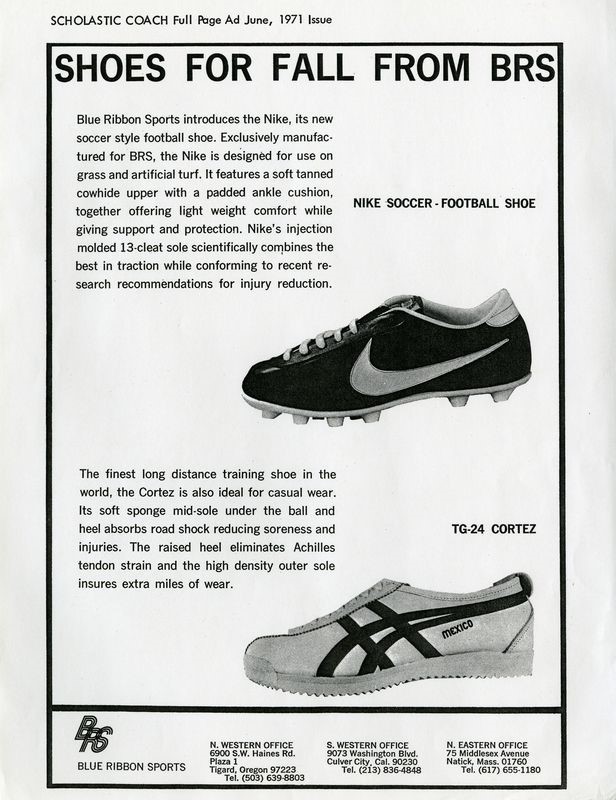
Upon learning of the Nike project, the Japanese manufacturer challenged Blue Ribbon for violation of the non-competition agreement, which prohibited the distributor from importing other products manufactured in Japan, declaring the immediate termination of the agreement.
In turn, Blue Ribbon argued that the breach would be Onitsuka Tiger’s, which had started meeting other potential distributors when the contract was still in force and the business was very positive.
This resulted in two lawsuits, one in Japan and one in the U.S., which could have put a premature end to Nike’s history.
Fortunately (for Nike) the American judge ruled in favor of the distributor and the dispute was closed with a settlement: Nike thus began the journey that would lead it 15 years later to become the most important sporting goods brand in the world.
Let’s see what Nike’s history teaches us and what mistakes should be avoided in an international distribution contract.
How to negotiate an international commercial distribution agreement
In his biography, Knight writes that he soon regretted tying the future of his company to a hastily written, few-line commercial agreement at the end of a meeting to negotiate the renewal of the distribution contract.
What did this agreement contain?
The agreement only provided for the renewal of Blue Ribbon’s right to distribute products exclusively in the USA for another three years.
It often happens that international distribution contracts are entrusted to verbal agreements or very simple contracts of short duration: the explanation that is usually given is that in this way it is possible to test the commercial relationship, without binding too much to the counterpart.
This way of doing business, though, is wrong and dangerous: the contract should not be seen as a burden or a constraint, but as a guarantee of the rights of both parties. Not concluding a written contract, or doing so in a very hasty way, means leaving without clear agreements fundamental elements of the future relationship, such as those that led to the dispute between Blue Ribbon and Onitsuka Tiger: commercial targets, investments, ownership of brands.
If the contract is also international, the need to draw up a complete and balanced agreement is even stronger, given that in the absence of agreements between the parties, or as a supplement to these agreements, a law with which one of the parties is unfamiliar is applied, which is generally the law of the country where the distributor is based.
Even if you are not in the Blue Ribbon situation, where it was an agreement on which the very existence of the company depended, international contracts should be discussed and negotiated with the help of an expert lawyer who knows the law applicable to the agreement and can help the entrepreneur to identify and negotiate the important clauses of the contract.
Territorial exclusivity, commercial objectives and minimum turnover targets
The first reason for conflict between Blue Ribbon and Onitsuka Tiger was the evaluation of sales trends in the US market.
Onitsuka argued that the turnover was lower than the potential of the U.S. market, while according to Blue Ribbon the sales trend was very positive, since up to that moment it had doubled every year the turnover, conquering an important share of the market sector.
When Blue Ribbon learned that Onituska was evaluating other candidates for the distribution of its products in the USA and fearing to be soon out of the market, Blue Ribbon prepared the Nike brand as Plan B: when this was discovered by the Japanese manufacturer, the situation precipitated and led to a legal dispute between the parties.
The dispute could perhaps have been avoided if the parties had agreed upon commercial targets and the contract had included a fairly standard clause in exclusive distribution agreements, i.e. a minimum sales target on the part of the distributor.
In an exclusive distribution agreement, the manufacturer grants the distributor strong territorial protection against the investments the distributor makes to develop the assigned market.
In order to balance the concession of exclusivity, it is normal for the producer to ask the distributor for the so-called Guaranteed Minimum Turnover or Minimum Target, which must be reached by the distributor every year in order to maintain the privileged status granted to him.
If the Minimum Target is not reached, the contract generally provides that the manufacturer has the right to withdraw from the contract (in the case of an open-ended agreement) or not to renew the agreement (if the contract is for a fixed term) or to revoke or restrict the territorial exclusivity.
In the contract between Blue Ribbon and Onitsuka Tiger, the agreement did not foresee any targets (and in fact the parties disagreed when evaluating the distributor’s results) and had just been renewed for three years: how can minimum turnover targets be foreseen in a multi-year contract?
In the absence of reliable data, the parties often rely on predetermined percentage increase mechanisms: +10% the second year, + 30% the third, + 50% the fourth, and so on.
The problem with this automatism is that the targets are agreed without having available the real data on the future trend of product sales, competitors’ sales and the market in general, and can therefore be very distant from the distributor’s current sales possibilities.
For example, challenging the distributor for not meeting the second or third year’s target in a recessionary economy would certainly be a questionable decision and a likely source of disagreement.
It would be better to have a clause for consensually setting targets from year to year, stipulating that targets will be agreed between the parties in the light of sales performance in the preceding months, with some advance notice before the end of the current year. In the event of failure to agree on the new target, the contract may provide for the previous year’s target to be applied, or for the parties to have the right to withdraw, subject to a certain period of notice.
It should be remembered, on the other hand, that the target can also be used as an incentive for the distributor: it can be provided, for example, that if a certain turnover is achieved, this will enable the agreement to be renewed, or territorial exclusivity to be extended, or certain commercial compensation to be obtained for the following year.
A final recommendation is to correctly manage the minimum target clause, if present in the contract: it often happens that the manufacturer disputes the failure to reach the target for a certain year, after a long period in which the annual targets had not been reached, or had not been updated, without any consequences.
In such cases, it is possible that the distributor claims that there has been an implicit waiver of this contractual protection and therefore that the withdrawal is not valid: to avoid disputes on this subject, it is advisable to expressly provide in the Minimum Target clause that the failure to challenge the failure to reach the target for a certain period does not mean that the right to activate the clause in the future is waived.
The notice period for terminating an international distribution contract
The other dispute between the parties was the violation of a non-compete agreement: the sale of the Nike brand by Blue Ribbon, when the contract prohibited the sale of other shoes manufactured in Japan.
Onitsuka Tiger claimed that Blue Ribbon had breached the non-compete agreement, while the distributor believed it had no other option, given the manufacturer’s imminent decision to terminate the agreement.
This type of dispute can be avoided by clearly setting a notice period for termination (or non-renewal): this period has the fundamental function of allowing the parties to prepare for the termination of the relationship and to organize their activities after the termination.
In particular, in order to avoid misunderstandings such as the one that arose between Blue Ribbon and Onitsuka Tiger, it can be foreseen that during this period the parties will be able to make contact with other potential distributors and producers, and that this does not violate the obligations of exclusivity and non-competition.
In the case of Blue Ribbon, in fact, the distributor had gone a step beyond the mere search for another supplier, since it had started to sell Nike products while the contract with Onitsuka was still valid: this behavior represents a serious breach of an exclusivity agreement.
A particular aspect to consider regarding the notice period is the duration: how long does the notice period have to be to be considered fair? In the case of long-standing business relationships, it is important to give the other party sufficient time to reposition themselves in the marketplace, looking for alternative distributors or suppliers, or (as in the case of Blue Ribbon/Nike) to create and launch their own brand.
The other element to be taken into account, when communicating the termination, is that the notice must be such as to allow the distributor to amortize the investments made to meet its obligations during the contract; in the case of Blue Ribbon, the distributor, at the express request of the manufacturer, had opened a series of mono-brand stores both on the West and East Coast of the U.S.A..
A closure of the contract shortly after its renewal and with too short a notice would not have allowed the distributor to reorganize the sales network with a replacement product, forcing the closure of the stores that had sold the Japanese shoes up to that moment.
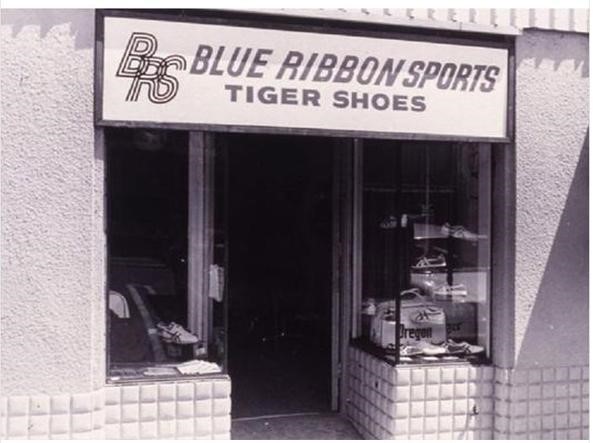
Generally, it is advisable to provide for a notice period for withdrawal of at least 6 months, but in international distribution contracts, attention should be paid, in addition to the investments made by the parties, to any specific provisions of the law applicable to the contract (here, for example, an in-depth analysis for sudden termination of contracts in France) or to case law on the subject of withdrawal from commercial relations (in some cases, the term considered appropriate for a long-term sales concession contract can reach 24 months).
Finally, it is normal that at the time of closing the contract, the distributor is still in possession of stocks of products: this can be problematic, for example because the distributor usually wishes to liquidate the stock (flash sales or sales through web channels with strong discounts) and this can go against the commercial policies of the manufacturer and new distributors.
In order to avoid this type of situation, a clause that can be included in the distribution contract is that relating to the producer’s right to repurchase existing stock at the end of the contract, already setting the repurchase price (for example, equal to the sale price to the distributor for products of the current season, with a 30% discount for products of the previous season and with a higher discount for products sold more than 24 months previously).
Trademark Ownership in an International Distribution Agreement
During the course of the distribution relationship, Blue Ribbon had created a new type of sole for running shoes and coined the trademarks Cortez and Boston for the top models of the collection, which had been very successful among the public, gaining great popularity: at the end of the contract, both parties claimed ownership of the trademarks.
Situations of this kind frequently occur in international distribution relationships: the distributor registers the manufacturer’s trademark in the country in which it operates, in order to prevent competitors from doing so and to be able to protect the trademark in the case of the sale of counterfeit products; or it happens that the distributor, as in the dispute we are discussing, collaborates in the creation of new trademarks intended for its market.
At the end of the relationship, in the absence of a clear agreement between the parties, a dispute can arise like the one in the Nike case: who is the owner, producer or distributor?

In order to avoid misunderstandings, the first advice is to register the trademark in all the countries in which the products are distributed, and not only: in the case of China, for example, it is advisable to register it anyway, in order to prevent third parties in bad faith from taking the trademark (for further information see this post on Legalmondo).
It is also advisable to include in the distribution contract a clause prohibiting the distributor from registering the trademark (or similar trademarks) in the country in which it operates, with express provision for the manufacturer’s right to ask for its transfer should this occur.
Such a clause would have prevented the dispute between Blue Ribbon and Onitsuka Tiger from arising.
The facts we are recounting are dated 1976: today, in addition to clarifying the ownership of the trademark and the methods of use by the distributor and its sales network, it is advisable that the contract also regulates the use of the trademark and the distinctive signs of the manufacturer on communication channels, in particular social media.
It is advisable to clearly stipulate that the manufacturer is the owner of the social media profiles, of the content that is created, and of the data generated by the sales, marketing and communication activity in the country in which the distributor operates, who only has the license to use them, in accordance with the owner’s instructions.
In addition, it is a good idea for the agreement to establish how the brand will be used and the communication and sales promotion policies in the market, to avoid initiatives that may have negative or counterproductive effects.
The clause can also be reinforced with the provision of contractual penalties in the event that, at the end of the agreement, the distributor refuses to transfer control of the digital channels and data generated in the course of business.
Mediation in international commercial distribution contracts
Another interesting point offered by the Blue Ribbon vs. Onitsuka Tiger case is linked to the management of conflicts in international distribution relationships: situations such as the one we have seen can be effectively resolved through the use of mediation.
This is an attempt to reconcile the dispute, entrusted to a specialized body or mediator, with the aim of finding an amicable agreement that avoids judicial action.
Mediation can be provided for in the contract as a first step, before the eventual lawsuit or arbitration, or it can be initiated voluntarily within a judicial or arbitration procedure already in progress.
The advantages are many: the main one is the possibility to find a commercial solution that allows the continuation of the relationship, instead of just looking for ways for the termination of the commercial relationship between the parties.
Another interesting aspect of mediation is that of overcoming personal conflicts: in the case of Blue Ribbon vs. Onitsuka, for example, a decisive element in the escalation of problems between the parties was the difficult personal relationship between the CEO of Blue Ribbon and the Export manager of the Japanese manufacturer, aggravated by strong cultural differences.
The process of mediation introduces a third figure, able to dialogue with the parts and to guide them to look for solutions of mutual interest, that can be decisive to overcome the communication problems or the personal hostilities.
For those interested in the topic, we refer to this post on Legalmondo and to the replay of a recent webinar on mediation of international conflicts.
Dispute resolution clauses in international distribution agreements
The dispute between Blue Ribbon and Onitsuka Tiger led the parties to initiate two parallel lawsuits, one in the US (initiated by the distributor) and one in Japan (rooted by the manufacturer).
This was possible because the contract did not expressly foresee how any future disputes would be resolved, thus generating a very complicated situation, moreover on two judicial fronts in different countries.
The clauses that establish which law applies to a contract and how disputes are to be resolved are known as «midnight clauses«, because they are often the last clauses in the contract, negotiated late at night.
They are, in fact, very important clauses, which must be defined in a conscious way, to avoid solutions that are ineffective or counterproductive.
How we can help you
The construction of an international commercial distribution agreement is an important investment, because it sets the rules of the relationship between the parties for the future and provides them with the tools to manage all the situations that will be created in the future collaboration.
It is essential not only to negotiate and conclude a correct, complete and balanced agreement, but also to know how to manage it over the years, especially when situations of conflict arise.
Legalmondo offers the possibility to work with lawyers experienced in international commercial distribution in more than 60 countries: write us your needs.
From Reporting to Governance and Risk Allocation
Environmental, Social and Governance (ESG) considerations are playing an increasingly influential role in how businesses operate, invest, and manage risk, especially within the European Union, where corporate sustainability and responsibility regulation have been on the agenda in recent years.
With the adoption of the Corporate Sustainability Reporting Directive (CSRD) and the Corporate Sustainability Due Diligence Directive (CSDDD), many companies anticipated a significant shift in compliance. Since then, the EU has introduced simplification measures to streamline reporting and due diligence obligations, reduce the administrative burden, and improve proportionality, particularly for small and medium-sized enterprises (SMEs), while maintaining the core sustainability objectives.
While opinions may differ regarding the evolution of environmental, social, and governance (ESG) in EU regulation and the subsequent postponements of reporting obligations, regulatory developments appear to have, in practice, supported a shift in perspective. Sustainability is no longer viewed solely as a reporting requirement, but increasingly as a matter of governance, strategy, and risk allocation. This development is welcome, as the regulatory framework’s underlying objective is to advance the green transition, which in turn requires a change in how companies integrate sustainability into their decision-making and operations.
This focus on sustainability influences businesses of all sizes, including SMEs. Even companies not directly subject to the CSRD or CSDDD anticipate that ESG requirements will be passed down through the supply chain. Many non-reporting SMEs are already embedding sustainability practices, and this trend is likely to continue. In other words, sustainability policies are already affecting companies well before any formal reporting obligations kick in.
Environmental, Social, and Governance in Contract Architecture
One of the key means of implementing environmental, social, and governance obligations and objectives in day-to-day business operations is through commercial contracts and the requirements and commitments embedded in them.
Even where a company itself is not directly subject to extensive reporting or due diligence obligations, corporate sustainability and responsibility expectations flow through the market via contractual relationships. Larger undertakings within the scope of CSRD and, in due course, the CSDDD require contractual assurances, information rights, and cooperation from their business partners, including SMEs operating within their supply chains. As a result, corporate sustainability and responsibility become a question of contractual architecture. Companies must consider not only price mechanisms, liability caps and termination triggers, but also how environmental, social and governance risks and obligations are addressed and allocated between the parties through legally enforceable contractual terms.
Translating Policies into Binding Obligations
A typical starting point is the incorporation of a code of conduct or sustainability policies into commercial contracts, often by reference and through an express obligation on the contracting party to comply with them. From a legal standpoint, this raises important drafting questions. Many codes are drafted as high-level public statements. When such policies are converted into contractual commitments, their wording, scope, and hierarchy relative to the main agreement require careful consideration. The obligations must be sufficiently clear to define the parties’ expectations, coherent with other contractual provisions, and proportionate to the commercial relationship. The obligations must also be capable of practical implementation and effective monitoring in the context of the agreement.
In practical terms, this may mean requiring the supplier to comply with specific labour standards, maintain documented environmental management procedures, report on emissions data, ensure traceability of key raw materials, or allow reasonable access for audits. Clearly defining what is expected, how compliance is demonstrated, and what consequences follow from non-compliance is essential for the clause to function effectively. Otherwise, clauses that appear comprehensive in theory and ambitious in scope may offer limited enforceability in practice, and their impact may remain marginal if compliance cannot be effectively monitored and verified. If policies are not properly translated into binding and operational obligations, the company risks a mismatch between what it promises publicly and what is actually required under its contracts. This may undermine consistency, weaken risk management, and expose the company to reputational and governance risks if its own stated principles cannot be enforced within its supply or distribution chain.
As part of this process, companies must also consider the protection of trade secrets and confidential information. For example, broad audit or data-reporting obligations may raise concerns about sensitive business information. Contractual terms should balance transparency with the need to protect legitimately proprietary data. Clauses such as confidentiality agreements or carve-outs for trade secrets can be used to ensure that sharing ESG-related information does not compromise confidential business information or competitive advantages.
Environmental, Social and Governance Clauses Across Different Contract Types
Besides codes of conduct and sustainability policies, environmental, social and governance-related clauses increasingly take more tailored and transaction-specific forms. In shareholder agreements, sustainability objectives may be reflected in governance structures or even linked to financial outcomes, for example by aligning dividend policies or incentive mechanisms with agreed climate targets. In employment contracts, obligations may extend beyond general compliance and include participation in corporate sustainability training programmes or adherence to internal sustainability guidelines as part of performance expectations.
In supply and manufacturing agreements, environmental, social and governance provisions may address traceability of raw materials, emissions reporting, waste management, energy efficiency standards or the right to replace a supplier if its environmental practices materially conflict with the contracting party’s sustainability commitments. Such contractual mechanisms increasingly affect SMEs operating as suppliers, as ESG expectations pass through the supply chain.
Construction contracts often include detailed requirements regarding material selection, lifecycle impacts, carbon footprint calculations and recycling or waste reduction procedures. For example, in Finland, legislation imposes low-carbon and energy efficiency requirements for new buildings, and a party undertaking a construction project is subject to mandatory reporting obligations relating to construction and demolition waste. These statutory requirements are typically reflected and implemented in the relevant project and construction contracts.
Across these different contract types, the practical significance is consistent. Environmental, social and governance considerations move from the level of general policy into legally enforceable obligations tailored to each specific legal relationship. Contracts function as a mechanism for allocating responsibility, managing compliance risk and aligning commercial incentives with sustainability objectives.
Proportionate Monitoring and Audit Rights
In the contractual implementation and monitoring of environmental, social and governance obligations, audit and information rights play a central role. They are closely linked to effective oversight and form an integral part of a coherent contractual framework. In practice, companies typically seek access to relevant data from their business partners and, where appropriate, establish inspection or audit rights to enable meaningful monitoring and verification, whether conducted directly by the company or, commonly, by an independent expert appointed for that purpose.
However, such arrangements must remain balanced. Overly burdensome provisions may needlessly disrupt day-to-day operations and reduce the willingness to cooperate, particularly for SMEs with limited administrative capacity. By contrast, well-designed mechanisms that balance transparency with confidentiality and operational feasibility are more defensible and more likely to function effectively in practice.
Contractual Remedies
As a general principle, the consequences of a breach are determined by the terms agreed between the parties. In practice, the parties will typically first seek to resolve the matter through discussion and good faith negotiations, allowing the non-compliant party an opportunity to clarify the situation and implement corrective actions within a reasonable timeframe. If negotiations do not lead to a resolution, it may be appropriate to proceed to stronger measures, such as contractual penalties, indemnification obligations, price adjustments, temporary suspension rights or other agreed sanctions, applied in light of the nature and severity of the breach.
The contract should clearly define what constitutes a breach, how it is assessed and what remedies are available in each scenario. Clear and proportionate step-by-step remedy structures enhance legal certainty, reduce the risk of disputes and ensure that material or repeated breaches may trigger more significant consequences, including termination where justified.
Strategic and Voluntary Environmental, Social and Governance Commitments
In the current EU landscape, implementing ESG considerations in commercial contracts is no longer simply a matter of reacting to directives. It is a broader exercise in risk management and corporate governance. Even as the implementation details of the directives may continue to evolve, market expectations, financing conditions and reputational considerations remain key drivers of sustainability integration.
In addition, some companies choose to position themselves as frontrunners in sustainability for strategic and reputational reasons. They may therefore incorporate voluntary environmental, social and governance mechanisms and requirements into their contracts that go beyond, or are not directly derived from, binding directives. By doing so, they signal to investors, customers and other stakeholders that sustainability is treated as a core business priority rather than merely a compliance obligation.
At the same time, it is important to recognise the practical limits of such commitments. Ambitious sustainability requirements may be more challenging for SMEs with limited financial and administrative resources. Meeting extensive reporting, certification or traceability standards can require investments in systems, personnel and external expertise. If contractual expectations are not calibrated to the size and capacity of the counterparty, they may limit the ability of SMEs to participate in certain supply chains. A balanced and proportionate approach helps ensure that sustainability objectives remain achievable and commercially workable across the contractual chain.
Conclusion
For legal practitioners, the central task is not to increase the number of environmental, social and governance clauses as such, but to ensure their quality, coherence and practical relevance. The objective is to design contractual mechanisms that are proportionate, enforceable and aligned with the company’s actual risk profile, industry context and sustainability priorities. Commercial contracts remain one of the most concrete tools for translating sustainability strategy into operational practice. Moreover, every contract lawyer should understand and apply key sustainability principles in their work, ensuring that ESG commitments become integral to legal advice and contract drafting.
The Strait of Hormuz is likely the most strategically important point for the global oil trade. In fact, approximately 20% of the world’s oil and gas passes through this narrow passage between the Gulf of Oman and the Persian Gulf every day.
Following the outbreak of war in the region, the impact on energy markets was almost immediate: oil prices quickly rose above $100 per barrel, and it is unclear how high they may climb in the coming weeks and months. As a result, transportation, production, and procurement costs are rising across industrial supply chains in many sectors.
For many companies engaged in international trade, this phenomenon creates a very real problem. Contracts signed months (or years) earlier—perhaps at a fixed price—must be fulfilled in a completely different economic context.
A manufacturer that sells goods for delivery in six or twelve months may find itself producing and shipping at much higher energy costs, while the price agreed upon with the customer remains unchanged.
This is a situation that recurs cyclically, for various reasons: from the COVID-19 pandemic to the subsequent raw materials crisis, and on to current geopolitical tensions.
When the increase in costs is so sudden and significant, a question inevitably arises: must the contract still be performed under the original terms, or is it possible to suspend or renegotiate the agreement to adapt it to the new circumstances?
The answer depends on several factors: first and foremost, on what the parties have (or have not) provided for in the contract, but also on the law applicable to the relationship and on the interpretation that judges or arbitrators may give to the rules in the event of a dispute.
Force Majeure and Hardship: Two Different Concepts
When extraordinary events occur—such as a war, an energy crisis, or the disruption of a trade route—many operators immediately invoke force majeure. However, in most cases, these situations fall instead under the category of hardship.
It is therefore essential to distinguish between these two situations.
When an Event Constitutes Force Majeure
Force majeure applies to cases where an extraordinary and unforeseeable event makes it impossible to perform the contract.
The characteristics of the grounds for exemption from liability depend on the law applicable to the commercial relationship, but generally require:
- unpredictability of the event;
- the event being beyond the affected party’s control;
- the impossibility of avoiding or overcoming the event through reasonable efforts.
Typical examples include:
- orders from authorities requiring the suspension of production
- embargoes or export bans
- logistical disruptions caused by war
In these situations, performance is not merely more costly: it becomes objectively impossible. The consequence is that the party unable to perform is generally exempt from liability for the duration of the event.
Hardship
The situation is different when performance of the contract remains possible but becomes economically much more burdensome.
The concept of hardship is generally based on four prerequisites:
- an event occurring after the conclusion of the contract
- unpredictability and extraordinary nature of the event
- a substantial alteration of the economic balance of the contract
- excessive burden of performance, but not impossibility
A sharp increase in the price of oil, gas, or other raw materials often falls into this category.
Goods can be produced and delivered, but doing so may entail costs far higher than those anticipated when the contract was signed.
The ripple effect along the international supply chain
In global industrial supply chains, the same goods are often the subject of a series of consecutive contracts.
The manufacturer sells to a trader, who sells to a processing company, which resells to an importer in another country, who in turn distributes the product to the end market.
When a hardship event occurs—such as a sharp rise in energy prices—the effect tends to ripple throughout the entire supply chain.
The first party affected by the cost increase will try to pass the increase on to its contractual counterpart, who, in turn, will find themselves in the same situation with the next link in the chain.
The risk is clear: one of the operators in the middle of the chain may face increased upstream costs without being able to pass them on downstream.
This is one of the most common problems in international supply chains.
What happens if there is no clause regarding price fluctuations
In commercial practice, it often happens that parties operate on the basis of orders and order confirmations without a formal written contract, or that a contract exists but contains no provisions regarding price fluctuations or hardship.
In such cases, when costs increase sharply, it is necessary to determine which law applies to individual sales contracts across the supply chain.
This can lead to very different situations:
- one law may allow for price revision or termination of the contract
- another law aplicable to a second contract may not provide for equivalent remedies
- a third contract may contain much more restrictive contractual clauses
The practical result is that an operator in the middle of the chain may face a price increase from their supplier without being able to pass it on to the customer.
A Common Legal Framework: The Vienna Convention on the International Sale of Goods (CISG)
Fortunately, many international sales contracts are governed by the 1980 Vienna Convention on the International Sale of Goods (CISG).
The convention has been ratified by 97 countries, including Italy and most major trading partners, such as the U.S., Canada, China, Germany, France, Spain, etc.
The central provision is Article 79, according to which a party is not liable for non-performance if it proves that the non-performance is due to an impediment:
- beyond its control
- unforeseeable at the time of the conclusion of the contract
- unavoidable or insurmountable
Traditionally, this provision has been applied to cases of force majeure.
In recent years, there has been debate over whether it can also be applied to cases of hardship, but international case law tends to be very cautious.
International case law on Hardship
Court decisions reflect a rather strict approach.
In some cases, even very significant increases in raw material costs have not been considered sufficient to modify or suspend the contract.
The reasoning is simple: those who operate professionally in international trade must take into account a certain degree of market volatility.
Only when the increase in costs exceeds an exceptional and unforeseeable level such as to radically alter the balance of the contract can hardship be invoked.
One of the most frequently cited cases is the Belgian Supreme Court’s decision in the Scafom case, which recognized the right to renegotiate the contract following a 70% increase in the price of steel.
However, such cases are relatively rare.
Generic clauses that serve no purpose
Many contracts contain hardship clauses copied from standard templates (boilerplate).
The problem is that these clauses often:
- list the effects of hardship
- but do not define when hardship actually occurs
The result is that, when prices rise, the parties may have very different opinions on what constitutes an “exceptional” increase and whether the event in question was “unforeseeable” or not.
The clause, therefore, does not resolve the issue, but defers it to discussion between the parties and, in the event of a failure to reach an agreement, to the courts or arbitrators.
What criteria can define a hardship situation
To make the clause truly effective, it is useful to establish objective parameters.
Among the most commonly used in international contracts:
- an increase or decrease in the price of a raw material beyond a certain threshold (±20% or ±30%)
- an increase in transportation or logistics costs within certain limits;
- significant fluctuations in the exchange rate beyond a specified range;
- the introduction of tariffs or trade restrictions
These parameters, linked to tolerance ranges, allow the parties to quickly and unambiguously identify a hardship event.
Remedies in the Event of Hardship
An effective clause should also address how to handle the situation.
The most common solutions are:
- renegotiation of the contract in good faith
- apply an automatic price adjustment
- appointment of an independent third-party expert to determine the new price
- temporary suspension of the contract
- right of withdrawal if no agreement is reached
These tools allow the parties to manage the crisis without resorting to litigation.
Audit of existing contracts: what to do now
At this point, the practical question becomes: how should we manage the issue in existing business relationships?
The first step is to conduct an audit of existing contracts with suppliers and customers.
1. Introduce comprehensive contracts in new relationships
If the relationships are governed solely by purchase orders and order confirmations, it is advisable to take this opportunity to draft comprehensive international sales contracts that include:
- a hardship clause
- warranty provisions
- remedies for breach
- limitations of liability
2. Update existing contracts
If the relationship is already governed by a contract, you should check whether a hardship clause exists.
If not, it may be useful to propose to the other party:
- a new contract, or
- a contract addendum dedicated to managing price fluctuations.
This helps prevent future conflicts and provides both parties with an effective tool to manage potential price shocks along the supply chain.
Conclusion
Commodity and energy crises demonstrate how exposed international contracts are to sudden changes in economic conditions. When a contract does not clearly address hardship management, the risk does not disappear; it simply shifts along the supply chain until it settles on the weakest link.
For this reason, companies operating within international supply chains should view the hardship clause as a strategic tool for managing contractual risk. A well-drafted contract does not eliminate market volatility, but it allows the parties to address it with clear rules, reducing uncertainty and preventing disputes.
Executive Summary
The African Continental Free Trade Area (AfCFTA) remains one of the most ambitious integration projects in the world. Yet, several years into its operational phase, it has not (yet) delivered the structural shift many expected. A recent analysis underscores the gap between political momentum and economic reality: implementation remains uneven, the agreement is still used by only a portion of participating states, and non-tariff barriers and infrastructure deficits continue to dominate the cost of doing business across borders. For Egypt, the opportunity is still real — but it depends less on treaty headlines and more on enabling conditions: trade logistics, customs efficiency, regulatory convergence, and competitive industrial capacity.
Looking Back: The Promise of a Single African Market
When the AfCFTA was launched, expectations were understandably high. A continent-wide trade framework was supposed to reduce tariffs, facilitate trade in goods and services, and strengthen regional value chains — with the broader goal of moving African economies up the value ladder.
In my 2022 article, I asked whether AfCFTA could become a game changer for Egypt, given Egypt’s industrial base, strategic geography, and the potential to diversify export markets beyond traditional partners. (For background, see the earlier article here”).
The Reality Check: Intra-African Trade Remains Structurally Weak
Several years later, the interim assessment is sobering. As the Frankfurter Allgemeine Zeitung (FAZ) recently put it, AfCFTA is not a “game changer” yet, and only about half of member states currently meet the practical prerequisites to trade under the agreement.
A deeper reason is structural: no other world region trades so little with itself, and while statistics may undercount informal cross-border flows (especially in food), the overall picture remains unchanged.
Trade integration cannot deliver transformative outcomes if production, logistics, and institutions do not support scale.
Implementation Has Been Slow — and Often Symbolic
Operationalisation did not start with full-scale liberalisation. Instead, the AfCFTA began with a pilot approach: the Guided Trade Initiative (GTI) launched in October 2022, initially with eight states, later joined by additional countries, including Nigeria and South Africa by spring 2025.
The GTI created valuable learning effects, but it also underlined a key point: early progress was often presented through symbolic deals, while product coverage and volumes remained limited. FAZ highlights that only selected goods could be traded duty-free and that key sectors remained constrained for a long time due to missing or unresolved technical rules.
A pilot, however, cannot substitute for full operational certainty — the kind businesses need to restructure supply chains and invest.
Tariffs Are Not the Main Barrier — Trade Costs Are
AfCFTA is frequently discussed in terms of tariff liberalisation. Yet, evidence suggests that the largest gains do not come from tariffs but from reducing non-tariff barriers and improving trade infrastructure.
FAZ points to a central reality: tariffs tend to add around 20–30% to intra-African trade costs, whereas non-tariff costs can be far higher — driven by bureaucracy, lack of harmonised standards, inefficient border processes, and transport barriers.
This is the crux: even with reduced tariffs, trade will not expand meaningfully if goods still cannot move cheaply, quickly, and predictably.
Integration Complexity and Distributional Politics
Africa’s integration landscape is shaped by multiple overlapping regional economic communities and trade regimes. This creates legal and administrative complexity — often described as an integration “spaghetti bowl.” FAZ notes the challenge of coordination and the continued fragmentation of rules.
There is also a political economy dimension. Intra-African trade is heavily influenced by a small number of larger economies — and the distribution of benefits matters. FAZ highlights the dominance of major players (notably South Africa) and the concern that tariff liberalisation alone may entrench existing industrial advantages.
Where governments expect asymmetric outcomes, resistance often takes the form of delay, narrow implementation, or persistent non-tariff barriers.
What This Means for Egypt: The Opportunity Is Real — But Conditional
Egypt’s strategic case for AfCFTA participation remains strong: industrial potential, geographic location, and the opportunity to access and shape growing markets. But the experience so far suggests that the treaty text alone does not generate trade flows.
For Egypt’s private sector, the decisive factors are practical:
- predictable and efficient customs clearance and border procedures,
- logistics corridors and port efficiency,
- regulatory convergence (standards, certification, compliance),
- stable access to trade finance and payments,
- competitive energy and production conditions for manufacturing and processing.
AfCFTA can support these developments — but it cannot replace them.
The “Game Changer” Pathway: What Must Happen Next
FAZ concludes that AfCFTA will only become truly impactful if it is paired with the fundamentals: major infrastructure investment, stronger production and processing capacity, and a credible industrial policy.
At the same time, Africa faces a classic chicken-and-egg problem: without development there is limited investment appeal; without investment there is limited development.
For Egypt and its partners, a pragmatic strategy would be to:
- treat AfCFTA as a platform for real trade-cost reduction, not only tariff debates;
- focus on a limited number of scalable corridors and sectors where regional value chains can realistically grow;
- strengthen implementation capacity so that preferences become usable for firms — especially SMEs;
- enhance legal certainty and dispute resolution reliability for cross-border commerce.
Conclusion
AfCFTA remains a landmark achievement in terms of political commitment. But as of today, it has not yet been the “game changer” many hoped for.
For Egypt, the key question is no longer whether AfCFTA is visionary — it is. The question is whether governments and businesses can translate it into lower real trade costs, higher competitiveness, and bankable cross-border transactions. If those enabling conditions improve, AfCFTA’s promise can still become commercial reality.
After “Liberation Day,” many foreign companies offered discounts to American importers to help them offset the tariffs. A few months later, the US Supreme Court declared the «reciprocal» tariffs unlawful, but on the same day, President Trump announced new tariffs. In this article, we provide a practical overview of how to handle various scenarios, shifting from a reactive, unstructured approach to deliberate management of price volatility and trade flows caused by the introduction, adjustment, and removal of tariffs.
Tariff Sharing agreements
For a long time, the question has been straightforward: who absorbs the extra customs cost? The exporter? The importer? Both? The question remains important, but today it is incomplete.
The new scenario, in light of the recent ruling by the US Court of Justice on March 20, 2026, is: what happens if that duty is then canceled and refunded? If the cost was shared between the parties, the benefit of the refund must follow a consistent logic. In the absence of a clear agreement on this point, however, there is a risk of economic misalignment that could compromise the commercial relationship.
Let’s imagine an Italian winery that sells its products to a US importer. Following the introduction of reciprocal duties, the parties have decided that the exporter will grant an extraordinary discount of 7.5%, explicitly motivated by the need to share the impact of the duty. The commercial relationship continues, volumes remain stable, and the importer avoids passing on the entire increase to the end customer.
As a result of the Supreme Court ruling (or, in the future, another ruling or administrative decision), the importer obtains a refund of the duties paid during that period.
If no formal agreements have been made on this point and the documentation refers generically to a «commercial discount» and says nothing about reimbursement, the situation afterward may be difficult to reconstruct and, above all, could lead to commercial tension. As a result, a positive development (the cancellation of the duty and the right to reimbursement) becomes a problematic factor that jeopardizes the relationship.
Is the exporter entitled to a refund of the discounts granted to mitigate the duties?
In the absence of a different agreement between the parties, the right to reimbursement belongs to the party who paid the duty, i.e., in most cases, the importer. Therefore, there is a risk that the importer will enjoy a double benefit (the discount and the duty refund), while the exporter will get nothing.
For this reason, it is essential that the parties do not limit themselves to negotiating prices and discounts, but also establish the consequences of the adoption, modification, or revocation of duties on the contract, including any refunds.
To achieve this, the first step is to accurately classify and document the discounts granted. If only a «commercial discount» appears in emails, commercial orders, credit notes, and invoices, it will be harder to later argue that this discount was actually an extraordinary, temporary contribution related to the duty. Conversely, if the documentation and contract specify that it is a tariff sharing or tariff mitigation measure, identifying the amounts to be refunded after the fact becomes much simpler.
The goal is to create a clear view of the trend in discounts and payments so that, if needed, financial flows can be adjusted to align with the original terms of the agreement: if the exporter has helped cover a cost that then, in whole or in part, does not end up materializing, they will be eligible for a refund of the contribution paid.
The contract will therefore include, in addition to the Tariff Sharing clause, a Tariff Reimbursement Allocation clause, which states that if the importer receives a refund, credit, or any other economic benefit related to the duty for which the exporter has granted a discount, the importer must return the corresponding portion of the benefit to the exporter in full. or proportionally, depending on how the parties intend to distribute risk and incentive.
Importer’s responsibility to seek reimbursement
It is unclear whether, in the case of US reciprocal duties, importers can simply file an administrative claim to get a refund or if legal action will be required. The latter seems more probable.
Generally, obtaining a duty refund involves action, deadlines, documentation, and coordination with brokers and customs consultants. In most cases, the entity controlling the process is the importer (or someone acting on their behalf).
This raises a sensitive but very real issue: if the importer knows that they will have to invest time and money to obtain a refund, only to then have to share the benefit with the exporter, their incentive to take action may be reduced. To prevent this inertia the contract should contain an express obligation to take action, set out as a duty of best efforts or commercially reasonable efforts.
For example, the contract should specify that the importer must inquire about the conditions and time limits of the process, keep relevant documentation, regularly inform the exporter about the progress of the initiatives, and not unilaterally waive or reduce the claim if it affects the exporter’s economic rights.
Preventive Agreements on Litigation and Cost Allocation
When reimbursement involves a lawsuit or structured legal action, the obstacles are organizational and financial: who decides if and when to proceed, who selects the lawyers, who pays the costs upfront, how the net recovery is divided, and who has the final say on a settlement. This generally applies to all contracts, not just this case: dispute resolution methods must be addressed and agreed upon before the problem arises.
Otherwise, the dispute resolution process risks becoming a secondary improvised negotiation at the worst time — when the parties are already under pressure from margins, cash flow, and regulatory uncertainty. As a result, it becomes much harder to reach an agreement.
How to handle new tariffs and their potential cancellation
To safeguard against uncertainty, the agreement should be organized into two stages.
- The first stage regulates the immediate impact of the change in scenario, for example, the introduction of a new tariff or its increase (renegotiation, cost sharing, automatic adjustment : I discussed this in this article).
- The second stage manages the possible «rollback» (right to reimbursement, process, allocation criteria).
This approach has a clear benefit: it does not force the parties to discuss every time the tariff regime changes or a decision to cancel tariffs is made. Instead of reacting to market changes, a tool is adopted to manage potential scenarios, which is much more resilient commercially and easier to oversee, as the rules have already been agreed upon.
This allows the impact of duties to be regulated not as an extraordinary variable, to be agreed upon on a one-time basis, but as a structural, adaptable phenomenon that could last a long time.
This is why it is crucial to know how to draft contracts that cover both the current situation and potential changes, including any refunds.
Conclusion: Three practical steps for companies exporting to the US
The first is to agree on the consequences for the contract of the introduction of a new duty, increasing it, or revoking it (renegotiation, cost sharing, automatic price adjustment, right to share the refund).
The second is to clearly document any discount granted to offset a duty. If it remains a generic «commercial discount,» the right to a refund if reimbursement occurs will be much harder to enforce.
The third step is to determine what happens if the duty is canceled or revoked: the importer’s responsibility to take action to get a refund, manage the administrative process or litigation, how to divide costs, who oversees the activities of consultants and lawyers, and how the recovered funds will be allocated.
How do you approach negotiating a trade agreement with China?
Based on my experience, let’s examine the issues to be addressed and the main questions to ask, taking the negotiation of a trade distribution agreement as a practical example.
Let’s start with the first issue that is important to clarify.
Nice Business Card — But Who Is This Guy?
Business cards, websites, printed or digital brochures, presentations, and any other materials shared in English have no official value in China.
The company name of the counterparty and the first and last names of people representing it or acting on its behalf, written in English, are only fictitious names.
To be certain of the company’s data and the identity of the persons, it is necessary to ask for the information in Chinese, with particular reference to the company’s business license (equivalent to the Companies House or Chamber of Commerce’s excerpt), from which the name, corporate purpose, registered and paid-up share capital, and the name of the legal representative can be inferred.
The data can then be verified by accessing the portal of the State Administration of Industry and Commerce (SAIC) of the province where the Chinese party is based.
This first verification is essential to ensure that you do not waste time or even run into scams (here’s an in-depth article on Legalmondo’s blog).
If You Don’t Own Your Trademark, Someone Else Will — and Charge You for It
Trademark First, Trade Later. China operates on a first-to-file system for trademarks, which means that the first person or company to register a trademark — not necessarily the original creator or most famous user — gains the legal rights to it. This creates a serious risk: if you haven’t registered your trademark in China, someone else might do it before you, and then either use it freely or demand a hefty ransom to give it back. Even high-profile figures like Elon Musk and Michael Jordan have been entangled in costly and protracted disputes with Chinese trademark squatters. In many cases, getting the mark back is highly complicated, and sometimes legally impossible.
To avoid this, register your trademarks early, even before entering the Chinese market. File directly with the China Trademark Office (CTMO) and don’t stop at the English version — consider registering a Chinese character version as well, since that is how your brand will often be known locally.
Once that base is covered, clearly state in your contract that your Chinese partner is not allowed to file a registration of any of your trademarks in China, in Latin or Chinese characters, and that he will use trademarks and IP rights in strict conformance to the contract and your instructions.
For a deeper dive into how to effectively protect your IP rights in China, check out our detailed article on the Legalmondo blog.
Contracts can wait. First, get on the same page
When negotiating with a Chinese partner, it’s often a mistake to begin the conversation by exchanging contract drafts. Instead, focus first on the substance — the relationship’s commercial and technical terms. Using a clear checklist of key discussion points (such as products, pricing, delivery terms, technical standards, after-sales support, exclusivity, duration, payment terms, etc.) helps ensure that both sides are aligned on what really matters. Take detailed notes and keep minutes of the discussions, especially where and when consensus is reached, and make sure those minutes are circulated and expressly agreed upon. Once substantial agreement has been achieved on the main terms, this memo can then be handed over to your lawyer, who will translate the business understanding into clear and coherent contractual language. This approach saves tons of time, as it helps avoid unnecessary back-and-forth on legal language before the core deal is in place.
Think Your NDA Covers You in China? Think Again
Yes, they are—and often underestimated. A well-drafted Non-Disclosure Agreement (NDA) is essential when the parties plan to exchange confidential information, such as technological know-how, commercial strategies, supplier data, or client lists. Especially in the early phases of negotiation or cooperation, before a main contract is signed, an NDA helps protect intellectual and business assets.
However, as with all contracts in China, a generic NDA template copied from other jurisdictions will likely be of limited use. To be truly effective, the NDA must be adapted to the specifics of the Chinese legal environment. This includes ensuring that it is enforceable in China: the NDA should include the proper dispute resolution mechanism (see below on why you should consider applying Chinese law and litigating in China), and it must specify clear, valid, and proportionate penalties for breach. In Chinese practice, stating specific contractual penalties (liquidated damages) is often more effective than vague references to compensation, as courts and arbitrators in China tend to enforce these more reliably if they are reasonable.
While a good NDA is useful, it often falls short in China’s manufacturing and sourcing landscape. This is where the NNN Agreement — standing for Non-Disclosure, Non-Use, and Non-Circumvention — becomes critical. Unlike standard NDAs that primarily focus on confidentiality, an NNN Agreement is designed to address the unique risks of doing business in China. It prevents the recipient from not only disclosing confidential information but also from using it for their benefit or bypassing the disclosing party to work directly with suppliers, clients, or partners. Which, in China, is a very real risk.
This broader scope is vital when dealing with Chinese manufacturers or intermediaries, who may otherwise be tempted to replicate products or contact customers directly or through third parties. As seen with the NDA, also the NNN Agreement must be drafted in Chinese, governed by Chinese law, and enforceable in Chinese courts -otherwise, it may offer little real protection.
Joint venture? Easy, Cowboy
A joint venture is often the first proposal that comes up when negotiating with a potential Chinese partner. It seems appealing: sharing risks and investments, accessing the local market with an ally, leveraging their knowledge and network of contacts. But the reality is often very different from what it appears to be.
A joint venture is a complex, expensive, and rigid corporate structure that requires significant investments of money, time, and human resources, as well as the ability to continuously manage often divergent interests among the partners. The vast majority of Sino-Foreign JVs have gone wrong, or will go wrong. Or very wrong. First and foremost, because the JV is usually managed by the Chinese partner, and exercising effective control over the company’s operations is a very challenging undertaking.
Before going down this road, it is essential to ask yourself a few questions: Is the joint venture really indispensable for developing this business in China? (Spoiler: generally, no). Are there less restrictive and risky alternatives, such as a distribution agreement or a licensing agreement? (Yes, almost always). And above all: how well do we really know our potential partner?
A joint venture should only be considered if it is strictly necessary for the project’s development, after carefully verifying the commercial viability and the reliability of the Chinese partner, and ensuring the ability to maintain effective control over the JV’s operations.
It is better to start with simpler and more flexible forms of collaboration to test the market and the relationship with the other party before committing to such a demanding investment. Otherwise, the mirage of the joint venture risks turning into a nightmare that can be very costly.
Memorandum of Understanding: Where Good Intentions Become Bad Contracts
A Memorandum of Understanding (MoU) is a helpful tool at the early stage of a commercial relationship. It serves as a roadmap for future negotiations, where the parties outline the main principles and intentions that will guide the drafting of the final agreements. When used correctly, an MoU can significantly facilitate negotiations by ensuring that both sides commit to negotiating the agreement in good faith and share a common understanding of key points such as pricing models, territorial scope, exclusivity, milestones, budget, or performance expectations.
However, an MoU must be used for what it is: a preparatory document, not a binding contract. Care must be taken to avoid ambiguity and unintended commitments. The text should clearly specify that the parties remain free to conclude — or not — the final agreements and which clauses are non-binding — such as the commercial framework or indicative timelines — and which provisions are binding, typically confidentiality, exclusivity during the negotiations (if agreed), governing law, and dispute resolution. A poorly drafted MoU, which includes overly precise and complete terms, can be misinterpreted as a final agreement, creating unnecessary legal risk. So yes, MoUs are valuable — but only when used correctly. If you’d like to know more, go deeper by reading this article.
Bad Drafts, Big Headaches, Poor results
Draft agreements used in China are often copied and pasted from incomplete, superficial, poorly organised templates written in bad English, which often do not match the Chinese version of the contract.
Correcting and integrating these drafts is complicated and more time-consuming than starting from a good template, with suboptimal results.
It would be better to propose a consistently constructed text and ask the other party to propose any changes and additions to this draft.
Your Western Contract Template Won’t Work Here
Even if an English-language contract is perfectly valid, there are many reasons why using contract templates built for other countries in the Chinese market is inadvisable.
The first is the fact that Anglo-Saxon-based agreements, such as those for the U.S., refer to a common law system (which is based on judicial decisions and case law precedents) that is very different from that of civil law countries (such as China and Italy), which derives from the Roman legal tradition, based on a codified set of written laws.
It follows that the layout of an agreement on the Anglo-Saxon model is different, much more detailed, and wordy than that of a typical agreement based on a civil law system. Since contract negotiations in China are generally lengthy and complex, working on redundant and complicated text at the outset does not help.
If we stick to the example of a distribution contract, it should be added that it is advisable to apply Chinese law to provide for arbitration based in China (e.g., at CIETAC) or in Hong Kong or Singapore (third countries, where, however, the costs of the procedure increase significantly) as the mode of dispute resolution. So, the contract should be built on a model that conforms to the law that will apply to the relationship.
Home Court Advantage Won’t Help You in China. In fact, quite the opposite
This is a typical point of disagreement in the negotiation of an international contract: the parties aim to have the law of their own country apply, and to stipulate that any disputes be adjudicated by their domestic courts.
In our case, insisting on the application of Italian (or any other foreign) law and state court is not a good idea: it should be considered, in fact, that a distribution agreement is carried out, for the vast majority, in the country where the distributor operates and where the products are sold (in our case, in mainland China).
In disputes, the parties’ (particularly the manufacturer’s) interest is to obtain a quick decision by the adjudicating body, especially if situations requiring immediate protection (such as unfair conduct or counterfeiting of trademarks and patents by the distributor) are ongoing.
None of this is possible if one goes to an Italian judge (with lengthy litigation time and the need then for a complex and costly process to recognise and enforce the decision in China); on the contrary, an arbitration in China, applying Chinese law, allows one to reach a decision quickly (on average 6-9 months) and, if necessary, also to obtain urgent measures to stop any unfair conduct.
Chinese Law Isn’t a Black Box (If You Know What You’re Doing)
The lawyer assisting you should know it.
Therefore, it is not a leap in the dark, and one should not fear surprises.
In addition, it should be remembered that an agreement is primarily based on the covenants that the parties have written in the contract; therefore, if the contract has been well drafted, the rules to be applied are clear.
Finally, if we consider distribution agreements, keep in mind that they are a framework contract, within which a series of separate product sales contracts are concluded. If both countries are contracting parties to the 1980 Vienna Convention on the International Sale of Goods (CISG), then the uniform, clear, and balanced rules of the convention apply automatically, just don’t opt out!
One Contract, Two Languages
The contract is also valid in English only. However, it is undoubtedly advisable to draft a Chinese version with facing text.
This is for several reasons: first, it prevents the Chinese party from having to arrange for a translation of the text during negotiations for its own internal use (top managers often do not speak English), thus slowing down the various steps of negotiations.
Also, to ensure that the Chinese side fully understands the agreement’s content and to avert misunderstandings (real or instrumental) about the interpretation of certain covenants.
Finally, it should be borne in mind that if the contract were later to be used before a court or administrative authority in China, the only language admitted would be Chinese; for this reason, it is better to have already a text agreed and signed by the parties in Chinese as well, rather than having to prepare a unilateral translation later.
Sign. And chop
Does the contract need to bear the company’s official stamp? Yes, and this point is absolutely crucial. In China, a company’s official «chop» (the red-ink stamp) is equivalent to a signature and is conclusive proof that the person signing the contract has the authority to represent the company. A signature alone, even from someone with an important-sounding title, may not be sufficient if it is not accompanied by the official chop. Without it, the contract might later be challenged or even considered void. Before signing, always verify that the stamp used matches the one registered with the company’s business license or official corporate records, and ensure that the stamp is applied on every page or at least on the signature page, in line with local practice.
Don’t Let Your Contract Collect Dust
Things change fast, especially in China. New products are added, market conditions evolve, people leave the company, new competitors emerge on the horizon, and so on. Companies constantly adapt to the new conditions, and so must the contract.
Any change in the relationship should be formalized correctly. To avoid misunderstandings and disputes, it’s advisable to include an integration clause in the contract, specifying that any amendments or additions will only be valid if agreed in writing, signed by the parties’ authorized representatives, and annexed as an addendum to the original agreement.
It’s not enough to include this clause — you must follow it consistently. If things change, agreements reached verbally, through Wechat messages, and through email exchanges may make things complicated if they are not formalised adequately according to the procedure set out in the original contract.
If you’d like to go deeper, check out this article.
It is quite common for business relationships with agents or distributors to last for years without any signed documents. And be careful, because we know that a contract can exist even verbally.
The absence of a written contract will add difficulties in the event of a possible claim, so what you do between the decision to terminate, and the moment of the claim is very important. Remember: ‘anything you write will be used against you’.
The decision to terminate a business relationship is a very delicate moment to which, for some reason, solicitors are not invited. Here are some examples (all real) in which companies or employees with the best of intentions wrote to the agent/distributor. All of them were subsequently very damaging to the company:
Saying ‘We are terminating our business relationship’ when the strategy will be to argue that no such business relationship exists, but rather that there are separate and linked contracts (e.g., supply rather than ongoing distribution contract; very significant compensation consequences).
‘You no longer represent our company’, which may be evidence that you did so before.
‘As of day X, you may no longer act on behalf of our company,’ which would prove that you were previously able to act on its behalf.
‘You may not attend the X trade fair on our behalf.’ A way of confirming that the agent/distributor’s responsibilities included participating in trade fairs and probably accrediting the customers obtained.
‘The sales you promoted have been significantly reduced in year N.’ When there is no written contract or other form of documentation, imputing a breach of an obligation that is not clear can be counterproductive.
Saying ‘You are not actively promoting our products’ and then adding: ‘We urge you to stop promoting the sale of our products’.
‘You are no longer our exclusive representative’, which proves a type of relationship (representation/agent) and a tacit or express agreement (‘exclusivity’).
‘We have appointed another representative in your area’, which shows that the agent/distributor had an assigned area and was “representing”.
‘From this moment on, orders will be handled by X’, which also confirms a type of relationship.
In summary: from the moment the company considers terminating a commercial relationship, especially when it is not in writing and before sending any letter, it is advisable to think carefully about the strategy in case of a possible claim. This is the best time to seek advice and avoid surprises. Any communication that is not in line with this strategy designed from the outset can only lead to confusion and problems.
Remember the USA – EU agreement on 15% tariffs? I wrote that with a negotiator like Trump the game is never over (article here) and—after the recent interlude featuring a threat of 100% tariffs on pharmaceuticals—the U.S. government has announced the imposition of an overall 107% duty on Italian pasta, which could take effect on January 1, 2026.
Where this new duty comes from
The antidumping investigation was launched by the U.S. Department of Commerce at the request of certain competing American companies and is based on a 1996 antidumping order that allows for periodic reviews of imports of Italian pasta. The Department of Commerce conducts these checks annually to assess whether Italian producers are selling pasta at prices lower than the U.S. domestic market, a practice known as “dumping.”
Companies involved in the investigation
The Department of Commerce selected two sample companies for in-depth analysis, defined as “mandatory respondents”: La Molisana and Pastificio Lucio Garofalo. According to the official document published by the U.S. administration, for the period from July 1, 2023 to June 30, 2024, both companies allegedly sold their products below market prices, resulting in the imposition of a duty of 91.74%.
U.S. authorities justified this percentage by claiming the two companies did not provide complete or compliant information as requested by the Department and were therefore insufficiently cooperative during the investigation. What is very important is that, in addition to the two companies directly examined, the additional 91.74% duty is also applied to numerous other Italian producers not individually reviewed. This methodology, while formally permitted under U.S. law as an exception, is being applied without any direct verification of the other companies.
Next steps in the procedure
Italy’s Ministry of Foreign Affairs moved immediately, formally intervening in the proceeding as an “interested party” through the Italian Embassy in Washington. The Foreign Ministry is working in close coordination with the companies concerned and, in concert with the European Commission, to persuade the U.S. Department to revise the provisional duties.
The two companies involved (La Molisana and Garofalo) can submit documentation to contest the dumping allegations. However, if dumping is confirmed, the Department of Commerce will instruct Customs to apply antidumping duties on goods sold and entered into U.S. commerce.
The preliminary nature of this determination means there is still room to change the decision before it becomes final.
Possible effective date
The new super-duty of 91.74%, which will be added to the existing 15% tariff for a total of 107%, is scheduled to take effect on January 1, 2026. This date therefore represents a crucial deadline for all ongoing diplomatic and legal actions.
If confirmed, the economic impact would be significant: in 2024, Italian pasta exports to the United States reached a value of €671 million according to Coldiretti, accounting for nearly 17% of the sector’s total exports. A 107% duty would risk seriously undermining competitiveness in one of the most important markets for Italian agri-food products.
What to do between now and January 1, 2026?
At this stage, the entry into force of the new duty depends on the outcome of the ongoing procedure: given what has happened in recent months, and the political use the U.S. administration has made of tariffs—well beyond their technical function—it is reasonable to be pessimistic.
So, what to do? In recent months we have seen companies react to the uncertainty over the fate of the tariffs in three ways:
- Some rushed to ship as many products as possible before the potential effective date of the duty;
- Some granted—upfront—discounts equivalent to the threatened duty, in case it came into force;
- Some suspended orders, pending definitive news on the impact of the duties.
These are all valid options, but other effective tools for managing the uncertainty caused by the flurry of announcements, negotiations, and threats from the U.S. administration should not be forgotten: the risk of new duties being introduced, or existing ones being increased, can be managed in the contract by agreeing with the U.S. importer how any tariff change will affect the product.
The parties can stipulate, for example, that the increase will be split equally; or that the importer will bear it beyond a certain threshold; or that if the duty exceeds a certain level, the contracts may be terminated. You can find a deeper dive in this article.
The only certainty is that trade relations with the U.S. will stay unpredictable for a long time, and it’s vital to carefully manage the risk factors involved in selling products there. Right now, the focus is on tariffs and prices, and I encourage you to take this chance to thoroughly review existing agreements and assess whether—and how—other important points are addressed that could entail significant liabilities: we discuss them, very practically, in this book.



 Франция

 Канада

 Польша


Cartels, Compliance, and Data Privacy: The New «Brazil Risk»
- Соответствие требованиям
- Конфиденциальность - Защита данных
-
 Бразилия

EU – Mercosur and the Wine Trade: What Lawyers Need to Understand Before It Comes into Force
- Распространение
- Налог
-
Бразилия


Rising Oil Prices and International Contracts: How to Manage Hardship in Global Supply Chains
- Контракты
- Распространение
-
 Италия

US Tariffs | How to Draft Contracts to Handle Tariffs, Refunds, and Disputes
- Распространение
- Налог
-
Италия
-
 США



U.S. Tariffs at 107% on Italian Pasta? Another episode in the saga of exporting to the United States
- Контракты
- Распространение
-
Италия


US Tariffs | Commercial risk management in contracts with international clients and suppliers
- Распространение
- Налог
-
США

 Европа
Rising Oil Prices and International Contracts: How to Manage Hardship in Global Supply Chains
14.03.2026
-
Италия
- Контракты
- Распространение
- Цепочка поставок
Summary
Phil Knight, the founder of Nike, imported the Japanese brand Onitsuka Tiger into the US market in 1964 and quickly gained a 70% share. When Knight learned Onitsuka was looking for another distributor, he created the Nike brand. This led to two lawsuits between the two companies, but Nike eventually won and became the most successful sportswear brand in the world. This article looks at the lessons to be learned from the dispute, such as how to negotiate an international distribution agreement, contractual exclusivity, minimum turnover clauses, duration of the contract, ownership of trademarks, dispute resolution clauses, and more.
What I talk about in this article
- The Blue Ribbon vs. Onitsuka Tiger dispute and the birth of Nike
- How to negotiate an international distribution agreement
- Contractual exclusivity in a commercial distribution agreement
- Minimum Turnover clauses in distribution contracts
- Duration of the contract and the notice period for termination
- Ownership of trademarks in commercial distribution contracts
- The importance of mediation in international commercial distribution agreements
- Dispute resolution clauses in international contracts
- How we can help you
The Blue Ribbon vs Onitsuka Tiger dispute and the birth of Nike
Why is the most famous sportswear brand in the world Nike and not Onitsuka Tiger?
Shoe Dog is the biography of the creator of Nike, Phil Knight: for lovers of the genre, but not only, the book is really very good and I recommend reading it.
Moved by his passion for running and intuition that there was a space in the American athletic shoe market, at the time dominated by Adidas, Knight was the first, in 1964, to import into the U.S. a brand of Japanese athletic shoes, Onitsuka Tiger, coming to conquer in 6 years a 70% share of the market.
The company founded by Knight and his former college track coach, Bill Bowerman, was called Blue Ribbon Sports.
The business relationship between Blue Ribbon-Nike and the Japanese manufacturer Onitsuka Tiger was, from the beginning, very turbulent, despite the fact that sales of the shoes in the U.S. were going very well and the prospects for growth were positive.
When, shortly after having renewed the contract with the Japanese manufacturer, Knight learned that Onitsuka was looking for another distributor in the U.S., fearing to be cut out of the market, he decided to look for another supplier in Japan and create his own brand, Nike.
Upon learning of the Nike project, the Japanese manufacturer challenged Blue Ribbon for violation of the non-competition agreement, which prohibited the distributor from importing other products manufactured in Japan, declaring the immediate termination of the agreement.
In turn, Blue Ribbon argued that the breach would be Onitsuka Tiger’s, which had started meeting other potential distributors when the contract was still in force and the business was very positive.
This resulted in two lawsuits, one in Japan and one in the U.S., which could have put a premature end to Nike’s history.
Fortunately (for Nike) the American judge ruled in favor of the distributor and the dispute was closed with a settlement: Nike thus began the journey that would lead it 15 years later to become the most important sporting goods brand in the world.
Let’s see what Nike’s history teaches us and what mistakes should be avoided in an international distribution contract.
How to negotiate an international commercial distribution agreement
In his biography, Knight writes that he soon regretted tying the future of his company to a hastily written, few-line commercial agreement at the end of a meeting to negotiate the renewal of the distribution contract.
What did this agreement contain?
The agreement only provided for the renewal of Blue Ribbon’s right to distribute products exclusively in the USA for another three years.
It often happens that international distribution contracts are entrusted to verbal agreements or very simple contracts of short duration: the explanation that is usually given is that in this way it is possible to test the commercial relationship, without binding too much to the counterpart.
This way of doing business, though, is wrong and dangerous: the contract should not be seen as a burden or a constraint, but as a guarantee of the rights of both parties. Not concluding a written contract, or doing so in a very hasty way, means leaving without clear agreements fundamental elements of the future relationship, such as those that led to the dispute between Blue Ribbon and Onitsuka Tiger: commercial targets, investments, ownership of brands.
If the contract is also international, the need to draw up a complete and balanced agreement is even stronger, given that in the absence of agreements between the parties, or as a supplement to these agreements, a law with which one of the parties is unfamiliar is applied, which is generally the law of the country where the distributor is based.
Even if you are not in the Blue Ribbon situation, where it was an agreement on which the very existence of the company depended, international contracts should be discussed and negotiated with the help of an expert lawyer who knows the law applicable to the agreement and can help the entrepreneur to identify and negotiate the important clauses of the contract.
Territorial exclusivity, commercial objectives and minimum turnover targets
The first reason for conflict between Blue Ribbon and Onitsuka Tiger was the evaluation of sales trends in the US market.
Onitsuka argued that the turnover was lower than the potential of the U.S. market, while according to Blue Ribbon the sales trend was very positive, since up to that moment it had doubled every year the turnover, conquering an important share of the market sector.
When Blue Ribbon learned that Onituska was evaluating other candidates for the distribution of its products in the USA and fearing to be soon out of the market, Blue Ribbon prepared the Nike brand as Plan B: when this was discovered by the Japanese manufacturer, the situation precipitated and led to a legal dispute between the parties.
The dispute could perhaps have been avoided if the parties had agreed upon commercial targets and the contract had included a fairly standard clause in exclusive distribution agreements, i.e. a minimum sales target on the part of the distributor.
In an exclusive distribution agreement, the manufacturer grants the distributor strong territorial protection against the investments the distributor makes to develop the assigned market.
In order to balance the concession of exclusivity, it is normal for the producer to ask the distributor for the so-called Guaranteed Minimum Turnover or Minimum Target, which must be reached by the distributor every year in order to maintain the privileged status granted to him.
If the Minimum Target is not reached, the contract generally provides that the manufacturer has the right to withdraw from the contract (in the case of an open-ended agreement) or not to renew the agreement (if the contract is for a fixed term) or to revoke or restrict the territorial exclusivity.
In the contract between Blue Ribbon and Onitsuka Tiger, the agreement did not foresee any targets (and in fact the parties disagreed when evaluating the distributor’s results) and had just been renewed for three years: how can minimum turnover targets be foreseen in a multi-year contract?
In the absence of reliable data, the parties often rely on predetermined percentage increase mechanisms: +10% the second year, + 30% the third, + 50% the fourth, and so on.
The problem with this automatism is that the targets are agreed without having available the real data on the future trend of product sales, competitors’ sales and the market in general, and can therefore be very distant from the distributor’s current sales possibilities.
For example, challenging the distributor for not meeting the second or third year’s target in a recessionary economy would certainly be a questionable decision and a likely source of disagreement.
It would be better to have a clause for consensually setting targets from year to year, stipulating that targets will be agreed between the parties in the light of sales performance in the preceding months, with some advance notice before the end of the current year. In the event of failure to agree on the new target, the contract may provide for the previous year’s target to be applied, or for the parties to have the right to withdraw, subject to a certain period of notice.
It should be remembered, on the other hand, that the target can also be used as an incentive for the distributor: it can be provided, for example, that if a certain turnover is achieved, this will enable the agreement to be renewed, or territorial exclusivity to be extended, or certain commercial compensation to be obtained for the following year.
A final recommendation is to correctly manage the minimum target clause, if present in the contract: it often happens that the manufacturer disputes the failure to reach the target for a certain year, after a long period in which the annual targets had not been reached, or had not been updated, without any consequences.
In such cases, it is possible that the distributor claims that there has been an implicit waiver of this contractual protection and therefore that the withdrawal is not valid: to avoid disputes on this subject, it is advisable to expressly provide in the Minimum Target clause that the failure to challenge the failure to reach the target for a certain period does not mean that the right to activate the clause in the future is waived.
The notice period for terminating an international distribution contract
The other dispute between the parties was the violation of a non-compete agreement: the sale of the Nike brand by Blue Ribbon, when the contract prohibited the sale of other shoes manufactured in Japan.
Onitsuka Tiger claimed that Blue Ribbon had breached the non-compete agreement, while the distributor believed it had no other option, given the manufacturer’s imminent decision to terminate the agreement.
This type of dispute can be avoided by clearly setting a notice period for termination (or non-renewal): this period has the fundamental function of allowing the parties to prepare for the termination of the relationship and to organize their activities after the termination.
In particular, in order to avoid misunderstandings such as the one that arose between Blue Ribbon and Onitsuka Tiger, it can be foreseen that during this period the parties will be able to make contact with other potential distributors and producers, and that this does not violate the obligations of exclusivity and non-competition.
In the case of Blue Ribbon, in fact, the distributor had gone a step beyond the mere search for another supplier, since it had started to sell Nike products while the contract with Onitsuka was still valid: this behavior represents a serious breach of an exclusivity agreement.
A particular aspect to consider regarding the notice period is the duration: how long does the notice period have to be to be considered fair? In the case of long-standing business relationships, it is important to give the other party sufficient time to reposition themselves in the marketplace, looking for alternative distributors or suppliers, or (as in the case of Blue Ribbon/Nike) to create and launch their own brand.
The other element to be taken into account, when communicating the termination, is that the notice must be such as to allow the distributor to amortize the investments made to meet its obligations during the contract; in the case of Blue Ribbon, the distributor, at the express request of the manufacturer, had opened a series of mono-brand stores both on the West and East Coast of the U.S.A..
A closure of the contract shortly after its renewal and with too short a notice would not have allowed the distributor to reorganize the sales network with a replacement product, forcing the closure of the stores that had sold the Japanese shoes up to that moment.
Generally, it is advisable to provide for a notice period for withdrawal of at least 6 months, but in international distribution contracts, attention should be paid, in addition to the investments made by the parties, to any specific provisions of the law applicable to the contract (here, for example, an in-depth analysis for sudden termination of contracts in France) or to case law on the subject of withdrawal from commercial relations (in some cases, the term considered appropriate for a long-term sales concession contract can reach 24 months).
Finally, it is normal that at the time of closing the contract, the distributor is still in possession of stocks of products: this can be problematic, for example because the distributor usually wishes to liquidate the stock (flash sales or sales through web channels with strong discounts) and this can go against the commercial policies of the manufacturer and new distributors.
In order to avoid this type of situation, a clause that can be included in the distribution contract is that relating to the producer’s right to repurchase existing stock at the end of the contract, already setting the repurchase price (for example, equal to the sale price to the distributor for products of the current season, with a 30% discount for products of the previous season and with a higher discount for products sold more than 24 months previously).
Trademark Ownership in an International Distribution Agreement
During the course of the distribution relationship, Blue Ribbon had created a new type of sole for running shoes and coined the trademarks Cortez and Boston for the top models of the collection, which had been very successful among the public, gaining great popularity: at the end of the contract, both parties claimed ownership of the trademarks.
Situations of this kind frequently occur in international distribution relationships: the distributor registers the manufacturer’s trademark in the country in which it operates, in order to prevent competitors from doing so and to be able to protect the trademark in the case of the sale of counterfeit products; or it happens that the distributor, as in the dispute we are discussing, collaborates in the creation of new trademarks intended for its market.
At the end of the relationship, in the absence of a clear agreement between the parties, a dispute can arise like the one in the Nike case: who is the owner, producer or distributor?
In order to avoid misunderstandings, the first advice is to register the trademark in all the countries in which the products are distributed, and not only: in the case of China, for example, it is advisable to register it anyway, in order to prevent third parties in bad faith from taking the trademark (for further information see this post on Legalmondo).
It is also advisable to include in the distribution contract a clause prohibiting the distributor from registering the trademark (or similar trademarks) in the country in which it operates, with express provision for the manufacturer’s right to ask for its transfer should this occur.
Such a clause would have prevented the dispute between Blue Ribbon and Onitsuka Tiger from arising.
The facts we are recounting are dated 1976: today, in addition to clarifying the ownership of the trademark and the methods of use by the distributor and its sales network, it is advisable that the contract also regulates the use of the trademark and the distinctive signs of the manufacturer on communication channels, in particular social media.
It is advisable to clearly stipulate that the manufacturer is the owner of the social media profiles, of the content that is created, and of the data generated by the sales, marketing and communication activity in the country in which the distributor operates, who only has the license to use them, in accordance with the owner’s instructions.
In addition, it is a good idea for the agreement to establish how the brand will be used and the communication and sales promotion policies in the market, to avoid initiatives that may have negative or counterproductive effects.
The clause can also be reinforced with the provision of contractual penalties in the event that, at the end of the agreement, the distributor refuses to transfer control of the digital channels and data generated in the course of business.
Mediation in international commercial distribution contracts
Another interesting point offered by the Blue Ribbon vs. Onitsuka Tiger case is linked to the management of conflicts in international distribution relationships: situations such as the one we have seen can be effectively resolved through the use of mediation.
This is an attempt to reconcile the dispute, entrusted to a specialized body or mediator, with the aim of finding an amicable agreement that avoids judicial action.
Mediation can be provided for in the contract as a first step, before the eventual lawsuit or arbitration, or it can be initiated voluntarily within a judicial or arbitration procedure already in progress.
The advantages are many: the main one is the possibility to find a commercial solution that allows the continuation of the relationship, instead of just looking for ways for the termination of the commercial relationship between the parties.
Another interesting aspect of mediation is that of overcoming personal conflicts: in the case of Blue Ribbon vs. Onitsuka, for example, a decisive element in the escalation of problems between the parties was the difficult personal relationship between the CEO of Blue Ribbon and the Export manager of the Japanese manufacturer, aggravated by strong cultural differences.
The process of mediation introduces a third figure, able to dialogue with the parts and to guide them to look for solutions of mutual interest, that can be decisive to overcome the communication problems or the personal hostilities.
For those interested in the topic, we refer to this post on Legalmondo and to the replay of a recent webinar on mediation of international conflicts.
Dispute resolution clauses in international distribution agreements
The dispute between Blue Ribbon and Onitsuka Tiger led the parties to initiate two parallel lawsuits, one in the US (initiated by the distributor) and one in Japan (rooted by the manufacturer).
This was possible because the contract did not expressly foresee how any future disputes would be resolved, thus generating a very complicated situation, moreover on two judicial fronts in different countries.
The clauses that establish which law applies to a contract and how disputes are to be resolved are known as «midnight clauses«, because they are often the last clauses in the contract, negotiated late at night.
They are, in fact, very important clauses, which must be defined in a conscious way, to avoid solutions that are ineffective or counterproductive.
How we can help you
The construction of an international commercial distribution agreement is an important investment, because it sets the rules of the relationship between the parties for the future and provides them with the tools to manage all the situations that will be created in the future collaboration.
It is essential not only to negotiate and conclude a correct, complete and balanced agreement, but also to know how to manage it over the years, especially when situations of conflict arise.
Legalmondo offers the possibility to work with lawyers experienced in international commercial distribution in more than 60 countries: write us your needs.
From Reporting to Governance and Risk Allocation
Environmental, Social and Governance (ESG) considerations are playing an increasingly influential role in how businesses operate, invest, and manage risk, especially within the European Union, where corporate sustainability and responsibility regulation have been on the agenda in recent years.
With the adoption of the Corporate Sustainability Reporting Directive (CSRD) and the Corporate Sustainability Due Diligence Directive (CSDDD), many companies anticipated a significant shift in compliance. Since then, the EU has introduced simplification measures to streamline reporting and due diligence obligations, reduce the administrative burden, and improve proportionality, particularly for small and medium-sized enterprises (SMEs), while maintaining the core sustainability objectives.
While opinions may differ regarding the evolution of environmental, social, and governance (ESG) in EU regulation and the subsequent postponements of reporting obligations, regulatory developments appear to have, in practice, supported a shift in perspective. Sustainability is no longer viewed solely as a reporting requirement, but increasingly as a matter of governance, strategy, and risk allocation. This development is welcome, as the regulatory framework’s underlying objective is to advance the green transition, which in turn requires a change in how companies integrate sustainability into their decision-making and operations.
This focus on sustainability influences businesses of all sizes, including SMEs. Even companies not directly subject to the CSRD or CSDDD anticipate that ESG requirements will be passed down through the supply chain. Many non-reporting SMEs are already embedding sustainability practices, and this trend is likely to continue. In other words, sustainability policies are already affecting companies well before any formal reporting obligations kick in.
Environmental, Social, and Governance in Contract Architecture
One of the key means of implementing environmental, social, and governance obligations and objectives in day-to-day business operations is through commercial contracts and the requirements and commitments embedded in them.
Even where a company itself is not directly subject to extensive reporting or due diligence obligations, corporate sustainability and responsibility expectations flow through the market via contractual relationships. Larger undertakings within the scope of CSRD and, in due course, the CSDDD require contractual assurances, information rights, and cooperation from their business partners, including SMEs operating within their supply chains. As a result, corporate sustainability and responsibility become a question of contractual architecture. Companies must consider not only price mechanisms, liability caps and termination triggers, but also how environmental, social and governance risks and obligations are addressed and allocated between the parties through legally enforceable contractual terms.
Translating Policies into Binding Obligations
A typical starting point is the incorporation of a code of conduct or sustainability policies into commercial contracts, often by reference and through an express obligation on the contracting party to comply with them. From a legal standpoint, this raises important drafting questions. Many codes are drafted as high-level public statements. When such policies are converted into contractual commitments, their wording, scope, and hierarchy relative to the main agreement require careful consideration. The obligations must be sufficiently clear to define the parties’ expectations, coherent with other contractual provisions, and proportionate to the commercial relationship. The obligations must also be capable of practical implementation and effective monitoring in the context of the agreement.
In practical terms, this may mean requiring the supplier to comply with specific labour standards, maintain documented environmental management procedures, report on emissions data, ensure traceability of key raw materials, or allow reasonable access for audits. Clearly defining what is expected, how compliance is demonstrated, and what consequences follow from non-compliance is essential for the clause to function effectively. Otherwise, clauses that appear comprehensive in theory and ambitious in scope may offer limited enforceability in practice, and their impact may remain marginal if compliance cannot be effectively monitored and verified. If policies are not properly translated into binding and operational obligations, the company risks a mismatch between what it promises publicly and what is actually required under its contracts. This may undermine consistency, weaken risk management, and expose the company to reputational and governance risks if its own stated principles cannot be enforced within its supply or distribution chain.
As part of this process, companies must also consider the protection of trade secrets and confidential information. For example, broad audit or data-reporting obligations may raise concerns about sensitive business information. Contractual terms should balance transparency with the need to protect legitimately proprietary data. Clauses such as confidentiality agreements or carve-outs for trade secrets can be used to ensure that sharing ESG-related information does not compromise confidential business information or competitive advantages.
Environmental, Social and Governance Clauses Across Different Contract Types
Besides codes of conduct and sustainability policies, environmental, social and governance-related clauses increasingly take more tailored and transaction-specific forms. In shareholder agreements, sustainability objectives may be reflected in governance structures or even linked to financial outcomes, for example by aligning dividend policies or incentive mechanisms with agreed climate targets. In employment contracts, obligations may extend beyond general compliance and include participation in corporate sustainability training programmes or adherence to internal sustainability guidelines as part of performance expectations.
In supply and manufacturing agreements, environmental, social and governance provisions may address traceability of raw materials, emissions reporting, waste management, energy efficiency standards or the right to replace a supplier if its environmental practices materially conflict with the contracting party’s sustainability commitments. Such contractual mechanisms increasingly affect SMEs operating as suppliers, as ESG expectations pass through the supply chain.
Construction contracts often include detailed requirements regarding material selection, lifecycle impacts, carbon footprint calculations and recycling or waste reduction procedures. For example, in Finland, legislation imposes low-carbon and energy efficiency requirements for new buildings, and a party undertaking a construction project is subject to mandatory reporting obligations relating to construction and demolition waste. These statutory requirements are typically reflected and implemented in the relevant project and construction contracts.
Across these different contract types, the practical significance is consistent. Environmental, social and governance considerations move from the level of general policy into legally enforceable obligations tailored to each specific legal relationship. Contracts function as a mechanism for allocating responsibility, managing compliance risk and aligning commercial incentives with sustainability objectives.
Proportionate Monitoring and Audit Rights
In the contractual implementation and monitoring of environmental, social and governance obligations, audit and information rights play a central role. They are closely linked to effective oversight and form an integral part of a coherent contractual framework. In practice, companies typically seek access to relevant data from their business partners and, where appropriate, establish inspection or audit rights to enable meaningful monitoring and verification, whether conducted directly by the company or, commonly, by an independent expert appointed for that purpose.
However, such arrangements must remain balanced. Overly burdensome provisions may needlessly disrupt day-to-day operations and reduce the willingness to cooperate, particularly for SMEs with limited administrative capacity. By contrast, well-designed mechanisms that balance transparency with confidentiality and operational feasibility are more defensible and more likely to function effectively in practice.
Contractual Remedies
As a general principle, the consequences of a breach are determined by the terms agreed between the parties. In practice, the parties will typically first seek to resolve the matter through discussion and good faith negotiations, allowing the non-compliant party an opportunity to clarify the situation and implement corrective actions within a reasonable timeframe. If negotiations do not lead to a resolution, it may be appropriate to proceed to stronger measures, such as contractual penalties, indemnification obligations, price adjustments, temporary suspension rights or other agreed sanctions, applied in light of the nature and severity of the breach.
The contract should clearly define what constitutes a breach, how it is assessed and what remedies are available in each scenario. Clear and proportionate step-by-step remedy structures enhance legal certainty, reduce the risk of disputes and ensure that material or repeated breaches may trigger more significant consequences, including termination where justified.
Strategic and Voluntary Environmental, Social and Governance Commitments
In the current EU landscape, implementing ESG considerations in commercial contracts is no longer simply a matter of reacting to directives. It is a broader exercise in risk management and corporate governance. Even as the implementation details of the directives may continue to evolve, market expectations, financing conditions and reputational considerations remain key drivers of sustainability integration.
In addition, some companies choose to position themselves as frontrunners in sustainability for strategic and reputational reasons. They may therefore incorporate voluntary environmental, social and governance mechanisms and requirements into their contracts that go beyond, or are not directly derived from, binding directives. By doing so, they signal to investors, customers and other stakeholders that sustainability is treated as a core business priority rather than merely a compliance obligation.
At the same time, it is important to recognise the practical limits of such commitments. Ambitious sustainability requirements may be more challenging for SMEs with limited financial and administrative resources. Meeting extensive reporting, certification or traceability standards can require investments in systems, personnel and external expertise. If contractual expectations are not calibrated to the size and capacity of the counterparty, they may limit the ability of SMEs to participate in certain supply chains. A balanced and proportionate approach helps ensure that sustainability objectives remain achievable and commercially workable across the contractual chain.
Conclusion
For legal practitioners, the central task is not to increase the number of environmental, social and governance clauses as such, but to ensure their quality, coherence and practical relevance. The objective is to design contractual mechanisms that are proportionate, enforceable and aligned with the company’s actual risk profile, industry context and sustainability priorities. Commercial contracts remain one of the most concrete tools for translating sustainability strategy into operational practice. Moreover, every contract lawyer should understand and apply key sustainability principles in their work, ensuring that ESG commitments become integral to legal advice and contract drafting.
The Strait of Hormuz is likely the most strategically important point for the global oil trade. In fact, approximately 20% of the world’s oil and gas passes through this narrow passage between the Gulf of Oman and the Persian Gulf every day.
Following the outbreak of war in the region, the impact on energy markets was almost immediate: oil prices quickly rose above $100 per barrel, and it is unclear how high they may climb in the coming weeks and months. As a result, transportation, production, and procurement costs are rising across industrial supply chains in many sectors.
For many companies engaged in international trade, this phenomenon creates a very real problem. Contracts signed months (or years) earlier—perhaps at a fixed price—must be fulfilled in a completely different economic context.
A manufacturer that sells goods for delivery in six or twelve months may find itself producing and shipping at much higher energy costs, while the price agreed upon with the customer remains unchanged.
This is a situation that recurs cyclically, for various reasons: from the COVID-19 pandemic to the subsequent raw materials crisis, and on to current geopolitical tensions.
When the increase in costs is so sudden and significant, a question inevitably arises: must the contract still be performed under the original terms, or is it possible to suspend or renegotiate the agreement to adapt it to the new circumstances?
The answer depends on several factors: first and foremost, on what the parties have (or have not) provided for in the contract, but also on the law applicable to the relationship and on the interpretation that judges or arbitrators may give to the rules in the event of a dispute.
Force Majeure and Hardship: Two Different Concepts
When extraordinary events occur—such as a war, an energy crisis, or the disruption of a trade route—many operators immediately invoke force majeure. However, in most cases, these situations fall instead under the category of hardship.
It is therefore essential to distinguish between these two situations.
When an Event Constitutes Force Majeure
Force majeure applies to cases where an extraordinary and unforeseeable event makes it impossible to perform the contract.
The characteristics of the grounds for exemption from liability depend on the law applicable to the commercial relationship, but generally require:
- unpredictability of the event;
- the event being beyond the affected party’s control;
- the impossibility of avoiding or overcoming the event through reasonable efforts.
Typical examples include:
- orders from authorities requiring the suspension of production
- embargoes or export bans
- logistical disruptions caused by war
In these situations, performance is not merely more costly: it becomes objectively impossible. The consequence is that the party unable to perform is generally exempt from liability for the duration of the event.
Hardship
The situation is different when performance of the contract remains possible but becomes economically much more burdensome.
The concept of hardship is generally based on four prerequisites:
- an event occurring after the conclusion of the contract
- unpredictability and extraordinary nature of the event
- a substantial alteration of the economic balance of the contract
- excessive burden of performance, but not impossibility
A sharp increase in the price of oil, gas, or other raw materials often falls into this category.
Goods can be produced and delivered, but doing so may entail costs far higher than those anticipated when the contract was signed.
The ripple effect along the international supply chain
In global industrial supply chains, the same goods are often the subject of a series of consecutive contracts.
The manufacturer sells to a trader, who sells to a processing company, which resells to an importer in another country, who in turn distributes the product to the end market.
When a hardship event occurs—such as a sharp rise in energy prices—the effect tends to ripple throughout the entire supply chain.
The first party affected by the cost increase will try to pass the increase on to its contractual counterpart, who, in turn, will find themselves in the same situation with the next link in the chain.
The risk is clear: one of the operators in the middle of the chain may face increased upstream costs without being able to pass them on downstream.
This is one of the most common problems in international supply chains.
What happens if there is no clause regarding price fluctuations
In commercial practice, it often happens that parties operate on the basis of orders and order confirmations without a formal written contract, or that a contract exists but contains no provisions regarding price fluctuations or hardship.
In such cases, when costs increase sharply, it is necessary to determine which law applies to individual sales contracts across the supply chain.
This can lead to very different situations:
- one law may allow for price revision or termination of the contract
- another law aplicable to a second contract may not provide for equivalent remedies
- a third contract may contain much more restrictive contractual clauses
The practical result is that an operator in the middle of the chain may face a price increase from their supplier without being able to pass it on to the customer.
A Common Legal Framework: The Vienna Convention on the International Sale of Goods (CISG)
Fortunately, many international sales contracts are governed by the 1980 Vienna Convention on the International Sale of Goods (CISG).
The convention has been ratified by 97 countries, including Italy and most major trading partners, such as the U.S., Canada, China, Germany, France, Spain, etc.
The central provision is Article 79, according to which a party is not liable for non-performance if it proves that the non-performance is due to an impediment:
- beyond its control
- unforeseeable at the time of the conclusion of the contract
- unavoidable or insurmountable
Traditionally, this provision has been applied to cases of force majeure.
In recent years, there has been debate over whether it can also be applied to cases of hardship, but international case law tends to be very cautious.
International case law on Hardship
Court decisions reflect a rather strict approach.
In some cases, even very significant increases in raw material costs have not been considered sufficient to modify or suspend the contract.
The reasoning is simple: those who operate professionally in international trade must take into account a certain degree of market volatility.
Only when the increase in costs exceeds an exceptional and unforeseeable level such as to radically alter the balance of the contract can hardship be invoked.
One of the most frequently cited cases is the Belgian Supreme Court’s decision in the Scafom case, which recognized the right to renegotiate the contract following a 70% increase in the price of steel.
However, such cases are relatively rare.
Generic clauses that serve no purpose
Many contracts contain hardship clauses copied from standard templates (boilerplate).
The problem is that these clauses often:
- list the effects of hardship
- but do not define when hardship actually occurs
The result is that, when prices rise, the parties may have very different opinions on what constitutes an “exceptional” increase and whether the event in question was “unforeseeable” or not.
The clause, therefore, does not resolve the issue, but defers it to discussion between the parties and, in the event of a failure to reach an agreement, to the courts or arbitrators.
What criteria can define a hardship situation
To make the clause truly effective, it is useful to establish objective parameters.
Among the most commonly used in international contracts:
- an increase or decrease in the price of a raw material beyond a certain threshold (±20% or ±30%)
- an increase in transportation or logistics costs within certain limits;
- significant fluctuations in the exchange rate beyond a specified range;
- the introduction of tariffs or trade restrictions
These parameters, linked to tolerance ranges, allow the parties to quickly and unambiguously identify a hardship event.
Remedies in the Event of Hardship
An effective clause should also address how to handle the situation.
The most common solutions are:
- renegotiation of the contract in good faith
- apply an automatic price adjustment
- appointment of an independent third-party expert to determine the new price
- temporary suspension of the contract
- right of withdrawal if no agreement is reached
These tools allow the parties to manage the crisis without resorting to litigation.
Audit of existing contracts: what to do now
At this point, the practical question becomes: how should we manage the issue in existing business relationships?
The first step is to conduct an audit of existing contracts with suppliers and customers.
1. Introduce comprehensive contracts in new relationships
If the relationships are governed solely by purchase orders and order confirmations, it is advisable to take this opportunity to draft comprehensive international sales contracts that include:
- a hardship clause
- warranty provisions
- remedies for breach
- limitations of liability
2. Update existing contracts
If the relationship is already governed by a contract, you should check whether a hardship clause exists.
If not, it may be useful to propose to the other party:
- a new contract, or
- a contract addendum dedicated to managing price fluctuations.
This helps prevent future conflicts and provides both parties with an effective tool to manage potential price shocks along the supply chain.
Conclusion
Commodity and energy crises demonstrate how exposed international contracts are to sudden changes in economic conditions. When a contract does not clearly address hardship management, the risk does not disappear; it simply shifts along the supply chain until it settles on the weakest link.
For this reason, companies operating within international supply chains should view the hardship clause as a strategic tool for managing contractual risk. A well-drafted contract does not eliminate market volatility, but it allows the parties to address it with clear rules, reducing uncertainty and preventing disputes.
Executive Summary
The African Continental Free Trade Area (AfCFTA) remains one of the most ambitious integration projects in the world. Yet, several years into its operational phase, it has not (yet) delivered the structural shift many expected. A recent analysis underscores the gap between political momentum and economic reality: implementation remains uneven, the agreement is still used by only a portion of participating states, and non-tariff barriers and infrastructure deficits continue to dominate the cost of doing business across borders. For Egypt, the opportunity is still real — but it depends less on treaty headlines and more on enabling conditions: trade logistics, customs efficiency, regulatory convergence, and competitive industrial capacity.
Looking Back: The Promise of a Single African Market
When the AfCFTA was launched, expectations were understandably high. A continent-wide trade framework was supposed to reduce tariffs, facilitate trade in goods and services, and strengthen regional value chains — with the broader goal of moving African economies up the value ladder.
In my 2022 article, I asked whether AfCFTA could become a game changer for Egypt, given Egypt’s industrial base, strategic geography, and the potential to diversify export markets beyond traditional partners. (For background, see the earlier article here”).
The Reality Check: Intra-African Trade Remains Structurally Weak
Several years later, the interim assessment is sobering. As the Frankfurter Allgemeine Zeitung (FAZ) recently put it, AfCFTA is not a “game changer” yet, and only about half of member states currently meet the practical prerequisites to trade under the agreement.
A deeper reason is structural: no other world region trades so little with itself, and while statistics may undercount informal cross-border flows (especially in food), the overall picture remains unchanged.
Trade integration cannot deliver transformative outcomes if production, logistics, and institutions do not support scale.
Implementation Has Been Slow — and Often Symbolic
Operationalisation did not start with full-scale liberalisation. Instead, the AfCFTA began with a pilot approach: the Guided Trade Initiative (GTI) launched in October 2022, initially with eight states, later joined by additional countries, including Nigeria and South Africa by spring 2025.
The GTI created valuable learning effects, but it also underlined a key point: early progress was often presented through symbolic deals, while product coverage and volumes remained limited. FAZ highlights that only selected goods could be traded duty-free and that key sectors remained constrained for a long time due to missing or unresolved technical rules.
A pilot, however, cannot substitute for full operational certainty — the kind businesses need to restructure supply chains and invest.
Tariffs Are Not the Main Barrier — Trade Costs Are
AfCFTA is frequently discussed in terms of tariff liberalisation. Yet, evidence suggests that the largest gains do not come from tariffs but from reducing non-tariff barriers and improving trade infrastructure.
FAZ points to a central reality: tariffs tend to add around 20–30% to intra-African trade costs, whereas non-tariff costs can be far higher — driven by bureaucracy, lack of harmonised standards, inefficient border processes, and transport barriers.
This is the crux: even with reduced tariffs, trade will not expand meaningfully if goods still cannot move cheaply, quickly, and predictably.
Integration Complexity and Distributional Politics
Africa’s integration landscape is shaped by multiple overlapping regional economic communities and trade regimes. This creates legal and administrative complexity — often described as an integration “spaghetti bowl.” FAZ notes the challenge of coordination and the continued fragmentation of rules.
There is also a political economy dimension. Intra-African trade is heavily influenced by a small number of larger economies — and the distribution of benefits matters. FAZ highlights the dominance of major players (notably South Africa) and the concern that tariff liberalisation alone may entrench existing industrial advantages.
Where governments expect asymmetric outcomes, resistance often takes the form of delay, narrow implementation, or persistent non-tariff barriers.
What This Means for Egypt: The Opportunity Is Real — But Conditional
Egypt’s strategic case for AfCFTA participation remains strong: industrial potential, geographic location, and the opportunity to access and shape growing markets. But the experience so far suggests that the treaty text alone does not generate trade flows.
For Egypt’s private sector, the decisive factors are practical:
- predictable and efficient customs clearance and border procedures,
- logistics corridors and port efficiency,
- regulatory convergence (standards, certification, compliance),
- stable access to trade finance and payments,
- competitive energy and production conditions for manufacturing and processing.
AfCFTA can support these developments — but it cannot replace them.
The “Game Changer” Pathway: What Must Happen Next
FAZ concludes that AfCFTA will only become truly impactful if it is paired with the fundamentals: major infrastructure investment, stronger production and processing capacity, and a credible industrial policy.
At the same time, Africa faces a classic chicken-and-egg problem: without development there is limited investment appeal; without investment there is limited development.
For Egypt and its partners, a pragmatic strategy would be to:
- treat AfCFTA as a platform for real trade-cost reduction, not only tariff debates;
- focus on a limited number of scalable corridors and sectors where regional value chains can realistically grow;
- strengthen implementation capacity so that preferences become usable for firms — especially SMEs;
- enhance legal certainty and dispute resolution reliability for cross-border commerce.
Conclusion
AfCFTA remains a landmark achievement in terms of political commitment. But as of today, it has not yet been the “game changer” many hoped for.
For Egypt, the key question is no longer whether AfCFTA is visionary — it is. The question is whether governments and businesses can translate it into lower real trade costs, higher competitiveness, and bankable cross-border transactions. If those enabling conditions improve, AfCFTA’s promise can still become commercial reality.
After “Liberation Day,” many foreign companies offered discounts to American importers to help them offset the tariffs. A few months later, the US Supreme Court declared the «reciprocal» tariffs unlawful, but on the same day, President Trump announced new tariffs. In this article, we provide a practical overview of how to handle various scenarios, shifting from a reactive, unstructured approach to deliberate management of price volatility and trade flows caused by the introduction, adjustment, and removal of tariffs.
Tariff Sharing agreements
For a long time, the question has been straightforward: who absorbs the extra customs cost? The exporter? The importer? Both? The question remains important, but today it is incomplete.
The new scenario, in light of the recent ruling by the US Court of Justice on March 20, 2026, is: what happens if that duty is then canceled and refunded? If the cost was shared between the parties, the benefit of the refund must follow a consistent logic. In the absence of a clear agreement on this point, however, there is a risk of economic misalignment that could compromise the commercial relationship.
Let’s imagine an Italian winery that sells its products to a US importer. Following the introduction of reciprocal duties, the parties have decided that the exporter will grant an extraordinary discount of 7.5%, explicitly motivated by the need to share the impact of the duty. The commercial relationship continues, volumes remain stable, and the importer avoids passing on the entire increase to the end customer.
As a result of the Supreme Court ruling (or, in the future, another ruling or administrative decision), the importer obtains a refund of the duties paid during that period.
If no formal agreements have been made on this point and the documentation refers generically to a «commercial discount» and says nothing about reimbursement, the situation afterward may be difficult to reconstruct and, above all, could lead to commercial tension. As a result, a positive development (the cancellation of the duty and the right to reimbursement) becomes a problematic factor that jeopardizes the relationship.
Is the exporter entitled to a refund of the discounts granted to mitigate the duties?
In the absence of a different agreement between the parties, the right to reimbursement belongs to the party who paid the duty, i.e., in most cases, the importer. Therefore, there is a risk that the importer will enjoy a double benefit (the discount and the duty refund), while the exporter will get nothing.
For this reason, it is essential that the parties do not limit themselves to negotiating prices and discounts, but also establish the consequences of the adoption, modification, or revocation of duties on the contract, including any refunds.
To achieve this, the first step is to accurately classify and document the discounts granted. If only a «commercial discount» appears in emails, commercial orders, credit notes, and invoices, it will be harder to later argue that this discount was actually an extraordinary, temporary contribution related to the duty. Conversely, if the documentation and contract specify that it is a tariff sharing or tariff mitigation measure, identifying the amounts to be refunded after the fact becomes much simpler.
The goal is to create a clear view of the trend in discounts and payments so that, if needed, financial flows can be adjusted to align with the original terms of the agreement: if the exporter has helped cover a cost that then, in whole or in part, does not end up materializing, they will be eligible for a refund of the contribution paid.
The contract will therefore include, in addition to the Tariff Sharing clause, a Tariff Reimbursement Allocation clause, which states that if the importer receives a refund, credit, or any other economic benefit related to the duty for which the exporter has granted a discount, the importer must return the corresponding portion of the benefit to the exporter in full. or proportionally, depending on how the parties intend to distribute risk and incentive.
Importer’s responsibility to seek reimbursement
It is unclear whether, in the case of US reciprocal duties, importers can simply file an administrative claim to get a refund or if legal action will be required. The latter seems more probable.
Generally, obtaining a duty refund involves action, deadlines, documentation, and coordination with brokers and customs consultants. In most cases, the entity controlling the process is the importer (or someone acting on their behalf).
This raises a sensitive but very real issue: if the importer knows that they will have to invest time and money to obtain a refund, only to then have to share the benefit with the exporter, their incentive to take action may be reduced. To prevent this inertia the contract should contain an express obligation to take action, set out as a duty of best efforts or commercially reasonable efforts.
For example, the contract should specify that the importer must inquire about the conditions and time limits of the process, keep relevant documentation, regularly inform the exporter about the progress of the initiatives, and not unilaterally waive or reduce the claim if it affects the exporter’s economic rights.
Preventive Agreements on Litigation and Cost Allocation
When reimbursement involves a lawsuit or structured legal action, the obstacles are organizational and financial: who decides if and when to proceed, who selects the lawyers, who pays the costs upfront, how the net recovery is divided, and who has the final say on a settlement. This generally applies to all contracts, not just this case: dispute resolution methods must be addressed and agreed upon before the problem arises.
Otherwise, the dispute resolution process risks becoming a secondary improvised negotiation at the worst time — when the parties are already under pressure from margins, cash flow, and regulatory uncertainty. As a result, it becomes much harder to reach an agreement.
How to handle new tariffs and their potential cancellation
To safeguard against uncertainty, the agreement should be organized into two stages.
- The first stage regulates the immediate impact of the change in scenario, for example, the introduction of a new tariff or its increase (renegotiation, cost sharing, automatic adjustment : I discussed this in this article).
- The second stage manages the possible «rollback» (right to reimbursement, process, allocation criteria).
This approach has a clear benefit: it does not force the parties to discuss every time the tariff regime changes or a decision to cancel tariffs is made. Instead of reacting to market changes, a tool is adopted to manage potential scenarios, which is much more resilient commercially and easier to oversee, as the rules have already been agreed upon.
This allows the impact of duties to be regulated not as an extraordinary variable, to be agreed upon on a one-time basis, but as a structural, adaptable phenomenon that could last a long time.
This is why it is crucial to know how to draft contracts that cover both the current situation and potential changes, including any refunds.
Conclusion: Three practical steps for companies exporting to the US
The first is to agree on the consequences for the contract of the introduction of a new duty, increasing it, or revoking it (renegotiation, cost sharing, automatic price adjustment, right to share the refund).
The second is to clearly document any discount granted to offset a duty. If it remains a generic «commercial discount,» the right to a refund if reimbursement occurs will be much harder to enforce.
The third step is to determine what happens if the duty is canceled or revoked: the importer’s responsibility to take action to get a refund, manage the administrative process or litigation, how to divide costs, who oversees the activities of consultants and lawyers, and how the recovered funds will be allocated.
How do you approach negotiating a trade agreement with China?
Based on my experience, let’s examine the issues to be addressed and the main questions to ask, taking the negotiation of a trade distribution agreement as a practical example.
Let’s start with the first issue that is important to clarify.
Nice Business Card — But Who Is This Guy?
Business cards, websites, printed or digital brochures, presentations, and any other materials shared in English have no official value in China.
The company name of the counterparty and the first and last names of people representing it or acting on its behalf, written in English, are only fictitious names.
To be certain of the company’s data and the identity of the persons, it is necessary to ask for the information in Chinese, with particular reference to the company’s business license (equivalent to the Companies House or Chamber of Commerce’s excerpt), from which the name, corporate purpose, registered and paid-up share capital, and the name of the legal representative can be inferred.
The data can then be verified by accessing the portal of the State Administration of Industry and Commerce (SAIC) of the province where the Chinese party is based.
This first verification is essential to ensure that you do not waste time or even run into scams (here’s an in-depth article on Legalmondo’s blog).
If You Don’t Own Your Trademark, Someone Else Will — and Charge You for It
Trademark First, Trade Later. China operates on a first-to-file system for trademarks, which means that the first person or company to register a trademark — not necessarily the original creator or most famous user — gains the legal rights to it. This creates a serious risk: if you haven’t registered your trademark in China, someone else might do it before you, and then either use it freely or demand a hefty ransom to give it back. Even high-profile figures like Elon Musk and Michael Jordan have been entangled in costly and protracted disputes with Chinese trademark squatters. In many cases, getting the mark back is highly complicated, and sometimes legally impossible.
To avoid this, register your trademarks early, even before entering the Chinese market. File directly with the China Trademark Office (CTMO) and don’t stop at the English version — consider registering a Chinese character version as well, since that is how your brand will often be known locally.
Once that base is covered, clearly state in your contract that your Chinese partner is not allowed to file a registration of any of your trademarks in China, in Latin or Chinese characters, and that he will use trademarks and IP rights in strict conformance to the contract and your instructions.
For a deeper dive into how to effectively protect your IP rights in China, check out our detailed article on the Legalmondo blog.
Contracts can wait. First, get on the same page
When negotiating with a Chinese partner, it’s often a mistake to begin the conversation by exchanging contract drafts. Instead, focus first on the substance — the relationship’s commercial and technical terms. Using a clear checklist of key discussion points (such as products, pricing, delivery terms, technical standards, after-sales support, exclusivity, duration, payment terms, etc.) helps ensure that both sides are aligned on what really matters. Take detailed notes and keep minutes of the discussions, especially where and when consensus is reached, and make sure those minutes are circulated and expressly agreed upon. Once substantial agreement has been achieved on the main terms, this memo can then be handed over to your lawyer, who will translate the business understanding into clear and coherent contractual language. This approach saves tons of time, as it helps avoid unnecessary back-and-forth on legal language before the core deal is in place.
Think Your NDA Covers You in China? Think Again
Yes, they are—and often underestimated. A well-drafted Non-Disclosure Agreement (NDA) is essential when the parties plan to exchange confidential information, such as technological know-how, commercial strategies, supplier data, or client lists. Especially in the early phases of negotiation or cooperation, before a main contract is signed, an NDA helps protect intellectual and business assets.
However, as with all contracts in China, a generic NDA template copied from other jurisdictions will likely be of limited use. To be truly effective, the NDA must be adapted to the specifics of the Chinese legal environment. This includes ensuring that it is enforceable in China: the NDA should include the proper dispute resolution mechanism (see below on why you should consider applying Chinese law and litigating in China), and it must specify clear, valid, and proportionate penalties for breach. In Chinese practice, stating specific contractual penalties (liquidated damages) is often more effective than vague references to compensation, as courts and arbitrators in China tend to enforce these more reliably if they are reasonable.
While a good NDA is useful, it often falls short in China’s manufacturing and sourcing landscape. This is where the NNN Agreement — standing for Non-Disclosure, Non-Use, and Non-Circumvention — becomes critical. Unlike standard NDAs that primarily focus on confidentiality, an NNN Agreement is designed to address the unique risks of doing business in China. It prevents the recipient from not only disclosing confidential information but also from using it for their benefit or bypassing the disclosing party to work directly with suppliers, clients, or partners. Which, in China, is a very real risk.
This broader scope is vital when dealing with Chinese manufacturers or intermediaries, who may otherwise be tempted to replicate products or contact customers directly or through third parties. As seen with the NDA, also the NNN Agreement must be drafted in Chinese, governed by Chinese law, and enforceable in Chinese courts -otherwise, it may offer little real protection.
Joint venture? Easy, Cowboy
A joint venture is often the first proposal that comes up when negotiating with a potential Chinese partner. It seems appealing: sharing risks and investments, accessing the local market with an ally, leveraging their knowledge and network of contacts. But the reality is often very different from what it appears to be.
A joint venture is a complex, expensive, and rigid corporate structure that requires significant investments of money, time, and human resources, as well as the ability to continuously manage often divergent interests among the partners. The vast majority of Sino-Foreign JVs have gone wrong, or will go wrong. Or very wrong. First and foremost, because the JV is usually managed by the Chinese partner, and exercising effective control over the company’s operations is a very challenging undertaking.
Before going down this road, it is essential to ask yourself a few questions: Is the joint venture really indispensable for developing this business in China? (Spoiler: generally, no). Are there less restrictive and risky alternatives, such as a distribution agreement or a licensing agreement? (Yes, almost always). And above all: how well do we really know our potential partner?
A joint venture should only be considered if it is strictly necessary for the project’s development, after carefully verifying the commercial viability and the reliability of the Chinese partner, and ensuring the ability to maintain effective control over the JV’s operations.
It is better to start with simpler and more flexible forms of collaboration to test the market and the relationship with the other party before committing to such a demanding investment. Otherwise, the mirage of the joint venture risks turning into a nightmare that can be very costly.
Memorandum of Understanding: Where Good Intentions Become Bad Contracts
A Memorandum of Understanding (MoU) is a helpful tool at the early stage of a commercial relationship. It serves as a roadmap for future negotiations, where the parties outline the main principles and intentions that will guide the drafting of the final agreements. When used correctly, an MoU can significantly facilitate negotiations by ensuring that both sides commit to negotiating the agreement in good faith and share a common understanding of key points such as pricing models, territorial scope, exclusivity, milestones, budget, or performance expectations.
However, an MoU must be used for what it is: a preparatory document, not a binding contract. Care must be taken to avoid ambiguity and unintended commitments. The text should clearly specify that the parties remain free to conclude — or not — the final agreements and which clauses are non-binding — such as the commercial framework or indicative timelines — and which provisions are binding, typically confidentiality, exclusivity during the negotiations (if agreed), governing law, and dispute resolution. A poorly drafted MoU, which includes overly precise and complete terms, can be misinterpreted as a final agreement, creating unnecessary legal risk. So yes, MoUs are valuable — but only when used correctly. If you’d like to know more, go deeper by reading this article.
Bad Drafts, Big Headaches, Poor results
Draft agreements used in China are often copied and pasted from incomplete, superficial, poorly organised templates written in bad English, which often do not match the Chinese version of the contract.
Correcting and integrating these drafts is complicated and more time-consuming than starting from a good template, with suboptimal results.
It would be better to propose a consistently constructed text and ask the other party to propose any changes and additions to this draft.
Your Western Contract Template Won’t Work Here
Even if an English-language contract is perfectly valid, there are many reasons why using contract templates built for other countries in the Chinese market is inadvisable.
The first is the fact that Anglo-Saxon-based agreements, such as those for the U.S., refer to a common law system (which is based on judicial decisions and case law precedents) that is very different from that of civil law countries (such as China and Italy), which derives from the Roman legal tradition, based on a codified set of written laws.
It follows that the layout of an agreement on the Anglo-Saxon model is different, much more detailed, and wordy than that of a typical agreement based on a civil law system. Since contract negotiations in China are generally lengthy and complex, working on redundant and complicated text at the outset does not help.
If we stick to the example of a distribution contract, it should be added that it is advisable to apply Chinese law to provide for arbitration based in China (e.g., at CIETAC) or in Hong Kong or Singapore (third countries, where, however, the costs of the procedure increase significantly) as the mode of dispute resolution. So, the contract should be built on a model that conforms to the law that will apply to the relationship.
Home Court Advantage Won’t Help You in China. In fact, quite the opposite
This is a typical point of disagreement in the negotiation of an international contract: the parties aim to have the law of their own country apply, and to stipulate that any disputes be adjudicated by their domestic courts.
In our case, insisting on the application of Italian (or any other foreign) law and state court is not a good idea: it should be considered, in fact, that a distribution agreement is carried out, for the vast majority, in the country where the distributor operates and where the products are sold (in our case, in mainland China).
In disputes, the parties’ (particularly the manufacturer’s) interest is to obtain a quick decision by the adjudicating body, especially if situations requiring immediate protection (such as unfair conduct or counterfeiting of trademarks and patents by the distributor) are ongoing.
None of this is possible if one goes to an Italian judge (with lengthy litigation time and the need then for a complex and costly process to recognise and enforce the decision in China); on the contrary, an arbitration in China, applying Chinese law, allows one to reach a decision quickly (on average 6-9 months) and, if necessary, also to obtain urgent measures to stop any unfair conduct.
Chinese Law Isn’t a Black Box (If You Know What You’re Doing)
The lawyer assisting you should know it.
Therefore, it is not a leap in the dark, and one should not fear surprises.
In addition, it should be remembered that an agreement is primarily based on the covenants that the parties have written in the contract; therefore, if the contract has been well drafted, the rules to be applied are clear.
Finally, if we consider distribution agreements, keep in mind that they are a framework contract, within which a series of separate product sales contracts are concluded. If both countries are contracting parties to the 1980 Vienna Convention on the International Sale of Goods (CISG), then the uniform, clear, and balanced rules of the convention apply automatically, just don’t opt out!
One Contract, Two Languages
The contract is also valid in English only. However, it is undoubtedly advisable to draft a Chinese version with facing text.
This is for several reasons: first, it prevents the Chinese party from having to arrange for a translation of the text during negotiations for its own internal use (top managers often do not speak English), thus slowing down the various steps of negotiations.
Also, to ensure that the Chinese side fully understands the agreement’s content and to avert misunderstandings (real or instrumental) about the interpretation of certain covenants.
Finally, it should be borne in mind that if the contract were later to be used before a court or administrative authority in China, the only language admitted would be Chinese; for this reason, it is better to have already a text agreed and signed by the parties in Chinese as well, rather than having to prepare a unilateral translation later.
Sign. And chop
Does the contract need to bear the company’s official stamp? Yes, and this point is absolutely crucial. In China, a company’s official «chop» (the red-ink stamp) is equivalent to a signature and is conclusive proof that the person signing the contract has the authority to represent the company. A signature alone, even from someone with an important-sounding title, may not be sufficient if it is not accompanied by the official chop. Without it, the contract might later be challenged or even considered void. Before signing, always verify that the stamp used matches the one registered with the company’s business license or official corporate records, and ensure that the stamp is applied on every page or at least on the signature page, in line with local practice.
Don’t Let Your Contract Collect Dust
Things change fast, especially in China. New products are added, market conditions evolve, people leave the company, new competitors emerge on the horizon, and so on. Companies constantly adapt to the new conditions, and so must the contract.
Any change in the relationship should be formalized correctly. To avoid misunderstandings and disputes, it’s advisable to include an integration clause in the contract, specifying that any amendments or additions will only be valid if agreed in writing, signed by the parties’ authorized representatives, and annexed as an addendum to the original agreement.
It’s not enough to include this clause — you must follow it consistently. If things change, agreements reached verbally, through Wechat messages, and through email exchanges may make things complicated if they are not formalised adequately according to the procedure set out in the original contract.
If you’d like to go deeper, check out this article.
It is quite common for business relationships with agents or distributors to last for years without any signed documents. And be careful, because we know that a contract can exist even verbally.
The absence of a written contract will add difficulties in the event of a possible claim, so what you do between the decision to terminate, and the moment of the claim is very important. Remember: ‘anything you write will be used against you’.
The decision to terminate a business relationship is a very delicate moment to which, for some reason, solicitors are not invited. Here are some examples (all real) in which companies or employees with the best of intentions wrote to the agent/distributor. All of them were subsequently very damaging to the company:
Saying ‘We are terminating our business relationship’ when the strategy will be to argue that no such business relationship exists, but rather that there are separate and linked contracts (e.g., supply rather than ongoing distribution contract; very significant compensation consequences).
‘You no longer represent our company’, which may be evidence that you did so before.
‘As of day X, you may no longer act on behalf of our company,’ which would prove that you were previously able to act on its behalf.
‘You may not attend the X trade fair on our behalf.’ A way of confirming that the agent/distributor’s responsibilities included participating in trade fairs and probably accrediting the customers obtained.
‘The sales you promoted have been significantly reduced in year N.’ When there is no written contract or other form of documentation, imputing a breach of an obligation that is not clear can be counterproductive.
Saying ‘You are not actively promoting our products’ and then adding: ‘We urge you to stop promoting the sale of our products’.
‘You are no longer our exclusive representative’, which proves a type of relationship (representation/agent) and a tacit or express agreement (‘exclusivity’).
‘We have appointed another representative in your area’, which shows that the agent/distributor had an assigned area and was “representing”.
‘From this moment on, orders will be handled by X’, which also confirms a type of relationship.
In summary: from the moment the company considers terminating a commercial relationship, especially when it is not in writing and before sending any letter, it is advisable to think carefully about the strategy in case of a possible claim. This is the best time to seek advice and avoid surprises. Any communication that is not in line with this strategy designed from the outset can only lead to confusion and problems.
Remember the USA – EU agreement on 15% tariffs? I wrote that with a negotiator like Trump the game is never over (article here) and—after the recent interlude featuring a threat of 100% tariffs on pharmaceuticals—the U.S. government has announced the imposition of an overall 107% duty on Italian pasta, which could take effect on January 1, 2026.
Where this new duty comes from
The antidumping investigation was launched by the U.S. Department of Commerce at the request of certain competing American companies and is based on a 1996 antidumping order that allows for periodic reviews of imports of Italian pasta. The Department of Commerce conducts these checks annually to assess whether Italian producers are selling pasta at prices lower than the U.S. domestic market, a practice known as “dumping.”
Companies involved in the investigation
The Department of Commerce selected two sample companies for in-depth analysis, defined as “mandatory respondents”: La Molisana and Pastificio Lucio Garofalo. According to the official document published by the U.S. administration, for the period from July 1, 2023 to June 30, 2024, both companies allegedly sold their products below market prices, resulting in the imposition of a duty of 91.74%.
U.S. authorities justified this percentage by claiming the two companies did not provide complete or compliant information as requested by the Department and were therefore insufficiently cooperative during the investigation. What is very important is that, in addition to the two companies directly examined, the additional 91.74% duty is also applied to numerous other Italian producers not individually reviewed. This methodology, while formally permitted under U.S. law as an exception, is being applied without any direct verification of the other companies.
Next steps in the procedure
Italy’s Ministry of Foreign Affairs moved immediately, formally intervening in the proceeding as an “interested party” through the Italian Embassy in Washington. The Foreign Ministry is working in close coordination with the companies concerned and, in concert with the European Commission, to persuade the U.S. Department to revise the provisional duties.
The two companies involved (La Molisana and Garofalo) can submit documentation to contest the dumping allegations. However, if dumping is confirmed, the Department of Commerce will instruct Customs to apply antidumping duties on goods sold and entered into U.S. commerce.
The preliminary nature of this determination means there is still room to change the decision before it becomes final.
Possible effective date
The new super-duty of 91.74%, which will be added to the existing 15% tariff for a total of 107%, is scheduled to take effect on January 1, 2026. This date therefore represents a crucial deadline for all ongoing diplomatic and legal actions.
If confirmed, the economic impact would be significant: in 2024, Italian pasta exports to the United States reached a value of €671 million according to Coldiretti, accounting for nearly 17% of the sector’s total exports. A 107% duty would risk seriously undermining competitiveness in one of the most important markets for Italian agri-food products.
What to do between now and January 1, 2026?
At this stage, the entry into force of the new duty depends on the outcome of the ongoing procedure: given what has happened in recent months, and the political use the U.S. administration has made of tariffs—well beyond their technical function—it is reasonable to be pessimistic.
So, what to do? In recent months we have seen companies react to the uncertainty over the fate of the tariffs in three ways:
- Some rushed to ship as many products as possible before the potential effective date of the duty;
- Some granted—upfront—discounts equivalent to the threatened duty, in case it came into force;
- Some suspended orders, pending definitive news on the impact of the duties.
These are all valid options, but other effective tools for managing the uncertainty caused by the flurry of announcements, negotiations, and threats from the U.S. administration should not be forgotten: the risk of new duties being introduced, or existing ones being increased, can be managed in the contract by agreeing with the U.S. importer how any tariff change will affect the product.
The parties can stipulate, for example, that the increase will be split equally; or that the importer will bear it beyond a certain threshold; or that if the duty exceeds a certain level, the contracts may be terminated. You can find a deeper dive in this article.
The only certainty is that trade relations with the U.S. will stay unpredictable for a long time, and it’s vital to carefully manage the risk factors involved in selling products there. Right now, the focus is on tariffs and prices, and I encourage you to take this chance to thoroughly review existing agreements and assess whether—and how—other important points are addressed that could entail significant liabilities: we discuss them, very practically, in this book.

Cartels, Compliance, and Data Privacy: The New «Brazil Risk»
- Соответствие требованиям
- Конфиденциальность - Защита данных
-
Бразилия
EU – Mercosur and the Wine Trade: What Lawyers Need to Understand Before It Comes into Force
- Распространение
- Налог
-
Бразилия
Rising Oil Prices and International Contracts: How to Manage Hardship in Global Supply Chains
- Контракты
- Распространение
-
Италия
US Tariffs | How to Draft Contracts to Handle Tariffs, Refunds, and Disputes
- Распространение
- Налог
-
Италия
-
США
U.S. Tariffs at 107% on Italian Pasta? Another episode in the saga of exporting to the United States
- Контракты
- Распространение
-
Италия
US Tariffs | Commercial risk management in contracts with international clients and suppliers
- Распространение
- Налог
-
США
Scrivi a Roberto
Why the African Continental Free Trade Agreement has not yet turned into Reality — and What That Means for Egypt
26.02.2026
-
 Египет
- Распространение
- Иностранные инвестиции
- Налог
Summary
Phil Knight, the founder of Nike, imported the Japanese brand Onitsuka Tiger into the US market in 1964 and quickly gained a 70% share. When Knight learned Onitsuka was looking for another distributor, he created the Nike brand. This led to two lawsuits between the two companies, but Nike eventually won and became the most successful sportswear brand in the world. This article looks at the lessons to be learned from the dispute, such as how to negotiate an international distribution agreement, contractual exclusivity, minimum turnover clauses, duration of the contract, ownership of trademarks, dispute resolution clauses, and more.
What I talk about in this article
- The Blue Ribbon vs. Onitsuka Tiger dispute and the birth of Nike
- How to negotiate an international distribution agreement
- Contractual exclusivity in a commercial distribution agreement
- Minimum Turnover clauses in distribution contracts
- Duration of the contract and the notice period for termination
- Ownership of trademarks in commercial distribution contracts
- The importance of mediation in international commercial distribution agreements
- Dispute resolution clauses in international contracts
- How we can help you
The Blue Ribbon vs Onitsuka Tiger dispute and the birth of Nike
Why is the most famous sportswear brand in the world Nike and not Onitsuka Tiger?
Shoe Dog is the biography of the creator of Nike, Phil Knight: for lovers of the genre, but not only, the book is really very good and I recommend reading it.
Moved by his passion for running and intuition that there was a space in the American athletic shoe market, at the time dominated by Adidas, Knight was the first, in 1964, to import into the U.S. a brand of Japanese athletic shoes, Onitsuka Tiger, coming to conquer in 6 years a 70% share of the market.
The company founded by Knight and his former college track coach, Bill Bowerman, was called Blue Ribbon Sports.
The business relationship between Blue Ribbon-Nike and the Japanese manufacturer Onitsuka Tiger was, from the beginning, very turbulent, despite the fact that sales of the shoes in the U.S. were going very well and the prospects for growth were positive.
When, shortly after having renewed the contract with the Japanese manufacturer, Knight learned that Onitsuka was looking for another distributor in the U.S., fearing to be cut out of the market, he decided to look for another supplier in Japan and create his own brand, Nike.
Upon learning of the Nike project, the Japanese manufacturer challenged Blue Ribbon for violation of the non-competition agreement, which prohibited the distributor from importing other products manufactured in Japan, declaring the immediate termination of the agreement.
In turn, Blue Ribbon argued that the breach would be Onitsuka Tiger’s, which had started meeting other potential distributors when the contract was still in force and the business was very positive.
This resulted in two lawsuits, one in Japan and one in the U.S., which could have put a premature end to Nike’s history.
Fortunately (for Nike) the American judge ruled in favor of the distributor and the dispute was closed with a settlement: Nike thus began the journey that would lead it 15 years later to become the most important sporting goods brand in the world.
Let’s see what Nike’s history teaches us and what mistakes should be avoided in an international distribution contract.
How to negotiate an international commercial distribution agreement
In his biography, Knight writes that he soon regretted tying the future of his company to a hastily written, few-line commercial agreement at the end of a meeting to negotiate the renewal of the distribution contract.
What did this agreement contain?
The agreement only provided for the renewal of Blue Ribbon’s right to distribute products exclusively in the USA for another three years.
It often happens that international distribution contracts are entrusted to verbal agreements or very simple contracts of short duration: the explanation that is usually given is that in this way it is possible to test the commercial relationship, without binding too much to the counterpart.
This way of doing business, though, is wrong and dangerous: the contract should not be seen as a burden or a constraint, but as a guarantee of the rights of both parties. Not concluding a written contract, or doing so in a very hasty way, means leaving without clear agreements fundamental elements of the future relationship, such as those that led to the dispute between Blue Ribbon and Onitsuka Tiger: commercial targets, investments, ownership of brands.
If the contract is also international, the need to draw up a complete and balanced agreement is even stronger, given that in the absence of agreements between the parties, or as a supplement to these agreements, a law with which one of the parties is unfamiliar is applied, which is generally the law of the country where the distributor is based.
Even if you are not in the Blue Ribbon situation, where it was an agreement on which the very existence of the company depended, international contracts should be discussed and negotiated with the help of an expert lawyer who knows the law applicable to the agreement and can help the entrepreneur to identify and negotiate the important clauses of the contract.
Territorial exclusivity, commercial objectives and minimum turnover targets
The first reason for conflict between Blue Ribbon and Onitsuka Tiger was the evaluation of sales trends in the US market.
Onitsuka argued that the turnover was lower than the potential of the U.S. market, while according to Blue Ribbon the sales trend was very positive, since up to that moment it had doubled every year the turnover, conquering an important share of the market sector.
When Blue Ribbon learned that Onituska was evaluating other candidates for the distribution of its products in the USA and fearing to be soon out of the market, Blue Ribbon prepared the Nike brand as Plan B: when this was discovered by the Japanese manufacturer, the situation precipitated and led to a legal dispute between the parties.
The dispute could perhaps have been avoided if the parties had agreed upon commercial targets and the contract had included a fairly standard clause in exclusive distribution agreements, i.e. a minimum sales target on the part of the distributor.
In an exclusive distribution agreement, the manufacturer grants the distributor strong territorial protection against the investments the distributor makes to develop the assigned market.
In order to balance the concession of exclusivity, it is normal for the producer to ask the distributor for the so-called Guaranteed Minimum Turnover or Minimum Target, which must be reached by the distributor every year in order to maintain the privileged status granted to him.
If the Minimum Target is not reached, the contract generally provides that the manufacturer has the right to withdraw from the contract (in the case of an open-ended agreement) or not to renew the agreement (if the contract is for a fixed term) or to revoke or restrict the territorial exclusivity.
In the contract between Blue Ribbon and Onitsuka Tiger, the agreement did not foresee any targets (and in fact the parties disagreed when evaluating the distributor’s results) and had just been renewed for three years: how can minimum turnover targets be foreseen in a multi-year contract?
In the absence of reliable data, the parties often rely on predetermined percentage increase mechanisms: +10% the second year, + 30% the third, + 50% the fourth, and so on.
The problem with this automatism is that the targets are agreed without having available the real data on the future trend of product sales, competitors’ sales and the market in general, and can therefore be very distant from the distributor’s current sales possibilities.
For example, challenging the distributor for not meeting the second or third year’s target in a recessionary economy would certainly be a questionable decision and a likely source of disagreement.
It would be better to have a clause for consensually setting targets from year to year, stipulating that targets will be agreed between the parties in the light of sales performance in the preceding months, with some advance notice before the end of the current year. In the event of failure to agree on the new target, the contract may provide for the previous year’s target to be applied, or for the parties to have the right to withdraw, subject to a certain period of notice.
It should be remembered, on the other hand, that the target can also be used as an incentive for the distributor: it can be provided, for example, that if a certain turnover is achieved, this will enable the agreement to be renewed, or territorial exclusivity to be extended, or certain commercial compensation to be obtained for the following year.
A final recommendation is to correctly manage the minimum target clause, if present in the contract: it often happens that the manufacturer disputes the failure to reach the target for a certain year, after a long period in which the annual targets had not been reached, or had not been updated, without any consequences.
In such cases, it is possible that the distributor claims that there has been an implicit waiver of this contractual protection and therefore that the withdrawal is not valid: to avoid disputes on this subject, it is advisable to expressly provide in the Minimum Target clause that the failure to challenge the failure to reach the target for a certain period does not mean that the right to activate the clause in the future is waived.
The notice period for terminating an international distribution contract
The other dispute between the parties was the violation of a non-compete agreement: the sale of the Nike brand by Blue Ribbon, when the contract prohibited the sale of other shoes manufactured in Japan.
Onitsuka Tiger claimed that Blue Ribbon had breached the non-compete agreement, while the distributor believed it had no other option, given the manufacturer’s imminent decision to terminate the agreement.
This type of dispute can be avoided by clearly setting a notice period for termination (or non-renewal): this period has the fundamental function of allowing the parties to prepare for the termination of the relationship and to organize their activities after the termination.
In particular, in order to avoid misunderstandings such as the one that arose between Blue Ribbon and Onitsuka Tiger, it can be foreseen that during this period the parties will be able to make contact with other potential distributors and producers, and that this does not violate the obligations of exclusivity and non-competition.
In the case of Blue Ribbon, in fact, the distributor had gone a step beyond the mere search for another supplier, since it had started to sell Nike products while the contract with Onitsuka was still valid: this behavior represents a serious breach of an exclusivity agreement.
A particular aspect to consider regarding the notice period is the duration: how long does the notice period have to be to be considered fair? In the case of long-standing business relationships, it is important to give the other party sufficient time to reposition themselves in the marketplace, looking for alternative distributors or suppliers, or (as in the case of Blue Ribbon/Nike) to create and launch their own brand.
The other element to be taken into account, when communicating the termination, is that the notice must be such as to allow the distributor to amortize the investments made to meet its obligations during the contract; in the case of Blue Ribbon, the distributor, at the express request of the manufacturer, had opened a series of mono-brand stores both on the West and East Coast of the U.S.A..
A closure of the contract shortly after its renewal and with too short a notice would not have allowed the distributor to reorganize the sales network with a replacement product, forcing the closure of the stores that had sold the Japanese shoes up to that moment.
Generally, it is advisable to provide for a notice period for withdrawal of at least 6 months, but in international distribution contracts, attention should be paid, in addition to the investments made by the parties, to any specific provisions of the law applicable to the contract (here, for example, an in-depth analysis for sudden termination of contracts in France) or to case law on the subject of withdrawal from commercial relations (in some cases, the term considered appropriate for a long-term sales concession contract can reach 24 months).
Finally, it is normal that at the time of closing the contract, the distributor is still in possession of stocks of products: this can be problematic, for example because the distributor usually wishes to liquidate the stock (flash sales or sales through web channels with strong discounts) and this can go against the commercial policies of the manufacturer and new distributors.
In order to avoid this type of situation, a clause that can be included in the distribution contract is that relating to the producer’s right to repurchase existing stock at the end of the contract, already setting the repurchase price (for example, equal to the sale price to the distributor for products of the current season, with a 30% discount for products of the previous season and with a higher discount for products sold more than 24 months previously).
Trademark Ownership in an International Distribution Agreement
During the course of the distribution relationship, Blue Ribbon had created a new type of sole for running shoes and coined the trademarks Cortez and Boston for the top models of the collection, which had been very successful among the public, gaining great popularity: at the end of the contract, both parties claimed ownership of the trademarks.
Situations of this kind frequently occur in international distribution relationships: the distributor registers the manufacturer’s trademark in the country in which it operates, in order to prevent competitors from doing so and to be able to protect the trademark in the case of the sale of counterfeit products; or it happens that the distributor, as in the dispute we are discussing, collaborates in the creation of new trademarks intended for its market.
At the end of the relationship, in the absence of a clear agreement between the parties, a dispute can arise like the one in the Nike case: who is the owner, producer or distributor?
In order to avoid misunderstandings, the first advice is to register the trademark in all the countries in which the products are distributed, and not only: in the case of China, for example, it is advisable to register it anyway, in order to prevent third parties in bad faith from taking the trademark (for further information see this post on Legalmondo).
It is also advisable to include in the distribution contract a clause prohibiting the distributor from registering the trademark (or similar trademarks) in the country in which it operates, with express provision for the manufacturer’s right to ask for its transfer should this occur.
Such a clause would have prevented the dispute between Blue Ribbon and Onitsuka Tiger from arising.
The facts we are recounting are dated 1976: today, in addition to clarifying the ownership of the trademark and the methods of use by the distributor and its sales network, it is advisable that the contract also regulates the use of the trademark and the distinctive signs of the manufacturer on communication channels, in particular social media.
It is advisable to clearly stipulate that the manufacturer is the owner of the social media profiles, of the content that is created, and of the data generated by the sales, marketing and communication activity in the country in which the distributor operates, who only has the license to use them, in accordance with the owner’s instructions.
In addition, it is a good idea for the agreement to establish how the brand will be used and the communication and sales promotion policies in the market, to avoid initiatives that may have negative or counterproductive effects.
The clause can also be reinforced with the provision of contractual penalties in the event that, at the end of the agreement, the distributor refuses to transfer control of the digital channels and data generated in the course of business.
Mediation in international commercial distribution contracts
Another interesting point offered by the Blue Ribbon vs. Onitsuka Tiger case is linked to the management of conflicts in international distribution relationships: situations such as the one we have seen can be effectively resolved through the use of mediation.
This is an attempt to reconcile the dispute, entrusted to a specialized body or mediator, with the aim of finding an amicable agreement that avoids judicial action.
Mediation can be provided for in the contract as a first step, before the eventual lawsuit or arbitration, or it can be initiated voluntarily within a judicial or arbitration procedure already in progress.
The advantages are many: the main one is the possibility to find a commercial solution that allows the continuation of the relationship, instead of just looking for ways for the termination of the commercial relationship between the parties.
Another interesting aspect of mediation is that of overcoming personal conflicts: in the case of Blue Ribbon vs. Onitsuka, for example, a decisive element in the escalation of problems between the parties was the difficult personal relationship between the CEO of Blue Ribbon and the Export manager of the Japanese manufacturer, aggravated by strong cultural differences.
The process of mediation introduces a third figure, able to dialogue with the parts and to guide them to look for solutions of mutual interest, that can be decisive to overcome the communication problems or the personal hostilities.
For those interested in the topic, we refer to this post on Legalmondo and to the replay of a recent webinar on mediation of international conflicts.
Dispute resolution clauses in international distribution agreements
The dispute between Blue Ribbon and Onitsuka Tiger led the parties to initiate two parallel lawsuits, one in the US (initiated by the distributor) and one in Japan (rooted by the manufacturer).
This was possible because the contract did not expressly foresee how any future disputes would be resolved, thus generating a very complicated situation, moreover on two judicial fronts in different countries.
The clauses that establish which law applies to a contract and how disputes are to be resolved are known as «midnight clauses«, because they are often the last clauses in the contract, negotiated late at night.
They are, in fact, very important clauses, which must be defined in a conscious way, to avoid solutions that are ineffective or counterproductive.
How we can help you
The construction of an international commercial distribution agreement is an important investment, because it sets the rules of the relationship between the parties for the future and provides them with the tools to manage all the situations that will be created in the future collaboration.
It is essential not only to negotiate and conclude a correct, complete and balanced agreement, but also to know how to manage it over the years, especially when situations of conflict arise.
Legalmondo offers the possibility to work with lawyers experienced in international commercial distribution in more than 60 countries: write us your needs.
From Reporting to Governance and Risk Allocation
Environmental, Social and Governance (ESG) considerations are playing an increasingly influential role in how businesses operate, invest, and manage risk, especially within the European Union, where corporate sustainability and responsibility regulation have been on the agenda in recent years.
With the adoption of the Corporate Sustainability Reporting Directive (CSRD) and the Corporate Sustainability Due Diligence Directive (CSDDD), many companies anticipated a significant shift in compliance. Since then, the EU has introduced simplification measures to streamline reporting and due diligence obligations, reduce the administrative burden, and improve proportionality, particularly for small and medium-sized enterprises (SMEs), while maintaining the core sustainability objectives.
While opinions may differ regarding the evolution of environmental, social, and governance (ESG) in EU regulation and the subsequent postponements of reporting obligations, regulatory developments appear to have, in practice, supported a shift in perspective. Sustainability is no longer viewed solely as a reporting requirement, but increasingly as a matter of governance, strategy, and risk allocation. This development is welcome, as the regulatory framework’s underlying objective is to advance the green transition, which in turn requires a change in how companies integrate sustainability into their decision-making and operations.
This focus on sustainability influences businesses of all sizes, including SMEs. Even companies not directly subject to the CSRD or CSDDD anticipate that ESG requirements will be passed down through the supply chain. Many non-reporting SMEs are already embedding sustainability practices, and this trend is likely to continue. In other words, sustainability policies are already affecting companies well before any formal reporting obligations kick in.
Environmental, Social, and Governance in Contract Architecture
One of the key means of implementing environmental, social, and governance obligations and objectives in day-to-day business operations is through commercial contracts and the requirements and commitments embedded in them.
Even where a company itself is not directly subject to extensive reporting or due diligence obligations, corporate sustainability and responsibility expectations flow through the market via contractual relationships. Larger undertakings within the scope of CSRD and, in due course, the CSDDD require contractual assurances, information rights, and cooperation from their business partners, including SMEs operating within their supply chains. As a result, corporate sustainability and responsibility become a question of contractual architecture. Companies must consider not only price mechanisms, liability caps and termination triggers, but also how environmental, social and governance risks and obligations are addressed and allocated between the parties through legally enforceable contractual terms.
Translating Policies into Binding Obligations
A typical starting point is the incorporation of a code of conduct or sustainability policies into commercial contracts, often by reference and through an express obligation on the contracting party to comply with them. From a legal standpoint, this raises important drafting questions. Many codes are drafted as high-level public statements. When such policies are converted into contractual commitments, their wording, scope, and hierarchy relative to the main agreement require careful consideration. The obligations must be sufficiently clear to define the parties’ expectations, coherent with other contractual provisions, and proportionate to the commercial relationship. The obligations must also be capable of practical implementation and effective monitoring in the context of the agreement.
In practical terms, this may mean requiring the supplier to comply with specific labour standards, maintain documented environmental management procedures, report on emissions data, ensure traceability of key raw materials, or allow reasonable access for audits. Clearly defining what is expected, how compliance is demonstrated, and what consequences follow from non-compliance is essential for the clause to function effectively. Otherwise, clauses that appear comprehensive in theory and ambitious in scope may offer limited enforceability in practice, and their impact may remain marginal if compliance cannot be effectively monitored and verified. If policies are not properly translated into binding and operational obligations, the company risks a mismatch between what it promises publicly and what is actually required under its contracts. This may undermine consistency, weaken risk management, and expose the company to reputational and governance risks if its own stated principles cannot be enforced within its supply or distribution chain.
As part of this process, companies must also consider the protection of trade secrets and confidential information. For example, broad audit or data-reporting obligations may raise concerns about sensitive business information. Contractual terms should balance transparency with the need to protect legitimately proprietary data. Clauses such as confidentiality agreements or carve-outs for trade secrets can be used to ensure that sharing ESG-related information does not compromise confidential business information or competitive advantages.
Environmental, Social and Governance Clauses Across Different Contract Types
Besides codes of conduct and sustainability policies, environmental, social and governance-related clauses increasingly take more tailored and transaction-specific forms. In shareholder agreements, sustainability objectives may be reflected in governance structures or even linked to financial outcomes, for example by aligning dividend policies or incentive mechanisms with agreed climate targets. In employment contracts, obligations may extend beyond general compliance and include participation in corporate sustainability training programmes or adherence to internal sustainability guidelines as part of performance expectations.
In supply and manufacturing agreements, environmental, social and governance provisions may address traceability of raw materials, emissions reporting, waste management, energy efficiency standards or the right to replace a supplier if its environmental practices materially conflict with the contracting party’s sustainability commitments. Such contractual mechanisms increasingly affect SMEs operating as suppliers, as ESG expectations pass through the supply chain.
Construction contracts often include detailed requirements regarding material selection, lifecycle impacts, carbon footprint calculations and recycling or waste reduction procedures. For example, in Finland, legislation imposes low-carbon and energy efficiency requirements for new buildings, and a party undertaking a construction project is subject to mandatory reporting obligations relating to construction and demolition waste. These statutory requirements are typically reflected and implemented in the relevant project and construction contracts.
Across these different contract types, the practical significance is consistent. Environmental, social and governance considerations move from the level of general policy into legally enforceable obligations tailored to each specific legal relationship. Contracts function as a mechanism for allocating responsibility, managing compliance risk and aligning commercial incentives with sustainability objectives.
Proportionate Monitoring and Audit Rights
In the contractual implementation and monitoring of environmental, social and governance obligations, audit and information rights play a central role. They are closely linked to effective oversight and form an integral part of a coherent contractual framework. In practice, companies typically seek access to relevant data from their business partners and, where appropriate, establish inspection or audit rights to enable meaningful monitoring and verification, whether conducted directly by the company or, commonly, by an independent expert appointed for that purpose.
However, such arrangements must remain balanced. Overly burdensome provisions may needlessly disrupt day-to-day operations and reduce the willingness to cooperate, particularly for SMEs with limited administrative capacity. By contrast, well-designed mechanisms that balance transparency with confidentiality and operational feasibility are more defensible and more likely to function effectively in practice.
Contractual Remedies
As a general principle, the consequences of a breach are determined by the terms agreed between the parties. In practice, the parties will typically first seek to resolve the matter through discussion and good faith negotiations, allowing the non-compliant party an opportunity to clarify the situation and implement corrective actions within a reasonable timeframe. If negotiations do not lead to a resolution, it may be appropriate to proceed to stronger measures, such as contractual penalties, indemnification obligations, price adjustments, temporary suspension rights or other agreed sanctions, applied in light of the nature and severity of the breach.
The contract should clearly define what constitutes a breach, how it is assessed and what remedies are available in each scenario. Clear and proportionate step-by-step remedy structures enhance legal certainty, reduce the risk of disputes and ensure that material or repeated breaches may trigger more significant consequences, including termination where justified.
Strategic and Voluntary Environmental, Social and Governance Commitments
In the current EU landscape, implementing ESG considerations in commercial contracts is no longer simply a matter of reacting to directives. It is a broader exercise in risk management and corporate governance. Even as the implementation details of the directives may continue to evolve, market expectations, financing conditions and reputational considerations remain key drivers of sustainability integration.
In addition, some companies choose to position themselves as frontrunners in sustainability for strategic and reputational reasons. They may therefore incorporate voluntary environmental, social and governance mechanisms and requirements into their contracts that go beyond, or are not directly derived from, binding directives. By doing so, they signal to investors, customers and other stakeholders that sustainability is treated as a core business priority rather than merely a compliance obligation.
At the same time, it is important to recognise the practical limits of such commitments. Ambitious sustainability requirements may be more challenging for SMEs with limited financial and administrative resources. Meeting extensive reporting, certification or traceability standards can require investments in systems, personnel and external expertise. If contractual expectations are not calibrated to the size and capacity of the counterparty, they may limit the ability of SMEs to participate in certain supply chains. A balanced and proportionate approach helps ensure that sustainability objectives remain achievable and commercially workable across the contractual chain.
Conclusion
For legal practitioners, the central task is not to increase the number of environmental, social and governance clauses as such, but to ensure their quality, coherence and practical relevance. The objective is to design contractual mechanisms that are proportionate, enforceable and aligned with the company’s actual risk profile, industry context and sustainability priorities. Commercial contracts remain one of the most concrete tools for translating sustainability strategy into operational practice. Moreover, every contract lawyer should understand and apply key sustainability principles in their work, ensuring that ESG commitments become integral to legal advice and contract drafting.
The Strait of Hormuz is likely the most strategically important point for the global oil trade. In fact, approximately 20% of the world’s oil and gas passes through this narrow passage between the Gulf of Oman and the Persian Gulf every day.
Following the outbreak of war in the region, the impact on energy markets was almost immediate: oil prices quickly rose above $100 per barrel, and it is unclear how high they may climb in the coming weeks and months. As a result, transportation, production, and procurement costs are rising across industrial supply chains in many sectors.
For many companies engaged in international trade, this phenomenon creates a very real problem. Contracts signed months (or years) earlier—perhaps at a fixed price—must be fulfilled in a completely different economic context.
A manufacturer that sells goods for delivery in six or twelve months may find itself producing and shipping at much higher energy costs, while the price agreed upon with the customer remains unchanged.
This is a situation that recurs cyclically, for various reasons: from the COVID-19 pandemic to the subsequent raw materials crisis, and on to current geopolitical tensions.
When the increase in costs is so sudden and significant, a question inevitably arises: must the contract still be performed under the original terms, or is it possible to suspend or renegotiate the agreement to adapt it to the new circumstances?
The answer depends on several factors: first and foremost, on what the parties have (or have not) provided for in the contract, but also on the law applicable to the relationship and on the interpretation that judges or arbitrators may give to the rules in the event of a dispute.
Force Majeure and Hardship: Two Different Concepts
When extraordinary events occur—such as a war, an energy crisis, or the disruption of a trade route—many operators immediately invoke force majeure. However, in most cases, these situations fall instead under the category of hardship.
It is therefore essential to distinguish between these two situations.
When an Event Constitutes Force Majeure
Force majeure applies to cases where an extraordinary and unforeseeable event makes it impossible to perform the contract.
The characteristics of the grounds for exemption from liability depend on the law applicable to the commercial relationship, but generally require:
- unpredictability of the event;
- the event being beyond the affected party’s control;
- the impossibility of avoiding or overcoming the event through reasonable efforts.
Typical examples include:
- orders from authorities requiring the suspension of production
- embargoes or export bans
- logistical disruptions caused by war
In these situations, performance is not merely more costly: it becomes objectively impossible. The consequence is that the party unable to perform is generally exempt from liability for the duration of the event.
Hardship
The situation is different when performance of the contract remains possible but becomes economically much more burdensome.
The concept of hardship is generally based on four prerequisites:
- an event occurring after the conclusion of the contract
- unpredictability and extraordinary nature of the event
- a substantial alteration of the economic balance of the contract
- excessive burden of performance, but not impossibility
A sharp increase in the price of oil, gas, or other raw materials often falls into this category.
Goods can be produced and delivered, but doing so may entail costs far higher than those anticipated when the contract was signed.
The ripple effect along the international supply chain
In global industrial supply chains, the same goods are often the subject of a series of consecutive contracts.
The manufacturer sells to a trader, who sells to a processing company, which resells to an importer in another country, who in turn distributes the product to the end market.
When a hardship event occurs—such as a sharp rise in energy prices—the effect tends to ripple throughout the entire supply chain.
The first party affected by the cost increase will try to pass the increase on to its contractual counterpart, who, in turn, will find themselves in the same situation with the next link in the chain.
The risk is clear: one of the operators in the middle of the chain may face increased upstream costs without being able to pass them on downstream.
This is one of the most common problems in international supply chains.
What happens if there is no clause regarding price fluctuations
In commercial practice, it often happens that parties operate on the basis of orders and order confirmations without a formal written contract, or that a contract exists but contains no provisions regarding price fluctuations or hardship.
In such cases, when costs increase sharply, it is necessary to determine which law applies to individual sales contracts across the supply chain.
This can lead to very different situations:
- one law may allow for price revision or termination of the contract
- another law aplicable to a second contract may not provide for equivalent remedies
- a third contract may contain much more restrictive contractual clauses
The practical result is that an operator in the middle of the chain may face a price increase from their supplier without being able to pass it on to the customer.
A Common Legal Framework: The Vienna Convention on the International Sale of Goods (CISG)
Fortunately, many international sales contracts are governed by the 1980 Vienna Convention on the International Sale of Goods (CISG).
The convention has been ratified by 97 countries, including Italy and most major trading partners, such as the U.S., Canada, China, Germany, France, Spain, etc.
The central provision is Article 79, according to which a party is not liable for non-performance if it proves that the non-performance is due to an impediment:
- beyond its control
- unforeseeable at the time of the conclusion of the contract
- unavoidable or insurmountable
Traditionally, this provision has been applied to cases of force majeure.
In recent years, there has been debate over whether it can also be applied to cases of hardship, but international case law tends to be very cautious.
International case law on Hardship
Court decisions reflect a rather strict approach.
In some cases, even very significant increases in raw material costs have not been considered sufficient to modify or suspend the contract.
The reasoning is simple: those who operate professionally in international trade must take into account a certain degree of market volatility.
Only when the increase in costs exceeds an exceptional and unforeseeable level such as to radically alter the balance of the contract can hardship be invoked.
One of the most frequently cited cases is the Belgian Supreme Court’s decision in the Scafom case, which recognized the right to renegotiate the contract following a 70% increase in the price of steel.
However, such cases are relatively rare.
Generic clauses that serve no purpose
Many contracts contain hardship clauses copied from standard templates (boilerplate).
The problem is that these clauses often:
- list the effects of hardship
- but do not define when hardship actually occurs
The result is that, when prices rise, the parties may have very different opinions on what constitutes an “exceptional” increase and whether the event in question was “unforeseeable” or not.
The clause, therefore, does not resolve the issue, but defers it to discussion between the parties and, in the event of a failure to reach an agreement, to the courts or arbitrators.
What criteria can define a hardship situation
To make the clause truly effective, it is useful to establish objective parameters.
Among the most commonly used in international contracts:
- an increase or decrease in the price of a raw material beyond a certain threshold (±20% or ±30%)
- an increase in transportation or logistics costs within certain limits;
- significant fluctuations in the exchange rate beyond a specified range;
- the introduction of tariffs or trade restrictions
These parameters, linked to tolerance ranges, allow the parties to quickly and unambiguously identify a hardship event.
Remedies in the Event of Hardship
An effective clause should also address how to handle the situation.
The most common solutions are:
- renegotiation of the contract in good faith
- apply an automatic price adjustment
- appointment of an independent third-party expert to determine the new price
- temporary suspension of the contract
- right of withdrawal if no agreement is reached
These tools allow the parties to manage the crisis without resorting to litigation.
Audit of existing contracts: what to do now
At this point, the practical question becomes: how should we manage the issue in existing business relationships?
The first step is to conduct an audit of existing contracts with suppliers and customers.
1. Introduce comprehensive contracts in new relationships
If the relationships are governed solely by purchase orders and order confirmations, it is advisable to take this opportunity to draft comprehensive international sales contracts that include:
- a hardship clause
- warranty provisions
- remedies for breach
- limitations of liability
2. Update existing contracts
If the relationship is already governed by a contract, you should check whether a hardship clause exists.
If not, it may be useful to propose to the other party:
- a new contract, or
- a contract addendum dedicated to managing price fluctuations.
This helps prevent future conflicts and provides both parties with an effective tool to manage potential price shocks along the supply chain.
Conclusion
Commodity and energy crises demonstrate how exposed international contracts are to sudden changes in economic conditions. When a contract does not clearly address hardship management, the risk does not disappear; it simply shifts along the supply chain until it settles on the weakest link.
For this reason, companies operating within international supply chains should view the hardship clause as a strategic tool for managing contractual risk. A well-drafted contract does not eliminate market volatility, but it allows the parties to address it with clear rules, reducing uncertainty and preventing disputes.
Executive Summary
The African Continental Free Trade Area (AfCFTA) remains one of the most ambitious integration projects in the world. Yet, several years into its operational phase, it has not (yet) delivered the structural shift many expected. A recent analysis underscores the gap between political momentum and economic reality: implementation remains uneven, the agreement is still used by only a portion of participating states, and non-tariff barriers and infrastructure deficits continue to dominate the cost of doing business across borders. For Egypt, the opportunity is still real — but it depends less on treaty headlines and more on enabling conditions: trade logistics, customs efficiency, regulatory convergence, and competitive industrial capacity.
Looking Back: The Promise of a Single African Market
When the AfCFTA was launched, expectations were understandably high. A continent-wide trade framework was supposed to reduce tariffs, facilitate trade in goods and services, and strengthen regional value chains — with the broader goal of moving African economies up the value ladder.
In my 2022 article, I asked whether AfCFTA could become a game changer for Egypt, given Egypt’s industrial base, strategic geography, and the potential to diversify export markets beyond traditional partners. (For background, see the earlier article here”).
The Reality Check: Intra-African Trade Remains Structurally Weak
Several years later, the interim assessment is sobering. As the Frankfurter Allgemeine Zeitung (FAZ) recently put it, AfCFTA is not a “game changer” yet, and only about half of member states currently meet the practical prerequisites to trade under the agreement.
A deeper reason is structural: no other world region trades so little with itself, and while statistics may undercount informal cross-border flows (especially in food), the overall picture remains unchanged.
Trade integration cannot deliver transformative outcomes if production, logistics, and institutions do not support scale.
Implementation Has Been Slow — and Often Symbolic
Operationalisation did not start with full-scale liberalisation. Instead, the AfCFTA began with a pilot approach: the Guided Trade Initiative (GTI) launched in October 2022, initially with eight states, later joined by additional countries, including Nigeria and South Africa by spring 2025.
The GTI created valuable learning effects, but it also underlined a key point: early progress was often presented through symbolic deals, while product coverage and volumes remained limited. FAZ highlights that only selected goods could be traded duty-free and that key sectors remained constrained for a long time due to missing or unresolved technical rules.
A pilot, however, cannot substitute for full operational certainty — the kind businesses need to restructure supply chains and invest.
Tariffs Are Not the Main Barrier — Trade Costs Are
AfCFTA is frequently discussed in terms of tariff liberalisation. Yet, evidence suggests that the largest gains do not come from tariffs but from reducing non-tariff barriers and improving trade infrastructure.
FAZ points to a central reality: tariffs tend to add around 20–30% to intra-African trade costs, whereas non-tariff costs can be far higher — driven by bureaucracy, lack of harmonised standards, inefficient border processes, and transport barriers.
This is the crux: even with reduced tariffs, trade will not expand meaningfully if goods still cannot move cheaply, quickly, and predictably.
Integration Complexity and Distributional Politics
Africa’s integration landscape is shaped by multiple overlapping regional economic communities and trade regimes. This creates legal and administrative complexity — often described as an integration “spaghetti bowl.” FAZ notes the challenge of coordination and the continued fragmentation of rules.
There is also a political economy dimension. Intra-African trade is heavily influenced by a small number of larger economies — and the distribution of benefits matters. FAZ highlights the dominance of major players (notably South Africa) and the concern that tariff liberalisation alone may entrench existing industrial advantages.
Where governments expect asymmetric outcomes, resistance often takes the form of delay, narrow implementation, or persistent non-tariff barriers.
What This Means for Egypt: The Opportunity Is Real — But Conditional
Egypt’s strategic case for AfCFTA participation remains strong: industrial potential, geographic location, and the opportunity to access and shape growing markets. But the experience so far suggests that the treaty text alone does not generate trade flows.
For Egypt’s private sector, the decisive factors are practical:
- predictable and efficient customs clearance and border procedures,
- logistics corridors and port efficiency,
- regulatory convergence (standards, certification, compliance),
- stable access to trade finance and payments,
- competitive energy and production conditions for manufacturing and processing.
AfCFTA can support these developments — but it cannot replace them.
The “Game Changer” Pathway: What Must Happen Next
FAZ concludes that AfCFTA will only become truly impactful if it is paired with the fundamentals: major infrastructure investment, stronger production and processing capacity, and a credible industrial policy.
At the same time, Africa faces a classic chicken-and-egg problem: without development there is limited investment appeal; without investment there is limited development.
For Egypt and its partners, a pragmatic strategy would be to:
- treat AfCFTA as a platform for real trade-cost reduction, not only tariff debates;
- focus on a limited number of scalable corridors and sectors where regional value chains can realistically grow;
- strengthen implementation capacity so that preferences become usable for firms — especially SMEs;
- enhance legal certainty and dispute resolution reliability for cross-border commerce.
Conclusion
AfCFTA remains a landmark achievement in terms of political commitment. But as of today, it has not yet been the “game changer” many hoped for.
For Egypt, the key question is no longer whether AfCFTA is visionary — it is. The question is whether governments and businesses can translate it into lower real trade costs, higher competitiveness, and bankable cross-border transactions. If those enabling conditions improve, AfCFTA’s promise can still become commercial reality.
After “Liberation Day,” many foreign companies offered discounts to American importers to help them offset the tariffs. A few months later, the US Supreme Court declared the «reciprocal» tariffs unlawful, but on the same day, President Trump announced new tariffs. In this article, we provide a practical overview of how to handle various scenarios, shifting from a reactive, unstructured approach to deliberate management of price volatility and trade flows caused by the introduction, adjustment, and removal of tariffs.
Tariff Sharing agreements
For a long time, the question has been straightforward: who absorbs the extra customs cost? The exporter? The importer? Both? The question remains important, but today it is incomplete.
The new scenario, in light of the recent ruling by the US Court of Justice on March 20, 2026, is: what happens if that duty is then canceled and refunded? If the cost was shared between the parties, the benefit of the refund must follow a consistent logic. In the absence of a clear agreement on this point, however, there is a risk of economic misalignment that could compromise the commercial relationship.
Let’s imagine an Italian winery that sells its products to a US importer. Following the introduction of reciprocal duties, the parties have decided that the exporter will grant an extraordinary discount of 7.5%, explicitly motivated by the need to share the impact of the duty. The commercial relationship continues, volumes remain stable, and the importer avoids passing on the entire increase to the end customer.
As a result of the Supreme Court ruling (or, in the future, another ruling or administrative decision), the importer obtains a refund of the duties paid during that period.
If no formal agreements have been made on this point and the documentation refers generically to a «commercial discount» and says nothing about reimbursement, the situation afterward may be difficult to reconstruct and, above all, could lead to commercial tension. As a result, a positive development (the cancellation of the duty and the right to reimbursement) becomes a problematic factor that jeopardizes the relationship.
Is the exporter entitled to a refund of the discounts granted to mitigate the duties?
In the absence of a different agreement between the parties, the right to reimbursement belongs to the party who paid the duty, i.e., in most cases, the importer. Therefore, there is a risk that the importer will enjoy a double benefit (the discount and the duty refund), while the exporter will get nothing.
For this reason, it is essential that the parties do not limit themselves to negotiating prices and discounts, but also establish the consequences of the adoption, modification, or revocation of duties on the contract, including any refunds.
To achieve this, the first step is to accurately classify and document the discounts granted. If only a «commercial discount» appears in emails, commercial orders, credit notes, and invoices, it will be harder to later argue that this discount was actually an extraordinary, temporary contribution related to the duty. Conversely, if the documentation and contract specify that it is a tariff sharing or tariff mitigation measure, identifying the amounts to be refunded after the fact becomes much simpler.
The goal is to create a clear view of the trend in discounts and payments so that, if needed, financial flows can be adjusted to align with the original terms of the agreement: if the exporter has helped cover a cost that then, in whole or in part, does not end up materializing, they will be eligible for a refund of the contribution paid.
The contract will therefore include, in addition to the Tariff Sharing clause, a Tariff Reimbursement Allocation clause, which states that if the importer receives a refund, credit, or any other economic benefit related to the duty for which the exporter has granted a discount, the importer must return the corresponding portion of the benefit to the exporter in full. or proportionally, depending on how the parties intend to distribute risk and incentive.
Importer’s responsibility to seek reimbursement
It is unclear whether, in the case of US reciprocal duties, importers can simply file an administrative claim to get a refund or if legal action will be required. The latter seems more probable.
Generally, obtaining a duty refund involves action, deadlines, documentation, and coordination with brokers and customs consultants. In most cases, the entity controlling the process is the importer (or someone acting on their behalf).
This raises a sensitive but very real issue: if the importer knows that they will have to invest time and money to obtain a refund, only to then have to share the benefit with the exporter, their incentive to take action may be reduced. To prevent this inertia the contract should contain an express obligation to take action, set out as a duty of best efforts or commercially reasonable efforts.
For example, the contract should specify that the importer must inquire about the conditions and time limits of the process, keep relevant documentation, regularly inform the exporter about the progress of the initiatives, and not unilaterally waive or reduce the claim if it affects the exporter’s economic rights.
Preventive Agreements on Litigation and Cost Allocation
When reimbursement involves a lawsuit or structured legal action, the obstacles are organizational and financial: who decides if and when to proceed, who selects the lawyers, who pays the costs upfront, how the net recovery is divided, and who has the final say on a settlement. This generally applies to all contracts, not just this case: dispute resolution methods must be addressed and agreed upon before the problem arises.
Otherwise, the dispute resolution process risks becoming a secondary improvised negotiation at the worst time — when the parties are already under pressure from margins, cash flow, and regulatory uncertainty. As a result, it becomes much harder to reach an agreement.
How to handle new tariffs and their potential cancellation
To safeguard against uncertainty, the agreement should be organized into two stages.
- The first stage regulates the immediate impact of the change in scenario, for example, the introduction of a new tariff or its increase (renegotiation, cost sharing, automatic adjustment : I discussed this in this article).
- The second stage manages the possible «rollback» (right to reimbursement, process, allocation criteria).
This approach has a clear benefit: it does not force the parties to discuss every time the tariff regime changes or a decision to cancel tariffs is made. Instead of reacting to market changes, a tool is adopted to manage potential scenarios, which is much more resilient commercially and easier to oversee, as the rules have already been agreed upon.
This allows the impact of duties to be regulated not as an extraordinary variable, to be agreed upon on a one-time basis, but as a structural, adaptable phenomenon that could last a long time.
This is why it is crucial to know how to draft contracts that cover both the current situation and potential changes, including any refunds.
Conclusion: Three practical steps for companies exporting to the US
The first is to agree on the consequences for the contract of the introduction of a new duty, increasing it, or revoking it (renegotiation, cost sharing, automatic price adjustment, right to share the refund).
The second is to clearly document any discount granted to offset a duty. If it remains a generic «commercial discount,» the right to a refund if reimbursement occurs will be much harder to enforce.
The third step is to determine what happens if the duty is canceled or revoked: the importer’s responsibility to take action to get a refund, manage the administrative process or litigation, how to divide costs, who oversees the activities of consultants and lawyers, and how the recovered funds will be allocated.
How do you approach negotiating a trade agreement with China?
Based on my experience, let’s examine the issues to be addressed and the main questions to ask, taking the negotiation of a trade distribution agreement as a practical example.
Let’s start with the first issue that is important to clarify.
Nice Business Card — But Who Is This Guy?
Business cards, websites, printed or digital brochures, presentations, and any other materials shared in English have no official value in China.
The company name of the counterparty and the first and last names of people representing it or acting on its behalf, written in English, are only fictitious names.
To be certain of the company’s data and the identity of the persons, it is necessary to ask for the information in Chinese, with particular reference to the company’s business license (equivalent to the Companies House or Chamber of Commerce’s excerpt), from which the name, corporate purpose, registered and paid-up share capital, and the name of the legal representative can be inferred.
The data can then be verified by accessing the portal of the State Administration of Industry and Commerce (SAIC) of the province where the Chinese party is based.
This first verification is essential to ensure that you do not waste time or even run into scams (here’s an in-depth article on Legalmondo’s blog).
If You Don’t Own Your Trademark, Someone Else Will — and Charge You for It
Trademark First, Trade Later. China operates on a first-to-file system for trademarks, which means that the first person or company to register a trademark — not necessarily the original creator or most famous user — gains the legal rights to it. This creates a serious risk: if you haven’t registered your trademark in China, someone else might do it before you, and then either use it freely or demand a hefty ransom to give it back. Even high-profile figures like Elon Musk and Michael Jordan have been entangled in costly and protracted disputes with Chinese trademark squatters. In many cases, getting the mark back is highly complicated, and sometimes legally impossible.
To avoid this, register your trademarks early, even before entering the Chinese market. File directly with the China Trademark Office (CTMO) and don’t stop at the English version — consider registering a Chinese character version as well, since that is how your brand will often be known locally.
Once that base is covered, clearly state in your contract that your Chinese partner is not allowed to file a registration of any of your trademarks in China, in Latin or Chinese characters, and that he will use trademarks and IP rights in strict conformance to the contract and your instructions.
For a deeper dive into how to effectively protect your IP rights in China, check out our detailed article on the Legalmondo blog.
Contracts can wait. First, get on the same page
When negotiating with a Chinese partner, it’s often a mistake to begin the conversation by exchanging contract drafts. Instead, focus first on the substance — the relationship’s commercial and technical terms. Using a clear checklist of key discussion points (such as products, pricing, delivery terms, technical standards, after-sales support, exclusivity, duration, payment terms, etc.) helps ensure that both sides are aligned on what really matters. Take detailed notes and keep minutes of the discussions, especially where and when consensus is reached, and make sure those minutes are circulated and expressly agreed upon. Once substantial agreement has been achieved on the main terms, this memo can then be handed over to your lawyer, who will translate the business understanding into clear and coherent contractual language. This approach saves tons of time, as it helps avoid unnecessary back-and-forth on legal language before the core deal is in place.
Think Your NDA Covers You in China? Think Again
Yes, they are—and often underestimated. A well-drafted Non-Disclosure Agreement (NDA) is essential when the parties plan to exchange confidential information, such as technological know-how, commercial strategies, supplier data, or client lists. Especially in the early phases of negotiation or cooperation, before a main contract is signed, an NDA helps protect intellectual and business assets.
However, as with all contracts in China, a generic NDA template copied from other jurisdictions will likely be of limited use. To be truly effective, the NDA must be adapted to the specifics of the Chinese legal environment. This includes ensuring that it is enforceable in China: the NDA should include the proper dispute resolution mechanism (see below on why you should consider applying Chinese law and litigating in China), and it must specify clear, valid, and proportionate penalties for breach. In Chinese practice, stating specific contractual penalties (liquidated damages) is often more effective than vague references to compensation, as courts and arbitrators in China tend to enforce these more reliably if they are reasonable.
While a good NDA is useful, it often falls short in China’s manufacturing and sourcing landscape. This is where the NNN Agreement — standing for Non-Disclosure, Non-Use, and Non-Circumvention — becomes critical. Unlike standard NDAs that primarily focus on confidentiality, an NNN Agreement is designed to address the unique risks of doing business in China. It prevents the recipient from not only disclosing confidential information but also from using it for their benefit or bypassing the disclosing party to work directly with suppliers, clients, or partners. Which, in China, is a very real risk.
This broader scope is vital when dealing with Chinese manufacturers or intermediaries, who may otherwise be tempted to replicate products or contact customers directly or through third parties. As seen with the NDA, also the NNN Agreement must be drafted in Chinese, governed by Chinese law, and enforceable in Chinese courts -otherwise, it may offer little real protection.
Joint venture? Easy, Cowboy
A joint venture is often the first proposal that comes up when negotiating with a potential Chinese partner. It seems appealing: sharing risks and investments, accessing the local market with an ally, leveraging their knowledge and network of contacts. But the reality is often very different from what it appears to be.
A joint venture is a complex, expensive, and rigid corporate structure that requires significant investments of money, time, and human resources, as well as the ability to continuously manage often divergent interests among the partners. The vast majority of Sino-Foreign JVs have gone wrong, or will go wrong. Or very wrong. First and foremost, because the JV is usually managed by the Chinese partner, and exercising effective control over the company’s operations is a very challenging undertaking.
Before going down this road, it is essential to ask yourself a few questions: Is the joint venture really indispensable for developing this business in China? (Spoiler: generally, no). Are there less restrictive and risky alternatives, such as a distribution agreement or a licensing agreement? (Yes, almost always). And above all: how well do we really know our potential partner?
A joint venture should only be considered if it is strictly necessary for the project’s development, after carefully verifying the commercial viability and the reliability of the Chinese partner, and ensuring the ability to maintain effective control over the JV’s operations.
It is better to start with simpler and more flexible forms of collaboration to test the market and the relationship with the other party before committing to such a demanding investment. Otherwise, the mirage of the joint venture risks turning into a nightmare that can be very costly.
Memorandum of Understanding: Where Good Intentions Become Bad Contracts
A Memorandum of Understanding (MoU) is a helpful tool at the early stage of a commercial relationship. It serves as a roadmap for future negotiations, where the parties outline the main principles and intentions that will guide the drafting of the final agreements. When used correctly, an MoU can significantly facilitate negotiations by ensuring that both sides commit to negotiating the agreement in good faith and share a common understanding of key points such as pricing models, territorial scope, exclusivity, milestones, budget, or performance expectations.
However, an MoU must be used for what it is: a preparatory document, not a binding contract. Care must be taken to avoid ambiguity and unintended commitments. The text should clearly specify that the parties remain free to conclude — or not — the final agreements and which clauses are non-binding — such as the commercial framework or indicative timelines — and which provisions are binding, typically confidentiality, exclusivity during the negotiations (if agreed), governing law, and dispute resolution. A poorly drafted MoU, which includes overly precise and complete terms, can be misinterpreted as a final agreement, creating unnecessary legal risk. So yes, MoUs are valuable — but only when used correctly. If you’d like to know more, go deeper by reading this article.
Bad Drafts, Big Headaches, Poor results
Draft agreements used in China are often copied and pasted from incomplete, superficial, poorly organised templates written in bad English, which often do not match the Chinese version of the contract.
Correcting and integrating these drafts is complicated and more time-consuming than starting from a good template, with suboptimal results.
It would be better to propose a consistently constructed text and ask the other party to propose any changes and additions to this draft.
Your Western Contract Template Won’t Work Here
Even if an English-language contract is perfectly valid, there are many reasons why using contract templates built for other countries in the Chinese market is inadvisable.
The first is the fact that Anglo-Saxon-based agreements, such as those for the U.S., refer to a common law system (which is based on judicial decisions and case law precedents) that is very different from that of civil law countries (such as China and Italy), which derives from the Roman legal tradition, based on a codified set of written laws.
It follows that the layout of an agreement on the Anglo-Saxon model is different, much more detailed, and wordy than that of a typical agreement based on a civil law system. Since contract negotiations in China are generally lengthy and complex, working on redundant and complicated text at the outset does not help.
If we stick to the example of a distribution contract, it should be added that it is advisable to apply Chinese law to provide for arbitration based in China (e.g., at CIETAC) or in Hong Kong or Singapore (third countries, where, however, the costs of the procedure increase significantly) as the mode of dispute resolution. So, the contract should be built on a model that conforms to the law that will apply to the relationship.
Home Court Advantage Won’t Help You in China. In fact, quite the opposite
This is a typical point of disagreement in the negotiation of an international contract: the parties aim to have the law of their own country apply, and to stipulate that any disputes be adjudicated by their domestic courts.
In our case, insisting on the application of Italian (or any other foreign) law and state court is not a good idea: it should be considered, in fact, that a distribution agreement is carried out, for the vast majority, in the country where the distributor operates and where the products are sold (in our case, in mainland China).
In disputes, the parties’ (particularly the manufacturer’s) interest is to obtain a quick decision by the adjudicating body, especially if situations requiring immediate protection (such as unfair conduct or counterfeiting of trademarks and patents by the distributor) are ongoing.
None of this is possible if one goes to an Italian judge (with lengthy litigation time and the need then for a complex and costly process to recognise and enforce the decision in China); on the contrary, an arbitration in China, applying Chinese law, allows one to reach a decision quickly (on average 6-9 months) and, if necessary, also to obtain urgent measures to stop any unfair conduct.
Chinese Law Isn’t a Black Box (If You Know What You’re Doing)
The lawyer assisting you should know it.
Therefore, it is not a leap in the dark, and one should not fear surprises.
In addition, it should be remembered that an agreement is primarily based on the covenants that the parties have written in the contract; therefore, if the contract has been well drafted, the rules to be applied are clear.
Finally, if we consider distribution agreements, keep in mind that they are a framework contract, within which a series of separate product sales contracts are concluded. If both countries are contracting parties to the 1980 Vienna Convention on the International Sale of Goods (CISG), then the uniform, clear, and balanced rules of the convention apply automatically, just don’t opt out!
One Contract, Two Languages
The contract is also valid in English only. However, it is undoubtedly advisable to draft a Chinese version with facing text.
This is for several reasons: first, it prevents the Chinese party from having to arrange for a translation of the text during negotiations for its own internal use (top managers often do not speak English), thus slowing down the various steps of negotiations.
Also, to ensure that the Chinese side fully understands the agreement’s content and to avert misunderstandings (real or instrumental) about the interpretation of certain covenants.
Finally, it should be borne in mind that if the contract were later to be used before a court or administrative authority in China, the only language admitted would be Chinese; for this reason, it is better to have already a text agreed and signed by the parties in Chinese as well, rather than having to prepare a unilateral translation later.
Sign. And chop
Does the contract need to bear the company’s official stamp? Yes, and this point is absolutely crucial. In China, a company’s official «chop» (the red-ink stamp) is equivalent to a signature and is conclusive proof that the person signing the contract has the authority to represent the company. A signature alone, even from someone with an important-sounding title, may not be sufficient if it is not accompanied by the official chop. Without it, the contract might later be challenged or even considered void. Before signing, always verify that the stamp used matches the one registered with the company’s business license or official corporate records, and ensure that the stamp is applied on every page or at least on the signature page, in line with local practice.
Don’t Let Your Contract Collect Dust
Things change fast, especially in China. New products are added, market conditions evolve, people leave the company, new competitors emerge on the horizon, and so on. Companies constantly adapt to the new conditions, and so must the contract.
Any change in the relationship should be formalized correctly. To avoid misunderstandings and disputes, it’s advisable to include an integration clause in the contract, specifying that any amendments or additions will only be valid if agreed in writing, signed by the parties’ authorized representatives, and annexed as an addendum to the original agreement.
It’s not enough to include this clause — you must follow it consistently. If things change, agreements reached verbally, through Wechat messages, and through email exchanges may make things complicated if they are not formalised adequately according to the procedure set out in the original contract.
If you’d like to go deeper, check out this article.
It is quite common for business relationships with agents or distributors to last for years without any signed documents. And be careful, because we know that a contract can exist even verbally.
The absence of a written contract will add difficulties in the event of a possible claim, so what you do between the decision to terminate, and the moment of the claim is very important. Remember: ‘anything you write will be used against you’.
The decision to terminate a business relationship is a very delicate moment to which, for some reason, solicitors are not invited. Here are some examples (all real) in which companies or employees with the best of intentions wrote to the agent/distributor. All of them were subsequently very damaging to the company:
Saying ‘We are terminating our business relationship’ when the strategy will be to argue that no such business relationship exists, but rather that there are separate and linked contracts (e.g., supply rather than ongoing distribution contract; very significant compensation consequences).
‘You no longer represent our company’, which may be evidence that you did so before.
‘As of day X, you may no longer act on behalf of our company,’ which would prove that you were previously able to act on its behalf.
‘You may not attend the X trade fair on our behalf.’ A way of confirming that the agent/distributor’s responsibilities included participating in trade fairs and probably accrediting the customers obtained.
‘The sales you promoted have been significantly reduced in year N.’ When there is no written contract or other form of documentation, imputing a breach of an obligation that is not clear can be counterproductive.
Saying ‘You are not actively promoting our products’ and then adding: ‘We urge you to stop promoting the sale of our products’.
‘You are no longer our exclusive representative’, which proves a type of relationship (representation/agent) and a tacit or express agreement (‘exclusivity’).
‘We have appointed another representative in your area’, which shows that the agent/distributor had an assigned area and was “representing”.
‘From this moment on, orders will be handled by X’, which also confirms a type of relationship.
In summary: from the moment the company considers terminating a commercial relationship, especially when it is not in writing and before sending any letter, it is advisable to think carefully about the strategy in case of a possible claim. This is the best time to seek advice and avoid surprises. Any communication that is not in line with this strategy designed from the outset can only lead to confusion and problems.
Remember the USA – EU agreement on 15% tariffs? I wrote that with a negotiator like Trump the game is never over (article here) and—after the recent interlude featuring a threat of 100% tariffs on pharmaceuticals—the U.S. government has announced the imposition of an overall 107% duty on Italian pasta, which could take effect on January 1, 2026.
Where this new duty comes from
The antidumping investigation was launched by the U.S. Department of Commerce at the request of certain competing American companies and is based on a 1996 antidumping order that allows for periodic reviews of imports of Italian pasta. The Department of Commerce conducts these checks annually to assess whether Italian producers are selling pasta at prices lower than the U.S. domestic market, a practice known as “dumping.”
Companies involved in the investigation
The Department of Commerce selected two sample companies for in-depth analysis, defined as “mandatory respondents”: La Molisana and Pastificio Lucio Garofalo. According to the official document published by the U.S. administration, for the period from July 1, 2023 to June 30, 2024, both companies allegedly sold their products below market prices, resulting in the imposition of a duty of 91.74%.
U.S. authorities justified this percentage by claiming the two companies did not provide complete or compliant information as requested by the Department and were therefore insufficiently cooperative during the investigation. What is very important is that, in addition to the two companies directly examined, the additional 91.74% duty is also applied to numerous other Italian producers not individually reviewed. This methodology, while formally permitted under U.S. law as an exception, is being applied without any direct verification of the other companies.
Next steps in the procedure
Italy’s Ministry of Foreign Affairs moved immediately, formally intervening in the proceeding as an “interested party” through the Italian Embassy in Washington. The Foreign Ministry is working in close coordination with the companies concerned and, in concert with the European Commission, to persuade the U.S. Department to revise the provisional duties.
The two companies involved (La Molisana and Garofalo) can submit documentation to contest the dumping allegations. However, if dumping is confirmed, the Department of Commerce will instruct Customs to apply antidumping duties on goods sold and entered into U.S. commerce.
The preliminary nature of this determination means there is still room to change the decision before it becomes final.
Possible effective date
The new super-duty of 91.74%, which will be added to the existing 15% tariff for a total of 107%, is scheduled to take effect on January 1, 2026. This date therefore represents a crucial deadline for all ongoing diplomatic and legal actions.
If confirmed, the economic impact would be significant: in 2024, Italian pasta exports to the United States reached a value of €671 million according to Coldiretti, accounting for nearly 17% of the sector’s total exports. A 107% duty would risk seriously undermining competitiveness in one of the most important markets for Italian agri-food products.
What to do between now and January 1, 2026?
At this stage, the entry into force of the new duty depends on the outcome of the ongoing procedure: given what has happened in recent months, and the political use the U.S. administration has made of tariffs—well beyond their technical function—it is reasonable to be pessimistic.
So, what to do? In recent months we have seen companies react to the uncertainty over the fate of the tariffs in three ways:
- Some rushed to ship as many products as possible before the potential effective date of the duty;
- Some granted—upfront—discounts equivalent to the threatened duty, in case it came into force;
- Some suspended orders, pending definitive news on the impact of the duties.
These are all valid options, but other effective tools for managing the uncertainty caused by the flurry of announcements, negotiations, and threats from the U.S. administration should not be forgotten: the risk of new duties being introduced, or existing ones being increased, can be managed in the contract by agreeing with the U.S. importer how any tariff change will affect the product.
The parties can stipulate, for example, that the increase will be split equally; or that the importer will bear it beyond a certain threshold; or that if the duty exceeds a certain level, the contracts may be terminated. You can find a deeper dive in this article.
The only certainty is that trade relations with the U.S. will stay unpredictable for a long time, and it’s vital to carefully manage the risk factors involved in selling products there. Right now, the focus is on tariffs and prices, and I encourage you to take this chance to thoroughly review existing agreements and assess whether—and how—other important points are addressed that could entail significant liabilities: we discuss them, very practically, in this book.

Cartels, Compliance, and Data Privacy: The New «Brazil Risk»
- Соответствие требованиям
- Конфиденциальность - Защита данных
-
Бразилия
EU – Mercosur and the Wine Trade: What Lawyers Need to Understand Before It Comes into Force
- Распространение
- Налог
-
Бразилия
Rising Oil Prices and International Contracts: How to Manage Hardship in Global Supply Chains
- Контракты
- Распространение
-
Италия
US Tariffs | How to Draft Contracts to Handle Tariffs, Refunds, and Disputes
- Распространение
- Налог
-
Италия
-
США
U.S. Tariffs at 107% on Italian Pasta? Another episode in the saga of exporting to the United States
- Контракты
- Распространение
-
Италия
US Tariffs | Commercial risk management in contracts with international clients and suppliers
- Распространение
- Налог
-
США
Scrivi a Christian
US Tariffs | How to Draft Contracts to Handle Tariffs, Refunds, and Disputes
22.02.2026
-
Италия
-
США
- Распространение
- Налог
Summary
Phil Knight, the founder of Nike, imported the Japanese brand Onitsuka Tiger into the US market in 1964 and quickly gained a 70% share. When Knight learned Onitsuka was looking for another distributor, he created the Nike brand. This led to two lawsuits between the two companies, but Nike eventually won and became the most successful sportswear brand in the world. This article looks at the lessons to be learned from the dispute, such as how to negotiate an international distribution agreement, contractual exclusivity, minimum turnover clauses, duration of the contract, ownership of trademarks, dispute resolution clauses, and more.
What I talk about in this article
- The Blue Ribbon vs. Onitsuka Tiger dispute and the birth of Nike
- How to negotiate an international distribution agreement
- Contractual exclusivity in a commercial distribution agreement
- Minimum Turnover clauses in distribution contracts
- Duration of the contract and the notice period for termination
- Ownership of trademarks in commercial distribution contracts
- The importance of mediation in international commercial distribution agreements
- Dispute resolution clauses in international contracts
- How we can help you
The Blue Ribbon vs Onitsuka Tiger dispute and the birth of Nike
Why is the most famous sportswear brand in the world Nike and not Onitsuka Tiger?
Shoe Dog is the biography of the creator of Nike, Phil Knight: for lovers of the genre, but not only, the book is really very good and I recommend reading it.
Moved by his passion for running and intuition that there was a space in the American athletic shoe market, at the time dominated by Adidas, Knight was the first, in 1964, to import into the U.S. a brand of Japanese athletic shoes, Onitsuka Tiger, coming to conquer in 6 years a 70% share of the market.
The company founded by Knight and his former college track coach, Bill Bowerman, was called Blue Ribbon Sports.
The business relationship between Blue Ribbon-Nike and the Japanese manufacturer Onitsuka Tiger was, from the beginning, very turbulent, despite the fact that sales of the shoes in the U.S. were going very well and the prospects for growth were positive.
When, shortly after having renewed the contract with the Japanese manufacturer, Knight learned that Onitsuka was looking for another distributor in the U.S., fearing to be cut out of the market, he decided to look for another supplier in Japan and create his own brand, Nike.
Upon learning of the Nike project, the Japanese manufacturer challenged Blue Ribbon for violation of the non-competition agreement, which prohibited the distributor from importing other products manufactured in Japan, declaring the immediate termination of the agreement.
In turn, Blue Ribbon argued that the breach would be Onitsuka Tiger’s, which had started meeting other potential distributors when the contract was still in force and the business was very positive.
This resulted in two lawsuits, one in Japan and one in the U.S., which could have put a premature end to Nike’s history.
Fortunately (for Nike) the American judge ruled in favor of the distributor and the dispute was closed with a settlement: Nike thus began the journey that would lead it 15 years later to become the most important sporting goods brand in the world.
Let’s see what Nike’s history teaches us and what mistakes should be avoided in an international distribution contract.
How to negotiate an international commercial distribution agreement
In his biography, Knight writes that he soon regretted tying the future of his company to a hastily written, few-line commercial agreement at the end of a meeting to negotiate the renewal of the distribution contract.
What did this agreement contain?
The agreement only provided for the renewal of Blue Ribbon’s right to distribute products exclusively in the USA for another three years.
It often happens that international distribution contracts are entrusted to verbal agreements or very simple contracts of short duration: the explanation that is usually given is that in this way it is possible to test the commercial relationship, without binding too much to the counterpart.
This way of doing business, though, is wrong and dangerous: the contract should not be seen as a burden or a constraint, but as a guarantee of the rights of both parties. Not concluding a written contract, or doing so in a very hasty way, means leaving without clear agreements fundamental elements of the future relationship, such as those that led to the dispute between Blue Ribbon and Onitsuka Tiger: commercial targets, investments, ownership of brands.
If the contract is also international, the need to draw up a complete and balanced agreement is even stronger, given that in the absence of agreements between the parties, or as a supplement to these agreements, a law with which one of the parties is unfamiliar is applied, which is generally the law of the country where the distributor is based.
Even if you are not in the Blue Ribbon situation, where it was an agreement on which the very existence of the company depended, international contracts should be discussed and negotiated with the help of an expert lawyer who knows the law applicable to the agreement and can help the entrepreneur to identify and negotiate the important clauses of the contract.
Territorial exclusivity, commercial objectives and minimum turnover targets
The first reason for conflict between Blue Ribbon and Onitsuka Tiger was the evaluation of sales trends in the US market.
Onitsuka argued that the turnover was lower than the potential of the U.S. market, while according to Blue Ribbon the sales trend was very positive, since up to that moment it had doubled every year the turnover, conquering an important share of the market sector.
When Blue Ribbon learned that Onituska was evaluating other candidates for the distribution of its products in the USA and fearing to be soon out of the market, Blue Ribbon prepared the Nike brand as Plan B: when this was discovered by the Japanese manufacturer, the situation precipitated and led to a legal dispute between the parties.
The dispute could perhaps have been avoided if the parties had agreed upon commercial targets and the contract had included a fairly standard clause in exclusive distribution agreements, i.e. a minimum sales target on the part of the distributor.
In an exclusive distribution agreement, the manufacturer grants the distributor strong territorial protection against the investments the distributor makes to develop the assigned market.
In order to balance the concession of exclusivity, it is normal for the producer to ask the distributor for the so-called Guaranteed Minimum Turnover or Minimum Target, which must be reached by the distributor every year in order to maintain the privileged status granted to him.
If the Minimum Target is not reached, the contract generally provides that the manufacturer has the right to withdraw from the contract (in the case of an open-ended agreement) or not to renew the agreement (if the contract is for a fixed term) or to revoke or restrict the territorial exclusivity.
In the contract between Blue Ribbon and Onitsuka Tiger, the agreement did not foresee any targets (and in fact the parties disagreed when evaluating the distributor’s results) and had just been renewed for three years: how can minimum turnover targets be foreseen in a multi-year contract?
In the absence of reliable data, the parties often rely on predetermined percentage increase mechanisms: +10% the second year, + 30% the third, + 50% the fourth, and so on.
The problem with this automatism is that the targets are agreed without having available the real data on the future trend of product sales, competitors’ sales and the market in general, and can therefore be very distant from the distributor’s current sales possibilities.
For example, challenging the distributor for not meeting the second or third year’s target in a recessionary economy would certainly be a questionable decision and a likely source of disagreement.
It would be better to have a clause for consensually setting targets from year to year, stipulating that targets will be agreed between the parties in the light of sales performance in the preceding months, with some advance notice before the end of the current year. In the event of failure to agree on the new target, the contract may provide for the previous year’s target to be applied, or for the parties to have the right to withdraw, subject to a certain period of notice.
It should be remembered, on the other hand, that the target can also be used as an incentive for the distributor: it can be provided, for example, that if a certain turnover is achieved, this will enable the agreement to be renewed, or territorial exclusivity to be extended, or certain commercial compensation to be obtained for the following year.
A final recommendation is to correctly manage the minimum target clause, if present in the contract: it often happens that the manufacturer disputes the failure to reach the target for a certain year, after a long period in which the annual targets had not been reached, or had not been updated, without any consequences.
In such cases, it is possible that the distributor claims that there has been an implicit waiver of this contractual protection and therefore that the withdrawal is not valid: to avoid disputes on this subject, it is advisable to expressly provide in the Minimum Target clause that the failure to challenge the failure to reach the target for a certain period does not mean that the right to activate the clause in the future is waived.
The notice period for terminating an international distribution contract
The other dispute between the parties was the violation of a non-compete agreement: the sale of the Nike brand by Blue Ribbon, when the contract prohibited the sale of other shoes manufactured in Japan.
Onitsuka Tiger claimed that Blue Ribbon had breached the non-compete agreement, while the distributor believed it had no other option, given the manufacturer’s imminent decision to terminate the agreement.
This type of dispute can be avoided by clearly setting a notice period for termination (or non-renewal): this period has the fundamental function of allowing the parties to prepare for the termination of the relationship and to organize their activities after the termination.
In particular, in order to avoid misunderstandings such as the one that arose between Blue Ribbon and Onitsuka Tiger, it can be foreseen that during this period the parties will be able to make contact with other potential distributors and producers, and that this does not violate the obligations of exclusivity and non-competition.
In the case of Blue Ribbon, in fact, the distributor had gone a step beyond the mere search for another supplier, since it had started to sell Nike products while the contract with Onitsuka was still valid: this behavior represents a serious breach of an exclusivity agreement.
A particular aspect to consider regarding the notice period is the duration: how long does the notice period have to be to be considered fair? In the case of long-standing business relationships, it is important to give the other party sufficient time to reposition themselves in the marketplace, looking for alternative distributors or suppliers, or (as in the case of Blue Ribbon/Nike) to create and launch their own brand.
The other element to be taken into account, when communicating the termination, is that the notice must be such as to allow the distributor to amortize the investments made to meet its obligations during the contract; in the case of Blue Ribbon, the distributor, at the express request of the manufacturer, had opened a series of mono-brand stores both on the West and East Coast of the U.S.A..
A closure of the contract shortly after its renewal and with too short a notice would not have allowed the distributor to reorganize the sales network with a replacement product, forcing the closure of the stores that had sold the Japanese shoes up to that moment.
Generally, it is advisable to provide for a notice period for withdrawal of at least 6 months, but in international distribution contracts, attention should be paid, in addition to the investments made by the parties, to any specific provisions of the law applicable to the contract (here, for example, an in-depth analysis for sudden termination of contracts in France) or to case law on the subject of withdrawal from commercial relations (in some cases, the term considered appropriate for a long-term sales concession contract can reach 24 months).
Finally, it is normal that at the time of closing the contract, the distributor is still in possession of stocks of products: this can be problematic, for example because the distributor usually wishes to liquidate the stock (flash sales or sales through web channels with strong discounts) and this can go against the commercial policies of the manufacturer and new distributors.
In order to avoid this type of situation, a clause that can be included in the distribution contract is that relating to the producer’s right to repurchase existing stock at the end of the contract, already setting the repurchase price (for example, equal to the sale price to the distributor for products of the current season, with a 30% discount for products of the previous season and with a higher discount for products sold more than 24 months previously).
Trademark Ownership in an International Distribution Agreement
During the course of the distribution relationship, Blue Ribbon had created a new type of sole for running shoes and coined the trademarks Cortez and Boston for the top models of the collection, which had been very successful among the public, gaining great popularity: at the end of the contract, both parties claimed ownership of the trademarks.
Situations of this kind frequently occur in international distribution relationships: the distributor registers the manufacturer’s trademark in the country in which it operates, in order to prevent competitors from doing so and to be able to protect the trademark in the case of the sale of counterfeit products; or it happens that the distributor, as in the dispute we are discussing, collaborates in the creation of new trademarks intended for its market.
At the end of the relationship, in the absence of a clear agreement between the parties, a dispute can arise like the one in the Nike case: who is the owner, producer or distributor?
In order to avoid misunderstandings, the first advice is to register the trademark in all the countries in which the products are distributed, and not only: in the case of China, for example, it is advisable to register it anyway, in order to prevent third parties in bad faith from taking the trademark (for further information see this post on Legalmondo).
It is also advisable to include in the distribution contract a clause prohibiting the distributor from registering the trademark (or similar trademarks) in the country in which it operates, with express provision for the manufacturer’s right to ask for its transfer should this occur.
Such a clause would have prevented the dispute between Blue Ribbon and Onitsuka Tiger from arising.
The facts we are recounting are dated 1976: today, in addition to clarifying the ownership of the trademark and the methods of use by the distributor and its sales network, it is advisable that the contract also regulates the use of the trademark and the distinctive signs of the manufacturer on communication channels, in particular social media.
It is advisable to clearly stipulate that the manufacturer is the owner of the social media profiles, of the content that is created, and of the data generated by the sales, marketing and communication activity in the country in which the distributor operates, who only has the license to use them, in accordance with the owner’s instructions.
In addition, it is a good idea for the agreement to establish how the brand will be used and the communication and sales promotion policies in the market, to avoid initiatives that may have negative or counterproductive effects.
The clause can also be reinforced with the provision of contractual penalties in the event that, at the end of the agreement, the distributor refuses to transfer control of the digital channels and data generated in the course of business.
Mediation in international commercial distribution contracts
Another interesting point offered by the Blue Ribbon vs. Onitsuka Tiger case is linked to the management of conflicts in international distribution relationships: situations such as the one we have seen can be effectively resolved through the use of mediation.
This is an attempt to reconcile the dispute, entrusted to a specialized body or mediator, with the aim of finding an amicable agreement that avoids judicial action.
Mediation can be provided for in the contract as a first step, before the eventual lawsuit or arbitration, or it can be initiated voluntarily within a judicial or arbitration procedure already in progress.
The advantages are many: the main one is the possibility to find a commercial solution that allows the continuation of the relationship, instead of just looking for ways for the termination of the commercial relationship between the parties.
Another interesting aspect of mediation is that of overcoming personal conflicts: in the case of Blue Ribbon vs. Onitsuka, for example, a decisive element in the escalation of problems between the parties was the difficult personal relationship between the CEO of Blue Ribbon and the Export manager of the Japanese manufacturer, aggravated by strong cultural differences.
The process of mediation introduces a third figure, able to dialogue with the parts and to guide them to look for solutions of mutual interest, that can be decisive to overcome the communication problems or the personal hostilities.
For those interested in the topic, we refer to this post on Legalmondo and to the replay of a recent webinar on mediation of international conflicts.
Dispute resolution clauses in international distribution agreements
The dispute between Blue Ribbon and Onitsuka Tiger led the parties to initiate two parallel lawsuits, one in the US (initiated by the distributor) and one in Japan (rooted by the manufacturer).
This was possible because the contract did not expressly foresee how any future disputes would be resolved, thus generating a very complicated situation, moreover on two judicial fronts in different countries.
The clauses that establish which law applies to a contract and how disputes are to be resolved are known as «midnight clauses«, because they are often the last clauses in the contract, negotiated late at night.
They are, in fact, very important clauses, which must be defined in a conscious way, to avoid solutions that are ineffective or counterproductive.
How we can help you
The construction of an international commercial distribution agreement is an important investment, because it sets the rules of the relationship between the parties for the future and provides them with the tools to manage all the situations that will be created in the future collaboration.
It is essential not only to negotiate and conclude a correct, complete and balanced agreement, but also to know how to manage it over the years, especially when situations of conflict arise.
Legalmondo offers the possibility to work with lawyers experienced in international commercial distribution in more than 60 countries: write us your needs.
From Reporting to Governance and Risk Allocation
Environmental, Social and Governance (ESG) considerations are playing an increasingly influential role in how businesses operate, invest, and manage risk, especially within the European Union, where corporate sustainability and responsibility regulation have been on the agenda in recent years.
With the adoption of the Corporate Sustainability Reporting Directive (CSRD) and the Corporate Sustainability Due Diligence Directive (CSDDD), many companies anticipated a significant shift in compliance. Since then, the EU has introduced simplification measures to streamline reporting and due diligence obligations, reduce the administrative burden, and improve proportionality, particularly for small and medium-sized enterprises (SMEs), while maintaining the core sustainability objectives.
While opinions may differ regarding the evolution of environmental, social, and governance (ESG) in EU regulation and the subsequent postponements of reporting obligations, regulatory developments appear to have, in practice, supported a shift in perspective. Sustainability is no longer viewed solely as a reporting requirement, but increasingly as a matter of governance, strategy, and risk allocation. This development is welcome, as the regulatory framework’s underlying objective is to advance the green transition, which in turn requires a change in how companies integrate sustainability into their decision-making and operations.
This focus on sustainability influences businesses of all sizes, including SMEs. Even companies not directly subject to the CSRD or CSDDD anticipate that ESG requirements will be passed down through the supply chain. Many non-reporting SMEs are already embedding sustainability practices, and this trend is likely to continue. In other words, sustainability policies are already affecting companies well before any formal reporting obligations kick in.
Environmental, Social, and Governance in Contract Architecture
One of the key means of implementing environmental, social, and governance obligations and objectives in day-to-day business operations is through commercial contracts and the requirements and commitments embedded in them.
Even where a company itself is not directly subject to extensive reporting or due diligence obligations, corporate sustainability and responsibility expectations flow through the market via contractual relationships. Larger undertakings within the scope of CSRD and, in due course, the CSDDD require contractual assurances, information rights, and cooperation from their business partners, including SMEs operating within their supply chains. As a result, corporate sustainability and responsibility become a question of contractual architecture. Companies must consider not only price mechanisms, liability caps and termination triggers, but also how environmental, social and governance risks and obligations are addressed and allocated between the parties through legally enforceable contractual terms.
Translating Policies into Binding Obligations
A typical starting point is the incorporation of a code of conduct or sustainability policies into commercial contracts, often by reference and through an express obligation on the contracting party to comply with them. From a legal standpoint, this raises important drafting questions. Many codes are drafted as high-level public statements. When such policies are converted into contractual commitments, their wording, scope, and hierarchy relative to the main agreement require careful consideration. The obligations must be sufficiently clear to define the parties’ expectations, coherent with other contractual provisions, and proportionate to the commercial relationship. The obligations must also be capable of practical implementation and effective monitoring in the context of the agreement.
In practical terms, this may mean requiring the supplier to comply with specific labour standards, maintain documented environmental management procedures, report on emissions data, ensure traceability of key raw materials, or allow reasonable access for audits. Clearly defining what is expected, how compliance is demonstrated, and what consequences follow from non-compliance is essential for the clause to function effectively. Otherwise, clauses that appear comprehensive in theory and ambitious in scope may offer limited enforceability in practice, and their impact may remain marginal if compliance cannot be effectively monitored and verified. If policies are not properly translated into binding and operational obligations, the company risks a mismatch between what it promises publicly and what is actually required under its contracts. This may undermine consistency, weaken risk management, and expose the company to reputational and governance risks if its own stated principles cannot be enforced within its supply or distribution chain.
As part of this process, companies must also consider the protection of trade secrets and confidential information. For example, broad audit or data-reporting obligations may raise concerns about sensitive business information. Contractual terms should balance transparency with the need to protect legitimately proprietary data. Clauses such as confidentiality agreements or carve-outs for trade secrets can be used to ensure that sharing ESG-related information does not compromise confidential business information or competitive advantages.
Environmental, Social and Governance Clauses Across Different Contract Types
Besides codes of conduct and sustainability policies, environmental, social and governance-related clauses increasingly take more tailored and transaction-specific forms. In shareholder agreements, sustainability objectives may be reflected in governance structures or even linked to financial outcomes, for example by aligning dividend policies or incentive mechanisms with agreed climate targets. In employment contracts, obligations may extend beyond general compliance and include participation in corporate sustainability training programmes or adherence to internal sustainability guidelines as part of performance expectations.
In supply and manufacturing agreements, environmental, social and governance provisions may address traceability of raw materials, emissions reporting, waste management, energy efficiency standards or the right to replace a supplier if its environmental practices materially conflict with the contracting party’s sustainability commitments. Such contractual mechanisms increasingly affect SMEs operating as suppliers, as ESG expectations pass through the supply chain.
Construction contracts often include detailed requirements regarding material selection, lifecycle impacts, carbon footprint calculations and recycling or waste reduction procedures. For example, in Finland, legislation imposes low-carbon and energy efficiency requirements for new buildings, and a party undertaking a construction project is subject to mandatory reporting obligations relating to construction and demolition waste. These statutory requirements are typically reflected and implemented in the relevant project and construction contracts.
Across these different contract types, the practical significance is consistent. Environmental, social and governance considerations move from the level of general policy into legally enforceable obligations tailored to each specific legal relationship. Contracts function as a mechanism for allocating responsibility, managing compliance risk and aligning commercial incentives with sustainability objectives.
Proportionate Monitoring and Audit Rights
In the contractual implementation and monitoring of environmental, social and governance obligations, audit and information rights play a central role. They are closely linked to effective oversight and form an integral part of a coherent contractual framework. In practice, companies typically seek access to relevant data from their business partners and, where appropriate, establish inspection or audit rights to enable meaningful monitoring and verification, whether conducted directly by the company or, commonly, by an independent expert appointed for that purpose.
However, such arrangements must remain balanced. Overly burdensome provisions may needlessly disrupt day-to-day operations and reduce the willingness to cooperate, particularly for SMEs with limited administrative capacity. By contrast, well-designed mechanisms that balance transparency with confidentiality and operational feasibility are more defensible and more likely to function effectively in practice.
Contractual Remedies
As a general principle, the consequences of a breach are determined by the terms agreed between the parties. In practice, the parties will typically first seek to resolve the matter through discussion and good faith negotiations, allowing the non-compliant party an opportunity to clarify the situation and implement corrective actions within a reasonable timeframe. If negotiations do not lead to a resolution, it may be appropriate to proceed to stronger measures, such as contractual penalties, indemnification obligations, price adjustments, temporary suspension rights or other agreed sanctions, applied in light of the nature and severity of the breach.
The contract should clearly define what constitutes a breach, how it is assessed and what remedies are available in each scenario. Clear and proportionate step-by-step remedy structures enhance legal certainty, reduce the risk of disputes and ensure that material or repeated breaches may trigger more significant consequences, including termination where justified.
Strategic and Voluntary Environmental, Social and Governance Commitments
In the current EU landscape, implementing ESG considerations in commercial contracts is no longer simply a matter of reacting to directives. It is a broader exercise in risk management and corporate governance. Even as the implementation details of the directives may continue to evolve, market expectations, financing conditions and reputational considerations remain key drivers of sustainability integration.
In addition, some companies choose to position themselves as frontrunners in sustainability for strategic and reputational reasons. They may therefore incorporate voluntary environmental, social and governance mechanisms and requirements into their contracts that go beyond, or are not directly derived from, binding directives. By doing so, they signal to investors, customers and other stakeholders that sustainability is treated as a core business priority rather than merely a compliance obligation.
At the same time, it is important to recognise the practical limits of such commitments. Ambitious sustainability requirements may be more challenging for SMEs with limited financial and administrative resources. Meeting extensive reporting, certification or traceability standards can require investments in systems, personnel and external expertise. If contractual expectations are not calibrated to the size and capacity of the counterparty, they may limit the ability of SMEs to participate in certain supply chains. A balanced and proportionate approach helps ensure that sustainability objectives remain achievable and commercially workable across the contractual chain.
Conclusion
For legal practitioners, the central task is not to increase the number of environmental, social and governance clauses as such, but to ensure their quality, coherence and practical relevance. The objective is to design contractual mechanisms that are proportionate, enforceable and aligned with the company’s actual risk profile, industry context and sustainability priorities. Commercial contracts remain one of the most concrete tools for translating sustainability strategy into operational practice. Moreover, every contract lawyer should understand and apply key sustainability principles in their work, ensuring that ESG commitments become integral to legal advice and contract drafting.
The Strait of Hormuz is likely the most strategically important point for the global oil trade. In fact, approximately 20% of the world’s oil and gas passes through this narrow passage between the Gulf of Oman and the Persian Gulf every day.
Following the outbreak of war in the region, the impact on energy markets was almost immediate: oil prices quickly rose above $100 per barrel, and it is unclear how high they may climb in the coming weeks and months. As a result, transportation, production, and procurement costs are rising across industrial supply chains in many sectors.
For many companies engaged in international trade, this phenomenon creates a very real problem. Contracts signed months (or years) earlier—perhaps at a fixed price—must be fulfilled in a completely different economic context.
A manufacturer that sells goods for delivery in six or twelve months may find itself producing and shipping at much higher energy costs, while the price agreed upon with the customer remains unchanged.
This is a situation that recurs cyclically, for various reasons: from the COVID-19 pandemic to the subsequent raw materials crisis, and on to current geopolitical tensions.
When the increase in costs is so sudden and significant, a question inevitably arises: must the contract still be performed under the original terms, or is it possible to suspend or renegotiate the agreement to adapt it to the new circumstances?
The answer depends on several factors: first and foremost, on what the parties have (or have not) provided for in the contract, but also on the law applicable to the relationship and on the interpretation that judges or arbitrators may give to the rules in the event of a dispute.
Force Majeure and Hardship: Two Different Concepts
When extraordinary events occur—such as a war, an energy crisis, or the disruption of a trade route—many operators immediately invoke force majeure. However, in most cases, these situations fall instead under the category of hardship.
It is therefore essential to distinguish between these two situations.
When an Event Constitutes Force Majeure
Force majeure applies to cases where an extraordinary and unforeseeable event makes it impossible to perform the contract.
The characteristics of the grounds for exemption from liability depend on the law applicable to the commercial relationship, but generally require:
- unpredictability of the event;
- the event being beyond the affected party’s control;
- the impossibility of avoiding or overcoming the event through reasonable efforts.
Typical examples include:
- orders from authorities requiring the suspension of production
- embargoes or export bans
- logistical disruptions caused by war
In these situations, performance is not merely more costly: it becomes objectively impossible. The consequence is that the party unable to perform is generally exempt from liability for the duration of the event.
Hardship
The situation is different when performance of the contract remains possible but becomes economically much more burdensome.
The concept of hardship is generally based on four prerequisites:
- an event occurring after the conclusion of the contract
- unpredictability and extraordinary nature of the event
- a substantial alteration of the economic balance of the contract
- excessive burden of performance, but not impossibility
A sharp increase in the price of oil, gas, or other raw materials often falls into this category.
Goods can be produced and delivered, but doing so may entail costs far higher than those anticipated when the contract was signed.
The ripple effect along the international supply chain
In global industrial supply chains, the same goods are often the subject of a series of consecutive contracts.
The manufacturer sells to a trader, who sells to a processing company, which resells to an importer in another country, who in turn distributes the product to the end market.
When a hardship event occurs—such as a sharp rise in energy prices—the effect tends to ripple throughout the entire supply chain.
The first party affected by the cost increase will try to pass the increase on to its contractual counterpart, who, in turn, will find themselves in the same situation with the next link in the chain.
The risk is clear: one of the operators in the middle of the chain may face increased upstream costs without being able to pass them on downstream.
This is one of the most common problems in international supply chains.
What happens if there is no clause regarding price fluctuations
In commercial practice, it often happens that parties operate on the basis of orders and order confirmations without a formal written contract, or that a contract exists but contains no provisions regarding price fluctuations or hardship.
In such cases, when costs increase sharply, it is necessary to determine which law applies to individual sales contracts across the supply chain.
This can lead to very different situations:
- one law may allow for price revision or termination of the contract
- another law aplicable to a second contract may not provide for equivalent remedies
- a third contract may contain much more restrictive contractual clauses
The practical result is that an operator in the middle of the chain may face a price increase from their supplier without being able to pass it on to the customer.
A Common Legal Framework: The Vienna Convention on the International Sale of Goods (CISG)
Fortunately, many international sales contracts are governed by the 1980 Vienna Convention on the International Sale of Goods (CISG).
The convention has been ratified by 97 countries, including Italy and most major trading partners, such as the U.S., Canada, China, Germany, France, Spain, etc.
The central provision is Article 79, according to which a party is not liable for non-performance if it proves that the non-performance is due to an impediment:
- beyond its control
- unforeseeable at the time of the conclusion of the contract
- unavoidable or insurmountable
Traditionally, this provision has been applied to cases of force majeure.
In recent years, there has been debate over whether it can also be applied to cases of hardship, but international case law tends to be very cautious.
International case law on Hardship
Court decisions reflect a rather strict approach.
In some cases, even very significant increases in raw material costs have not been considered sufficient to modify or suspend the contract.
The reasoning is simple: those who operate professionally in international trade must take into account a certain degree of market volatility.
Only when the increase in costs exceeds an exceptional and unforeseeable level such as to radically alter the balance of the contract can hardship be invoked.
One of the most frequently cited cases is the Belgian Supreme Court’s decision in the Scafom case, which recognized the right to renegotiate the contract following a 70% increase in the price of steel.
However, such cases are relatively rare.
Generic clauses that serve no purpose
Many contracts contain hardship clauses copied from standard templates (boilerplate).
The problem is that these clauses often:
- list the effects of hardship
- but do not define when hardship actually occurs
The result is that, when prices rise, the parties may have very different opinions on what constitutes an “exceptional” increase and whether the event in question was “unforeseeable” or not.
The clause, therefore, does not resolve the issue, but defers it to discussion between the parties and, in the event of a failure to reach an agreement, to the courts or arbitrators.
What criteria can define a hardship situation
To make the clause truly effective, it is useful to establish objective parameters.
Among the most commonly used in international contracts:
- an increase or decrease in the price of a raw material beyond a certain threshold (±20% or ±30%)
- an increase in transportation or logistics costs within certain limits;
- significant fluctuations in the exchange rate beyond a specified range;
- the introduction of tariffs or trade restrictions
These parameters, linked to tolerance ranges, allow the parties to quickly and unambiguously identify a hardship event.
Remedies in the Event of Hardship
An effective clause should also address how to handle the situation.
The most common solutions are:
- renegotiation of the contract in good faith
- apply an automatic price adjustment
- appointment of an independent third-party expert to determine the new price
- temporary suspension of the contract
- right of withdrawal if no agreement is reached
These tools allow the parties to manage the crisis without resorting to litigation.
Audit of existing contracts: what to do now
At this point, the practical question becomes: how should we manage the issue in existing business relationships?
The first step is to conduct an audit of existing contracts with suppliers and customers.
1. Introduce comprehensive contracts in new relationships
If the relationships are governed solely by purchase orders and order confirmations, it is advisable to take this opportunity to draft comprehensive international sales contracts that include:
- a hardship clause
- warranty provisions
- remedies for breach
- limitations of liability
2. Update existing contracts
If the relationship is already governed by a contract, you should check whether a hardship clause exists.
If not, it may be useful to propose to the other party:
- a new contract, or
- a contract addendum dedicated to managing price fluctuations.
This helps prevent future conflicts and provides both parties with an effective tool to manage potential price shocks along the supply chain.
Conclusion
Commodity and energy crises demonstrate how exposed international contracts are to sudden changes in economic conditions. When a contract does not clearly address hardship management, the risk does not disappear; it simply shifts along the supply chain until it settles on the weakest link.
For this reason, companies operating within international supply chains should view the hardship clause as a strategic tool for managing contractual risk. A well-drafted contract does not eliminate market volatility, but it allows the parties to address it with clear rules, reducing uncertainty and preventing disputes.
Executive Summary
The African Continental Free Trade Area (AfCFTA) remains one of the most ambitious integration projects in the world. Yet, several years into its operational phase, it has not (yet) delivered the structural shift many expected. A recent analysis underscores the gap between political momentum and economic reality: implementation remains uneven, the agreement is still used by only a portion of participating states, and non-tariff barriers and infrastructure deficits continue to dominate the cost of doing business across borders. For Egypt, the opportunity is still real — but it depends less on treaty headlines and more on enabling conditions: trade logistics, customs efficiency, regulatory convergence, and competitive industrial capacity.
Looking Back: The Promise of a Single African Market
When the AfCFTA was launched, expectations were understandably high. A continent-wide trade framework was supposed to reduce tariffs, facilitate trade in goods and services, and strengthen regional value chains — with the broader goal of moving African economies up the value ladder.
In my 2022 article, I asked whether AfCFTA could become a game changer for Egypt, given Egypt’s industrial base, strategic geography, and the potential to diversify export markets beyond traditional partners. (For background, see the earlier article here”).
The Reality Check: Intra-African Trade Remains Structurally Weak
Several years later, the interim assessment is sobering. As the Frankfurter Allgemeine Zeitung (FAZ) recently put it, AfCFTA is not a “game changer” yet, and only about half of member states currently meet the practical prerequisites to trade under the agreement.
A deeper reason is structural: no other world region trades so little with itself, and while statistics may undercount informal cross-border flows (especially in food), the overall picture remains unchanged.
Trade integration cannot deliver transformative outcomes if production, logistics, and institutions do not support scale.
Implementation Has Been Slow — and Often Symbolic
Operationalisation did not start with full-scale liberalisation. Instead, the AfCFTA began with a pilot approach: the Guided Trade Initiative (GTI) launched in October 2022, initially with eight states, later joined by additional countries, including Nigeria and South Africa by spring 2025.
The GTI created valuable learning effects, but it also underlined a key point: early progress was often presented through symbolic deals, while product coverage and volumes remained limited. FAZ highlights that only selected goods could be traded duty-free and that key sectors remained constrained for a long time due to missing or unresolved technical rules.
A pilot, however, cannot substitute for full operational certainty — the kind businesses need to restructure supply chains and invest.
Tariffs Are Not the Main Barrier — Trade Costs Are
AfCFTA is frequently discussed in terms of tariff liberalisation. Yet, evidence suggests that the largest gains do not come from tariffs but from reducing non-tariff barriers and improving trade infrastructure.
FAZ points to a central reality: tariffs tend to add around 20–30% to intra-African trade costs, whereas non-tariff costs can be far higher — driven by bureaucracy, lack of harmonised standards, inefficient border processes, and transport barriers.
This is the crux: even with reduced tariffs, trade will not expand meaningfully if goods still cannot move cheaply, quickly, and predictably.
Integration Complexity and Distributional Politics
Africa’s integration landscape is shaped by multiple overlapping regional economic communities and trade regimes. This creates legal and administrative complexity — often described as an integration “spaghetti bowl.” FAZ notes the challenge of coordination and the continued fragmentation of rules.
There is also a political economy dimension. Intra-African trade is heavily influenced by a small number of larger economies — and the distribution of benefits matters. FAZ highlights the dominance of major players (notably South Africa) and the concern that tariff liberalisation alone may entrench existing industrial advantages.
Where governments expect asymmetric outcomes, resistance often takes the form of delay, narrow implementation, or persistent non-tariff barriers.
What This Means for Egypt: The Opportunity Is Real — But Conditional
Egypt’s strategic case for AfCFTA participation remains strong: industrial potential, geographic location, and the opportunity to access and shape growing markets. But the experience so far suggests that the treaty text alone does not generate trade flows.
For Egypt’s private sector, the decisive factors are practical:
- predictable and efficient customs clearance and border procedures,
- logistics corridors and port efficiency,
- regulatory convergence (standards, certification, compliance),
- stable access to trade finance and payments,
- competitive energy and production conditions for manufacturing and processing.
AfCFTA can support these developments — but it cannot replace them.
The “Game Changer” Pathway: What Must Happen Next
FAZ concludes that AfCFTA will only become truly impactful if it is paired with the fundamentals: major infrastructure investment, stronger production and processing capacity, and a credible industrial policy.
At the same time, Africa faces a classic chicken-and-egg problem: without development there is limited investment appeal; without investment there is limited development.
For Egypt and its partners, a pragmatic strategy would be to:
- treat AfCFTA as a platform for real trade-cost reduction, not only tariff debates;
- focus on a limited number of scalable corridors and sectors where regional value chains can realistically grow;
- strengthen implementation capacity so that preferences become usable for firms — especially SMEs;
- enhance legal certainty and dispute resolution reliability for cross-border commerce.
Conclusion
AfCFTA remains a landmark achievement in terms of political commitment. But as of today, it has not yet been the “game changer” many hoped for.
For Egypt, the key question is no longer whether AfCFTA is visionary — it is. The question is whether governments and businesses can translate it into lower real trade costs, higher competitiveness, and bankable cross-border transactions. If those enabling conditions improve, AfCFTA’s promise can still become commercial reality.
After “Liberation Day,” many foreign companies offered discounts to American importers to help them offset the tariffs. A few months later, the US Supreme Court declared the «reciprocal» tariffs unlawful, but on the same day, President Trump announced new tariffs. In this article, we provide a practical overview of how to handle various scenarios, shifting from a reactive, unstructured approach to deliberate management of price volatility and trade flows caused by the introduction, adjustment, and removal of tariffs.
Tariff Sharing agreements
For a long time, the question has been straightforward: who absorbs the extra customs cost? The exporter? The importer? Both? The question remains important, but today it is incomplete.
The new scenario, in light of the recent ruling by the US Court of Justice on March 20, 2026, is: what happens if that duty is then canceled and refunded? If the cost was shared between the parties, the benefit of the refund must follow a consistent logic. In the absence of a clear agreement on this point, however, there is a risk of economic misalignment that could compromise the commercial relationship.
Let’s imagine an Italian winery that sells its products to a US importer. Following the introduction of reciprocal duties, the parties have decided that the exporter will grant an extraordinary discount of 7.5%, explicitly motivated by the need to share the impact of the duty. The commercial relationship continues, volumes remain stable, and the importer avoids passing on the entire increase to the end customer.
As a result of the Supreme Court ruling (or, in the future, another ruling or administrative decision), the importer obtains a refund of the duties paid during that period.
If no formal agreements have been made on this point and the documentation refers generically to a «commercial discount» and says nothing about reimbursement, the situation afterward may be difficult to reconstruct and, above all, could lead to commercial tension. As a result, a positive development (the cancellation of the duty and the right to reimbursement) becomes a problematic factor that jeopardizes the relationship.
Is the exporter entitled to a refund of the discounts granted to mitigate the duties?
In the absence of a different agreement between the parties, the right to reimbursement belongs to the party who paid the duty, i.e., in most cases, the importer. Therefore, there is a risk that the importer will enjoy a double benefit (the discount and the duty refund), while the exporter will get nothing.
For this reason, it is essential that the parties do not limit themselves to negotiating prices and discounts, but also establish the consequences of the adoption, modification, or revocation of duties on the contract, including any refunds.
To achieve this, the first step is to accurately classify and document the discounts granted. If only a «commercial discount» appears in emails, commercial orders, credit notes, and invoices, it will be harder to later argue that this discount was actually an extraordinary, temporary contribution related to the duty. Conversely, if the documentation and contract specify that it is a tariff sharing or tariff mitigation measure, identifying the amounts to be refunded after the fact becomes much simpler.
The goal is to create a clear view of the trend in discounts and payments so that, if needed, financial flows can be adjusted to align with the original terms of the agreement: if the exporter has helped cover a cost that then, in whole or in part, does not end up materializing, they will be eligible for a refund of the contribution paid.
The contract will therefore include, in addition to the Tariff Sharing clause, a Tariff Reimbursement Allocation clause, which states that if the importer receives a refund, credit, or any other economic benefit related to the duty for which the exporter has granted a discount, the importer must return the corresponding portion of the benefit to the exporter in full. or proportionally, depending on how the parties intend to distribute risk and incentive.
Importer’s responsibility to seek reimbursement
It is unclear whether, in the case of US reciprocal duties, importers can simply file an administrative claim to get a refund or if legal action will be required. The latter seems more probable.
Generally, obtaining a duty refund involves action, deadlines, documentation, and coordination with brokers and customs consultants. In most cases, the entity controlling the process is the importer (or someone acting on their behalf).
This raises a sensitive but very real issue: if the importer knows that they will have to invest time and money to obtain a refund, only to then have to share the benefit with the exporter, their incentive to take action may be reduced. To prevent this inertia the contract should contain an express obligation to take action, set out as a duty of best efforts or commercially reasonable efforts.
For example, the contract should specify that the importer must inquire about the conditions and time limits of the process, keep relevant documentation, regularly inform the exporter about the progress of the initiatives, and not unilaterally waive or reduce the claim if it affects the exporter’s economic rights.
Preventive Agreements on Litigation and Cost Allocation
When reimbursement involves a lawsuit or structured legal action, the obstacles are organizational and financial: who decides if and when to proceed, who selects the lawyers, who pays the costs upfront, how the net recovery is divided, and who has the final say on a settlement. This generally applies to all contracts, not just this case: dispute resolution methods must be addressed and agreed upon before the problem arises.
Otherwise, the dispute resolution process risks becoming a secondary improvised negotiation at the worst time — when the parties are already under pressure from margins, cash flow, and regulatory uncertainty. As a result, it becomes much harder to reach an agreement.
How to handle new tariffs and their potential cancellation
To safeguard against uncertainty, the agreement should be organized into two stages.
- The first stage regulates the immediate impact of the change in scenario, for example, the introduction of a new tariff or its increase (renegotiation, cost sharing, automatic adjustment : I discussed this in this article).
- The second stage manages the possible «rollback» (right to reimbursement, process, allocation criteria).
This approach has a clear benefit: it does not force the parties to discuss every time the tariff regime changes or a decision to cancel tariffs is made. Instead of reacting to market changes, a tool is adopted to manage potential scenarios, which is much more resilient commercially and easier to oversee, as the rules have already been agreed upon.
This allows the impact of duties to be regulated not as an extraordinary variable, to be agreed upon on a one-time basis, but as a structural, adaptable phenomenon that could last a long time.
This is why it is crucial to know how to draft contracts that cover both the current situation and potential changes, including any refunds.
Conclusion: Three practical steps for companies exporting to the US
The first is to agree on the consequences for the contract of the introduction of a new duty, increasing it, or revoking it (renegotiation, cost sharing, automatic price adjustment, right to share the refund).
The second is to clearly document any discount granted to offset a duty. If it remains a generic «commercial discount,» the right to a refund if reimbursement occurs will be much harder to enforce.
The third step is to determine what happens if the duty is canceled or revoked: the importer’s responsibility to take action to get a refund, manage the administrative process or litigation, how to divide costs, who oversees the activities of consultants and lawyers, and how the recovered funds will be allocated.
How do you approach negotiating a trade agreement with China?
Based on my experience, let’s examine the issues to be addressed and the main questions to ask, taking the negotiation of a trade distribution agreement as a practical example.
Let’s start with the first issue that is important to clarify.
Nice Business Card — But Who Is This Guy?
Business cards, websites, printed or digital brochures, presentations, and any other materials shared in English have no official value in China.
The company name of the counterparty and the first and last names of people representing it or acting on its behalf, written in English, are only fictitious names.
To be certain of the company’s data and the identity of the persons, it is necessary to ask for the information in Chinese, with particular reference to the company’s business license (equivalent to the Companies House or Chamber of Commerce’s excerpt), from which the name, corporate purpose, registered and paid-up share capital, and the name of the legal representative can be inferred.
The data can then be verified by accessing the portal of the State Administration of Industry and Commerce (SAIC) of the province where the Chinese party is based.
This first verification is essential to ensure that you do not waste time or even run into scams (here’s an in-depth article on Legalmondo’s blog).
If You Don’t Own Your Trademark, Someone Else Will — and Charge You for It
Trademark First, Trade Later. China operates on a first-to-file system for trademarks, which means that the first person or company to register a trademark — not necessarily the original creator or most famous user — gains the legal rights to it. This creates a serious risk: if you haven’t registered your trademark in China, someone else might do it before you, and then either use it freely or demand a hefty ransom to give it back. Even high-profile figures like Elon Musk and Michael Jordan have been entangled in costly and protracted disputes with Chinese trademark squatters. In many cases, getting the mark back is highly complicated, and sometimes legally impossible.
To avoid this, register your trademarks early, even before entering the Chinese market. File directly with the China Trademark Office (CTMO) and don’t stop at the English version — consider registering a Chinese character version as well, since that is how your brand will often be known locally.
Once that base is covered, clearly state in your contract that your Chinese partner is not allowed to file a registration of any of your trademarks in China, in Latin or Chinese characters, and that he will use trademarks and IP rights in strict conformance to the contract and your instructions.
For a deeper dive into how to effectively protect your IP rights in China, check out our detailed article on the Legalmondo blog.
Contracts can wait. First, get on the same page
When negotiating with a Chinese partner, it’s often a mistake to begin the conversation by exchanging contract drafts. Instead, focus first on the substance — the relationship’s commercial and technical terms. Using a clear checklist of key discussion points (such as products, pricing, delivery terms, technical standards, after-sales support, exclusivity, duration, payment terms, etc.) helps ensure that both sides are aligned on what really matters. Take detailed notes and keep minutes of the discussions, especially where and when consensus is reached, and make sure those minutes are circulated and expressly agreed upon. Once substantial agreement has been achieved on the main terms, this memo can then be handed over to your lawyer, who will translate the business understanding into clear and coherent contractual language. This approach saves tons of time, as it helps avoid unnecessary back-and-forth on legal language before the core deal is in place.
Think Your NDA Covers You in China? Think Again
Yes, they are—and often underestimated. A well-drafted Non-Disclosure Agreement (NDA) is essential when the parties plan to exchange confidential information, such as technological know-how, commercial strategies, supplier data, or client lists. Especially in the early phases of negotiation or cooperation, before a main contract is signed, an NDA helps protect intellectual and business assets.
However, as with all contracts in China, a generic NDA template copied from other jurisdictions will likely be of limited use. To be truly effective, the NDA must be adapted to the specifics of the Chinese legal environment. This includes ensuring that it is enforceable in China: the NDA should include the proper dispute resolution mechanism (see below on why you should consider applying Chinese law and litigating in China), and it must specify clear, valid, and proportionate penalties for breach. In Chinese practice, stating specific contractual penalties (liquidated damages) is often more effective than vague references to compensation, as courts and arbitrators in China tend to enforce these more reliably if they are reasonable.
While a good NDA is useful, it often falls short in China’s manufacturing and sourcing landscape. This is where the NNN Agreement — standing for Non-Disclosure, Non-Use, and Non-Circumvention — becomes critical. Unlike standard NDAs that primarily focus on confidentiality, an NNN Agreement is designed to address the unique risks of doing business in China. It prevents the recipient from not only disclosing confidential information but also from using it for their benefit or bypassing the disclosing party to work directly with suppliers, clients, or partners. Which, in China, is a very real risk.
This broader scope is vital when dealing with Chinese manufacturers or intermediaries, who may otherwise be tempted to replicate products or contact customers directly or through third parties. As seen with the NDA, also the NNN Agreement must be drafted in Chinese, governed by Chinese law, and enforceable in Chinese courts -otherwise, it may offer little real protection.
Joint venture? Easy, Cowboy
A joint venture is often the first proposal that comes up when negotiating with a potential Chinese partner. It seems appealing: sharing risks and investments, accessing the local market with an ally, leveraging their knowledge and network of contacts. But the reality is often very different from what it appears to be.
A joint venture is a complex, expensive, and rigid corporate structure that requires significant investments of money, time, and human resources, as well as the ability to continuously manage often divergent interests among the partners. The vast majority of Sino-Foreign JVs have gone wrong, or will go wrong. Or very wrong. First and foremost, because the JV is usually managed by the Chinese partner, and exercising effective control over the company’s operations is a very challenging undertaking.
Before going down this road, it is essential to ask yourself a few questions: Is the joint venture really indispensable for developing this business in China? (Spoiler: generally, no). Are there less restrictive and risky alternatives, such as a distribution agreement or a licensing agreement? (Yes, almost always). And above all: how well do we really know our potential partner?
A joint venture should only be considered if it is strictly necessary for the project’s development, after carefully verifying the commercial viability and the reliability of the Chinese partner, and ensuring the ability to maintain effective control over the JV’s operations.
It is better to start with simpler and more flexible forms of collaboration to test the market and the relationship with the other party before committing to such a demanding investment. Otherwise, the mirage of the joint venture risks turning into a nightmare that can be very costly.
Memorandum of Understanding: Where Good Intentions Become Bad Contracts
A Memorandum of Understanding (MoU) is a helpful tool at the early stage of a commercial relationship. It serves as a roadmap for future negotiations, where the parties outline the main principles and intentions that will guide the drafting of the final agreements. When used correctly, an MoU can significantly facilitate negotiations by ensuring that both sides commit to negotiating the agreement in good faith and share a common understanding of key points such as pricing models, territorial scope, exclusivity, milestones, budget, or performance expectations.
However, an MoU must be used for what it is: a preparatory document, not a binding contract. Care must be taken to avoid ambiguity and unintended commitments. The text should clearly specify that the parties remain free to conclude — or not — the final agreements and which clauses are non-binding — such as the commercial framework or indicative timelines — and which provisions are binding, typically confidentiality, exclusivity during the negotiations (if agreed), governing law, and dispute resolution. A poorly drafted MoU, which includes overly precise and complete terms, can be misinterpreted as a final agreement, creating unnecessary legal risk. So yes, MoUs are valuable — but only when used correctly. If you’d like to know more, go deeper by reading this article.
Bad Drafts, Big Headaches, Poor results
Draft agreements used in China are often copied and pasted from incomplete, superficial, poorly organised templates written in bad English, which often do not match the Chinese version of the contract.
Correcting and integrating these drafts is complicated and more time-consuming than starting from a good template, with suboptimal results.
It would be better to propose a consistently constructed text and ask the other party to propose any changes and additions to this draft.
Your Western Contract Template Won’t Work Here
Even if an English-language contract is perfectly valid, there are many reasons why using contract templates built for other countries in the Chinese market is inadvisable.
The first is the fact that Anglo-Saxon-based agreements, such as those for the U.S., refer to a common law system (which is based on judicial decisions and case law precedents) that is very different from that of civil law countries (such as China and Italy), which derives from the Roman legal tradition, based on a codified set of written laws.
It follows that the layout of an agreement on the Anglo-Saxon model is different, much more detailed, and wordy than that of a typical agreement based on a civil law system. Since contract negotiations in China are generally lengthy and complex, working on redundant and complicated text at the outset does not help.
If we stick to the example of a distribution contract, it should be added that it is advisable to apply Chinese law to provide for arbitration based in China (e.g., at CIETAC) or in Hong Kong or Singapore (third countries, where, however, the costs of the procedure increase significantly) as the mode of dispute resolution. So, the contract should be built on a model that conforms to the law that will apply to the relationship.
Home Court Advantage Won’t Help You in China. In fact, quite the opposite
This is a typical point of disagreement in the negotiation of an international contract: the parties aim to have the law of their own country apply, and to stipulate that any disputes be adjudicated by their domestic courts.
In our case, insisting on the application of Italian (or any other foreign) law and state court is not a good idea: it should be considered, in fact, that a distribution agreement is carried out, for the vast majority, in the country where the distributor operates and where the products are sold (in our case, in mainland China).
In disputes, the parties’ (particularly the manufacturer’s) interest is to obtain a quick decision by the adjudicating body, especially if situations requiring immediate protection (such as unfair conduct or counterfeiting of trademarks and patents by the distributor) are ongoing.
None of this is possible if one goes to an Italian judge (with lengthy litigation time and the need then for a complex and costly process to recognise and enforce the decision in China); on the contrary, an arbitration in China, applying Chinese law, allows one to reach a decision quickly (on average 6-9 months) and, if necessary, also to obtain urgent measures to stop any unfair conduct.
Chinese Law Isn’t a Black Box (If You Know What You’re Doing)
The lawyer assisting you should know it.
Therefore, it is not a leap in the dark, and one should not fear surprises.
In addition, it should be remembered that an agreement is primarily based on the covenants that the parties have written in the contract; therefore, if the contract has been well drafted, the rules to be applied are clear.
Finally, if we consider distribution agreements, keep in mind that they are a framework contract, within which a series of separate product sales contracts are concluded. If both countries are contracting parties to the 1980 Vienna Convention on the International Sale of Goods (CISG), then the uniform, clear, and balanced rules of the convention apply automatically, just don’t opt out!
One Contract, Two Languages
The contract is also valid in English only. However, it is undoubtedly advisable to draft a Chinese version with facing text.
This is for several reasons: first, it prevents the Chinese party from having to arrange for a translation of the text during negotiations for its own internal use (top managers often do not speak English), thus slowing down the various steps of negotiations.
Also, to ensure that the Chinese side fully understands the agreement’s content and to avert misunderstandings (real or instrumental) about the interpretation of certain covenants.
Finally, it should be borne in mind that if the contract were later to be used before a court or administrative authority in China, the only language admitted would be Chinese; for this reason, it is better to have already a text agreed and signed by the parties in Chinese as well, rather than having to prepare a unilateral translation later.
Sign. And chop
Does the contract need to bear the company’s official stamp? Yes, and this point is absolutely crucial. In China, a company’s official «chop» (the red-ink stamp) is equivalent to a signature and is conclusive proof that the person signing the contract has the authority to represent the company. A signature alone, even from someone with an important-sounding title, may not be sufficient if it is not accompanied by the official chop. Without it, the contract might later be challenged or even considered void. Before signing, always verify that the stamp used matches the one registered with the company’s business license or official corporate records, and ensure that the stamp is applied on every page or at least on the signature page, in line with local practice.
Don’t Let Your Contract Collect Dust
Things change fast, especially in China. New products are added, market conditions evolve, people leave the company, new competitors emerge on the horizon, and so on. Companies constantly adapt to the new conditions, and so must the contract.
Any change in the relationship should be formalized correctly. To avoid misunderstandings and disputes, it’s advisable to include an integration clause in the contract, specifying that any amendments or additions will only be valid if agreed in writing, signed by the parties’ authorized representatives, and annexed as an addendum to the original agreement.
It’s not enough to include this clause — you must follow it consistently. If things change, agreements reached verbally, through Wechat messages, and through email exchanges may make things complicated if they are not formalised adequately according to the procedure set out in the original contract.
If you’d like to go deeper, check out this article.
It is quite common for business relationships with agents or distributors to last for years without any signed documents. And be careful, because we know that a contract can exist even verbally.
The absence of a written contract will add difficulties in the event of a possible claim, so what you do between the decision to terminate, and the moment of the claim is very important. Remember: ‘anything you write will be used against you’.
The decision to terminate a business relationship is a very delicate moment to which, for some reason, solicitors are not invited. Here are some examples (all real) in which companies or employees with the best of intentions wrote to the agent/distributor. All of them were subsequently very damaging to the company:
Saying ‘We are terminating our business relationship’ when the strategy will be to argue that no such business relationship exists, but rather that there are separate and linked contracts (e.g., supply rather than ongoing distribution contract; very significant compensation consequences).
‘You no longer represent our company’, which may be evidence that you did so before.
‘As of day X, you may no longer act on behalf of our company,’ which would prove that you were previously able to act on its behalf.
‘You may not attend the X trade fair on our behalf.’ A way of confirming that the agent/distributor’s responsibilities included participating in trade fairs and probably accrediting the customers obtained.
‘The sales you promoted have been significantly reduced in year N.’ When there is no written contract or other form of documentation, imputing a breach of an obligation that is not clear can be counterproductive.
Saying ‘You are not actively promoting our products’ and then adding: ‘We urge you to stop promoting the sale of our products’.
‘You are no longer our exclusive representative’, which proves a type of relationship (representation/agent) and a tacit or express agreement (‘exclusivity’).
‘We have appointed another representative in your area’, which shows that the agent/distributor had an assigned area and was “representing”.
‘From this moment on, orders will be handled by X’, which also confirms a type of relationship.
In summary: from the moment the company considers terminating a commercial relationship, especially when it is not in writing and before sending any letter, it is advisable to think carefully about the strategy in case of a possible claim. This is the best time to seek advice and avoid surprises. Any communication that is not in line with this strategy designed from the outset can only lead to confusion and problems.
Remember the USA – EU agreement on 15% tariffs? I wrote that with a negotiator like Trump the game is never over (article here) and—after the recent interlude featuring a threat of 100% tariffs on pharmaceuticals—the U.S. government has announced the imposition of an overall 107% duty on Italian pasta, which could take effect on January 1, 2026.
Where this new duty comes from
The antidumping investigation was launched by the U.S. Department of Commerce at the request of certain competing American companies and is based on a 1996 antidumping order that allows for periodic reviews of imports of Italian pasta. The Department of Commerce conducts these checks annually to assess whether Italian producers are selling pasta at prices lower than the U.S. domestic market, a practice known as “dumping.”
Companies involved in the investigation
The Department of Commerce selected two sample companies for in-depth analysis, defined as “mandatory respondents”: La Molisana and Pastificio Lucio Garofalo. According to the official document published by the U.S. administration, for the period from July 1, 2023 to June 30, 2024, both companies allegedly sold their products below market prices, resulting in the imposition of a duty of 91.74%.
U.S. authorities justified this percentage by claiming the two companies did not provide complete or compliant information as requested by the Department and were therefore insufficiently cooperative during the investigation. What is very important is that, in addition to the two companies directly examined, the additional 91.74% duty is also applied to numerous other Italian producers not individually reviewed. This methodology, while formally permitted under U.S. law as an exception, is being applied without any direct verification of the other companies.
Next steps in the procedure
Italy’s Ministry of Foreign Affairs moved immediately, formally intervening in the proceeding as an “interested party” through the Italian Embassy in Washington. The Foreign Ministry is working in close coordination with the companies concerned and, in concert with the European Commission, to persuade the U.S. Department to revise the provisional duties.
The two companies involved (La Molisana and Garofalo) can submit documentation to contest the dumping allegations. However, if dumping is confirmed, the Department of Commerce will instruct Customs to apply antidumping duties on goods sold and entered into U.S. commerce.
The preliminary nature of this determination means there is still room to change the decision before it becomes final.
Possible effective date
The new super-duty of 91.74%, which will be added to the existing 15% tariff for a total of 107%, is scheduled to take effect on January 1, 2026. This date therefore represents a crucial deadline for all ongoing diplomatic and legal actions.
If confirmed, the economic impact would be significant: in 2024, Italian pasta exports to the United States reached a value of €671 million according to Coldiretti, accounting for nearly 17% of the sector’s total exports. A 107% duty would risk seriously undermining competitiveness in one of the most important markets for Italian agri-food products.
What to do between now and January 1, 2026?
At this stage, the entry into force of the new duty depends on the outcome of the ongoing procedure: given what has happened in recent months, and the political use the U.S. administration has made of tariffs—well beyond their technical function—it is reasonable to be pessimistic.
So, what to do? In recent months we have seen companies react to the uncertainty over the fate of the tariffs in three ways:
- Some rushed to ship as many products as possible before the potential effective date of the duty;
- Some granted—upfront—discounts equivalent to the threatened duty, in case it came into force;
- Some suspended orders, pending definitive news on the impact of the duties.
These are all valid options, but other effective tools for managing the uncertainty caused by the flurry of announcements, negotiations, and threats from the U.S. administration should not be forgotten: the risk of new duties being introduced, or existing ones being increased, can be managed in the contract by agreeing with the U.S. importer how any tariff change will affect the product.
The parties can stipulate, for example, that the increase will be split equally; or that the importer will bear it beyond a certain threshold; or that if the duty exceeds a certain level, the contracts may be terminated. You can find a deeper dive in this article.
The only certainty is that trade relations with the U.S. will stay unpredictable for a long time, and it’s vital to carefully manage the risk factors involved in selling products there. Right now, the focus is on tariffs and prices, and I encourage you to take this chance to thoroughly review existing agreements and assess whether—and how—other important points are addressed that could entail significant liabilities: we discuss them, very practically, in this book.
Cartels, Compliance, and Data Privacy: The New «Brazil Risk»
- Соответствие требованиям
- Конфиденциальность - Защита данных
-
Бразилия
EU – Mercosur and the Wine Trade: What Lawyers Need to Understand Before It Comes into Force
- Распространение
- Налог
-
Бразилия
Rising Oil Prices and International Contracts: How to Manage Hardship in Global Supply Chains
- Контракты
- Распространение
-
Италия
US Tariffs | How to Draft Contracts to Handle Tariffs, Refunds, and Disputes
- Распространение
- Налог
-
Италия
-
США
U.S. Tariffs at 107% on Italian Pasta? Another episode in the saga of exporting to the United States
- Контракты
- Распространение
-
Италия
US Tariffs | Commercial risk management in contracts with international clients and suppliers
- Распространение
- Налог
-
США
Scrivi a Roberto
How to negotiate your contract in China
27.01.2026
-
 Китай
- Контракты
- Распространение
Summary
Phil Knight, the founder of Nike, imported the Japanese brand Onitsuka Tiger into the US market in 1964 and quickly gained a 70% share. When Knight learned Onitsuka was looking for another distributor, he created the Nike brand. This led to two lawsuits between the two companies, but Nike eventually won and became the most successful sportswear brand in the world. This article looks at the lessons to be learned from the dispute, such as how to negotiate an international distribution agreement, contractual exclusivity, minimum turnover clauses, duration of the contract, ownership of trademarks, dispute resolution clauses, and more.
What I talk about in this article
- The Blue Ribbon vs. Onitsuka Tiger dispute and the birth of Nike
- How to negotiate an international distribution agreement
- Contractual exclusivity in a commercial distribution agreement
- Minimum Turnover clauses in distribution contracts
- Duration of the contract and the notice period for termination
- Ownership of trademarks in commercial distribution contracts
- The importance of mediation in international commercial distribution agreements
- Dispute resolution clauses in international contracts
- How we can help you
The Blue Ribbon vs Onitsuka Tiger dispute and the birth of Nike
Why is the most famous sportswear brand in the world Nike and not Onitsuka Tiger?
Shoe Dog is the biography of the creator of Nike, Phil Knight: for lovers of the genre, but not only, the book is really very good and I recommend reading it.
Moved by his passion for running and intuition that there was a space in the American athletic shoe market, at the time dominated by Adidas, Knight was the first, in 1964, to import into the U.S. a brand of Japanese athletic shoes, Onitsuka Tiger, coming to conquer in 6 years a 70% share of the market.
The company founded by Knight and his former college track coach, Bill Bowerman, was called Blue Ribbon Sports.
The business relationship between Blue Ribbon-Nike and the Japanese manufacturer Onitsuka Tiger was, from the beginning, very turbulent, despite the fact that sales of the shoes in the U.S. were going very well and the prospects for growth were positive.
When, shortly after having renewed the contract with the Japanese manufacturer, Knight learned that Onitsuka was looking for another distributor in the U.S., fearing to be cut out of the market, he decided to look for another supplier in Japan and create his own brand, Nike.
Upon learning of the Nike project, the Japanese manufacturer challenged Blue Ribbon for violation of the non-competition agreement, which prohibited the distributor from importing other products manufactured in Japan, declaring the immediate termination of the agreement.
In turn, Blue Ribbon argued that the breach would be Onitsuka Tiger’s, which had started meeting other potential distributors when the contract was still in force and the business was very positive.
This resulted in two lawsuits, one in Japan and one in the U.S., which could have put a premature end to Nike’s history.
Fortunately (for Nike) the American judge ruled in favor of the distributor and the dispute was closed with a settlement: Nike thus began the journey that would lead it 15 years later to become the most important sporting goods brand in the world.
Let’s see what Nike’s history teaches us and what mistakes should be avoided in an international distribution contract.
How to negotiate an international commercial distribution agreement
In his biography, Knight writes that he soon regretted tying the future of his company to a hastily written, few-line commercial agreement at the end of a meeting to negotiate the renewal of the distribution contract.
What did this agreement contain?
The agreement only provided for the renewal of Blue Ribbon’s right to distribute products exclusively in the USA for another three years.
It often happens that international distribution contracts are entrusted to verbal agreements or very simple contracts of short duration: the explanation that is usually given is that in this way it is possible to test the commercial relationship, without binding too much to the counterpart.
This way of doing business, though, is wrong and dangerous: the contract should not be seen as a burden or a constraint, but as a guarantee of the rights of both parties. Not concluding a written contract, or doing so in a very hasty way, means leaving without clear agreements fundamental elements of the future relationship, such as those that led to the dispute between Blue Ribbon and Onitsuka Tiger: commercial targets, investments, ownership of brands.
If the contract is also international, the need to draw up a complete and balanced agreement is even stronger, given that in the absence of agreements between the parties, or as a supplement to these agreements, a law with which one of the parties is unfamiliar is applied, which is generally the law of the country where the distributor is based.
Even if you are not in the Blue Ribbon situation, where it was an agreement on which the very existence of the company depended, international contracts should be discussed and negotiated with the help of an expert lawyer who knows the law applicable to the agreement and can help the entrepreneur to identify and negotiate the important clauses of the contract.
Territorial exclusivity, commercial objectives and minimum turnover targets
The first reason for conflict between Blue Ribbon and Onitsuka Tiger was the evaluation of sales trends in the US market.
Onitsuka argued that the turnover was lower than the potential of the U.S. market, while according to Blue Ribbon the sales trend was very positive, since up to that moment it had doubled every year the turnover, conquering an important share of the market sector.
When Blue Ribbon learned that Onituska was evaluating other candidates for the distribution of its products in the USA and fearing to be soon out of the market, Blue Ribbon prepared the Nike brand as Plan B: when this was discovered by the Japanese manufacturer, the situation precipitated and led to a legal dispute between the parties.
The dispute could perhaps have been avoided if the parties had agreed upon commercial targets and the contract had included a fairly standard clause in exclusive distribution agreements, i.e. a minimum sales target on the part of the distributor.
In an exclusive distribution agreement, the manufacturer grants the distributor strong territorial protection against the investments the distributor makes to develop the assigned market.
In order to balance the concession of exclusivity, it is normal for the producer to ask the distributor for the so-called Guaranteed Minimum Turnover or Minimum Target, which must be reached by the distributor every year in order to maintain the privileged status granted to him.
If the Minimum Target is not reached, the contract generally provides that the manufacturer has the right to withdraw from the contract (in the case of an open-ended agreement) or not to renew the agreement (if the contract is for a fixed term) or to revoke or restrict the territorial exclusivity.
In the contract between Blue Ribbon and Onitsuka Tiger, the agreement did not foresee any targets (and in fact the parties disagreed when evaluating the distributor’s results) and had just been renewed for three years: how can minimum turnover targets be foreseen in a multi-year contract?
In the absence of reliable data, the parties often rely on predetermined percentage increase mechanisms: +10% the second year, + 30% the third, + 50% the fourth, and so on.
The problem with this automatism is that the targets are agreed without having available the real data on the future trend of product sales, competitors’ sales and the market in general, and can therefore be very distant from the distributor’s current sales possibilities.
For example, challenging the distributor for not meeting the second or third year’s target in a recessionary economy would certainly be a questionable decision and a likely source of disagreement.
It would be better to have a clause for consensually setting targets from year to year, stipulating that targets will be agreed between the parties in the light of sales performance in the preceding months, with some advance notice before the end of the current year. In the event of failure to agree on the new target, the contract may provide for the previous year’s target to be applied, or for the parties to have the right to withdraw, subject to a certain period of notice.
It should be remembered, on the other hand, that the target can also be used as an incentive for the distributor: it can be provided, for example, that if a certain turnover is achieved, this will enable the agreement to be renewed, or territorial exclusivity to be extended, or certain commercial compensation to be obtained for the following year.
A final recommendation is to correctly manage the minimum target clause, if present in the contract: it often happens that the manufacturer disputes the failure to reach the target for a certain year, after a long period in which the annual targets had not been reached, or had not been updated, without any consequences.
In such cases, it is possible that the distributor claims that there has been an implicit waiver of this contractual protection and therefore that the withdrawal is not valid: to avoid disputes on this subject, it is advisable to expressly provide in the Minimum Target clause that the failure to challenge the failure to reach the target for a certain period does not mean that the right to activate the clause in the future is waived.
The notice period for terminating an international distribution contract
The other dispute between the parties was the violation of a non-compete agreement: the sale of the Nike brand by Blue Ribbon, when the contract prohibited the sale of other shoes manufactured in Japan.
Onitsuka Tiger claimed that Blue Ribbon had breached the non-compete agreement, while the distributor believed it had no other option, given the manufacturer’s imminent decision to terminate the agreement.
This type of dispute can be avoided by clearly setting a notice period for termination (or non-renewal): this period has the fundamental function of allowing the parties to prepare for the termination of the relationship and to organize their activities after the termination.
In particular, in order to avoid misunderstandings such as the one that arose between Blue Ribbon and Onitsuka Tiger, it can be foreseen that during this period the parties will be able to make contact with other potential distributors and producers, and that this does not violate the obligations of exclusivity and non-competition.
In the case of Blue Ribbon, in fact, the distributor had gone a step beyond the mere search for another supplier, since it had started to sell Nike products while the contract with Onitsuka was still valid: this behavior represents a serious breach of an exclusivity agreement.
A particular aspect to consider regarding the notice period is the duration: how long does the notice period have to be to be considered fair? In the case of long-standing business relationships, it is important to give the other party sufficient time to reposition themselves in the marketplace, looking for alternative distributors or suppliers, or (as in the case of Blue Ribbon/Nike) to create and launch their own brand.
The other element to be taken into account, when communicating the termination, is that the notice must be such as to allow the distributor to amortize the investments made to meet its obligations during the contract; in the case of Blue Ribbon, the distributor, at the express request of the manufacturer, had opened a series of mono-brand stores both on the West and East Coast of the U.S.A..
A closure of the contract shortly after its renewal and with too short a notice would not have allowed the distributor to reorganize the sales network with a replacement product, forcing the closure of the stores that had sold the Japanese shoes up to that moment.
Generally, it is advisable to provide for a notice period for withdrawal of at least 6 months, but in international distribution contracts, attention should be paid, in addition to the investments made by the parties, to any specific provisions of the law applicable to the contract (here, for example, an in-depth analysis for sudden termination of contracts in France) or to case law on the subject of withdrawal from commercial relations (in some cases, the term considered appropriate for a long-term sales concession contract can reach 24 months).
Finally, it is normal that at the time of closing the contract, the distributor is still in possession of stocks of products: this can be problematic, for example because the distributor usually wishes to liquidate the stock (flash sales or sales through web channels with strong discounts) and this can go against the commercial policies of the manufacturer and new distributors.
In order to avoid this type of situation, a clause that can be included in the distribution contract is that relating to the producer’s right to repurchase existing stock at the end of the contract, already setting the repurchase price (for example, equal to the sale price to the distributor for products of the current season, with a 30% discount for products of the previous season and with a higher discount for products sold more than 24 months previously).
Trademark Ownership in an International Distribution Agreement
During the course of the distribution relationship, Blue Ribbon had created a new type of sole for running shoes and coined the trademarks Cortez and Boston for the top models of the collection, which had been very successful among the public, gaining great popularity: at the end of the contract, both parties claimed ownership of the trademarks.
Situations of this kind frequently occur in international distribution relationships: the distributor registers the manufacturer’s trademark in the country in which it operates, in order to prevent competitors from doing so and to be able to protect the trademark in the case of the sale of counterfeit products; or it happens that the distributor, as in the dispute we are discussing, collaborates in the creation of new trademarks intended for its market.
At the end of the relationship, in the absence of a clear agreement between the parties, a dispute can arise like the one in the Nike case: who is the owner, producer or distributor?
In order to avoid misunderstandings, the first advice is to register the trademark in all the countries in which the products are distributed, and not only: in the case of China, for example, it is advisable to register it anyway, in order to prevent third parties in bad faith from taking the trademark (for further information see this post on Legalmondo).
It is also advisable to include in the distribution contract a clause prohibiting the distributor from registering the trademark (or similar trademarks) in the country in which it operates, with express provision for the manufacturer’s right to ask for its transfer should this occur.
Such a clause would have prevented the dispute between Blue Ribbon and Onitsuka Tiger from arising.
The facts we are recounting are dated 1976: today, in addition to clarifying the ownership of the trademark and the methods of use by the distributor and its sales network, it is advisable that the contract also regulates the use of the trademark and the distinctive signs of the manufacturer on communication channels, in particular social media.
It is advisable to clearly stipulate that the manufacturer is the owner of the social media profiles, of the content that is created, and of the data generated by the sales, marketing and communication activity in the country in which the distributor operates, who only has the license to use them, in accordance with the owner’s instructions.
In addition, it is a good idea for the agreement to establish how the brand will be used and the communication and sales promotion policies in the market, to avoid initiatives that may have negative or counterproductive effects.
The clause can also be reinforced with the provision of contractual penalties in the event that, at the end of the agreement, the distributor refuses to transfer control of the digital channels and data generated in the course of business.
Mediation in international commercial distribution contracts
Another interesting point offered by the Blue Ribbon vs. Onitsuka Tiger case is linked to the management of conflicts in international distribution relationships: situations such as the one we have seen can be effectively resolved through the use of mediation.
This is an attempt to reconcile the dispute, entrusted to a specialized body or mediator, with the aim of finding an amicable agreement that avoids judicial action.
Mediation can be provided for in the contract as a first step, before the eventual lawsuit or arbitration, or it can be initiated voluntarily within a judicial or arbitration procedure already in progress.
The advantages are many: the main one is the possibility to find a commercial solution that allows the continuation of the relationship, instead of just looking for ways for the termination of the commercial relationship between the parties.
Another interesting aspect of mediation is that of overcoming personal conflicts: in the case of Blue Ribbon vs. Onitsuka, for example, a decisive element in the escalation of problems between the parties was the difficult personal relationship between the CEO of Blue Ribbon and the Export manager of the Japanese manufacturer, aggravated by strong cultural differences.
The process of mediation introduces a third figure, able to dialogue with the parts and to guide them to look for solutions of mutual interest, that can be decisive to overcome the communication problems or the personal hostilities.
For those interested in the topic, we refer to this post on Legalmondo and to the replay of a recent webinar on mediation of international conflicts.
Dispute resolution clauses in international distribution agreements
The dispute between Blue Ribbon and Onitsuka Tiger led the parties to initiate two parallel lawsuits, one in the US (initiated by the distributor) and one in Japan (rooted by the manufacturer).
This was possible because the contract did not expressly foresee how any future disputes would be resolved, thus generating a very complicated situation, moreover on two judicial fronts in different countries.
The clauses that establish which law applies to a contract and how disputes are to be resolved are known as «midnight clauses«, because they are often the last clauses in the contract, negotiated late at night.
They are, in fact, very important clauses, which must be defined in a conscious way, to avoid solutions that are ineffective or counterproductive.
How we can help you
The construction of an international commercial distribution agreement is an important investment, because it sets the rules of the relationship between the parties for the future and provides them with the tools to manage all the situations that will be created in the future collaboration.
It is essential not only to negotiate and conclude a correct, complete and balanced agreement, but also to know how to manage it over the years, especially when situations of conflict arise.
Legalmondo offers the possibility to work with lawyers experienced in international commercial distribution in more than 60 countries: write us your needs.
From Reporting to Governance and Risk Allocation
Environmental, Social and Governance (ESG) considerations are playing an increasingly influential role in how businesses operate, invest, and manage risk, especially within the European Union, where corporate sustainability and responsibility regulation have been on the agenda in recent years.
With the adoption of the Corporate Sustainability Reporting Directive (CSRD) and the Corporate Sustainability Due Diligence Directive (CSDDD), many companies anticipated a significant shift in compliance. Since then, the EU has introduced simplification measures to streamline reporting and due diligence obligations, reduce the administrative burden, and improve proportionality, particularly for small and medium-sized enterprises (SMEs), while maintaining the core sustainability objectives.
While opinions may differ regarding the evolution of environmental, social, and governance (ESG) in EU regulation and the subsequent postponements of reporting obligations, regulatory developments appear to have, in practice, supported a shift in perspective. Sustainability is no longer viewed solely as a reporting requirement, but increasingly as a matter of governance, strategy, and risk allocation. This development is welcome, as the regulatory framework’s underlying objective is to advance the green transition, which in turn requires a change in how companies integrate sustainability into their decision-making and operations.
This focus on sustainability influences businesses of all sizes, including SMEs. Even companies not directly subject to the CSRD or CSDDD anticipate that ESG requirements will be passed down through the supply chain. Many non-reporting SMEs are already embedding sustainability practices, and this trend is likely to continue. In other words, sustainability policies are already affecting companies well before any formal reporting obligations kick in.
Environmental, Social, and Governance in Contract Architecture
One of the key means of implementing environmental, social, and governance obligations and objectives in day-to-day business operations is through commercial contracts and the requirements and commitments embedded in them.
Even where a company itself is not directly subject to extensive reporting or due diligence obligations, corporate sustainability and responsibility expectations flow through the market via contractual relationships. Larger undertakings within the scope of CSRD and, in due course, the CSDDD require contractual assurances, information rights, and cooperation from their business partners, including SMEs operating within their supply chains. As a result, corporate sustainability and responsibility become a question of contractual architecture. Companies must consider not only price mechanisms, liability caps and termination triggers, but also how environmental, social and governance risks and obligations are addressed and allocated between the parties through legally enforceable contractual terms.
Translating Policies into Binding Obligations
A typical starting point is the incorporation of a code of conduct or sustainability policies into commercial contracts, often by reference and through an express obligation on the contracting party to comply with them. From a legal standpoint, this raises important drafting questions. Many codes are drafted as high-level public statements. When such policies are converted into contractual commitments, their wording, scope, and hierarchy relative to the main agreement require careful consideration. The obligations must be sufficiently clear to define the parties’ expectations, coherent with other contractual provisions, and proportionate to the commercial relationship. The obligations must also be capable of practical implementation and effective monitoring in the context of the agreement.
In practical terms, this may mean requiring the supplier to comply with specific labour standards, maintain documented environmental management procedures, report on emissions data, ensure traceability of key raw materials, or allow reasonable access for audits. Clearly defining what is expected, how compliance is demonstrated, and what consequences follow from non-compliance is essential for the clause to function effectively. Otherwise, clauses that appear comprehensive in theory and ambitious in scope may offer limited enforceability in practice, and their impact may remain marginal if compliance cannot be effectively monitored and verified. If policies are not properly translated into binding and operational obligations, the company risks a mismatch between what it promises publicly and what is actually required under its contracts. This may undermine consistency, weaken risk management, and expose the company to reputational and governance risks if its own stated principles cannot be enforced within its supply or distribution chain.
As part of this process, companies must also consider the protection of trade secrets and confidential information. For example, broad audit or data-reporting obligations may raise concerns about sensitive business information. Contractual terms should balance transparency with the need to protect legitimately proprietary data. Clauses such as confidentiality agreements or carve-outs for trade secrets can be used to ensure that sharing ESG-related information does not compromise confidential business information or competitive advantages.
Environmental, Social and Governance Clauses Across Different Contract Types
Besides codes of conduct and sustainability policies, environmental, social and governance-related clauses increasingly take more tailored and transaction-specific forms. In shareholder agreements, sustainability objectives may be reflected in governance structures or even linked to financial outcomes, for example by aligning dividend policies or incentive mechanisms with agreed climate targets. In employment contracts, obligations may extend beyond general compliance and include participation in corporate sustainability training programmes or adherence to internal sustainability guidelines as part of performance expectations.
In supply and manufacturing agreements, environmental, social and governance provisions may address traceability of raw materials, emissions reporting, waste management, energy efficiency standards or the right to replace a supplier if its environmental practices materially conflict with the contracting party’s sustainability commitments. Such contractual mechanisms increasingly affect SMEs operating as suppliers, as ESG expectations pass through the supply chain.
Construction contracts often include detailed requirements regarding material selection, lifecycle impacts, carbon footprint calculations and recycling or waste reduction procedures. For example, in Finland, legislation imposes low-carbon and energy efficiency requirements for new buildings, and a party undertaking a construction project is subject to mandatory reporting obligations relating to construction and demolition waste. These statutory requirements are typically reflected and implemented in the relevant project and construction contracts.
Across these different contract types, the practical significance is consistent. Environmental, social and governance considerations move from the level of general policy into legally enforceable obligations tailored to each specific legal relationship. Contracts function as a mechanism for allocating responsibility, managing compliance risk and aligning commercial incentives with sustainability objectives.
Proportionate Monitoring and Audit Rights
In the contractual implementation and monitoring of environmental, social and governance obligations, audit and information rights play a central role. They are closely linked to effective oversight and form an integral part of a coherent contractual framework. In practice, companies typically seek access to relevant data from their business partners and, where appropriate, establish inspection or audit rights to enable meaningful monitoring and verification, whether conducted directly by the company or, commonly, by an independent expert appointed for that purpose.
However, such arrangements must remain balanced. Overly burdensome provisions may needlessly disrupt day-to-day operations and reduce the willingness to cooperate, particularly for SMEs with limited administrative capacity. By contrast, well-designed mechanisms that balance transparency with confidentiality and operational feasibility are more defensible and more likely to function effectively in practice.
Contractual Remedies
As a general principle, the consequences of a breach are determined by the terms agreed between the parties. In practice, the parties will typically first seek to resolve the matter through discussion and good faith negotiations, allowing the non-compliant party an opportunity to clarify the situation and implement corrective actions within a reasonable timeframe. If negotiations do not lead to a resolution, it may be appropriate to proceed to stronger measures, such as contractual penalties, indemnification obligations, price adjustments, temporary suspension rights or other agreed sanctions, applied in light of the nature and severity of the breach.
The contract should clearly define what constitutes a breach, how it is assessed and what remedies are available in each scenario. Clear and proportionate step-by-step remedy structures enhance legal certainty, reduce the risk of disputes and ensure that material or repeated breaches may trigger more significant consequences, including termination where justified.
Strategic and Voluntary Environmental, Social and Governance Commitments
In the current EU landscape, implementing ESG considerations in commercial contracts is no longer simply a matter of reacting to directives. It is a broader exercise in risk management and corporate governance. Even as the implementation details of the directives may continue to evolve, market expectations, financing conditions and reputational considerations remain key drivers of sustainability integration.
In addition, some companies choose to position themselves as frontrunners in sustainability for strategic and reputational reasons. They may therefore incorporate voluntary environmental, social and governance mechanisms and requirements into their contracts that go beyond, or are not directly derived from, binding directives. By doing so, they signal to investors, customers and other stakeholders that sustainability is treated as a core business priority rather than merely a compliance obligation.
At the same time, it is important to recognise the practical limits of such commitments. Ambitious sustainability requirements may be more challenging for SMEs with limited financial and administrative resources. Meeting extensive reporting, certification or traceability standards can require investments in systems, personnel and external expertise. If contractual expectations are not calibrated to the size and capacity of the counterparty, they may limit the ability of SMEs to participate in certain supply chains. A balanced and proportionate approach helps ensure that sustainability objectives remain achievable and commercially workable across the contractual chain.
Conclusion
For legal practitioners, the central task is not to increase the number of environmental, social and governance clauses as such, but to ensure their quality, coherence and practical relevance. The objective is to design contractual mechanisms that are proportionate, enforceable and aligned with the company’s actual risk profile, industry context and sustainability priorities. Commercial contracts remain one of the most concrete tools for translating sustainability strategy into operational practice. Moreover, every contract lawyer should understand and apply key sustainability principles in their work, ensuring that ESG commitments become integral to legal advice and contract drafting.
The Strait of Hormuz is likely the most strategically important point for the global oil trade. In fact, approximately 20% of the world’s oil and gas passes through this narrow passage between the Gulf of Oman and the Persian Gulf every day.
Following the outbreak of war in the region, the impact on energy markets was almost immediate: oil prices quickly rose above $100 per barrel, and it is unclear how high they may climb in the coming weeks and months. As a result, transportation, production, and procurement costs are rising across industrial supply chains in many sectors.
For many companies engaged in international trade, this phenomenon creates a very real problem. Contracts signed months (or years) earlier—perhaps at a fixed price—must be fulfilled in a completely different economic context.
A manufacturer that sells goods for delivery in six or twelve months may find itself producing and shipping at much higher energy costs, while the price agreed upon with the customer remains unchanged.
This is a situation that recurs cyclically, for various reasons: from the COVID-19 pandemic to the subsequent raw materials crisis, and on to current geopolitical tensions.
When the increase in costs is so sudden and significant, a question inevitably arises: must the contract still be performed under the original terms, or is it possible to suspend or renegotiate the agreement to adapt it to the new circumstances?
The answer depends on several factors: first and foremost, on what the parties have (or have not) provided for in the contract, but also on the law applicable to the relationship and on the interpretation that judges or arbitrators may give to the rules in the event of a dispute.
Force Majeure and Hardship: Two Different Concepts
When extraordinary events occur—such as a war, an energy crisis, or the disruption of a trade route—many operators immediately invoke force majeure. However, in most cases, these situations fall instead under the category of hardship.
It is therefore essential to distinguish between these two situations.
When an Event Constitutes Force Majeure
Force majeure applies to cases where an extraordinary and unforeseeable event makes it impossible to perform the contract.
The characteristics of the grounds for exemption from liability depend on the law applicable to the commercial relationship, but generally require:
- unpredictability of the event;
- the event being beyond the affected party’s control;
- the impossibility of avoiding or overcoming the event through reasonable efforts.
Typical examples include:
- orders from authorities requiring the suspension of production
- embargoes or export bans
- logistical disruptions caused by war
In these situations, performance is not merely more costly: it becomes objectively impossible. The consequence is that the party unable to perform is generally exempt from liability for the duration of the event.
Hardship
The situation is different when performance of the contract remains possible but becomes economically much more burdensome.
The concept of hardship is generally based on four prerequisites:
- an event occurring after the conclusion of the contract
- unpredictability and extraordinary nature of the event
- a substantial alteration of the economic balance of the contract
- excessive burden of performance, but not impossibility
A sharp increase in the price of oil, gas, or other raw materials often falls into this category.
Goods can be produced and delivered, but doing so may entail costs far higher than those anticipated when the contract was signed.
The ripple effect along the international supply chain
In global industrial supply chains, the same goods are often the subject of a series of consecutive contracts.
The manufacturer sells to a trader, who sells to a processing company, which resells to an importer in another country, who in turn distributes the product to the end market.
When a hardship event occurs—such as a sharp rise in energy prices—the effect tends to ripple throughout the entire supply chain.
The first party affected by the cost increase will try to pass the increase on to its contractual counterpart, who, in turn, will find themselves in the same situation with the next link in the chain.
The risk is clear: one of the operators in the middle of the chain may face increased upstream costs without being able to pass them on downstream.
This is one of the most common problems in international supply chains.
What happens if there is no clause regarding price fluctuations
In commercial practice, it often happens that parties operate on the basis of orders and order confirmations without a formal written contract, or that a contract exists but contains no provisions regarding price fluctuations or hardship.
In such cases, when costs increase sharply, it is necessary to determine which law applies to individual sales contracts across the supply chain.
This can lead to very different situations:
- one law may allow for price revision or termination of the contract
- another law aplicable to a second contract may not provide for equivalent remedies
- a third contract may contain much more restrictive contractual clauses
The practical result is that an operator in the middle of the chain may face a price increase from their supplier without being able to pass it on to the customer.
A Common Legal Framework: The Vienna Convention on the International Sale of Goods (CISG)
Fortunately, many international sales contracts are governed by the 1980 Vienna Convention on the International Sale of Goods (CISG).
The convention has been ratified by 97 countries, including Italy and most major trading partners, such as the U.S., Canada, China, Germany, France, Spain, etc.
The central provision is Article 79, according to which a party is not liable for non-performance if it proves that the non-performance is due to an impediment:
- beyond its control
- unforeseeable at the time of the conclusion of the contract
- unavoidable or insurmountable
Traditionally, this provision has been applied to cases of force majeure.
In recent years, there has been debate over whether it can also be applied to cases of hardship, but international case law tends to be very cautious.
International case law on Hardship
Court decisions reflect a rather strict approach.
In some cases, even very significant increases in raw material costs have not been considered sufficient to modify or suspend the contract.
The reasoning is simple: those who operate professionally in international trade must take into account a certain degree of market volatility.
Only when the increase in costs exceeds an exceptional and unforeseeable level such as to radically alter the balance of the contract can hardship be invoked.
One of the most frequently cited cases is the Belgian Supreme Court’s decision in the Scafom case, which recognized the right to renegotiate the contract following a 70% increase in the price of steel.
However, such cases are relatively rare.
Generic clauses that serve no purpose
Many contracts contain hardship clauses copied from standard templates (boilerplate).
The problem is that these clauses often:
- list the effects of hardship
- but do not define when hardship actually occurs
The result is that, when prices rise, the parties may have very different opinions on what constitutes an “exceptional” increase and whether the event in question was “unforeseeable” or not.
The clause, therefore, does not resolve the issue, but defers it to discussion between the parties and, in the event of a failure to reach an agreement, to the courts or arbitrators.
What criteria can define a hardship situation
To make the clause truly effective, it is useful to establish objective parameters.
Among the most commonly used in international contracts:
- an increase or decrease in the price of a raw material beyond a certain threshold (±20% or ±30%)
- an increase in transportation or logistics costs within certain limits;
- significant fluctuations in the exchange rate beyond a specified range;
- the introduction of tariffs or trade restrictions
These parameters, linked to tolerance ranges, allow the parties to quickly and unambiguously identify a hardship event.
Remedies in the Event of Hardship
An effective clause should also address how to handle the situation.
The most common solutions are:
- renegotiation of the contract in good faith
- apply an automatic price adjustment
- appointment of an independent third-party expert to determine the new price
- temporary suspension of the contract
- right of withdrawal if no agreement is reached
These tools allow the parties to manage the crisis without resorting to litigation.
Audit of existing contracts: what to do now
At this point, the practical question becomes: how should we manage the issue in existing business relationships?
The first step is to conduct an audit of existing contracts with suppliers and customers.
1. Introduce comprehensive contracts in new relationships
If the relationships are governed solely by purchase orders and order confirmations, it is advisable to take this opportunity to draft comprehensive international sales contracts that include:
- a hardship clause
- warranty provisions
- remedies for breach
- limitations of liability
2. Update existing contracts
If the relationship is already governed by a contract, you should check whether a hardship clause exists.
If not, it may be useful to propose to the other party:
- a new contract, or
- a contract addendum dedicated to managing price fluctuations.
This helps prevent future conflicts and provides both parties with an effective tool to manage potential price shocks along the supply chain.
Conclusion
Commodity and energy crises demonstrate how exposed international contracts are to sudden changes in economic conditions. When a contract does not clearly address hardship management, the risk does not disappear; it simply shifts along the supply chain until it settles on the weakest link.
For this reason, companies operating within international supply chains should view the hardship clause as a strategic tool for managing contractual risk. A well-drafted contract does not eliminate market volatility, but it allows the parties to address it with clear rules, reducing uncertainty and preventing disputes.
Executive Summary
The African Continental Free Trade Area (AfCFTA) remains one of the most ambitious integration projects in the world. Yet, several years into its operational phase, it has not (yet) delivered the structural shift many expected. A recent analysis underscores the gap between political momentum and economic reality: implementation remains uneven, the agreement is still used by only a portion of participating states, and non-tariff barriers and infrastructure deficits continue to dominate the cost of doing business across borders. For Egypt, the opportunity is still real — but it depends less on treaty headlines and more on enabling conditions: trade logistics, customs efficiency, regulatory convergence, and competitive industrial capacity.
Looking Back: The Promise of a Single African Market
When the AfCFTA was launched, expectations were understandably high. A continent-wide trade framework was supposed to reduce tariffs, facilitate trade in goods and services, and strengthen regional value chains — with the broader goal of moving African economies up the value ladder.
In my 2022 article, I asked whether AfCFTA could become a game changer for Egypt, given Egypt’s industrial base, strategic geography, and the potential to diversify export markets beyond traditional partners. (For background, see the earlier article here”).
The Reality Check: Intra-African Trade Remains Structurally Weak
Several years later, the interim assessment is sobering. As the Frankfurter Allgemeine Zeitung (FAZ) recently put it, AfCFTA is not a “game changer” yet, and only about half of member states currently meet the practical prerequisites to trade under the agreement.
A deeper reason is structural: no other world region trades so little with itself, and while statistics may undercount informal cross-border flows (especially in food), the overall picture remains unchanged.
Trade integration cannot deliver transformative outcomes if production, logistics, and institutions do not support scale.
Implementation Has Been Slow — and Often Symbolic
Operationalisation did not start with full-scale liberalisation. Instead, the AfCFTA began with a pilot approach: the Guided Trade Initiative (GTI) launched in October 2022, initially with eight states, later joined by additional countries, including Nigeria and South Africa by spring 2025.
The GTI created valuable learning effects, but it also underlined a key point: early progress was often presented through symbolic deals, while product coverage and volumes remained limited. FAZ highlights that only selected goods could be traded duty-free and that key sectors remained constrained for a long time due to missing or unresolved technical rules.
A pilot, however, cannot substitute for full operational certainty — the kind businesses need to restructure supply chains and invest.
Tariffs Are Not the Main Barrier — Trade Costs Are
AfCFTA is frequently discussed in terms of tariff liberalisation. Yet, evidence suggests that the largest gains do not come from tariffs but from reducing non-tariff barriers and improving trade infrastructure.
FAZ points to a central reality: tariffs tend to add around 20–30% to intra-African trade costs, whereas non-tariff costs can be far higher — driven by bureaucracy, lack of harmonised standards, inefficient border processes, and transport barriers.
This is the crux: even with reduced tariffs, trade will not expand meaningfully if goods still cannot move cheaply, quickly, and predictably.
Integration Complexity and Distributional Politics
Africa’s integration landscape is shaped by multiple overlapping regional economic communities and trade regimes. This creates legal and administrative complexity — often described as an integration “spaghetti bowl.” FAZ notes the challenge of coordination and the continued fragmentation of rules.
There is also a political economy dimension. Intra-African trade is heavily influenced by a small number of larger economies — and the distribution of benefits matters. FAZ highlights the dominance of major players (notably South Africa) and the concern that tariff liberalisation alone may entrench existing industrial advantages.
Where governments expect asymmetric outcomes, resistance often takes the form of delay, narrow implementation, or persistent non-tariff barriers.
What This Means for Egypt: The Opportunity Is Real — But Conditional
Egypt’s strategic case for AfCFTA participation remains strong: industrial potential, geographic location, and the opportunity to access and shape growing markets. But the experience so far suggests that the treaty text alone does not generate trade flows.
For Egypt’s private sector, the decisive factors are practical:
- predictable and efficient customs clearance and border procedures,
- logistics corridors and port efficiency,
- regulatory convergence (standards, certification, compliance),
- stable access to trade finance and payments,
- competitive energy and production conditions for manufacturing and processing.
AfCFTA can support these developments — but it cannot replace them.
The “Game Changer” Pathway: What Must Happen Next
FAZ concludes that AfCFTA will only become truly impactful if it is paired with the fundamentals: major infrastructure investment, stronger production and processing capacity, and a credible industrial policy.
At the same time, Africa faces a classic chicken-and-egg problem: without development there is limited investment appeal; without investment there is limited development.
For Egypt and its partners, a pragmatic strategy would be to:
- treat AfCFTA as a platform for real trade-cost reduction, not only tariff debates;
- focus on a limited number of scalable corridors and sectors where regional value chains can realistically grow;
- strengthen implementation capacity so that preferences become usable for firms — especially SMEs;
- enhance legal certainty and dispute resolution reliability for cross-border commerce.
Conclusion
AfCFTA remains a landmark achievement in terms of political commitment. But as of today, it has not yet been the “game changer” many hoped for.
For Egypt, the key question is no longer whether AfCFTA is visionary — it is. The question is whether governments and businesses can translate it into lower real trade costs, higher competitiveness, and bankable cross-border transactions. If those enabling conditions improve, AfCFTA’s promise can still become commercial reality.
After “Liberation Day,” many foreign companies offered discounts to American importers to help them offset the tariffs. A few months later, the US Supreme Court declared the «reciprocal» tariffs unlawful, but on the same day, President Trump announced new tariffs. In this article, we provide a practical overview of how to handle various scenarios, shifting from a reactive, unstructured approach to deliberate management of price volatility and trade flows caused by the introduction, adjustment, and removal of tariffs.
Tariff Sharing agreements
For a long time, the question has been straightforward: who absorbs the extra customs cost? The exporter? The importer? Both? The question remains important, but today it is incomplete.
The new scenario, in light of the recent ruling by the US Court of Justice on March 20, 2026, is: what happens if that duty is then canceled and refunded? If the cost was shared between the parties, the benefit of the refund must follow a consistent logic. In the absence of a clear agreement on this point, however, there is a risk of economic misalignment that could compromise the commercial relationship.
Let’s imagine an Italian winery that sells its products to a US importer. Following the introduction of reciprocal duties, the parties have decided that the exporter will grant an extraordinary discount of 7.5%, explicitly motivated by the need to share the impact of the duty. The commercial relationship continues, volumes remain stable, and the importer avoids passing on the entire increase to the end customer.
As a result of the Supreme Court ruling (or, in the future, another ruling or administrative decision), the importer obtains a refund of the duties paid during that period.
If no formal agreements have been made on this point and the documentation refers generically to a «commercial discount» and says nothing about reimbursement, the situation afterward may be difficult to reconstruct and, above all, could lead to commercial tension. As a result, a positive development (the cancellation of the duty and the right to reimbursement) becomes a problematic factor that jeopardizes the relationship.
Is the exporter entitled to a refund of the discounts granted to mitigate the duties?
In the absence of a different agreement between the parties, the right to reimbursement belongs to the party who paid the duty, i.e., in most cases, the importer. Therefore, there is a risk that the importer will enjoy a double benefit (the discount and the duty refund), while the exporter will get nothing.
For this reason, it is essential that the parties do not limit themselves to negotiating prices and discounts, but also establish the consequences of the adoption, modification, or revocation of duties on the contract, including any refunds.
To achieve this, the first step is to accurately classify and document the discounts granted. If only a «commercial discount» appears in emails, commercial orders, credit notes, and invoices, it will be harder to later argue that this discount was actually an extraordinary, temporary contribution related to the duty. Conversely, if the documentation and contract specify that it is a tariff sharing or tariff mitigation measure, identifying the amounts to be refunded after the fact becomes much simpler.
The goal is to create a clear view of the trend in discounts and payments so that, if needed, financial flows can be adjusted to align with the original terms of the agreement: if the exporter has helped cover a cost that then, in whole or in part, does not end up materializing, they will be eligible for a refund of the contribution paid.
The contract will therefore include, in addition to the Tariff Sharing clause, a Tariff Reimbursement Allocation clause, which states that if the importer receives a refund, credit, or any other economic benefit related to the duty for which the exporter has granted a discount, the importer must return the corresponding portion of the benefit to the exporter in full. or proportionally, depending on how the parties intend to distribute risk and incentive.
Importer’s responsibility to seek reimbursement
It is unclear whether, in the case of US reciprocal duties, importers can simply file an administrative claim to get a refund or if legal action will be required. The latter seems more probable.
Generally, obtaining a duty refund involves action, deadlines, documentation, and coordination with brokers and customs consultants. In most cases, the entity controlling the process is the importer (or someone acting on their behalf).
This raises a sensitive but very real issue: if the importer knows that they will have to invest time and money to obtain a refund, only to then have to share the benefit with the exporter, their incentive to take action may be reduced. To prevent this inertia the contract should contain an express obligation to take action, set out as a duty of best efforts or commercially reasonable efforts.
For example, the contract should specify that the importer must inquire about the conditions and time limits of the process, keep relevant documentation, regularly inform the exporter about the progress of the initiatives, and not unilaterally waive or reduce the claim if it affects the exporter’s economic rights.
Preventive Agreements on Litigation and Cost Allocation
When reimbursement involves a lawsuit or structured legal action, the obstacles are organizational and financial: who decides if and when to proceed, who selects the lawyers, who pays the costs upfront, how the net recovery is divided, and who has the final say on a settlement. This generally applies to all contracts, not just this case: dispute resolution methods must be addressed and agreed upon before the problem arises.
Otherwise, the dispute resolution process risks becoming a secondary improvised negotiation at the worst time — when the parties are already under pressure from margins, cash flow, and regulatory uncertainty. As a result, it becomes much harder to reach an agreement.
How to handle new tariffs and their potential cancellation
To safeguard against uncertainty, the agreement should be organized into two stages.
- The first stage regulates the immediate impact of the change in scenario, for example, the introduction of a new tariff or its increase (renegotiation, cost sharing, automatic adjustment : I discussed this in this article).
- The second stage manages the possible «rollback» (right to reimbursement, process, allocation criteria).
This approach has a clear benefit: it does not force the parties to discuss every time the tariff regime changes or a decision to cancel tariffs is made. Instead of reacting to market changes, a tool is adopted to manage potential scenarios, which is much more resilient commercially and easier to oversee, as the rules have already been agreed upon.
This allows the impact of duties to be regulated not as an extraordinary variable, to be agreed upon on a one-time basis, but as a structural, adaptable phenomenon that could last a long time.
This is why it is crucial to know how to draft contracts that cover both the current situation and potential changes, including any refunds.
Conclusion: Three practical steps for companies exporting to the US
The first is to agree on the consequences for the contract of the introduction of a new duty, increasing it, or revoking it (renegotiation, cost sharing, automatic price adjustment, right to share the refund).
The second is to clearly document any discount granted to offset a duty. If it remains a generic «commercial discount,» the right to a refund if reimbursement occurs will be much harder to enforce.
The third step is to determine what happens if the duty is canceled or revoked: the importer’s responsibility to take action to get a refund, manage the administrative process or litigation, how to divide costs, who oversees the activities of consultants and lawyers, and how the recovered funds will be allocated.
How do you approach negotiating a trade agreement with China?
Based on my experience, let’s examine the issues to be addressed and the main questions to ask, taking the negotiation of a trade distribution agreement as a practical example.
Let’s start with the first issue that is important to clarify.
Nice Business Card — But Who Is This Guy?
Business cards, websites, printed or digital brochures, presentations, and any other materials shared in English have no official value in China.
The company name of the counterparty and the first and last names of people representing it or acting on its behalf, written in English, are only fictitious names.
To be certain of the company’s data and the identity of the persons, it is necessary to ask for the information in Chinese, with particular reference to the company’s business license (equivalent to the Companies House or Chamber of Commerce’s excerpt), from which the name, corporate purpose, registered and paid-up share capital, and the name of the legal representative can be inferred.
The data can then be verified by accessing the portal of the State Administration of Industry and Commerce (SAIC) of the province where the Chinese party is based.
This first verification is essential to ensure that you do not waste time or even run into scams (here’s an in-depth article on Legalmondo’s blog).
If You Don’t Own Your Trademark, Someone Else Will — and Charge You for It
Trademark First, Trade Later. China operates on a first-to-file system for trademarks, which means that the first person or company to register a trademark — not necessarily the original creator or most famous user — gains the legal rights to it. This creates a serious risk: if you haven’t registered your trademark in China, someone else might do it before you, and then either use it freely or demand a hefty ransom to give it back. Even high-profile figures like Elon Musk and Michael Jordan have been entangled in costly and protracted disputes with Chinese trademark squatters. In many cases, getting the mark back is highly complicated, and sometimes legally impossible.
To avoid this, register your trademarks early, even before entering the Chinese market. File directly with the China Trademark Office (CTMO) and don’t stop at the English version — consider registering a Chinese character version as well, since that is how your brand will often be known locally.
Once that base is covered, clearly state in your contract that your Chinese partner is not allowed to file a registration of any of your trademarks in China, in Latin or Chinese characters, and that he will use trademarks and IP rights in strict conformance to the contract and your instructions.
For a deeper dive into how to effectively protect your IP rights in China, check out our detailed article on the Legalmondo blog.
Contracts can wait. First, get on the same page
When negotiating with a Chinese partner, it’s often a mistake to begin the conversation by exchanging contract drafts. Instead, focus first on the substance — the relationship’s commercial and technical terms. Using a clear checklist of key discussion points (such as products, pricing, delivery terms, technical standards, after-sales support, exclusivity, duration, payment terms, etc.) helps ensure that both sides are aligned on what really matters. Take detailed notes and keep minutes of the discussions, especially where and when consensus is reached, and make sure those minutes are circulated and expressly agreed upon. Once substantial agreement has been achieved on the main terms, this memo can then be handed over to your lawyer, who will translate the business understanding into clear and coherent contractual language. This approach saves tons of time, as it helps avoid unnecessary back-and-forth on legal language before the core deal is in place.
Think Your NDA Covers You in China? Think Again
Yes, they are—and often underestimated. A well-drafted Non-Disclosure Agreement (NDA) is essential when the parties plan to exchange confidential information, such as technological know-how, commercial strategies, supplier data, or client lists. Especially in the early phases of negotiation or cooperation, before a main contract is signed, an NDA helps protect intellectual and business assets.
However, as with all contracts in China, a generic NDA template copied from other jurisdictions will likely be of limited use. To be truly effective, the NDA must be adapted to the specifics of the Chinese legal environment. This includes ensuring that it is enforceable in China: the NDA should include the proper dispute resolution mechanism (see below on why you should consider applying Chinese law and litigating in China), and it must specify clear, valid, and proportionate penalties for breach. In Chinese practice, stating specific contractual penalties (liquidated damages) is often more effective than vague references to compensation, as courts and arbitrators in China tend to enforce these more reliably if they are reasonable.
While a good NDA is useful, it often falls short in China’s manufacturing and sourcing landscape. This is where the NNN Agreement — standing for Non-Disclosure, Non-Use, and Non-Circumvention — becomes critical. Unlike standard NDAs that primarily focus on confidentiality, an NNN Agreement is designed to address the unique risks of doing business in China. It prevents the recipient from not only disclosing confidential information but also from using it for their benefit or bypassing the disclosing party to work directly with suppliers, clients, or partners. Which, in China, is a very real risk.
This broader scope is vital when dealing with Chinese manufacturers or intermediaries, who may otherwise be tempted to replicate products or contact customers directly or through third parties. As seen with the NDA, also the NNN Agreement must be drafted in Chinese, governed by Chinese law, and enforceable in Chinese courts -otherwise, it may offer little real protection.
Joint venture? Easy, Cowboy
A joint venture is often the first proposal that comes up when negotiating with a potential Chinese partner. It seems appealing: sharing risks and investments, accessing the local market with an ally, leveraging their knowledge and network of contacts. But the reality is often very different from what it appears to be.
A joint venture is a complex, expensive, and rigid corporate structure that requires significant investments of money, time, and human resources, as well as the ability to continuously manage often divergent interests among the partners. The vast majority of Sino-Foreign JVs have gone wrong, or will go wrong. Or very wrong. First and foremost, because the JV is usually managed by the Chinese partner, and exercising effective control over the company’s operations is a very challenging undertaking.
Before going down this road, it is essential to ask yourself a few questions: Is the joint venture really indispensable for developing this business in China? (Spoiler: generally, no). Are there less restrictive and risky alternatives, such as a distribution agreement or a licensing agreement? (Yes, almost always). And above all: how well do we really know our potential partner?
A joint venture should only be considered if it is strictly necessary for the project’s development, after carefully verifying the commercial viability and the reliability of the Chinese partner, and ensuring the ability to maintain effective control over the JV’s operations.
It is better to start with simpler and more flexible forms of collaboration to test the market and the relationship with the other party before committing to such a demanding investment. Otherwise, the mirage of the joint venture risks turning into a nightmare that can be very costly.
Memorandum of Understanding: Where Good Intentions Become Bad Contracts
A Memorandum of Understanding (MoU) is a helpful tool at the early stage of a commercial relationship. It serves as a roadmap for future negotiations, where the parties outline the main principles and intentions that will guide the drafting of the final agreements. When used correctly, an MoU can significantly facilitate negotiations by ensuring that both sides commit to negotiating the agreement in good faith and share a common understanding of key points such as pricing models, territorial scope, exclusivity, milestones, budget, or performance expectations.
However, an MoU must be used for what it is: a preparatory document, not a binding contract. Care must be taken to avoid ambiguity and unintended commitments. The text should clearly specify that the parties remain free to conclude — or not — the final agreements and which clauses are non-binding — such as the commercial framework or indicative timelines — and which provisions are binding, typically confidentiality, exclusivity during the negotiations (if agreed), governing law, and dispute resolution. A poorly drafted MoU, which includes overly precise and complete terms, can be misinterpreted as a final agreement, creating unnecessary legal risk. So yes, MoUs are valuable — but only when used correctly. If you’d like to know more, go deeper by reading this article.
Bad Drafts, Big Headaches, Poor results
Draft agreements used in China are often copied and pasted from incomplete, superficial, poorly organised templates written in bad English, which often do not match the Chinese version of the contract.
Correcting and integrating these drafts is complicated and more time-consuming than starting from a good template, with suboptimal results.
It would be better to propose a consistently constructed text and ask the other party to propose any changes and additions to this draft.
Your Western Contract Template Won’t Work Here
Even if an English-language contract is perfectly valid, there are many reasons why using contract templates built for other countries in the Chinese market is inadvisable.
The first is the fact that Anglo-Saxon-based agreements, such as those for the U.S., refer to a common law system (which is based on judicial decisions and case law precedents) that is very different from that of civil law countries (such as China and Italy), which derives from the Roman legal tradition, based on a codified set of written laws.
It follows that the layout of an agreement on the Anglo-Saxon model is different, much more detailed, and wordy than that of a typical agreement based on a civil law system. Since contract negotiations in China are generally lengthy and complex, working on redundant and complicated text at the outset does not help.
If we stick to the example of a distribution contract, it should be added that it is advisable to apply Chinese law to provide for arbitration based in China (e.g., at CIETAC) or in Hong Kong or Singapore (third countries, where, however, the costs of the procedure increase significantly) as the mode of dispute resolution. So, the contract should be built on a model that conforms to the law that will apply to the relationship.
Home Court Advantage Won’t Help You in China. In fact, quite the opposite
This is a typical point of disagreement in the negotiation of an international contract: the parties aim to have the law of their own country apply, and to stipulate that any disputes be adjudicated by their domestic courts.
In our case, insisting on the application of Italian (or any other foreign) law and state court is not a good idea: it should be considered, in fact, that a distribution agreement is carried out, for the vast majority, in the country where the distributor operates and where the products are sold (in our case, in mainland China).
In disputes, the parties’ (particularly the manufacturer’s) interest is to obtain a quick decision by the adjudicating body, especially if situations requiring immediate protection (such as unfair conduct or counterfeiting of trademarks and patents by the distributor) are ongoing.
None of this is possible if one goes to an Italian judge (with lengthy litigation time and the need then for a complex and costly process to recognise and enforce the decision in China); on the contrary, an arbitration in China, applying Chinese law, allows one to reach a decision quickly (on average 6-9 months) and, if necessary, also to obtain urgent measures to stop any unfair conduct.
Chinese Law Isn’t a Black Box (If You Know What You’re Doing)
The lawyer assisting you should know it.
Therefore, it is not a leap in the dark, and one should not fear surprises.
In addition, it should be remembered that an agreement is primarily based on the covenants that the parties have written in the contract; therefore, if the contract has been well drafted, the rules to be applied are clear.
Finally, if we consider distribution agreements, keep in mind that they are a framework contract, within which a series of separate product sales contracts are concluded. If both countries are contracting parties to the 1980 Vienna Convention on the International Sale of Goods (CISG), then the uniform, clear, and balanced rules of the convention apply automatically, just don’t opt out!
One Contract, Two Languages
The contract is also valid in English only. However, it is undoubtedly advisable to draft a Chinese version with facing text.
This is for several reasons: first, it prevents the Chinese party from having to arrange for a translation of the text during negotiations for its own internal use (top managers often do not speak English), thus slowing down the various steps of negotiations.
Also, to ensure that the Chinese side fully understands the agreement’s content and to avert misunderstandings (real or instrumental) about the interpretation of certain covenants.
Finally, it should be borne in mind that if the contract were later to be used before a court or administrative authority in China, the only language admitted would be Chinese; for this reason, it is better to have already a text agreed and signed by the parties in Chinese as well, rather than having to prepare a unilateral translation later.
Sign. And chop
Does the contract need to bear the company’s official stamp? Yes, and this point is absolutely crucial. In China, a company’s official «chop» (the red-ink stamp) is equivalent to a signature and is conclusive proof that the person signing the contract has the authority to represent the company. A signature alone, even from someone with an important-sounding title, may not be sufficient if it is not accompanied by the official chop. Without it, the contract might later be challenged or even considered void. Before signing, always verify that the stamp used matches the one registered with the company’s business license or official corporate records, and ensure that the stamp is applied on every page or at least on the signature page, in line with local practice.
Don’t Let Your Contract Collect Dust
Things change fast, especially in China. New products are added, market conditions evolve, people leave the company, new competitors emerge on the horizon, and so on. Companies constantly adapt to the new conditions, and so must the contract.
Any change in the relationship should be formalized correctly. To avoid misunderstandings and disputes, it’s advisable to include an integration clause in the contract, specifying that any amendments or additions will only be valid if agreed in writing, signed by the parties’ authorized representatives, and annexed as an addendum to the original agreement.
It’s not enough to include this clause — you must follow it consistently. If things change, agreements reached verbally, through Wechat messages, and through email exchanges may make things complicated if they are not formalised adequately according to the procedure set out in the original contract.
If you’d like to go deeper, check out this article.
It is quite common for business relationships with agents or distributors to last for years without any signed documents. And be careful, because we know that a contract can exist even verbally.
The absence of a written contract will add difficulties in the event of a possible claim, so what you do between the decision to terminate, and the moment of the claim is very important. Remember: ‘anything you write will be used against you’.
The decision to terminate a business relationship is a very delicate moment to which, for some reason, solicitors are not invited. Here are some examples (all real) in which companies or employees with the best of intentions wrote to the agent/distributor. All of them were subsequently very damaging to the company:
Saying ‘We are terminating our business relationship’ when the strategy will be to argue that no such business relationship exists, but rather that there are separate and linked contracts (e.g., supply rather than ongoing distribution contract; very significant compensation consequences).
‘You no longer represent our company’, which may be evidence that you did so before.
‘As of day X, you may no longer act on behalf of our company,’ which would prove that you were previously able to act on its behalf.
‘You may not attend the X trade fair on our behalf.’ A way of confirming that the agent/distributor’s responsibilities included participating in trade fairs and probably accrediting the customers obtained.
‘The sales you promoted have been significantly reduced in year N.’ When there is no written contract or other form of documentation, imputing a breach of an obligation that is not clear can be counterproductive.
Saying ‘You are not actively promoting our products’ and then adding: ‘We urge you to stop promoting the sale of our products’.
‘You are no longer our exclusive representative’, which proves a type of relationship (representation/agent) and a tacit or express agreement (‘exclusivity’).
‘We have appointed another representative in your area’, which shows that the agent/distributor had an assigned area and was “representing”.
‘From this moment on, orders will be handled by X’, which also confirms a type of relationship.
In summary: from the moment the company considers terminating a commercial relationship, especially when it is not in writing and before sending any letter, it is advisable to think carefully about the strategy in case of a possible claim. This is the best time to seek advice and avoid surprises. Any communication that is not in line with this strategy designed from the outset can only lead to confusion and problems.
Remember the USA – EU agreement on 15% tariffs? I wrote that with a negotiator like Trump the game is never over (article here) and—after the recent interlude featuring a threat of 100% tariffs on pharmaceuticals—the U.S. government has announced the imposition of an overall 107% duty on Italian pasta, which could take effect on January 1, 2026.
Where this new duty comes from
The antidumping investigation was launched by the U.S. Department of Commerce at the request of certain competing American companies and is based on a 1996 antidumping order that allows for periodic reviews of imports of Italian pasta. The Department of Commerce conducts these checks annually to assess whether Italian producers are selling pasta at prices lower than the U.S. domestic market, a practice known as “dumping.”
Companies involved in the investigation
The Department of Commerce selected two sample companies for in-depth analysis, defined as “mandatory respondents”: La Molisana and Pastificio Lucio Garofalo. According to the official document published by the U.S. administration, for the period from July 1, 2023 to June 30, 2024, both companies allegedly sold their products below market prices, resulting in the imposition of a duty of 91.74%.
U.S. authorities justified this percentage by claiming the two companies did not provide complete or compliant information as requested by the Department and were therefore insufficiently cooperative during the investigation. What is very important is that, in addition to the two companies directly examined, the additional 91.74% duty is also applied to numerous other Italian producers not individually reviewed. This methodology, while formally permitted under U.S. law as an exception, is being applied without any direct verification of the other companies.
Next steps in the procedure
Italy’s Ministry of Foreign Affairs moved immediately, formally intervening in the proceeding as an “interested party” through the Italian Embassy in Washington. The Foreign Ministry is working in close coordination with the companies concerned and, in concert with the European Commission, to persuade the U.S. Department to revise the provisional duties.
The two companies involved (La Molisana and Garofalo) can submit documentation to contest the dumping allegations. However, if dumping is confirmed, the Department of Commerce will instruct Customs to apply antidumping duties on goods sold and entered into U.S. commerce.
The preliminary nature of this determination means there is still room to change the decision before it becomes final.
Possible effective date
The new super-duty of 91.74%, which will be added to the existing 15% tariff for a total of 107%, is scheduled to take effect on January 1, 2026. This date therefore represents a crucial deadline for all ongoing diplomatic and legal actions.
If confirmed, the economic impact would be significant: in 2024, Italian pasta exports to the United States reached a value of €671 million according to Coldiretti, accounting for nearly 17% of the sector’s total exports. A 107% duty would risk seriously undermining competitiveness in one of the most important markets for Italian agri-food products.
What to do between now and January 1, 2026?
At this stage, the entry into force of the new duty depends on the outcome of the ongoing procedure: given what has happened in recent months, and the political use the U.S. administration has made of tariffs—well beyond their technical function—it is reasonable to be pessimistic.
So, what to do? In recent months we have seen companies react to the uncertainty over the fate of the tariffs in three ways:
- Some rushed to ship as many products as possible before the potential effective date of the duty;
- Some granted—upfront—discounts equivalent to the threatened duty, in case it came into force;
- Some suspended orders, pending definitive news on the impact of the duties.
These are all valid options, but other effective tools for managing the uncertainty caused by the flurry of announcements, negotiations, and threats from the U.S. administration should not be forgotten: the risk of new duties being introduced, or existing ones being increased, can be managed in the contract by agreeing with the U.S. importer how any tariff change will affect the product.
The parties can stipulate, for example, that the increase will be split equally; or that the importer will bear it beyond a certain threshold; or that if the duty exceeds a certain level, the contracts may be terminated. You can find a deeper dive in this article.
The only certainty is that trade relations with the U.S. will stay unpredictable for a long time, and it’s vital to carefully manage the risk factors involved in selling products there. Right now, the focus is on tariffs and prices, and I encourage you to take this chance to thoroughly review existing agreements and assess whether—and how—other important points are addressed that could entail significant liabilities: we discuss them, very practically, in this book.
Cartels, Compliance, and Data Privacy: The New «Brazil Risk»
- Соответствие требованиям
- Конфиденциальность - Защита данных
-
Бразилия
EU – Mercosur and the Wine Trade: What Lawyers Need to Understand Before It Comes into Force
- Распространение
- Налог
-
Бразилия
Rising Oil Prices and International Contracts: How to Manage Hardship in Global Supply Chains
- Контракты
- Распространение
-
Италия
US Tariffs | How to Draft Contracts to Handle Tariffs, Refunds, and Disputes
- Распространение
- Налог
-
Италия
-
США
U.S. Tariffs at 107% on Italian Pasta? Another episode in the saga of exporting to the United States
- Контракты
- Распространение
-
Италия
US Tariffs | Commercial risk management in contracts with international clients and suppliers
- Распространение
- Налог
-
США
Scrivi a Roberto
Agency and distribution agreements. Phrases to avoid when ending a business relationship without a written contract
11.10.2025
-
 Испания
- Без категории
- Контракты
- Распространение
- Судебная практика
Summary
Phil Knight, the founder of Nike, imported the Japanese brand Onitsuka Tiger into the US market in 1964 and quickly gained a 70% share. When Knight learned Onitsuka was looking for another distributor, he created the Nike brand. This led to two lawsuits between the two companies, but Nike eventually won and became the most successful sportswear brand in the world. This article looks at the lessons to be learned from the dispute, such as how to negotiate an international distribution agreement, contractual exclusivity, minimum turnover clauses, duration of the contract, ownership of trademarks, dispute resolution clauses, and more.
What I talk about in this article
- The Blue Ribbon vs. Onitsuka Tiger dispute and the birth of Nike
- How to negotiate an international distribution agreement
- Contractual exclusivity in a commercial distribution agreement
- Minimum Turnover clauses in distribution contracts
- Duration of the contract and the notice period for termination
- Ownership of trademarks in commercial distribution contracts
- The importance of mediation in international commercial distribution agreements
- Dispute resolution clauses in international contracts
- How we can help you
The Blue Ribbon vs Onitsuka Tiger dispute and the birth of Nike
Why is the most famous sportswear brand in the world Nike and not Onitsuka Tiger?
Shoe Dog is the biography of the creator of Nike, Phil Knight: for lovers of the genre, but not only, the book is really very good and I recommend reading it.
Moved by his passion for running and intuition that there was a space in the American athletic shoe market, at the time dominated by Adidas, Knight was the first, in 1964, to import into the U.S. a brand of Japanese athletic shoes, Onitsuka Tiger, coming to conquer in 6 years a 70% share of the market.
The company founded by Knight and his former college track coach, Bill Bowerman, was called Blue Ribbon Sports.
The business relationship between Blue Ribbon-Nike and the Japanese manufacturer Onitsuka Tiger was, from the beginning, very turbulent, despite the fact that sales of the shoes in the U.S. were going very well and the prospects for growth were positive.
When, shortly after having renewed the contract with the Japanese manufacturer, Knight learned that Onitsuka was looking for another distributor in the U.S., fearing to be cut out of the market, he decided to look for another supplier in Japan and create his own brand, Nike.
Upon learning of the Nike project, the Japanese manufacturer challenged Blue Ribbon for violation of the non-competition agreement, which prohibited the distributor from importing other products manufactured in Japan, declaring the immediate termination of the agreement.
In turn, Blue Ribbon argued that the breach would be Onitsuka Tiger’s, which had started meeting other potential distributors when the contract was still in force and the business was very positive.
This resulted in two lawsuits, one in Japan and one in the U.S., which could have put a premature end to Nike’s history.
Fortunately (for Nike) the American judge ruled in favor of the distributor and the dispute was closed with a settlement: Nike thus began the journey that would lead it 15 years later to become the most important sporting goods brand in the world.
Let’s see what Nike’s history teaches us and what mistakes should be avoided in an international distribution contract.
How to negotiate an international commercial distribution agreement
In his biography, Knight writes that he soon regretted tying the future of his company to a hastily written, few-line commercial agreement at the end of a meeting to negotiate the renewal of the distribution contract.
What did this agreement contain?
The agreement only provided for the renewal of Blue Ribbon’s right to distribute products exclusively in the USA for another three years.
It often happens that international distribution contracts are entrusted to verbal agreements or very simple contracts of short duration: the explanation that is usually given is that in this way it is possible to test the commercial relationship, without binding too much to the counterpart.
This way of doing business, though, is wrong and dangerous: the contract should not be seen as a burden or a constraint, but as a guarantee of the rights of both parties. Not concluding a written contract, or doing so in a very hasty way, means leaving without clear agreements fundamental elements of the future relationship, such as those that led to the dispute between Blue Ribbon and Onitsuka Tiger: commercial targets, investments, ownership of brands.
If the contract is also international, the need to draw up a complete and balanced agreement is even stronger, given that in the absence of agreements between the parties, or as a supplement to these agreements, a law with which one of the parties is unfamiliar is applied, which is generally the law of the country where the distributor is based.
Even if you are not in the Blue Ribbon situation, where it was an agreement on which the very existence of the company depended, international contracts should be discussed and negotiated with the help of an expert lawyer who knows the law applicable to the agreement and can help the entrepreneur to identify and negotiate the important clauses of the contract.
Territorial exclusivity, commercial objectives and minimum turnover targets
The first reason for conflict between Blue Ribbon and Onitsuka Tiger was the evaluation of sales trends in the US market.
Onitsuka argued that the turnover was lower than the potential of the U.S. market, while according to Blue Ribbon the sales trend was very positive, since up to that moment it had doubled every year the turnover, conquering an important share of the market sector.
When Blue Ribbon learned that Onituska was evaluating other candidates for the distribution of its products in the USA and fearing to be soon out of the market, Blue Ribbon prepared the Nike brand as Plan B: when this was discovered by the Japanese manufacturer, the situation precipitated and led to a legal dispute between the parties.
The dispute could perhaps have been avoided if the parties had agreed upon commercial targets and the contract had included a fairly standard clause in exclusive distribution agreements, i.e. a minimum sales target on the part of the distributor.
In an exclusive distribution agreement, the manufacturer grants the distributor strong territorial protection against the investments the distributor makes to develop the assigned market.
In order to balance the concession of exclusivity, it is normal for the producer to ask the distributor for the so-called Guaranteed Minimum Turnover or Minimum Target, which must be reached by the distributor every year in order to maintain the privileged status granted to him.
If the Minimum Target is not reached, the contract generally provides that the manufacturer has the right to withdraw from the contract (in the case of an open-ended agreement) or not to renew the agreement (if the contract is for a fixed term) or to revoke or restrict the territorial exclusivity.
In the contract between Blue Ribbon and Onitsuka Tiger, the agreement did not foresee any targets (and in fact the parties disagreed when evaluating the distributor’s results) and had just been renewed for three years: how can minimum turnover targets be foreseen in a multi-year contract?
In the absence of reliable data, the parties often rely on predetermined percentage increase mechanisms: +10% the second year, + 30% the third, + 50% the fourth, and so on.
The problem with this automatism is that the targets are agreed without having available the real data on the future trend of product sales, competitors’ sales and the market in general, and can therefore be very distant from the distributor’s current sales possibilities.
For example, challenging the distributor for not meeting the second or third year’s target in a recessionary economy would certainly be a questionable decision and a likely source of disagreement.
It would be better to have a clause for consensually setting targets from year to year, stipulating that targets will be agreed between the parties in the light of sales performance in the preceding months, with some advance notice before the end of the current year. In the event of failure to agree on the new target, the contract may provide for the previous year’s target to be applied, or for the parties to have the right to withdraw, subject to a certain period of notice.
It should be remembered, on the other hand, that the target can also be used as an incentive for the distributor: it can be provided, for example, that if a certain turnover is achieved, this will enable the agreement to be renewed, or territorial exclusivity to be extended, or certain commercial compensation to be obtained for the following year.
A final recommendation is to correctly manage the minimum target clause, if present in the contract: it often happens that the manufacturer disputes the failure to reach the target for a certain year, after a long period in which the annual targets had not been reached, or had not been updated, without any consequences.
In such cases, it is possible that the distributor claims that there has been an implicit waiver of this contractual protection and therefore that the withdrawal is not valid: to avoid disputes on this subject, it is advisable to expressly provide in the Minimum Target clause that the failure to challenge the failure to reach the target for a certain period does not mean that the right to activate the clause in the future is waived.
The notice period for terminating an international distribution contract
The other dispute between the parties was the violation of a non-compete agreement: the sale of the Nike brand by Blue Ribbon, when the contract prohibited the sale of other shoes manufactured in Japan.
Onitsuka Tiger claimed that Blue Ribbon had breached the non-compete agreement, while the distributor believed it had no other option, given the manufacturer’s imminent decision to terminate the agreement.
This type of dispute can be avoided by clearly setting a notice period for termination (or non-renewal): this period has the fundamental function of allowing the parties to prepare for the termination of the relationship and to organize their activities after the termination.
In particular, in order to avoid misunderstandings such as the one that arose between Blue Ribbon and Onitsuka Tiger, it can be foreseen that during this period the parties will be able to make contact with other potential distributors and producers, and that this does not violate the obligations of exclusivity and non-competition.
In the case of Blue Ribbon, in fact, the distributor had gone a step beyond the mere search for another supplier, since it had started to sell Nike products while the contract with Onitsuka was still valid: this behavior represents a serious breach of an exclusivity agreement.
A particular aspect to consider regarding the notice period is the duration: how long does the notice period have to be to be considered fair? In the case of long-standing business relationships, it is important to give the other party sufficient time to reposition themselves in the marketplace, looking for alternative distributors or suppliers, or (as in the case of Blue Ribbon/Nike) to create and launch their own brand.
The other element to be taken into account, when communicating the termination, is that the notice must be such as to allow the distributor to amortize the investments made to meet its obligations during the contract; in the case of Blue Ribbon, the distributor, at the express request of the manufacturer, had opened a series of mono-brand stores both on the West and East Coast of the U.S.A..
A closure of the contract shortly after its renewal and with too short a notice would not have allowed the distributor to reorganize the sales network with a replacement product, forcing the closure of the stores that had sold the Japanese shoes up to that moment.
Generally, it is advisable to provide for a notice period for withdrawal of at least 6 months, but in international distribution contracts, attention should be paid, in addition to the investments made by the parties, to any specific provisions of the law applicable to the contract (here, for example, an in-depth analysis for sudden termination of contracts in France) or to case law on the subject of withdrawal from commercial relations (in some cases, the term considered appropriate for a long-term sales concession contract can reach 24 months).
Finally, it is normal that at the time of closing the contract, the distributor is still in possession of stocks of products: this can be problematic, for example because the distributor usually wishes to liquidate the stock (flash sales or sales through web channels with strong discounts) and this can go against the commercial policies of the manufacturer and new distributors.
In order to avoid this type of situation, a clause that can be included in the distribution contract is that relating to the producer’s right to repurchase existing stock at the end of the contract, already setting the repurchase price (for example, equal to the sale price to the distributor for products of the current season, with a 30% discount for products of the previous season and with a higher discount for products sold more than 24 months previously).
Trademark Ownership in an International Distribution Agreement
During the course of the distribution relationship, Blue Ribbon had created a new type of sole for running shoes and coined the trademarks Cortez and Boston for the top models of the collection, which had been very successful among the public, gaining great popularity: at the end of the contract, both parties claimed ownership of the trademarks.
Situations of this kind frequently occur in international distribution relationships: the distributor registers the manufacturer’s trademark in the country in which it operates, in order to prevent competitors from doing so and to be able to protect the trademark in the case of the sale of counterfeit products; or it happens that the distributor, as in the dispute we are discussing, collaborates in the creation of new trademarks intended for its market.
At the end of the relationship, in the absence of a clear agreement between the parties, a dispute can arise like the one in the Nike case: who is the owner, producer or distributor?
In order to avoid misunderstandings, the first advice is to register the trademark in all the countries in which the products are distributed, and not only: in the case of China, for example, it is advisable to register it anyway, in order to prevent third parties in bad faith from taking the trademark (for further information see this post on Legalmondo).
It is also advisable to include in the distribution contract a clause prohibiting the distributor from registering the trademark (or similar trademarks) in the country in which it operates, with express provision for the manufacturer’s right to ask for its transfer should this occur.
Such a clause would have prevented the dispute between Blue Ribbon and Onitsuka Tiger from arising.
The facts we are recounting are dated 1976: today, in addition to clarifying the ownership of the trademark and the methods of use by the distributor and its sales network, it is advisable that the contract also regulates the use of the trademark and the distinctive signs of the manufacturer on communication channels, in particular social media.
It is advisable to clearly stipulate that the manufacturer is the owner of the social media profiles, of the content that is created, and of the data generated by the sales, marketing and communication activity in the country in which the distributor operates, who only has the license to use them, in accordance with the owner’s instructions.
In addition, it is a good idea for the agreement to establish how the brand will be used and the communication and sales promotion policies in the market, to avoid initiatives that may have negative or counterproductive effects.
The clause can also be reinforced with the provision of contractual penalties in the event that, at the end of the agreement, the distributor refuses to transfer control of the digital channels and data generated in the course of business.
Mediation in international commercial distribution contracts
Another interesting point offered by the Blue Ribbon vs. Onitsuka Tiger case is linked to the management of conflicts in international distribution relationships: situations such as the one we have seen can be effectively resolved through the use of mediation.
This is an attempt to reconcile the dispute, entrusted to a specialized body or mediator, with the aim of finding an amicable agreement that avoids judicial action.
Mediation can be provided for in the contract as a first step, before the eventual lawsuit or arbitration, or it can be initiated voluntarily within a judicial or arbitration procedure already in progress.
The advantages are many: the main one is the possibility to find a commercial solution that allows the continuation of the relationship, instead of just looking for ways for the termination of the commercial relationship between the parties.
Another interesting aspect of mediation is that of overcoming personal conflicts: in the case of Blue Ribbon vs. Onitsuka, for example, a decisive element in the escalation of problems between the parties was the difficult personal relationship between the CEO of Blue Ribbon and the Export manager of the Japanese manufacturer, aggravated by strong cultural differences.
The process of mediation introduces a third figure, able to dialogue with the parts and to guide them to look for solutions of mutual interest, that can be decisive to overcome the communication problems or the personal hostilities.
For those interested in the topic, we refer to this post on Legalmondo and to the replay of a recent webinar on mediation of international conflicts.
Dispute resolution clauses in international distribution agreements
The dispute between Blue Ribbon and Onitsuka Tiger led the parties to initiate two parallel lawsuits, one in the US (initiated by the distributor) and one in Japan (rooted by the manufacturer).
This was possible because the contract did not expressly foresee how any future disputes would be resolved, thus generating a very complicated situation, moreover on two judicial fronts in different countries.
The clauses that establish which law applies to a contract and how disputes are to be resolved are known as «midnight clauses«, because they are often the last clauses in the contract, negotiated late at night.
They are, in fact, very important clauses, which must be defined in a conscious way, to avoid solutions that are ineffective or counterproductive.
How we can help you
The construction of an international commercial distribution agreement is an important investment, because it sets the rules of the relationship between the parties for the future and provides them with the tools to manage all the situations that will be created in the future collaboration.
It is essential not only to negotiate and conclude a correct, complete and balanced agreement, but also to know how to manage it over the years, especially when situations of conflict arise.
Legalmondo offers the possibility to work with lawyers experienced in international commercial distribution in more than 60 countries: write us your needs.
From Reporting to Governance and Risk Allocation
Environmental, Social and Governance (ESG) considerations are playing an increasingly influential role in how businesses operate, invest, and manage risk, especially within the European Union, where corporate sustainability and responsibility regulation have been on the agenda in recent years.
With the adoption of the Corporate Sustainability Reporting Directive (CSRD) and the Corporate Sustainability Due Diligence Directive (CSDDD), many companies anticipated a significant shift in compliance. Since then, the EU has introduced simplification measures to streamline reporting and due diligence obligations, reduce the administrative burden, and improve proportionality, particularly for small and medium-sized enterprises (SMEs), while maintaining the core sustainability objectives.
While opinions may differ regarding the evolution of environmental, social, and governance (ESG) in EU regulation and the subsequent postponements of reporting obligations, regulatory developments appear to have, in practice, supported a shift in perspective. Sustainability is no longer viewed solely as a reporting requirement, but increasingly as a matter of governance, strategy, and risk allocation. This development is welcome, as the regulatory framework’s underlying objective is to advance the green transition, which in turn requires a change in how companies integrate sustainability into their decision-making and operations.
This focus on sustainability influences businesses of all sizes, including SMEs. Even companies not directly subject to the CSRD or CSDDD anticipate that ESG requirements will be passed down through the supply chain. Many non-reporting SMEs are already embedding sustainability practices, and this trend is likely to continue. In other words, sustainability policies are already affecting companies well before any formal reporting obligations kick in.
Environmental, Social, and Governance in Contract Architecture
One of the key means of implementing environmental, social, and governance obligations and objectives in day-to-day business operations is through commercial contracts and the requirements and commitments embedded in them.
Even where a company itself is not directly subject to extensive reporting or due diligence obligations, corporate sustainability and responsibility expectations flow through the market via contractual relationships. Larger undertakings within the scope of CSRD and, in due course, the CSDDD require contractual assurances, information rights, and cooperation from their business partners, including SMEs operating within their supply chains. As a result, corporate sustainability and responsibility become a question of contractual architecture. Companies must consider not only price mechanisms, liability caps and termination triggers, but also how environmental, social and governance risks and obligations are addressed and allocated between the parties through legally enforceable contractual terms.
Translating Policies into Binding Obligations
A typical starting point is the incorporation of a code of conduct or sustainability policies into commercial contracts, often by reference and through an express obligation on the contracting party to comply with them. From a legal standpoint, this raises important drafting questions. Many codes are drafted as high-level public statements. When such policies are converted into contractual commitments, their wording, scope, and hierarchy relative to the main agreement require careful consideration. The obligations must be sufficiently clear to define the parties’ expectations, coherent with other contractual provisions, and proportionate to the commercial relationship. The obligations must also be capable of practical implementation and effective monitoring in the context of the agreement.
In practical terms, this may mean requiring the supplier to comply with specific labour standards, maintain documented environmental management procedures, report on emissions data, ensure traceability of key raw materials, or allow reasonable access for audits. Clearly defining what is expected, how compliance is demonstrated, and what consequences follow from non-compliance is essential for the clause to function effectively. Otherwise, clauses that appear comprehensive in theory and ambitious in scope may offer limited enforceability in practice, and their impact may remain marginal if compliance cannot be effectively monitored and verified. If policies are not properly translated into binding and operational obligations, the company risks a mismatch between what it promises publicly and what is actually required under its contracts. This may undermine consistency, weaken risk management, and expose the company to reputational and governance risks if its own stated principles cannot be enforced within its supply or distribution chain.
As part of this process, companies must also consider the protection of trade secrets and confidential information. For example, broad audit or data-reporting obligations may raise concerns about sensitive business information. Contractual terms should balance transparency with the need to protect legitimately proprietary data. Clauses such as confidentiality agreements or carve-outs for trade secrets can be used to ensure that sharing ESG-related information does not compromise confidential business information or competitive advantages.
Environmental, Social and Governance Clauses Across Different Contract Types
Besides codes of conduct and sustainability policies, environmental, social and governance-related clauses increasingly take more tailored and transaction-specific forms. In shareholder agreements, sustainability objectives may be reflected in governance structures or even linked to financial outcomes, for example by aligning dividend policies or incentive mechanisms with agreed climate targets. In employment contracts, obligations may extend beyond general compliance and include participation in corporate sustainability training programmes or adherence to internal sustainability guidelines as part of performance expectations.
In supply and manufacturing agreements, environmental, social and governance provisions may address traceability of raw materials, emissions reporting, waste management, energy efficiency standards or the right to replace a supplier if its environmental practices materially conflict with the contracting party’s sustainability commitments. Such contractual mechanisms increasingly affect SMEs operating as suppliers, as ESG expectations pass through the supply chain.
Construction contracts often include detailed requirements regarding material selection, lifecycle impacts, carbon footprint calculations and recycling or waste reduction procedures. For example, in Finland, legislation imposes low-carbon and energy efficiency requirements for new buildings, and a party undertaking a construction project is subject to mandatory reporting obligations relating to construction and demolition waste. These statutory requirements are typically reflected and implemented in the relevant project and construction contracts.
Across these different contract types, the practical significance is consistent. Environmental, social and governance considerations move from the level of general policy into legally enforceable obligations tailored to each specific legal relationship. Contracts function as a mechanism for allocating responsibility, managing compliance risk and aligning commercial incentives with sustainability objectives.
Proportionate Monitoring and Audit Rights
In the contractual implementation and monitoring of environmental, social and governance obligations, audit and information rights play a central role. They are closely linked to effective oversight and form an integral part of a coherent contractual framework. In practice, companies typically seek access to relevant data from their business partners and, where appropriate, establish inspection or audit rights to enable meaningful monitoring and verification, whether conducted directly by the company or, commonly, by an independent expert appointed for that purpose.
However, such arrangements must remain balanced. Overly burdensome provisions may needlessly disrupt day-to-day operations and reduce the willingness to cooperate, particularly for SMEs with limited administrative capacity. By contrast, well-designed mechanisms that balance transparency with confidentiality and operational feasibility are more defensible and more likely to function effectively in practice.
Contractual Remedies
As a general principle, the consequences of a breach are determined by the terms agreed between the parties. In practice, the parties will typically first seek to resolve the matter through discussion and good faith negotiations, allowing the non-compliant party an opportunity to clarify the situation and implement corrective actions within a reasonable timeframe. If negotiations do not lead to a resolution, it may be appropriate to proceed to stronger measures, such as contractual penalties, indemnification obligations, price adjustments, temporary suspension rights or other agreed sanctions, applied in light of the nature and severity of the breach.
The contract should clearly define what constitutes a breach, how it is assessed and what remedies are available in each scenario. Clear and proportionate step-by-step remedy structures enhance legal certainty, reduce the risk of disputes and ensure that material or repeated breaches may trigger more significant consequences, including termination where justified.
Strategic and Voluntary Environmental, Social and Governance Commitments
In the current EU landscape, implementing ESG considerations in commercial contracts is no longer simply a matter of reacting to directives. It is a broader exercise in risk management and corporate governance. Even as the implementation details of the directives may continue to evolve, market expectations, financing conditions and reputational considerations remain key drivers of sustainability integration.
In addition, some companies choose to position themselves as frontrunners in sustainability for strategic and reputational reasons. They may therefore incorporate voluntary environmental, social and governance mechanisms and requirements into their contracts that go beyond, or are not directly derived from, binding directives. By doing so, they signal to investors, customers and other stakeholders that sustainability is treated as a core business priority rather than merely a compliance obligation.
At the same time, it is important to recognise the practical limits of such commitments. Ambitious sustainability requirements may be more challenging for SMEs with limited financial and administrative resources. Meeting extensive reporting, certification or traceability standards can require investments in systems, personnel and external expertise. If contractual expectations are not calibrated to the size and capacity of the counterparty, they may limit the ability of SMEs to participate in certain supply chains. A balanced and proportionate approach helps ensure that sustainability objectives remain achievable and commercially workable across the contractual chain.
Conclusion
For legal practitioners, the central task is not to increase the number of environmental, social and governance clauses as such, but to ensure their quality, coherence and practical relevance. The objective is to design contractual mechanisms that are proportionate, enforceable and aligned with the company’s actual risk profile, industry context and sustainability priorities. Commercial contracts remain one of the most concrete tools for translating sustainability strategy into operational practice. Moreover, every contract lawyer should understand and apply key sustainability principles in their work, ensuring that ESG commitments become integral to legal advice and contract drafting.
The Strait of Hormuz is likely the most strategically important point for the global oil trade. In fact, approximately 20% of the world’s oil and gas passes through this narrow passage between the Gulf of Oman and the Persian Gulf every day.
Following the outbreak of war in the region, the impact on energy markets was almost immediate: oil prices quickly rose above $100 per barrel, and it is unclear how high they may climb in the coming weeks and months. As a result, transportation, production, and procurement costs are rising across industrial supply chains in many sectors.
For many companies engaged in international trade, this phenomenon creates a very real problem. Contracts signed months (or years) earlier—perhaps at a fixed price—must be fulfilled in a completely different economic context.
A manufacturer that sells goods for delivery in six or twelve months may find itself producing and shipping at much higher energy costs, while the price agreed upon with the customer remains unchanged.
This is a situation that recurs cyclically, for various reasons: from the COVID-19 pandemic to the subsequent raw materials crisis, and on to current geopolitical tensions.
When the increase in costs is so sudden and significant, a question inevitably arises: must the contract still be performed under the original terms, or is it possible to suspend or renegotiate the agreement to adapt it to the new circumstances?
The answer depends on several factors: first and foremost, on what the parties have (or have not) provided for in the contract, but also on the law applicable to the relationship and on the interpretation that judges or arbitrators may give to the rules in the event of a dispute.
Force Majeure and Hardship: Two Different Concepts
When extraordinary events occur—such as a war, an energy crisis, or the disruption of a trade route—many operators immediately invoke force majeure. However, in most cases, these situations fall instead under the category of hardship.
It is therefore essential to distinguish between these two situations.
When an Event Constitutes Force Majeure
Force majeure applies to cases where an extraordinary and unforeseeable event makes it impossible to perform the contract.
The characteristics of the grounds for exemption from liability depend on the law applicable to the commercial relationship, but generally require:
- unpredictability of the event;
- the event being beyond the affected party’s control;
- the impossibility of avoiding or overcoming the event through reasonable efforts.
Typical examples include:
- orders from authorities requiring the suspension of production
- embargoes or export bans
- logistical disruptions caused by war
In these situations, performance is not merely more costly: it becomes objectively impossible. The consequence is that the party unable to perform is generally exempt from liability for the duration of the event.
Hardship
The situation is different when performance of the contract remains possible but becomes economically much more burdensome.
The concept of hardship is generally based on four prerequisites:
- an event occurring after the conclusion of the contract
- unpredictability and extraordinary nature of the event
- a substantial alteration of the economic balance of the contract
- excessive burden of performance, but not impossibility
A sharp increase in the price of oil, gas, or other raw materials often falls into this category.
Goods can be produced and delivered, but doing so may entail costs far higher than those anticipated when the contract was signed.
The ripple effect along the international supply chain
In global industrial supply chains, the same goods are often the subject of a series of consecutive contracts.
The manufacturer sells to a trader, who sells to a processing company, which resells to an importer in another country, who in turn distributes the product to the end market.
When a hardship event occurs—such as a sharp rise in energy prices—the effect tends to ripple throughout the entire supply chain.
The first party affected by the cost increase will try to pass the increase on to its contractual counterpart, who, in turn, will find themselves in the same situation with the next link in the chain.
The risk is clear: one of the operators in the middle of the chain may face increased upstream costs without being able to pass them on downstream.
This is one of the most common problems in international supply chains.
What happens if there is no clause regarding price fluctuations
In commercial practice, it often happens that parties operate on the basis of orders and order confirmations without a formal written contract, or that a contract exists but contains no provisions regarding price fluctuations or hardship.
In such cases, when costs increase sharply, it is necessary to determine which law applies to individual sales contracts across the supply chain.
This can lead to very different situations:
- one law may allow for price revision or termination of the contract
- another law aplicable to a second contract may not provide for equivalent remedies
- a third contract may contain much more restrictive contractual clauses
The practical result is that an operator in the middle of the chain may face a price increase from their supplier without being able to pass it on to the customer.
A Common Legal Framework: The Vienna Convention on the International Sale of Goods (CISG)
Fortunately, many international sales contracts are governed by the 1980 Vienna Convention on the International Sale of Goods (CISG).
The convention has been ratified by 97 countries, including Italy and most major trading partners, such as the U.S., Canada, China, Germany, France, Spain, etc.
The central provision is Article 79, according to which a party is not liable for non-performance if it proves that the non-performance is due to an impediment:
- beyond its control
- unforeseeable at the time of the conclusion of the contract
- unavoidable or insurmountable
Traditionally, this provision has been applied to cases of force majeure.
In recent years, there has been debate over whether it can also be applied to cases of hardship, but international case law tends to be very cautious.
International case law on Hardship
Court decisions reflect a rather strict approach.
In some cases, even very significant increases in raw material costs have not been considered sufficient to modify or suspend the contract.
The reasoning is simple: those who operate professionally in international trade must take into account a certain degree of market volatility.
Only when the increase in costs exceeds an exceptional and unforeseeable level such as to radically alter the balance of the contract can hardship be invoked.
One of the most frequently cited cases is the Belgian Supreme Court’s decision in the Scafom case, which recognized the right to renegotiate the contract following a 70% increase in the price of steel.
However, such cases are relatively rare.
Generic clauses that serve no purpose
Many contracts contain hardship clauses copied from standard templates (boilerplate).
The problem is that these clauses often:
- list the effects of hardship
- but do not define when hardship actually occurs
The result is that, when prices rise, the parties may have very different opinions on what constitutes an “exceptional” increase and whether the event in question was “unforeseeable” or not.
The clause, therefore, does not resolve the issue, but defers it to discussion between the parties and, in the event of a failure to reach an agreement, to the courts or arbitrators.
What criteria can define a hardship situation
To make the clause truly effective, it is useful to establish objective parameters.
Among the most commonly used in international contracts:
- an increase or decrease in the price of a raw material beyond a certain threshold (±20% or ±30%)
- an increase in transportation or logistics costs within certain limits;
- significant fluctuations in the exchange rate beyond a specified range;
- the introduction of tariffs or trade restrictions
These parameters, linked to tolerance ranges, allow the parties to quickly and unambiguously identify a hardship event.
Remedies in the Event of Hardship
An effective clause should also address how to handle the situation.
The most common solutions are:
- renegotiation of the contract in good faith
- apply an automatic price adjustment
- appointment of an independent third-party expert to determine the new price
- temporary suspension of the contract
- right of withdrawal if no agreement is reached
These tools allow the parties to manage the crisis without resorting to litigation.
Audit of existing contracts: what to do now
At this point, the practical question becomes: how should we manage the issue in existing business relationships?
The first step is to conduct an audit of existing contracts with suppliers and customers.
1. Introduce comprehensive contracts in new relationships
If the relationships are governed solely by purchase orders and order confirmations, it is advisable to take this opportunity to draft comprehensive international sales contracts that include:
- a hardship clause
- warranty provisions
- remedies for breach
- limitations of liability
2. Update existing contracts
If the relationship is already governed by a contract, you should check whether a hardship clause exists.
If not, it may be useful to propose to the other party:
- a new contract, or
- a contract addendum dedicated to managing price fluctuations.
This helps prevent future conflicts and provides both parties with an effective tool to manage potential price shocks along the supply chain.
Conclusion
Commodity and energy crises demonstrate how exposed international contracts are to sudden changes in economic conditions. When a contract does not clearly address hardship management, the risk does not disappear; it simply shifts along the supply chain until it settles on the weakest link.
For this reason, companies operating within international supply chains should view the hardship clause as a strategic tool for managing contractual risk. A well-drafted contract does not eliminate market volatility, but it allows the parties to address it with clear rules, reducing uncertainty and preventing disputes.
Executive Summary
The African Continental Free Trade Area (AfCFTA) remains one of the most ambitious integration projects in the world. Yet, several years into its operational phase, it has not (yet) delivered the structural shift many expected. A recent analysis underscores the gap between political momentum and economic reality: implementation remains uneven, the agreement is still used by only a portion of participating states, and non-tariff barriers and infrastructure deficits continue to dominate the cost of doing business across borders. For Egypt, the opportunity is still real — but it depends less on treaty headlines and more on enabling conditions: trade logistics, customs efficiency, regulatory convergence, and competitive industrial capacity.
Looking Back: The Promise of a Single African Market
When the AfCFTA was launched, expectations were understandably high. A continent-wide trade framework was supposed to reduce tariffs, facilitate trade in goods and services, and strengthen regional value chains — with the broader goal of moving African economies up the value ladder.
In my 2022 article, I asked whether AfCFTA could become a game changer for Egypt, given Egypt’s industrial base, strategic geography, and the potential to diversify export markets beyond traditional partners. (For background, see the earlier article here”).
The Reality Check: Intra-African Trade Remains Structurally Weak
Several years later, the interim assessment is sobering. As the Frankfurter Allgemeine Zeitung (FAZ) recently put it, AfCFTA is not a “game changer” yet, and only about half of member states currently meet the practical prerequisites to trade under the agreement.
A deeper reason is structural: no other world region trades so little with itself, and while statistics may undercount informal cross-border flows (especially in food), the overall picture remains unchanged.
Trade integration cannot deliver transformative outcomes if production, logistics, and institutions do not support scale.
Implementation Has Been Slow — and Often Symbolic
Operationalisation did not start with full-scale liberalisation. Instead, the AfCFTA began with a pilot approach: the Guided Trade Initiative (GTI) launched in October 2022, initially with eight states, later joined by additional countries, including Nigeria and South Africa by spring 2025.
The GTI created valuable learning effects, but it also underlined a key point: early progress was often presented through symbolic deals, while product coverage and volumes remained limited. FAZ highlights that only selected goods could be traded duty-free and that key sectors remained constrained for a long time due to missing or unresolved technical rules.
A pilot, however, cannot substitute for full operational certainty — the kind businesses need to restructure supply chains and invest.
Tariffs Are Not the Main Barrier — Trade Costs Are
AfCFTA is frequently discussed in terms of tariff liberalisation. Yet, evidence suggests that the largest gains do not come from tariffs but from reducing non-tariff barriers and improving trade infrastructure.
FAZ points to a central reality: tariffs tend to add around 20–30% to intra-African trade costs, whereas non-tariff costs can be far higher — driven by bureaucracy, lack of harmonised standards, inefficient border processes, and transport barriers.
This is the crux: even with reduced tariffs, trade will not expand meaningfully if goods still cannot move cheaply, quickly, and predictably.
Integration Complexity and Distributional Politics
Africa’s integration landscape is shaped by multiple overlapping regional economic communities and trade regimes. This creates legal and administrative complexity — often described as an integration “spaghetti bowl.” FAZ notes the challenge of coordination and the continued fragmentation of rules.
There is also a political economy dimension. Intra-African trade is heavily influenced by a small number of larger economies — and the distribution of benefits matters. FAZ highlights the dominance of major players (notably South Africa) and the concern that tariff liberalisation alone may entrench existing industrial advantages.
Where governments expect asymmetric outcomes, resistance often takes the form of delay, narrow implementation, or persistent non-tariff barriers.
What This Means for Egypt: The Opportunity Is Real — But Conditional
Egypt’s strategic case for AfCFTA participation remains strong: industrial potential, geographic location, and the opportunity to access and shape growing markets. But the experience so far suggests that the treaty text alone does not generate trade flows.
For Egypt’s private sector, the decisive factors are practical:
- predictable and efficient customs clearance and border procedures,
- logistics corridors and port efficiency,
- regulatory convergence (standards, certification, compliance),
- stable access to trade finance and payments,
- competitive energy and production conditions for manufacturing and processing.
AfCFTA can support these developments — but it cannot replace them.
The “Game Changer” Pathway: What Must Happen Next
FAZ concludes that AfCFTA will only become truly impactful if it is paired with the fundamentals: major infrastructure investment, stronger production and processing capacity, and a credible industrial policy.
At the same time, Africa faces a classic chicken-and-egg problem: without development there is limited investment appeal; without investment there is limited development.
For Egypt and its partners, a pragmatic strategy would be to:
- treat AfCFTA as a platform for real trade-cost reduction, not only tariff debates;
- focus on a limited number of scalable corridors and sectors where regional value chains can realistically grow;
- strengthen implementation capacity so that preferences become usable for firms — especially SMEs;
- enhance legal certainty and dispute resolution reliability for cross-border commerce.
Conclusion
AfCFTA remains a landmark achievement in terms of political commitment. But as of today, it has not yet been the “game changer” many hoped for.
For Egypt, the key question is no longer whether AfCFTA is visionary — it is. The question is whether governments and businesses can translate it into lower real trade costs, higher competitiveness, and bankable cross-border transactions. If those enabling conditions improve, AfCFTA’s promise can still become commercial reality.
After “Liberation Day,” many foreign companies offered discounts to American importers to help them offset the tariffs. A few months later, the US Supreme Court declared the «reciprocal» tariffs unlawful, but on the same day, President Trump announced new tariffs. In this article, we provide a practical overview of how to handle various scenarios, shifting from a reactive, unstructured approach to deliberate management of price volatility and trade flows caused by the introduction, adjustment, and removal of tariffs.
Tariff Sharing agreements
For a long time, the question has been straightforward: who absorbs the extra customs cost? The exporter? The importer? Both? The question remains important, but today it is incomplete.
The new scenario, in light of the recent ruling by the US Court of Justice on March 20, 2026, is: what happens if that duty is then canceled and refunded? If the cost was shared between the parties, the benefit of the refund must follow a consistent logic. In the absence of a clear agreement on this point, however, there is a risk of economic misalignment that could compromise the commercial relationship.
Let’s imagine an Italian winery that sells its products to a US importer. Following the introduction of reciprocal duties, the parties have decided that the exporter will grant an extraordinary discount of 7.5%, explicitly motivated by the need to share the impact of the duty. The commercial relationship continues, volumes remain stable, and the importer avoids passing on the entire increase to the end customer.
As a result of the Supreme Court ruling (or, in the future, another ruling or administrative decision), the importer obtains a refund of the duties paid during that period.
If no formal agreements have been made on this point and the documentation refers generically to a «commercial discount» and says nothing about reimbursement, the situation afterward may be difficult to reconstruct and, above all, could lead to commercial tension. As a result, a positive development (the cancellation of the duty and the right to reimbursement) becomes a problematic factor that jeopardizes the relationship.
Is the exporter entitled to a refund of the discounts granted to mitigate the duties?
In the absence of a different agreement between the parties, the right to reimbursement belongs to the party who paid the duty, i.e., in most cases, the importer. Therefore, there is a risk that the importer will enjoy a double benefit (the discount and the duty refund), while the exporter will get nothing.
For this reason, it is essential that the parties do not limit themselves to negotiating prices and discounts, but also establish the consequences of the adoption, modification, or revocation of duties on the contract, including any refunds.
To achieve this, the first step is to accurately classify and document the discounts granted. If only a «commercial discount» appears in emails, commercial orders, credit notes, and invoices, it will be harder to later argue that this discount was actually an extraordinary, temporary contribution related to the duty. Conversely, if the documentation and contract specify that it is a tariff sharing or tariff mitigation measure, identifying the amounts to be refunded after the fact becomes much simpler.
The goal is to create a clear view of the trend in discounts and payments so that, if needed, financial flows can be adjusted to align with the original terms of the agreement: if the exporter has helped cover a cost that then, in whole or in part, does not end up materializing, they will be eligible for a refund of the contribution paid.
The contract will therefore include, in addition to the Tariff Sharing clause, a Tariff Reimbursement Allocation clause, which states that if the importer receives a refund, credit, or any other economic benefit related to the duty for which the exporter has granted a discount, the importer must return the corresponding portion of the benefit to the exporter in full. or proportionally, depending on how the parties intend to distribute risk and incentive.
Importer’s responsibility to seek reimbursement
It is unclear whether, in the case of US reciprocal duties, importers can simply file an administrative claim to get a refund or if legal action will be required. The latter seems more probable.
Generally, obtaining a duty refund involves action, deadlines, documentation, and coordination with brokers and customs consultants. In most cases, the entity controlling the process is the importer (or someone acting on their behalf).
This raises a sensitive but very real issue: if the importer knows that they will have to invest time and money to obtain a refund, only to then have to share the benefit with the exporter, their incentive to take action may be reduced. To prevent this inertia the contract should contain an express obligation to take action, set out as a duty of best efforts or commercially reasonable efforts.
For example, the contract should specify that the importer must inquire about the conditions and time limits of the process, keep relevant documentation, regularly inform the exporter about the progress of the initiatives, and not unilaterally waive or reduce the claim if it affects the exporter’s economic rights.
Preventive Agreements on Litigation and Cost Allocation
When reimbursement involves a lawsuit or structured legal action, the obstacles are organizational and financial: who decides if and when to proceed, who selects the lawyers, who pays the costs upfront, how the net recovery is divided, and who has the final say on a settlement. This generally applies to all contracts, not just this case: dispute resolution methods must be addressed and agreed upon before the problem arises.
Otherwise, the dispute resolution process risks becoming a secondary improvised negotiation at the worst time — when the parties are already under pressure from margins, cash flow, and regulatory uncertainty. As a result, it becomes much harder to reach an agreement.
How to handle new tariffs and their potential cancellation
To safeguard against uncertainty, the agreement should be organized into two stages.
- The first stage regulates the immediate impact of the change in scenario, for example, the introduction of a new tariff or its increase (renegotiation, cost sharing, automatic adjustment : I discussed this in this article).
- The second stage manages the possible «rollback» (right to reimbursement, process, allocation criteria).
This approach has a clear benefit: it does not force the parties to discuss every time the tariff regime changes or a decision to cancel tariffs is made. Instead of reacting to market changes, a tool is adopted to manage potential scenarios, which is much more resilient commercially and easier to oversee, as the rules have already been agreed upon.
This allows the impact of duties to be regulated not as an extraordinary variable, to be agreed upon on a one-time basis, but as a structural, adaptable phenomenon that could last a long time.
This is why it is crucial to know how to draft contracts that cover both the current situation and potential changes, including any refunds.
Conclusion: Three practical steps for companies exporting to the US
The first is to agree on the consequences for the contract of the introduction of a new duty, increasing it, or revoking it (renegotiation, cost sharing, automatic price adjustment, right to share the refund).
The second is to clearly document any discount granted to offset a duty. If it remains a generic «commercial discount,» the right to a refund if reimbursement occurs will be much harder to enforce.
The third step is to determine what happens if the duty is canceled or revoked: the importer’s responsibility to take action to get a refund, manage the administrative process or litigation, how to divide costs, who oversees the activities of consultants and lawyers, and how the recovered funds will be allocated.
How do you approach negotiating a trade agreement with China?
Based on my experience, let’s examine the issues to be addressed and the main questions to ask, taking the negotiation of a trade distribution agreement as a practical example.
Let’s start with the first issue that is important to clarify.
Nice Business Card — But Who Is This Guy?
Business cards, websites, printed or digital brochures, presentations, and any other materials shared in English have no official value in China.
The company name of the counterparty and the first and last names of people representing it or acting on its behalf, written in English, are only fictitious names.
To be certain of the company’s data and the identity of the persons, it is necessary to ask for the information in Chinese, with particular reference to the company’s business license (equivalent to the Companies House or Chamber of Commerce’s excerpt), from which the name, corporate purpose, registered and paid-up share capital, and the name of the legal representative can be inferred.
The data can then be verified by accessing the portal of the State Administration of Industry and Commerce (SAIC) of the province where the Chinese party is based.
This first verification is essential to ensure that you do not waste time or even run into scams (here’s an in-depth article on Legalmondo’s blog).
If You Don’t Own Your Trademark, Someone Else Will — and Charge You for It
Trademark First, Trade Later. China operates on a first-to-file system for trademarks, which means that the first person or company to register a trademark — not necessarily the original creator or most famous user — gains the legal rights to it. This creates a serious risk: if you haven’t registered your trademark in China, someone else might do it before you, and then either use it freely or demand a hefty ransom to give it back. Even high-profile figures like Elon Musk and Michael Jordan have been entangled in costly and protracted disputes with Chinese trademark squatters. In many cases, getting the mark back is highly complicated, and sometimes legally impossible.
To avoid this, register your trademarks early, even before entering the Chinese market. File directly with the China Trademark Office (CTMO) and don’t stop at the English version — consider registering a Chinese character version as well, since that is how your brand will often be known locally.
Once that base is covered, clearly state in your contract that your Chinese partner is not allowed to file a registration of any of your trademarks in China, in Latin or Chinese characters, and that he will use trademarks and IP rights in strict conformance to the contract and your instructions.
For a deeper dive into how to effectively protect your IP rights in China, check out our detailed article on the Legalmondo blog.
Contracts can wait. First, get on the same page
When negotiating with a Chinese partner, it’s often a mistake to begin the conversation by exchanging contract drafts. Instead, focus first on the substance — the relationship’s commercial and technical terms. Using a clear checklist of key discussion points (such as products, pricing, delivery terms, technical standards, after-sales support, exclusivity, duration, payment terms, etc.) helps ensure that both sides are aligned on what really matters. Take detailed notes and keep minutes of the discussions, especially where and when consensus is reached, and make sure those minutes are circulated and expressly agreed upon. Once substantial agreement has been achieved on the main terms, this memo can then be handed over to your lawyer, who will translate the business understanding into clear and coherent contractual language. This approach saves tons of time, as it helps avoid unnecessary back-and-forth on legal language before the core deal is in place.
Think Your NDA Covers You in China? Think Again
Yes, they are—and often underestimated. A well-drafted Non-Disclosure Agreement (NDA) is essential when the parties plan to exchange confidential information, such as technological know-how, commercial strategies, supplier data, or client lists. Especially in the early phases of negotiation or cooperation, before a main contract is signed, an NDA helps protect intellectual and business assets.
However, as with all contracts in China, a generic NDA template copied from other jurisdictions will likely be of limited use. To be truly effective, the NDA must be adapted to the specifics of the Chinese legal environment. This includes ensuring that it is enforceable in China: the NDA should include the proper dispute resolution mechanism (see below on why you should consider applying Chinese law and litigating in China), and it must specify clear, valid, and proportionate penalties for breach. In Chinese practice, stating specific contractual penalties (liquidated damages) is often more effective than vague references to compensation, as courts and arbitrators in China tend to enforce these more reliably if they are reasonable.
While a good NDA is useful, it often falls short in China’s manufacturing and sourcing landscape. This is where the NNN Agreement — standing for Non-Disclosure, Non-Use, and Non-Circumvention — becomes critical. Unlike standard NDAs that primarily focus on confidentiality, an NNN Agreement is designed to address the unique risks of doing business in China. It prevents the recipient from not only disclosing confidential information but also from using it for their benefit or bypassing the disclosing party to work directly with suppliers, clients, or partners. Which, in China, is a very real risk.
This broader scope is vital when dealing with Chinese manufacturers or intermediaries, who may otherwise be tempted to replicate products or contact customers directly or through third parties. As seen with the NDA, also the NNN Agreement must be drafted in Chinese, governed by Chinese law, and enforceable in Chinese courts -otherwise, it may offer little real protection.
Joint venture? Easy, Cowboy
A joint venture is often the first proposal that comes up when negotiating with a potential Chinese partner. It seems appealing: sharing risks and investments, accessing the local market with an ally, leveraging their knowledge and network of contacts. But the reality is often very different from what it appears to be.
A joint venture is a complex, expensive, and rigid corporate structure that requires significant investments of money, time, and human resources, as well as the ability to continuously manage often divergent interests among the partners. The vast majority of Sino-Foreign JVs have gone wrong, or will go wrong. Or very wrong. First and foremost, because the JV is usually managed by the Chinese partner, and exercising effective control over the company’s operations is a very challenging undertaking.
Before going down this road, it is essential to ask yourself a few questions: Is the joint venture really indispensable for developing this business in China? (Spoiler: generally, no). Are there less restrictive and risky alternatives, such as a distribution agreement or a licensing agreement? (Yes, almost always). And above all: how well do we really know our potential partner?
A joint venture should only be considered if it is strictly necessary for the project’s development, after carefully verifying the commercial viability and the reliability of the Chinese partner, and ensuring the ability to maintain effective control over the JV’s operations.
It is better to start with simpler and more flexible forms of collaboration to test the market and the relationship with the other party before committing to such a demanding investment. Otherwise, the mirage of the joint venture risks turning into a nightmare that can be very costly.
Memorandum of Understanding: Where Good Intentions Become Bad Contracts
A Memorandum of Understanding (MoU) is a helpful tool at the early stage of a commercial relationship. It serves as a roadmap for future negotiations, where the parties outline the main principles and intentions that will guide the drafting of the final agreements. When used correctly, an MoU can significantly facilitate negotiations by ensuring that both sides commit to negotiating the agreement in good faith and share a common understanding of key points such as pricing models, territorial scope, exclusivity, milestones, budget, or performance expectations.
However, an MoU must be used for what it is: a preparatory document, not a binding contract. Care must be taken to avoid ambiguity and unintended commitments. The text should clearly specify that the parties remain free to conclude — or not — the final agreements and which clauses are non-binding — such as the commercial framework or indicative timelines — and which provisions are binding, typically confidentiality, exclusivity during the negotiations (if agreed), governing law, and dispute resolution. A poorly drafted MoU, which includes overly precise and complete terms, can be misinterpreted as a final agreement, creating unnecessary legal risk. So yes, MoUs are valuable — but only when used correctly. If you’d like to know more, go deeper by reading this article.
Bad Drafts, Big Headaches, Poor results
Draft agreements used in China are often copied and pasted from incomplete, superficial, poorly organised templates written in bad English, which often do not match the Chinese version of the contract.
Correcting and integrating these drafts is complicated and more time-consuming than starting from a good template, with suboptimal results.
It would be better to propose a consistently constructed text and ask the other party to propose any changes and additions to this draft.
Your Western Contract Template Won’t Work Here
Even if an English-language contract is perfectly valid, there are many reasons why using contract templates built for other countries in the Chinese market is inadvisable.
The first is the fact that Anglo-Saxon-based agreements, such as those for the U.S., refer to a common law system (which is based on judicial decisions and case law precedents) that is very different from that of civil law countries (such as China and Italy), which derives from the Roman legal tradition, based on a codified set of written laws.
It follows that the layout of an agreement on the Anglo-Saxon model is different, much more detailed, and wordy than that of a typical agreement based on a civil law system. Since contract negotiations in China are generally lengthy and complex, working on redundant and complicated text at the outset does not help.
If we stick to the example of a distribution contract, it should be added that it is advisable to apply Chinese law to provide for arbitration based in China (e.g., at CIETAC) or in Hong Kong or Singapore (third countries, where, however, the costs of the procedure increase significantly) as the mode of dispute resolution. So, the contract should be built on a model that conforms to the law that will apply to the relationship.
Home Court Advantage Won’t Help You in China. In fact, quite the opposite
This is a typical point of disagreement in the negotiation of an international contract: the parties aim to have the law of their own country apply, and to stipulate that any disputes be adjudicated by their domestic courts.
In our case, insisting on the application of Italian (or any other foreign) law and state court is not a good idea: it should be considered, in fact, that a distribution agreement is carried out, for the vast majority, in the country where the distributor operates and where the products are sold (in our case, in mainland China).
In disputes, the parties’ (particularly the manufacturer’s) interest is to obtain a quick decision by the adjudicating body, especially if situations requiring immediate protection (such as unfair conduct or counterfeiting of trademarks and patents by the distributor) are ongoing.
None of this is possible if one goes to an Italian judge (with lengthy litigation time and the need then for a complex and costly process to recognise and enforce the decision in China); on the contrary, an arbitration in China, applying Chinese law, allows one to reach a decision quickly (on average 6-9 months) and, if necessary, also to obtain urgent measures to stop any unfair conduct.
Chinese Law Isn’t a Black Box (If You Know What You’re Doing)
The lawyer assisting you should know it.
Therefore, it is not a leap in the dark, and one should not fear surprises.
In addition, it should be remembered that an agreement is primarily based on the covenants that the parties have written in the contract; therefore, if the contract has been well drafted, the rules to be applied are clear.
Finally, if we consider distribution agreements, keep in mind that they are a framework contract, within which a series of separate product sales contracts are concluded. If both countries are contracting parties to the 1980 Vienna Convention on the International Sale of Goods (CISG), then the uniform, clear, and balanced rules of the convention apply automatically, just don’t opt out!
One Contract, Two Languages
The contract is also valid in English only. However, it is undoubtedly advisable to draft a Chinese version with facing text.
This is for several reasons: first, it prevents the Chinese party from having to arrange for a translation of the text during negotiations for its own internal use (top managers often do not speak English), thus slowing down the various steps of negotiations.
Also, to ensure that the Chinese side fully understands the agreement’s content and to avert misunderstandings (real or instrumental) about the interpretation of certain covenants.
Finally, it should be borne in mind that if the contract were later to be used before a court or administrative authority in China, the only language admitted would be Chinese; for this reason, it is better to have already a text agreed and signed by the parties in Chinese as well, rather than having to prepare a unilateral translation later.
Sign. And chop
Does the contract need to bear the company’s official stamp? Yes, and this point is absolutely crucial. In China, a company’s official «chop» (the red-ink stamp) is equivalent to a signature and is conclusive proof that the person signing the contract has the authority to represent the company. A signature alone, even from someone with an important-sounding title, may not be sufficient if it is not accompanied by the official chop. Without it, the contract might later be challenged or even considered void. Before signing, always verify that the stamp used matches the one registered with the company’s business license or official corporate records, and ensure that the stamp is applied on every page or at least on the signature page, in line with local practice.
Don’t Let Your Contract Collect Dust
Things change fast, especially in China. New products are added, market conditions evolve, people leave the company, new competitors emerge on the horizon, and so on. Companies constantly adapt to the new conditions, and so must the contract.
Any change in the relationship should be formalized correctly. To avoid misunderstandings and disputes, it’s advisable to include an integration clause in the contract, specifying that any amendments or additions will only be valid if agreed in writing, signed by the parties’ authorized representatives, and annexed as an addendum to the original agreement.
It’s not enough to include this clause — you must follow it consistently. If things change, agreements reached verbally, through Wechat messages, and through email exchanges may make things complicated if they are not formalised adequately according to the procedure set out in the original contract.
If you’d like to go deeper, check out this article.
It is quite common for business relationships with agents or distributors to last for years without any signed documents. And be careful, because we know that a contract can exist even verbally.
The absence of a written contract will add difficulties in the event of a possible claim, so what you do between the decision to terminate, and the moment of the claim is very important. Remember: ‘anything you write will be used against you’.
The decision to terminate a business relationship is a very delicate moment to which, for some reason, solicitors are not invited. Here are some examples (all real) in which companies or employees with the best of intentions wrote to the agent/distributor. All of them were subsequently very damaging to the company:
Saying ‘We are terminating our business relationship’ when the strategy will be to argue that no such business relationship exists, but rather that there are separate and linked contracts (e.g., supply rather than ongoing distribution contract; very significant compensation consequences).
‘You no longer represent our company’, which may be evidence that you did so before.
‘As of day X, you may no longer act on behalf of our company,’ which would prove that you were previously able to act on its behalf.
‘You may not attend the X trade fair on our behalf.’ A way of confirming that the agent/distributor’s responsibilities included participating in trade fairs and probably accrediting the customers obtained.
‘The sales you promoted have been significantly reduced in year N.’ When there is no written contract or other form of documentation, imputing a breach of an obligation that is not clear can be counterproductive.
Saying ‘You are not actively promoting our products’ and then adding: ‘We urge you to stop promoting the sale of our products’.
‘You are no longer our exclusive representative’, which proves a type of relationship (representation/agent) and a tacit or express agreement (‘exclusivity’).
‘We have appointed another representative in your area’, which shows that the agent/distributor had an assigned area and was “representing”.
‘From this moment on, orders will be handled by X’, which also confirms a type of relationship.
In summary: from the moment the company considers terminating a commercial relationship, especially when it is not in writing and before sending any letter, it is advisable to think carefully about the strategy in case of a possible claim. This is the best time to seek advice and avoid surprises. Any communication that is not in line with this strategy designed from the outset can only lead to confusion and problems.
Remember the USA – EU agreement on 15% tariffs? I wrote that with a negotiator like Trump the game is never over (article here) and—after the recent interlude featuring a threat of 100% tariffs on pharmaceuticals—the U.S. government has announced the imposition of an overall 107% duty on Italian pasta, which could take effect on January 1, 2026.
Where this new duty comes from
The antidumping investigation was launched by the U.S. Department of Commerce at the request of certain competing American companies and is based on a 1996 antidumping order that allows for periodic reviews of imports of Italian pasta. The Department of Commerce conducts these checks annually to assess whether Italian producers are selling pasta at prices lower than the U.S. domestic market, a practice known as “dumping.”
Companies involved in the investigation
The Department of Commerce selected two sample companies for in-depth analysis, defined as “mandatory respondents”: La Molisana and Pastificio Lucio Garofalo. According to the official document published by the U.S. administration, for the period from July 1, 2023 to June 30, 2024, both companies allegedly sold their products below market prices, resulting in the imposition of a duty of 91.74%.
U.S. authorities justified this percentage by claiming the two companies did not provide complete or compliant information as requested by the Department and were therefore insufficiently cooperative during the investigation. What is very important is that, in addition to the two companies directly examined, the additional 91.74% duty is also applied to numerous other Italian producers not individually reviewed. This methodology, while formally permitted under U.S. law as an exception, is being applied without any direct verification of the other companies.
Next steps in the procedure
Italy’s Ministry of Foreign Affairs moved immediately, formally intervening in the proceeding as an “interested party” through the Italian Embassy in Washington. The Foreign Ministry is working in close coordination with the companies concerned and, in concert with the European Commission, to persuade the U.S. Department to revise the provisional duties.
The two companies involved (La Molisana and Garofalo) can submit documentation to contest the dumping allegations. However, if dumping is confirmed, the Department of Commerce will instruct Customs to apply antidumping duties on goods sold and entered into U.S. commerce.
The preliminary nature of this determination means there is still room to change the decision before it becomes final.
Possible effective date
The new super-duty of 91.74%, which will be added to the existing 15% tariff for a total of 107%, is scheduled to take effect on January 1, 2026. This date therefore represents a crucial deadline for all ongoing diplomatic and legal actions.
If confirmed, the economic impact would be significant: in 2024, Italian pasta exports to the United States reached a value of €671 million according to Coldiretti, accounting for nearly 17% of the sector’s total exports. A 107% duty would risk seriously undermining competitiveness in one of the most important markets for Italian agri-food products.
What to do between now and January 1, 2026?
At this stage, the entry into force of the new duty depends on the outcome of the ongoing procedure: given what has happened in recent months, and the political use the U.S. administration has made of tariffs—well beyond their technical function—it is reasonable to be pessimistic.
So, what to do? In recent months we have seen companies react to the uncertainty over the fate of the tariffs in three ways:
- Some rushed to ship as many products as possible before the potential effective date of the duty;
- Some granted—upfront—discounts equivalent to the threatened duty, in case it came into force;
- Some suspended orders, pending definitive news on the impact of the duties.
These are all valid options, but other effective tools for managing the uncertainty caused by the flurry of announcements, negotiations, and threats from the U.S. administration should not be forgotten: the risk of new duties being introduced, or existing ones being increased, can be managed in the contract by agreeing with the U.S. importer how any tariff change will affect the product.
The parties can stipulate, for example, that the increase will be split equally; or that the importer will bear it beyond a certain threshold; or that if the duty exceeds a certain level, the contracts may be terminated. You can find a deeper dive in this article.
The only certainty is that trade relations with the U.S. will stay unpredictable for a long time, and it’s vital to carefully manage the risk factors involved in selling products there. Right now, the focus is on tariffs and prices, and I encourage you to take this chance to thoroughly review existing agreements and assess whether—and how—other important points are addressed that could entail significant liabilities: we discuss them, very practically, in this book.

Cartels, Compliance, and Data Privacy: The New «Brazil Risk»
- Соответствие требованиям
- Конфиденциальность - Защита данных
-
Бразилия
EU – Mercosur and the Wine Trade: What Lawyers Need to Understand Before It Comes into Force
- Распространение
- Налог
-
Бразилия
Rising Oil Prices and International Contracts: How to Manage Hardship in Global Supply Chains
- Контракты
- Распространение
-
Италия
US Tariffs | How to Draft Contracts to Handle Tariffs, Refunds, and Disputes
- Распространение
- Налог
-
Италия
-
США
U.S. Tariffs at 107% on Italian Pasta? Another episode in the saga of exporting to the United States
- Контракты
- Распространение
-
Италия
US Tariffs | Commercial risk management in contracts with international clients and suppliers
- Распространение
- Налог
-
США
Scrivi a Ignacio
U.S. Tariffs at 107% on Italian Pasta? Another episode in the saga of exporting to the United States
08.10.2025
-
Италия
- Контракты
- Распространение
- Налог
Summary
Phil Knight, the founder of Nike, imported the Japanese brand Onitsuka Tiger into the US market in 1964 and quickly gained a 70% share. When Knight learned Onitsuka was looking for another distributor, he created the Nike brand. This led to two lawsuits between the two companies, but Nike eventually won and became the most successful sportswear brand in the world. This article looks at the lessons to be learned from the dispute, such as how to negotiate an international distribution agreement, contractual exclusivity, minimum turnover clauses, duration of the contract, ownership of trademarks, dispute resolution clauses, and more.
What I talk about in this article
- The Blue Ribbon vs. Onitsuka Tiger dispute and the birth of Nike
- How to negotiate an international distribution agreement
- Contractual exclusivity in a commercial distribution agreement
- Minimum Turnover clauses in distribution contracts
- Duration of the contract and the notice period for termination
- Ownership of trademarks in commercial distribution contracts
- The importance of mediation in international commercial distribution agreements
- Dispute resolution clauses in international contracts
- How we can help you
The Blue Ribbon vs Onitsuka Tiger dispute and the birth of Nike
Why is the most famous sportswear brand in the world Nike and not Onitsuka Tiger?
Shoe Dog is the biography of the creator of Nike, Phil Knight: for lovers of the genre, but not only, the book is really very good and I recommend reading it.
Moved by his passion for running and intuition that there was a space in the American athletic shoe market, at the time dominated by Adidas, Knight was the first, in 1964, to import into the U.S. a brand of Japanese athletic shoes, Onitsuka Tiger, coming to conquer in 6 years a 70% share of the market.
The company founded by Knight and his former college track coach, Bill Bowerman, was called Blue Ribbon Sports.
The business relationship between Blue Ribbon-Nike and the Japanese manufacturer Onitsuka Tiger was, from the beginning, very turbulent, despite the fact that sales of the shoes in the U.S. were going very well and the prospects for growth were positive.
When, shortly after having renewed the contract with the Japanese manufacturer, Knight learned that Onitsuka was looking for another distributor in the U.S., fearing to be cut out of the market, he decided to look for another supplier in Japan and create his own brand, Nike.
Upon learning of the Nike project, the Japanese manufacturer challenged Blue Ribbon for violation of the non-competition agreement, which prohibited the distributor from importing other products manufactured in Japan, declaring the immediate termination of the agreement.
In turn, Blue Ribbon argued that the breach would be Onitsuka Tiger’s, which had started meeting other potential distributors when the contract was still in force and the business was very positive.
This resulted in two lawsuits, one in Japan and one in the U.S., which could have put a premature end to Nike’s history.
Fortunately (for Nike) the American judge ruled in favor of the distributor and the dispute was closed with a settlement: Nike thus began the journey that would lead it 15 years later to become the most important sporting goods brand in the world.
Let’s see what Nike’s history teaches us and what mistakes should be avoided in an international distribution contract.
How to negotiate an international commercial distribution agreement
In his biography, Knight writes that he soon regretted tying the future of his company to a hastily written, few-line commercial agreement at the end of a meeting to negotiate the renewal of the distribution contract.
What did this agreement contain?
The agreement only provided for the renewal of Blue Ribbon’s right to distribute products exclusively in the USA for another three years.
It often happens that international distribution contracts are entrusted to verbal agreements or very simple contracts of short duration: the explanation that is usually given is that in this way it is possible to test the commercial relationship, without binding too much to the counterpart.
This way of doing business, though, is wrong and dangerous: the contract should not be seen as a burden or a constraint, but as a guarantee of the rights of both parties. Not concluding a written contract, or doing so in a very hasty way, means leaving without clear agreements fundamental elements of the future relationship, such as those that led to the dispute between Blue Ribbon and Onitsuka Tiger: commercial targets, investments, ownership of brands.
If the contract is also international, the need to draw up a complete and balanced agreement is even stronger, given that in the absence of agreements between the parties, or as a supplement to these agreements, a law with which one of the parties is unfamiliar is applied, which is generally the law of the country where the distributor is based.
Even if you are not in the Blue Ribbon situation, where it was an agreement on which the very existence of the company depended, international contracts should be discussed and negotiated with the help of an expert lawyer who knows the law applicable to the agreement and can help the entrepreneur to identify and negotiate the important clauses of the contract.
Territorial exclusivity, commercial objectives and minimum turnover targets
The first reason for conflict between Blue Ribbon and Onitsuka Tiger was the evaluation of sales trends in the US market.
Onitsuka argued that the turnover was lower than the potential of the U.S. market, while according to Blue Ribbon the sales trend was very positive, since up to that moment it had doubled every year the turnover, conquering an important share of the market sector.
When Blue Ribbon learned that Onituska was evaluating other candidates for the distribution of its products in the USA and fearing to be soon out of the market, Blue Ribbon prepared the Nike brand as Plan B: when this was discovered by the Japanese manufacturer, the situation precipitated and led to a legal dispute between the parties.
The dispute could perhaps have been avoided if the parties had agreed upon commercial targets and the contract had included a fairly standard clause in exclusive distribution agreements, i.e. a minimum sales target on the part of the distributor.
In an exclusive distribution agreement, the manufacturer grants the distributor strong territorial protection against the investments the distributor makes to develop the assigned market.
In order to balance the concession of exclusivity, it is normal for the producer to ask the distributor for the so-called Guaranteed Minimum Turnover or Minimum Target, which must be reached by the distributor every year in order to maintain the privileged status granted to him.
If the Minimum Target is not reached, the contract generally provides that the manufacturer has the right to withdraw from the contract (in the case of an open-ended agreement) or not to renew the agreement (if the contract is for a fixed term) or to revoke or restrict the territorial exclusivity.
In the contract between Blue Ribbon and Onitsuka Tiger, the agreement did not foresee any targets (and in fact the parties disagreed when evaluating the distributor’s results) and had just been renewed for three years: how can minimum turnover targets be foreseen in a multi-year contract?
In the absence of reliable data, the parties often rely on predetermined percentage increase mechanisms: +10% the second year, + 30% the third, + 50% the fourth, and so on.
The problem with this automatism is that the targets are agreed without having available the real data on the future trend of product sales, competitors’ sales and the market in general, and can therefore be very distant from the distributor’s current sales possibilities.
For example, challenging the distributor for not meeting the second or third year’s target in a recessionary economy would certainly be a questionable decision and a likely source of disagreement.
It would be better to have a clause for consensually setting targets from year to year, stipulating that targets will be agreed between the parties in the light of sales performance in the preceding months, with some advance notice before the end of the current year. In the event of failure to agree on the new target, the contract may provide for the previous year’s target to be applied, or for the parties to have the right to withdraw, subject to a certain period of notice.
It should be remembered, on the other hand, that the target can also be used as an incentive for the distributor: it can be provided, for example, that if a certain turnover is achieved, this will enable the agreement to be renewed, or territorial exclusivity to be extended, or certain commercial compensation to be obtained for the following year.
A final recommendation is to correctly manage the minimum target clause, if present in the contract: it often happens that the manufacturer disputes the failure to reach the target for a certain year, after a long period in which the annual targets had not been reached, or had not been updated, without any consequences.
In such cases, it is possible that the distributor claims that there has been an implicit waiver of this contractual protection and therefore that the withdrawal is not valid: to avoid disputes on this subject, it is advisable to expressly provide in the Minimum Target clause that the failure to challenge the failure to reach the target for a certain period does not mean that the right to activate the clause in the future is waived.
The notice period for terminating an international distribution contract
The other dispute between the parties was the violation of a non-compete agreement: the sale of the Nike brand by Blue Ribbon, when the contract prohibited the sale of other shoes manufactured in Japan.
Onitsuka Tiger claimed that Blue Ribbon had breached the non-compete agreement, while the distributor believed it had no other option, given the manufacturer’s imminent decision to terminate the agreement.
This type of dispute can be avoided by clearly setting a notice period for termination (or non-renewal): this period has the fundamental function of allowing the parties to prepare for the termination of the relationship and to organize their activities after the termination.
In particular, in order to avoid misunderstandings such as the one that arose between Blue Ribbon and Onitsuka Tiger, it can be foreseen that during this period the parties will be able to make contact with other potential distributors and producers, and that this does not violate the obligations of exclusivity and non-competition.
In the case of Blue Ribbon, in fact, the distributor had gone a step beyond the mere search for another supplier, since it had started to sell Nike products while the contract with Onitsuka was still valid: this behavior represents a serious breach of an exclusivity agreement.
A particular aspect to consider regarding the notice period is the duration: how long does the notice period have to be to be considered fair? In the case of long-standing business relationships, it is important to give the other party sufficient time to reposition themselves in the marketplace, looking for alternative distributors or suppliers, or (as in the case of Blue Ribbon/Nike) to create and launch their own brand.
The other element to be taken into account, when communicating the termination, is that the notice must be such as to allow the distributor to amortize the investments made to meet its obligations during the contract; in the case of Blue Ribbon, the distributor, at the express request of the manufacturer, had opened a series of mono-brand stores both on the West and East Coast of the U.S.A..
A closure of the contract shortly after its renewal and with too short a notice would not have allowed the distributor to reorganize the sales network with a replacement product, forcing the closure of the stores that had sold the Japanese shoes up to that moment.
Generally, it is advisable to provide for a notice period for withdrawal of at least 6 months, but in international distribution contracts, attention should be paid, in addition to the investments made by the parties, to any specific provisions of the law applicable to the contract (here, for example, an in-depth analysis for sudden termination of contracts in France) or to case law on the subject of withdrawal from commercial relations (in some cases, the term considered appropriate for a long-term sales concession contract can reach 24 months).
Finally, it is normal that at the time of closing the contract, the distributor is still in possession of stocks of products: this can be problematic, for example because the distributor usually wishes to liquidate the stock (flash sales or sales through web channels with strong discounts) and this can go against the commercial policies of the manufacturer and new distributors.
In order to avoid this type of situation, a clause that can be included in the distribution contract is that relating to the producer’s right to repurchase existing stock at the end of the contract, already setting the repurchase price (for example, equal to the sale price to the distributor for products of the current season, with a 30% discount for products of the previous season and with a higher discount for products sold more than 24 months previously).
Trademark Ownership in an International Distribution Agreement
During the course of the distribution relationship, Blue Ribbon had created a new type of sole for running shoes and coined the trademarks Cortez and Boston for the top models of the collection, which had been very successful among the public, gaining great popularity: at the end of the contract, both parties claimed ownership of the trademarks.
Situations of this kind frequently occur in international distribution relationships: the distributor registers the manufacturer’s trademark in the country in which it operates, in order to prevent competitors from doing so and to be able to protect the trademark in the case of the sale of counterfeit products; or it happens that the distributor, as in the dispute we are discussing, collaborates in the creation of new trademarks intended for its market.
At the end of the relationship, in the absence of a clear agreement between the parties, a dispute can arise like the one in the Nike case: who is the owner, producer or distributor?
In order to avoid misunderstandings, the first advice is to register the trademark in all the countries in which the products are distributed, and not only: in the case of China, for example, it is advisable to register it anyway, in order to prevent third parties in bad faith from taking the trademark (for further information see this post on Legalmondo).
It is also advisable to include in the distribution contract a clause prohibiting the distributor from registering the trademark (or similar trademarks) in the country in which it operates, with express provision for the manufacturer’s right to ask for its transfer should this occur.
Such a clause would have prevented the dispute between Blue Ribbon and Onitsuka Tiger from arising.
The facts we are recounting are dated 1976: today, in addition to clarifying the ownership of the trademark and the methods of use by the distributor and its sales network, it is advisable that the contract also regulates the use of the trademark and the distinctive signs of the manufacturer on communication channels, in particular social media.
It is advisable to clearly stipulate that the manufacturer is the owner of the social media profiles, of the content that is created, and of the data generated by the sales, marketing and communication activity in the country in which the distributor operates, who only has the license to use them, in accordance with the owner’s instructions.
In addition, it is a good idea for the agreement to establish how the brand will be used and the communication and sales promotion policies in the market, to avoid initiatives that may have negative or counterproductive effects.
The clause can also be reinforced with the provision of contractual penalties in the event that, at the end of the agreement, the distributor refuses to transfer control of the digital channels and data generated in the course of business.
Mediation in international commercial distribution contracts
Another interesting point offered by the Blue Ribbon vs. Onitsuka Tiger case is linked to the management of conflicts in international distribution relationships: situations such as the one we have seen can be effectively resolved through the use of mediation.
This is an attempt to reconcile the dispute, entrusted to a specialized body or mediator, with the aim of finding an amicable agreement that avoids judicial action.
Mediation can be provided for in the contract as a first step, before the eventual lawsuit or arbitration, or it can be initiated voluntarily within a judicial or arbitration procedure already in progress.
The advantages are many: the main one is the possibility to find a commercial solution that allows the continuation of the relationship, instead of just looking for ways for the termination of the commercial relationship between the parties.
Another interesting aspect of mediation is that of overcoming personal conflicts: in the case of Blue Ribbon vs. Onitsuka, for example, a decisive element in the escalation of problems between the parties was the difficult personal relationship between the CEO of Blue Ribbon and the Export manager of the Japanese manufacturer, aggravated by strong cultural differences.
The process of mediation introduces a third figure, able to dialogue with the parts and to guide them to look for solutions of mutual interest, that can be decisive to overcome the communication problems or the personal hostilities.
For those interested in the topic, we refer to this post on Legalmondo and to the replay of a recent webinar on mediation of international conflicts.
Dispute resolution clauses in international distribution agreements
The dispute between Blue Ribbon and Onitsuka Tiger led the parties to initiate two parallel lawsuits, one in the US (initiated by the distributor) and one in Japan (rooted by the manufacturer).
This was possible because the contract did not expressly foresee how any future disputes would be resolved, thus generating a very complicated situation, moreover on two judicial fronts in different countries.
The clauses that establish which law applies to a contract and how disputes are to be resolved are known as «midnight clauses«, because they are often the last clauses in the contract, negotiated late at night.
They are, in fact, very important clauses, which must be defined in a conscious way, to avoid solutions that are ineffective or counterproductive.
How we can help you
The construction of an international commercial distribution agreement is an important investment, because it sets the rules of the relationship between the parties for the future and provides them with the tools to manage all the situations that will be created in the future collaboration.
It is essential not only to negotiate and conclude a correct, complete and balanced agreement, but also to know how to manage it over the years, especially when situations of conflict arise.
Legalmondo offers the possibility to work with lawyers experienced in international commercial distribution in more than 60 countries: write us your needs.
From Reporting to Governance and Risk Allocation
Environmental, Social and Governance (ESG) considerations are playing an increasingly influential role in how businesses operate, invest, and manage risk, especially within the European Union, where corporate sustainability and responsibility regulation have been on the agenda in recent years.
With the adoption of the Corporate Sustainability Reporting Directive (CSRD) and the Corporate Sustainability Due Diligence Directive (CSDDD), many companies anticipated a significant shift in compliance. Since then, the EU has introduced simplification measures to streamline reporting and due diligence obligations, reduce the administrative burden, and improve proportionality, particularly for small and medium-sized enterprises (SMEs), while maintaining the core sustainability objectives.
While opinions may differ regarding the evolution of environmental, social, and governance (ESG) in EU regulation and the subsequent postponements of reporting obligations, regulatory developments appear to have, in practice, supported a shift in perspective. Sustainability is no longer viewed solely as a reporting requirement, but increasingly as a matter of governance, strategy, and risk allocation. This development is welcome, as the regulatory framework’s underlying objective is to advance the green transition, which in turn requires a change in how companies integrate sustainability into their decision-making and operations.
This focus on sustainability influences businesses of all sizes, including SMEs. Even companies not directly subject to the CSRD or CSDDD anticipate that ESG requirements will be passed down through the supply chain. Many non-reporting SMEs are already embedding sustainability practices, and this trend is likely to continue. In other words, sustainability policies are already affecting companies well before any formal reporting obligations kick in.
Environmental, Social, and Governance in Contract Architecture
One of the key means of implementing environmental, social, and governance obligations and objectives in day-to-day business operations is through commercial contracts and the requirements and commitments embedded in them.
Even where a company itself is not directly subject to extensive reporting or due diligence obligations, corporate sustainability and responsibility expectations flow through the market via contractual relationships. Larger undertakings within the scope of CSRD and, in due course, the CSDDD require contractual assurances, information rights, and cooperation from their business partners, including SMEs operating within their supply chains. As a result, corporate sustainability and responsibility become a question of contractual architecture. Companies must consider not only price mechanisms, liability caps and termination triggers, but also how environmental, social and governance risks and obligations are addressed and allocated between the parties through legally enforceable contractual terms.
Translating Policies into Binding Obligations
A typical starting point is the incorporation of a code of conduct or sustainability policies into commercial contracts, often by reference and through an express obligation on the contracting party to comply with them. From a legal standpoint, this raises important drafting questions. Many codes are drafted as high-level public statements. When such policies are converted into contractual commitments, their wording, scope, and hierarchy relative to the main agreement require careful consideration. The obligations must be sufficiently clear to define the parties’ expectations, coherent with other contractual provisions, and proportionate to the commercial relationship. The obligations must also be capable of practical implementation and effective monitoring in the context of the agreement.
In practical terms, this may mean requiring the supplier to comply with specific labour standards, maintain documented environmental management procedures, report on emissions data, ensure traceability of key raw materials, or allow reasonable access for audits. Clearly defining what is expected, how compliance is demonstrated, and what consequences follow from non-compliance is essential for the clause to function effectively. Otherwise, clauses that appear comprehensive in theory and ambitious in scope may offer limited enforceability in practice, and their impact may remain marginal if compliance cannot be effectively monitored and verified. If policies are not properly translated into binding and operational obligations, the company risks a mismatch between what it promises publicly and what is actually required under its contracts. This may undermine consistency, weaken risk management, and expose the company to reputational and governance risks if its own stated principles cannot be enforced within its supply or distribution chain.
As part of this process, companies must also consider the protection of trade secrets and confidential information. For example, broad audit or data-reporting obligations may raise concerns about sensitive business information. Contractual terms should balance transparency with the need to protect legitimately proprietary data. Clauses such as confidentiality agreements or carve-outs for trade secrets can be used to ensure that sharing ESG-related information does not compromise confidential business information or competitive advantages.
Environmental, Social and Governance Clauses Across Different Contract Types
Besides codes of conduct and sustainability policies, environmental, social and governance-related clauses increasingly take more tailored and transaction-specific forms. In shareholder agreements, sustainability objectives may be reflected in governance structures or even linked to financial outcomes, for example by aligning dividend policies or incentive mechanisms with agreed climate targets. In employment contracts, obligations may extend beyond general compliance and include participation in corporate sustainability training programmes or adherence to internal sustainability guidelines as part of performance expectations.
In supply and manufacturing agreements, environmental, social and governance provisions may address traceability of raw materials, emissions reporting, waste management, energy efficiency standards or the right to replace a supplier if its environmental practices materially conflict with the contracting party’s sustainability commitments. Such contractual mechanisms increasingly affect SMEs operating as suppliers, as ESG expectations pass through the supply chain.
Construction contracts often include detailed requirements regarding material selection, lifecycle impacts, carbon footprint calculations and recycling or waste reduction procedures. For example, in Finland, legislation imposes low-carbon and energy efficiency requirements for new buildings, and a party undertaking a construction project is subject to mandatory reporting obligations relating to construction and demolition waste. These statutory requirements are typically reflected and implemented in the relevant project and construction contracts.
Across these different contract types, the practical significance is consistent. Environmental, social and governance considerations move from the level of general policy into legally enforceable obligations tailored to each specific legal relationship. Contracts function as a mechanism for allocating responsibility, managing compliance risk and aligning commercial incentives with sustainability objectives.
Proportionate Monitoring and Audit Rights
In the contractual implementation and monitoring of environmental, social and governance obligations, audit and information rights play a central role. They are closely linked to effective oversight and form an integral part of a coherent contractual framework. In practice, companies typically seek access to relevant data from their business partners and, where appropriate, establish inspection or audit rights to enable meaningful monitoring and verification, whether conducted directly by the company or, commonly, by an independent expert appointed for that purpose.
However, such arrangements must remain balanced. Overly burdensome provisions may needlessly disrupt day-to-day operations and reduce the willingness to cooperate, particularly for SMEs with limited administrative capacity. By contrast, well-designed mechanisms that balance transparency with confidentiality and operational feasibility are more defensible and more likely to function effectively in practice.
Contractual Remedies
As a general principle, the consequences of a breach are determined by the terms agreed between the parties. In practice, the parties will typically first seek to resolve the matter through discussion and good faith negotiations, allowing the non-compliant party an opportunity to clarify the situation and implement corrective actions within a reasonable timeframe. If negotiations do not lead to a resolution, it may be appropriate to proceed to stronger measures, such as contractual penalties, indemnification obligations, price adjustments, temporary suspension rights or other agreed sanctions, applied in light of the nature and severity of the breach.
The contract should clearly define what constitutes a breach, how it is assessed and what remedies are available in each scenario. Clear and proportionate step-by-step remedy structures enhance legal certainty, reduce the risk of disputes and ensure that material or repeated breaches may trigger more significant consequences, including termination where justified.
Strategic and Voluntary Environmental, Social and Governance Commitments
In the current EU landscape, implementing ESG considerations in commercial contracts is no longer simply a matter of reacting to directives. It is a broader exercise in risk management and corporate governance. Even as the implementation details of the directives may continue to evolve, market expectations, financing conditions and reputational considerations remain key drivers of sustainability integration.
In addition, some companies choose to position themselves as frontrunners in sustainability for strategic and reputational reasons. They may therefore incorporate voluntary environmental, social and governance mechanisms and requirements into their contracts that go beyond, or are not directly derived from, binding directives. By doing so, they signal to investors, customers and other stakeholders that sustainability is treated as a core business priority rather than merely a compliance obligation.
At the same time, it is important to recognise the practical limits of such commitments. Ambitious sustainability requirements may be more challenging for SMEs with limited financial and administrative resources. Meeting extensive reporting, certification or traceability standards can require investments in systems, personnel and external expertise. If contractual expectations are not calibrated to the size and capacity of the counterparty, they may limit the ability of SMEs to participate in certain supply chains. A balanced and proportionate approach helps ensure that sustainability objectives remain achievable and commercially workable across the contractual chain.
Conclusion
For legal practitioners, the central task is not to increase the number of environmental, social and governance clauses as such, but to ensure their quality, coherence and practical relevance. The objective is to design contractual mechanisms that are proportionate, enforceable and aligned with the company’s actual risk profile, industry context and sustainability priorities. Commercial contracts remain one of the most concrete tools for translating sustainability strategy into operational practice. Moreover, every contract lawyer should understand and apply key sustainability principles in their work, ensuring that ESG commitments become integral to legal advice and contract drafting.
The Strait of Hormuz is likely the most strategically important point for the global oil trade. In fact, approximately 20% of the world’s oil and gas passes through this narrow passage between the Gulf of Oman and the Persian Gulf every day.
Following the outbreak of war in the region, the impact on energy markets was almost immediate: oil prices quickly rose above $100 per barrel, and it is unclear how high they may climb in the coming weeks and months. As a result, transportation, production, and procurement costs are rising across industrial supply chains in many sectors.
For many companies engaged in international trade, this phenomenon creates a very real problem. Contracts signed months (or years) earlier—perhaps at a fixed price—must be fulfilled in a completely different economic context.
A manufacturer that sells goods for delivery in six or twelve months may find itself producing and shipping at much higher energy costs, while the price agreed upon with the customer remains unchanged.
This is a situation that recurs cyclically, for various reasons: from the COVID-19 pandemic to the subsequent raw materials crisis, and on to current geopolitical tensions.
When the increase in costs is so sudden and significant, a question inevitably arises: must the contract still be performed under the original terms, or is it possible to suspend or renegotiate the agreement to adapt it to the new circumstances?
The answer depends on several factors: first and foremost, on what the parties have (or have not) provided for in the contract, but also on the law applicable to the relationship and on the interpretation that judges or arbitrators may give to the rules in the event of a dispute.
Force Majeure and Hardship: Two Different Concepts
When extraordinary events occur—such as a war, an energy crisis, or the disruption of a trade route—many operators immediately invoke force majeure. However, in most cases, these situations fall instead under the category of hardship.
It is therefore essential to distinguish between these two situations.
When an Event Constitutes Force Majeure
Force majeure applies to cases where an extraordinary and unforeseeable event makes it impossible to perform the contract.
The characteristics of the grounds for exemption from liability depend on the law applicable to the commercial relationship, but generally require:
- unpredictability of the event;
- the event being beyond the affected party’s control;
- the impossibility of avoiding or overcoming the event through reasonable efforts.
Typical examples include:
- orders from authorities requiring the suspension of production
- embargoes or export bans
- logistical disruptions caused by war
In these situations, performance is not merely more costly: it becomes objectively impossible. The consequence is that the party unable to perform is generally exempt from liability for the duration of the event.
Hardship
The situation is different when performance of the contract remains possible but becomes economically much more burdensome.
The concept of hardship is generally based on four prerequisites:
- an event occurring after the conclusion of the contract
- unpredictability and extraordinary nature of the event
- a substantial alteration of the economic balance of the contract
- excessive burden of performance, but not impossibility
A sharp increase in the price of oil, gas, or other raw materials often falls into this category.
Goods can be produced and delivered, but doing so may entail costs far higher than those anticipated when the contract was signed.
The ripple effect along the international supply chain
In global industrial supply chains, the same goods are often the subject of a series of consecutive contracts.
The manufacturer sells to a trader, who sells to a processing company, which resells to an importer in another country, who in turn distributes the product to the end market.
When a hardship event occurs—such as a sharp rise in energy prices—the effect tends to ripple throughout the entire supply chain.
The first party affected by the cost increase will try to pass the increase on to its contractual counterpart, who, in turn, will find themselves in the same situation with the next link in the chain.
The risk is clear: one of the operators in the middle of the chain may face increased upstream costs without being able to pass them on downstream.
This is one of the most common problems in international supply chains.
What happens if there is no clause regarding price fluctuations
In commercial practice, it often happens that parties operate on the basis of orders and order confirmations without a formal written contract, or that a contract exists but contains no provisions regarding price fluctuations or hardship.
In such cases, when costs increase sharply, it is necessary to determine which law applies to individual sales contracts across the supply chain.
This can lead to very different situations:
- one law may allow for price revision or termination of the contract
- another law aplicable to a second contract may not provide for equivalent remedies
- a third contract may contain much more restrictive contractual clauses
The practical result is that an operator in the middle of the chain may face a price increase from their supplier without being able to pass it on to the customer.
A Common Legal Framework: The Vienna Convention on the International Sale of Goods (CISG)
Fortunately, many international sales contracts are governed by the 1980 Vienna Convention on the International Sale of Goods (CISG).
The convention has been ratified by 97 countries, including Italy and most major trading partners, such as the U.S., Canada, China, Germany, France, Spain, etc.
The central provision is Article 79, according to which a party is not liable for non-performance if it proves that the non-performance is due to an impediment:
- beyond its control
- unforeseeable at the time of the conclusion of the contract
- unavoidable or insurmountable
Traditionally, this provision has been applied to cases of force majeure.
In recent years, there has been debate over whether it can also be applied to cases of hardship, but international case law tends to be very cautious.
International case law on Hardship
Court decisions reflect a rather strict approach.
In some cases, even very significant increases in raw material costs have not been considered sufficient to modify or suspend the contract.
The reasoning is simple: those who operate professionally in international trade must take into account a certain degree of market volatility.
Only when the increase in costs exceeds an exceptional and unforeseeable level such as to radically alter the balance of the contract can hardship be invoked.
One of the most frequently cited cases is the Belgian Supreme Court’s decision in the Scafom case, which recognized the right to renegotiate the contract following a 70% increase in the price of steel.
However, such cases are relatively rare.
Generic clauses that serve no purpose
Many contracts contain hardship clauses copied from standard templates (boilerplate).
The problem is that these clauses often:
- list the effects of hardship
- but do not define when hardship actually occurs
The result is that, when prices rise, the parties may have very different opinions on what constitutes an “exceptional” increase and whether the event in question was “unforeseeable” or not.
The clause, therefore, does not resolve the issue, but defers it to discussion between the parties and, in the event of a failure to reach an agreement, to the courts or arbitrators.
What criteria can define a hardship situation
To make the clause truly effective, it is useful to establish objective parameters.
Among the most commonly used in international contracts:
- an increase or decrease in the price of a raw material beyond a certain threshold (±20% or ±30%)
- an increase in transportation or logistics costs within certain limits;
- significant fluctuations in the exchange rate beyond a specified range;
- the introduction of tariffs or trade restrictions
These parameters, linked to tolerance ranges, allow the parties to quickly and unambiguously identify a hardship event.
Remedies in the Event of Hardship
An effective clause should also address how to handle the situation.
The most common solutions are:
- renegotiation of the contract in good faith
- apply an automatic price adjustment
- appointment of an independent third-party expert to determine the new price
- temporary suspension of the contract
- right of withdrawal if no agreement is reached
These tools allow the parties to manage the crisis without resorting to litigation.
Audit of existing contracts: what to do now
At this point, the practical question becomes: how should we manage the issue in existing business relationships?
The first step is to conduct an audit of existing contracts with suppliers and customers.
1. Introduce comprehensive contracts in new relationships
If the relationships are governed solely by purchase orders and order confirmations, it is advisable to take this opportunity to draft comprehensive international sales contracts that include:
- a hardship clause
- warranty provisions
- remedies for breach
- limitations of liability
2. Update existing contracts
If the relationship is already governed by a contract, you should check whether a hardship clause exists.
If not, it may be useful to propose to the other party:
- a new contract, or
- a contract addendum dedicated to managing price fluctuations.
This helps prevent future conflicts and provides both parties with an effective tool to manage potential price shocks along the supply chain.
Conclusion
Commodity and energy crises demonstrate how exposed international contracts are to sudden changes in economic conditions. When a contract does not clearly address hardship management, the risk does not disappear; it simply shifts along the supply chain until it settles on the weakest link.
For this reason, companies operating within international supply chains should view the hardship clause as a strategic tool for managing contractual risk. A well-drafted contract does not eliminate market volatility, but it allows the parties to address it with clear rules, reducing uncertainty and preventing disputes.
Executive Summary
The African Continental Free Trade Area (AfCFTA) remains one of the most ambitious integration projects in the world. Yet, several years into its operational phase, it has not (yet) delivered the structural shift many expected. A recent analysis underscores the gap between political momentum and economic reality: implementation remains uneven, the agreement is still used by only a portion of participating states, and non-tariff barriers and infrastructure deficits continue to dominate the cost of doing business across borders. For Egypt, the opportunity is still real — but it depends less on treaty headlines and more on enabling conditions: trade logistics, customs efficiency, regulatory convergence, and competitive industrial capacity.
Looking Back: The Promise of a Single African Market
When the AfCFTA was launched, expectations were understandably high. A continent-wide trade framework was supposed to reduce tariffs, facilitate trade in goods and services, and strengthen regional value chains — with the broader goal of moving African economies up the value ladder.
In my 2022 article, I asked whether AfCFTA could become a game changer for Egypt, given Egypt’s industrial base, strategic geography, and the potential to diversify export markets beyond traditional partners. (For background, see the earlier article here”).
The Reality Check: Intra-African Trade Remains Structurally Weak
Several years later, the interim assessment is sobering. As the Frankfurter Allgemeine Zeitung (FAZ) recently put it, AfCFTA is not a “game changer” yet, and only about half of member states currently meet the practical prerequisites to trade under the agreement.
A deeper reason is structural: no other world region trades so little with itself, and while statistics may undercount informal cross-border flows (especially in food), the overall picture remains unchanged.
Trade integration cannot deliver transformative outcomes if production, logistics, and institutions do not support scale.
Implementation Has Been Slow — and Often Symbolic
Operationalisation did not start with full-scale liberalisation. Instead, the AfCFTA began with a pilot approach: the Guided Trade Initiative (GTI) launched in October 2022, initially with eight states, later joined by additional countries, including Nigeria and South Africa by spring 2025.
The GTI created valuable learning effects, but it also underlined a key point: early progress was often presented through symbolic deals, while product coverage and volumes remained limited. FAZ highlights that only selected goods could be traded duty-free and that key sectors remained constrained for a long time due to missing or unresolved technical rules.
A pilot, however, cannot substitute for full operational certainty — the kind businesses need to restructure supply chains and invest.
Tariffs Are Not the Main Barrier — Trade Costs Are
AfCFTA is frequently discussed in terms of tariff liberalisation. Yet, evidence suggests that the largest gains do not come from tariffs but from reducing non-tariff barriers and improving trade infrastructure.
FAZ points to a central reality: tariffs tend to add around 20–30% to intra-African trade costs, whereas non-tariff costs can be far higher — driven by bureaucracy, lack of harmonised standards, inefficient border processes, and transport barriers.
This is the crux: even with reduced tariffs, trade will not expand meaningfully if goods still cannot move cheaply, quickly, and predictably.
Integration Complexity and Distributional Politics
Africa’s integration landscape is shaped by multiple overlapping regional economic communities and trade regimes. This creates legal and administrative complexity — often described as an integration “spaghetti bowl.” FAZ notes the challenge of coordination and the continued fragmentation of rules.
There is also a political economy dimension. Intra-African trade is heavily influenced by a small number of larger economies — and the distribution of benefits matters. FAZ highlights the dominance of major players (notably South Africa) and the concern that tariff liberalisation alone may entrench existing industrial advantages.
Where governments expect asymmetric outcomes, resistance often takes the form of delay, narrow implementation, or persistent non-tariff barriers.
What This Means for Egypt: The Opportunity Is Real — But Conditional
Egypt’s strategic case for AfCFTA participation remains strong: industrial potential, geographic location, and the opportunity to access and shape growing markets. But the experience so far suggests that the treaty text alone does not generate trade flows.
For Egypt’s private sector, the decisive factors are practical:
- predictable and efficient customs clearance and border procedures,
- logistics corridors and port efficiency,
- regulatory convergence (standards, certification, compliance),
- stable access to trade finance and payments,
- competitive energy and production conditions for manufacturing and processing.
AfCFTA can support these developments — but it cannot replace them.
The “Game Changer” Pathway: What Must Happen Next
FAZ concludes that AfCFTA will only become truly impactful if it is paired with the fundamentals: major infrastructure investment, stronger production and processing capacity, and a credible industrial policy.
At the same time, Africa faces a classic chicken-and-egg problem: without development there is limited investment appeal; without investment there is limited development.
For Egypt and its partners, a pragmatic strategy would be to:
- treat AfCFTA as a platform for real trade-cost reduction, not only tariff debates;
- focus on a limited number of scalable corridors and sectors where regional value chains can realistically grow;
- strengthen implementation capacity so that preferences become usable for firms — especially SMEs;
- enhance legal certainty and dispute resolution reliability for cross-border commerce.
Conclusion
AfCFTA remains a landmark achievement in terms of political commitment. But as of today, it has not yet been the “game changer” many hoped for.
For Egypt, the key question is no longer whether AfCFTA is visionary — it is. The question is whether governments and businesses can translate it into lower real trade costs, higher competitiveness, and bankable cross-border transactions. If those enabling conditions improve, AfCFTA’s promise can still become commercial reality.
After “Liberation Day,” many foreign companies offered discounts to American importers to help them offset the tariffs. A few months later, the US Supreme Court declared the «reciprocal» tariffs unlawful, but on the same day, President Trump announced new tariffs. In this article, we provide a practical overview of how to handle various scenarios, shifting from a reactive, unstructured approach to deliberate management of price volatility and trade flows caused by the introduction, adjustment, and removal of tariffs.
Tariff Sharing agreements
For a long time, the question has been straightforward: who absorbs the extra customs cost? The exporter? The importer? Both? The question remains important, but today it is incomplete.
The new scenario, in light of the recent ruling by the US Court of Justice on March 20, 2026, is: what happens if that duty is then canceled and refunded? If the cost was shared between the parties, the benefit of the refund must follow a consistent logic. In the absence of a clear agreement on this point, however, there is a risk of economic misalignment that could compromise the commercial relationship.
Let’s imagine an Italian winery that sells its products to a US importer. Following the introduction of reciprocal duties, the parties have decided that the exporter will grant an extraordinary discount of 7.5%, explicitly motivated by the need to share the impact of the duty. The commercial relationship continues, volumes remain stable, and the importer avoids passing on the entire increase to the end customer.
As a result of the Supreme Court ruling (or, in the future, another ruling or administrative decision), the importer obtains a refund of the duties paid during that period.
If no formal agreements have been made on this point and the documentation refers generically to a «commercial discount» and says nothing about reimbursement, the situation afterward may be difficult to reconstruct and, above all, could lead to commercial tension. As a result, a positive development (the cancellation of the duty and the right to reimbursement) becomes a problematic factor that jeopardizes the relationship.
Is the exporter entitled to a refund of the discounts granted to mitigate the duties?
In the absence of a different agreement between the parties, the right to reimbursement belongs to the party who paid the duty, i.e., in most cases, the importer. Therefore, there is a risk that the importer will enjoy a double benefit (the discount and the duty refund), while the exporter will get nothing.
For this reason, it is essential that the parties do not limit themselves to negotiating prices and discounts, but also establish the consequences of the adoption, modification, or revocation of duties on the contract, including any refunds.
To achieve this, the first step is to accurately classify and document the discounts granted. If only a «commercial discount» appears in emails, commercial orders, credit notes, and invoices, it will be harder to later argue that this discount was actually an extraordinary, temporary contribution related to the duty. Conversely, if the documentation and contract specify that it is a tariff sharing or tariff mitigation measure, identifying the amounts to be refunded after the fact becomes much simpler.
The goal is to create a clear view of the trend in discounts and payments so that, if needed, financial flows can be adjusted to align with the original terms of the agreement: if the exporter has helped cover a cost that then, in whole or in part, does not end up materializing, they will be eligible for a refund of the contribution paid.
The contract will therefore include, in addition to the Tariff Sharing clause, a Tariff Reimbursement Allocation clause, which states that if the importer receives a refund, credit, or any other economic benefit related to the duty for which the exporter has granted a discount, the importer must return the corresponding portion of the benefit to the exporter in full. or proportionally, depending on how the parties intend to distribute risk and incentive.
Importer’s responsibility to seek reimbursement
It is unclear whether, in the case of US reciprocal duties, importers can simply file an administrative claim to get a refund or if legal action will be required. The latter seems more probable.
Generally, obtaining a duty refund involves action, deadlines, documentation, and coordination with brokers and customs consultants. In most cases, the entity controlling the process is the importer (or someone acting on their behalf).
This raises a sensitive but very real issue: if the importer knows that they will have to invest time and money to obtain a refund, only to then have to share the benefit with the exporter, their incentive to take action may be reduced. To prevent this inertia the contract should contain an express obligation to take action, set out as a duty of best efforts or commercially reasonable efforts.
For example, the contract should specify that the importer must inquire about the conditions and time limits of the process, keep relevant documentation, regularly inform the exporter about the progress of the initiatives, and not unilaterally waive or reduce the claim if it affects the exporter’s economic rights.
Preventive Agreements on Litigation and Cost Allocation
When reimbursement involves a lawsuit or structured legal action, the obstacles are organizational and financial: who decides if and when to proceed, who selects the lawyers, who pays the costs upfront, how the net recovery is divided, and who has the final say on a settlement. This generally applies to all contracts, not just this case: dispute resolution methods must be addressed and agreed upon before the problem arises.
Otherwise, the dispute resolution process risks becoming a secondary improvised negotiation at the worst time — when the parties are already under pressure from margins, cash flow, and regulatory uncertainty. As a result, it becomes much harder to reach an agreement.
How to handle new tariffs and their potential cancellation
To safeguard against uncertainty, the agreement should be organized into two stages.
- The first stage regulates the immediate impact of the change in scenario, for example, the introduction of a new tariff or its increase (renegotiation, cost sharing, automatic adjustment : I discussed this in this article).
- The second stage manages the possible «rollback» (right to reimbursement, process, allocation criteria).
This approach has a clear benefit: it does not force the parties to discuss every time the tariff regime changes or a decision to cancel tariffs is made. Instead of reacting to market changes, a tool is adopted to manage potential scenarios, which is much more resilient commercially and easier to oversee, as the rules have already been agreed upon.
This allows the impact of duties to be regulated not as an extraordinary variable, to be agreed upon on a one-time basis, but as a structural, adaptable phenomenon that could last a long time.
This is why it is crucial to know how to draft contracts that cover both the current situation and potential changes, including any refunds.
Conclusion: Three practical steps for companies exporting to the US
The first is to agree on the consequences for the contract of the introduction of a new duty, increasing it, or revoking it (renegotiation, cost sharing, automatic price adjustment, right to share the refund).
The second is to clearly document any discount granted to offset a duty. If it remains a generic «commercial discount,» the right to a refund if reimbursement occurs will be much harder to enforce.
The third step is to determine what happens if the duty is canceled or revoked: the importer’s responsibility to take action to get a refund, manage the administrative process or litigation, how to divide costs, who oversees the activities of consultants and lawyers, and how the recovered funds will be allocated.
How do you approach negotiating a trade agreement with China?
Based on my experience, let’s examine the issues to be addressed and the main questions to ask, taking the negotiation of a trade distribution agreement as a practical example.
Let’s start with the first issue that is important to clarify.
Nice Business Card — But Who Is This Guy?
Business cards, websites, printed or digital brochures, presentations, and any other materials shared in English have no official value in China.
The company name of the counterparty and the first and last names of people representing it or acting on its behalf, written in English, are only fictitious names.
To be certain of the company’s data and the identity of the persons, it is necessary to ask for the information in Chinese, with particular reference to the company’s business license (equivalent to the Companies House or Chamber of Commerce’s excerpt), from which the name, corporate purpose, registered and paid-up share capital, and the name of the legal representative can be inferred.
The data can then be verified by accessing the portal of the State Administration of Industry and Commerce (SAIC) of the province where the Chinese party is based.
This first verification is essential to ensure that you do not waste time or even run into scams (here’s an in-depth article on Legalmondo’s blog).
If You Don’t Own Your Trademark, Someone Else Will — and Charge You for It
Trademark First, Trade Later. China operates on a first-to-file system for trademarks, which means that the first person or company to register a trademark — not necessarily the original creator or most famous user — gains the legal rights to it. This creates a serious risk: if you haven’t registered your trademark in China, someone else might do it before you, and then either use it freely or demand a hefty ransom to give it back. Even high-profile figures like Elon Musk and Michael Jordan have been entangled in costly and protracted disputes with Chinese trademark squatters. In many cases, getting the mark back is highly complicated, and sometimes legally impossible.
To avoid this, register your trademarks early, even before entering the Chinese market. File directly with the China Trademark Office (CTMO) and don’t stop at the English version — consider registering a Chinese character version as well, since that is how your brand will often be known locally.
Once that base is covered, clearly state in your contract that your Chinese partner is not allowed to file a registration of any of your trademarks in China, in Latin or Chinese characters, and that he will use trademarks and IP rights in strict conformance to the contract and your instructions.
For a deeper dive into how to effectively protect your IP rights in China, check out our detailed article on the Legalmondo blog.
Contracts can wait. First, get on the same page
When negotiating with a Chinese partner, it’s often a mistake to begin the conversation by exchanging contract drafts. Instead, focus first on the substance — the relationship’s commercial and technical terms. Using a clear checklist of key discussion points (such as products, pricing, delivery terms, technical standards, after-sales support, exclusivity, duration, payment terms, etc.) helps ensure that both sides are aligned on what really matters. Take detailed notes and keep minutes of the discussions, especially where and when consensus is reached, and make sure those minutes are circulated and expressly agreed upon. Once substantial agreement has been achieved on the main terms, this memo can then be handed over to your lawyer, who will translate the business understanding into clear and coherent contractual language. This approach saves tons of time, as it helps avoid unnecessary back-and-forth on legal language before the core deal is in place.
Think Your NDA Covers You in China? Think Again
Yes, they are—and often underestimated. A well-drafted Non-Disclosure Agreement (NDA) is essential when the parties plan to exchange confidential information, such as technological know-how, commercial strategies, supplier data, or client lists. Especially in the early phases of negotiation or cooperation, before a main contract is signed, an NDA helps protect intellectual and business assets.
However, as with all contracts in China, a generic NDA template copied from other jurisdictions will likely be of limited use. To be truly effective, the NDA must be adapted to the specifics of the Chinese legal environment. This includes ensuring that it is enforceable in China: the NDA should include the proper dispute resolution mechanism (see below on why you should consider applying Chinese law and litigating in China), and it must specify clear, valid, and proportionate penalties for breach. In Chinese practice, stating specific contractual penalties (liquidated damages) is often more effective than vague references to compensation, as courts and arbitrators in China tend to enforce these more reliably if they are reasonable.
While a good NDA is useful, it often falls short in China’s manufacturing and sourcing landscape. This is where the NNN Agreement — standing for Non-Disclosure, Non-Use, and Non-Circumvention — becomes critical. Unlike standard NDAs that primarily focus on confidentiality, an NNN Agreement is designed to address the unique risks of doing business in China. It prevents the recipient from not only disclosing confidential information but also from using it for their benefit or bypassing the disclosing party to work directly with suppliers, clients, or partners. Which, in China, is a very real risk.
This broader scope is vital when dealing with Chinese manufacturers or intermediaries, who may otherwise be tempted to replicate products or contact customers directly or through third parties. As seen with the NDA, also the NNN Agreement must be drafted in Chinese, governed by Chinese law, and enforceable in Chinese courts -otherwise, it may offer little real protection.
Joint venture? Easy, Cowboy
A joint venture is often the first proposal that comes up when negotiating with a potential Chinese partner. It seems appealing: sharing risks and investments, accessing the local market with an ally, leveraging their knowledge and network of contacts. But the reality is often very different from what it appears to be.
A joint venture is a complex, expensive, and rigid corporate structure that requires significant investments of money, time, and human resources, as well as the ability to continuously manage often divergent interests among the partners. The vast majority of Sino-Foreign JVs have gone wrong, or will go wrong. Or very wrong. First and foremost, because the JV is usually managed by the Chinese partner, and exercising effective control over the company’s operations is a very challenging undertaking.
Before going down this road, it is essential to ask yourself a few questions: Is the joint venture really indispensable for developing this business in China? (Spoiler: generally, no). Are there less restrictive and risky alternatives, such as a distribution agreement or a licensing agreement? (Yes, almost always). And above all: how well do we really know our potential partner?
A joint venture should only be considered if it is strictly necessary for the project’s development, after carefully verifying the commercial viability and the reliability of the Chinese partner, and ensuring the ability to maintain effective control over the JV’s operations.
It is better to start with simpler and more flexible forms of collaboration to test the market and the relationship with the other party before committing to such a demanding investment. Otherwise, the mirage of the joint venture risks turning into a nightmare that can be very costly.
Memorandum of Understanding: Where Good Intentions Become Bad Contracts
A Memorandum of Understanding (MoU) is a helpful tool at the early stage of a commercial relationship. It serves as a roadmap for future negotiations, where the parties outline the main principles and intentions that will guide the drafting of the final agreements. When used correctly, an MoU can significantly facilitate negotiations by ensuring that both sides commit to negotiating the agreement in good faith and share a common understanding of key points such as pricing models, territorial scope, exclusivity, milestones, budget, or performance expectations.
However, an MoU must be used for what it is: a preparatory document, not a binding contract. Care must be taken to avoid ambiguity and unintended commitments. The text should clearly specify that the parties remain free to conclude — or not — the final agreements and which clauses are non-binding — such as the commercial framework or indicative timelines — and which provisions are binding, typically confidentiality, exclusivity during the negotiations (if agreed), governing law, and dispute resolution. A poorly drafted MoU, which includes overly precise and complete terms, can be misinterpreted as a final agreement, creating unnecessary legal risk. So yes, MoUs are valuable — but only when used correctly. If you’d like to know more, go deeper by reading this article.
Bad Drafts, Big Headaches, Poor results
Draft agreements used in China are often copied and pasted from incomplete, superficial, poorly organised templates written in bad English, which often do not match the Chinese version of the contract.
Correcting and integrating these drafts is complicated and more time-consuming than starting from a good template, with suboptimal results.
It would be better to propose a consistently constructed text and ask the other party to propose any changes and additions to this draft.
Your Western Contract Template Won’t Work Here
Even if an English-language contract is perfectly valid, there are many reasons why using contract templates built for other countries in the Chinese market is inadvisable.
The first is the fact that Anglo-Saxon-based agreements, such as those for the U.S., refer to a common law system (which is based on judicial decisions and case law precedents) that is very different from that of civil law countries (such as China and Italy), which derives from the Roman legal tradition, based on a codified set of written laws.
It follows that the layout of an agreement on the Anglo-Saxon model is different, much more detailed, and wordy than that of a typical agreement based on a civil law system. Since contract negotiations in China are generally lengthy and complex, working on redundant and complicated text at the outset does not help.
If we stick to the example of a distribution contract, it should be added that it is advisable to apply Chinese law to provide for arbitration based in China (e.g., at CIETAC) or in Hong Kong or Singapore (third countries, where, however, the costs of the procedure increase significantly) as the mode of dispute resolution. So, the contract should be built on a model that conforms to the law that will apply to the relationship.
Home Court Advantage Won’t Help You in China. In fact, quite the opposite
This is a typical point of disagreement in the negotiation of an international contract: the parties aim to have the law of their own country apply, and to stipulate that any disputes be adjudicated by their domestic courts.
In our case, insisting on the application of Italian (or any other foreign) law and state court is not a good idea: it should be considered, in fact, that a distribution agreement is carried out, for the vast majority, in the country where the distributor operates and where the products are sold (in our case, in mainland China).
In disputes, the parties’ (particularly the manufacturer’s) interest is to obtain a quick decision by the adjudicating body, especially if situations requiring immediate protection (such as unfair conduct or counterfeiting of trademarks and patents by the distributor) are ongoing.
None of this is possible if one goes to an Italian judge (with lengthy litigation time and the need then for a complex and costly process to recognise and enforce the decision in China); on the contrary, an arbitration in China, applying Chinese law, allows one to reach a decision quickly (on average 6-9 months) and, if necessary, also to obtain urgent measures to stop any unfair conduct.
Chinese Law Isn’t a Black Box (If You Know What You’re Doing)
The lawyer assisting you should know it.
Therefore, it is not a leap in the dark, and one should not fear surprises.
In addition, it should be remembered that an agreement is primarily based on the covenants that the parties have written in the contract; therefore, if the contract has been well drafted, the rules to be applied are clear.
Finally, if we consider distribution agreements, keep in mind that they are a framework contract, within which a series of separate product sales contracts are concluded. If both countries are contracting parties to the 1980 Vienna Convention on the International Sale of Goods (CISG), then the uniform, clear, and balanced rules of the convention apply automatically, just don’t opt out!
One Contract, Two Languages
The contract is also valid in English only. However, it is undoubtedly advisable to draft a Chinese version with facing text.
This is for several reasons: first, it prevents the Chinese party from having to arrange for a translation of the text during negotiations for its own internal use (top managers often do not speak English), thus slowing down the various steps of negotiations.
Also, to ensure that the Chinese side fully understands the agreement’s content and to avert misunderstandings (real or instrumental) about the interpretation of certain covenants.
Finally, it should be borne in mind that if the contract were later to be used before a court or administrative authority in China, the only language admitted would be Chinese; for this reason, it is better to have already a text agreed and signed by the parties in Chinese as well, rather than having to prepare a unilateral translation later.
Sign. And chop
Does the contract need to bear the company’s official stamp? Yes, and this point is absolutely crucial. In China, a company’s official «chop» (the red-ink stamp) is equivalent to a signature and is conclusive proof that the person signing the contract has the authority to represent the company. A signature alone, even from someone with an important-sounding title, may not be sufficient if it is not accompanied by the official chop. Without it, the contract might later be challenged or even considered void. Before signing, always verify that the stamp used matches the one registered with the company’s business license or official corporate records, and ensure that the stamp is applied on every page or at least on the signature page, in line with local practice.
Don’t Let Your Contract Collect Dust
Things change fast, especially in China. New products are added, market conditions evolve, people leave the company, new competitors emerge on the horizon, and so on. Companies constantly adapt to the new conditions, and so must the contract.
Any change in the relationship should be formalized correctly. To avoid misunderstandings and disputes, it’s advisable to include an integration clause in the contract, specifying that any amendments or additions will only be valid if agreed in writing, signed by the parties’ authorized representatives, and annexed as an addendum to the original agreement.
It’s not enough to include this clause — you must follow it consistently. If things change, agreements reached verbally, through Wechat messages, and through email exchanges may make things complicated if they are not formalised adequately according to the procedure set out in the original contract.
If you’d like to go deeper, check out this article.
It is quite common for business relationships with agents or distributors to last for years without any signed documents. And be careful, because we know that a contract can exist even verbally.
The absence of a written contract will add difficulties in the event of a possible claim, so what you do between the decision to terminate, and the moment of the claim is very important. Remember: ‘anything you write will be used against you’.
The decision to terminate a business relationship is a very delicate moment to which, for some reason, solicitors are not invited. Here are some examples (all real) in which companies or employees with the best of intentions wrote to the agent/distributor. All of them were subsequently very damaging to the company:
Saying ‘We are terminating our business relationship’ when the strategy will be to argue that no such business relationship exists, but rather that there are separate and linked contracts (e.g., supply rather than ongoing distribution contract; very significant compensation consequences).
‘You no longer represent our company’, which may be evidence that you did so before.
‘As of day X, you may no longer act on behalf of our company,’ which would prove that you were previously able to act on its behalf.
‘You may not attend the X trade fair on our behalf.’ A way of confirming that the agent/distributor’s responsibilities included participating in trade fairs and probably accrediting the customers obtained.
‘The sales you promoted have been significantly reduced in year N.’ When there is no written contract or other form of documentation, imputing a breach of an obligation that is not clear can be counterproductive.
Saying ‘You are not actively promoting our products’ and then adding: ‘We urge you to stop promoting the sale of our products’.
‘You are no longer our exclusive representative’, which proves a type of relationship (representation/agent) and a tacit or express agreement (‘exclusivity’).
‘We have appointed another representative in your area’, which shows that the agent/distributor had an assigned area and was “representing”.
‘From this moment on, orders will be handled by X’, which also confirms a type of relationship.
In summary: from the moment the company considers terminating a commercial relationship, especially when it is not in writing and before sending any letter, it is advisable to think carefully about the strategy in case of a possible claim. This is the best time to seek advice and avoid surprises. Any communication that is not in line with this strategy designed from the outset can only lead to confusion and problems.
Remember the USA – EU agreement on 15% tariffs? I wrote that with a negotiator like Trump the game is never over (article here) and—after the recent interlude featuring a threat of 100% tariffs on pharmaceuticals—the U.S. government has announced the imposition of an overall 107% duty on Italian pasta, which could take effect on January 1, 2026.
Where this new duty comes from
The antidumping investigation was launched by the U.S. Department of Commerce at the request of certain competing American companies and is based on a 1996 antidumping order that allows for periodic reviews of imports of Italian pasta. The Department of Commerce conducts these checks annually to assess whether Italian producers are selling pasta at prices lower than the U.S. domestic market, a practice known as “dumping.”
Companies involved in the investigation
The Department of Commerce selected two sample companies for in-depth analysis, defined as “mandatory respondents”: La Molisana and Pastificio Lucio Garofalo. According to the official document published by the U.S. administration, for the period from July 1, 2023 to June 30, 2024, both companies allegedly sold their products below market prices, resulting in the imposition of a duty of 91.74%.
U.S. authorities justified this percentage by claiming the two companies did not provide complete or compliant information as requested by the Department and were therefore insufficiently cooperative during the investigation. What is very important is that, in addition to the two companies directly examined, the additional 91.74% duty is also applied to numerous other Italian producers not individually reviewed. This methodology, while formally permitted under U.S. law as an exception, is being applied without any direct verification of the other companies.
Next steps in the procedure
Italy’s Ministry of Foreign Affairs moved immediately, formally intervening in the proceeding as an “interested party” through the Italian Embassy in Washington. The Foreign Ministry is working in close coordination with the companies concerned and, in concert with the European Commission, to persuade the U.S. Department to revise the provisional duties.
The two companies involved (La Molisana and Garofalo) can submit documentation to contest the dumping allegations. However, if dumping is confirmed, the Department of Commerce will instruct Customs to apply antidumping duties on goods sold and entered into U.S. commerce.
The preliminary nature of this determination means there is still room to change the decision before it becomes final.
Possible effective date
The new super-duty of 91.74%, which will be added to the existing 15% tariff for a total of 107%, is scheduled to take effect on January 1, 2026. This date therefore represents a crucial deadline for all ongoing diplomatic and legal actions.
If confirmed, the economic impact would be significant: in 2024, Italian pasta exports to the United States reached a value of €671 million according to Coldiretti, accounting for nearly 17% of the sector’s total exports. A 107% duty would risk seriously undermining competitiveness in one of the most important markets for Italian agri-food products.
What to do between now and January 1, 2026?
At this stage, the entry into force of the new duty depends on the outcome of the ongoing procedure: given what has happened in recent months, and the political use the U.S. administration has made of tariffs—well beyond their technical function—it is reasonable to be pessimistic.
So, what to do? In recent months we have seen companies react to the uncertainty over the fate of the tariffs in three ways:
- Some rushed to ship as many products as possible before the potential effective date of the duty;
- Some granted—upfront—discounts equivalent to the threatened duty, in case it came into force;
- Some suspended orders, pending definitive news on the impact of the duties.
These are all valid options, but other effective tools for managing the uncertainty caused by the flurry of announcements, negotiations, and threats from the U.S. administration should not be forgotten: the risk of new duties being introduced, or existing ones being increased, can be managed in the contract by agreeing with the U.S. importer how any tariff change will affect the product.
The parties can stipulate, for example, that the increase will be split equally; or that the importer will bear it beyond a certain threshold; or that if the duty exceeds a certain level, the contracts may be terminated. You can find a deeper dive in this article.
The only certainty is that trade relations with the U.S. will stay unpredictable for a long time, and it’s vital to carefully manage the risk factors involved in selling products there. Right now, the focus is on tariffs and prices, and I encourage you to take this chance to thoroughly review existing agreements and assess whether—and how—other important points are addressed that could entail significant liabilities: we discuss them, very practically, in this book.
Cartels, Compliance, and Data Privacy: The New «Brazil Risk»
- Соответствие требованиям
- Конфиденциальность - Защита данных
-
Бразилия
EU – Mercosur and the Wine Trade: What Lawyers Need to Understand Before It Comes into Force
- Распространение
- Налог
-
Бразилия
Rising Oil Prices and International Contracts: How to Manage Hardship in Global Supply Chains
- Контракты
- Распространение
-
Италия
US Tariffs | How to Draft Contracts to Handle Tariffs, Refunds, and Disputes
- Распространение
- Налог
-
Италия
-
США
U.S. Tariffs at 107% on Italian Pasta? Another episode in the saga of exporting to the United States
- Контракты
- Распространение
-
Италия
US Tariffs | Commercial risk management in contracts with international clients and suppliers
- Распространение
- Налог
-
США
Scrivi a Roberto
Vietnam | Updated Law on Pharmacy
21.07.2025
-
 Вьетнам
- Распространение
- Международная торговля
- Фармацевтическое право
Summary
Phil Knight, the founder of Nike, imported the Japanese brand Onitsuka Tiger into the US market in 1964 and quickly gained a 70% share. When Knight learned Onitsuka was looking for another distributor, he created the Nike brand. This led to two lawsuits between the two companies, but Nike eventually won and became the most successful sportswear brand in the world. This article looks at the lessons to be learned from the dispute, such as how to negotiate an international distribution agreement, contractual exclusivity, minimum turnover clauses, duration of the contract, ownership of trademarks, dispute resolution clauses, and more.
What I talk about in this article
- The Blue Ribbon vs. Onitsuka Tiger dispute and the birth of Nike
- How to negotiate an international distribution agreement
- Contractual exclusivity in a commercial distribution agreement
- Minimum Turnover clauses in distribution contracts
- Duration of the contract and the notice period for termination
- Ownership of trademarks in commercial distribution contracts
- The importance of mediation in international commercial distribution agreements
- Dispute resolution clauses in international contracts
- How we can help you
The Blue Ribbon vs Onitsuka Tiger dispute and the birth of Nike
Why is the most famous sportswear brand in the world Nike and not Onitsuka Tiger?
Shoe Dog is the biography of the creator of Nike, Phil Knight: for lovers of the genre, but not only, the book is really very good and I recommend reading it.
Moved by his passion for running and intuition that there was a space in the American athletic shoe market, at the time dominated by Adidas, Knight was the first, in 1964, to import into the U.S. a brand of Japanese athletic shoes, Onitsuka Tiger, coming to conquer in 6 years a 70% share of the market.
The company founded by Knight and his former college track coach, Bill Bowerman, was called Blue Ribbon Sports.
The business relationship between Blue Ribbon-Nike and the Japanese manufacturer Onitsuka Tiger was, from the beginning, very turbulent, despite the fact that sales of the shoes in the U.S. were going very well and the prospects for growth were positive.
When, shortly after having renewed the contract with the Japanese manufacturer, Knight learned that Onitsuka was looking for another distributor in the U.S., fearing to be cut out of the market, he decided to look for another supplier in Japan and create his own brand, Nike.
Upon learning of the Nike project, the Japanese manufacturer challenged Blue Ribbon for violation of the non-competition agreement, which prohibited the distributor from importing other products manufactured in Japan, declaring the immediate termination of the agreement.
In turn, Blue Ribbon argued that the breach would be Onitsuka Tiger’s, which had started meeting other potential distributors when the contract was still in force and the business was very positive.
This resulted in two lawsuits, one in Japan and one in the U.S., which could have put a premature end to Nike’s history.
Fortunately (for Nike) the American judge ruled in favor of the distributor and the dispute was closed with a settlement: Nike thus began the journey that would lead it 15 years later to become the most important sporting goods brand in the world.
Let’s see what Nike’s history teaches us and what mistakes should be avoided in an international distribution contract.
How to negotiate an international commercial distribution agreement
In his biography, Knight writes that he soon regretted tying the future of his company to a hastily written, few-line commercial agreement at the end of a meeting to negotiate the renewal of the distribution contract.
What did this agreement contain?
The agreement only provided for the renewal of Blue Ribbon’s right to distribute products exclusively in the USA for another three years.
It often happens that international distribution contracts are entrusted to verbal agreements or very simple contracts of short duration: the explanation that is usually given is that in this way it is possible to test the commercial relationship, without binding too much to the counterpart.
This way of doing business, though, is wrong and dangerous: the contract should not be seen as a burden or a constraint, but as a guarantee of the rights of both parties. Not concluding a written contract, or doing so in a very hasty way, means leaving without clear agreements fundamental elements of the future relationship, such as those that led to the dispute between Blue Ribbon and Onitsuka Tiger: commercial targets, investments, ownership of brands.
If the contract is also international, the need to draw up a complete and balanced agreement is even stronger, given that in the absence of agreements between the parties, or as a supplement to these agreements, a law with which one of the parties is unfamiliar is applied, which is generally the law of the country where the distributor is based.
Even if you are not in the Blue Ribbon situation, where it was an agreement on which the very existence of the company depended, international contracts should be discussed and negotiated with the help of an expert lawyer who knows the law applicable to the agreement and can help the entrepreneur to identify and negotiate the important clauses of the contract.
Territorial exclusivity, commercial objectives and minimum turnover targets
The first reason for conflict between Blue Ribbon and Onitsuka Tiger was the evaluation of sales trends in the US market.
Onitsuka argued that the turnover was lower than the potential of the U.S. market, while according to Blue Ribbon the sales trend was very positive, since up to that moment it had doubled every year the turnover, conquering an important share of the market sector.
When Blue Ribbon learned that Onituska was evaluating other candidates for the distribution of its products in the USA and fearing to be soon out of the market, Blue Ribbon prepared the Nike brand as Plan B: when this was discovered by the Japanese manufacturer, the situation precipitated and led to a legal dispute between the parties.
The dispute could perhaps have been avoided if the parties had agreed upon commercial targets and the contract had included a fairly standard clause in exclusive distribution agreements, i.e. a minimum sales target on the part of the distributor.
In an exclusive distribution agreement, the manufacturer grants the distributor strong territorial protection against the investments the distributor makes to develop the assigned market.
In order to balance the concession of exclusivity, it is normal for the producer to ask the distributor for the so-called Guaranteed Minimum Turnover or Minimum Target, which must be reached by the distributor every year in order to maintain the privileged status granted to him.
If the Minimum Target is not reached, the contract generally provides that the manufacturer has the right to withdraw from the contract (in the case of an open-ended agreement) or not to renew the agreement (if the contract is for a fixed term) or to revoke or restrict the territorial exclusivity.
In the contract between Blue Ribbon and Onitsuka Tiger, the agreement did not foresee any targets (and in fact the parties disagreed when evaluating the distributor’s results) and had just been renewed for three years: how can minimum turnover targets be foreseen in a multi-year contract?
In the absence of reliable data, the parties often rely on predetermined percentage increase mechanisms: +10% the second year, + 30% the third, + 50% the fourth, and so on.
The problem with this automatism is that the targets are agreed without having available the real data on the future trend of product sales, competitors’ sales and the market in general, and can therefore be very distant from the distributor’s current sales possibilities.
For example, challenging the distributor for not meeting the second or third year’s target in a recessionary economy would certainly be a questionable decision and a likely source of disagreement.
It would be better to have a clause for consensually setting targets from year to year, stipulating that targets will be agreed between the parties in the light of sales performance in the preceding months, with some advance notice before the end of the current year. In the event of failure to agree on the new target, the contract may provide for the previous year’s target to be applied, or for the parties to have the right to withdraw, subject to a certain period of notice.
It should be remembered, on the other hand, that the target can also be used as an incentive for the distributor: it can be provided, for example, that if a certain turnover is achieved, this will enable the agreement to be renewed, or territorial exclusivity to be extended, or certain commercial compensation to be obtained for the following year.
A final recommendation is to correctly manage the minimum target clause, if present in the contract: it often happens that the manufacturer disputes the failure to reach the target for a certain year, after a long period in which the annual targets had not been reached, or had not been updated, without any consequences.
In such cases, it is possible that the distributor claims that there has been an implicit waiver of this contractual protection and therefore that the withdrawal is not valid: to avoid disputes on this subject, it is advisable to expressly provide in the Minimum Target clause that the failure to challenge the failure to reach the target for a certain period does not mean that the right to activate the clause in the future is waived.
The notice period for terminating an international distribution contract
The other dispute between the parties was the violation of a non-compete agreement: the sale of the Nike brand by Blue Ribbon, when the contract prohibited the sale of other shoes manufactured in Japan.
Onitsuka Tiger claimed that Blue Ribbon had breached the non-compete agreement, while the distributor believed it had no other option, given the manufacturer’s imminent decision to terminate the agreement.
This type of dispute can be avoided by clearly setting a notice period for termination (or non-renewal): this period has the fundamental function of allowing the parties to prepare for the termination of the relationship and to organize their activities after the termination.
In particular, in order to avoid misunderstandings such as the one that arose between Blue Ribbon and Onitsuka Tiger, it can be foreseen that during this period the parties will be able to make contact with other potential distributors and producers, and that this does not violate the obligations of exclusivity and non-competition.
In the case of Blue Ribbon, in fact, the distributor had gone a step beyond the mere search for another supplier, since it had started to sell Nike products while the contract with Onitsuka was still valid: this behavior represents a serious breach of an exclusivity agreement.
A particular aspect to consider regarding the notice period is the duration: how long does the notice period have to be to be considered fair? In the case of long-standing business relationships, it is important to give the other party sufficient time to reposition themselves in the marketplace, looking for alternative distributors or suppliers, or (as in the case of Blue Ribbon/Nike) to create and launch their own brand.
The other element to be taken into account, when communicating the termination, is that the notice must be such as to allow the distributor to amortize the investments made to meet its obligations during the contract; in the case of Blue Ribbon, the distributor, at the express request of the manufacturer, had opened a series of mono-brand stores both on the West and East Coast of the U.S.A..
A closure of the contract shortly after its renewal and with too short a notice would not have allowed the distributor to reorganize the sales network with a replacement product, forcing the closure of the stores that had sold the Japanese shoes up to that moment.
Generally, it is advisable to provide for a notice period for withdrawal of at least 6 months, but in international distribution contracts, attention should be paid, in addition to the investments made by the parties, to any specific provisions of the law applicable to the contract (here, for example, an in-depth analysis for sudden termination of contracts in France) or to case law on the subject of withdrawal from commercial relations (in some cases, the term considered appropriate for a long-term sales concession contract can reach 24 months).
Finally, it is normal that at the time of closing the contract, the distributor is still in possession of stocks of products: this can be problematic, for example because the distributor usually wishes to liquidate the stock (flash sales or sales through web channels with strong discounts) and this can go against the commercial policies of the manufacturer and new distributors.
In order to avoid this type of situation, a clause that can be included in the distribution contract is that relating to the producer’s right to repurchase existing stock at the end of the contract, already setting the repurchase price (for example, equal to the sale price to the distributor for products of the current season, with a 30% discount for products of the previous season and with a higher discount for products sold more than 24 months previously).
Trademark Ownership in an International Distribution Agreement
During the course of the distribution relationship, Blue Ribbon had created a new type of sole for running shoes and coined the trademarks Cortez and Boston for the top models of the collection, which had been very successful among the public, gaining great popularity: at the end of the contract, both parties claimed ownership of the trademarks.
Situations of this kind frequently occur in international distribution relationships: the distributor registers the manufacturer’s trademark in the country in which it operates, in order to prevent competitors from doing so and to be able to protect the trademark in the case of the sale of counterfeit products; or it happens that the distributor, as in the dispute we are discussing, collaborates in the creation of new trademarks intended for its market.
At the end of the relationship, in the absence of a clear agreement between the parties, a dispute can arise like the one in the Nike case: who is the owner, producer or distributor?
In order to avoid misunderstandings, the first advice is to register the trademark in all the countries in which the products are distributed, and not only: in the case of China, for example, it is advisable to register it anyway, in order to prevent third parties in bad faith from taking the trademark (for further information see this post on Legalmondo).
It is also advisable to include in the distribution contract a clause prohibiting the distributor from registering the trademark (or similar trademarks) in the country in which it operates, with express provision for the manufacturer’s right to ask for its transfer should this occur.
Such a clause would have prevented the dispute between Blue Ribbon and Onitsuka Tiger from arising.
The facts we are recounting are dated 1976: today, in addition to clarifying the ownership of the trademark and the methods of use by the distributor and its sales network, it is advisable that the contract also regulates the use of the trademark and the distinctive signs of the manufacturer on communication channels, in particular social media.
It is advisable to clearly stipulate that the manufacturer is the owner of the social media profiles, of the content that is created, and of the data generated by the sales, marketing and communication activity in the country in which the distributor operates, who only has the license to use them, in accordance with the owner’s instructions.
In addition, it is a good idea for the agreement to establish how the brand will be used and the communication and sales promotion policies in the market, to avoid initiatives that may have negative or counterproductive effects.
The clause can also be reinforced with the provision of contractual penalties in the event that, at the end of the agreement, the distributor refuses to transfer control of the digital channels and data generated in the course of business.
Mediation in international commercial distribution contracts
Another interesting point offered by the Blue Ribbon vs. Onitsuka Tiger case is linked to the management of conflicts in international distribution relationships: situations such as the one we have seen can be effectively resolved through the use of mediation.
This is an attempt to reconcile the dispute, entrusted to a specialized body or mediator, with the aim of finding an amicable agreement that avoids judicial action.
Mediation can be provided for in the contract as a first step, before the eventual lawsuit or arbitration, or it can be initiated voluntarily within a judicial or arbitration procedure already in progress.
The advantages are many: the main one is the possibility to find a commercial solution that allows the continuation of the relationship, instead of just looking for ways for the termination of the commercial relationship between the parties.
Another interesting aspect of mediation is that of overcoming personal conflicts: in the case of Blue Ribbon vs. Onitsuka, for example, a decisive element in the escalation of problems between the parties was the difficult personal relationship between the CEO of Blue Ribbon and the Export manager of the Japanese manufacturer, aggravated by strong cultural differences.
The process of mediation introduces a third figure, able to dialogue with the parts and to guide them to look for solutions of mutual interest, that can be decisive to overcome the communication problems or the personal hostilities.
For those interested in the topic, we refer to this post on Legalmondo and to the replay of a recent webinar on mediation of international conflicts.
Dispute resolution clauses in international distribution agreements
The dispute between Blue Ribbon and Onitsuka Tiger led the parties to initiate two parallel lawsuits, one in the US (initiated by the distributor) and one in Japan (rooted by the manufacturer).
This was possible because the contract did not expressly foresee how any future disputes would be resolved, thus generating a very complicated situation, moreover on two judicial fronts in different countries.
The clauses that establish which law applies to a contract and how disputes are to be resolved are known as «midnight clauses«, because they are often the last clauses in the contract, negotiated late at night.
They are, in fact, very important clauses, which must be defined in a conscious way, to avoid solutions that are ineffective or counterproductive.
How we can help you
The construction of an international commercial distribution agreement is an important investment, because it sets the rules of the relationship between the parties for the future and provides them with the tools to manage all the situations that will be created in the future collaboration.
It is essential not only to negotiate and conclude a correct, complete and balanced agreement, but also to know how to manage it over the years, especially when situations of conflict arise.
Legalmondo offers the possibility to work with lawyers experienced in international commercial distribution in more than 60 countries: write us your needs.
From Reporting to Governance and Risk Allocation
Environmental, Social and Governance (ESG) considerations are playing an increasingly influential role in how businesses operate, invest, and manage risk, especially within the European Union, where corporate sustainability and responsibility regulation have been on the agenda in recent years.
With the adoption of the Corporate Sustainability Reporting Directive (CSRD) and the Corporate Sustainability Due Diligence Directive (CSDDD), many companies anticipated a significant shift in compliance. Since then, the EU has introduced simplification measures to streamline reporting and due diligence obligations, reduce the administrative burden, and improve proportionality, particularly for small and medium-sized enterprises (SMEs), while maintaining the core sustainability objectives.
While opinions may differ regarding the evolution of environmental, social, and governance (ESG) in EU regulation and the subsequent postponements of reporting obligations, regulatory developments appear to have, in practice, supported a shift in perspective. Sustainability is no longer viewed solely as a reporting requirement, but increasingly as a matter of governance, strategy, and risk allocation. This development is welcome, as the regulatory framework’s underlying objective is to advance the green transition, which in turn requires a change in how companies integrate sustainability into their decision-making and operations.
This focus on sustainability influences businesses of all sizes, including SMEs. Even companies not directly subject to the CSRD or CSDDD anticipate that ESG requirements will be passed down through the supply chain. Many non-reporting SMEs are already embedding sustainability practices, and this trend is likely to continue. In other words, sustainability policies are already affecting companies well before any formal reporting obligations kick in.
Environmental, Social, and Governance in Contract Architecture
One of the key means of implementing environmental, social, and governance obligations and objectives in day-to-day business operations is through commercial contracts and the requirements and commitments embedded in them.
Even where a company itself is not directly subject to extensive reporting or due diligence obligations, corporate sustainability and responsibility expectations flow through the market via contractual relationships. Larger undertakings within the scope of CSRD and, in due course, the CSDDD require contractual assurances, information rights, and cooperation from their business partners, including SMEs operating within their supply chains. As a result, corporate sustainability and responsibility become a question of contractual architecture. Companies must consider not only price mechanisms, liability caps and termination triggers, but also how environmental, social and governance risks and obligations are addressed and allocated between the parties through legally enforceable contractual terms.
Translating Policies into Binding Obligations
A typical starting point is the incorporation of a code of conduct or sustainability policies into commercial contracts, often by reference and through an express obligation on the contracting party to comply with them. From a legal standpoint, this raises important drafting questions. Many codes are drafted as high-level public statements. When such policies are converted into contractual commitments, their wording, scope, and hierarchy relative to the main agreement require careful consideration. The obligations must be sufficiently clear to define the parties’ expectations, coherent with other contractual provisions, and proportionate to the commercial relationship. The obligations must also be capable of practical implementation and effective monitoring in the context of the agreement.
In practical terms, this may mean requiring the supplier to comply with specific labour standards, maintain documented environmental management procedures, report on emissions data, ensure traceability of key raw materials, or allow reasonable access for audits. Clearly defining what is expected, how compliance is demonstrated, and what consequences follow from non-compliance is essential for the clause to function effectively. Otherwise, clauses that appear comprehensive in theory and ambitious in scope may offer limited enforceability in practice, and their impact may remain marginal if compliance cannot be effectively monitored and verified. If policies are not properly translated into binding and operational obligations, the company risks a mismatch between what it promises publicly and what is actually required under its contracts. This may undermine consistency, weaken risk management, and expose the company to reputational and governance risks if its own stated principles cannot be enforced within its supply or distribution chain.
As part of this process, companies must also consider the protection of trade secrets and confidential information. For example, broad audit or data-reporting obligations may raise concerns about sensitive business information. Contractual terms should balance transparency with the need to protect legitimately proprietary data. Clauses such as confidentiality agreements or carve-outs for trade secrets can be used to ensure that sharing ESG-related information does not compromise confidential business information or competitive advantages.
Environmental, Social and Governance Clauses Across Different Contract Types
Besides codes of conduct and sustainability policies, environmental, social and governance-related clauses increasingly take more tailored and transaction-specific forms. In shareholder agreements, sustainability objectives may be reflected in governance structures or even linked to financial outcomes, for example by aligning dividend policies or incentive mechanisms with agreed climate targets. In employment contracts, obligations may extend beyond general compliance and include participation in corporate sustainability training programmes or adherence to internal sustainability guidelines as part of performance expectations.
In supply and manufacturing agreements, environmental, social and governance provisions may address traceability of raw materials, emissions reporting, waste management, energy efficiency standards or the right to replace a supplier if its environmental practices materially conflict with the contracting party’s sustainability commitments. Such contractual mechanisms increasingly affect SMEs operating as suppliers, as ESG expectations pass through the supply chain.
Construction contracts often include detailed requirements regarding material selection, lifecycle impacts, carbon footprint calculations and recycling or waste reduction procedures. For example, in Finland, legislation imposes low-carbon and energy efficiency requirements for new buildings, and a party undertaking a construction project is subject to mandatory reporting obligations relating to construction and demolition waste. These statutory requirements are typically reflected and implemented in the relevant project and construction contracts.
Across these different contract types, the practical significance is consistent. Environmental, social and governance considerations move from the level of general policy into legally enforceable obligations tailored to each specific legal relationship. Contracts function as a mechanism for allocating responsibility, managing compliance risk and aligning commercial incentives with sustainability objectives.
Proportionate Monitoring and Audit Rights
In the contractual implementation and monitoring of environmental, social and governance obligations, audit and information rights play a central role. They are closely linked to effective oversight and form an integral part of a coherent contractual framework. In practice, companies typically seek access to relevant data from their business partners and, where appropriate, establish inspection or audit rights to enable meaningful monitoring and verification, whether conducted directly by the company or, commonly, by an independent expert appointed for that purpose.
However, such arrangements must remain balanced. Overly burdensome provisions may needlessly disrupt day-to-day operations and reduce the willingness to cooperate, particularly for SMEs with limited administrative capacity. By contrast, well-designed mechanisms that balance transparency with confidentiality and operational feasibility are more defensible and more likely to function effectively in practice.
Contractual Remedies
As a general principle, the consequences of a breach are determined by the terms agreed between the parties. In practice, the parties will typically first seek to resolve the matter through discussion and good faith negotiations, allowing the non-compliant party an opportunity to clarify the situation and implement corrective actions within a reasonable timeframe. If negotiations do not lead to a resolution, it may be appropriate to proceed to stronger measures, such as contractual penalties, indemnification obligations, price adjustments, temporary suspension rights or other agreed sanctions, applied in light of the nature and severity of the breach.
The contract should clearly define what constitutes a breach, how it is assessed and what remedies are available in each scenario. Clear and proportionate step-by-step remedy structures enhance legal certainty, reduce the risk of disputes and ensure that material or repeated breaches may trigger more significant consequences, including termination where justified.
Strategic and Voluntary Environmental, Social and Governance Commitments
In the current EU landscape, implementing ESG considerations in commercial contracts is no longer simply a matter of reacting to directives. It is a broader exercise in risk management and corporate governance. Even as the implementation details of the directives may continue to evolve, market expectations, financing conditions and reputational considerations remain key drivers of sustainability integration.
In addition, some companies choose to position themselves as frontrunners in sustainability for strategic and reputational reasons. They may therefore incorporate voluntary environmental, social and governance mechanisms and requirements into their contracts that go beyond, or are not directly derived from, binding directives. By doing so, they signal to investors, customers and other stakeholders that sustainability is treated as a core business priority rather than merely a compliance obligation.
At the same time, it is important to recognise the practical limits of such commitments. Ambitious sustainability requirements may be more challenging for SMEs with limited financial and administrative resources. Meeting extensive reporting, certification or traceability standards can require investments in systems, personnel and external expertise. If contractual expectations are not calibrated to the size and capacity of the counterparty, they may limit the ability of SMEs to participate in certain supply chains. A balanced and proportionate approach helps ensure that sustainability objectives remain achievable and commercially workable across the contractual chain.
Conclusion
For legal practitioners, the central task is not to increase the number of environmental, social and governance clauses as such, but to ensure their quality, coherence and practical relevance. The objective is to design contractual mechanisms that are proportionate, enforceable and aligned with the company’s actual risk profile, industry context and sustainability priorities. Commercial contracts remain one of the most concrete tools for translating sustainability strategy into operational practice. Moreover, every contract lawyer should understand and apply key sustainability principles in their work, ensuring that ESG commitments become integral to legal advice and contract drafting.
The Strait of Hormuz is likely the most strategically important point for the global oil trade. In fact, approximately 20% of the world’s oil and gas passes through this narrow passage between the Gulf of Oman and the Persian Gulf every day.
Following the outbreak of war in the region, the impact on energy markets was almost immediate: oil prices quickly rose above $100 per barrel, and it is unclear how high they may climb in the coming weeks and months. As a result, transportation, production, and procurement costs are rising across industrial supply chains in many sectors.
For many companies engaged in international trade, this phenomenon creates a very real problem. Contracts signed months (or years) earlier—perhaps at a fixed price—must be fulfilled in a completely different economic context.
A manufacturer that sells goods for delivery in six or twelve months may find itself producing and shipping at much higher energy costs, while the price agreed upon with the customer remains unchanged.
This is a situation that recurs cyclically, for various reasons: from the COVID-19 pandemic to the subsequent raw materials crisis, and on to current geopolitical tensions.
When the increase in costs is so sudden and significant, a question inevitably arises: must the contract still be performed under the original terms, or is it possible to suspend or renegotiate the agreement to adapt it to the new circumstances?
The answer depends on several factors: first and foremost, on what the parties have (or have not) provided for in the contract, but also on the law applicable to the relationship and on the interpretation that judges or arbitrators may give to the rules in the event of a dispute.
Force Majeure and Hardship: Two Different Concepts
When extraordinary events occur—such as a war, an energy crisis, or the disruption of a trade route—many operators immediately invoke force majeure. However, in most cases, these situations fall instead under the category of hardship.
It is therefore essential to distinguish between these two situations.
When an Event Constitutes Force Majeure
Force majeure applies to cases where an extraordinary and unforeseeable event makes it impossible to perform the contract.
The characteristics of the grounds for exemption from liability depend on the law applicable to the commercial relationship, but generally require:
- unpredictability of the event;
- the event being beyond the affected party’s control;
- the impossibility of avoiding or overcoming the event through reasonable efforts.
Typical examples include:
- orders from authorities requiring the suspension of production
- embargoes or export bans
- logistical disruptions caused by war
In these situations, performance is not merely more costly: it becomes objectively impossible. The consequence is that the party unable to perform is generally exempt from liability for the duration of the event.
Hardship
The situation is different when performance of the contract remains possible but becomes economically much more burdensome.
The concept of hardship is generally based on four prerequisites:
- an event occurring after the conclusion of the contract
- unpredictability and extraordinary nature of the event
- a substantial alteration of the economic balance of the contract
- excessive burden of performance, but not impossibility
A sharp increase in the price of oil, gas, or other raw materials often falls into this category.
Goods can be produced and delivered, but doing so may entail costs far higher than those anticipated when the contract was signed.
The ripple effect along the international supply chain
In global industrial supply chains, the same goods are often the subject of a series of consecutive contracts.
The manufacturer sells to a trader, who sells to a processing company, which resells to an importer in another country, who in turn distributes the product to the end market.
When a hardship event occurs—such as a sharp rise in energy prices—the effect tends to ripple throughout the entire supply chain.
The first party affected by the cost increase will try to pass the increase on to its contractual counterpart, who, in turn, will find themselves in the same situation with the next link in the chain.
The risk is clear: one of the operators in the middle of the chain may face increased upstream costs without being able to pass them on downstream.
This is one of the most common problems in international supply chains.
What happens if there is no clause regarding price fluctuations
In commercial practice, it often happens that parties operate on the basis of orders and order confirmations without a formal written contract, or that a contract exists but contains no provisions regarding price fluctuations or hardship.
In such cases, when costs increase sharply, it is necessary to determine which law applies to individual sales contracts across the supply chain.
This can lead to very different situations:
- one law may allow for price revision or termination of the contract
- another law aplicable to a second contract may not provide for equivalent remedies
- a third contract may contain much more restrictive contractual clauses
The practical result is that an operator in the middle of the chain may face a price increase from their supplier without being able to pass it on to the customer.
A Common Legal Framework: The Vienna Convention on the International Sale of Goods (CISG)
Fortunately, many international sales contracts are governed by the 1980 Vienna Convention on the International Sale of Goods (CISG).
The convention has been ratified by 97 countries, including Italy and most major trading partners, such as the U.S., Canada, China, Germany, France, Spain, etc.
The central provision is Article 79, according to which a party is not liable for non-performance if it proves that the non-performance is due to an impediment:
- beyond its control
- unforeseeable at the time of the conclusion of the contract
- unavoidable or insurmountable
Traditionally, this provision has been applied to cases of force majeure.
In recent years, there has been debate over whether it can also be applied to cases of hardship, but international case law tends to be very cautious.
International case law on Hardship
Court decisions reflect a rather strict approach.
In some cases, even very significant increases in raw material costs have not been considered sufficient to modify or suspend the contract.
The reasoning is simple: those who operate professionally in international trade must take into account a certain degree of market volatility.
Only when the increase in costs exceeds an exceptional and unforeseeable level such as to radically alter the balance of the contract can hardship be invoked.
One of the most frequently cited cases is the Belgian Supreme Court’s decision in the Scafom case, which recognized the right to renegotiate the contract following a 70% increase in the price of steel.
However, such cases are relatively rare.
Generic clauses that serve no purpose
Many contracts contain hardship clauses copied from standard templates (boilerplate).
The problem is that these clauses often:
- list the effects of hardship
- but do not define when hardship actually occurs
The result is that, when prices rise, the parties may have very different opinions on what constitutes an “exceptional” increase and whether the event in question was “unforeseeable” or not.
The clause, therefore, does not resolve the issue, but defers it to discussion between the parties and, in the event of a failure to reach an agreement, to the courts or arbitrators.
What criteria can define a hardship situation
To make the clause truly effective, it is useful to establish objective parameters.
Among the most commonly used in international contracts:
- an increase or decrease in the price of a raw material beyond a certain threshold (±20% or ±30%)
- an increase in transportation or logistics costs within certain limits;
- significant fluctuations in the exchange rate beyond a specified range;
- the introduction of tariffs or trade restrictions
These parameters, linked to tolerance ranges, allow the parties to quickly and unambiguously identify a hardship event.
Remedies in the Event of Hardship
An effective clause should also address how to handle the situation.
The most common solutions are:
- renegotiation of the contract in good faith
- apply an automatic price adjustment
- appointment of an independent third-party expert to determine the new price
- temporary suspension of the contract
- right of withdrawal if no agreement is reached
These tools allow the parties to manage the crisis without resorting to litigation.
Audit of existing contracts: what to do now
At this point, the practical question becomes: how should we manage the issue in existing business relationships?
The first step is to conduct an audit of existing contracts with suppliers and customers.
1. Introduce comprehensive contracts in new relationships
If the relationships are governed solely by purchase orders and order confirmations, it is advisable to take this opportunity to draft comprehensive international sales contracts that include:
- a hardship clause
- warranty provisions
- remedies for breach
- limitations of liability
2. Update existing contracts
If the relationship is already governed by a contract, you should check whether a hardship clause exists.
If not, it may be useful to propose to the other party:
- a new contract, or
- a contract addendum dedicated to managing price fluctuations.
This helps prevent future conflicts and provides both parties with an effective tool to manage potential price shocks along the supply chain.
Conclusion
Commodity and energy crises demonstrate how exposed international contracts are to sudden changes in economic conditions. When a contract does not clearly address hardship management, the risk does not disappear; it simply shifts along the supply chain until it settles on the weakest link.
For this reason, companies operating within international supply chains should view the hardship clause as a strategic tool for managing contractual risk. A well-drafted contract does not eliminate market volatility, but it allows the parties to address it with clear rules, reducing uncertainty and preventing disputes.
Executive Summary
The African Continental Free Trade Area (AfCFTA) remains one of the most ambitious integration projects in the world. Yet, several years into its operational phase, it has not (yet) delivered the structural shift many expected. A recent analysis underscores the gap between political momentum and economic reality: implementation remains uneven, the agreement is still used by only a portion of participating states, and non-tariff barriers and infrastructure deficits continue to dominate the cost of doing business across borders. For Egypt, the opportunity is still real — but it depends less on treaty headlines and more on enabling conditions: trade logistics, customs efficiency, regulatory convergence, and competitive industrial capacity.
Looking Back: The Promise of a Single African Market
When the AfCFTA was launched, expectations were understandably high. A continent-wide trade framework was supposed to reduce tariffs, facilitate trade in goods and services, and strengthen regional value chains — with the broader goal of moving African economies up the value ladder.
In my 2022 article, I asked whether AfCFTA could become a game changer for Egypt, given Egypt’s industrial base, strategic geography, and the potential to diversify export markets beyond traditional partners. (For background, see the earlier article here”).
The Reality Check: Intra-African Trade Remains Structurally Weak
Several years later, the interim assessment is sobering. As the Frankfurter Allgemeine Zeitung (FAZ) recently put it, AfCFTA is not a “game changer” yet, and only about half of member states currently meet the practical prerequisites to trade under the agreement.
A deeper reason is structural: no other world region trades so little with itself, and while statistics may undercount informal cross-border flows (especially in food), the overall picture remains unchanged.
Trade integration cannot deliver transformative outcomes if production, logistics, and institutions do not support scale.
Implementation Has Been Slow — and Often Symbolic
Operationalisation did not start with full-scale liberalisation. Instead, the AfCFTA began with a pilot approach: the Guided Trade Initiative (GTI) launched in October 2022, initially with eight states, later joined by additional countries, including Nigeria and South Africa by spring 2025.
The GTI created valuable learning effects, but it also underlined a key point: early progress was often presented through symbolic deals, while product coverage and volumes remained limited. FAZ highlights that only selected goods could be traded duty-free and that key sectors remained constrained for a long time due to missing or unresolved technical rules.
A pilot, however, cannot substitute for full operational certainty — the kind businesses need to restructure supply chains and invest.
Tariffs Are Not the Main Barrier — Trade Costs Are
AfCFTA is frequently discussed in terms of tariff liberalisation. Yet, evidence suggests that the largest gains do not come from tariffs but from reducing non-tariff barriers and improving trade infrastructure.
FAZ points to a central reality: tariffs tend to add around 20–30% to intra-African trade costs, whereas non-tariff costs can be far higher — driven by bureaucracy, lack of harmonised standards, inefficient border processes, and transport barriers.
This is the crux: even with reduced tariffs, trade will not expand meaningfully if goods still cannot move cheaply, quickly, and predictably.
Integration Complexity and Distributional Politics
Africa’s integration landscape is shaped by multiple overlapping regional economic communities and trade regimes. This creates legal and administrative complexity — often described as an integration “spaghetti bowl.” FAZ notes the challenge of coordination and the continued fragmentation of rules.
There is also a political economy dimension. Intra-African trade is heavily influenced by a small number of larger economies — and the distribution of benefits matters. FAZ highlights the dominance of major players (notably South Africa) and the concern that tariff liberalisation alone may entrench existing industrial advantages.
Where governments expect asymmetric outcomes, resistance often takes the form of delay, narrow implementation, or persistent non-tariff barriers.
What This Means for Egypt: The Opportunity Is Real — But Conditional
Egypt’s strategic case for AfCFTA participation remains strong: industrial potential, geographic location, and the opportunity to access and shape growing markets. But the experience so far suggests that the treaty text alone does not generate trade flows.
For Egypt’s private sector, the decisive factors are practical:
- predictable and efficient customs clearance and border procedures,
- logistics corridors and port efficiency,
- regulatory convergence (standards, certification, compliance),
- stable access to trade finance and payments,
- competitive energy and production conditions for manufacturing and processing.
AfCFTA can support these developments — but it cannot replace them.
The “Game Changer” Pathway: What Must Happen Next
FAZ concludes that AfCFTA will only become truly impactful if it is paired with the fundamentals: major infrastructure investment, stronger production and processing capacity, and a credible industrial policy.
At the same time, Africa faces a classic chicken-and-egg problem: without development there is limited investment appeal; without investment there is limited development.
For Egypt and its partners, a pragmatic strategy would be to:
- treat AfCFTA as a platform for real trade-cost reduction, not only tariff debates;
- focus on a limited number of scalable corridors and sectors where regional value chains can realistically grow;
- strengthen implementation capacity so that preferences become usable for firms — especially SMEs;
- enhance legal certainty and dispute resolution reliability for cross-border commerce.
Conclusion
AfCFTA remains a landmark achievement in terms of political commitment. But as of today, it has not yet been the “game changer” many hoped for.
For Egypt, the key question is no longer whether AfCFTA is visionary — it is. The question is whether governments and businesses can translate it into lower real trade costs, higher competitiveness, and bankable cross-border transactions. If those enabling conditions improve, AfCFTA’s promise can still become commercial reality.
After “Liberation Day,” many foreign companies offered discounts to American importers to help them offset the tariffs. A few months later, the US Supreme Court declared the «reciprocal» tariffs unlawful, but on the same day, President Trump announced new tariffs. In this article, we provide a practical overview of how to handle various scenarios, shifting from a reactive, unstructured approach to deliberate management of price volatility and trade flows caused by the introduction, adjustment, and removal of tariffs.
Tariff Sharing agreements
For a long time, the question has been straightforward: who absorbs the extra customs cost? The exporter? The importer? Both? The question remains important, but today it is incomplete.
The new scenario, in light of the recent ruling by the US Court of Justice on March 20, 2026, is: what happens if that duty is then canceled and refunded? If the cost was shared between the parties, the benefit of the refund must follow a consistent logic. In the absence of a clear agreement on this point, however, there is a risk of economic misalignment that could compromise the commercial relationship.
Let’s imagine an Italian winery that sells its products to a US importer. Following the introduction of reciprocal duties, the parties have decided that the exporter will grant an extraordinary discount of 7.5%, explicitly motivated by the need to share the impact of the duty. The commercial relationship continues, volumes remain stable, and the importer avoids passing on the entire increase to the end customer.
As a result of the Supreme Court ruling (or, in the future, another ruling or administrative decision), the importer obtains a refund of the duties paid during that period.
If no formal agreements have been made on this point and the documentation refers generically to a «commercial discount» and says nothing about reimbursement, the situation afterward may be difficult to reconstruct and, above all, could lead to commercial tension. As a result, a positive development (the cancellation of the duty and the right to reimbursement) becomes a problematic factor that jeopardizes the relationship.
Is the exporter entitled to a refund of the discounts granted to mitigate the duties?
In the absence of a different agreement between the parties, the right to reimbursement belongs to the party who paid the duty, i.e., in most cases, the importer. Therefore, there is a risk that the importer will enjoy a double benefit (the discount and the duty refund), while the exporter will get nothing.
For this reason, it is essential that the parties do not limit themselves to negotiating prices and discounts, but also establish the consequences of the adoption, modification, or revocation of duties on the contract, including any refunds.
To achieve this, the first step is to accurately classify and document the discounts granted. If only a «commercial discount» appears in emails, commercial orders, credit notes, and invoices, it will be harder to later argue that this discount was actually an extraordinary, temporary contribution related to the duty. Conversely, if the documentation and contract specify that it is a tariff sharing or tariff mitigation measure, identifying the amounts to be refunded after the fact becomes much simpler.
The goal is to create a clear view of the trend in discounts and payments so that, if needed, financial flows can be adjusted to align with the original terms of the agreement: if the exporter has helped cover a cost that then, in whole or in part, does not end up materializing, they will be eligible for a refund of the contribution paid.
The contract will therefore include, in addition to the Tariff Sharing clause, a Tariff Reimbursement Allocation clause, which states that if the importer receives a refund, credit, or any other economic benefit related to the duty for which the exporter has granted a discount, the importer must return the corresponding portion of the benefit to the exporter in full. or proportionally, depending on how the parties intend to distribute risk and incentive.
Importer’s responsibility to seek reimbursement
It is unclear whether, in the case of US reciprocal duties, importers can simply file an administrative claim to get a refund or if legal action will be required. The latter seems more probable.
Generally, obtaining a duty refund involves action, deadlines, documentation, and coordination with brokers and customs consultants. In most cases, the entity controlling the process is the importer (or someone acting on their behalf).
This raises a sensitive but very real issue: if the importer knows that they will have to invest time and money to obtain a refund, only to then have to share the benefit with the exporter, their incentive to take action may be reduced. To prevent this inertia the contract should contain an express obligation to take action, set out as a duty of best efforts or commercially reasonable efforts.
For example, the contract should specify that the importer must inquire about the conditions and time limits of the process, keep relevant documentation, regularly inform the exporter about the progress of the initiatives, and not unilaterally waive or reduce the claim if it affects the exporter’s economic rights.
Preventive Agreements on Litigation and Cost Allocation
When reimbursement involves a lawsuit or structured legal action, the obstacles are organizational and financial: who decides if and when to proceed, who selects the lawyers, who pays the costs upfront, how the net recovery is divided, and who has the final say on a settlement. This generally applies to all contracts, not just this case: dispute resolution methods must be addressed and agreed upon before the problem arises.
Otherwise, the dispute resolution process risks becoming a secondary improvised negotiation at the worst time — when the parties are already under pressure from margins, cash flow, and regulatory uncertainty. As a result, it becomes much harder to reach an agreement.
How to handle new tariffs and their potential cancellation
To safeguard against uncertainty, the agreement should be organized into two stages.
- The first stage regulates the immediate impact of the change in scenario, for example, the introduction of a new tariff or its increase (renegotiation, cost sharing, automatic adjustment : I discussed this in this article).
- The second stage manages the possible «rollback» (right to reimbursement, process, allocation criteria).
This approach has a clear benefit: it does not force the parties to discuss every time the tariff regime changes or a decision to cancel tariffs is made. Instead of reacting to market changes, a tool is adopted to manage potential scenarios, which is much more resilient commercially and easier to oversee, as the rules have already been agreed upon.
This allows the impact of duties to be regulated not as an extraordinary variable, to be agreed upon on a one-time basis, but as a structural, adaptable phenomenon that could last a long time.
This is why it is crucial to know how to draft contracts that cover both the current situation and potential changes, including any refunds.
Conclusion: Three practical steps for companies exporting to the US
The first is to agree on the consequences for the contract of the introduction of a new duty, increasing it, or revoking it (renegotiation, cost sharing, automatic price adjustment, right to share the refund).
The second is to clearly document any discount granted to offset a duty. If it remains a generic «commercial discount,» the right to a refund if reimbursement occurs will be much harder to enforce.
The third step is to determine what happens if the duty is canceled or revoked: the importer’s responsibility to take action to get a refund, manage the administrative process or litigation, how to divide costs, who oversees the activities of consultants and lawyers, and how the recovered funds will be allocated.
How do you approach negotiating a trade agreement with China?
Based on my experience, let’s examine the issues to be addressed and the main questions to ask, taking the negotiation of a trade distribution agreement as a practical example.
Let’s start with the first issue that is important to clarify.
Nice Business Card — But Who Is This Guy?
Business cards, websites, printed or digital brochures, presentations, and any other materials shared in English have no official value in China.
The company name of the counterparty and the first and last names of people representing it or acting on its behalf, written in English, are only fictitious names.
To be certain of the company’s data and the identity of the persons, it is necessary to ask for the information in Chinese, with particular reference to the company’s business license (equivalent to the Companies House or Chamber of Commerce’s excerpt), from which the name, corporate purpose, registered and paid-up share capital, and the name of the legal representative can be inferred.
The data can then be verified by accessing the portal of the State Administration of Industry and Commerce (SAIC) of the province where the Chinese party is based.
This first verification is essential to ensure that you do not waste time or even run into scams (here’s an in-depth article on Legalmondo’s blog).
If You Don’t Own Your Trademark, Someone Else Will — and Charge You for It
Trademark First, Trade Later. China operates on a first-to-file system for trademarks, which means that the first person or company to register a trademark — not necessarily the original creator or most famous user — gains the legal rights to it. This creates a serious risk: if you haven’t registered your trademark in China, someone else might do it before you, and then either use it freely or demand a hefty ransom to give it back. Even high-profile figures like Elon Musk and Michael Jordan have been entangled in costly and protracted disputes with Chinese trademark squatters. In many cases, getting the mark back is highly complicated, and sometimes legally impossible.
To avoid this, register your trademarks early, even before entering the Chinese market. File directly with the China Trademark Office (CTMO) and don’t stop at the English version — consider registering a Chinese character version as well, since that is how your brand will often be known locally.
Once that base is covered, clearly state in your contract that your Chinese partner is not allowed to file a registration of any of your trademarks in China, in Latin or Chinese characters, and that he will use trademarks and IP rights in strict conformance to the contract and your instructions.
For a deeper dive into how to effectively protect your IP rights in China, check out our detailed article on the Legalmondo blog.
Contracts can wait. First, get on the same page
When negotiating with a Chinese partner, it’s often a mistake to begin the conversation by exchanging contract drafts. Instead, focus first on the substance — the relationship’s commercial and technical terms. Using a clear checklist of key discussion points (such as products, pricing, delivery terms, technical standards, after-sales support, exclusivity, duration, payment terms, etc.) helps ensure that both sides are aligned on what really matters. Take detailed notes and keep minutes of the discussions, especially where and when consensus is reached, and make sure those minutes are circulated and expressly agreed upon. Once substantial agreement has been achieved on the main terms, this memo can then be handed over to your lawyer, who will translate the business understanding into clear and coherent contractual language. This approach saves tons of time, as it helps avoid unnecessary back-and-forth on legal language before the core deal is in place.
Think Your NDA Covers You in China? Think Again
Yes, they are—and often underestimated. A well-drafted Non-Disclosure Agreement (NDA) is essential when the parties plan to exchange confidential information, such as technological know-how, commercial strategies, supplier data, or client lists. Especially in the early phases of negotiation or cooperation, before a main contract is signed, an NDA helps protect intellectual and business assets.
However, as with all contracts in China, a generic NDA template copied from other jurisdictions will likely be of limited use. To be truly effective, the NDA must be adapted to the specifics of the Chinese legal environment. This includes ensuring that it is enforceable in China: the NDA should include the proper dispute resolution mechanism (see below on why you should consider applying Chinese law and litigating in China), and it must specify clear, valid, and proportionate penalties for breach. In Chinese practice, stating specific contractual penalties (liquidated damages) is often more effective than vague references to compensation, as courts and arbitrators in China tend to enforce these more reliably if they are reasonable.
While a good NDA is useful, it often falls short in China’s manufacturing and sourcing landscape. This is where the NNN Agreement — standing for Non-Disclosure, Non-Use, and Non-Circumvention — becomes critical. Unlike standard NDAs that primarily focus on confidentiality, an NNN Agreement is designed to address the unique risks of doing business in China. It prevents the recipient from not only disclosing confidential information but also from using it for their benefit or bypassing the disclosing party to work directly with suppliers, clients, or partners. Which, in China, is a very real risk.
This broader scope is vital when dealing with Chinese manufacturers or intermediaries, who may otherwise be tempted to replicate products or contact customers directly or through third parties. As seen with the NDA, also the NNN Agreement must be drafted in Chinese, governed by Chinese law, and enforceable in Chinese courts -otherwise, it may offer little real protection.
Joint venture? Easy, Cowboy
A joint venture is often the first proposal that comes up when negotiating with a potential Chinese partner. It seems appealing: sharing risks and investments, accessing the local market with an ally, leveraging their knowledge and network of contacts. But the reality is often very different from what it appears to be.
A joint venture is a complex, expensive, and rigid corporate structure that requires significant investments of money, time, and human resources, as well as the ability to continuously manage often divergent interests among the partners. The vast majority of Sino-Foreign JVs have gone wrong, or will go wrong. Or very wrong. First and foremost, because the JV is usually managed by the Chinese partner, and exercising effective control over the company’s operations is a very challenging undertaking.
Before going down this road, it is essential to ask yourself a few questions: Is the joint venture really indispensable for developing this business in China? (Spoiler: generally, no). Are there less restrictive and risky alternatives, such as a distribution agreement or a licensing agreement? (Yes, almost always). And above all: how well do we really know our potential partner?
A joint venture should only be considered if it is strictly necessary for the project’s development, after carefully verifying the commercial viability and the reliability of the Chinese partner, and ensuring the ability to maintain effective control over the JV’s operations.
It is better to start with simpler and more flexible forms of collaboration to test the market and the relationship with the other party before committing to such a demanding investment. Otherwise, the mirage of the joint venture risks turning into a nightmare that can be very costly.
Memorandum of Understanding: Where Good Intentions Become Bad Contracts
A Memorandum of Understanding (MoU) is a helpful tool at the early stage of a commercial relationship. It serves as a roadmap for future negotiations, where the parties outline the main principles and intentions that will guide the drafting of the final agreements. When used correctly, an MoU can significantly facilitate negotiations by ensuring that both sides commit to negotiating the agreement in good faith and share a common understanding of key points such as pricing models, territorial scope, exclusivity, milestones, budget, or performance expectations.
However, an MoU must be used for what it is: a preparatory document, not a binding contract. Care must be taken to avoid ambiguity and unintended commitments. The text should clearly specify that the parties remain free to conclude — or not — the final agreements and which clauses are non-binding — such as the commercial framework or indicative timelines — and which provisions are binding, typically confidentiality, exclusivity during the negotiations (if agreed), governing law, and dispute resolution. A poorly drafted MoU, which includes overly precise and complete terms, can be misinterpreted as a final agreement, creating unnecessary legal risk. So yes, MoUs are valuable — but only when used correctly. If you’d like to know more, go deeper by reading this article.
Bad Drafts, Big Headaches, Poor results
Draft agreements used in China are often copied and pasted from incomplete, superficial, poorly organised templates written in bad English, which often do not match the Chinese version of the contract.
Correcting and integrating these drafts is complicated and more time-consuming than starting from a good template, with suboptimal results.
It would be better to propose a consistently constructed text and ask the other party to propose any changes and additions to this draft.
Your Western Contract Template Won’t Work Here
Even if an English-language contract is perfectly valid, there are many reasons why using contract templates built for other countries in the Chinese market is inadvisable.
The first is the fact that Anglo-Saxon-based agreements, such as those for the U.S., refer to a common law system (which is based on judicial decisions and case law precedents) that is very different from that of civil law countries (such as China and Italy), which derives from the Roman legal tradition, based on a codified set of written laws.
It follows that the layout of an agreement on the Anglo-Saxon model is different, much more detailed, and wordy than that of a typical agreement based on a civil law system. Since contract negotiations in China are generally lengthy and complex, working on redundant and complicated text at the outset does not help.
If we stick to the example of a distribution contract, it should be added that it is advisable to apply Chinese law to provide for arbitration based in China (e.g., at CIETAC) or in Hong Kong or Singapore (third countries, where, however, the costs of the procedure increase significantly) as the mode of dispute resolution. So, the contract should be built on a model that conforms to the law that will apply to the relationship.
Home Court Advantage Won’t Help You in China. In fact, quite the opposite
This is a typical point of disagreement in the negotiation of an international contract: the parties aim to have the law of their own country apply, and to stipulate that any disputes be adjudicated by their domestic courts.
In our case, insisting on the application of Italian (or any other foreign) law and state court is not a good idea: it should be considered, in fact, that a distribution agreement is carried out, for the vast majority, in the country where the distributor operates and where the products are sold (in our case, in mainland China).
In disputes, the parties’ (particularly the manufacturer’s) interest is to obtain a quick decision by the adjudicating body, especially if situations requiring immediate protection (such as unfair conduct or counterfeiting of trademarks and patents by the distributor) are ongoing.
None of this is possible if one goes to an Italian judge (with lengthy litigation time and the need then for a complex and costly process to recognise and enforce the decision in China); on the contrary, an arbitration in China, applying Chinese law, allows one to reach a decision quickly (on average 6-9 months) and, if necessary, also to obtain urgent measures to stop any unfair conduct.
Chinese Law Isn’t a Black Box (If You Know What You’re Doing)
The lawyer assisting you should know it.
Therefore, it is not a leap in the dark, and one should not fear surprises.
In addition, it should be remembered that an agreement is primarily based on the covenants that the parties have written in the contract; therefore, if the contract has been well drafted, the rules to be applied are clear.
Finally, if we consider distribution agreements, keep in mind that they are a framework contract, within which a series of separate product sales contracts are concluded. If both countries are contracting parties to the 1980 Vienna Convention on the International Sale of Goods (CISG), then the uniform, clear, and balanced rules of the convention apply automatically, just don’t opt out!
One Contract, Two Languages
The contract is also valid in English only. However, it is undoubtedly advisable to draft a Chinese version with facing text.
This is for several reasons: first, it prevents the Chinese party from having to arrange for a translation of the text during negotiations for its own internal use (top managers often do not speak English), thus slowing down the various steps of negotiations.
Also, to ensure that the Chinese side fully understands the agreement’s content and to avert misunderstandings (real or instrumental) about the interpretation of certain covenants.
Finally, it should be borne in mind that if the contract were later to be used before a court or administrative authority in China, the only language admitted would be Chinese; for this reason, it is better to have already a text agreed and signed by the parties in Chinese as well, rather than having to prepare a unilateral translation later.
Sign. And chop
Does the contract need to bear the company’s official stamp? Yes, and this point is absolutely crucial. In China, a company’s official «chop» (the red-ink stamp) is equivalent to a signature and is conclusive proof that the person signing the contract has the authority to represent the company. A signature alone, even from someone with an important-sounding title, may not be sufficient if it is not accompanied by the official chop. Without it, the contract might later be challenged or even considered void. Before signing, always verify that the stamp used matches the one registered with the company’s business license or official corporate records, and ensure that the stamp is applied on every page or at least on the signature page, in line with local practice.
Don’t Let Your Contract Collect Dust
Things change fast, especially in China. New products are added, market conditions evolve, people leave the company, new competitors emerge on the horizon, and so on. Companies constantly adapt to the new conditions, and so must the contract.
Any change in the relationship should be formalized correctly. To avoid misunderstandings and disputes, it’s advisable to include an integration clause in the contract, specifying that any amendments or additions will only be valid if agreed in writing, signed by the parties’ authorized representatives, and annexed as an addendum to the original agreement.
It’s not enough to include this clause — you must follow it consistently. If things change, agreements reached verbally, through Wechat messages, and through email exchanges may make things complicated if they are not formalised adequately according to the procedure set out in the original contract.
If you’d like to go deeper, check out this article.
It is quite common for business relationships with agents or distributors to last for years without any signed documents. And be careful, because we know that a contract can exist even verbally.
The absence of a written contract will add difficulties in the event of a possible claim, so what you do between the decision to terminate, and the moment of the claim is very important. Remember: ‘anything you write will be used against you’.
The decision to terminate a business relationship is a very delicate moment to which, for some reason, solicitors are not invited. Here are some examples (all real) in which companies or employees with the best of intentions wrote to the agent/distributor. All of them were subsequently very damaging to the company:
Saying ‘We are terminating our business relationship’ when the strategy will be to argue that no such business relationship exists, but rather that there are separate and linked contracts (e.g., supply rather than ongoing distribution contract; very significant compensation consequences).
‘You no longer represent our company’, which may be evidence that you did so before.
‘As of day X, you may no longer act on behalf of our company,’ which would prove that you were previously able to act on its behalf.
‘You may not attend the X trade fair on our behalf.’ A way of confirming that the agent/distributor’s responsibilities included participating in trade fairs and probably accrediting the customers obtained.
‘The sales you promoted have been significantly reduced in year N.’ When there is no written contract or other form of documentation, imputing a breach of an obligation that is not clear can be counterproductive.
Saying ‘You are not actively promoting our products’ and then adding: ‘We urge you to stop promoting the sale of our products’.
‘You are no longer our exclusive representative’, which proves a type of relationship (representation/agent) and a tacit or express agreement (‘exclusivity’).
‘We have appointed another representative in your area’, which shows that the agent/distributor had an assigned area and was “representing”.
‘From this moment on, orders will be handled by X’, which also confirms a type of relationship.
In summary: from the moment the company considers terminating a commercial relationship, especially when it is not in writing and before sending any letter, it is advisable to think carefully about the strategy in case of a possible claim. This is the best time to seek advice and avoid surprises. Any communication that is not in line with this strategy designed from the outset can only lead to confusion and problems.
Remember the USA – EU agreement on 15% tariffs? I wrote that with a negotiator like Trump the game is never over (article here) and—after the recent interlude featuring a threat of 100% tariffs on pharmaceuticals—the U.S. government has announced the imposition of an overall 107% duty on Italian pasta, which could take effect on January 1, 2026.
Where this new duty comes from
The antidumping investigation was launched by the U.S. Department of Commerce at the request of certain competing American companies and is based on a 1996 antidumping order that allows for periodic reviews of imports of Italian pasta. The Department of Commerce conducts these checks annually to assess whether Italian producers are selling pasta at prices lower than the U.S. domestic market, a practice known as “dumping.”
Companies involved in the investigation
The Department of Commerce selected two sample companies for in-depth analysis, defined as “mandatory respondents”: La Molisana and Pastificio Lucio Garofalo. According to the official document published by the U.S. administration, for the period from July 1, 2023 to June 30, 2024, both companies allegedly sold their products below market prices, resulting in the imposition of a duty of 91.74%.
U.S. authorities justified this percentage by claiming the two companies did not provide complete or compliant information as requested by the Department and were therefore insufficiently cooperative during the investigation. What is very important is that, in addition to the two companies directly examined, the additional 91.74% duty is also applied to numerous other Italian producers not individually reviewed. This methodology, while formally permitted under U.S. law as an exception, is being applied without any direct verification of the other companies.
Next steps in the procedure
Italy’s Ministry of Foreign Affairs moved immediately, formally intervening in the proceeding as an “interested party” through the Italian Embassy in Washington. The Foreign Ministry is working in close coordination with the companies concerned and, in concert with the European Commission, to persuade the U.S. Department to revise the provisional duties.
The two companies involved (La Molisana and Garofalo) can submit documentation to contest the dumping allegations. However, if dumping is confirmed, the Department of Commerce will instruct Customs to apply antidumping duties on goods sold and entered into U.S. commerce.
The preliminary nature of this determination means there is still room to change the decision before it becomes final.
Possible effective date
The new super-duty of 91.74%, which will be added to the existing 15% tariff for a total of 107%, is scheduled to take effect on January 1, 2026. This date therefore represents a crucial deadline for all ongoing diplomatic and legal actions.
If confirmed, the economic impact would be significant: in 2024, Italian pasta exports to the United States reached a value of €671 million according to Coldiretti, accounting for nearly 17% of the sector’s total exports. A 107% duty would risk seriously undermining competitiveness in one of the most important markets for Italian agri-food products.
What to do between now and January 1, 2026?
At this stage, the entry into force of the new duty depends on the outcome of the ongoing procedure: given what has happened in recent months, and the political use the U.S. administration has made of tariffs—well beyond their technical function—it is reasonable to be pessimistic.
So, what to do? In recent months we have seen companies react to the uncertainty over the fate of the tariffs in three ways:
- Some rushed to ship as many products as possible before the potential effective date of the duty;
- Some granted—upfront—discounts equivalent to the threatened duty, in case it came into force;
- Some suspended orders, pending definitive news on the impact of the duties.
These are all valid options, but other effective tools for managing the uncertainty caused by the flurry of announcements, negotiations, and threats from the U.S. administration should not be forgotten: the risk of new duties being introduced, or existing ones being increased, can be managed in the contract by agreeing with the U.S. importer how any tariff change will affect the product.
The parties can stipulate, for example, that the increase will be split equally; or that the importer will bear it beyond a certain threshold; or that if the duty exceeds a certain level, the contracts may be terminated. You can find a deeper dive in this article.
The only certainty is that trade relations with the U.S. will stay unpredictable for a long time, and it’s vital to carefully manage the risk factors involved in selling products there. Right now, the focus is on tariffs and prices, and I encourage you to take this chance to thoroughly review existing agreements and assess whether—and how—other important points are addressed that could entail significant liabilities: we discuss them, very practically, in this book.

Cartels, Compliance, and Data Privacy: The New «Brazil Risk»
- Соответствие требованиям
- Конфиденциальность - Защита данных
-
Бразилия
EU – Mercosur and the Wine Trade: What Lawyers Need to Understand Before It Comes into Force
- Распространение
- Налог
-
Бразилия
Rising Oil Prices and International Contracts: How to Manage Hardship in Global Supply Chains
- Контракты
- Распространение
-
Италия
US Tariffs | How to Draft Contracts to Handle Tariffs, Refunds, and Disputes
- Распространение
- Налог
-
Италия
-
США
U.S. Tariffs at 107% on Italian Pasta? Another episode in the saga of exporting to the United States
- Контракты
- Распространение
-
Италия
US Tariffs | Commercial risk management in contracts with international clients and suppliers
- Распространение
- Налог
-
США
Scrivi a Federico
The USA vs. Brazil Trade War | How to Lose a Trade Partner in 10 Tweets
18.07.2025
-
Бразилия
-
США
- Распространение
- Международная торговля
- Налог
Summary
Phil Knight, the founder of Nike, imported the Japanese brand Onitsuka Tiger into the US market in 1964 and quickly gained a 70% share. When Knight learned Onitsuka was looking for another distributor, he created the Nike brand. This led to two lawsuits between the two companies, but Nike eventually won and became the most successful sportswear brand in the world. This article looks at the lessons to be learned from the dispute, such as how to negotiate an international distribution agreement, contractual exclusivity, minimum turnover clauses, duration of the contract, ownership of trademarks, dispute resolution clauses, and more.
What I talk about in this article
- The Blue Ribbon vs. Onitsuka Tiger dispute and the birth of Nike
- How to negotiate an international distribution agreement
- Contractual exclusivity in a commercial distribution agreement
- Minimum Turnover clauses in distribution contracts
- Duration of the contract and the notice period for termination
- Ownership of trademarks in commercial distribution contracts
- The importance of mediation in international commercial distribution agreements
- Dispute resolution clauses in international contracts
- How we can help you
The Blue Ribbon vs Onitsuka Tiger dispute and the birth of Nike
Why is the most famous sportswear brand in the world Nike and not Onitsuka Tiger?
Shoe Dog is the biography of the creator of Nike, Phil Knight: for lovers of the genre, but not only, the book is really very good and I recommend reading it.
Moved by his passion for running and intuition that there was a space in the American athletic shoe market, at the time dominated by Adidas, Knight was the first, in 1964, to import into the U.S. a brand of Japanese athletic shoes, Onitsuka Tiger, coming to conquer in 6 years a 70% share of the market.
The company founded by Knight and his former college track coach, Bill Bowerman, was called Blue Ribbon Sports.
The business relationship between Blue Ribbon-Nike and the Japanese manufacturer Onitsuka Tiger was, from the beginning, very turbulent, despite the fact that sales of the shoes in the U.S. were going very well and the prospects for growth were positive.
When, shortly after having renewed the contract with the Japanese manufacturer, Knight learned that Onitsuka was looking for another distributor in the U.S., fearing to be cut out of the market, he decided to look for another supplier in Japan and create his own brand, Nike.
Upon learning of the Nike project, the Japanese manufacturer challenged Blue Ribbon for violation of the non-competition agreement, which prohibited the distributor from importing other products manufactured in Japan, declaring the immediate termination of the agreement.
In turn, Blue Ribbon argued that the breach would be Onitsuka Tiger’s, which had started meeting other potential distributors when the contract was still in force and the business was very positive.
This resulted in two lawsuits, one in Japan and one in the U.S., which could have put a premature end to Nike’s history.
Fortunately (for Nike) the American judge ruled in favor of the distributor and the dispute was closed with a settlement: Nike thus began the journey that would lead it 15 years later to become the most important sporting goods brand in the world.
Let’s see what Nike’s history teaches us and what mistakes should be avoided in an international distribution contract.
How to negotiate an international commercial distribution agreement
In his biography, Knight writes that he soon regretted tying the future of his company to a hastily written, few-line commercial agreement at the end of a meeting to negotiate the renewal of the distribution contract.
What did this agreement contain?
The agreement only provided for the renewal of Blue Ribbon’s right to distribute products exclusively in the USA for another three years.
It often happens that international distribution contracts are entrusted to verbal agreements or very simple contracts of short duration: the explanation that is usually given is that in this way it is possible to test the commercial relationship, without binding too much to the counterpart.
This way of doing business, though, is wrong and dangerous: the contract should not be seen as a burden or a constraint, but as a guarantee of the rights of both parties. Not concluding a written contract, or doing so in a very hasty way, means leaving without clear agreements fundamental elements of the future relationship, such as those that led to the dispute between Blue Ribbon and Onitsuka Tiger: commercial targets, investments, ownership of brands.
If the contract is also international, the need to draw up a complete and balanced agreement is even stronger, given that in the absence of agreements between the parties, or as a supplement to these agreements, a law with which one of the parties is unfamiliar is applied, which is generally the law of the country where the distributor is based.
Even if you are not in the Blue Ribbon situation, where it was an agreement on which the very existence of the company depended, international contracts should be discussed and negotiated with the help of an expert lawyer who knows the law applicable to the agreement and can help the entrepreneur to identify and negotiate the important clauses of the contract.
Territorial exclusivity, commercial objectives and minimum turnover targets
The first reason for conflict between Blue Ribbon and Onitsuka Tiger was the evaluation of sales trends in the US market.
Onitsuka argued that the turnover was lower than the potential of the U.S. market, while according to Blue Ribbon the sales trend was very positive, since up to that moment it had doubled every year the turnover, conquering an important share of the market sector.
When Blue Ribbon learned that Onituska was evaluating other candidates for the distribution of its products in the USA and fearing to be soon out of the market, Blue Ribbon prepared the Nike brand as Plan B: when this was discovered by the Japanese manufacturer, the situation precipitated and led to a legal dispute between the parties.
The dispute could perhaps have been avoided if the parties had agreed upon commercial targets and the contract had included a fairly standard clause in exclusive distribution agreements, i.e. a minimum sales target on the part of the distributor.
In an exclusive distribution agreement, the manufacturer grants the distributor strong territorial protection against the investments the distributor makes to develop the assigned market.
In order to balance the concession of exclusivity, it is normal for the producer to ask the distributor for the so-called Guaranteed Minimum Turnover or Minimum Target, which must be reached by the distributor every year in order to maintain the privileged status granted to him.
If the Minimum Target is not reached, the contract generally provides that the manufacturer has the right to withdraw from the contract (in the case of an open-ended agreement) or not to renew the agreement (if the contract is for a fixed term) or to revoke or restrict the territorial exclusivity.
In the contract between Blue Ribbon and Onitsuka Tiger, the agreement did not foresee any targets (and in fact the parties disagreed when evaluating the distributor’s results) and had just been renewed for three years: how can minimum turnover targets be foreseen in a multi-year contract?
In the absence of reliable data, the parties often rely on predetermined percentage increase mechanisms: +10% the second year, + 30% the third, + 50% the fourth, and so on.
The problem with this automatism is that the targets are agreed without having available the real data on the future trend of product sales, competitors’ sales and the market in general, and can therefore be very distant from the distributor’s current sales possibilities.
For example, challenging the distributor for not meeting the second or third year’s target in a recessionary economy would certainly be a questionable decision and a likely source of disagreement.
It would be better to have a clause for consensually setting targets from year to year, stipulating that targets will be agreed between the parties in the light of sales performance in the preceding months, with some advance notice before the end of the current year. In the event of failure to agree on the new target, the contract may provide for the previous year’s target to be applied, or for the parties to have the right to withdraw, subject to a certain period of notice.
It should be remembered, on the other hand, that the target can also be used as an incentive for the distributor: it can be provided, for example, that if a certain turnover is achieved, this will enable the agreement to be renewed, or territorial exclusivity to be extended, or certain commercial compensation to be obtained for the following year.
A final recommendation is to correctly manage the minimum target clause, if present in the contract: it often happens that the manufacturer disputes the failure to reach the target for a certain year, after a long period in which the annual targets had not been reached, or had not been updated, without any consequences.
In such cases, it is possible that the distributor claims that there has been an implicit waiver of this contractual protection and therefore that the withdrawal is not valid: to avoid disputes on this subject, it is advisable to expressly provide in the Minimum Target clause that the failure to challenge the failure to reach the target for a certain period does not mean that the right to activate the clause in the future is waived.
The notice period for terminating an international distribution contract
The other dispute between the parties was the violation of a non-compete agreement: the sale of the Nike brand by Blue Ribbon, when the contract prohibited the sale of other shoes manufactured in Japan.
Onitsuka Tiger claimed that Blue Ribbon had breached the non-compete agreement, while the distributor believed it had no other option, given the manufacturer’s imminent decision to terminate the agreement.
This type of dispute can be avoided by clearly setting a notice period for termination (or non-renewal): this period has the fundamental function of allowing the parties to prepare for the termination of the relationship and to organize their activities after the termination.
In particular, in order to avoid misunderstandings such as the one that arose between Blue Ribbon and Onitsuka Tiger, it can be foreseen that during this period the parties will be able to make contact with other potential distributors and producers, and that this does not violate the obligations of exclusivity and non-competition.
In the case of Blue Ribbon, in fact, the distributor had gone a step beyond the mere search for another supplier, since it had started to sell Nike products while the contract with Onitsuka was still valid: this behavior represents a serious breach of an exclusivity agreement.
A particular aspect to consider regarding the notice period is the duration: how long does the notice period have to be to be considered fair? In the case of long-standing business relationships, it is important to give the other party sufficient time to reposition themselves in the marketplace, looking for alternative distributors or suppliers, or (as in the case of Blue Ribbon/Nike) to create and launch their own brand.
The other element to be taken into account, when communicating the termination, is that the notice must be such as to allow the distributor to amortize the investments made to meet its obligations during the contract; in the case of Blue Ribbon, the distributor, at the express request of the manufacturer, had opened a series of mono-brand stores both on the West and East Coast of the U.S.A..
A closure of the contract shortly after its renewal and with too short a notice would not have allowed the distributor to reorganize the sales network with a replacement product, forcing the closure of the stores that had sold the Japanese shoes up to that moment.
Generally, it is advisable to provide for a notice period for withdrawal of at least 6 months, but in international distribution contracts, attention should be paid, in addition to the investments made by the parties, to any specific provisions of the law applicable to the contract (here, for example, an in-depth analysis for sudden termination of contracts in France) or to case law on the subject of withdrawal from commercial relations (in some cases, the term considered appropriate for a long-term sales concession contract can reach 24 months).
Finally, it is normal that at the time of closing the contract, the distributor is still in possession of stocks of products: this can be problematic, for example because the distributor usually wishes to liquidate the stock (flash sales or sales through web channels with strong discounts) and this can go against the commercial policies of the manufacturer and new distributors.
In order to avoid this type of situation, a clause that can be included in the distribution contract is that relating to the producer’s right to repurchase existing stock at the end of the contract, already setting the repurchase price (for example, equal to the sale price to the distributor for products of the current season, with a 30% discount for products of the previous season and with a higher discount for products sold more than 24 months previously).
Trademark Ownership in an International Distribution Agreement
During the course of the distribution relationship, Blue Ribbon had created a new type of sole for running shoes and coined the trademarks Cortez and Boston for the top models of the collection, which had been very successful among the public, gaining great popularity: at the end of the contract, both parties claimed ownership of the trademarks.
Situations of this kind frequently occur in international distribution relationships: the distributor registers the manufacturer’s trademark in the country in which it operates, in order to prevent competitors from doing so and to be able to protect the trademark in the case of the sale of counterfeit products; or it happens that the distributor, as in the dispute we are discussing, collaborates in the creation of new trademarks intended for its market.
At the end of the relationship, in the absence of a clear agreement between the parties, a dispute can arise like the one in the Nike case: who is the owner, producer or distributor?
In order to avoid misunderstandings, the first advice is to register the trademark in all the countries in which the products are distributed, and not only: in the case of China, for example, it is advisable to register it anyway, in order to prevent third parties in bad faith from taking the trademark (for further information see this post on Legalmondo).
It is also advisable to include in the distribution contract a clause prohibiting the distributor from registering the trademark (or similar trademarks) in the country in which it operates, with express provision for the manufacturer’s right to ask for its transfer should this occur.
Such a clause would have prevented the dispute between Blue Ribbon and Onitsuka Tiger from arising.
The facts we are recounting are dated 1976: today, in addition to clarifying the ownership of the trademark and the methods of use by the distributor and its sales network, it is advisable that the contract also regulates the use of the trademark and the distinctive signs of the manufacturer on communication channels, in particular social media.
It is advisable to clearly stipulate that the manufacturer is the owner of the social media profiles, of the content that is created, and of the data generated by the sales, marketing and communication activity in the country in which the distributor operates, who only has the license to use them, in accordance with the owner’s instructions.
In addition, it is a good idea for the agreement to establish how the brand will be used and the communication and sales promotion policies in the market, to avoid initiatives that may have negative or counterproductive effects.
The clause can also be reinforced with the provision of contractual penalties in the event that, at the end of the agreement, the distributor refuses to transfer control of the digital channels and data generated in the course of business.
Mediation in international commercial distribution contracts
Another interesting point offered by the Blue Ribbon vs. Onitsuka Tiger case is linked to the management of conflicts in international distribution relationships: situations such as the one we have seen can be effectively resolved through the use of mediation.
This is an attempt to reconcile the dispute, entrusted to a specialized body or mediator, with the aim of finding an amicable agreement that avoids judicial action.
Mediation can be provided for in the contract as a first step, before the eventual lawsuit or arbitration, or it can be initiated voluntarily within a judicial or arbitration procedure already in progress.
The advantages are many: the main one is the possibility to find a commercial solution that allows the continuation of the relationship, instead of just looking for ways for the termination of the commercial relationship between the parties.
Another interesting aspect of mediation is that of overcoming personal conflicts: in the case of Blue Ribbon vs. Onitsuka, for example, a decisive element in the escalation of problems between the parties was the difficult personal relationship between the CEO of Blue Ribbon and the Export manager of the Japanese manufacturer, aggravated by strong cultural differences.
The process of mediation introduces a third figure, able to dialogue with the parts and to guide them to look for solutions of mutual interest, that can be decisive to overcome the communication problems or the personal hostilities.
For those interested in the topic, we refer to this post on Legalmondo and to the replay of a recent webinar on mediation of international conflicts.
Dispute resolution clauses in international distribution agreements
The dispute between Blue Ribbon and Onitsuka Tiger led the parties to initiate two parallel lawsuits, one in the US (initiated by the distributor) and one in Japan (rooted by the manufacturer).
This was possible because the contract did not expressly foresee how any future disputes would be resolved, thus generating a very complicated situation, moreover on two judicial fronts in different countries.
The clauses that establish which law applies to a contract and how disputes are to be resolved are known as «midnight clauses«, because they are often the last clauses in the contract, negotiated late at night.
They are, in fact, very important clauses, which must be defined in a conscious way, to avoid solutions that are ineffective or counterproductive.
How we can help you
The construction of an international commercial distribution agreement is an important investment, because it sets the rules of the relationship between the parties for the future and provides them with the tools to manage all the situations that will be created in the future collaboration.
It is essential not only to negotiate and conclude a correct, complete and balanced agreement, but also to know how to manage it over the years, especially when situations of conflict arise.
Legalmondo offers the possibility to work with lawyers experienced in international commercial distribution in more than 60 countries: write us your needs.
From Reporting to Governance and Risk Allocation
Environmental, Social and Governance (ESG) considerations are playing an increasingly influential role in how businesses operate, invest, and manage risk, especially within the European Union, where corporate sustainability and responsibility regulation have been on the agenda in recent years.
With the adoption of the Corporate Sustainability Reporting Directive (CSRD) and the Corporate Sustainability Due Diligence Directive (CSDDD), many companies anticipated a significant shift in compliance. Since then, the EU has introduced simplification measures to streamline reporting and due diligence obligations, reduce the administrative burden, and improve proportionality, particularly for small and medium-sized enterprises (SMEs), while maintaining the core sustainability objectives.
While opinions may differ regarding the evolution of environmental, social, and governance (ESG) in EU regulation and the subsequent postponements of reporting obligations, regulatory developments appear to have, in practice, supported a shift in perspective. Sustainability is no longer viewed solely as a reporting requirement, but increasingly as a matter of governance, strategy, and risk allocation. This development is welcome, as the regulatory framework’s underlying objective is to advance the green transition, which in turn requires a change in how companies integrate sustainability into their decision-making and operations.
This focus on sustainability influences businesses of all sizes, including SMEs. Even companies not directly subject to the CSRD or CSDDD anticipate that ESG requirements will be passed down through the supply chain. Many non-reporting SMEs are already embedding sustainability practices, and this trend is likely to continue. In other words, sustainability policies are already affecting companies well before any formal reporting obligations kick in.
Environmental, Social, and Governance in Contract Architecture
One of the key means of implementing environmental, social, and governance obligations and objectives in day-to-day business operations is through commercial contracts and the requirements and commitments embedded in them.
Even where a company itself is not directly subject to extensive reporting or due diligence obligations, corporate sustainability and responsibility expectations flow through the market via contractual relationships. Larger undertakings within the scope of CSRD and, in due course, the CSDDD require contractual assurances, information rights, and cooperation from their business partners, including SMEs operating within their supply chains. As a result, corporate sustainability and responsibility become a question of contractual architecture. Companies must consider not only price mechanisms, liability caps and termination triggers, but also how environmental, social and governance risks and obligations are addressed and allocated between the parties through legally enforceable contractual terms.
Translating Policies into Binding Obligations
A typical starting point is the incorporation of a code of conduct or sustainability policies into commercial contracts, often by reference and through an express obligation on the contracting party to comply with them. From a legal standpoint, this raises important drafting questions. Many codes are drafted as high-level public statements. When such policies are converted into contractual commitments, their wording, scope, and hierarchy relative to the main agreement require careful consideration. The obligations must be sufficiently clear to define the parties’ expectations, coherent with other contractual provisions, and proportionate to the commercial relationship. The obligations must also be capable of practical implementation and effective monitoring in the context of the agreement.
In practical terms, this may mean requiring the supplier to comply with specific labour standards, maintain documented environmental management procedures, report on emissions data, ensure traceability of key raw materials, or allow reasonable access for audits. Clearly defining what is expected, how compliance is demonstrated, and what consequences follow from non-compliance is essential for the clause to function effectively. Otherwise, clauses that appear comprehensive in theory and ambitious in scope may offer limited enforceability in practice, and their impact may remain marginal if compliance cannot be effectively monitored and verified. If policies are not properly translated into binding and operational obligations, the company risks a mismatch between what it promises publicly and what is actually required under its contracts. This may undermine consistency, weaken risk management, and expose the company to reputational and governance risks if its own stated principles cannot be enforced within its supply or distribution chain.
As part of this process, companies must also consider the protection of trade secrets and confidential information. For example, broad audit or data-reporting obligations may raise concerns about sensitive business information. Contractual terms should balance transparency with the need to protect legitimately proprietary data. Clauses such as confidentiality agreements or carve-outs for trade secrets can be used to ensure that sharing ESG-related information does not compromise confidential business information or competitive advantages.
Environmental, Social and Governance Clauses Across Different Contract Types
Besides codes of conduct and sustainability policies, environmental, social and governance-related clauses increasingly take more tailored and transaction-specific forms. In shareholder agreements, sustainability objectives may be reflected in governance structures or even linked to financial outcomes, for example by aligning dividend policies or incentive mechanisms with agreed climate targets. In employment contracts, obligations may extend beyond general compliance and include participation in corporate sustainability training programmes or adherence to internal sustainability guidelines as part of performance expectations.
In supply and manufacturing agreements, environmental, social and governance provisions may address traceability of raw materials, emissions reporting, waste management, energy efficiency standards or the right to replace a supplier if its environmental practices materially conflict with the contracting party’s sustainability commitments. Such contractual mechanisms increasingly affect SMEs operating as suppliers, as ESG expectations pass through the supply chain.
Construction contracts often include detailed requirements regarding material selection, lifecycle impacts, carbon footprint calculations and recycling or waste reduction procedures. For example, in Finland, legislation imposes low-carbon and energy efficiency requirements for new buildings, and a party undertaking a construction project is subject to mandatory reporting obligations relating to construction and demolition waste. These statutory requirements are typically reflected and implemented in the relevant project and construction contracts.
Across these different contract types, the practical significance is consistent. Environmental, social and governance considerations move from the level of general policy into legally enforceable obligations tailored to each specific legal relationship. Contracts function as a mechanism for allocating responsibility, managing compliance risk and aligning commercial incentives with sustainability objectives.
Proportionate Monitoring and Audit Rights
In the contractual implementation and monitoring of environmental, social and governance obligations, audit and information rights play a central role. They are closely linked to effective oversight and form an integral part of a coherent contractual framework. In practice, companies typically seek access to relevant data from their business partners and, where appropriate, establish inspection or audit rights to enable meaningful monitoring and verification, whether conducted directly by the company or, commonly, by an independent expert appointed for that purpose.
However, such arrangements must remain balanced. Overly burdensome provisions may needlessly disrupt day-to-day operations and reduce the willingness to cooperate, particularly for SMEs with limited administrative capacity. By contrast, well-designed mechanisms that balance transparency with confidentiality and operational feasibility are more defensible and more likely to function effectively in practice.
Contractual Remedies
As a general principle, the consequences of a breach are determined by the terms agreed between the parties. In practice, the parties will typically first seek to resolve the matter through discussion and good faith negotiations, allowing the non-compliant party an opportunity to clarify the situation and implement corrective actions within a reasonable timeframe. If negotiations do not lead to a resolution, it may be appropriate to proceed to stronger measures, such as contractual penalties, indemnification obligations, price adjustments, temporary suspension rights or other agreed sanctions, applied in light of the nature and severity of the breach.
The contract should clearly define what constitutes a breach, how it is assessed and what remedies are available in each scenario. Clear and proportionate step-by-step remedy structures enhance legal certainty, reduce the risk of disputes and ensure that material or repeated breaches may trigger more significant consequences, including termination where justified.
Strategic and Voluntary Environmental, Social and Governance Commitments
In the current EU landscape, implementing ESG considerations in commercial contracts is no longer simply a matter of reacting to directives. It is a broader exercise in risk management and corporate governance. Even as the implementation details of the directives may continue to evolve, market expectations, financing conditions and reputational considerations remain key drivers of sustainability integration.
In addition, some companies choose to position themselves as frontrunners in sustainability for strategic and reputational reasons. They may therefore incorporate voluntary environmental, social and governance mechanisms and requirements into their contracts that go beyond, or are not directly derived from, binding directives. By doing so, they signal to investors, customers and other stakeholders that sustainability is treated as a core business priority rather than merely a compliance obligation.
At the same time, it is important to recognise the practical limits of such commitments. Ambitious sustainability requirements may be more challenging for SMEs with limited financial and administrative resources. Meeting extensive reporting, certification or traceability standards can require investments in systems, personnel and external expertise. If contractual expectations are not calibrated to the size and capacity of the counterparty, they may limit the ability of SMEs to participate in certain supply chains. A balanced and proportionate approach helps ensure that sustainability objectives remain achievable and commercially workable across the contractual chain.
Conclusion
For legal practitioners, the central task is not to increase the number of environmental, social and governance clauses as such, but to ensure their quality, coherence and practical relevance. The objective is to design contractual mechanisms that are proportionate, enforceable and aligned with the company’s actual risk profile, industry context and sustainability priorities. Commercial contracts remain one of the most concrete tools for translating sustainability strategy into operational practice. Moreover, every contract lawyer should understand and apply key sustainability principles in their work, ensuring that ESG commitments become integral to legal advice and contract drafting.
The Strait of Hormuz is likely the most strategically important point for the global oil trade. In fact, approximately 20% of the world’s oil and gas passes through this narrow passage between the Gulf of Oman and the Persian Gulf every day.
Following the outbreak of war in the region, the impact on energy markets was almost immediate: oil prices quickly rose above $100 per barrel, and it is unclear how high they may climb in the coming weeks and months. As a result, transportation, production, and procurement costs are rising across industrial supply chains in many sectors.
For many companies engaged in international trade, this phenomenon creates a very real problem. Contracts signed months (or years) earlier—perhaps at a fixed price—must be fulfilled in a completely different economic context.
A manufacturer that sells goods for delivery in six or twelve months may find itself producing and shipping at much higher energy costs, while the price agreed upon with the customer remains unchanged.
This is a situation that recurs cyclically, for various reasons: from the COVID-19 pandemic to the subsequent raw materials crisis, and on to current geopolitical tensions.
When the increase in costs is so sudden and significant, a question inevitably arises: must the contract still be performed under the original terms, or is it possible to suspend or renegotiate the agreement to adapt it to the new circumstances?
The answer depends on several factors: first and foremost, on what the parties have (or have not) provided for in the contract, but also on the law applicable to the relationship and on the interpretation that judges or arbitrators may give to the rules in the event of a dispute.
Force Majeure and Hardship: Two Different Concepts
When extraordinary events occur—such as a war, an energy crisis, or the disruption of a trade route—many operators immediately invoke force majeure. However, in most cases, these situations fall instead under the category of hardship.
It is therefore essential to distinguish between these two situations.
When an Event Constitutes Force Majeure
Force majeure applies to cases where an extraordinary and unforeseeable event makes it impossible to perform the contract.
The characteristics of the grounds for exemption from liability depend on the law applicable to the commercial relationship, but generally require:
- unpredictability of the event;
- the event being beyond the affected party’s control;
- the impossibility of avoiding or overcoming the event through reasonable efforts.
Typical examples include:
- orders from authorities requiring the suspension of production
- embargoes or export bans
- logistical disruptions caused by war
In these situations, performance is not merely more costly: it becomes objectively impossible. The consequence is that the party unable to perform is generally exempt from liability for the duration of the event.
Hardship
The situation is different when performance of the contract remains possible but becomes economically much more burdensome.
The concept of hardship is generally based on four prerequisites:
- an event occurring after the conclusion of the contract
- unpredictability and extraordinary nature of the event
- a substantial alteration of the economic balance of the contract
- excessive burden of performance, but not impossibility
A sharp increase in the price of oil, gas, or other raw materials often falls into this category.
Goods can be produced and delivered, but doing so may entail costs far higher than those anticipated when the contract was signed.
The ripple effect along the international supply chain
In global industrial supply chains, the same goods are often the subject of a series of consecutive contracts.
The manufacturer sells to a trader, who sells to a processing company, which resells to an importer in another country, who in turn distributes the product to the end market.
When a hardship event occurs—such as a sharp rise in energy prices—the effect tends to ripple throughout the entire supply chain.
The first party affected by the cost increase will try to pass the increase on to its contractual counterpart, who, in turn, will find themselves in the same situation with the next link in the chain.
The risk is clear: one of the operators in the middle of the chain may face increased upstream costs without being able to pass them on downstream.
This is one of the most common problems in international supply chains.
What happens if there is no clause regarding price fluctuations
In commercial practice, it often happens that parties operate on the basis of orders and order confirmations without a formal written contract, or that a contract exists but contains no provisions regarding price fluctuations or hardship.
In such cases, when costs increase sharply, it is necessary to determine which law applies to individual sales contracts across the supply chain.
This can lead to very different situations:
- one law may allow for price revision or termination of the contract
- another law aplicable to a second contract may not provide for equivalent remedies
- a third contract may contain much more restrictive contractual clauses
The practical result is that an operator in the middle of the chain may face a price increase from their supplier without being able to pass it on to the customer.
A Common Legal Framework: The Vienna Convention on the International Sale of Goods (CISG)
Fortunately, many international sales contracts are governed by the 1980 Vienna Convention on the International Sale of Goods (CISG).
The convention has been ratified by 97 countries, including Italy and most major trading partners, such as the U.S., Canada, China, Germany, France, Spain, etc.
The central provision is Article 79, according to which a party is not liable for non-performance if it proves that the non-performance is due to an impediment:
- beyond its control
- unforeseeable at the time of the conclusion of the contract
- unavoidable or insurmountable
Traditionally, this provision has been applied to cases of force majeure.
In recent years, there has been debate over whether it can also be applied to cases of hardship, but international case law tends to be very cautious.
International case law on Hardship
Court decisions reflect a rather strict approach.
In some cases, even very significant increases in raw material costs have not been considered sufficient to modify or suspend the contract.
The reasoning is simple: those who operate professionally in international trade must take into account a certain degree of market volatility.
Only when the increase in costs exceeds an exceptional and unforeseeable level such as to radically alter the balance of the contract can hardship be invoked.
One of the most frequently cited cases is the Belgian Supreme Court’s decision in the Scafom case, which recognized the right to renegotiate the contract following a 70% increase in the price of steel.
However, such cases are relatively rare.
Generic clauses that serve no purpose
Many contracts contain hardship clauses copied from standard templates (boilerplate).
The problem is that these clauses often:
- list the effects of hardship
- but do not define when hardship actually occurs
The result is that, when prices rise, the parties may have very different opinions on what constitutes an “exceptional” increase and whether the event in question was “unforeseeable” or not.
The clause, therefore, does not resolve the issue, but defers it to discussion between the parties and, in the event of a failure to reach an agreement, to the courts or arbitrators.
What criteria can define a hardship situation
To make the clause truly effective, it is useful to establish objective parameters.
Among the most commonly used in international contracts:
- an increase or decrease in the price of a raw material beyond a certain threshold (±20% or ±30%)
- an increase in transportation or logistics costs within certain limits;
- significant fluctuations in the exchange rate beyond a specified range;
- the introduction of tariffs or trade restrictions
These parameters, linked to tolerance ranges, allow the parties to quickly and unambiguously identify a hardship event.
Remedies in the Event of Hardship
An effective clause should also address how to handle the situation.
The most common solutions are:
- renegotiation of the contract in good faith
- apply an automatic price adjustment
- appointment of an independent third-party expert to determine the new price
- temporary suspension of the contract
- right of withdrawal if no agreement is reached
These tools allow the parties to manage the crisis without resorting to litigation.
Audit of existing contracts: what to do now
At this point, the practical question becomes: how should we manage the issue in existing business relationships?
The first step is to conduct an audit of existing contracts with suppliers and customers.
1. Introduce comprehensive contracts in new relationships
If the relationships are governed solely by purchase orders and order confirmations, it is advisable to take this opportunity to draft comprehensive international sales contracts that include:
- a hardship clause
- warranty provisions
- remedies for breach
- limitations of liability
2. Update existing contracts
If the relationship is already governed by a contract, you should check whether a hardship clause exists.
If not, it may be useful to propose to the other party:
- a new contract, or
- a contract addendum dedicated to managing price fluctuations.
This helps prevent future conflicts and provides both parties with an effective tool to manage potential price shocks along the supply chain.
Conclusion
Commodity and energy crises demonstrate how exposed international contracts are to sudden changes in economic conditions. When a contract does not clearly address hardship management, the risk does not disappear; it simply shifts along the supply chain until it settles on the weakest link.
For this reason, companies operating within international supply chains should view the hardship clause as a strategic tool for managing contractual risk. A well-drafted contract does not eliminate market volatility, but it allows the parties to address it with clear rules, reducing uncertainty and preventing disputes.
Executive Summary
The African Continental Free Trade Area (AfCFTA) remains one of the most ambitious integration projects in the world. Yet, several years into its operational phase, it has not (yet) delivered the structural shift many expected. A recent analysis underscores the gap between political momentum and economic reality: implementation remains uneven, the agreement is still used by only a portion of participating states, and non-tariff barriers and infrastructure deficits continue to dominate the cost of doing business across borders. For Egypt, the opportunity is still real — but it depends less on treaty headlines and more on enabling conditions: trade logistics, customs efficiency, regulatory convergence, and competitive industrial capacity.
Looking Back: The Promise of a Single African Market
When the AfCFTA was launched, expectations were understandably high. A continent-wide trade framework was supposed to reduce tariffs, facilitate trade in goods and services, and strengthen regional value chains — with the broader goal of moving African economies up the value ladder.
In my 2022 article, I asked whether AfCFTA could become a game changer for Egypt, given Egypt’s industrial base, strategic geography, and the potential to diversify export markets beyond traditional partners. (For background, see the earlier article here”).
The Reality Check: Intra-African Trade Remains Structurally Weak
Several years later, the interim assessment is sobering. As the Frankfurter Allgemeine Zeitung (FAZ) recently put it, AfCFTA is not a “game changer” yet, and only about half of member states currently meet the practical prerequisites to trade under the agreement.
A deeper reason is structural: no other world region trades so little with itself, and while statistics may undercount informal cross-border flows (especially in food), the overall picture remains unchanged.
Trade integration cannot deliver transformative outcomes if production, logistics, and institutions do not support scale.
Implementation Has Been Slow — and Often Symbolic
Operationalisation did not start with full-scale liberalisation. Instead, the AfCFTA began with a pilot approach: the Guided Trade Initiative (GTI) launched in October 2022, initially with eight states, later joined by additional countries, including Nigeria and South Africa by spring 2025.
The GTI created valuable learning effects, but it also underlined a key point: early progress was often presented through symbolic deals, while product coverage and volumes remained limited. FAZ highlights that only selected goods could be traded duty-free and that key sectors remained constrained for a long time due to missing or unresolved technical rules.
A pilot, however, cannot substitute for full operational certainty — the kind businesses need to restructure supply chains and invest.
Tariffs Are Not the Main Barrier — Trade Costs Are
AfCFTA is frequently discussed in terms of tariff liberalisation. Yet, evidence suggests that the largest gains do not come from tariffs but from reducing non-tariff barriers and improving trade infrastructure.
FAZ points to a central reality: tariffs tend to add around 20–30% to intra-African trade costs, whereas non-tariff costs can be far higher — driven by bureaucracy, lack of harmonised standards, inefficient border processes, and transport barriers.
This is the crux: even with reduced tariffs, trade will not expand meaningfully if goods still cannot move cheaply, quickly, and predictably.
Integration Complexity and Distributional Politics
Africa’s integration landscape is shaped by multiple overlapping regional economic communities and trade regimes. This creates legal and administrative complexity — often described as an integration “spaghetti bowl.” FAZ notes the challenge of coordination and the continued fragmentation of rules.
There is also a political economy dimension. Intra-African trade is heavily influenced by a small number of larger economies — and the distribution of benefits matters. FAZ highlights the dominance of major players (notably South Africa) and the concern that tariff liberalisation alone may entrench existing industrial advantages.
Where governments expect asymmetric outcomes, resistance often takes the form of delay, narrow implementation, or persistent non-tariff barriers.
What This Means for Egypt: The Opportunity Is Real — But Conditional
Egypt’s strategic case for AfCFTA participation remains strong: industrial potential, geographic location, and the opportunity to access and shape growing markets. But the experience so far suggests that the treaty text alone does not generate trade flows.
For Egypt’s private sector, the decisive factors are practical:
- predictable and efficient customs clearance and border procedures,
- logistics corridors and port efficiency,
- regulatory convergence (standards, certification, compliance),
- stable access to trade finance and payments,
- competitive energy and production conditions for manufacturing and processing.
AfCFTA can support these developments — but it cannot replace them.
The “Game Changer” Pathway: What Must Happen Next
FAZ concludes that AfCFTA will only become truly impactful if it is paired with the fundamentals: major infrastructure investment, stronger production and processing capacity, and a credible industrial policy.
At the same time, Africa faces a classic chicken-and-egg problem: without development there is limited investment appeal; without investment there is limited development.
For Egypt and its partners, a pragmatic strategy would be to:
- treat AfCFTA as a platform for real trade-cost reduction, not only tariff debates;
- focus on a limited number of scalable corridors and sectors where regional value chains can realistically grow;
- strengthen implementation capacity so that preferences become usable for firms — especially SMEs;
- enhance legal certainty and dispute resolution reliability for cross-border commerce.
Conclusion
AfCFTA remains a landmark achievement in terms of political commitment. But as of today, it has not yet been the “game changer” many hoped for.
For Egypt, the key question is no longer whether AfCFTA is visionary — it is. The question is whether governments and businesses can translate it into lower real trade costs, higher competitiveness, and bankable cross-border transactions. If those enabling conditions improve, AfCFTA’s promise can still become commercial reality.
After “Liberation Day,” many foreign companies offered discounts to American importers to help them offset the tariffs. A few months later, the US Supreme Court declared the «reciprocal» tariffs unlawful, but on the same day, President Trump announced new tariffs. In this article, we provide a practical overview of how to handle various scenarios, shifting from a reactive, unstructured approach to deliberate management of price volatility and trade flows caused by the introduction, adjustment, and removal of tariffs.
Tariff Sharing agreements
For a long time, the question has been straightforward: who absorbs the extra customs cost? The exporter? The importer? Both? The question remains important, but today it is incomplete.
The new scenario, in light of the recent ruling by the US Court of Justice on March 20, 2026, is: what happens if that duty is then canceled and refunded? If the cost was shared between the parties, the benefit of the refund must follow a consistent logic. In the absence of a clear agreement on this point, however, there is a risk of economic misalignment that could compromise the commercial relationship.
Let’s imagine an Italian winery that sells its products to a US importer. Following the introduction of reciprocal duties, the parties have decided that the exporter will grant an extraordinary discount of 7.5%, explicitly motivated by the need to share the impact of the duty. The commercial relationship continues, volumes remain stable, and the importer avoids passing on the entire increase to the end customer.
As a result of the Supreme Court ruling (or, in the future, another ruling or administrative decision), the importer obtains a refund of the duties paid during that period.
If no formal agreements have been made on this point and the documentation refers generically to a «commercial discount» and says nothing about reimbursement, the situation afterward may be difficult to reconstruct and, above all, could lead to commercial tension. As a result, a positive development (the cancellation of the duty and the right to reimbursement) becomes a problematic factor that jeopardizes the relationship.
Is the exporter entitled to a refund of the discounts granted to mitigate the duties?
In the absence of a different agreement between the parties, the right to reimbursement belongs to the party who paid the duty, i.e., in most cases, the importer. Therefore, there is a risk that the importer will enjoy a double benefit (the discount and the duty refund), while the exporter will get nothing.
For this reason, it is essential that the parties do not limit themselves to negotiating prices and discounts, but also establish the consequences of the adoption, modification, or revocation of duties on the contract, including any refunds.
To achieve this, the first step is to accurately classify and document the discounts granted. If only a «commercial discount» appears in emails, commercial orders, credit notes, and invoices, it will be harder to later argue that this discount was actually an extraordinary, temporary contribution related to the duty. Conversely, if the documentation and contract specify that it is a tariff sharing or tariff mitigation measure, identifying the amounts to be refunded after the fact becomes much simpler.
The goal is to create a clear view of the trend in discounts and payments so that, if needed, financial flows can be adjusted to align with the original terms of the agreement: if the exporter has helped cover a cost that then, in whole or in part, does not end up materializing, they will be eligible for a refund of the contribution paid.
The contract will therefore include, in addition to the Tariff Sharing clause, a Tariff Reimbursement Allocation clause, which states that if the importer receives a refund, credit, or any other economic benefit related to the duty for which the exporter has granted a discount, the importer must return the corresponding portion of the benefit to the exporter in full. or proportionally, depending on how the parties intend to distribute risk and incentive.
Importer’s responsibility to seek reimbursement
It is unclear whether, in the case of US reciprocal duties, importers can simply file an administrative claim to get a refund or if legal action will be required. The latter seems more probable.
Generally, obtaining a duty refund involves action, deadlines, documentation, and coordination with brokers and customs consultants. In most cases, the entity controlling the process is the importer (or someone acting on their behalf).
This raises a sensitive but very real issue: if the importer knows that they will have to invest time and money to obtain a refund, only to then have to share the benefit with the exporter, their incentive to take action may be reduced. To prevent this inertia the contract should contain an express obligation to take action, set out as a duty of best efforts or commercially reasonable efforts.
For example, the contract should specify that the importer must inquire about the conditions and time limits of the process, keep relevant documentation, regularly inform the exporter about the progress of the initiatives, and not unilaterally waive or reduce the claim if it affects the exporter’s economic rights.
Preventive Agreements on Litigation and Cost Allocation
When reimbursement involves a lawsuit or structured legal action, the obstacles are organizational and financial: who decides if and when to proceed, who selects the lawyers, who pays the costs upfront, how the net recovery is divided, and who has the final say on a settlement. This generally applies to all contracts, not just this case: dispute resolution methods must be addressed and agreed upon before the problem arises.
Otherwise, the dispute resolution process risks becoming a secondary improvised negotiation at the worst time — when the parties are already under pressure from margins, cash flow, and regulatory uncertainty. As a result, it becomes much harder to reach an agreement.
How to handle new tariffs and their potential cancellation
To safeguard against uncertainty, the agreement should be organized into two stages.
- The first stage regulates the immediate impact of the change in scenario, for example, the introduction of a new tariff or its increase (renegotiation, cost sharing, automatic adjustment : I discussed this in this article).
- The second stage manages the possible «rollback» (right to reimbursement, process, allocation criteria).
This approach has a clear benefit: it does not force the parties to discuss every time the tariff regime changes or a decision to cancel tariffs is made. Instead of reacting to market changes, a tool is adopted to manage potential scenarios, which is much more resilient commercially and easier to oversee, as the rules have already been agreed upon.
This allows the impact of duties to be regulated not as an extraordinary variable, to be agreed upon on a one-time basis, but as a structural, adaptable phenomenon that could last a long time.
This is why it is crucial to know how to draft contracts that cover both the current situation and potential changes, including any refunds.
Conclusion: Three practical steps for companies exporting to the US
The first is to agree on the consequences for the contract of the introduction of a new duty, increasing it, or revoking it (renegotiation, cost sharing, automatic price adjustment, right to share the refund).
The second is to clearly document any discount granted to offset a duty. If it remains a generic «commercial discount,» the right to a refund if reimbursement occurs will be much harder to enforce.
The third step is to determine what happens if the duty is canceled or revoked: the importer’s responsibility to take action to get a refund, manage the administrative process or litigation, how to divide costs, who oversees the activities of consultants and lawyers, and how the recovered funds will be allocated.
How do you approach negotiating a trade agreement with China?
Based on my experience, let’s examine the issues to be addressed and the main questions to ask, taking the negotiation of a trade distribution agreement as a practical example.
Let’s start with the first issue that is important to clarify.
Nice Business Card — But Who Is This Guy?
Business cards, websites, printed or digital brochures, presentations, and any other materials shared in English have no official value in China.
The company name of the counterparty and the first and last names of people representing it or acting on its behalf, written in English, are only fictitious names.
To be certain of the company’s data and the identity of the persons, it is necessary to ask for the information in Chinese, with particular reference to the company’s business license (equivalent to the Companies House or Chamber of Commerce’s excerpt), from which the name, corporate purpose, registered and paid-up share capital, and the name of the legal representative can be inferred.
The data can then be verified by accessing the portal of the State Administration of Industry and Commerce (SAIC) of the province where the Chinese party is based.
This first verification is essential to ensure that you do not waste time or even run into scams (here’s an in-depth article on Legalmondo’s blog).
If You Don’t Own Your Trademark, Someone Else Will — and Charge You for It
Trademark First, Trade Later. China operates on a first-to-file system for trademarks, which means that the first person or company to register a trademark — not necessarily the original creator or most famous user — gains the legal rights to it. This creates a serious risk: if you haven’t registered your trademark in China, someone else might do it before you, and then either use it freely or demand a hefty ransom to give it back. Even high-profile figures like Elon Musk and Michael Jordan have been entangled in costly and protracted disputes with Chinese trademark squatters. In many cases, getting the mark back is highly complicated, and sometimes legally impossible.
To avoid this, register your trademarks early, even before entering the Chinese market. File directly with the China Trademark Office (CTMO) and don’t stop at the English version — consider registering a Chinese character version as well, since that is how your brand will often be known locally.
Once that base is covered, clearly state in your contract that your Chinese partner is not allowed to file a registration of any of your trademarks in China, in Latin or Chinese characters, and that he will use trademarks and IP rights in strict conformance to the contract and your instructions.
For a deeper dive into how to effectively protect your IP rights in China, check out our detailed article on the Legalmondo blog.
Contracts can wait. First, get on the same page
When negotiating with a Chinese partner, it’s often a mistake to begin the conversation by exchanging contract drafts. Instead, focus first on the substance — the relationship’s commercial and technical terms. Using a clear checklist of key discussion points (such as products, pricing, delivery terms, technical standards, after-sales support, exclusivity, duration, payment terms, etc.) helps ensure that both sides are aligned on what really matters. Take detailed notes and keep minutes of the discussions, especially where and when consensus is reached, and make sure those minutes are circulated and expressly agreed upon. Once substantial agreement has been achieved on the main terms, this memo can then be handed over to your lawyer, who will translate the business understanding into clear and coherent contractual language. This approach saves tons of time, as it helps avoid unnecessary back-and-forth on legal language before the core deal is in place.
Think Your NDA Covers You in China? Think Again
Yes, they are—and often underestimated. A well-drafted Non-Disclosure Agreement (NDA) is essential when the parties plan to exchange confidential information, such as technological know-how, commercial strategies, supplier data, or client lists. Especially in the early phases of negotiation or cooperation, before a main contract is signed, an NDA helps protect intellectual and business assets.
However, as with all contracts in China, a generic NDA template copied from other jurisdictions will likely be of limited use. To be truly effective, the NDA must be adapted to the specifics of the Chinese legal environment. This includes ensuring that it is enforceable in China: the NDA should include the proper dispute resolution mechanism (see below on why you should consider applying Chinese law and litigating in China), and it must specify clear, valid, and proportionate penalties for breach. In Chinese practice, stating specific contractual penalties (liquidated damages) is often more effective than vague references to compensation, as courts and arbitrators in China tend to enforce these more reliably if they are reasonable.
While a good NDA is useful, it often falls short in China’s manufacturing and sourcing landscape. This is where the NNN Agreement — standing for Non-Disclosure, Non-Use, and Non-Circumvention — becomes critical. Unlike standard NDAs that primarily focus on confidentiality, an NNN Agreement is designed to address the unique risks of doing business in China. It prevents the recipient from not only disclosing confidential information but also from using it for their benefit or bypassing the disclosing party to work directly with suppliers, clients, or partners. Which, in China, is a very real risk.
This broader scope is vital when dealing with Chinese manufacturers or intermediaries, who may otherwise be tempted to replicate products or contact customers directly or through third parties. As seen with the NDA, also the NNN Agreement must be drafted in Chinese, governed by Chinese law, and enforceable in Chinese courts -otherwise, it may offer little real protection.
Joint venture? Easy, Cowboy
A joint venture is often the first proposal that comes up when negotiating with a potential Chinese partner. It seems appealing: sharing risks and investments, accessing the local market with an ally, leveraging their knowledge and network of contacts. But the reality is often very different from what it appears to be.
A joint venture is a complex, expensive, and rigid corporate structure that requires significant investments of money, time, and human resources, as well as the ability to continuously manage often divergent interests among the partners. The vast majority of Sino-Foreign JVs have gone wrong, or will go wrong. Or very wrong. First and foremost, because the JV is usually managed by the Chinese partner, and exercising effective control over the company’s operations is a very challenging undertaking.
Before going down this road, it is essential to ask yourself a few questions: Is the joint venture really indispensable for developing this business in China? (Spoiler: generally, no). Are there less restrictive and risky alternatives, such as a distribution agreement or a licensing agreement? (Yes, almost always). And above all: how well do we really know our potential partner?
A joint venture should only be considered if it is strictly necessary for the project’s development, after carefully verifying the commercial viability and the reliability of the Chinese partner, and ensuring the ability to maintain effective control over the JV’s operations.
It is better to start with simpler and more flexible forms of collaboration to test the market and the relationship with the other party before committing to such a demanding investment. Otherwise, the mirage of the joint venture risks turning into a nightmare that can be very costly.
Memorandum of Understanding: Where Good Intentions Become Bad Contracts
A Memorandum of Understanding (MoU) is a helpful tool at the early stage of a commercial relationship. It serves as a roadmap for future negotiations, where the parties outline the main principles and intentions that will guide the drafting of the final agreements. When used correctly, an MoU can significantly facilitate negotiations by ensuring that both sides commit to negotiating the agreement in good faith and share a common understanding of key points such as pricing models, territorial scope, exclusivity, milestones, budget, or performance expectations.
However, an MoU must be used for what it is: a preparatory document, not a binding contract. Care must be taken to avoid ambiguity and unintended commitments. The text should clearly specify that the parties remain free to conclude — or not — the final agreements and which clauses are non-binding — such as the commercial framework or indicative timelines — and which provisions are binding, typically confidentiality, exclusivity during the negotiations (if agreed), governing law, and dispute resolution. A poorly drafted MoU, which includes overly precise and complete terms, can be misinterpreted as a final agreement, creating unnecessary legal risk. So yes, MoUs are valuable — but only when used correctly. If you’d like to know more, go deeper by reading this article.
Bad Drafts, Big Headaches, Poor results
Draft agreements used in China are often copied and pasted from incomplete, superficial, poorly organised templates written in bad English, which often do not match the Chinese version of the contract.
Correcting and integrating these drafts is complicated and more time-consuming than starting from a good template, with suboptimal results.
It would be better to propose a consistently constructed text and ask the other party to propose any changes and additions to this draft.
Your Western Contract Template Won’t Work Here
Even if an English-language contract is perfectly valid, there are many reasons why using contract templates built for other countries in the Chinese market is inadvisable.
The first is the fact that Anglo-Saxon-based agreements, such as those for the U.S., refer to a common law system (which is based on judicial decisions and case law precedents) that is very different from that of civil law countries (such as China and Italy), which derives from the Roman legal tradition, based on a codified set of written laws.
It follows that the layout of an agreement on the Anglo-Saxon model is different, much more detailed, and wordy than that of a typical agreement based on a civil law system. Since contract negotiations in China are generally lengthy and complex, working on redundant and complicated text at the outset does not help.
If we stick to the example of a distribution contract, it should be added that it is advisable to apply Chinese law to provide for arbitration based in China (e.g., at CIETAC) or in Hong Kong or Singapore (third countries, where, however, the costs of the procedure increase significantly) as the mode of dispute resolution. So, the contract should be built on a model that conforms to the law that will apply to the relationship.
Home Court Advantage Won’t Help You in China. In fact, quite the opposite
This is a typical point of disagreement in the negotiation of an international contract: the parties aim to have the law of their own country apply, and to stipulate that any disputes be adjudicated by their domestic courts.
In our case, insisting on the application of Italian (or any other foreign) law and state court is not a good idea: it should be considered, in fact, that a distribution agreement is carried out, for the vast majority, in the country where the distributor operates and where the products are sold (in our case, in mainland China).
In disputes, the parties’ (particularly the manufacturer’s) interest is to obtain a quick decision by the adjudicating body, especially if situations requiring immediate protection (such as unfair conduct or counterfeiting of trademarks and patents by the distributor) are ongoing.
None of this is possible if one goes to an Italian judge (with lengthy litigation time and the need then for a complex and costly process to recognise and enforce the decision in China); on the contrary, an arbitration in China, applying Chinese law, allows one to reach a decision quickly (on average 6-9 months) and, if necessary, also to obtain urgent measures to stop any unfair conduct.
Chinese Law Isn’t a Black Box (If You Know What You’re Doing)
The lawyer assisting you should know it.
Therefore, it is not a leap in the dark, and one should not fear surprises.
In addition, it should be remembered that an agreement is primarily based on the covenants that the parties have written in the contract; therefore, if the contract has been well drafted, the rules to be applied are clear.
Finally, if we consider distribution agreements, keep in mind that they are a framework contract, within which a series of separate product sales contracts are concluded. If both countries are contracting parties to the 1980 Vienna Convention on the International Sale of Goods (CISG), then the uniform, clear, and balanced rules of the convention apply automatically, just don’t opt out!
One Contract, Two Languages
The contract is also valid in English only. However, it is undoubtedly advisable to draft a Chinese version with facing text.
This is for several reasons: first, it prevents the Chinese party from having to arrange for a translation of the text during negotiations for its own internal use (top managers often do not speak English), thus slowing down the various steps of negotiations.
Also, to ensure that the Chinese side fully understands the agreement’s content and to avert misunderstandings (real or instrumental) about the interpretation of certain covenants.
Finally, it should be borne in mind that if the contract were later to be used before a court or administrative authority in China, the only language admitted would be Chinese; for this reason, it is better to have already a text agreed and signed by the parties in Chinese as well, rather than having to prepare a unilateral translation later.
Sign. And chop
Does the contract need to bear the company’s official stamp? Yes, and this point is absolutely crucial. In China, a company’s official «chop» (the red-ink stamp) is equivalent to a signature and is conclusive proof that the person signing the contract has the authority to represent the company. A signature alone, even from someone with an important-sounding title, may not be sufficient if it is not accompanied by the official chop. Without it, the contract might later be challenged or even considered void. Before signing, always verify that the stamp used matches the one registered with the company’s business license or official corporate records, and ensure that the stamp is applied on every page or at least on the signature page, in line with local practice.
Don’t Let Your Contract Collect Dust
Things change fast, especially in China. New products are added, market conditions evolve, people leave the company, new competitors emerge on the horizon, and so on. Companies constantly adapt to the new conditions, and so must the contract.
Any change in the relationship should be formalized correctly. To avoid misunderstandings and disputes, it’s advisable to include an integration clause in the contract, specifying that any amendments or additions will only be valid if agreed in writing, signed by the parties’ authorized representatives, and annexed as an addendum to the original agreement.
It’s not enough to include this clause — you must follow it consistently. If things change, agreements reached verbally, through Wechat messages, and through email exchanges may make things complicated if they are not formalised adequately according to the procedure set out in the original contract.
If you’d like to go deeper, check out this article.
It is quite common for business relationships with agents or distributors to last for years without any signed documents. And be careful, because we know that a contract can exist even verbally.
The absence of a written contract will add difficulties in the event of a possible claim, so what you do between the decision to terminate, and the moment of the claim is very important. Remember: ‘anything you write will be used against you’.
The decision to terminate a business relationship is a very delicate moment to which, for some reason, solicitors are not invited. Here are some examples (all real) in which companies or employees with the best of intentions wrote to the agent/distributor. All of them were subsequently very damaging to the company:
Saying ‘We are terminating our business relationship’ when the strategy will be to argue that no such business relationship exists, but rather that there are separate and linked contracts (e.g., supply rather than ongoing distribution contract; very significant compensation consequences).
‘You no longer represent our company’, which may be evidence that you did so before.
‘As of day X, you may no longer act on behalf of our company,’ which would prove that you were previously able to act on its behalf.
‘You may not attend the X trade fair on our behalf.’ A way of confirming that the agent/distributor’s responsibilities included participating in trade fairs and probably accrediting the customers obtained.
‘The sales you promoted have been significantly reduced in year N.’ When there is no written contract or other form of documentation, imputing a breach of an obligation that is not clear can be counterproductive.
Saying ‘You are not actively promoting our products’ and then adding: ‘We urge you to stop promoting the sale of our products’.
‘You are no longer our exclusive representative’, which proves a type of relationship (representation/agent) and a tacit or express agreement (‘exclusivity’).
‘We have appointed another representative in your area’, which shows that the agent/distributor had an assigned area and was “representing”.
‘From this moment on, orders will be handled by X’, which also confirms a type of relationship.
In summary: from the moment the company considers terminating a commercial relationship, especially when it is not in writing and before sending any letter, it is advisable to think carefully about the strategy in case of a possible claim. This is the best time to seek advice and avoid surprises. Any communication that is not in line with this strategy designed from the outset can only lead to confusion and problems.
Remember the USA – EU agreement on 15% tariffs? I wrote that with a negotiator like Trump the game is never over (article here) and—after the recent interlude featuring a threat of 100% tariffs on pharmaceuticals—the U.S. government has announced the imposition of an overall 107% duty on Italian pasta, which could take effect on January 1, 2026.
Where this new duty comes from
The antidumping investigation was launched by the U.S. Department of Commerce at the request of certain competing American companies and is based on a 1996 antidumping order that allows for periodic reviews of imports of Italian pasta. The Department of Commerce conducts these checks annually to assess whether Italian producers are selling pasta at prices lower than the U.S. domestic market, a practice known as “dumping.”
Companies involved in the investigation
The Department of Commerce selected two sample companies for in-depth analysis, defined as “mandatory respondents”: La Molisana and Pastificio Lucio Garofalo. According to the official document published by the U.S. administration, for the period from July 1, 2023 to June 30, 2024, both companies allegedly sold their products below market prices, resulting in the imposition of a duty of 91.74%.
U.S. authorities justified this percentage by claiming the two companies did not provide complete or compliant information as requested by the Department and were therefore insufficiently cooperative during the investigation. What is very important is that, in addition to the two companies directly examined, the additional 91.74% duty is also applied to numerous other Italian producers not individually reviewed. This methodology, while formally permitted under U.S. law as an exception, is being applied without any direct verification of the other companies.
Next steps in the procedure
Italy’s Ministry of Foreign Affairs moved immediately, formally intervening in the proceeding as an “interested party” through the Italian Embassy in Washington. The Foreign Ministry is working in close coordination with the companies concerned and, in concert with the European Commission, to persuade the U.S. Department to revise the provisional duties.
The two companies involved (La Molisana and Garofalo) can submit documentation to contest the dumping allegations. However, if dumping is confirmed, the Department of Commerce will instruct Customs to apply antidumping duties on goods sold and entered into U.S. commerce.
The preliminary nature of this determination means there is still room to change the decision before it becomes final.
Possible effective date
The new super-duty of 91.74%, which will be added to the existing 15% tariff for a total of 107%, is scheduled to take effect on January 1, 2026. This date therefore represents a crucial deadline for all ongoing diplomatic and legal actions.
If confirmed, the economic impact would be significant: in 2024, Italian pasta exports to the United States reached a value of €671 million according to Coldiretti, accounting for nearly 17% of the sector’s total exports. A 107% duty would risk seriously undermining competitiveness in one of the most important markets for Italian agri-food products.
What to do between now and January 1, 2026?
At this stage, the entry into force of the new duty depends on the outcome of the ongoing procedure: given what has happened in recent months, and the political use the U.S. administration has made of tariffs—well beyond their technical function—it is reasonable to be pessimistic.
So, what to do? In recent months we have seen companies react to the uncertainty over the fate of the tariffs in three ways:
- Some rushed to ship as many products as possible before the potential effective date of the duty;
- Some granted—upfront—discounts equivalent to the threatened duty, in case it came into force;
- Some suspended orders, pending definitive news on the impact of the duties.
These are all valid options, but other effective tools for managing the uncertainty caused by the flurry of announcements, negotiations, and threats from the U.S. administration should not be forgotten: the risk of new duties being introduced, or existing ones being increased, can be managed in the contract by agreeing with the U.S. importer how any tariff change will affect the product.
The parties can stipulate, for example, that the increase will be split equally; or that the importer will bear it beyond a certain threshold; or that if the duty exceeds a certain level, the contracts may be terminated. You can find a deeper dive in this article.
The only certainty is that trade relations with the U.S. will stay unpredictable for a long time, and it’s vital to carefully manage the risk factors involved in selling products there. Right now, the focus is on tariffs and prices, and I encourage you to take this chance to thoroughly review existing agreements and assess whether—and how—other important points are addressed that could entail significant liabilities: we discuss them, very practically, in this book.

Cartels, Compliance, and Data Privacy: The New «Brazil Risk»
- Соответствие требованиям
- Конфиденциальность - Защита данных
-
Бразилия
EU – Mercosur and the Wine Trade: What Lawyers Need to Understand Before It Comes into Force
- Распространение
- Налог
-
Бразилия
Rising Oil Prices and International Contracts: How to Manage Hardship in Global Supply Chains
- Контракты
- Распространение
-
Италия
US Tariffs | How to Draft Contracts to Handle Tariffs, Refunds, and Disputes
- Распространение
- Налог
-
Италия
-
США
U.S. Tariffs at 107% on Italian Pasta? Another episode in the saga of exporting to the United States
- Контракты
- Распространение
-
Италия
US Tariffs | Commercial risk management in contracts with international clients and suppliers
- Распространение
- Налог
-
США
 Tutte le categorie